
 Have a question? +971 56 404 0503




Tech News
STARKEY MARKS ‘BETTER HEARING MONTH’ WITH CALL FOR PROACTIVE HEARING CARE ACROSS MIDDLE EAST & AFRICA

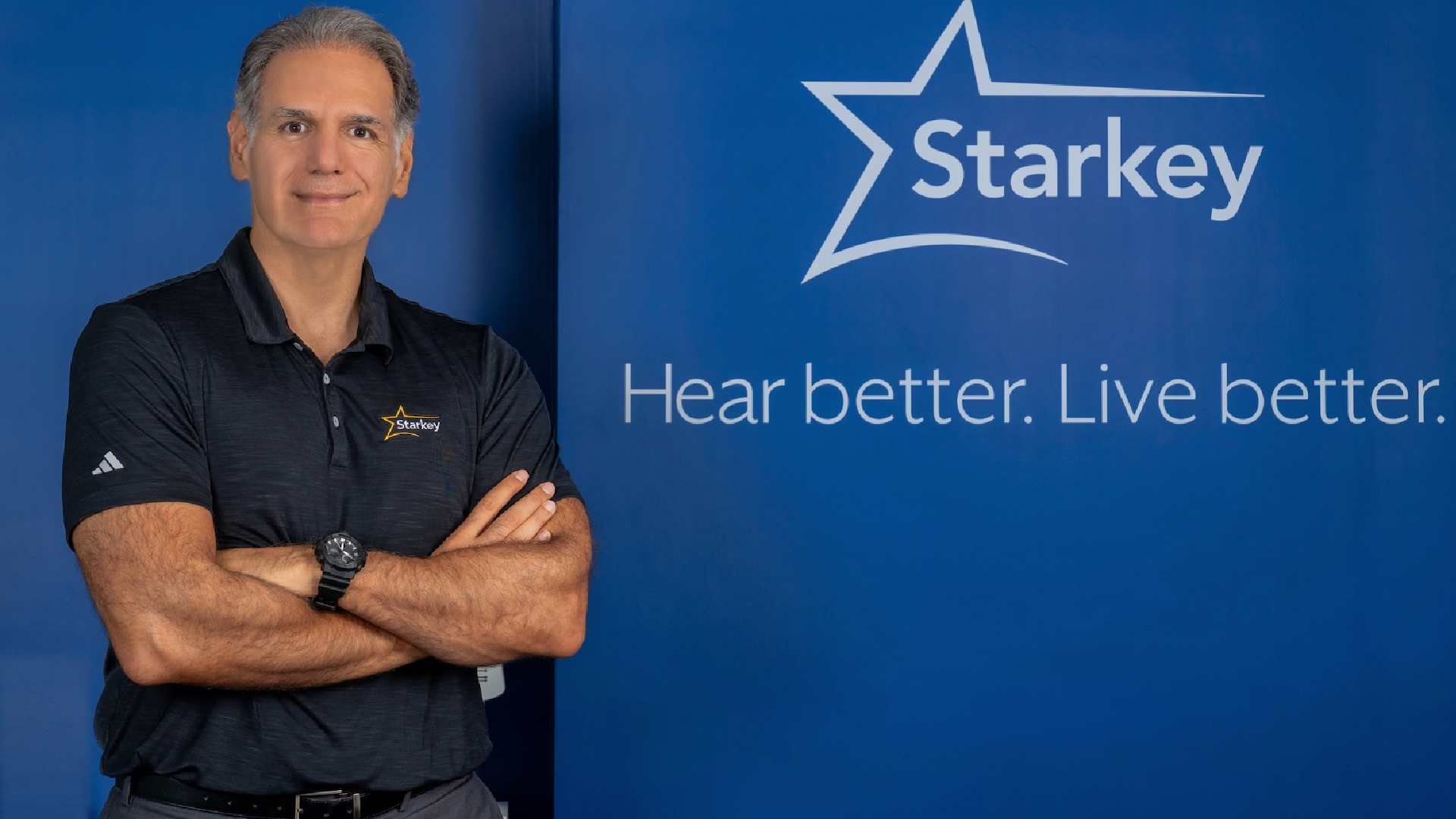
As the world observes Better Hearing Month this May, Starkey Middle East and Africa is reinforcing a message that is both urgent and deeply personal: hearing loss is one of the fastest-growing health challenges of our time, and early action is the single most important step anyone can take to protect it. According to the World Health Organization (WHO), more than 1.5 billion people worldwide currently live with some degree of hearing loss, of whom over 430 million have disabling hearing loss requiring rehabilitation. By 2050, that number is projected to rise to 2.5 billion, with over 700 million experiencing disabling levels. Unaddressed hearing loss already costs the global economy nearly US$1 trillion annually in lost productivity, healthcare costs, and reduced quality of life Giscard Bechara, Director, Starkey Middle East and Africa, said,
Better Hearing month is a moment to pause and ask a simple question – when was the last time you had your hearing checked? Most of us monitor our eyes, our teeth, our blood pressure. But hearing, which is fundamental to how we connect with the people and the world around us, is consistently overlooked. At Starkey, we believe hearing care should be part of every adult’s routine health check, not something people only think about when the damage is already done.
The challenge is particularly acute in the Middle East and Africa, where approximately 30 million people are affected by hearing loss and the prevalence stands at around 7.2% of the population. In sub-Saharan Africa alone, 40 million people live with hearing loss, and that figure is projected to reach 97 million by 2050. The WHO estimates that hearing aid provision in low- and middle-income countries covers just 3% of actual need.
The hidden cost of untreated hearing loss. The consequences of untreated hearing loss extend far beyond difficulty following conversations. A landmark 2024 update of The Lancet Commission on Dementia identified hearing loss as the single largest modifiable risk factor for dementia from mid-life, reinforcing a growing body of evidence linking untreated hearing loss to accelerated cognitive decline. A 2026 study published in Cell Stem Cell further established a causal relationship between hearing loss and cognitive decline, demonstrating through controlled laboratory research that auditory deprivation directly affects neurological function.
A generation at risk
The WHO estimates that over 1.1 billion young people aged 12 to 35 are at risk of permanent, avoidable hearing loss due to unsafe listening practices, including prolonged use of earphones and headphones at high volumes and attendance at loud entertainment venues. Research published in BMJ Global Health found that approximately 24% of young people using personal listening devices and 48% attending loud venues regularly exceed safe sound exposure levels.
In 2025, the WHO and ITU (International Telecommunication Union) jointly released a new global standard for safe listening in video gameplay and esports, reflecting rising concern that gaming environments represent an additional, underappreciated source of hearing damage, particularly among younger demographics.
“In our region, we have a young, connected population that spends hours every day with earphones in, often at volumes that would surprise them if measured. Add to that the ambient noise of our rapidly growing cities, loud social gatherings, and a cultural tendency to see hearing loss as something that only affects older people, and you have the conditions for a public health challenge that is building quietly but relentlessly,” said Giscard.
How modern technology is changing the hearing care conversation
For those already living with hearing loss, Starkey’s latest innovation, Omega AI, launched in October 2025 and now available across the Middle East and Africa, represents a significant leap forward. The platform’s DNN 360 Directionality system, the world’s first deep neural network-powered directional hearing system, continuously analyses the wearer’s sound environment and adapts in real time, delivering up to 28% improved speech intelligibility and up to an 8 dB improvement in signal-to-noise ratio compared to previous Starkey technology.
Omega AI also introduces industry-first health and wellness features through the My Starkey companion app, including automatic respiratory rate monitoring, guided balance exercises, fall detection with caregiver alerts, and TeleHear AI, a generative AI-powered tool that helps users troubleshoot hearing issues in real time with 93% predictive accuracy.
“This month, we encourage everyone in our region to take one meaningful step toward better hearing. Book a hearing evaluation. Talk to your children about safe listening. Ask your employer about noise exposure in the workplace. These are small actions that can have a profound impact on long-term health, relationships, and quality of life,” concluded Giscard.
Spotlight
New Cequence & EMA Research: 94% of Enterprises Trust Their AI Agents Aren’t Over-Provisioned. Only 33% Actually Enforce It.

Nearly every enterprise believes its AI agents are properly scoped. Only a third have actually made sure of it.
Today, new research from Cequence Security, the leader in application, API, and agentic AI protection, and Enterprise Management Associates (EMA) found that 94% of enterprise IT and security leaders are confident their AI agents do not have more access than they need, yet only 33% actually provision agents with least-privilege access. The remaining two-thirds run on broad standing permissions that are reviewed periodically, rarely reviewed, or never reviewed at all.
That gap between confidence and practice is already showing up in production, not a theoretical risk, but as incidents enterprises are living with right now. Among the organizations surveyed:
- 65% have experienced an AI agent take an action outside its intended scope, including 29% with measurable business impact, including data exposure, financial loss, operational disruption, or reputational damage. Another 36% caught a near-miss before it caused damage.
- Only 32% can detect and contain an out-of-scope agent action within minutes through automated means; 55% need hours and manual steps to respond.
- In approximately 4% of organizations surveyed, the first sign of trouble came from a customer or outside partner, not an internal system.
The findings point to one clear story. Governance has not kept pace with the speed of agentic AI deployment, and that gap is showing up at every stage of the agent lifecycle, from how agents are provisioned, to how their actions are authorized, to how they are decommissioned once a pilot ends. Other key findings from the report include:
Enterprises Have Moved Past the Pilot Stage
The scale of deployment makes the gap more urgent. 46% of organizations report they are already scaling agentic AI across multiple departments and production workflows, and 79% are running generative and agentic AI simultaneously. Further, more than 92% report an increase in AI and bot-driven traffic targeting customer-facing applications and APIs.
Authorization is Checked at the Wrong Time, Or Not At All
That governance gap extends to how access is enforced in the moment an agent acts. Only 34% of organizations evaluate an AI agent’s authorization at the moment it attempts a specific action. The majority rely on periodic policy reviews or standing permissions set once at provisioning and never revisited, meaning an agent’s access can quietly outlive the task it was originally granted for, and keep working long after anyone signed off on it.
Abandoned Pilots Are Leaving Live Credentials Behind
Additionally, there’s an increasing risk in how enterprises manage agents that don’t make it to production. 31% of agentic AI pilots have been paused indefinitely, discontinued, or abandoned. Many were real deployments with real system access and credentials that were never cleaned up. Every abandoned pilot with live credentials is exposure nobody is actively watching.
External Connectivity Carries the Same Risk
14% of organizations allow AI agents to connect to outside tools and data sources via the Model Context Protocol (MCP) without restriction. Among the majority who do limit those connections to an approved list, fewer than half, just 49%, have a dedicated team actively maintaining and auditing that list on a regular basis.
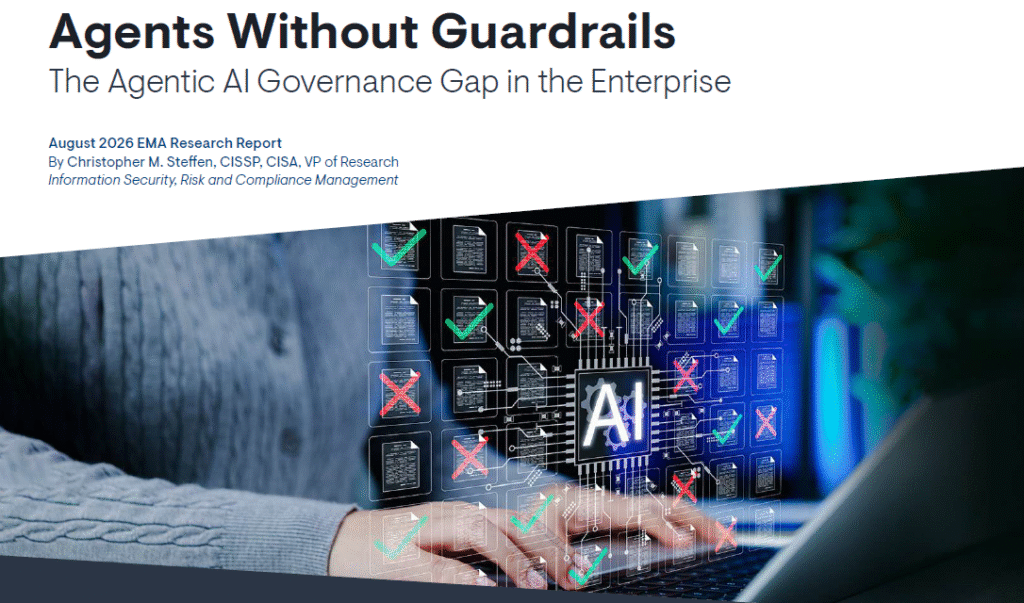
Christopher M. Steffen, CISSP, CISA, VP of Research at EMA, said: “This research shows enterprises have moved well past experimentation with agentic AI right into production, and governance has not kept pace with that shift. The gap isn’t a lack of awareness; most organizations have policies in place and express real confidence in them. The gap is between what’s written down and what’s enforced when an agent takes an action nobody approved. That disconnect shows up most clearly in how organizations authorize agent actions and monitor them once they’re live, and it’s the reason incidents are happening at a rate the industry hasn’t fully reckoned with.”
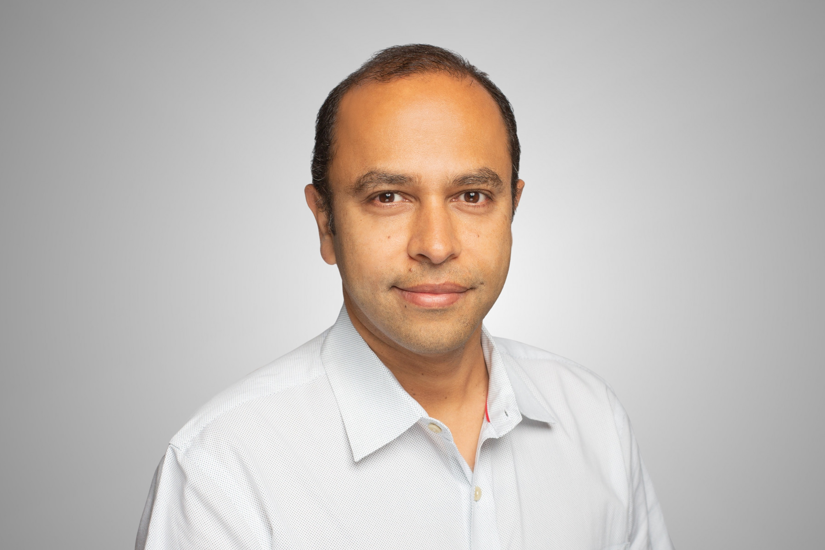
Shreyans Mehta, Co-founder and CTO at Cequence, said: “The number that jumped out to me is the 92% being confident in their governance frameworks. Confidence like that is a trap; it’s exactly why organizations stop looking for problems, stop investing in monitoring, and let authorization checks lapse until an incident forces the conversation. This is the exact blind spot Cequence is built to close, giving security teams real-time visibility into what AI agents are actually doing and enforcing authorization at the moment an agent acts, not after the fact.”
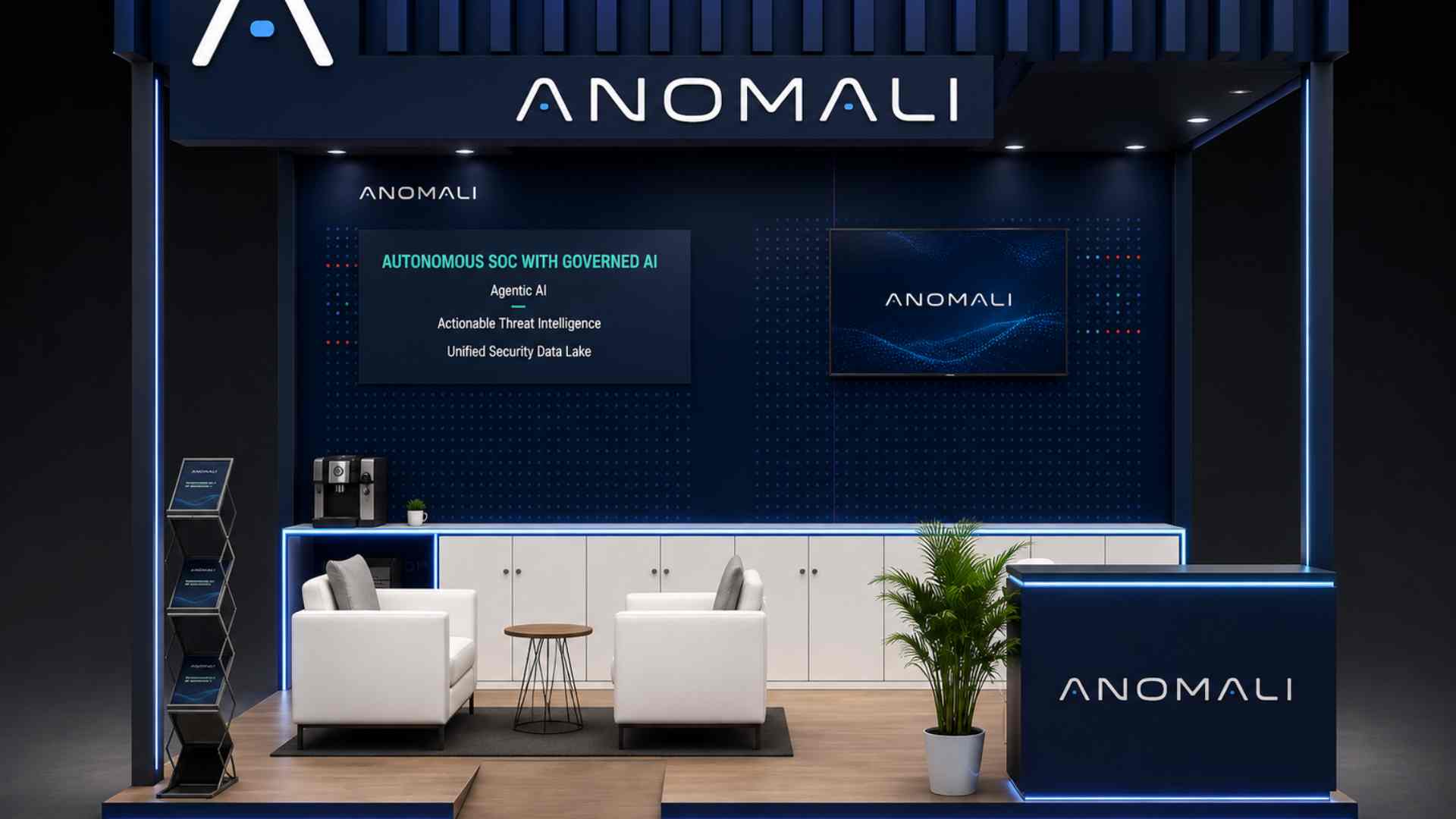
Anomali, the leading global Managed Intelligence and Agentic SOC platform, announced its participation at GISEC Global 2026, taking place through 16-18 September at Dubai Exhibition Centre (DEC), Expo City.
The company’s discussions at GISEC will center on Autonomous SOC with Governed AI, Agentic AI, Actionable Threat Intelligence and Unified Security Data Lake capabilities that are changing the manner in which security teams investigate threats, manage workflows and make decisions.
Samer Jadallah, Vice President, Middle East & Africa at Anomali, will represent the company at GISEC and will focus on the growing impact of AI on both attackers and defenders, emerging shifts in the threat landscape, including the need to counter CEO impersonation attacks as well as key challenges facing modern security teams. He will also highlight AI’s role is helping organizations respond more effectively to evolving threats, Anomali’s commitment to the region and ongoing product innovation and plans to expand adoption of the Anomali platform across global enterprises and government organizations.
A key focus at this year’s event will be the changing nature of cyberattacks. As threat actors promptly adopt AI to scale campaigns and further accelerate attacks, security operations centers (SOC) are under growing pressure to process rising volumes of alerts with limited resources. To help with this, Anomali will demonstrate how AI can support analysts in multiple ways like surfacing higher- value insights, reducing manual effort and enabling quicker, informed responses.
Visitors can find Anomali at Booth E156 and Booth A80.
- Event: GISEC Global 2026
- Booths: E156 and A80
- Location: Dubai Exhibition Centre (DEC), Expo City
- Dates: 16 th to 18 September 2026
- Time: 9:00 am to 5:00 pm GST
Tech News
HONOR BRINGS ITS ALPHA PLAN TO LIFE AT LEAP 2026 WITH THE WORLD’S FIRST ROBOT PHONE AND RENEWED “DARE TO BE” BRAND DIRECTION

HONOR, a global leading AI device ecosystem company, concluded its participation at LEAP 2026, bringing its “ALPHA PLAN: From Vision to Reality” to life through the world’s first Robot Phone, advancements in robotics, cinematic imaging and connected AI experiences. The participation also marked HONOR’s renewed “Dare to Be” brand direction reflecting its continued transformation from a company predominantly known for smartphones into a broader global AI device ecosystem company.
Commenting on the participation, Lei Kunming, CMO HONOR Middle East & Africa said, “LEAP 2026 showed how HONOR’s ALPHA PLAN is moving from vision to reality. From the world’s first Robot Phone and Robotics to our connected ecosystem, we demonstrated how AI can work more naturally around people.” He added “Our ‘Dare to Be’ direction gives that transformation a stronger identity, with Saudi Arabia remaining central to our growth in AI and digital innovation.”
Bringing the HONOR Booth Experience to Life
Visitors explored HONOR’s expanding ecosystem through interactive experiences spanning sports, gaming, smart office, learning and everyday scenarios.
The booth demonstrated how smartphones, PCs, tablets, wearables and other smart devices can work together to deliver more seamlessly, across work, entertainment, sports and health, reflecting the ALPHA PLAN’s ambition to create a more intelligent, connected and human-centric ecosystem around the user.
Introducing the World’s First Robot Phone
At the centre of HONOR’s showcase was the world’s first Robot Phone, a defining proof point of the ALPHA PLAN and a new category combining AI, robotics and cinematic imaging.
Its integrated robotic gimbal can move, track subjects and respond to its surroundings, enabling more intuitive and proactive content creation. LEAP also marked the Robot Phone’s reveal for the Middle East and Africa, making the region the first overseas market to experience the new category.
HONOR also highlighted its collaboration with ARRI, bringing more than 100 years of professional cinema and image science expertise together with HONOR’s AI and robotics capabilities to make cinematic content creation more accessible to everyday users.
Advancing a Future Built on Human and AI Collaboration
Beyond the Robot Phone, HONOR showcased its ambitions in robotics through HONOR Robotics D1, reinforcing its vision of a future shaped not by humans competing against AI, but by humans working with AI to achieve more. The company also explored the future of AI devices and robotics through its LEAP keynote and panel discussions.
Entering a New “Dare to Be” Era
Reflecting this evolution, HONOR’s renewed“Dare to Be” direction reflects its evolution beyond individual devices towards an open AI ecosystem connecting technologies, industries and lifestyles. Supported by innovations including Agentic OS and AiMAGE, HONOR’s journey progresses from an intelligent phone to an intelligent ecosystem and, ultimately, an intelligent world.
Driving Growth Across MEA
HONOR entered LEAP with strong regional momentum. In H1 2026, the company grew by 35% while the Middle East smartphone market declined by 13%, making HONOR the only leading smartphone brand in the region to grow and the second-largest smartphone brand in the Middle East. This followed 73% year-on-year growth in Q1 2026.
Within this regional growth, Saudi Arabia remains a particularly important market for HONOR, supporting the company’s broader ambitions across AI devices and its connected ecosystem.
Strengthening HONOR’s AIoT Presence in Saudi Arabia
As part of this momentum, Saudi Arabia remains a strategic market for HONOR and an important part of the ALPHA PLAN. The Kingdom is now HONOR’s number one tablet market by share, while its AIoT business has grown by more than 500% and HONOR Earbuds Clip has surpassed 100,000 units sold locally.
Building on this strong foundation, HONOR continues to strengthen its presence through retail, after-sales, local partnerships and deeper engagement with the Kingdom’s technology ecosystem.


New Cequence & EMA Research: 94% of Enterprises Trust Their AI Agents Aren’t Over-Provisioned. Only 33% Actually Enforce It.
DO FISCAL STIMULUS MEASURES SUPPORT THE US MARKET GROWTH, AND IS A DEFAULT POSSIBLE?
DO FISCAL STIMULUS MEASURES SUPPORT THE US MARKET GROWTH, AND IS A DEFAULT POSSIBLE?



-
News11 years ago
SENDQUICK (TALARIAX) INTRODUCES SQOOPE – THE BREAKTHROUGH IN MOBILE MESSAGING
-

 Trending11 months ago
OPPO A6 Pro 5G Review: Reliable Daily Driver
-

 Tech News2 years ago
Denodo Bolsters Executive Team by Hiring Christophe Culine as its Chief Revenue Officer
-
 VAR1 year ago
Microsoft Launches New Surface Copilot+ PCs for Business
-

 Automotive2 years ago
AGMC Launches the RIDDARA RD6 High Performance Fully Electric 4×4 Pickup
-
Tech Interviews2 years ago
Navigating the Cybersecurity Landscape in Hybrid Work Environments
-

 Tech News1 year ago
Nothing Launches flagship Nothing Phone (3) and Headphone (1) in theme with the Iconic Museum of the Future in Dubai
-

 VAR2 years ago
Samsung Galaxy Z Fold6 vs Google Pixel 9 Pro Fold: Clash Of The Folding Phenoms