
 Have a question? +971 56 404 0503





Uncategorized
Design is adopting AI faster than it is measuring its environmental impact

For years, concepts such as sustainability, wellbeing, flexibility and digitalisation have shaped the conversation around spatial design. Yet the sector is entering a new phase. It is no longer enough simply to talk about these ideas: architects, interior designers, developers, hotel operators and brands now face the challenge of using data to demonstrate the real impact of their decisions on people and the environment.
The sixth edition of The New Habitat 27/28, the annual trends report commissioned by APE Grupo, identifies this very shift. Drawing on international research and a survey of 352 professionals working in design, architecture and the creation of spaces, the study examines how residential, hospitality, workplace and retail environments are evolving against a backdrop of rapid advances in artificial intelligence (AI), the need to move towards more sustainable models and profound social changes affecting how people live, work, travel and consume.
One of the report’s most significant findings is the difference in the pace at which the sector is adopting technological innovation and environmental assessment methods. While seven in ten professionals use AI tools in their work, and one in three uses them almost daily, only one in six projects currently measures its environmental footprint using verifiable systems. The figures reflect an increasingly clear reality: technology is rapidly becoming part of creative and management processes, while objective measurement of sustainability continues to face barriers relating to budgets, technical complexity and market demand itself.
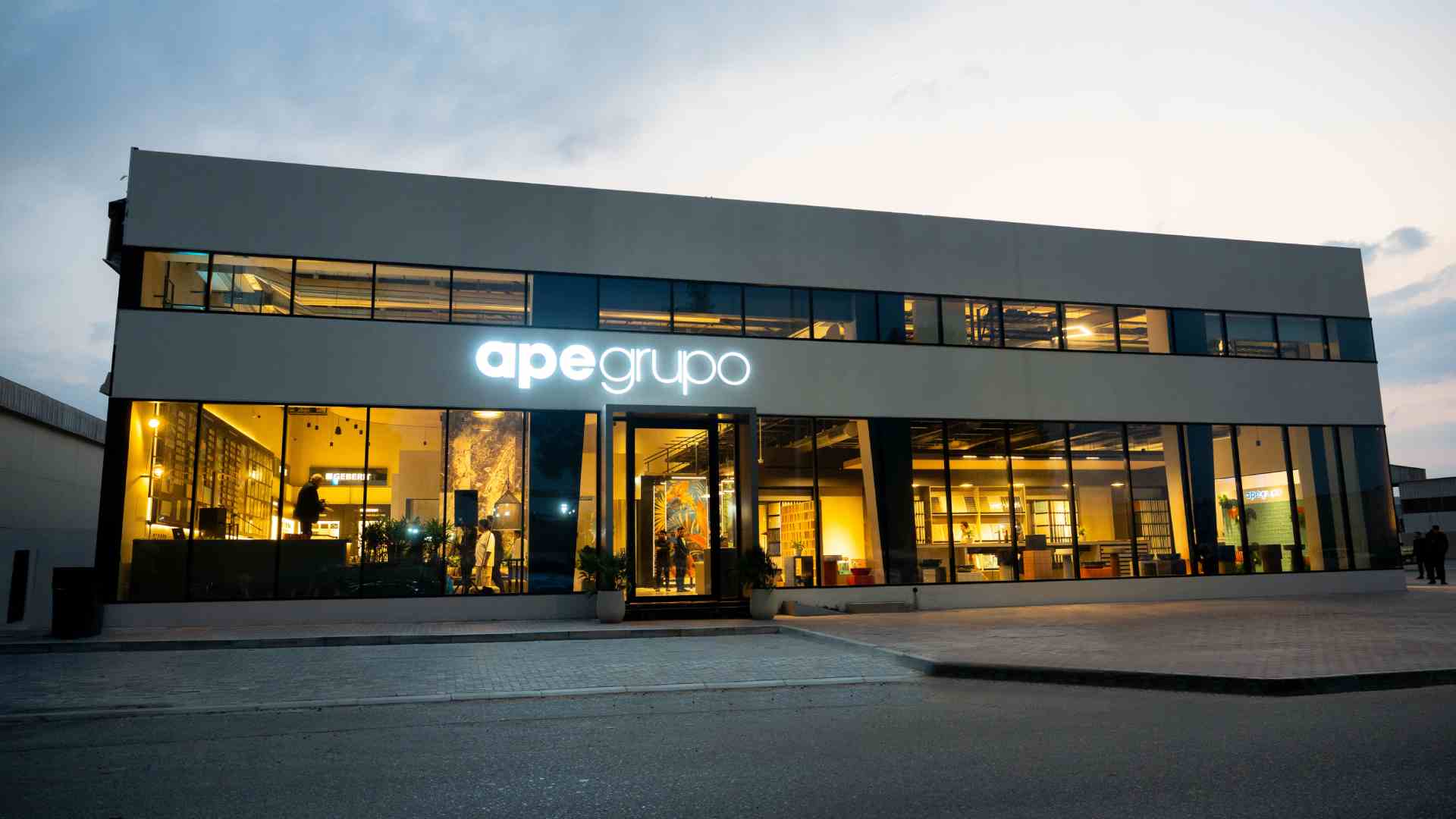
This was one of the key findings presented at the launch of The New Habitat 27/28 at APE Grupo Middle East’s flagship store in Dubai. The event brought together architecture and design professionals to discuss the report’s findings and their implications for the future of the spaces we inhabit.
The New Habitat was developed with trend research consultancy Futurea, with the international organisation Women in Office Design (WOD) as the study’s partner. The report also draws on insights from experts at major international architecture and design practices, including Gensler, M Moser Associates, DLR Group in Dubai and Hirsch Bedner Associates (HBA), among others.
For José Miguel Pellicer, CEO of APE Grupo, this sixth edition confirms the maturity of a project that the architecture and design community has embraced: “The sector has become very good at talking about itself; now it needs to demonstrate that it can deliver on its claims. Moving from words to action is the real challenge at this stage.”
Homes: healthier, more adaptable spaces for every stage of life
Residential spaces are entering a new phase of maturity. Following several years in which homes had to accommodate new functions brought about by lockdowns and the growth of remote working, residential design is now moving towards a more considered approach, conceived to support people over time. As Saúl Castellanos, Specifications and Procurement Manager at AEDAS Homes, explains: “The challenge is no longer to design a home for a particular moment, but one that can support you throughout your life.”
Although energy efficiency remains a priority for professionals, attention is increasingly turning to health, comfort and the adaptability of homes. Connections to the outdoors (22.1%) and the use of sustainable materials, together with users’ willingness to invest more in them (up to 11.3% more), reflect an understanding of the home that goes beyond shelter to become a space that supports physical and emotional wellbeing.
Against this backdrop, the concept of the low-tox home is gaining ground, driven by growing concern about indoor air quality, exposure to potentially harmful substances and the creation of healthier environments. The rise of filtration systems, air quality sensors and air-purifying plants points to a trend shaped by growing consumer awareness of how the domestic environment affects health.
Indeed, seven in ten consumers say that keeping their home clean gives them a sense of achievement and wellbeing. As Italian architect and designer Monica Armani observes: “Today, we ask more of our homes: not just functionality, but emotional balance; spaces that make us feel protected, understood and truly at ease.”
The report also finds that difficulties in accessing housing, an ageing population and new living arrangements are driving more flexible residential models designed for different stages of life. These include arrangements such as Living Apart Together (LAT), which call for more versatile, accessible spaces that can adapt to new forms of relationships and living arrangements.
The visual language of the home is also changing. After years dominated by neutral, standardised interiors, the trend towards colour confidence is emerging, championing colour as a means of expressing personality, optimism and wellbeing. As Irene Trujillo of LIMA Flexliving explains: “We are moving away from cold minimalism that places too much emphasis on aesthetics towards a more sensory and emotional approach to the home.”
Hotels: from individual wellness to shared wellbeing
After years in which hotel stays were associated with constant entertainment and conspicuous luxury, today’s travellers are seeking experiences that offer connection, balance and meaning. The New Habitat 27/28 finds that 88% of people worldwide want purposeful experiences. “We have moved from seeing travel as an expense to seeing it as an investment in quality of life, health, knowledge and personal development,” says Daniel Mayo of Vivood.
Guest comfort and experience have become the top priority for 89.4% of professionals in the sector, ahead of factors such as a space’s identity, inclusive design and sustainability. Hospitality design is therefore evolving from an aesthetic consideration into a strategic tool capable of meeting new expectations and needs. As Marta Palazuelo of HBA observes: “True luxury today is being able to switch off, which means integrating services almost invisibly, without noise or ostentation.”
One of the most significant changes identified in the report is the evolution of wellness. Alongside approaches focused exclusively on individual care, shared experiences are gaining prominence, including communal saunas, guided rituals, wellness clubs and activities that encourage interaction between guests. Wellbeing is no longer seen solely as a private experience, but also as a means of building social connections.
This search for balance is also driving alternatives that bring people closer to nature and away from crowded destinations, supporting the growth of glamping, astrotourism and accommodation integrated into natural surroundings. At the same time, in a more challenging economic climate, the report identifies a rise in short, frequent breaks, grouped under the concept Ordinary, Elevated. As Naji Safi of DLR Group explains: “The most valuable experiences are those that leave a lasting emotional or personal impression.”
This transformation is already reflected in investment decisions: hotel design budgets will grow by 7.1% over the coming year — the largest increase across the four sectors analysed — and clients would be willing to increase their design investment by 16.2% to improve the sustainability of their properties.
Offices: the working experience begins before you reach your desk
The office is undergoing a profound rethink. At a time when work can be done from many different locations, the question is no longer where people work, but what gives them a reason to travel to the office. Workspaces are therefore increasingly seen as a strategic investment in attracting talent, encouraging innovation and strengthening corporate culture, rather than simply an operating cost.
The report shows that employee health and wellbeing are the top priority for 28.4% of professionals in the sector, ahead of factors such as flexibility and creativity. This shift is extending the traditional boundaries of the office. Under the street-to-seat concept, the working experience is understood as an entire journey, encompassing far more than what happens at the desk.
The building’s location, accessibility, local amenities, transitional spaces and communal areas all become part of the working experience, helping to strengthen employees’ connection with the organisation. As Francesca Heathcote Sapey, architect and urban designer at Sapey + Partners, explains: “The working experience does not begin when you walk through the office door, but encompasses the entire journey beforehand.”
Offices are also incorporating more amenities and experiences that are difficult to replicate at home. Restaurants, terraces, gyms, auditoriums, event spaces and areas for informal gatherings are being integrated into workplaces to encourage spontaneous interaction, creativity and the development of professional relationships. As Megan Dobstaff, Design Director at Gensler in London, notes: “Today, every decision must be informed by research, connecting design with performance, inclusion and people’s real needs.”
According to The New Habitat 27/28, workplace design budgets will grow by 5.1% over the coming year, driven by the pursuit of more flexible, experience-led environments aligned with professionals’ changing expectations.
Retail: the physical shop evolves from a point of sale into a space for experience and community
Despite the continued growth of e-commerce, physical shops retain a strategic role for brands. Their distinctive value lies in what online shopping cannot replicate: human interaction, sensory experiences and the ability to build community. As Cecilia Guarás of Bobo Choses explains: “A physical shop brings a brand’s world to life in a way that e-commerce cannot.”
Against this backdrop, the report identifies the rise of the so-called meaning economy, a trend that turns shops into spaces where much more than shopping takes place. Events, workshops, product discovery and shared experiences transform the point of sale into a place that strengthens the emotional connection between consumers and brands. Flexibility is becoming a strategic priority in responding to this new reality: 23.4% of professionals identify the ability to adapt shops to different uses, activations and experiences as one of the main challenges facing retail design today.
Artificial intelligence is also beginning to form part of the retail experience, albeit in a clearly complementary role. While digital assistants provide recommendations, help locate products and streamline payment processes, human service remains a point of difference when customers seek trust, advice and personalisation. As Leticia Yangüela Martí of HMY, a specialist in national and international Brands & Retail projects, puts it: “Technology should handle the operational side — stock, product location and payment — so that the physical space can focus on enjoyment, inspiration and building a more meaningful relationship with the brand.”
Alongside these changes, the report highlights the rise of infiltrated retail, a trend that blurs the boundaries between shopping, culture, leisure and everyday life. Shops are no longer conceived as isolated spaces, but are integrated more naturally into the city and people’s routines, creating hybrid formats that combine the functions of a shop, café, gallery, library or meeting place. The result is a more open, flexible retail model, more closely connected to its surroundings, in which the experience becomes as valuable as the product itself. Investment is following this shift: retail design budgets will grow by 4.3% over the coming year.
Across the different sectors, The New Habitat 27/28 identifies a common trend: spaces are moving beyond a single function to respond to increasingly fluid ways of life. Homes accommodate new living arrangements and the needs of an ageing population; hotels are evolving towards experiences centred on wellbeing and connection; offices seek to attract people through experiences that add value; and retail is becoming a space for relationships and community. In every case, design is moving beyond broad claims to focus on a fundamental question: how to demonstrate that spaces make a tangible contribution to improving people’s lives.
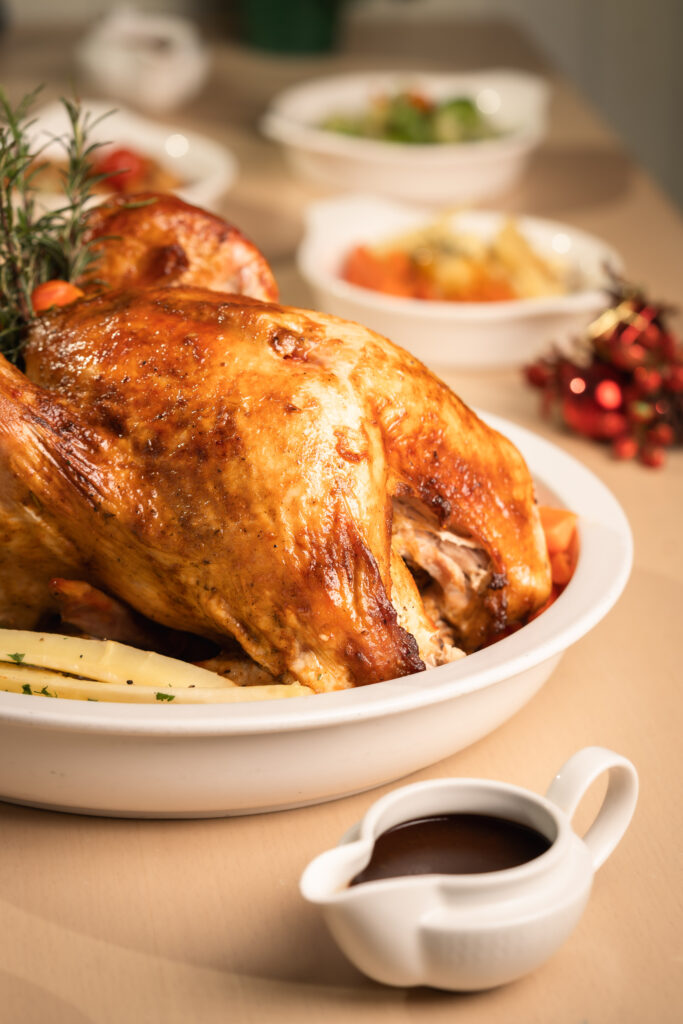
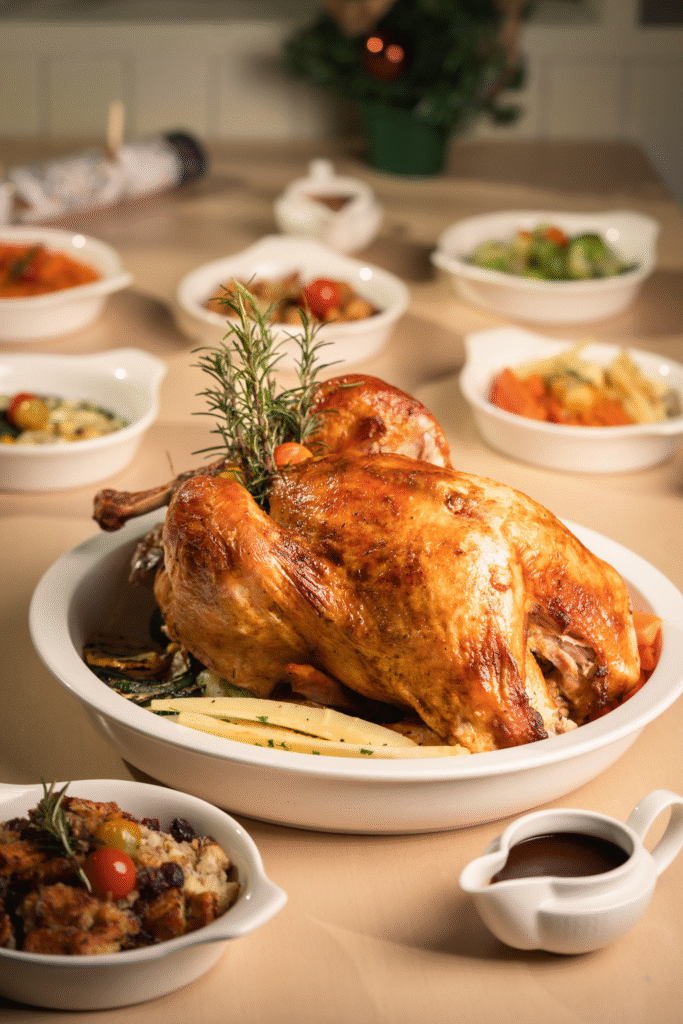
The festive season is all about bringing loved ones together, sharing delicious food and creating memorable moments around the table. This Thanksgiving and Christmas, The Grazer at Mövenpick Hotel Apartments Downtown Dubai is making holiday hosting a little easier with its specially curated Turkey Takeaway, featuring a perfectly glazed roast turkey accompanied by all the traditional trimmings, freshly prepared by the hotel’s culinary team.
Whether it is a cosy Thanksgiving dinner with family, a festive gathering with friends or a Christmas celebration at home, The Grazer takes care of the cooking, allowing guests to spend more time enjoying the occasion. Priced at AED 595, the Turkey Takeaway offers a convenient way to enjoy a traditional holiday feast without the hours of preparation.
At the heart of the festive spread is a succulent 5–6 kg glazed roast turkey, accompanied by flavourful herb stuffing, rich pan gravy, golden roast potatoes, glazed carrots, seasonal vegetables, cranberry compote and freshly prepared dinner rolls. Bringing together comforting flavours and holiday classics, the thoughtfully curated spread is designed to make every festive gathering feel special.
For those looking to add an extra touch to their celebrations, guests can personalise their feast with optional Yuleg cake available for AED 150 and additional side dishes, available for AED 50.. The Grazer also caters to corporate gatherings and larger celebrations, with special rates for bulk orders available upon enquiry.
The Thanksgiving Turkey Takeaway is available for pre-orders from 1 to 22 November 2026, with collections scheduled for 25 and 26 November. For Christmas celebrations, pre-orders will be accepted from 1 to 21 December 2026, with collections available on 24 and 25 December. Guests can select their preferred collection date and time, with orders required at least 72 hours in advance.
With all the festive favourites prepared by the chefs at The Grazer, guests can skip the kitchen preparations and focus on what truly matters this season: good food, great company and the joy of celebrating together.
Turkey Takeaway Details
- Venue: The Grazer, Mövenpick Hotel Apartments Downtown Dubai | Price: AED 595 per turkey set | Includes: 5–6 kg glazed roast turkey, herb stuffing, pan gravy, roast potatoes, glazed carrots, seasonal vegetables, cranberry compote and dinner rolls | Optional add-ons: Dessert boxes and extra sides, priced at AED 50 or AED 75 | Thanksgiving pre-orders: 1–22 November 2026 | Thanksgiving collection: 25–26 November 2026 | Christmas pre-orders: 1–21 December 2026 | Christmas collection: 24–25 December 2026 | Advance booking: Minimum 72 hours before collection | Corporate and bulk orders: Special rates available upon enquiry | Orders: Via WhatsApp or phone call
A Roasted Turkey Centrepiece Made for Sharing
Some of the best gatherings begin with a table worth gathering around. From 5 December to 7 January, a beautifully roasted turkey takes centre stage, offering a generous centrepiece to bring home and share with family and friends. Golden, hearty and made for the occasion, it turns the Christmas table into something worth lingering around.
Available for collection from 10:00 am to 11:00 pm, the offering starts from AED 850, giving hosts an easy way to take care of the main event while leaving more time for the people around the table.
Date: 5 Dec 2026 – 7 Jan 2027 | Pick-up Time: 10:00 AM – 11:00 PM | Price: Starting from AED 850 | Location: The Tea Lounge, Address Dubai Mall | +971 4 245 8882
Note: Orders must be placed at least 48 hours in advance
Bring Home the Festive Feast from Cetara
A Christmas Centrepiece, Roasted and Ready to Take Home
Bring the magic of Christmas to the table with Cetara at Address Downtown’s festive Turkey Takeaway. Available from 7 to 25 December, the offering features a generously sized 9–10 kg whole roasted turkey, served alongside a selection of traditional festive accompaniments and condiments. Perfect for gathering loved ones around the table, it brings the warmth of a classic Christmas feast home, with all the indulgence and none of the preparation. Designed for effortless festive entertaining, the turkey is available for pick-up from 11:00 am to 8:00 pm, ready to take home and serve as the centerpiece of Christmas celebrations. Pre-booking is required 48 hours in advance, allowing guests to plan their festive table with ease
- Dates: 7 – 25 Dec 2026 | Pick-up Timings: 10:00 AM – 8:00 PM | Price: AED 950 per roasted turkey (9–10 kg) | Location: Cetara, Address Downtown | Note: Pre-booking required 48 hours in advance
A Whole Roasted Turkey, Ready for the Festive Table
The Patisserie Prepares This Season’s Centrepiece for Homes and Gatherings
This festive season, The Patisserie at Address Creek Harbour introduces its Takeaway Turkey, priced at AED 799 per roasted turkey, available for collection between 7 December 2026 and 10 January 2027, daily from 1:00 PM to 6:00 PM. Each turkey is roasted to golden perfection, allowing guests to bring the warmth of a festive feast home without the effort of preparation. Designed for those hosting family and friends this season, the offer lets guests focus on the gathering itself, while The Patisserie takes care of the centrepiece. Date: 7 Dec 2026- 10 Jan 2027 | Time: 1:00 PM – 6:00 PM | Price: AED 799 per roasted turkey | Location: The Patisserie, Address Creek Harbour
A Golden Turkey Awaits This Season at Palace Downtown
Al Bayt Prepares the Perfect Centrepiece for Festive Tables at Home
There’s a comforting tradition waiting at Al Bayt, Palace Downtown, this December, as the restaurant prepares its Festive Turkey Takeaway, a whole roasted turkey (6-7 kg), lovingly prepared and ready for collection daily between 10:00 AM and 11:00 PM, priced at AED 899. Guests are welcome to simply arrive, collect their turkey, and head home to gather with family and friends, leaving the cooking to Al Bayt. It’s a small gesture meant to make the season feel a little easier: more time around the table, less time in the kitchen.
- Date: Throughout December 2026 | Pick-up Time: 10:00 AM – 11:00 PM | Price: AED899 per turkey (6 -7 kg) | Location: Al Bayt, Palace Downtown | Note: Minimum 48 hours’ prior booking required
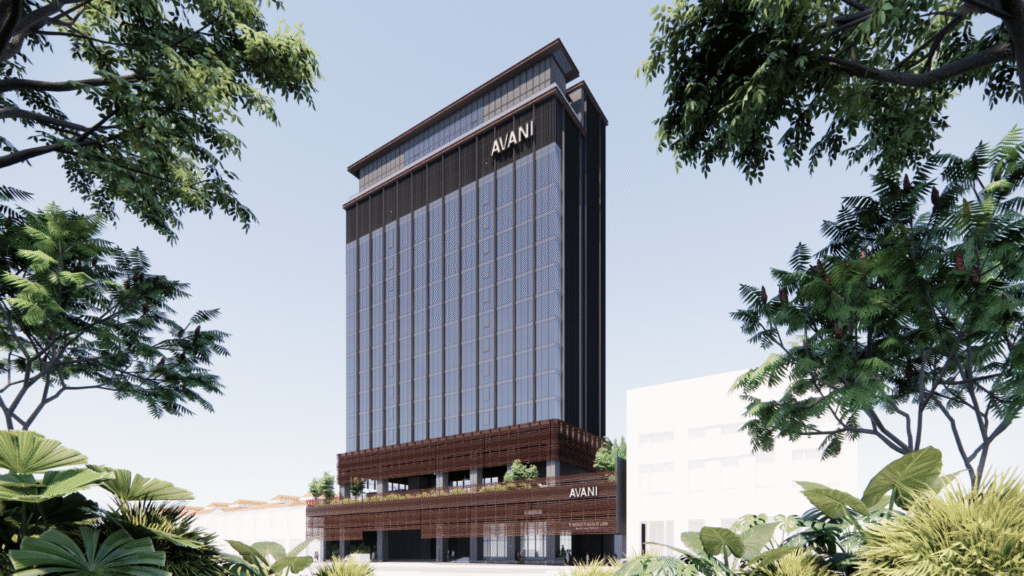
Minor Hotels, a leading global hotel owner and operator, has announced Avani Singapore Hotel, a 200-key lifestyle hotel set to open in Q2 2027. The opening will mark Minor Hotels’ debut in Singapore, bringing the Avani brand to 24 Peck Seah Street in the Tanjong Pagar district.
The project will expand Minor Hotels’ presence in Southeast Asia, adding a central Singapore address to Avani’s growing portfolio of city hotels and resorts. The 14-storey new-build hotel will bring Avani’s contemporary design and social approach to a district where historic shophouses sit alongside the city’s commercial towers. Its position within Tanjong Pagar will connect guests with the Central Business District, Chinatown and an established neighbourhood dining scene, supporting both business and leisure stays.
“Tanjong Pagar has an energy of its own and we want Avani Singapore to contribute to it,” said Judd Rabbidge, General Manager of Avani Singapore Hotel. “We’re building a team with the ideas and drive to make this a hotel people seek out, whether they’re travelling for work, exploring Singapore or meeting friends. For me, success means getting the everyday details right and creating an atmosphere that brings both guests and neighbours back time and time again.”
Accommodation will comprise 200 rooms and suites ranging from 19 to 70 square metres, with contemporary interiors designed for city stays. Leisure facilities will include a green terrace, an outdoor swimming pool and an AvaniFit gym equipped with Technogym cardio machines and weight stations.
Dining will be led by rooftop SEEN Restaurant & Bar, combining food and cocktails with city skyline views, DJ sets and a programme of pop-ups and collaborations. A Lobby Lounge will serve light bites and drinks, while The Pantry, Avani’s signature grab-and-go concept, will offer healthy options for guests on the move.
A pedestrian link through the property will connect Peck Seah Street with Tras Street, giving guests direct access to the neighbourhood’s restaurants and bars. The hotel will be less than 200 metres from Tanjong Pagar MRT Station and approximately 350 metres from Maxwell MRT Station, providing connections to Marina Bay and other key districts.


From the French Riviera to Abu Dhabi: La Môme Makes Its Grand Debut with an Exclusive Four-Day Race Weekend Takeover
Celebrate Thanksgiving and Christmas with The Grazer’s Turkey Takeaway
Turkey Takwaway – Bring Home the Christmas Roast



-

 Trending1 year ago
OPPO A6 Pro 5G Review: Reliable Daily Driver
-

 Tech News2 years ago
Denodo Bolsters Executive Team by Hiring Christophe Culine as its Chief Revenue Officer
-
 VAR2 years ago
Microsoft Launches New Surface Copilot+ PCs for Business
-

 Automotive2 years ago
AGMC Launches the RIDDARA RD6 High Performance Fully Electric 4×4 Pickup
-

 VAR11 months ago
Huawei Nova 14 Pro Review: Where Camera Excellence Meets Ecosystem Evolution
-
Tech Interviews3 years ago
Navigating the Cybersecurity Landscape in Hybrid Work Environments
-

 Hospitality2 years ago
Gulfood 2025 30th Edition Kicks Off Today, Setting New Benchmarks in F&B Growth and Innovation
-

 Tech News1 year ago
Nothing Launches flagship Nothing Phone (3) and Headphone (1) in theme with the Iconic Museum of the Future in Dubai