
 Have a question? +971 56 404 0503




Hospitality News
President of AMFORHT Discusses the Importance of Education and Training for the Growth of Hospitality Sector

The Integrator had an exclusive interview with Abderahman Belgat, President of World Association for Hospitality and Tourism Education and Training (AMFORHT), an affiliate member of the UNWTO.
How do you perceive the shift in importance from short-term operational concerns to long-term education and training within the hospitality industry, and why is it crucial for the industry’s future growth?
It is crucial to assess the current situation after the impact of COVID-19. What has unfolded since then? What aspects should we analyze? Is the emphasis solely on the present or should we consider the future? For instance, the deal between AMSA Hospitality and Accor that happens today at ATM, 2023 holds significant importance as it combines vision and strategy. Many companies have suffered financial losses, resulting in a strong focus on immediate operational concerns. However, it is essential for us to realize that education and training play a pivotal role. Today, education and training are key to shaping the future, not just working to meet short-term needs like paying rent, car expenses, or debts. Building a 5-star hotel, for example, may take five years, while developing managers requires at least ten years and achieving a high-level managerial position may take 12 to 14 years. It is crucial to understand these details within our industry. AMFORHT, being a worldwide association representing 72 countries and encompassing over half a million students, teachers, and organizations, is significant. As an Arab Muslim, I am proud to be the first African in this position. It’s very important to highlight that today the main capital is not oil, gas, It’s education and training. Recognizing this fact enables us to secure a prosperous future. While infrastructure plays a role, focusing on airports or other facilities, education and training are fundamentally different. Our aim is to ensure that every country worldwide prioritizes the economic industry of tourism, rather than diverging into various sectors. That’s where the true distinction lies. Personally, I am attending ATM to stay updated and witness the progress of the deal between AMSA Hospitality and Accor. This project is of great importance to me because it involves Accor, a global company with immense knowledge, collaborating with AMSA Hospitality that has the knowledge of Saudi Arabia, not only of the main big cities but also of all the possible tourism attractions across the country.
How important is education in the Hospitality industry?
Education and training serve as the primary key to success in the hospitality industry. It is not limited to adults alone; it encompasses the youth as well. Education becomes your pathway as you grow and progress. You take steps forward, gradually advancing over two, three, or four years. It is a wonderful journey.
Consider a scenario where you can venture to another country, perhaps a financially disadvantaged one like Bangladesh. If you possess education, hospitality skills, and training, I am confident that Bangladesh or any other impoverished nation could experience development. Tourism is not something that should be only enjoyed by the people who have abundant wealth.
In Dubai, the focus often revolves around those who have wealth to come here—those with money. But for those who lack financial resources, they remain in their struggling home countries. However, by offering education and hospitality opportunities in various nations, everyone can partake in the benefits.
Education, training, and hospitality are critical because the tourism industry is challenging. When a country attracts tourists, it fosters peace since tourists are averse to conflict. Hence, countries concentrate their efforts on establishing peace to attract visitors, making the world a more peaceful place to live in.
How is technology facilitating access to education in the hospitality industry?
What exactly is technology? It is merely a tool. A lot of countries are known for their technological advancements despite economic challenges. People often inquire about technology, but it remains a tool, right? That can be bought by any country with money. On the other hand, education is distinct. It goes beyond reading books; it involves cultivating respect. In each country that is popular for having tourists there, hospitality serves as the language of tourism that brings respect and peace to the nation.
In the hospitality sector of the Middle East, which industry is currently experiencing significant growth?
From my perspective, having spent over 10 years in Saudi Arabia and being familiar with this region, I would say that hospitality is a natural aspect of the Middle East. It comes effortlessly, and the strength lies in the fact in countries like the USA or Japan, it is not as easy to grasp due to differences. The Middle East benefits from favorable conditions such as it is not densely populated like China, and due to high level of diversity everyone feels belonged. The presence of smaller cities makes it more manageable. The key is understanding and respecting the local ways. For example, I may be in Saudi Arabia today, but I acknowledge the importance of starting with the local population. By focusing on education and training for the residents, success can be achieved. Once you have your population well-prepared, you can then cater for visitors. Education and training come first, and with financial resources, technology can be acquired later.
Sometimes people perceive things as complicated, but in reality, it is about ensuring that the right individuals are in the appropriate positions. If you have a capable and forward-thinking leadership, the process becomes easier. However, if corruption and individuals motivated solely by money come into play, it becomes detrimental to progress. It is our responsibility to assist local leaders whenever possible to help them educate their populations for their long-term successful development.
Hospitality
STEP ABOVE THE CITY: FIVE CURATED MOMENTS ON THE 122ND FLOOR ONLY AT AT.MOSPHERE BURJ KHALIFA

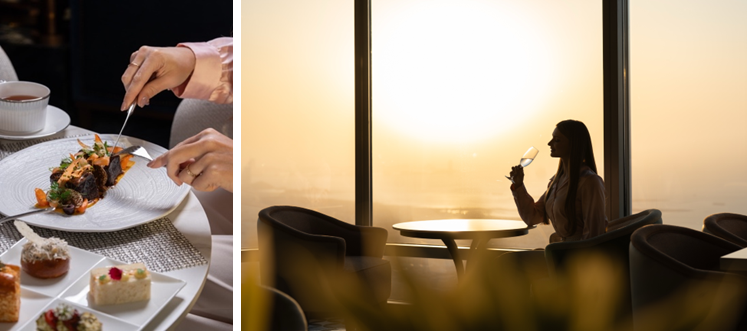
Some experiences are defined by where they take place. At.mosphere, perched on the 122nd floor of the Burj Khalifa, is one of them. For a limited time, five distinct moments trace the day’s passage, from sunrise to midnight, each tied to the rhythm of the city below. Priced at AED 122, the experience follows its setting with intention, offering the city from a perspective reserved for the rarest of visits.
From first light to nightfall, At.mosphere invites you to rise above the city, where the skyline stretches endlessly and each dish draws your attention as much as the view. This isn’t just dining; it is an experience worth savouring.
The Five Daily Experiences at At.mosphere Lounge
Sunrise in the Sky – Breakfast
Start your day above the city. Freshly baked pastries and signature coffee come with uninterrupted views of Dubai as it wakes, making mornings feel a little more special.
Time: 8:00 am – 11:30 am
Midday Pause – Lunch
Take a break from the rush. Lunch here is simple, satisfying, and perfect for busy days, with dishes that keep you going while the city moves below.
Time: 12:30 pm – 3:00 pm
Twilight Indulgence – Afternoon Tea
As the afternoon softens, enjoy a sweet treat and a cup of tea. The city carries on below, while up here you can just take a moment for yourself.
Time: 2:30 pm – 3:00 pm
Sunset Aperitivo – Cocktails & Bites
Golden hour glows over the skyline. Sip a signature cocktail, nibble on light bites, and watch the city shift as the sun sets.
Time: 5:00 pm – 8:00 pm
Midnight in the Sky – Drinks
When Dubai comes alive at night, two signature drinks and ambient sounds make for a quiet, memorable evening above it all.
Time: 10:00 pm – 12:00 am
Five moments. Five moods. One destination. At.mosphere Lounge gives you a view of Dubai you won’t forget.
Hospitality
CORAL BEACH RESORT SHARJAH SETS UAE HOSPITALITY BENCHMARK AS FIRST SIGNATORY OF GLASGOW DECLARATION ON CLIMATE ACTION
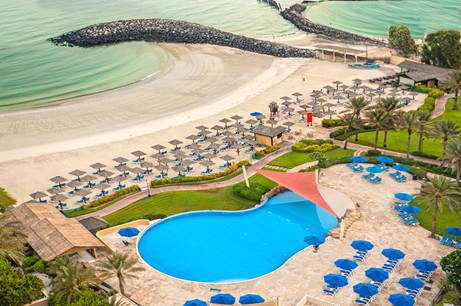
Coral Beach Resort Sharjah is proud to announce its recent acknowledgment and listing as a signatory of the Glasgow Declaration Initiative on Climate Action in Tourism. This recognition cements Coral Beach Resort Sharjah’s status as the only hotel in the UAE to receive this honour, further enhancing our commitment to sustainable tourism.
The Glasgow Declaration on Climate Action in Tourism is a global initiative launched during the United Nations Climate Change Conference (COP26) in 2021 aimed at bringing together the tourism sector to cut carbon emissions by half by 2030 and reach net zero as early as possible before 2050, in line with science-based targets.
Coral Beach Resort Sharjah’s recognition aligns perfectly with the Sharjah International Travel & Tourism Forum Awards 2025 under Sustain Sharjah category, recognition bestowed by Sharjah Commerce & Tourism Development Authority on November 19, 2025. This accolade highlights the hotel’s dedication to the Six Pillars of sustainability, particularly focusing on Climate, Waste, Culture, Water, Nature, and Education.
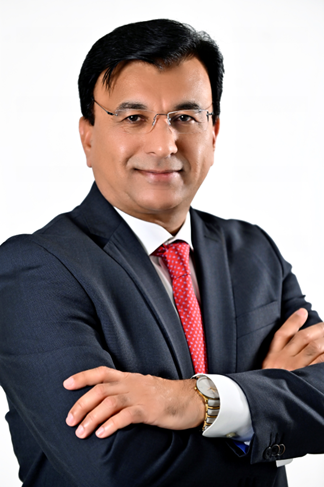
Iftikhar Hamdani, Area General Manager of Coral Beach Resort Sharjah said, “I am incredibly proud to announce our inclusion among the signatories of the Glasgow Declaration Initiative on Climate Action in Tourism. This achievement not only recognizes our hotel’s commitment to environmental sustainability but also sets a benchmark for hospitality & tourism industry in the UAE. Our efforts—including our innovative waste management system, an on-site water bottling plant, energy-efficient operational systems, and our active partnerships in recycling and tree planting—illustrate our dedication to reducing our carbon footprint. By committing to measurable carbon reduction and sustainable operations, we aspire to inspire others in the hospitality industry to follow. At Coral Beach Resort Sharjah, we believe that our initiatives will not only benefit our guests but also make a lasting positive impact on our planet.”
As a signatory of the Glasgow Declaration on Climate Action in Tourism, Coral Beach Resort Sharjah has committed to raise its climate ambition in support of global climate goals. It also has agreed to deliver a climate action plan within 12 months, aligned with the five pathways of the Declaration (Measure, Decarbonize, Regenerate, Collaborate, Finance), report progress on an annual basis, and work in a collaborative spirit, sharing good practices and solutions, and disseminating information.
ERGON AGORA DUBAI
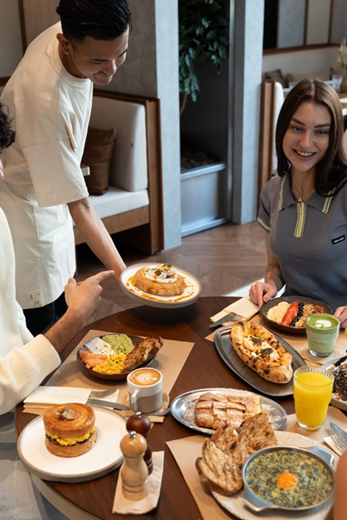
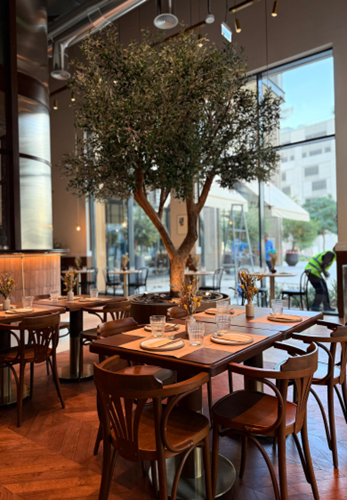
Discover a new way of experiencing Mediterranean living at Ergon Agora Dubai, where gastronomy, culture, and community come together under one roof. Rooted in Greek heritage and brought to life through a contemporary lens, Ergon Agora offers a vibrant, all-day destination designed for connection, flavour, and shared moments.
Guests can enjoy a curated selection of Mediterranean dishes crafted with premium ingredients, alongside a warm, inviting atmosphere that reflects the essence of leisurely dining. From morning coffee to evening gatherings, Ergon Agora is a space that celebrates authentic flavours and meaningful experiences.
Location: Boulevard Heights, Downtown Dubai
Timings: Daily | 8:00 AM – 11:00 PM
Balboa
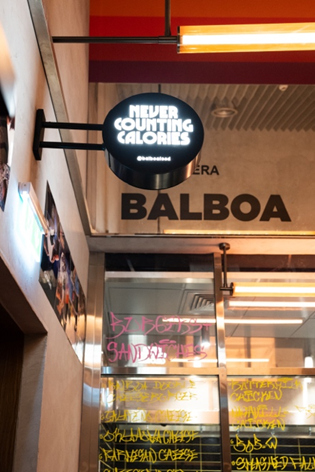
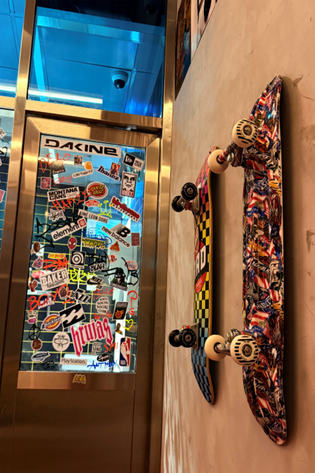
Step into Balboa, where bold Mediterranean street-food flavours take centre stage in a lively and relaxed setting. Inspired by global influences and rooted in quality ingredients, Balboa delivers a more casual, energetic take on the Ergon Agora experience.
Expect flavour-packed dishes, creative combinations, and a vibrant atmosphere perfect for quick bites, social gatherings, or laid-back dining. Balboa brings a fresh, modern twist to street food, making it a must-visit within the Ergon Agora space.
Location: Ergon Agora, Boulevard Heights, Downtown Dubai
Timings: Daily | 8:00 AM – 11:00 PM
72H Artisanal Bakery
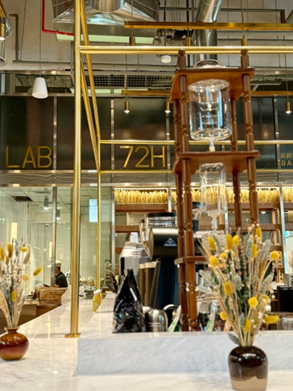
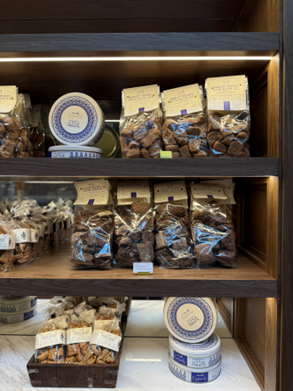
At the heart of Ergon Agora lies the 72H Artisanal Bakery, where traditional techniques meet contemporary craftsmanship. Specialising in slow-fermented sourdough breads and freshly baked goods, the bakery offers a daily selection of artisanal creations made with time, care, and premium ingredients.
From signature breads to pastries and light bites, the bakery is perfect for a quick pick-me-up or a relaxed start to the day. It’s a celebration of simple, honest baking, elevated through quality and authenticity.
Location: Ergon Agora, Boulevard Heights, Downtown Dubai
Timings: Daily | 8:00 AM – 11:00 PM


HUAWEI Mate 80 Pro: The Return of a Flagship Powerhouse
STEP ABOVE THE CITY: FIVE CURATED MOMENTS ON THE 122ND FLOOR ONLY AT AT.MOSPHERE BURJ KHALIFA
SHURE CELEBRATES INTERNATIONAL WOMEN’S HISTORY MONTH IN THE MIDDLE EAST AND AFRICA REGION



-
News10 years ago
SENDQUICK (TALARIAX) INTRODUCES SQOOPE – THE BREAKTHROUGH IN MOBILE MESSAGING
-

 Tech News2 years ago
Denodo Bolsters Executive Team by Hiring Christophe Culine as its Chief Revenue Officer
-
 VAR11 months ago
Microsoft Launches New Surface Copilot+ PCs for Business
-

 Tech Interviews2 years ago
Navigating the Cybersecurity Landscape in Hybrid Work Environments
-

 Tech News8 months ago
Nothing Launches flagship Nothing Phone (3) and Headphone (1) in theme with the Iconic Museum of the Future in Dubai
-

 Automotive1 year ago
AGMC Launches the RIDDARA RD6 High Performance Fully Electric 4×4 Pickup
-

 Trending5 months ago
OPPO A6 Pro 5G Review: Reliable Daily Driver
-

 VAR2 years ago
Samsung Galaxy Z Fold6 vs Google Pixel 9 Pro Fold: Clash Of The Folding Phenoms