
 Have a question? +971 56 404 0503




Cover Story
Logitech’s Hybrid Work Model: Flexibility, Innovation, And Sustainability in Action


Integrator Media had an exclusive interview with Mr. Azeem Mohammed, B2B Leader, GCC Countries, Logitech. The interview delves into Logitech’s innovative strategies in hybrid work model. Mr. Azeem Mohammed shares his keen insights into how modern solutions enhance workplace security and productivity in a hybrid work environment. And how the integration of advanced technologies like AI-powered video conferencing and cutting-edge noise-canceling headsets, are designed to support seamless communication and robust cybersecurity practices. Learn how Logitech is setting new industry standards in flexibility, sustainability, and security while empowering businesses to thrive in the evolving landscape of remote and hybrid work
Overview of Logitech’s hybrid work model
Logitech has embraced a hybrid work model designed to empower flexibility and productivity across the workforce. This approach prioritizes the diverse needs of employees, offering them the desired freedom to work from a range of locations, including home offices and collaborative spaces. Central to this model are our advanced technologies. Our MeetUp 2 AI-powered USB conference camera exemplifies Logitech’s commitment to continuously enhancing remote collaboration. Equipped with AI-driven features like RightSight 2 for intelligent video framing and RightSound 2 for superior audio quality, the camera ensures seamless meetings regardless of the participants’ locations. This innovative approach equally underscores our dedication to meeting the evolving demands of the modern workplace whilst emphasizing the importance of sustainability. We have managed to integrate this into our hybrid work place model by incorporating 62% post consumer recycled plastic in to MeetUp2. By creating an innovative hybrid work model, Logitech is actively helping improve workplace flexibility whilst setting an important industry benchmark for sustainability.
Elaborate a little on Logitech Zone Wireless 2 product and how it provides a secure and scalable approach
Zone Wireless 2 stands as our premier business headset, integrating cutting-edge AI for unparalleled two-way noise-free communication. Featuring AI-driven far[1]end noise suppression, advanced noise-canceling microphones, hybrid Active Noise Cancellation (ANC), and personalized stereo sound, this headset ensures crystal[1]clear audio for business professionals, even in bustling environments. A standout feature is its capability to eliminate ambient noise from the other party’s end of the call, regardless of their headset type. Powered by Advanced Call Clarity and activated through Logi Tune, AI technology distinguishes the caller’s voice from background noise, facilitating seamless conversations. Superior noise-canceling microphones employ advanced beamforming technology to capture the user’s voice distinctly, fostering a comprehensive two-way noise suppression system.
For streamlined management, IT administrators think about security and privacy, and naturally they are interested in how data is protected in the software applications they deploy. Zone Wireless 2 integrates seamlessly with Sync, Logitech’s robust device management platform. This allows IT administrators to securely and efficiently update firmware and troubleshoot headsets, whether they are used remotely or on-site, through a unified, cloud-based interface. Sync processes data and information that hardware devices report to it and presents IT admins with actionable data regarding monitoring, management, and room insights. Sync users easily log on to the dedicated web portal at sync.logitech.com to manage their Logitech devices. This fresh approach to remote monitoring and device management simplifies tasks like firmware updates and feature enablement, while the API and forward-looking architecture establish a robust foundation for new insights and integrations.
How does the hybrid active noise cancellation (ANC) feature protect sensitive information during calls in noisy environments?
The hybrid active noise cancellation (ANC) feature protects sensitive information by reducing ambient sounds like street sounds that include car honking, construction and sounds from family members or pets. It allows you to stay focused and engaged during calls, without any distracting background noise. ANC technology is a combination of advanced microphone technologies and sophisticated software algorithms that work together to cancel out noise. This means that you can continue working at your optimal level, without having to adjust the volume or change your environment. Moreover, it relies on microphones to seek out ambient noises and then cancel them out. Whether you are working in a noisy office setting or from a coffee shop, ANC technology ensures that you can hear your calls and stay focused on your tasks without any distractions. This feature makes your conversations more private, work life easier and enables you to be more productive, no matter where you are.
How can IT teams leverage Logitech Sync to manage and secure Zone Wireless 2 headsets remotely?
Logitech Sync provides a streamlined solution for IT teams to remotely manage and secure Zone Wireless 2 headsets across a range of environments. Importantly, Logitech Sync offers centralized management, allowing teams to monitor and control all Zone Wireless 2 headsets from a single platform. This streamlines tasks such as tracking device status and adjusting configurations, which reduces manual effort and improves efficiency. The real-time monitoring feature helps IT teams to swiftly identify and address any issues, reducing any downtime and enhancing user experience. Security is also strengthened with Logitech Sync, as it enables IT teams to enforce compliance with organizational standards by managing device settings and applying necessary security patches remotely. In addition, the platform allows for seamless firmware updates, ensuring all headsets benefit from the latest features and security improvements. By utilizing Logitech Sync, IT teams can ensure secure management of Zone Wireless 2 headsets, resulting in a more streamlined and secure working environment
How can you ensure employees maintain cybersecurity best practices when working remotely?
In the current hybrid working environment, ensuring cybersecurity best practices for our employees remains a top priority at Logitech. This can only be fully achieved through a multifaceted approach, requiring comprehensive training and a solid IT infrastructure. Enforcing strict access controls and encryption protocols across all devices and networks ensures a solid foundation. For hybrid work in particular, employing advanced endpoint protection and VPN solutions importantly secures remote connections, which we can then monitor for any potential breaches. Once this infrastructure is in place, robust training programs can be scheduled in. This will empower employees with the knowledge to recognize phishing attempts, use secure passwords and identify any suspicious activities. Both of these approaches are equally important in fostering a company culture of vigilance and accountability. Integrating these best practice strategies allows Logitech to maintain a proactive stance against cybersecurity threats, simultaneously safeguarding our operations and customer trust.
Share your insight into trends that will play a role in hybrid workplace culture, cybersecurity, and technologies in 2024
Considering the trends already seen in 2024, we can expect the hybrid workplace model to continue evolving rapidly. Undoubtedly, advancements in technology will help to strengthen the seamless integration of virtual and physical workspaces. Integration will become more refined, for example enhancing remote access for room booking. Logitech’s Sync software is ahead of this trend, with new room booking software on Tap Scheduler helping to solve common conference room booking conflicts, especially with a hybrid workforce. In order to support the flexibility of the modern workplace, cybersecurity will of course be paramount to organizations of all sizes. It is highly likely that AI-threat detection will be increasingly adopted in order to mitigate the threat of cybercriminal activity, with solutions being enhanced to protect the hybrid work of employees without compromising data integrity.
Building upon this, the technological potential of AI will continue to be tested, alongside augmented reality (AR) and virtual reality (VR). These tools are incredibly valuable to a remote workforce, further bridging the physical distance through immersive experiences and collaboration. At Logitech, we are committed to innovating products in line with technological trends. Importantly, our focus on the hybrid work environment not only enhances productivity but also prioritizes user well-being. Our company proudly embrace these trends in order to remain at the forefront of shaping the future of work.







Cover Story
Hisense doubles down on localisation, supply chains, and smart living in the Middle East
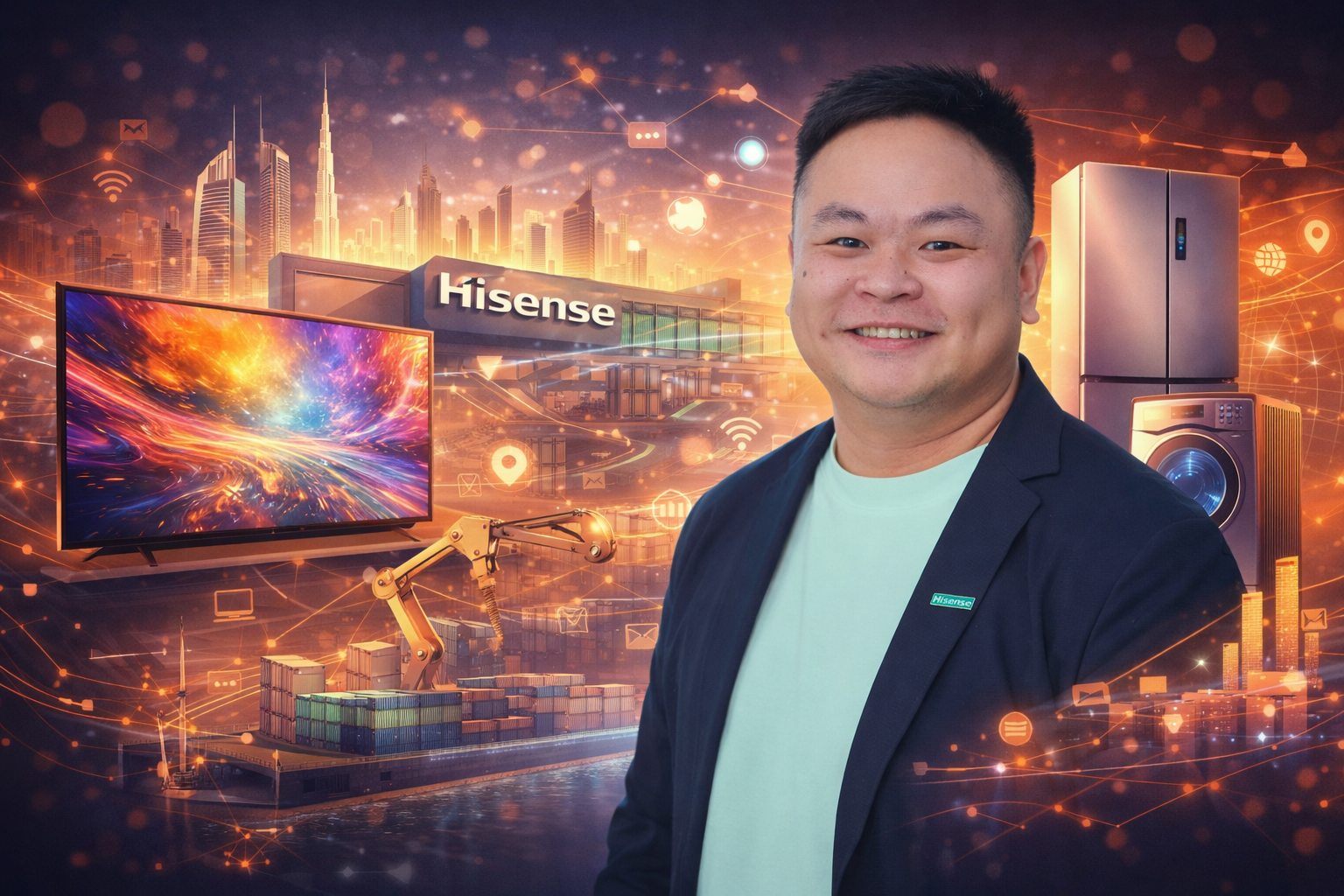
As the Middle East accelerates its push toward becoming a digital economy, global consumer electronics brands are being forced to rethink their role beyond simply selling devices. For Hisense, that shift is already underway.
From building connected living ecosystems to strengthening regional manufacturing and R&D, the company is positioning itself not just as a technology provider, but as a long-term partner in the region’s transformation.
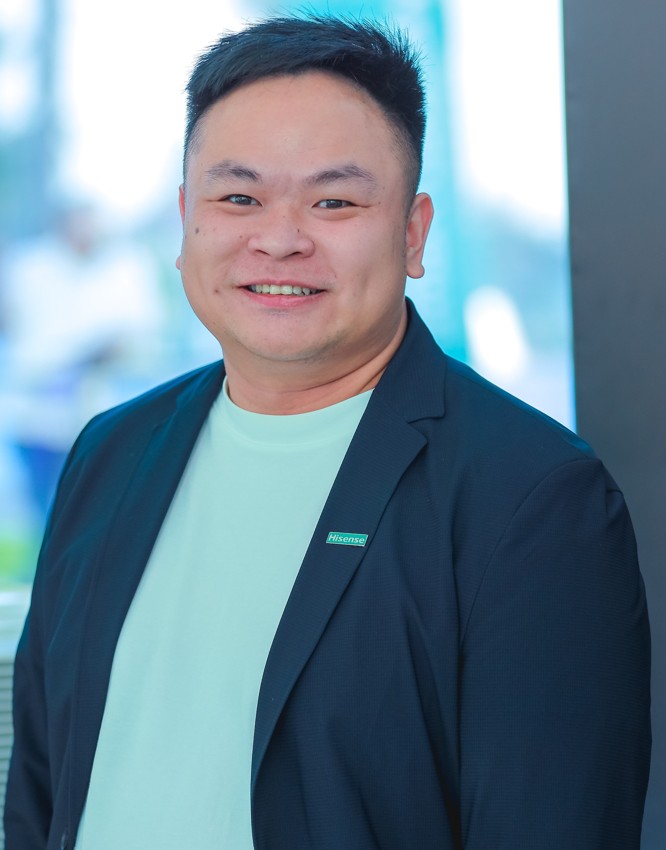
In this conversation, Jason Ou, President of Hisense Middle East, Africa and India, outlines how localisation, supply chain investments, and a sharper focus on consumer relevance are shaping the company’s next phase of growth in the region—and why the Middle East is emerging as more than just a consumption market.
The region is increasingly positioning itself as a hub for digital economies. How can consumer electronics brands contribute to this broader transformation beyond simply selling devices?
Consumer electronics brands today play a much bigger role than just providing devices. Our real impact comes from shaping how people live in an increasingly digital world. At Hisense, we focus on anticipating consumer shifts and building our innovation around the needs of modern, connected lifestyles. It’s not only about technology, but about how that technology integrates seamlessly into everyday life.
We see this clearly through connected living. A TV today is no longer just a screen, it becomes part of a wider ecosystem, connecting with appliances, enabling intuitive control, and helping consumers manage comfort, energy, and daily routines more efficiently. At the same time, localization is key. Through regional R&D, partnerships, and a stronger presence on the ground, we ensure our innovation is relevant to local lifestyles and market realities. Ultimately, our role is to translate innovation into meaningful, practical value, supporting the region’s digital transformation in a way that is tangible for both consumers and communities.
Technology companies often struggle between being engineering-led and market-led. How does Hisense maintain that balance internally?
For us, it is not a question of choosing between engineering-led or market-led. The strongest companies are built on both, working hand in hand. At Hisense, we combine strong engineering capabilities with a deep understanding of consumer needs and local markets. Our innovation is driven by technology, but always shaped by how people actually live, interact, and use our products. We focus on one simple principle: every innovation must translate into a better user experience. That is where engineering excellence meets real market relevance, allowing us to stay both forward-looking and grounded in consumer value.
You have led Hisense’s expansion in the Middle East through a period of rapid technological change. What leadership principles have helped you balance global innovation with local market realities in this region?
The starting point has always been staying true to Hisense’s vision and values. That gives us a clear direction, especially during periods of rapid change. The second element is people and partnerships. Building the right team on the ground, and working with the right partners, has been essential to understanding the region and executing effectively across markets.
Third is localization with discipline. While we benefit from strong global innovation, success in this region comes from adapting that innovation to local lifestyles, climate, and consumer expectations in a consistent and structured way. And finally, long-term commitment. We have approached the Middle East as a strategic growth market, continuing to invest in technology, operations, and relationships. That long-term view allows us to balance global ambition with local relevance and build sustainable growth over time.
As most global supply chains and manufacturing ecosystems for consumer electronics remain concentrated outside the Middle East, what role do you see the region playing in the future production and innovation landscape of this industry?
I believe the region will play a much bigger role over time, especially as a center for localization, strategic manufacturing, regional distribution, and application-led innovation. We are already seeing that evolve. Hisense has been strengthening its regional manufacturing footprint, including operations in Algeria and Egypt, alongside localized R&D in Dubai. Our recent export milestone from Algeria into Egypt and Tunisia shows that the region is not only a consumption market, but increasingly part of a broader industrial and supply-chain ecosystem.
Going forward, I see the Middle East and wider MENA region becoming more important in three areas: as a faster response hub for regional supply and customization; as a testing ground for technologies suited to local environmental and lifestyle conditions; and as a bridge between global innovation and emerging-market demand. The opportunity is not just to manufacture more, but to shape products and solutions that are more relevant to this part of the world.
If we fast forward ten years, what will the concept of “home entertainment” look like compared to today?
We are currently witnessing a significant wave of innovation, particularly driven by AI capabilities. I believe this will continue to evolve, becoming smarter, more intuitive, and more seamlessly integrated into everyday life. Home entertainment will not only improve in terms of quality, with better visuals, sound, and performance, but it will also become more personalized and adaptive to each user.
At the same time, we will see more robotic and automated technologies becoming part of the home, supporting everyday tasks and enhancing convenience, creating a more connected and intelligent living environment. Ultimately, the experience will shift from simply watching content to enjoying a smarter, more immersive, and fully integrated home experience.
Finally, if you had to describe the next chapter of Hisense in the Middle East in one word, what would it be and why?
Reliable. We aim to become the most reliable brand in the region, in line with our longterm vision. This means continuously strengthening our position across technology development and market penetration, while keeping consumer needs at the center of everything we do. At the same time, we will further invest in localized solutions to ensure our innovation remains relevant, practical, and impactful for the region.
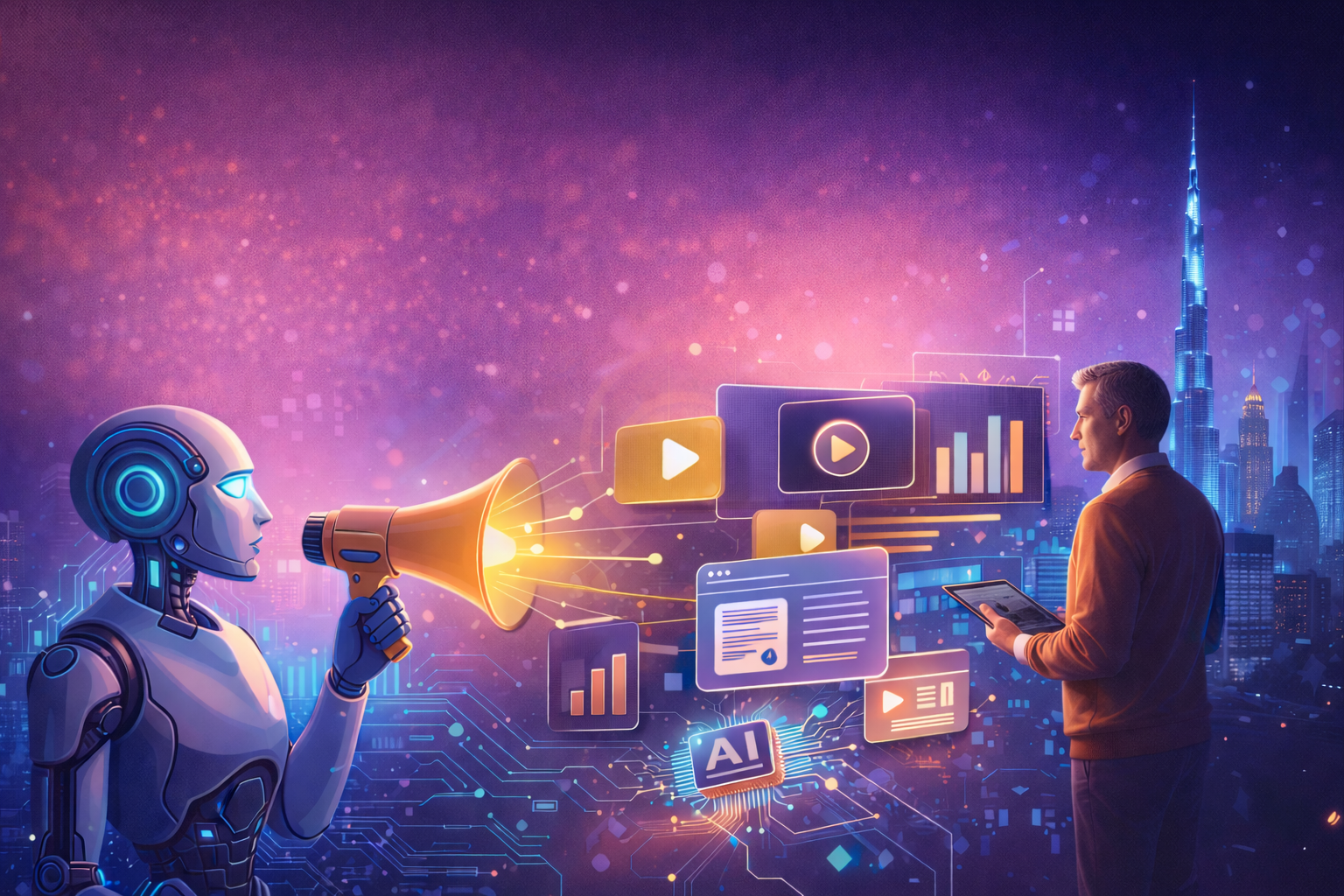
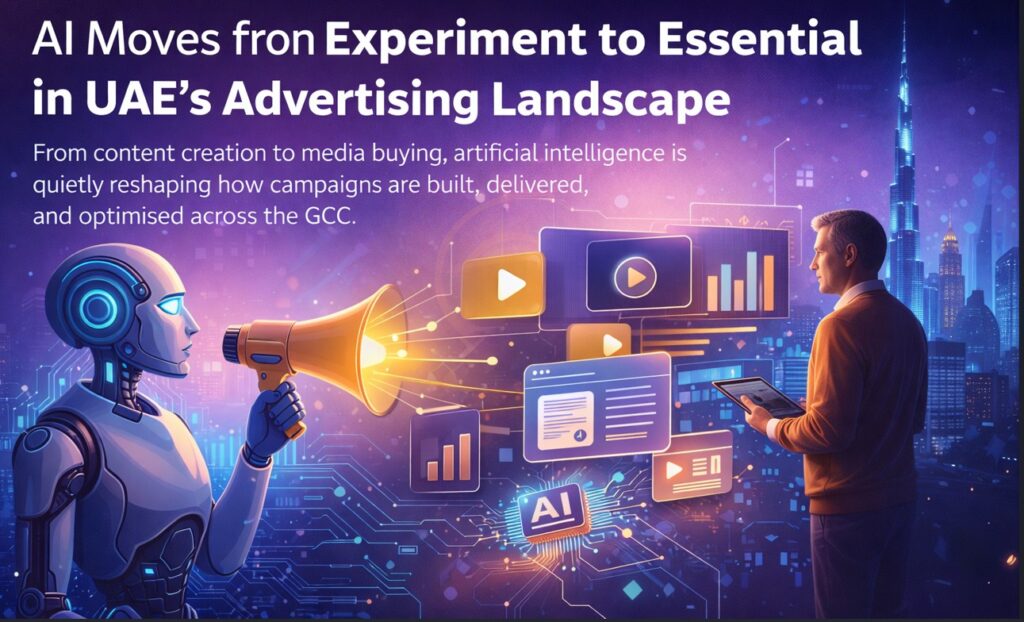
From content creation to media buying, artificial intelligence is quietly reshaping how campaigns are built, delivered, and optimised across the GCC.In the UAE and across the GCC, artificial intelligence has moved well beyond the stage of experimentation. What was once a buzzword discussed in boardrooms is now deeply embedded in the day-to-day execution of advertising. Brands are no longer testing AI—they are relying on it to run campaigns, generate content, and make increasingly precise decisions about audience targeting and timing.
On the creative front, the shift is particularly visible. AI-powered tools are now capable of producing ad copy, visuals, and even short-form video content at a pace that would have been unthinkable just a few years ago. For marketers operating in a market like the UAE—where campaigns often need to speak to audiences in both English and Arabic, while also resonating across a diverse mix of nationalities, this level of speed and adaptability is more than a convenience. It is becoming a necessity.
Behind the scenes, machine learning has also transformed how media buying is approached. Traditional methods that relied heavily on instinct or retrospective performance reports are steadily being replaced by systems that analyse audience behaviour in real time. These platforms continuously optimise campaign performance, adjusting budgets and placements based on how users interact with content.
In the UAE’s PR ecosystem, brands are already leveraging platforms such as Meltwater, Brandwatch, and Sprout Social to better understand media performance, audience sentiment, and the broader buying landscape.
A practical example of this shift can be seen in platforms like Skyscanner, where advertising systems respond dynamically to user intent. Instead of targeting broad demographic groups, campaigns are triggered by actual search behaviour and travel patterns, allowing for more relevant and timely engagement.
AI is also influencing emerging advertising formats. Digital billboards, for instance, are becoming more responsive, using live data inputs to tailor content based on factors such as time of day, location, and audience movement. Similarly, augmented reality experiences are beginning to incorporate behavioural insights, offering more contextual and interactive brand engagements.
Looking ahead, the trajectory appears clear. Advertising is moving towards deeper automation, more intelligent recommendations, and tighter integration between creative tools and analytics platforms. The industry is shifting from a model centred on broadcasting messages to one that focuses on responding to audiences in real time, with context and precision.
In this evolving landscape, AI is no longer just an enabler, it is becoming the foundation on which modern advertising is built.

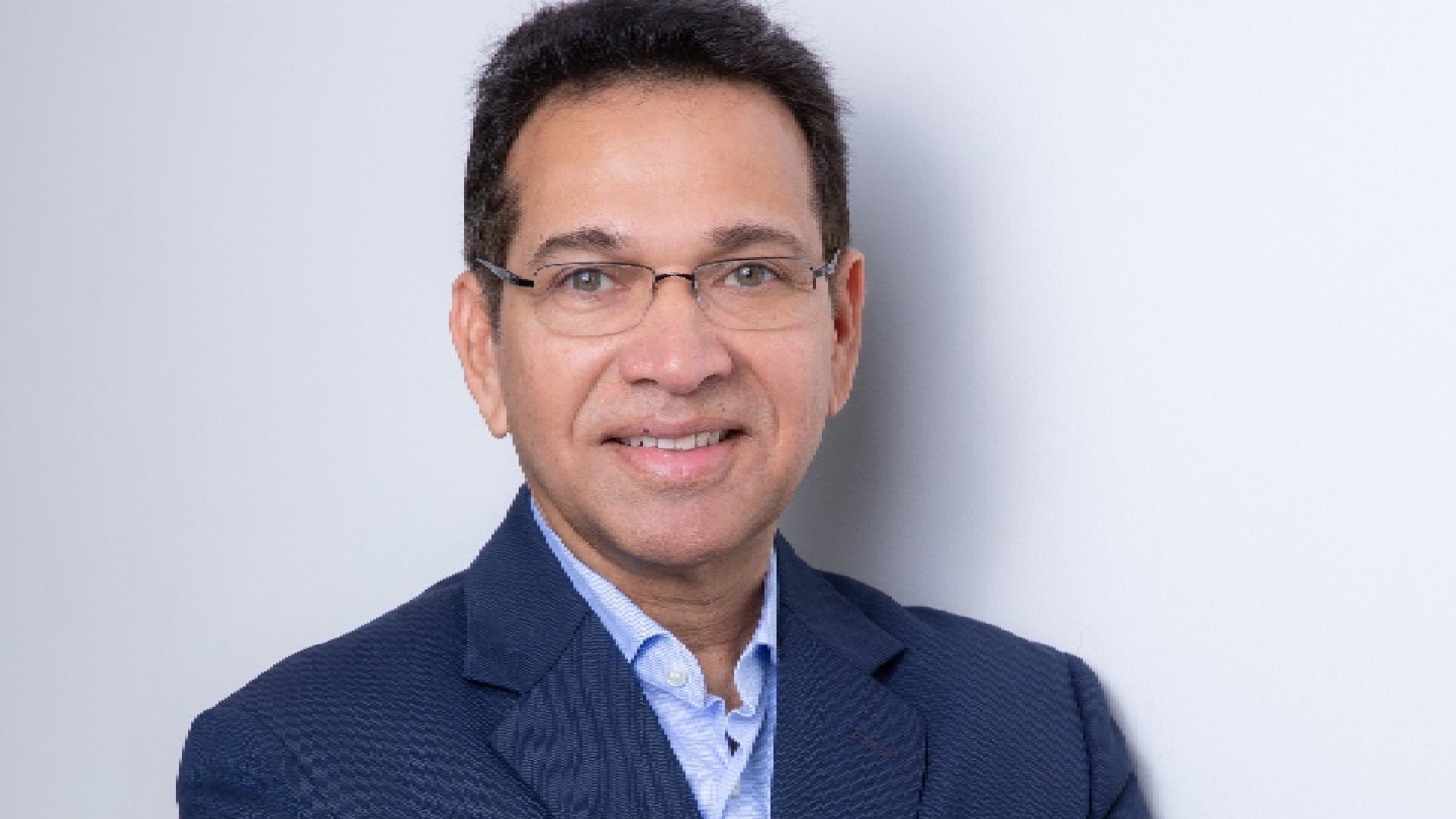
Mohamed Fiaz Khazi, Entrepreneur & Managing Director, Euro Systems
Architecture across the GCC is entering a more demanding phase, shaped by the realities of day-to-day operation. For much of the past decade, design ambition was defined by scale, visibility, and speed. Towers rose quickly, façades grew lighter, and skylines transformed almost overnight. In 2026, the focus has shifted to how buildings perform over time and the quality of experience they deliver to occupants.
This evolution reflects a more mature, performance-driven market while maintaining bold design. Questions around energy use, occupant comfort, maintenance, and durability are now central to architectural decision-making. In a region shaped by heat, dust, and intense solar exposure, design intent carries weight only when it is supported by systems capable of delivering consistent performance over time.
A changing regional approach
Façades illustrate this shift particularly clearly. Glass-heavy architecture remains integral to the region’s visual language, yet it is now approached with greater technical intent. Solar control, shading, acoustic performance, and automation are increasingly considered as parts of a unified strategy rather than isolated design features.
Industry studies consistently show that external shading devices, such as louvers and overhangs, can significantly reduce solar heat gain before it enters the building envelope, lowering cooling demand in the process. Fully shaded glazed areas further reduce thermal loads, easing pressure on mechanical systems while improving internal comfort.
While this performance-led direction is shared across the GCC, each market is responding in its own way.
In the UAE, architectural expression continues to take center stage. Landmark developments, hospitality projects, and mixed-use districts place strong emphasis on experience and identity. What has changed is the level of coordination behind the scenes. Façades are now expected to deliver daylight and transparency without introducing glare or thermal instability. Shading and glazing strategies are increasingly developed together, allowing design ambition to be preserved while meeting operational requirements.
Saudi Arabia presents a different dynamic. Here, scale and speed dominate, with large-scale developments and giga-projects compressing timelines and increasing complexity. In such an environment, fragmented decisions quickly translate into operational challenges. Architecture in the Kingdom is therefore being shaped by early integration, industrialized delivery, and lifecycle planning, where performance and repeatability become essential to building at scale. Research from McKinsey reinforces this approach, showing that large capital projects perform more reliably when coordination replaces siloed decision-making.
Qatar occupies a distinct position between these two models. Following a period of rapid delivery, focus has shifted toward longevity, sustainability, and adaptability. Buildings are expected to operate efficiently over decades and align closely with national sustainability frameworks. Façade performance, shading strategies, and acoustic control are increasingly specified for their contribution to long-term asset value and occupant well-being.
Technology integration
Technology underpins much of this evolution. Smart shading, responsive glazing, and integrated control systems are now practical tools for managing daylight, reducing glare, and stabilizing interior conditions. By reducing solar radiation before it reaches the glazing, external shading delivers measurable performance benefits in high-sun environments.
When façade strategies are developed early and embedded into the design process, materials, structure, and systems align more naturally. The result is architecture that feels deliberate in appearance and dependable in operation.
An operational view
The next wave of GCC projects will approach architecture as a dynamic system, ensuring long-term efficiency and reliability. Design ambition will remain high, but it will be matched by discipline in execution. Integration will increasingly define the process, particularly on complex and large-scale developments, with performance considered alongside form from the outset.
This shift represents meaningful progress. It reflects a region learning from experience and raising its own standards. The skyline will continue to evolve, but its true measure will lie in buildings that remain comfortable, efficient, and resilient long after the initial excitement has passed.


Hisense doubles down on localisation, supply chains, and smart living in the Middle East
INSIDE MODERN HOSPITALITY LEADERSHIP AT EDGE RIYADH AL RABIE, ROTANA
ELEVATE AWARDS AED 50 MILLION CONTRACT FOR MONDRIAN AL MARJAN ISLAND BEACH RESIDENCES


-
News10 years ago
SENDQUICK (TALARIAX) INTRODUCES SQOOPE – THE BREAKTHROUGH IN MOBILE MESSAGING
-

 Tech News2 years ago
Denodo Bolsters Executive Team by Hiring Christophe Culine as its Chief Revenue Officer
-
 VAR1 year ago
Microsoft Launches New Surface Copilot+ PCs for Business
-

 Trending6 months ago
OPPO A6 Pro 5G Review: Reliable Daily Driver
-

 Tech Interviews2 years ago
Navigating the Cybersecurity Landscape in Hybrid Work Environments
-

 Tech News9 months ago
Nothing Launches flagship Nothing Phone (3) and Headphone (1) in theme with the Iconic Museum of the Future in Dubai
-

 Automotive2 years ago
AGMC Launches the RIDDARA RD6 High Performance Fully Electric 4×4 Pickup
-

 VAR2 years ago
Samsung Galaxy Z Fold6 vs Google Pixel 9 Pro Fold: Clash Of The Folding Phenoms