
 Have a question? +971 56 404 0503




Home Integrator
Introducing Sobha Central: Sobha Realty’s New Mixed-Use Icon on Sheikh Zayed Road


Sobha Realty has announced the launch of its newest landmark masterplan development in Dubai – Sobha Central on Sheikh Zayed Road. Envisioned as the next transformative lifestyle hub, Sobha Central will rise as a vertical urban sanctuary with six premium residential towers.
Sobha Central is designed as a self-contained, future-forward address where luxury, lifestyle, and business converge. It offers a comprehensive mix of world-class amenities, working spaces, entertainment venues, and futuristic retail experiences, truly making it a global hub within itself.
The development launches with 1,225 homes; a curated mix of one and two bedroom residences crafted for those seeking prestige, accessibility, modern amenities, functional design, and exceptional investment.
Commenting on the launch, Mr. Ravi Menon, Chairman of Sobha Group, said:
“Sobha Central is a bold expression of our vision to shape the future of urban living in Dubai. Strategically located on the most powerful corridor of the Middle East – Sheikh Zayed Road, this development goes beyond architecture to create a self-sustained high living community that blends design, connectivity, and functionality. Every element reflects our ‘Art of The Detail’ philosophy, an uncompromising commitment to quality and precision. With Dubai’s real estate market on an upward trajectory, Sobha Central caters to the evolving aspirations of modern homeowners and investors seeking long-term investment value in a vibrant, central location.”
Backed by Sobha Realty’s unique Backward Integration Model, the masterplan was unveiled with the first tower slated for delivery December 2029.
At the heart of the development, six towers are seamlessly linked by an elevated circulation path that connects residents to an array of indoor amenities – including the gym, theatre, clubhouse, and more. This pathway extends to select lift cores, providing direct internal access to a world-class shopping mall, restaurants, supermarkets, and a Grand Hall for the convenience of both the residents and the surrounding community. The project delivers mixed use versatility with residential, retail, healthcare and office offerings. The integrated retail podium also delivers a car-free luxury shopping & dining experience right at the residents’ doorsteps.
Outdoors, private themed courtyards are nestled within a lush central park, offering moments of calm, community, and recreation. Residents will also enjoy over 250,000 sq. ft. of open space, with sky-level amenities such as landscaped terraces, infinity pools, wellness lounges, and recreational decks- all designed to elevate everyday living.
Strategically located along the spine of Dubai, Sobha Central offers exceptional connectivity to beaches and major destinations nearby like JBR, Dubai Marina, Dubai Internet City, and Dubai Media City- enhancing both lifestyle and investment value.
“Recent industry reports highlight Marina, JLT and surrounding corridors among Dubai’s most resilient sub-markets, recording rental yields of 7–10% and consistent capital appreciation; positioning Sobha Central as a prime asset for both end-users and investors,” added Ravi Menon.
In line with Sobha Realty’s commitment to sustainable, forward-thinking development, Sobha Central incorporates eco-smart solutions such as double-glazed façades, energy-efficient HVAC systems, EV charging stations, and advanced district cooling. The use of locally sourced materials further reduces environmental impact and reinforces the brand’s responsible design ethos.









As the world turns its attention to the preservation of our planet on Earth Day, Western Furniture is proud to highlight Tomasella—a brand that has spent 70 years proving that luxury design and environmental responsibility are inseparable. With roots firmly in the past and a clear vision for the future, Tomasella balances a rich history with a tireless vocation for technological and creative innovation.
For Tomasella, sustainability is a philosophy rooted in social and ethical solidarity .This harmony between ethical codes and material analysis ensures meeting the needs of the present without compromising the ability of future generations to meet their own. This is the profound commitment to quality and earth-conscious living you embrace when you choose Tomasella for your home.
Explore a wide range of models at Western Furniture that can be fully customized through an extensive choice of materials, colors, and textures, allowing for a personal touch in every sustainable space.
The Porticello Collection: Designed by Massimiliano Minuti, this set combines modern elegance with classic Italian design. Finished in Rovere Moka with Materico Basalto Lucido accents, the King Bed and matching dresser exude a high-end, serene atmosphere.
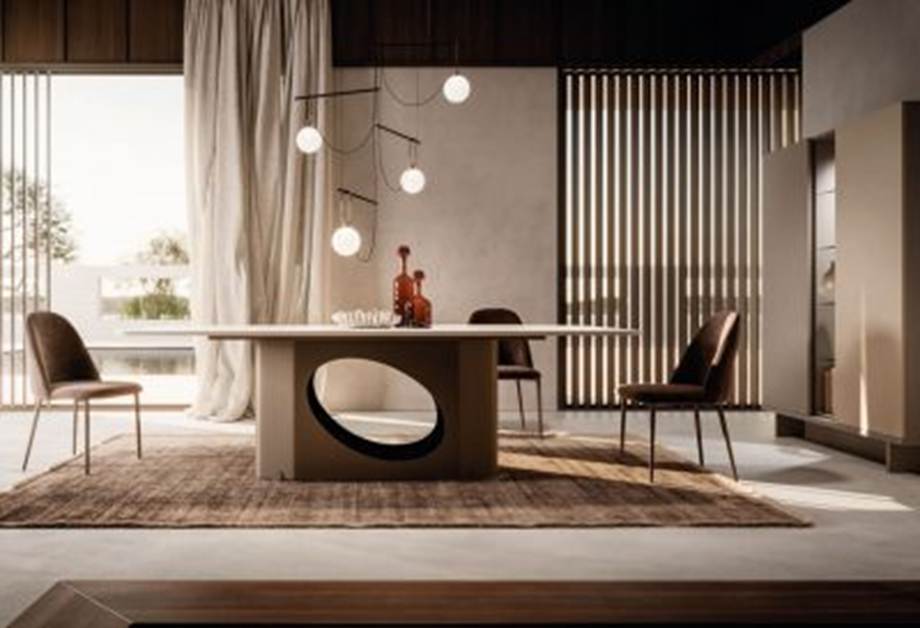
The Porticello Dining Table: A striking example of architectural design, blending organic shapes with minimalist proportions. The thick pedestal base features an asymmetrical oval cutout, giving the monolithic structure a sense of “lightness.” Its warm taupe matte finish perfectly complements natural textures like jute and velvet.
The Clio Bed: Featuring a natural oak wood finish and pure lines, the Clio focuses on minimalism. Its gracefully curved headboard is fitted on an airy frame, creating a pleasant feeling of relaxation that makes it easy to concentrate on dreams and slumber.
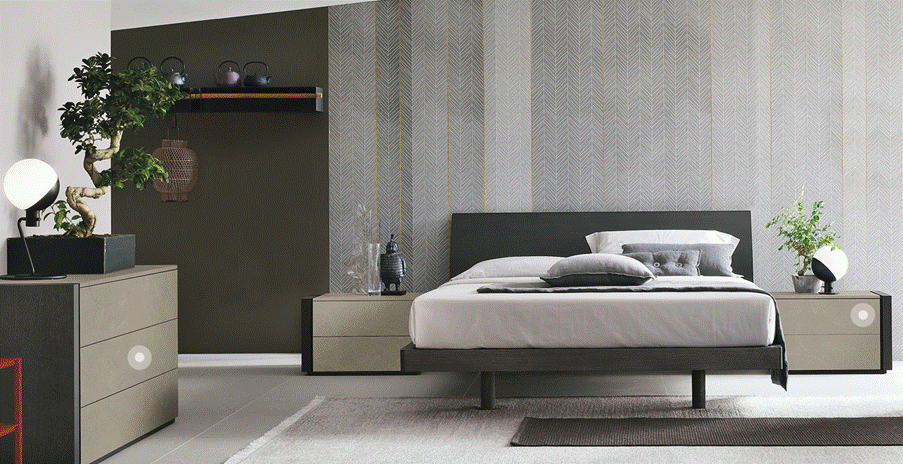
The Morfeo Bed: This designer solution expands the traditional concept of a bed by integrating a shelf and bedside tables into one clever, practical piece. With reclinable headboard cushions for reading or watching TV, it pairs functional versatility with a harmonious silhouette.
Eros Bed: The Eros bed features a unique design with a rounded frame that wraps the mattress, offering supreme comfort and wellbeing. The delicate stitching along the headboard and bed frame accentuates its contemporary elegance.
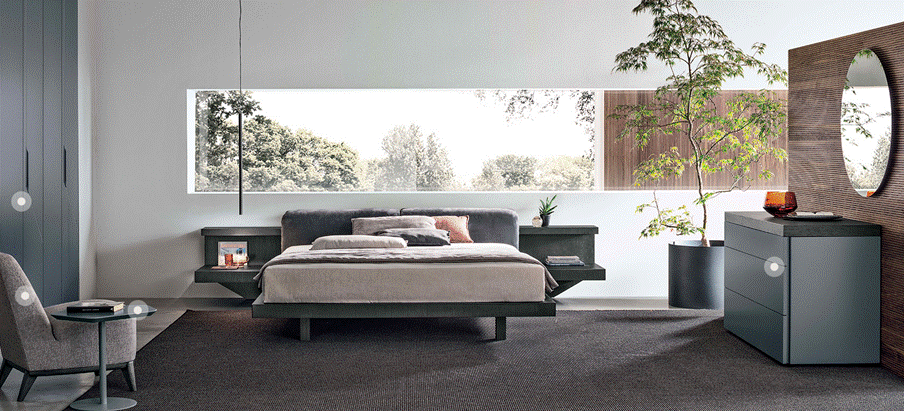
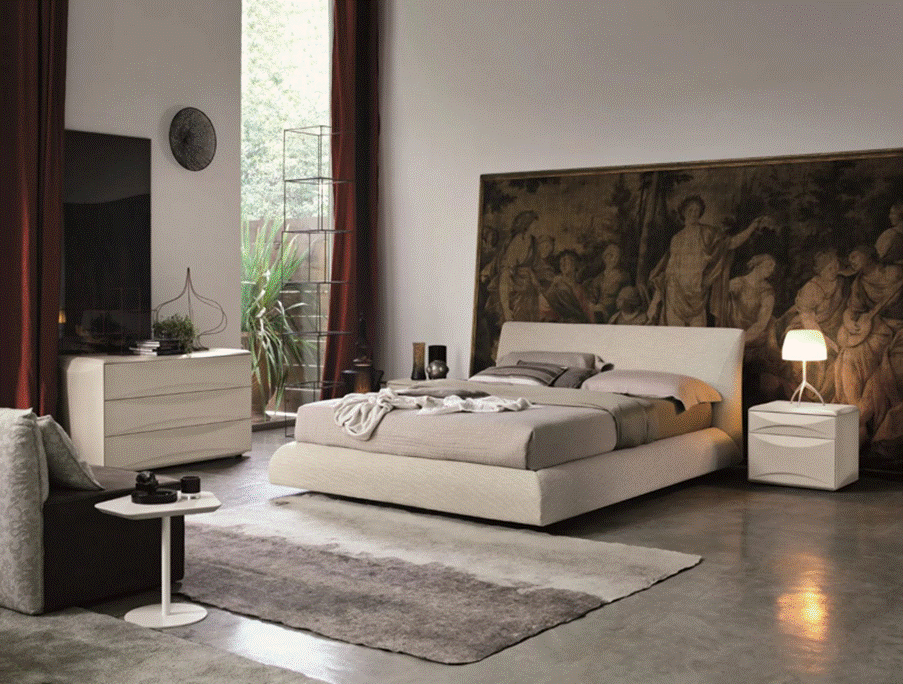
The Lunato Bed: Sleek comfort and modern elegance – The Lunato Bed brings a refined touch to your bedroom with its minimalist design and plush upholstery. We invite you to experience the intersection of Italian heritage and environmental stewardship. Discover how Tomasella’s commitment to “people-first” sustainability can transform your living space into a sanctuary for the future.
Home Integrator
RIVIERA RESIDENCES ON AL REEM ISLAND ENTERS DEEP FOUNDATION WORKS AS MERED MAINTAINS CONSTRUCTION MOMENTUM

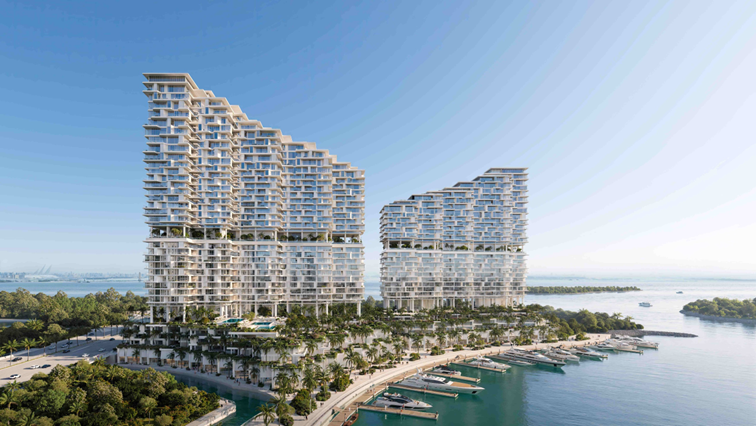
MERED, the award-winning developer, has announced that main piling operations are now progressing at Riviera Residences, a waterfront residential tower in Abu Dhabi, Al Reem Island. The milestone follows the completion of 60% of enabling works, including guide walls, shoring, contiguous piling, and ground improvement across both zones, as well as deep foundation works. The progress underscores the resilience of Abu Dhabi’s premium residential market and the strength of the emirate’s off-plan delivery.
Riviera Residences is one of the capital’s most distinctive waterfront addresses, designed by Pritzker Prize-winning architects Herzog & de Meuron and located within Abu Dhabi Global Market. Conceived as a resort-style residence, the development will offer more than 400 apartments and 11 exclusive villas, including sky villas, ocean villas, and a penthouse, set within landscaped gardens and a vibrant waterfront promenade with cafés, boutique retail, and dining.
Construction is ongoing without interruption amid a period of change across the wider region. The site team has stayed on schedule through proactive planning and close collaboration between the contractor (NSCC) and the consultant team (DAR ALHANDASAH). The project has recorded more than 85,000 safe man-hours to date with no lost-time incidents, a reflection of the safety culture the team has built and maintained throughout.
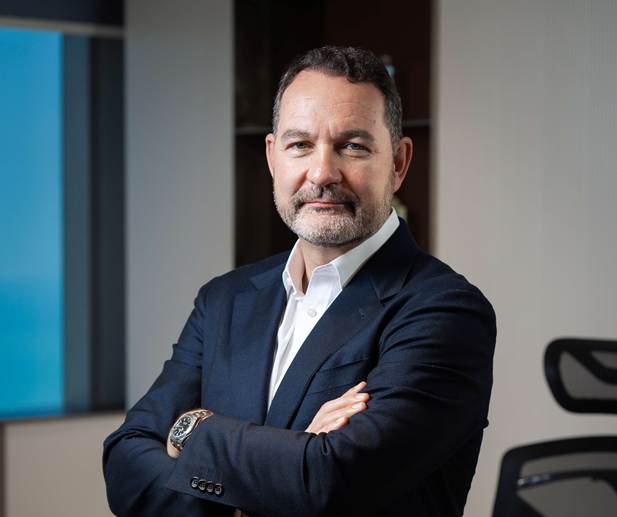
Michael Belton, CEO of MERED, said: “This milestone is a direct result of the quality of the teams we have on the ground, but it is also a testament to the resilience of the UAE’s real estate sector. Abu Dhabi in particular continues to attract serious, long-term investment. This project was always conceived as something that could stand the test of time. That ambition has not changed, and neither has our commitment to delivering it.”
The project’s progress comes at a time when Abu Dhabi is further strengthening its investment environment in line with Abu Dhabi Vision 2030 and its broader focus on sustainable urban growth, transparency, and long-term economic development. New measures introduced have strengthened Abu Dhabi’s real estate regulatory ecosystem, introducing integrated controls, improving operational efficiency, and ensuring transparency across the market. Together, these reinforce investor confidence and the emirate’s position as a stable, well-regulated residential market.
Riviera Residences is supported by a group of highly regarded delivery and design partners whose combined expertise strengthens every stage of the development. Pritzker Prize-winning architects Herzog & de Meuron; one of the region’s most experienced ground engineering and enabling works specialists, NSCC International Ltd.; internationally recognised engineering consultants DAR ALHANDASAH, and Paris-based landscape consultants Michel Desvigne Paysagiste (MDP), are reinforcing MERED’s focus on long-term placemaking.
As construction moves forward, all stakeholders remain committed to delivering a high-quality development that contributes to the emirate’s vision for modern, sustainable urban living.
Home Integrator
ALMAL CONFIRMS 23% COMPLETION AT THEIR SOLD-OUT DEVELOPMENT – THE UNEXPECTED AL MARJAN ISLAND HOTEL & RESIDENCES
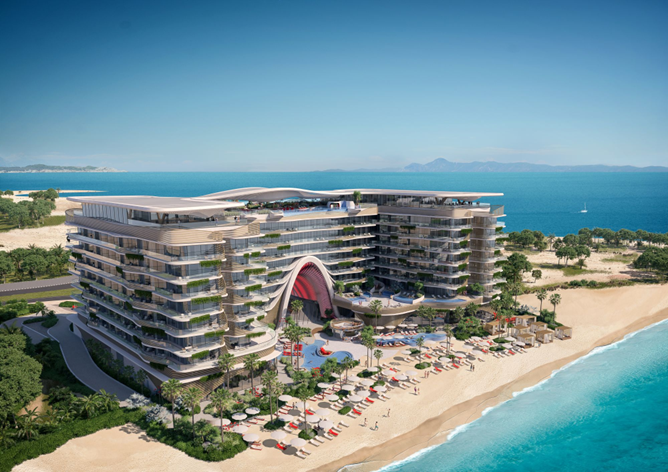
Almal Real Estate Development, a Dubai-based, award-winning investment and real estate development company, today announced that construction is already 23% completed, at its record-breaking, sold-out project, The Unexpected Al Marjan Island Hotel & Residences in Ras Al Khaimah. Following launch, the project sold out faster than was anticipated, achieving the highest price point per square meter on the island at AED 6.300 PSF, receiving numerous accolades and business milestones from Marjan.
The construction is progressing on schedule and without delay towards its 2027 handover. This once again reinforces ALMAL’s commitment to its buyers as well as reinstating the sustained market value of premium developments on Al Marjan Island.
The milestone follows regular site visits by Founder of Almal Real Estate Development, Dmitriy Starovoitov, who confirmed that construction activity remains fully on track, with no delays or disruption, as cranes move continuously and development milestones are met. Amid global economic uncertainty, the uninterrupted pace of construction signals supply chain reliability, workforce stability, and sustained investor confidence, highlighting the consistency of project delivery in the UAE.
“Reaching this milestone at The Unexpected Al Marjan Island Hotel & Residences reflects disciplined execution and strong alignment across our partners,” said Starovoitov. “This sold-out project has been strongly received in the market, and the consistency of progress on site reflects the UAE’s stable and resilient economic environment, supported by reliable supply chains and sustained investor confidence. Our focus remains on delivering a high-quality, world-class project that aligns with market demand and contributes to the continued growth of Ras Al Khaimah.”
Located on the pristine shores of Al Marjan Island, the project is managed by the globally renowned Palladium Hotel Group, and comprises 422 five-star hotel rooms and branded residential units. Inspired by the vibrant energy of Ibiza, the development blends architectural elegance with a dynamic hospitality concept, offering direct proximity to the upcoming Wynn Al Marjan Island resort, the UAE’s first integrated destination, set to open in 2027. Designed to blend seamlessly with its natural surroundings, the project delivers a refined beachfront experience defined by elevated amenities, world-class service, and a distinctive lifestyle offering that sets it apart within the region.
Al Marjan Island continues to gain momentum as one of the UAE’s most compelling investment destinations, positioning Ras Al Khaimah as a rising luxury and tourism hub with strong long-term fundamentals. Less saturated than Dubai, yet supported by increasingly mature infrastructure, the emirate has quietly established itself as a strategic growth market attracting international capital and developer interest.
Tourism figures reached 1.35 million visitors in 2025, marking a 6% year-on-year increase, with projections indicating growth to nearly 5.5 million visitors by 2030. The highly anticipated Wynn Al Marjan Island resort is expected to further accelerate demand in the surrounding area, reinforcing the island’s status as a focused investment zone with strong projected returns and long-term growth potential.
Almal Real Estate Development continues to expand its global portfolio across high-growth markets, delivering premium residential, hospitality, and mixed-use developments in partnership with internationally recognised operators in Bali, Cyprus and UAE.

SAVOUR MEDITERRANEAN FLAVOURS AT TIMO GOURMED SATURDAY BRUNCH
SUNDAYS DONE RIGHT WITH A BAVARIAN BRUNCH AT BRUNO’S BIERGARTEN

Nothing Phone (4a) Pro Review: Mid-Range Pricing, Flagship Ambitions

-
News10 years ago
SENDQUICK (TALARIAX) INTRODUCES SQOOPE – THE BREAKTHROUGH IN MOBILE MESSAGING
-

 Tech News2 years ago
Denodo Bolsters Executive Team by Hiring Christophe Culine as its Chief Revenue Officer
-
 VAR12 months ago
Microsoft Launches New Surface Copilot+ PCs for Business
-

 Trending6 months ago
OPPO A6 Pro 5G Review: Reliable Daily Driver
-

 Tech Interviews2 years ago
Navigating the Cybersecurity Landscape in Hybrid Work Environments
-

 Tech News9 months ago
Nothing Launches flagship Nothing Phone (3) and Headphone (1) in theme with the Iconic Museum of the Future in Dubai
-

 Automotive2 years ago
AGMC Launches the RIDDARA RD6 High Performance Fully Electric 4×4 Pickup
-

 VAR2 years ago
Samsung Galaxy Z Fold6 vs Google Pixel 9 Pro Fold: Clash Of The Folding Phenoms