
 Have a question? +971 56 404 0503




Home Integrator
Dubai Land Department achieves world-first with instant sell-out of tokenized real estate


The second tokenized project on the ‘PRYPCO Mint’ platform was sold out in a record-breaking one minute and 58 seconds.
In a landmark move that reinforces Dubai’s leadership in the real estate sector, Dubai Land Department announced that its second tokenized project on the ‘PRYPCO Mint’ platform was fully funded in a record-breaking one minute and 58 seconds, attracting 149 investors from 35 nationalities.
This unprecedented demand pushed the waiting list to over 10,700 investors, reflecting rising confidence and strong interest in digital real estate ownership solutions across the emirate.
This ongoing success underscores the effectiveness of the platform, which is officially accredited under Dubai Land Department’s Property Tokenization Initiative. By enabling investors to purchase shares in ready properties through seamless and cost-effective mechanisms, PRYPCO Mint is setting new standards for market accessibility.
As the platform expands its projects and partnerships, it is helping to shape a future where tokenized assets are expected to become a central part of Dubai’s property market by 2033.
Amid this momentum, Dubai Land Department invites interested individuals to register early and set up their accounts to take advantage of upcoming offerings before they sell out, unlocking investment opportunities in one of the world’s most dynamic and innovative real estate destinations.









Home Integrator
RECHITTA SURPASSES 100,000 MINUTES OF REAL-WORLD USE AS IT LAUNCHES NEXT-GENERATION V2 PLATFORM
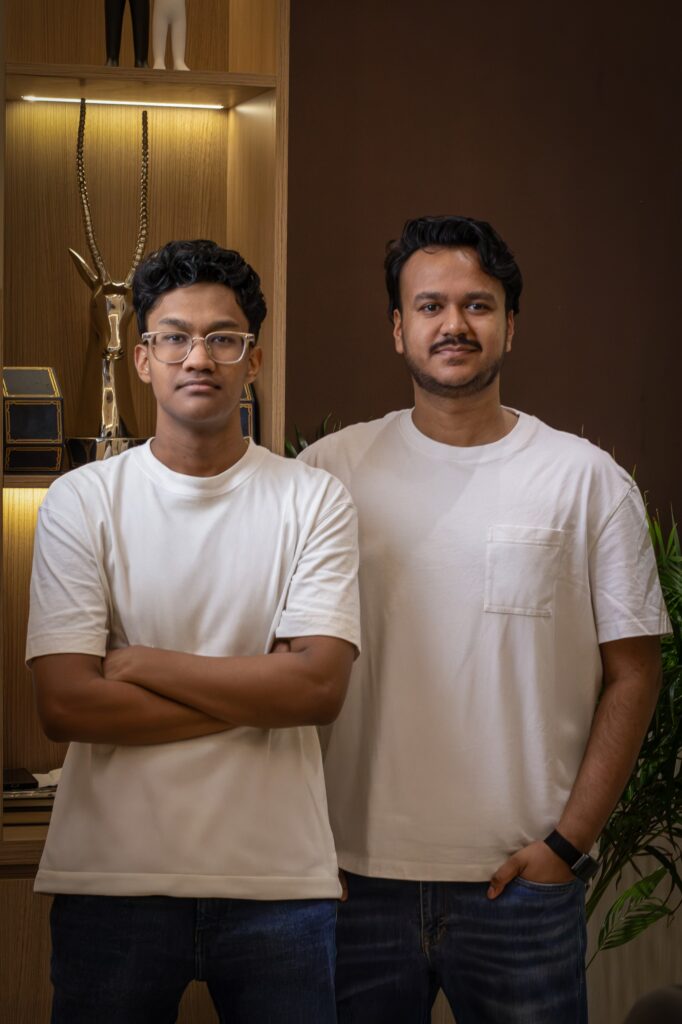
For brokers selling Dubai real estate, the challenge is rarely a lack of interest. It is keeping up with it: answering questions on pricing, payment plans, availability and project details, accurately and quickly, across a growing number of developments. Rechitta was built to take that weight off the brokers. The AI-native platform, powered by verified developer data, gives brokers instant, accurate project information without waiting on a callback or searching through brochures.
Rechitta’s core idea has been simple from the start: instead of reading about a project, users can talk to Rechitta. Rechitta presents a development the way a well-briefed sales consultant would; with all the information directly from the developer, with data in real time. That model has now passed 100,000 minutes of real-world use by brokers exploring projects and asking questions, providing Rechitta with valuable insights into how brokers interact with project information, what they need to know, and where AI can reduce friction in the sales process.
Rechitta is now building on that with the launch of Rechitta V2, shaped by how people have actually used the platform. The update rebuilds and evolves the presentation experience and adds yet another way to use Rechitta: the chat mode. Brokers can now get the information they need in any situation, not only when they have the time and space for a spoken conversation.
“Crossing 100,000 minutes of usage is an important milestone for us because it represents real people spending real time with Rechitta,” said Aryaman Maheshwari, Co-Founder, Rechitta. “More importantly, those interactions have taught us how people actually want to explore, understand and question real estate projects. V2 is a direct evolution of the product based on that behaviour. We are moving from simply presenting information to creating a more intelligent and responsive way of experiencing it.”
In Presentation Mode, Rechitta leads a guided introduction to a project where users can scroll, explore, and ask questions at their own pace while interacting with live project details and visual assets. Complementing this, the new Chat Mode is built for moments when speaking isn’t practical, such as on a call with a client, at a busy sales event, or on the move, allowing brokers to quickly type a query and receive instant, verified answers on unit prices, payment plans, or handover dates.
Together, the two modes mean brokers are no longer limited by where they are: a full guided walkthrough when they have the time, and a fast answer by text when they don’t.
“Real estate has no shortage of information. The challenge is making that information useful at the moment someone needs it,” added said Atiksh Mittal, Co-Founder, Rechitta. “With V2, we are making Rechitta more responsive, more conversational and more intuitive, while keeping the broker at the centre of the experience. We position and build AI to make the real estate sales journey better, not make it less human.”
The development of V2 reflects a broader shift in how real estate information can be accessed and consumed, with a refreshed look. The update also introduces the Rechitta Orb, the visual identity of the AI assistant and a new signature element of the platform. The Orb provides a recognisable interface for users as they interact with Rechitta and reinforces the platform’s positioning as an AI-native experience rather than a traditional property information tool.
Traditional property experiences often require users to search across listings, brochures, presentations and multiple information points to find answers. Rechitta brings project intelligence into one single AI-powered environment, allowing users to move between guided discovery and direct questioning within the same experience.
Rechitta V2 is live now, with the company continuing to develop new AI capabilities designed specifically for the real estate ecosystem.
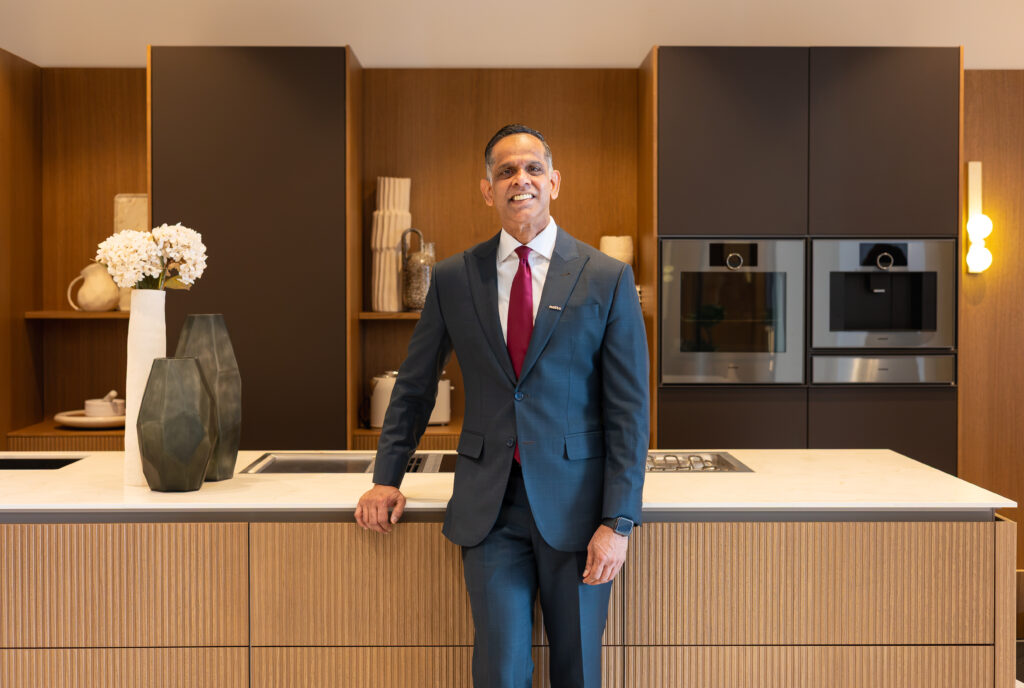
by Selva Kumar Rajulu, Managing Director & Senior Vice President – Middle East, Asia & Africa, Nolte FZE
A beautiful material can catch the eye, but it is the story behind it that increasingly captures a buyer’s attention. Customers today are more knowledgeable about their homes and increasingly interested in the finer details behind the products they choose. Where was the material sourced? How will it perform overtime? And what effect could it have on the people living around it?
For manufacturers and designers, this creates a responsibility to explain the thinking behind every material choice. Storytelling is becoming an important way to do that, connecting aesthetics with provenance, performance, sustainability, and wellbeing. And like any good story, this too begins with its origins.
Origin Is Adding New Value To Premium Interiors
A material’s origin tells us more than where it comes from. It can influence how sustainably it is produced, how well it performs, and the character it brings into a home.
Stone from a particular quarry, responsibly sourced timber, and traditionally woven textiles each carry a sense of place and craftsmanship. These qualities are particularly valuable in premium interiors, where homeowners are looking for substances beyond surface appearance. However, these stories also need to be supported by evidence. At Nolte Küchen, more than 99% of the wood we use meets our sustainable wood criteria, with FSC and PEFC certifications prioritized in procurement.
We are seeing this emphasis on transparency reflected in our work with UAE developers, where project briefs increasingly look beyond the appearance of kitchen materials to consider sourcing, durability, and consistency across multiple units. For manufacturers, responsibly sourcing materials, backed by recognized certifications and produced to consistent quality standards, will set them apart. It also allows customers to make more informed choices by showing where materials come from and how they are made.
Regional identity is influencing design trends
Beyond its origin, a material must also suit the region’s environment and culture. In the UAE, extreme heat, humidity, and strong sunlight make durability a key consideration. Material choices can also influence how much heat enters a building and, in turn, the energy needed for cooling.
A 2026 study of Dubai’s Al Fahidi district highlighted how traditional homes used coral-stone walls and wind towers to regulate indoor comfort naturally. Today, that same principle of environmental adaptation applies to modern interiors: cabinetry, adhesives, and surface finishes must be engineered to withstand the UAE’s coastal humidity, intense UV light through floor-to-ceiling windows, and constant exposure to indoor air conditioning without losing their structural integrity.
Cultural identity matters, too, with some homeowners looking for ways to reflect the region’s heritage in their spaces. For example, Al Sadu is a traditional Emirati weaving technique featuring geometric patterns inspired by grasslands, sand dunes, and the waves of the Arabian Gulf. These cultural influences can be incorporated into contemporary homes through traditional geometric detailing, sand-toned finishes, and textured stone.
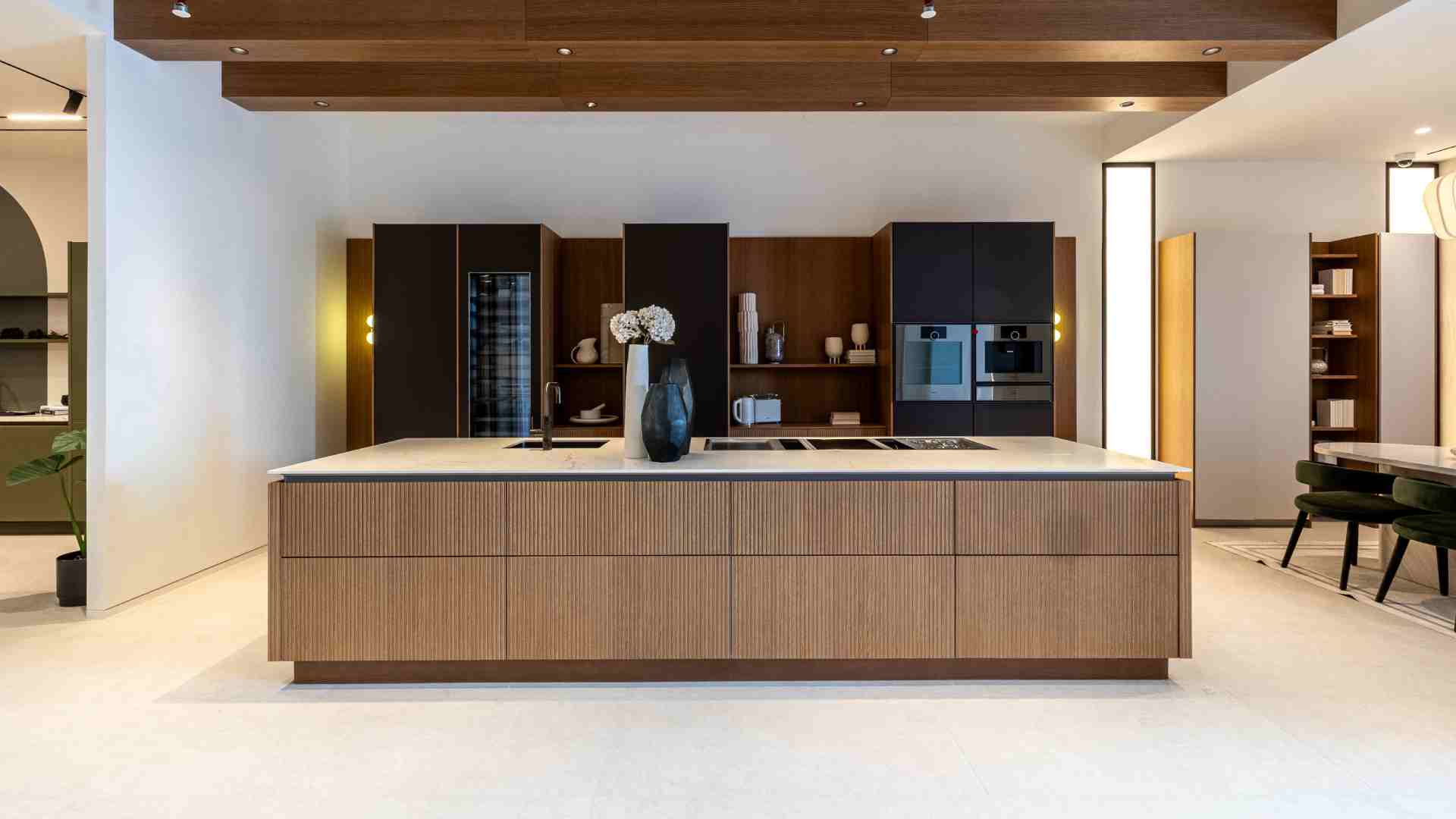
From our experience, no single style defines the UAE market. With people from over 200 nationalities coming here to live, work, and build families, homes naturally reflect a wide range of cultures and personal tastes. This is especially evident in kitchen design, where some buyers prefer clean, minimalist European styles, while others are drawn to warmer wood finishes, earthy tones, and textured surfaces. We are also seeing growing interest in combining contrasting materials and finishes, such as natural wood textures with matt cabinetry or stone surfaces, to create more unique kitchens.
Sustainability is at the center of material choices
PWC found that more than half of Middle Eastern consumers surveyed are changing their purchasing habits by buying more sustainable products. This growing awareness is also influencing how people choose materials for their homes, with greater attention to what products contain, how they are made, and how long they will last.
For manufacturers, this means supporting sustainability claims with evidence. Using recycled wood in particle boards, sourcing certified timber, and reducing waste during production are some ways the industry is responding. However, sustainability goes beyond material sourcing. Durability and repairability are equally important to reduce the need for frequent replacements.
In kitchens, these considerations are particularly important. With frequent everyday use, buyers increasingly look for materials that can withstand wear and tear while retaining their appearance over time. This is why advancements in surface engineering—such as anti-fingerprint matt lacquers, UV-resistant laminates, and highly durable stone reproductions—have become central to the sustainability conversation.
What lies ahead for 2027
As homeowners pay closer attention to materials, trends such as natural wood finishes, statement stone surfaces, and textured cabinetry are gaining ground across the UAE.
More importantly, the kitchen is no longer treated as an isolated workspace. Heading into 2027, we are seeing a decisive shift toward integrated living ecosystems, where identical material stories, warm timber cabinetry, layered textures, full-height stone backsplashes, and earthy colors extend seamlessly from the kitchen into dining and living areas, paired with fully integrated built-in appliances.
This has made customisation increasingly important, as customers want cohesive colours, textures, and layouts that reflect their personal identity across the entire home. As buyers increasingly seek to experience these materials first-hand, showrooms are becoming an important part of the decision-making process, letting them see and feel differences in texture, finish, and quality. Beyond appearance, however, sustainability and provenance will become essential considerations in material selection, with customers expecting greater transparency around responsible sourcing, durability, environmental impact and long-term value.
As the season changes, there’s something comforting about making the home feel a little warmer and more inviting. Autumn brings an opportunity to slow things down, create cosier spaces and add small touches that reflect the mood of the season. Whether it’s a candle glowing in the evening or a warmer colour palette around the living room, a few small changes can make a familiar space feel fresh. To embrace the season, MINT Market, a UAE-born curated online and offline marketplace, has rounded up pieces from its unique homegrown brands to help bring a little autumn warmth into everyday spaces, with inspiration for cozy gatherings, relaxed evenings and a subtle nod to Halloween.
Scents of Autumn
Autumn starts with the little details that set the mood, and scent is an easy place to begin. Fill your home with the comforting aromas of natural coconut wax melts in scents of Dark Honey & Tobacco, Cinnamon, Frankincense & Cedarwood, or Fireside & Wild Berrier, gently warmed in a tea light or electric burner. Or perhaps create the atmosphere with the glass jar candle, where vanilla, and sage meet soft woody sandalwood fragrance. For a little everyday indulgence, the coffee and cocoa massage soap bar brings a mini spa moment to your shower, with its textured surface gently exfoliating and massaging the skin while its rich, warm fragrance adds a comforting touch to your winter routine.
Living Room Essentials
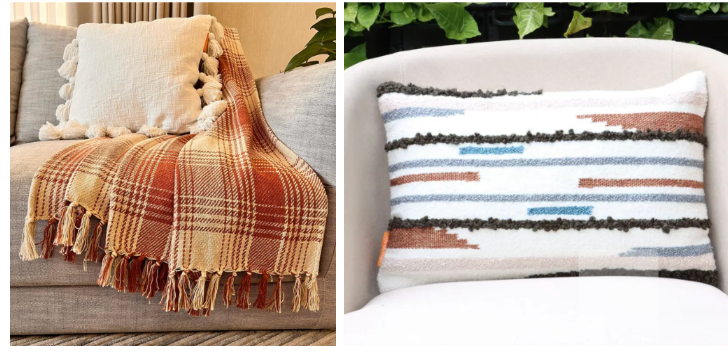
In the living room, a simple change in colour and texture can instantly give the space a more seasonal feel. A maroon checkered throw in soft, neutral tones adds warmth and sophistication while making the room feel a little cosier. For a more contemporary touch, switch up your cushions with an abstract colourful striped cover, bringing playful colour and pattern into the space without overpowering the room.
A Touch of Halloween
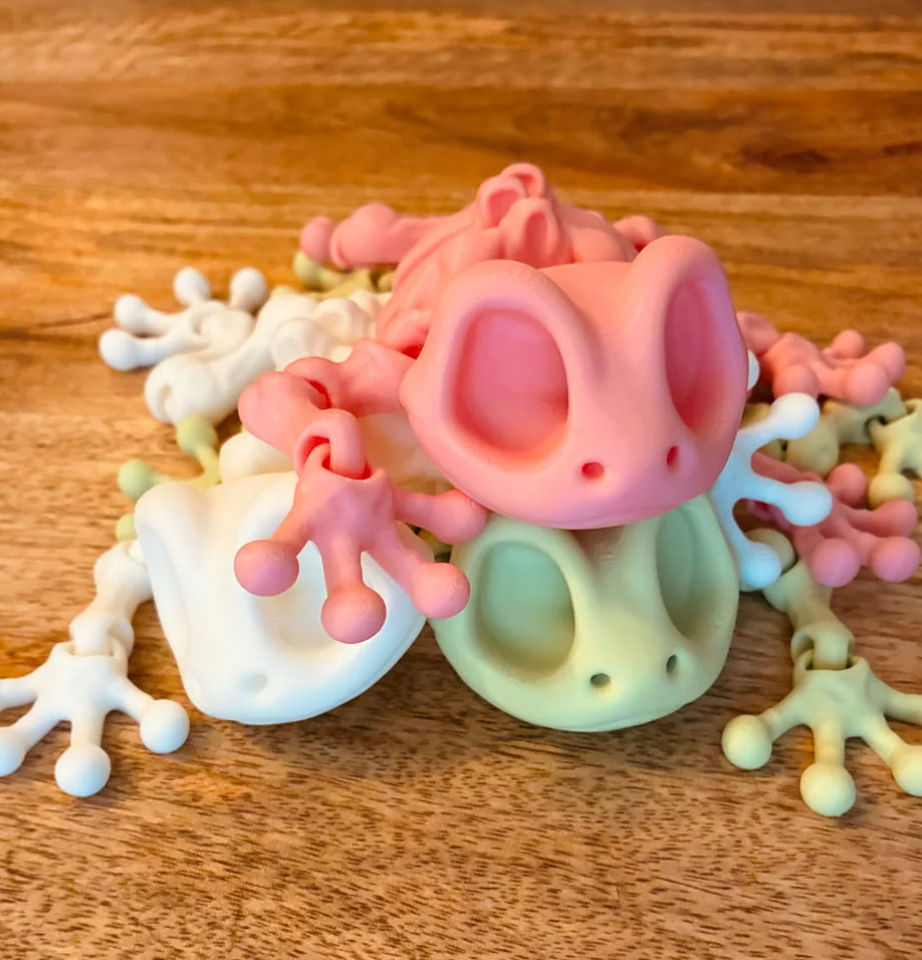
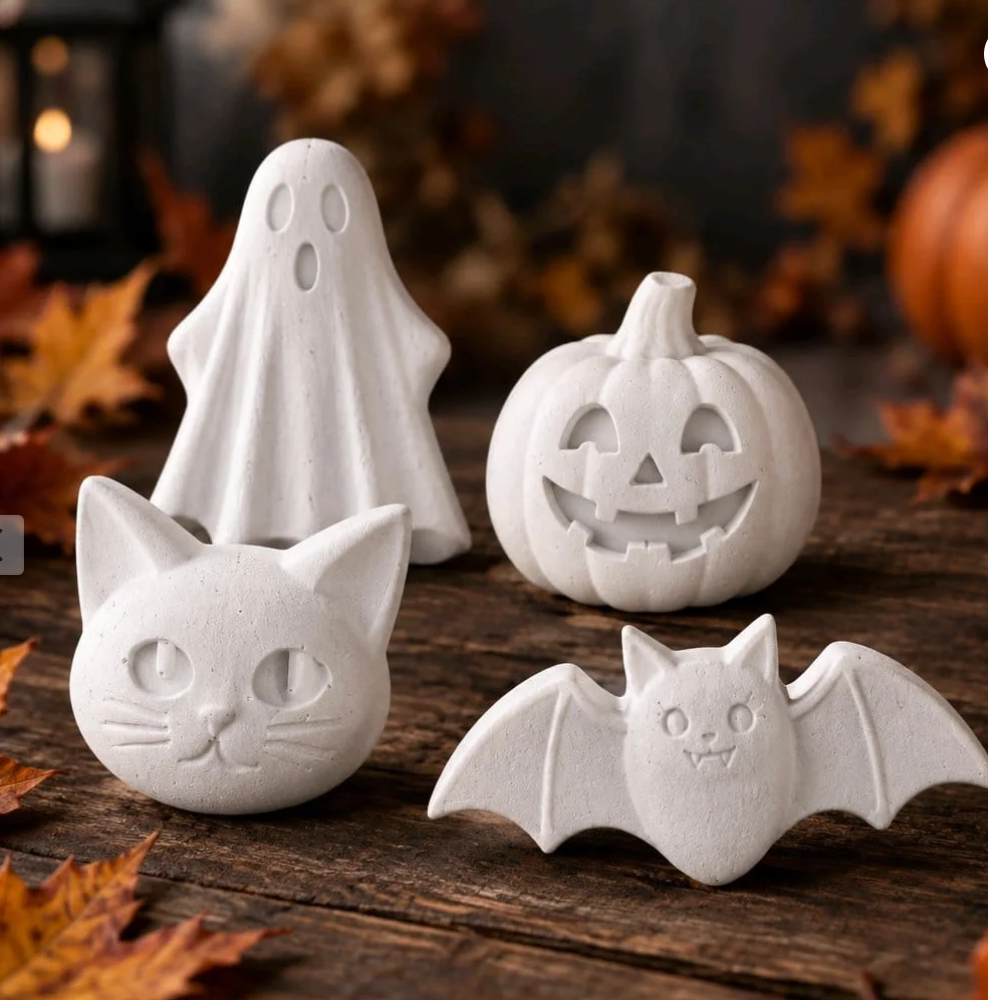
As Halloween draws closer, let a little magic find its way into the home. From playful fidget toys to playdough sets, these little touches can spark imagination and make the season feel that much more magical. For an afternoon of fun, the spooky figures painting kit lets little ones add their own splash of colour and personality, making it a lovely activity to enjoy at home.
All the products mentioned in this guide are available through MINT Market Online, which brings together a selection of independent, homegrown brands.


SUGEE GROUP & WYNDHAM HOTELS & RESORTS PARTNERS TO DEVELOP THE WORLD’S FIRST VIENNA HOUSE RESIDENCES BY WYNDHAM ON AL MARJAN ISLANDS, RAK
RECHITTA SURPASSES 100,000 MINUTES OF REAL-WORLD USE AS IT LAUNCHES NEXT-GENERATION V2 PLATFORM
Above the City with CRANK at Level 43



-

 Trending12 months ago
OPPO A6 Pro 5G Review: Reliable Daily Driver
-

 Tech News2 years ago
Denodo Bolsters Executive Team by Hiring Christophe Culine as its Chief Revenue Officer
-
 VAR2 years ago
Microsoft Launches New Surface Copilot+ PCs for Business
-

 Automotive2 years ago
AGMC Launches the RIDDARA RD6 High Performance Fully Electric 4×4 Pickup
-
Tech Interviews3 years ago
Navigating the Cybersecurity Landscape in Hybrid Work Environments
-

 Hospitality2 years ago
Gulfood 2025 30th Edition Kicks Off Today, Setting New Benchmarks in F&B Growth and Innovation
-

 VAR11 months ago
Huawei Nova 14 Pro Review: Where Camera Excellence Meets Ecosystem Evolution
-

 Tech News1 year ago
Nothing Launches flagship Nothing Phone (3) and Headphone (1) in theme with the Iconic Museum of the Future in Dubai