
 Have a question? +971 56 404 0503




Tech News
Vertiv Great Lakes acquisition strengthens AI-ready racks

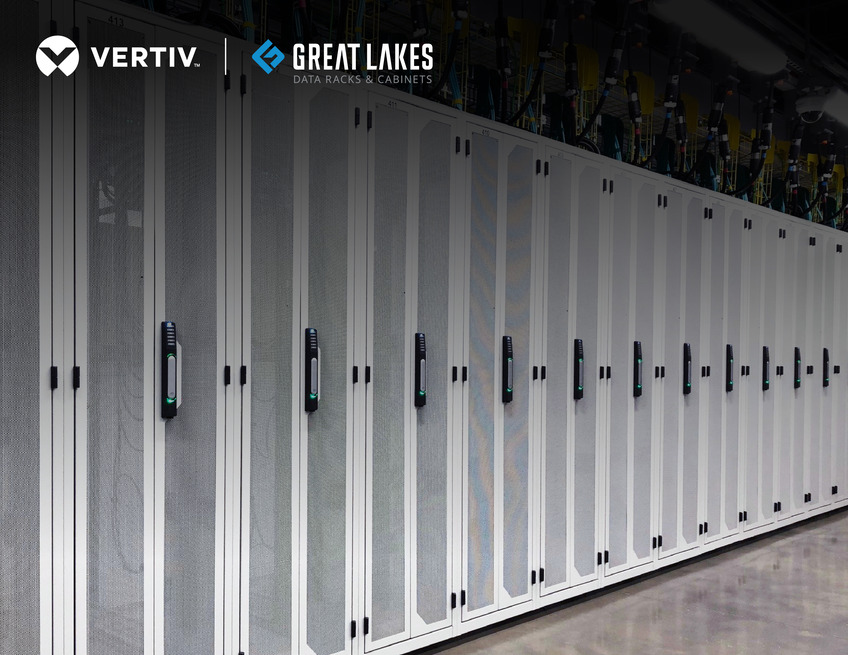
Vertiv completed its purchase of Great Lakes Data Racks & Cabinets. The Vertiv Great Lakes acquisition—about $200 million—adds capacity in racks, cabinets, and integrated white-space solutions for high-density builds. Consequently, operators gain faster paths from design to deployment. In short, the deal targets speed where it matters most.
Why the Vertiv Great Lakes acquisition matters now
AI workloads raise power density and compress timelines. Therefore, pre-engineered rack systems carry outsized value. They bundle power, cooling, airflow, and cable management in one lineup. As a result, teams cut design friction and avoid on-site improvisation. Moreover, configure-at-speed programs help standardize projects. That consistency protects budgets and schedules.
What Great Lakes brings to the portfolio
Great Lakes began in 1985 in Edinboro, Pennsylvania, and builds both standard and custom racks. The company also delivers integrated and seismic cabinets. Additionally, it offers enhanced cable access and management options. Hence, operators can fit retrofit and greenfield sites without losing airflow discipline. Local seismic rules are easier to meet as well. In practice, that flexibility reduces late changes and rework.
From factory integration to field speed
Vertiv plans to lean on factory work to shorten installs. Specifically, teams mount PDUs, cable bars, airflow panels, and accessories in advance. Next, lineups ship as pre-engineered bundles. Consequently, sites spend less time assembling parts. Commissioning becomes simpler and more predictable. Furthermore, pre-wired cabinets cut risk during the crunch. Technicians follow clear, repeatable steps; therefore, quality improves while timelines tighten.
Racks tuned for high density—and reality
High-density white space needs more than steel frames. It demands clean cable pathways and predictable airflow, plus space for power distribution that doesn’t block exhaust. Here, Great Lakes complements Vertiv’s power and thermal stack. Together, the portfolios support hot/cold-aisle discipline, containment strategies, and liquid-ready planning. As a result, AI rows remain maintainable at scale, and day-2 operations benefit as much as day-1 builds.
The strategy behind the deal
Vertiv signaled disciplined economics and synergy from cross-selling and shared engineering. In practical terms, customers should see tighter rack-plus-power/cooling bundles. They should also see clearer roadmaps for high-density and edge sites. Importantly, the model favors speed: faster catalog choices lead to faster orders, which translate into earlier capacity. Ultimately, project certainty improves.
What customers should watch for
First, expect broader catalog options for integrated cabinets. Next, look for pre-configured lineups aligned to common AI and HPC footprints. Additionally, watch for simpler factory-acceptance testing before shipment. That step catches issues early and builds confidence in repeatable outcomes. Over time, combined roadmaps will refine cabinet access, cable fingers, and airflow parts. Liquid-cooling retrofits should also get easier. Meanwhile, Vertiv’s global service network supports deployment and ongoing care, so multi-region rollouts stay coordinated.
Use cases across core, colo, and edge
Core sites want density and uniformity. Colocation halls prioritize speed and predictable change control. Edge locations need compact, resilient options. The Vertiv Great Lakes acquisition aims to serve all three. Pre-engineered cabinets let operators scale lineups without redesign. Seismic choices ensure regional-code compliance. Meanwhile, cleaner cable access reduces human error. Therefore, uptime improves while labor strain drops.
What it means for project teams
Designers gain clearer building blocks. Project managers lock down tighter schedules. Installers follow repeatable steps and face fewer surprises on site. Moreover, finance leaders see steadier budgets. Because parts arrive integrated, last-minute extras rarely appear. And since documentation matches the bundle, audits move faster. In turn, stakeholders align around a single, proven pattern.
Bottom line
The Vertiv Great Lakes acquisition focuses on deployment velocity. Pre-engineered racks and integrated cabinets remove friction; factory integration removes guesswork. Consequently, AI and high-density projects ramp sooner and run cleaner. With white-space complexity rising, that combination proves decisive—turning design intent into installed reality on time and at scale.
Check out our previous post Wio Xero integration simplifies UAE SME accounting










Tech News
Abu Dhabi Projects and Infrastructure Centre and PATRIZIA sign strategic partnership to support infrastructure investment and development
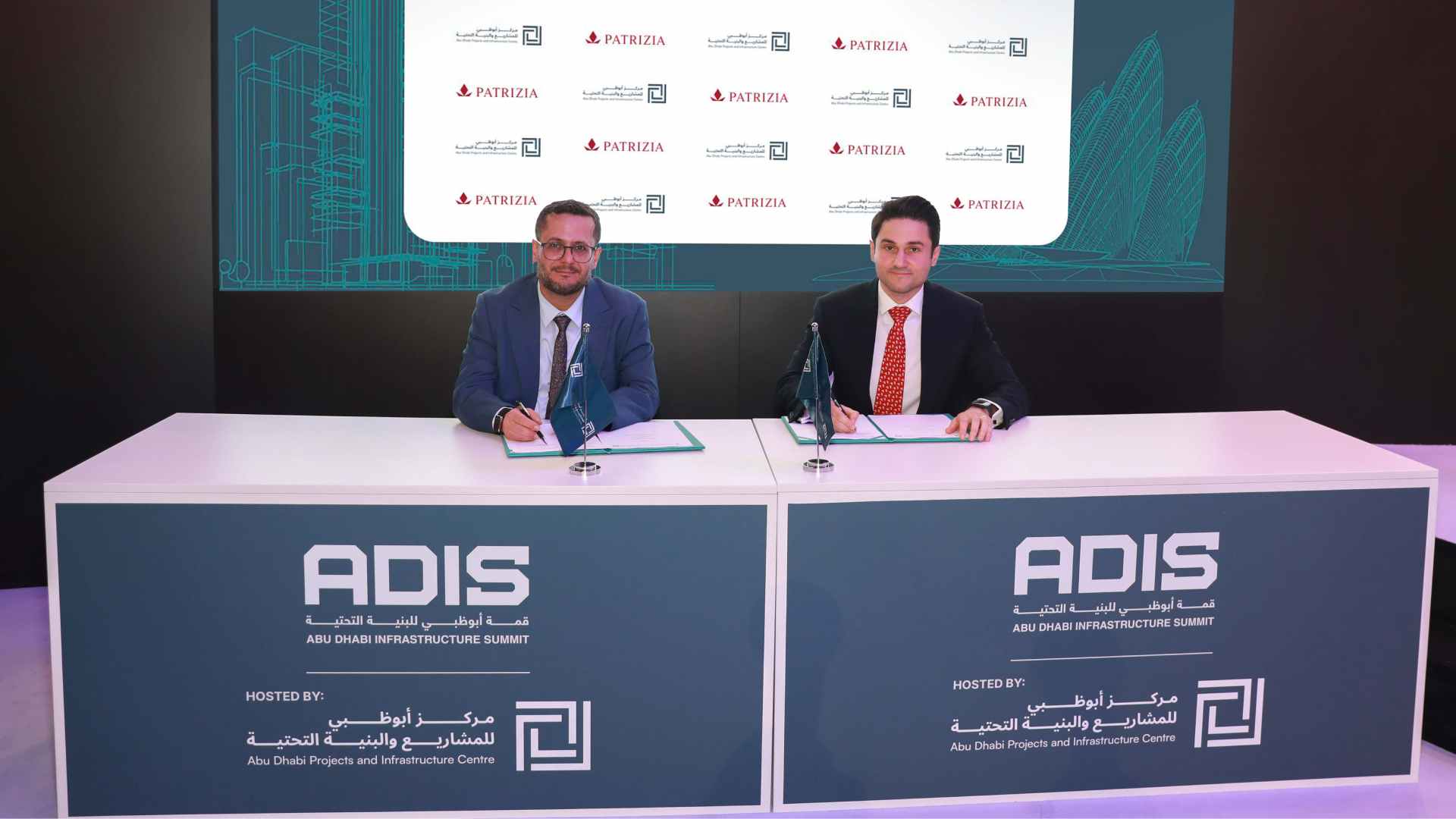
The Abu Dhabi Projects and Infrastructure Centre (ADPIC)and PATRIZIA, an investment manager in real assets, have signed a strategic partnership to deepen cooperation around infrastructure investment and project delivery in the Emirate of Abu Dhabi, drawing on PATRIZIA’s wider real assets expertise.
The strategic partnership was signed during the Abu Dhabi Infrastructure Summit (ADIS) International Roadshow at EXPO REAL 2026 in Munich by His Excellency Eng Maysarah Mahmoud Salim Eid, Director General of ADPIC and Hassan Awada, Senior Executive Officer, MENA at PATRIZIA.
ADPIC sits at the centre of Abu Dhabi’s capital-project programme, coordinating planning, governance, and delivery across approximately 500 projects valued at more than AED 200bn, equivalent to more than USD 56bn. The programme spans housing, transport, culture, education, social infrastructure, and the wider urban systems supporting Abu Dhabi’s long-term growth, livability, and economic competitiveness.
The agreement also reflects the wider objective of the ADIS International Roadshow by connecting Abu Dhabi’s infrastructure ecosystem with international partners that bring specialist expertise and long-term capability, while deepening engagement with Germany and Europe. The partnership establishes a framework for PATRIZIA and ADPIC to exchange international expertise and explore areas where private-sector participation can strengthen project delivery and long-term value creation. This includes dialogue around public-private partnership structures, sharing international best practice in infrastructure financing and delivery, and exploring potential investment and co-investment opportunities arising from Abu Dhabi’s capital projects programme.
The two organisations will also cooperate on market insight, benchmarking and technical studies relevant to infrastructure investment and project delivery, while exploring ways to support greater international participation, knowledge exchange, and access to specialist capability across Abu Dhabi’s ecosystem.
H.E. Eng. Maysarah Mahmoud Salim Eid, Director General of ADPIC, said: “Abu Dhabi’s infrastructure programme requires partners that bring proven international capability, market insight, and a long-term commitment. Through this partnership with PATRIZIA, we will explore how that experience can support private-sector participation, strengthen project delivery, and create long-term value. This is exactly the type of practical international cooperation the ADIS International Roadshow is designed to advance.”
PATRIZIA has worked with institutional investors and partners in Abu Dhabi for 15 years, building long-term relationships across the Emirate. The recent establishment of a permanent presence in the Abu Dhabi Global Market (ADGM) marked a further step in that commitment, strengthening PATRIZIA’s ability to work with regional investors and partners and connect them with its international real assets platform.
Asoka Wöhrmann, CEO of PATRIZIA, said: “Abu Dhabi has established itself as an important centre for long-term investment and infrastructure development. Our teams have worked with clients and partners in the Emirate for the past 15 years, and our decision to establish a permanent presence in Abu Dhabi reflects the importance we attach to that relationship. We have seen first-hand the scale of its ambition and the increasingly important role that international expertise and private capital can play. This partnership creates a framework through which PATRIZIA can contribute its experience across real assets while deepening our longstanding relationships in Abu Dhabi.”
Hassan Awada, Senior Executive Officer, MENA at PATRIZIA, said: “Abu Dhabi is developing into a significant market for infrastructure and real assets investment, supported by major infrastructure pipeline and a clear focus on attracting international investment and expertise. Our partnership with ADPIC gives us an opportunity to closely support on delivering these priorities and to explore where PATRIZIA’s international investment capabilities can support the Emirate’s long-term ambitions.”
The agreement reflects PATRIZIA’s wider strategy of combining its established global real assets platform with selective international growth in markets where it has longstanding client relationships and relevant investment expertise.
Tech News
NetApp to Showcase AI-Ready Data Infrastructure as CEO George Kurian Takes the Stage at Ai Everything Abu Dhabi 2026
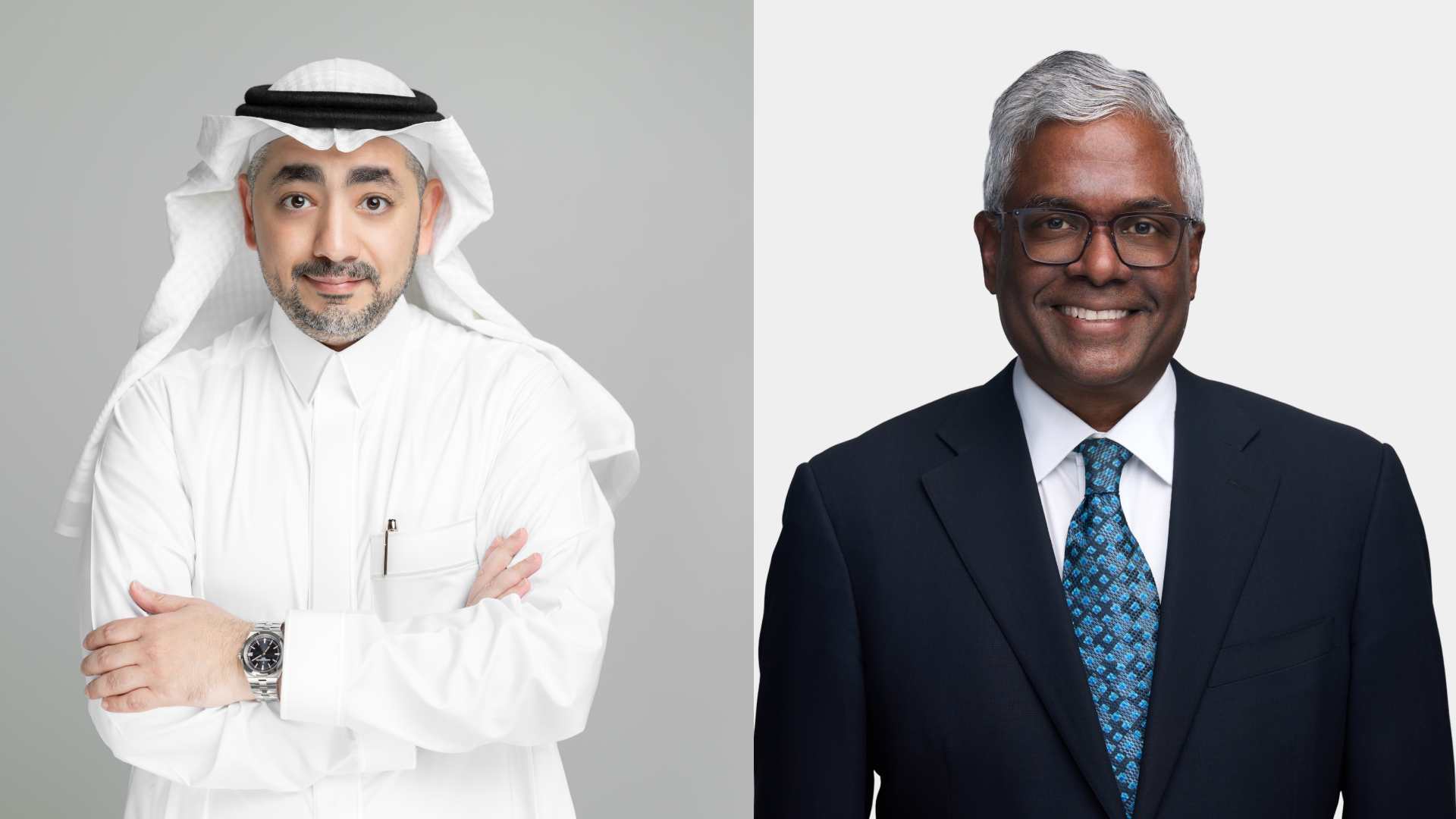
NetApp® (NASDAQ: NTAP), the Intelligent Data Infrastructure company, will exhibit at Ai Everything Abu Dhabi 2026, taking place on October 6 and 7 at ADNEC Centre in Abu Dhabi. The event will also feature George Kurian, Chief Executive Officer of NetApp, who will take part in a fireside chat on the Summit Stage titled, “Can AI Be Trusted? The New Architecture of Sovereign, Secure and Safe AI.” As AI moves from generating answers to taking action across the enterprise, Kurian will explore why trust must extend beyond the model to the data, infrastructure and systems AI can access, as well as the growing importance of security, data sovereignty and governance.
At the centre of NetApp’s presence will be the NetApp Platform, designed to provide enterprises an intelligent, connected, governed foundation that delivers zero-copy access to their data. Customers can quickly and confidently access, manage, and activate their data and be confident it is AI-ready and secure so they can take on the most demanding tasks and solve the most complex problems. In addition to being available on-premises, the NetApp Platform is natively embedded in the world’s largest public clouds. As organizations move AI initiatives from experimentation into production, having data that is accessible, governed and protected becomes increasingly important to scaling AI securely and efficiently.
“Abu Dhabi’s ambition to become an AI-native government reflects a broader shift we are seeing across the Middle East, where AI is rapidly moving from experimentation to large-scale deployment. But scaling AI is ultimately a data challenge. Organizations need trusted, secure and accessible data wherever it resides. The NetApp Platform provides the foundation customers need to build Intelligent Data Infrastructure that enables them to move from AI ambition to real business outcomes, securely and at scale.” said Suhail Hasanain, Senior Director and General Manager, MEA at NetApp
During the two-day event, NetApp’s regional and global experts will engage with industry leaders, partners and customers on building AI-ready infrastructure and addressing the data and infrastructure challenges that can prevent AI projects from progressing into production.
Visitors will have an opportunity to hear the latest developments from NetApp INSIGHT 2026 in Las Vegas, one of the company’s key events focused on tackling today’s biggest AI and technology challenges with intelligent data infrastructure.
Tech News
Optro Establishes UAE Hub to Support Rapid Transition to Agentic GRC Across the Middle East
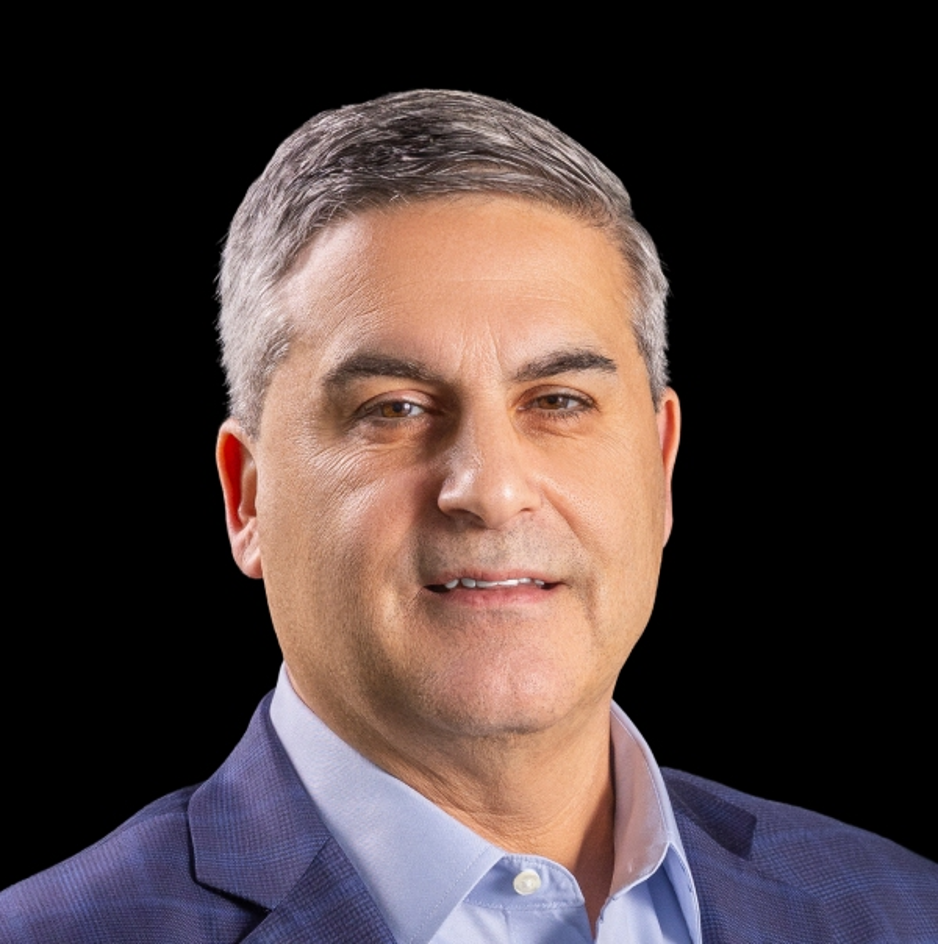
Optro, the leading AI-powered GRC Intelligence Platform, today announced its expansion into the United Arab Emirates (UAE), establishing Dubai as the company’s newest regional center. The move represents a major step forward in serving global GRC teams and providing localized support for its rapidly growing customer base across the Middle East and North Africa (MENA) region. The announcement was made at the 2026 CAE Conference in Abu Dhabi, United Arab Emirates.
The expansion comes at a historic inflection point for technology governance in the region. Under the “UAE Government 4.0” directive of the UAE National Strategy for Artificial Intelligence 2031, federal institutions are tasked with converting 50 percent of government sectors, services, and operations to autonomous Agentic AI models within a two-year timeline. As non-human agents gain authority to execute workflows, invoke APIs, and issue binding administrative decisions, enterprise and public-sector audit, risk, compliance, and infosec teams are facing unprecedented operational, cybersecurity, and regulatory complexities.
With strict regulatory frameworks taking shape, including Central Bank of the UAE (CBUAE) AI & ML Guidance, the UAE National AI Policy & Ethics guidelines, the Federal Personal Data Protection Law (PDPL), and Cybersecurity Council/NESA standards, demand is surging for connected, real-time approaches to audit, risk management, data sovereignty, and non-human access control. Optro is built specifically for this paradigm shift. By deploying agentic AI tailored to regional frameworks, Optro gives local practitioners an unmatched ability to execute continuous risk assessments, manage non-human access identities, and automate live compliance mapping against evolving UAE regulations.
“Enterprises and public sector organizations across the Middle East are setting a global benchmark for autonomous innovation,” said Raul Villar Jr., Chief Executive Officer at Optro. “However, deploying agentic AI at scale requires a corresponding evolution in control and assurance. By establishing our regional hub in the UAE, we are delivering the localized presence, partner network, and agentic GRC tools required to help organizations govern autonomous operations, protect data sovereignty, and turn regulatory compliance into a competitive advantage.”
“Internal Audit and GRC functions are playing an increasingly strategic role in helping organizations strengthen resilience, enhance governance, and respond to emerging risks,” said Fady Nader, EY MENA Risk Consulting Partner. “As organizations continue to embrace digital transformation and AI-enabled ways of working, there is a growing need for integrated assurance and timely risk insights. We are pleased to collaborate with Optro in supporting organizations across the region as they evolve their governance, risk and assurance capabilities and adapt to an increasingly dynamic business environment.”
“Our alliance with Optro reflects Deloitte’s commitment to helping clients modernize their control environments,” said James Smith, Controls Assurance Leader at Deloitte Middle East. “Optro’s investment in regional data hosting is another important step and demonstrates their long-term commitment to the region and we are proud to partner with them.”
Optro’s expansion into the UAE follows the company’s recent launch of its Asia-Pacific (APAC) regional hub in Singapore, announced at The Institute of Internal Auditors (IIA) International Conference in June. Earlier this year, Optro also acquired Midship — the premier AI-native autonomous controls testing solution — delivering highly governed, enterprise-grade AI agents to Optro’s customers and prospects, enabling Optro to rapidly scale across global innovation centers, helping risk, compliance, and audit teams modernize operations and navigate complex regulatory environments in real time.


Burjeel Holdings Launches Preventive Cardiac Campaign Across Its UAE Hospital Network for World Heart Day
Kenz ‘de’ Rasasi Debuts at Beautyworld Middle East 2026 with a New Expression of Rasasi Heritage

Abu Dhabi Projects and Infrastructure Centre and PATRIZIA sign strategic partnership to support infrastructure investment and development



-

 Trending12 months ago
OPPO A6 Pro 5G Review: Reliable Daily Driver
-

 Tech News2 years ago
Denodo Bolsters Executive Team by Hiring Christophe Culine as its Chief Revenue Officer
-
 VAR1 year ago
Microsoft Launches New Surface Copilot+ PCs for Business
-

 Automotive2 years ago
AGMC Launches the RIDDARA RD6 High Performance Fully Electric 4×4 Pickup
-
Tech Interviews3 years ago
Navigating the Cybersecurity Landscape in Hybrid Work Environments
-

 Hospitality2 years ago
Gulfood 2025 30th Edition Kicks Off Today, Setting New Benchmarks in F&B Growth and Innovation
-

 Tech News1 year ago
Nothing Launches flagship Nothing Phone (3) and Headphone (1) in theme with the Iconic Museum of the Future in Dubai
-

 VAR2 years ago
Samsung Galaxy Z Fold6 vs Google Pixel 9 Pro Fold: Clash Of The Folding Phenoms