
 Have a question? +971 56 404 0503




Tech News
Nothing Raises $200M Series C to Power the Next Phase of Consumer AI


Today, we’re announcing new funding––USD $200M in our Series C round at a USD $1.3B valuation. This milestone marks the start of our next phase: From being the only independent smartphone company to emerge in the last decade, towards building an AI-native platform in which hardware and software converge into a single intelligent system.
Building the foundations for the future
When we started Nothing, we had a thesis that if we could build a smartphone business at scale and own the last-mile distribution point in consumer tech, we would be well-positioned for the next technology shift. Although we didn’t know what that would look like at the time, the opportunity is now crystal clear.
From the start, we knew that the foundation had to be an end-to-end value chain
capable of delivering products at speed, scale, and quality. As we’ve seen from many others that have tried, building a hardware company is hard. There are many potential failure points and almost no room for error. For us, it required assembling a team that balanced a pragmatic approach of rapidly launching products, with an innovative mindset to deliver experiences that our community would immediately love.
Today, the foundations are firmly in place. From award-winning design, to our global manufacturing and supply chain network built for quality and cost. In four years, we have shipped millions of devices, began 2025 crossing $1B+ in total sales, while growing 150% in 2024.
Building this infrastructure has been the hardest and most valuable thing we’ve done so far. With the support of our community, we’re fortunate to have made it here. Today, we’re in a position that will be very hard to copy: The ability to launch any consumer hardware product from start to finish within months, go-to-market operations that can ship and service worldwide, a global user community that co-creates with us, all without the innovator’s dilemma or bureaucratic constraints that the incumbents face. On to chapter 2.
Operating systems, evolved
In the last 18 years, the smartphone became ubiquitous. It is the primary personal computing tool to manage the countless tasks of daily life. Beyond its distribution scale, what makes the smartphone the most powerful consumer device in the market is its unmatched access to contextual information and user knowledge. For this reason, I believe the smartphone will remain one of the most important devices in the AI era.
On the other hand, while AI has made revolutionary progress in the last three years, the smartphone experience has barely evolved. Most of the innovation has been underwhelming, limited to incremental improvements in photo editing, translations, and assistant features that barely work.
For AI to reach its full potential, consumer hardware must reinvent itself alongside it. This is the opportunity we see for Nothing. We see a future where operating systems are significantly different from the ones today. Each system will know its user deeply, and be hyper-personalised to each individual. Interfaces will adapt to our context and needs. Suggestions will surface naturally, and once we confirm an intent, agents will execute on our behalf. The system will handle the non-essential for us, allowing us to focus on what truly matters, which will be different for every person. Unlike today’s one-size-fits-all solution, a billion different operating systems will be rendered for a billion different people.
Over time, this OS will be transversal across all form factors: We’re starting with smartphones, audio products and smart watches, devices that people already use every day. In the future, our OS will carry into smart glasses, humanoid robots, EVs, and whatever comes next.
Why we are uniquely-positioned to create this future: Owning the last-mile distribution point with all its contextual and user knowledge is essential to developing an OS that will help people in their daily lives. An AI OS that doesn’t know its user and isn’t ever-present can’t deliver a hyper-personalised experience. This is the next chapter for Nothing, integrating an AI experience into our hardware devices to reinvent how technology amplifies us.
The next billion unit scale product
In the near-term, we believe that the smartphone will remain the only device shipping at billion-unit scale each year. But soon, we’ll all be carrying an additional device that will be just as important. In the coming years, we’ll learn that the more context we can feed our AI, the more useful it becomes. The smartphone, while powerful, can’t always be there for us. Sometimes it’s in our pocket, or we might be on the move with our hands full.
A new class of AI-native devices will emerge. Products that are available to the user at the moment of need, paired with intelligence that turns understanding into action. This is a very exciting time, imagining devices that capture context across modalities and generate interfaces on demand, shaped by what the user is trying to accomplish.
We have been hard at work imagining what this future could look like, and can’t wait to launch some of our first AI-native devices next year.
Our Series C capital raise
This funding round allows us to execute on this vision by accelerating our innovation roadmap and further scaling our distribution. Our round was led by Tiger Global, with significant support from existing shareholders GV, Highland Europe, EQT, Latitude, I2BF, and Tapestry, alongside new strategic backing from Nikhil Kamath and Qualcomm Ventures.
Alongside this Series C, we’re also preparing to launch our next Community round giving our supporters another opportunity to become part of Nothing’s journey. More details will be shared soon.
As we continue our journey, we do so with huge gratitude to our community, our team, and our partners. This next chapter is only possible because of you.
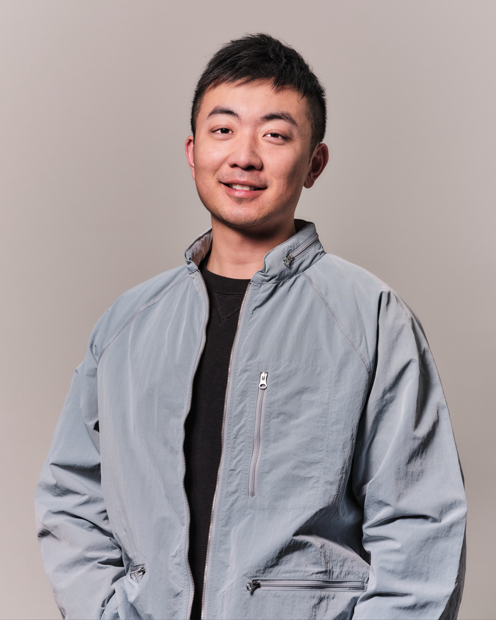
Carl, CEO and Co-founder of Nothing










Tech News
ParamountAssure launches inaugural CybHER Awards 2026 to recognise women’s contributions to cybersecurity


ParamountAssure, a UAE-headquartered cybersecurity company, has announced its inaugural ‘Paramount CybHER Awards’ to recognise the expertise and contributions of women protecting their organisations from cyber risk. Registrations are open for women working in cybersecurity and governance, risk and compliance across India, Australia, the UAE, Qatar, Oman, Bahrain, Kuwait and Saudi Arabia. Participants are invited to share practical knowledge that can contribute to the wider cybersecurity profession.
The initiative comes as women remain underrepresented in cybersecurity, with the Global Cybersecurity Forum and Boston Consulting Group’s Cybersecurity Workforce Report estimating their share of the global cybersecurity workforce at 24%. Paramount has unveiled CybHER to recognise women in the public and private sector who implement and oversee cybersecurity in practice and keep operations running.
Premchand Kurup, CEO of ParamountAssure, said: “Women in organisations understand how cybersecurity decisions affect the wider business. Through our interactions, we see women applying sound judgement to complex security and risk challenges every day. Their experience deserves greater visibility. CybHER gives them a platform to share their approaches and lessons, while showing women considering cybersecurity the range of skills and career paths within the profession.”
Five winners will each receive a citation and award recognition, bringing their expertise to a wider professional audience. Selected on the merit of their submissions, winners will gain recognition for the quality of their thinking and the contribution their ideas can make to the cybersecurity community.
Participants can choose the format that best communicates their thinking, submitting an original article or blog of up to 1,000 words, a presentation of up to 10 slides, or a one-minute video. Entries should offer practical insights or useful frameworks, explaining an approach to a cybersecurity challenge or sharing lessons that other professionals can apply. The emphasis is on communicating expertise clearly and giving readers or viewers ideas they can use in their own work.
Ashok Chandrasekharan, COO at ParamountAssure, said: “Women currently make up 25% of ParamountAssure’s workforce and leadership contributing across different functions within our business. We see first-hand the value of their expertise in supporting our work with clients. CybHER reflects our belief that the contributions of women in cybersecurity should be recognised and shared more widely across the industry.”
The awards are open to women whose roles involve protecting their employer’s systems and information, including professionals responsible for security, risk, compliance or privacy. Eligibility extends across technical, managerial and leadership positions, reflecting the different ways women help organisations prevent and respond to cyber threats. Participants can draw on experience in security operations or in setting and overseeing the policies that guide how their organisation manages digital risk.
The independent jury includes Sumayya Shafi, Information Technology Manager at Dubai Petroleum, Amna Al Balushi, Chief Information Security Officer and Head of IT Governance at a leading bank in Oman, and Mariam Ben Dhafari, Director of the Information Systems Center at the General Secretariat of the Supreme Council for Planning and Development in Kuwait. Together, they will assess submissions on demonstrated expertise and originality, considering their practical value, clarity, analytical thinking and potential industry impact.
Sumayya Shafi, Information Technology Manager at Dubai Petroleum, said: “There is still a perception that technical and cybersecurity roles are predominantly male, and many women working in these fields remain underrepresented in the wider industry conversation. Women are already leading in these fields across organisations, and recognising their work is an important step towards closing that gap. CybHER provides a platform to bring these contributions into greater focus.”
The application window will close on November 30, 2026 at 11:59 pm GST (UTC+4), with the announcement of five winners scheduled in January 2027. Eligible professionals can visit the website for further updates, including full participation criteria and submission guidance.
Varonis Systems, Inc. (Nasdaq: VRNS) (“Varonis”), the data and AI security leader, and Proofpoint, Inc. (“Proofpoint”), a global leader in human and agent cybersecurity, today announced entrance into a definitive agreement under which Varonis will be acquired by Proofpoint, a portfolio company of Thoma Bravo, in an all-cash transaction valued at approximately $6.3 billion.
Under the terms of the agreement, Varonis shareholders will receive $49.75 per share in cash. This purchase price represents a premium of 52% to Varonis’ closing stock price of $32.71 on June 22, 2026, the last full trading day prior to initial rumors about a potential sale of the Company, and a premium of 17% over Varonis’ closing stock price of $42.35 on September 1, 2026, the last trading day prior to additional media reports speculating about a potential sale of Varonis. The transaction values Varonis at approximately 53x LTM Free Cash Flow and 8.4x LTM Revenue.1
The combined company will serve more than 16,000 enterprises and millions of organizations globally, creating one of the world’s leading pure-play cybersecurity companies and establishing the industry’s largest data and AI cybersecurity organization. Together, the combined company intends to deliver a unified platform that helps organizations adopt AI with confidence: finding and protecting sensitive data, controlling what people and AI can access, and stopping data loss. Following closing, Proofpoint intends to move quickly to integrate the companies’ capabilities, align go-to-market efforts, and accelerate delivery of the combined platform to customers.
“Today begins an exciting new chapter for Varonis and our customers. It’s a testament to the incredible work of the Varonis team over two decades,” said Yaki Faitelson, Varonis CEO, Co-Founder and Chairman of the Board of Directors. “Our mission is to secure AI and the data that powers it. By joining forces with Proofpoint, we can achieve this mission faster than ever.”
Faitelson continued, “This announcement follows a comprehensive evaluation led by a committee of independent members of our Board of Directors, which included extensive outreach to a range of potential strategic and financial buyers. This transaction is an excellent outcome for the company and our shareholders, representing a realization of immediate, significant, and certain value well in excess of the risk-adjusted value of delivering against our standalone plan.”
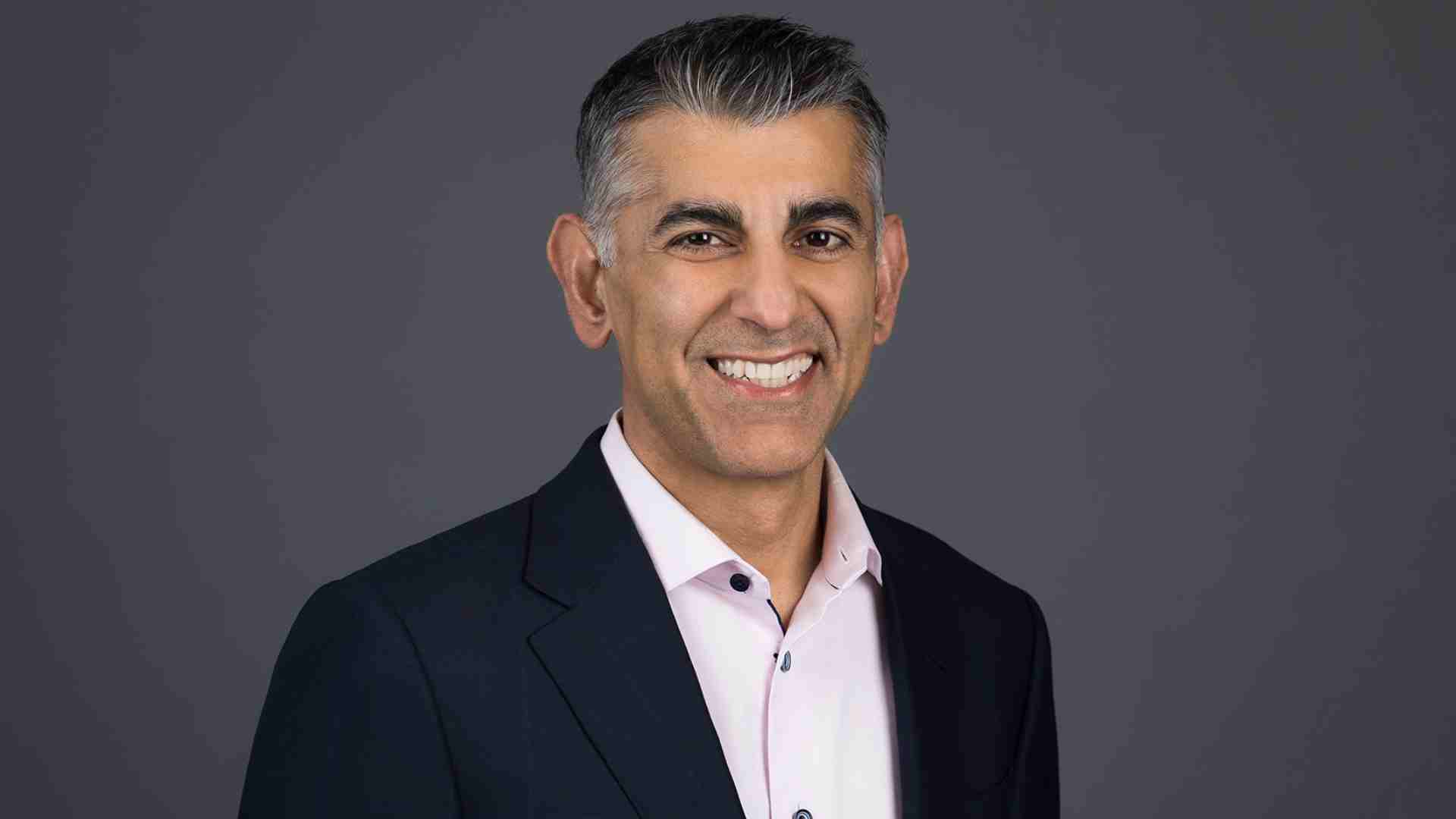
“As AI becomes embedded across the enterprise, the data it can access determines both its value and its risk. AI agents are increasingly accessing sensitive information and taking action across systems, making it critical for organizations to understand not only what data needs protecting and who can access it, but how it is actually being used,” said Sumit Dhawan, CEO of Proofpoint. “By connecting communications, identities, permissions, data, and AI, we are creating an intelligence advantage that helps customers see risk more clearly, respond faster, and defend against the next generation of AI risks. This is a defining step in Proofpoint’s evolution into a cybersecurity platform built for the future of AI.”
Tech News
ALEC Partners with Environment Agency – Abu Dhabi to Launch Hydrological Mangrove Restoration Project in Abu Dhabi
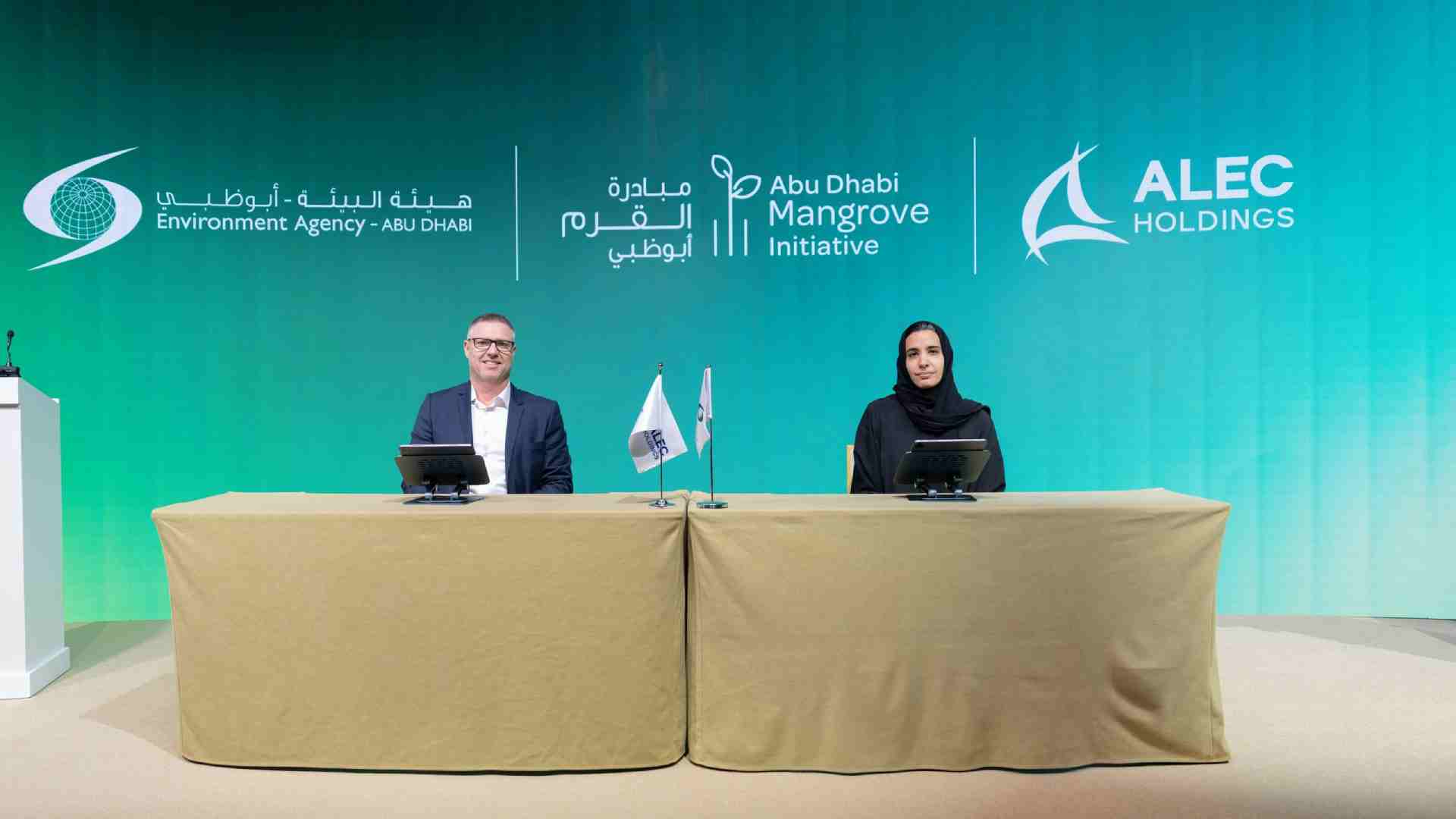
ALEC Engineering and Contracting LLC – SPC (ALEC), part of ALEC Holdings PJSC (ALEC Holdings) has signed an agreement with the Environment Agency – Abu Dhabi (EAD) to support a first-of-its-kind mangrove hydrological restoration pilot in the Emirate of Abu Dhabi.
The three-year project will explore whether restoring the natural hydrological conditions of a mangrove area in need of restoration can help the ecosystem return to long-term ecological health. In doing so, the initiative will examine the underlying conditions required to secure the future health and resilience of Abu Dhabi’s mangrove habitats.
EAD will lead the scientific planning and implementation of the project, including site selection, ecological and hydrological assessments, identification of the required restoration interventions, and the monitoring and reporting of project outcomes.
The pilot will establish baseline information for the selected site and track progress against defined restoration and biodiversity indicators. Its findings are expected to strengthen scientific understanding of mangrove hydrology in Abu Dhabi and help inform the planning of future ecosystem restoration initiatives.
The project supports the science-led restoration objectives of the Abu Dhabi Mangrove Initiative and complements the UAE’s national climate and biodiversity targets. By examining the conditions needed for mangrove habitats to recover and thrive, it will contribute to a broader understanding of how protection, hydrological restoration and long-term monitoring can work together to deliver durable ecological outcomes.
Earlier in 2026, ALEC signed the Abu Dhabi Mangrove Initiative Partners Pledge, committing to support the conservation and restoration of mangroves and other blue carbon ecosystems, advance science-based restoration, and reduce its impact on nature.
This partnership marks ALEC’s first flagship nature restoration investment with measurable biodiversity outcomes and forms part of ALEC’s broader commitment to integrating biodiversity considerations into its sustainability strategy and contributing to nature-positive outcomes in the regions where it operates.
Maitha Mohamed Al Hameli, Acting Executive Director, Terrestrial and Marine Biodiversity of the Environment Agency – Abu Dhabi, said, “We welcome ALEC’s support for this pilot, which reflects the kind of long-term, science-based commitment the Abu Dhabi Mangrove Initiative was established to encourage. The findings will strengthen our understanding of how mangrove sites respond to restored hydrological conditions and will inform how we plan future restoration in the emirate. Through this pilot, we aim to build the scientific evidence needed for long-term solutions that safeguard Abu Dhabi’s mangroves, a defining feature of the emirate’s natural heritage.”
Sean McQue, Managing Director – ALEC, said, “Abu Dhabi is a capital defined by extraordinary ambition, creating next-generation cultural and visitor experiences while protecting the natural heritage that gives the emirate its identity. For ALEC, this partnership is an important step in turning our commitment to nature into tangible action. As our first biodiversity restoration investment, the project enables us to contribute directly to the protection and restoration of Abu Dhabi’s mangrove ecosystems, while supporting a science-led approach that will generate measurable biodiversity outcomes. Through this pilot, we are supporting the development of the knowledge, evidence and practical understanding needed to help these vital ecosystems recover and thrive. In doing so, we are proud to support Abu Dhabi’s ambition to protect its natural heritage and contribute to a more resilient future for the emirate.”
As a company whose activities interact with land, water and ecosystems across the built environment value chain, ALEC recognises the importance of supporting the protection and enhancement of natural habitats. Through this partnership, the company will support the collection of ecological baseline data, monitoring of biodiversity indicators and conservation of a priority coastal ecosystem.
The collaboration will also create opportunities for employees across the ALEC Holdings group to participate in environmental awareness, education and structured volunteering activities associated with the project. These are expected to include citizen-science monitoring and other forms of community engagement.
The signing follows the fourth annual Abu Dhabi Mangrove Initiative Partners Meeting, which took place on 8 October 2026 at Rixos Saadiyat Hotel in Abu Dhabi. ALEC participated in the meeting, which brought partners together to review their collective impact and consider future opportunities to support the health and resilience of the emirate’s mangroves.
-Ends-
Photo Caption: (R) Maitha Mohammed Al Hameli, Acting Executive Director – Terrestrial & Marine Biodiversity at Environment Agency Abu Dhabi and (L) Sean McQue, Managing Director at ALEC
About the Environment Agency – Abu Dhabi
About Environment Agency – Abu Dhabi (EAD)
Established in 1996, the Environment Agency – Abu Dhabi (EAD) is committed to protecting and enhancing air quality, groundwater as well as the biodiversity of our desert and marine ecosystem. By partnering with other government entities, the private sector, NGOs and global environmental agencies, we embrace international best practice, innovation and hard work to institute effective policy measures. We seek to raise environmental awareness, facilitate sustainable development and ensure environmental issues remain one of the top priorities of our national agenda.
About ALEC Holdings PJSC
ALEC Holdings PJSC (“ALEC Holdings”), part of the Investment Corporation of Dubai, is a leading diversified engineering and construction group operating in the UAE and KSA. The Company builds and provides construction solutions that set industry benchmarks for innovation, quality, reliability and operational excellence.
ALEC Holdings offers its clients complete turnkey solutions in construction, MEP, fitout, marine, oil & gas, modular construction, energy efficiency and solar projects, heavy equipment rental, technology systems and asset maintenance. With these capabilities, the Company successfully serves a diverse range of sectors including airports, data centers, retail, hotels & resorts, high-rise buildings, and themed projects.
For more information, please visit https://alec.ae/.


The Connected Home Is Evolving into an Intelligent Ecosystem

New Partnership Connects Residential Wellbeing With Preventive Healthcare

Dubai Ride-Hailing App Zed Strengthens Leadership with Appointment of Shobhit Singhal to Shape Its Future



-

 Trending12 months ago
OPPO A6 Pro 5G Review: Reliable Daily Driver
-

 Tech News2 years ago
Denodo Bolsters Executive Team by Hiring Christophe Culine as its Chief Revenue Officer
-
 VAR2 years ago
Microsoft Launches New Surface Copilot+ PCs for Business
-

 Automotive2 years ago
AGMC Launches the RIDDARA RD6 High Performance Fully Electric 4×4 Pickup
-
Tech Interviews3 years ago
Navigating the Cybersecurity Landscape in Hybrid Work Environments
-

 Hospitality2 years ago
Gulfood 2025 30th Edition Kicks Off Today, Setting New Benchmarks in F&B Growth and Innovation
-

 VAR10 months ago
Huawei Nova 14 Pro Review: Where Camera Excellence Meets Ecosystem Evolution
-

 Tech News1 year ago
Nothing Launches flagship Nothing Phone (3) and Headphone (1) in theme with the Iconic Museum of the Future in Dubai