
 Have a question? +971 56 404 0503




Automotive
The Next Generation of Automotive Retail Starts with Connected Data

As customer expectations evolve and digital technologies reshape the automotive landscape, dealerships are moving beyond one-off vehicle sales towards connected, data-driven customer relationships.
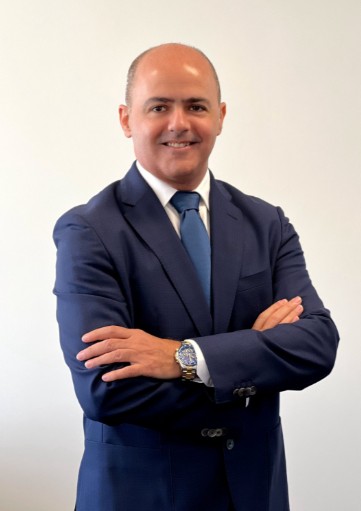
In this exclusive interview with Monzer Tohme, Managing Director, MEA & APAC, Keyloop explores how unified platforms, AI, and customer intelligence are redefining the future of automotive retail across the Middle East.
What is the fundamental change happening beneath the surface that most people are still underestimating within the automotive retail space?
The shift from selling cars to selling continuous experiences, and the data layer that makes it possible.
The change most people miss is this: automotive retail is quietly moving from a transactional model to a data-driven relationship model. Every interaction a customer has, a service visit, a finance inquiry, a test drive generates a signal. For decades, those signals were lost. Today, the dealers and OEMs who are winning are the ones connecting those signals into a single customer intelligence layer.
What’s underestimated is the compounding effect of that data. It’s not just about personalisation or marketing. It’s about predicting the next need before the customer voices it, whether that’s a service upsell, a renewal, or a new vehicle. The dealers who build that capability now will have a structural advantage that’s very hard to close later.
We often hear about digital transformation in automotive retail. In reality, what does that mean for a dealer on the ground here in the UAE?
It means removing the friction between the customer’s expectation and the dealer’s ability to deliver in real time, at every touchpoint.
UAE customers are among the most digitally sophisticated in the world. They research online, compare across brands, and expect a seamless handoff when they walk into a showroom. So for a dealer on the ground, digital transformation is not a back-office project. It is the front line of the customer experience.
In practical terms, it means a sales executive knowing a customer’s full history before the conversation starts. It means a service advisor being able to book, update, and close a job card without paper. It means the dealer principal seeing their whole business, inventory, pipeline, aftersales revenue, on a single screen, not ten spreadsheets. At Keyloop, that is exactly what we are enabling: systems that make the dealer faster, smarter, and more connected to their customer than they have ever been.
We have a sales-driven dealership model here. Do you think we will soon move towards a lifecycle or ownership-driven model?
Yes, and the smarter dealers in this region are already making that move. The question is not if, but how fast.
The traditional Gulf dealership model was built on volume, conquest, and the next sale. That worked when customers had fewer choices and lower expectations. Today, with more brands, more channels, and more informed buyers, holding on to a customer through the entire ownership journey, service, insurance, accessories, finance, trade-in, next vehicle, is far more valuable than winning them once and losing them to a competitor two years later.
The region also has some natural tailwinds. Vehicle ownership periods here are longer than many markets. Loyalty programmes are becoming more sophisticated. And OEMs are starting to push dealers toward customer lifetime value metrics, not just unit sales. The dealers who will lead the next decade are the ones who start treating the delivery of a car not as the end of the sale, but as the beginning of a relationship.
At Keyloop, our entire platform philosophy is built around that lifecycle view, giving dealers the tools to stay relevant and valuable to their customers long after the keys are handed over.
Fusion is positioned as an end-to-end platform. What was broken in the traditional dealership tech stack that required this kind of unified approach?
The old stack wasn’t one broken thing, it was five or six disconnected systems that were never designed to talk to each other.
If you walked into most dealerships in this region five years ago, you would find a DMS handling stock and invoicing, a separate CRM for sales leads, another tool for workshop job cards, a standalone finance and insurance module, and often a completely manual process for parts ordering. Each system had its own database, its own logic, its own version of the customer record. The result was that a dealer could sell a car, service it three times, and still not know the customer’s name when they called in.
◈ Fragmented customer identity: Sales, service, and finance held separate customer records with no unified view across departments.
◈ Data trapped in silos: Actionable insights sat locked inside individual systems, reporting required manual consolidation, often in spreadsheets.
◈ eInvoicing introduction: Every new tool added another point-to-point integration to maintain, creating fragility and escalating IT costs over time.
◈ Slow, error-prone workflows: Re-keying data between systems introduced errors and added minutes to every customer interaction, multiplied across thousands of transactions.
Keyloop Fusion was built to eliminate that entire class of problem. When sales, aftersales, parts, finance, and CRM all run on a single data model, the customer record becomes the source of truth that every team works from. A service advisor can see the customer’s purchase history. A sales executive can see their service loyalty. The dealer principal can see the whole business in one place. That is not a feature, it is a fundamentally different architecture that changes how a dealership operates.
For the Middle East specifically, this matters even more. Our dealership groups here are large, multi-brand, multi-site operations. The complexity they carry is enormous. A unified platform is not a nice-to-have for them, it is the only way they can scale without proportionally scaling their headcount and risk.
What kind of partnerships or ecosystem play is Keyloop looking to build here in the Middle East in 2026–2027?
We are building an open ecosystem, not a walled garden. The partnerships we are focused on fall into four areas that directly amplify what dealers and OEMs in this region need most.
Digital retail & mobility platforms: Connecting to regional marketplace and mobility platforms so dealers can manage online inventory, leads, and digital retailing from inside Fusion without channel switching.
AI and data intelligence partners: Working with analytics and AI providers to layer intelligence on top of Fusion’s data, predictive service reminders, demand forecasting, and customer churn signals.
OEM & manufacturer integration: Deeper real-time connectivity with OEMs on warranty claims, vehicle data, and campaign management, reducing friction between the factory and the showroom floor.
Financial services & insurance: Embedding regional finance and insurance providers, including multiple finance options, natively into the sales workflow, so F&I becomes seamless rather than a separate conversation.
Beyond technology, we are also investing in our implementation and consulting partner network in the region. The Middle East has some of the most ambitious dealership groups in the world. Groups that operate across the GCC, into Africa, and into South Asia. Supporting their scale requires a strong local partner ecosystem, not just a product.
The strategic intent is clear: Keyloop becomes the platform that other automotive technology companies want to connect to, not the system that sits in isolation. We want to be the operating system of the dealership, with a marketplace of capabilities around it. That is the direction for 2026 and into 2027, and the Middle East is a priority market for proving that model out.

Automotive
Dubai Ride-Hailing App Zed Strengthens Leadership with Appointment of Shobhit Singhal to Shape Its Future
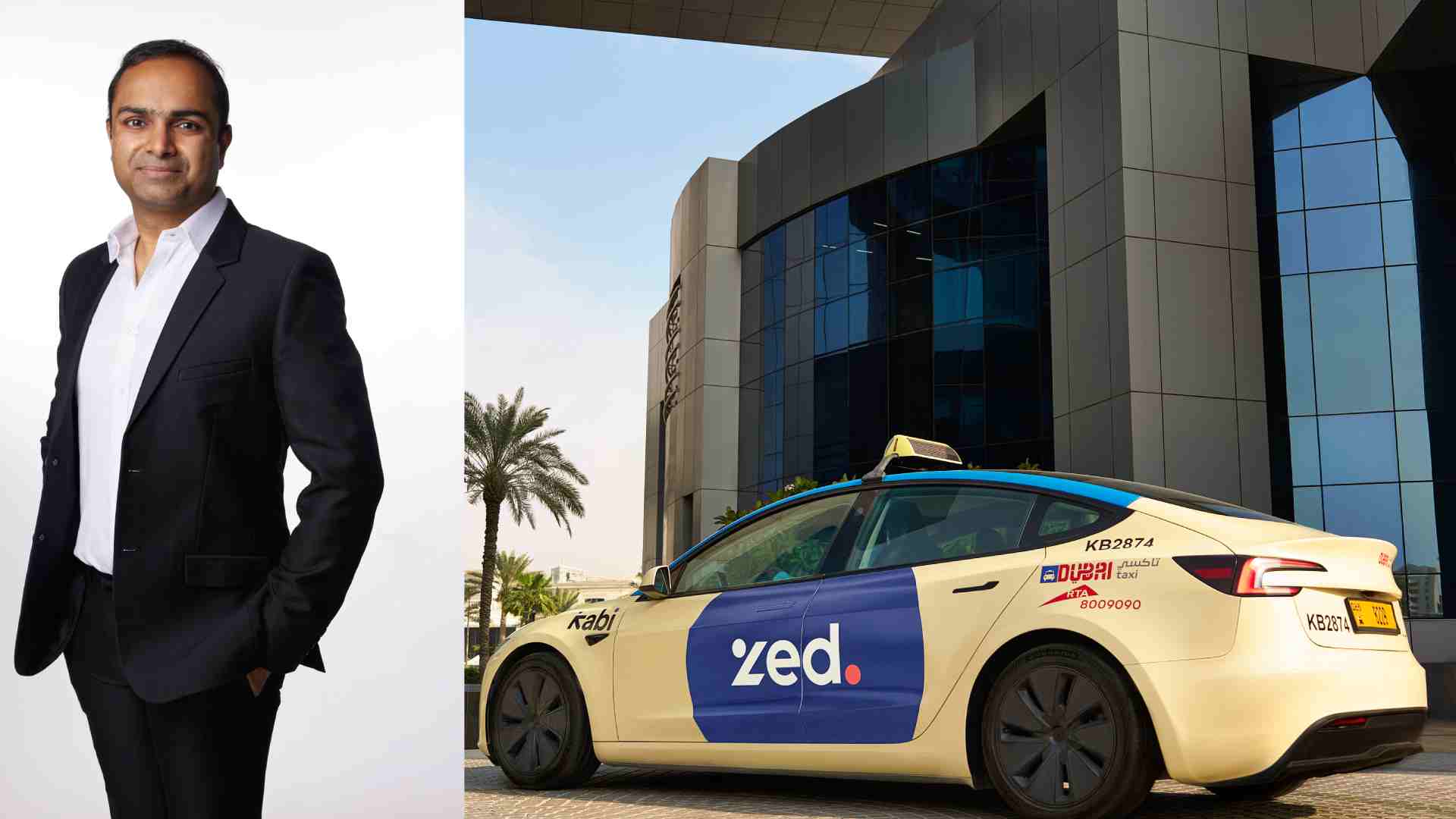
Zed, the Dubai-born ride-hailing app and part of Al Ghurair Mobility, has appointed Shobhit Singhal, former Chief Operating Officer of Southeast Asian super app Gojek, to lead its business and strategic direction. Built in Dubai and designed around the unique mobility needs of those who live and work in the city, Zed is entering a new period of development, with a renewed focus on strengthening its position in the Dubai mobility sector, advancing homegrown technology and building a scalable platform for the region.
Singhal brings extensive experience in leading technology-driven businesses across international markets. As Chief Operating Officer of Gojek, he oversaw the company’s mobility, food delivery and consumer logistics operations, having previously led cross-functional teams across Southeast Asia. His earlier career includes leadership roles at Apple in Singapore, and as a consultant with Bain & Company, specialising in technology services and telecommunications.
In his new role, Singhal will focus on enhancing the customer experience and driving innovation across Dubai’s mobility ecosystem. His priorities will centre on deploying scalable technology to build a smarter, more forward-looking ride-hailing experience for customers.
Shobhit Singhal, Head of Business at Zed, said: “Dubai is one of the world’s most dynamic markets for innovation, and there is a real opportunity to build an app designed around the unique needs of the people who live here. Our ambition is to make Zed the go-to app for rides across Dubai, whether it’s an everyday taxi journey or a premium experience. My priority is to turn that ambition into reality by delivering a reliable, seamless service that customers choose time and again. By getting the fundamentals right in Dubai, we can build a homegrown success story with the potential to grow across the wider region.”
Badr Al Ghurair, CEO of Al Ghurair Mobility commented: “Shobhit’s appointment represents an important step in Zed’s growth journey. At Al Ghurair Mobility, we see Zed as a key part of our vision for the future of mobility in Dubai. His experience in scaling complex mobility businesses, combined
with his understanding of technology and operations, brings valuable expertise to the company. We have a clear vision for Zed as a homegrown platform that can deliver meaningful value to customers and partners alike. With Shobhit’s leadership, our focus is on turning that vision into consistent execution and building a strong foundation for sustainable growth.”
With its roots in Dubai, Zed is focused on developing homegrown mobility technology tailored to the needs of Dubai residents. By strengthening its operations and building on its understanding of the local market, the company aims to establish a scalable platform.
Singhal holds an MBA from Northwestern University’s Kellogg School of Management and a Bachelor of Technology in Engineering from the Indian Institute of Technology Delhi.
Automotive
Automechanika Shanghai 2026: A platform connecting Middle East ambition with global automotive innovation
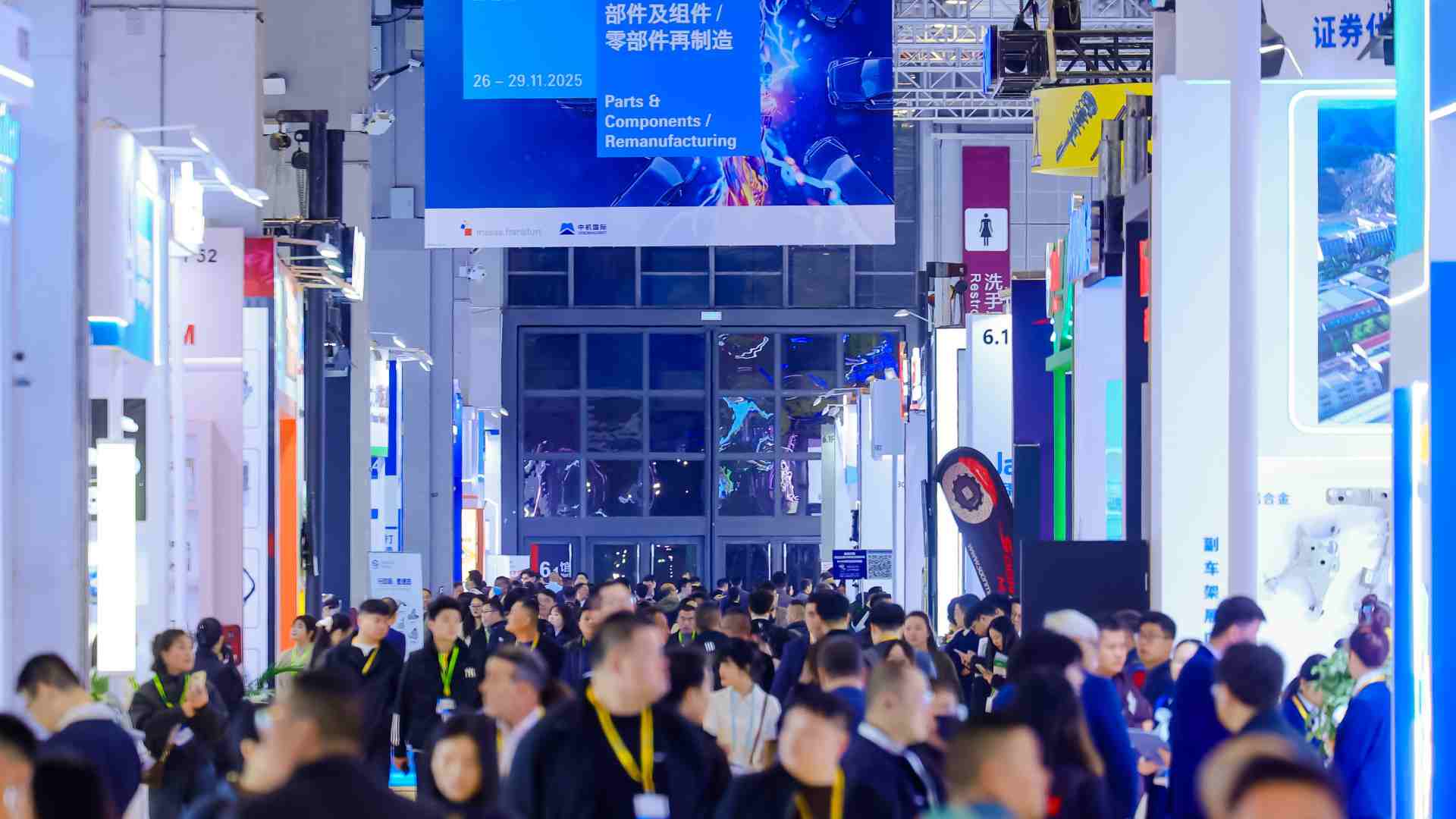
Automechanika Shanghai 2026 will bring together the global automotive supply chain from 2 to 5 December at the National Exhibition and Convention Center in Shanghai, offering businesses access to parts, components, equipment and aftermarket services. As the Middle East region advances automotive manufacturing and electric mobility, the exhibition offers an ideal platform to support sourcing and industry collaboration.
The 21st edition of the fair will occupy 390,000 sqm across 16 halls and the mezzanine floor, hosting around 7,600 global exhibitors. The fair welcomed 253,691 visitors from 190 countries and regions in its previous edition (2025). More than an exhibition, Automechanika Shanghai presents itself as a unified platform, integrating the show floor with a robust programme of conferences, workshops and 100 fringe events.
Technologies and innovations take centre stage
Covering the entire supply chain from manufacturing to the aftermarket, upgrades in parts & components, electrics & electronics, accessories, diagnostics, body and paint, tyres, and wheels showcase advanced components, smart tyres, lightweight wheels, maintenance for new energy vehicles, infotainment electronics, and high-performance enhancements for both passenger and commercial vehicles.
The Parts & Components and Electrics & Electronics sector, the largest at the fair with over 4,200 exhibitors, showcases advancements in materials, lightweight design, intelligent technologies, and electrification for ICE, EV, and hybrid vehicles, covering chassis, powertrain, new drive technologies, thermal management, standard parts, and more.
Driven by the rapid transformation of electrification, nearly half of Automechanika Shanghai’s exhibitors focus on new energy products and services. The New Energy & Connectivity sector grows 20%, featuring 700 exhibitors in electric powertrains, autonomous driving, AI, charging and battery swapping, intelligent chassis, and thermal management, alongside hybrid, fuel cell, and hydrogen solutions enhancing performance and safety. The newly established Global Quality Alliance Hub, centered on the IATF 16949 standard, unites standards bodies, trainers, certifiers, and regulators to strengthen quality management.
Fringe events guide insights into global trends
More than 480 global experts will participate in the 2026 conference and events programme.
The programme comprises five complementary pillars. Flagship events will address industry trends, policy and innovation, while the Tech series will focus on emerging technologies and R&D collaboration. The Talent series will connect companies with skilled professionals through educational initiatives.
Connect will facilitate collaboration between carmakers and suppliers throughout the year. The Automotive Supply-Demand Matching Series and Global Collective Forum will bring manufacturers, suppliers and technology companies together to discuss supply-chain development, investment and international partnerships.
Automotive+ will explore the convergence of artificial intelligence, vehicle-road-cloud systems, new energy solutions, hardware-software integration and robotics. The Innovation4Mobility platform will provide a dedicated showcase for these technologies and their applications across the automotive industry.
Middle East market developments create sourcing opportunities
The GCC’s new light vehicle market continues to grow, expanding the regional vehicle base and driving demand for parts distribution, maintenance equipment and aftermarket services. Electric vehicle adoption is also rising across the region, bringing further servicing requirements for diagnostics, charging systems and new energy powertrains. In addition, manufacturing and trade partnerships continue to develop across the Middle East. These developments underline growing opportunities for Middle Eastern businesses to source parts, equipment and technologies through international platforms such as Automechanika Shanghai.
Automotive manufacturing has rapidly developed across Asia as well, with many countries becoming key manufacturing hubs. These manufacturing centers not only fulfill domestic demand but also produce complete built-up (CBU) vehicles and parts for export across the region and beyond. China is a dominant player, leading vehicle production and exports with a significant volume that translates to tens of billions of dollars in trade value. For example, Chinese automakers shipped approximately $117 billion worth of vehicles globally, with a notable emphasis on new energy vehicles. Other major Asian automotive exporters including Thailand, India, Japan, and South Korea collectively contribute substantial export values, underscoring the integrated and competitive nature of the region’s automotive industry.
These developments highlight opportunities for cooperation between Middle Eastern businesses and international suppliers across automotive manufacturing, parts distribution and aftermarket services.
An ecosystem that needs the aftermarket to keep running
Automechanika Shanghai, Asia’s largest automotive fair of its kind, with product categories spanning across manufacturing and aftermarket, also attracts strong participation from across Asian countries and across the world. In a market dominated by an aging, largely combustion-powered fleet, this aftermarket focus remains highly relevant even as EV adoption grows. While traditional parts are still in high demand, continuous innovation is essential to keep pace with a vehicle base that is both aging and evolving. This reinforces Automechanika Shanghai’s position as the Asia’s largest in serving this sector, at a time when maintaining reliable and affordable vehicle operation is a key priority throughout the region.
Automotive
Mazal Launches First-of-its-kind Escrow-Protected Marketplace for Premium Number Plates Trading
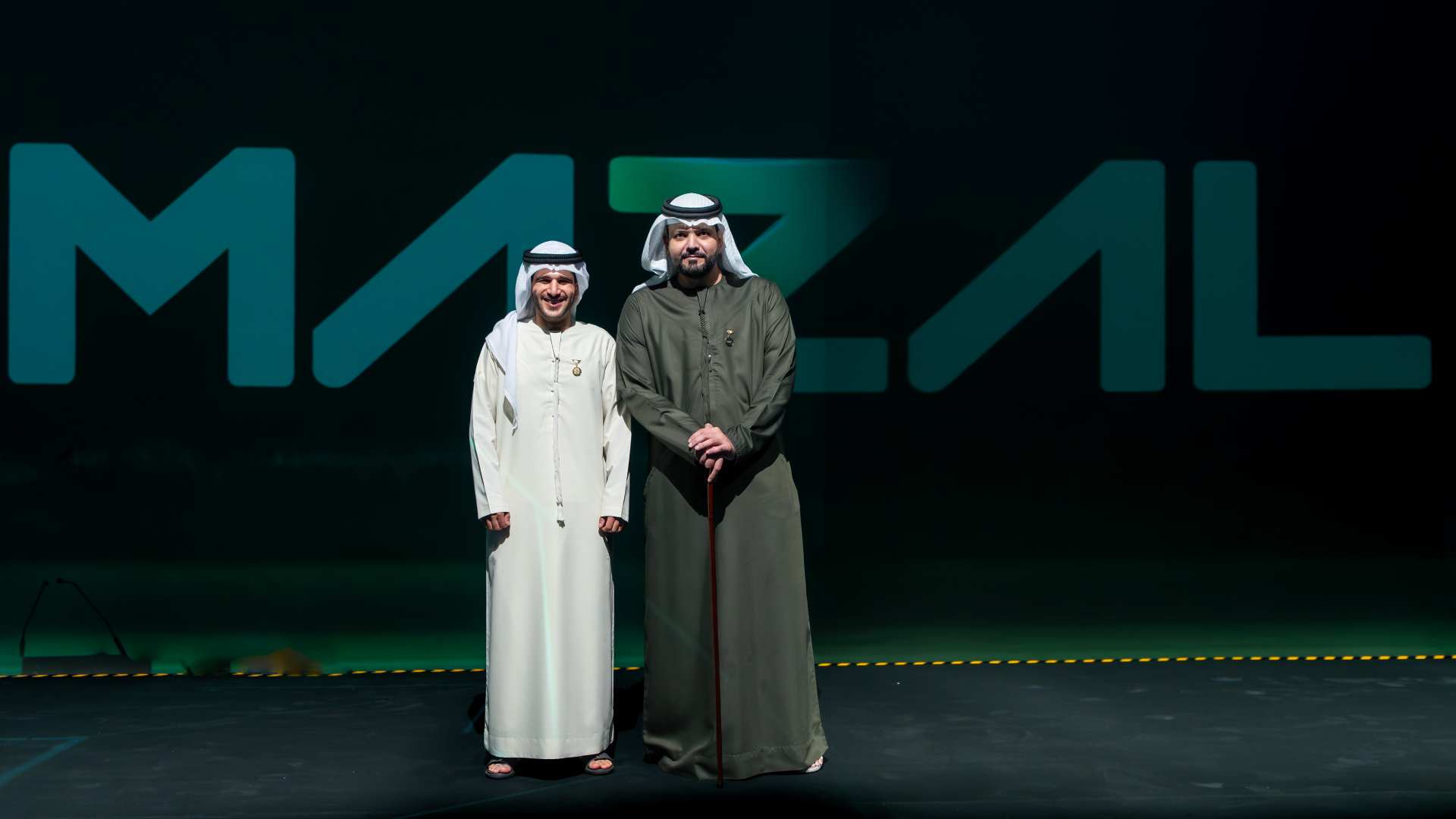
Mazal has officially launched its new digital platform, introducing what it describes as the UAE’s first escrow-protected ecosystem dedicated to the buying, selling and trading of premium Dubai number plates.
The platform was unveiled at an exclusive launch event held at a cutting-edge digital and vibrant event venue, bringing together industry stakeholders, collectors, investors and enthusiasts to mark a new chapter in Dubai’s premium number plate market.
The event also featured a live auction – the first of its kind taking place in the UAE for secondary number plates. Mazal premium number plates and premium Mazal IDs were also auctioned, lifting the energy of the evening to an all-time high.
Built around the principles of trust, transparency and security, Mazal aims to bring greater structure and efficiency to a market that has traditionally relied on informal transactions, independent brokers and manual ownership transfers. The platform provides users with a centralised environment where number plates are secured under Mazal’s custody before being made available for trading
Commenting on the occasion, Abdulla Al Meer, Co-Founder & Chairman, Mazal, said: “Building a credible market requires more than technology; it requires trust, governance and a clear framework around ownership and transactions. With my experience in Dubai’s number plate industry and its regulatory landscape, I have seen first-hand the importance of creating processes that protect both the asset and the people involved in a transaction. Mazal brings these principles together through verified ownership, secure payments and a transparent transaction journey, setting a stronger standard for the market.”
Adding to this, Ahmad Al Nasser, Co-Founder & CEO, Mazal, said: “Dubai’s premium number plate market has developed into a sophisticated trading environment, with plates increasingly recognised for their scarcity, value and long-term potential. Having spent years close to the commercial side of this industry, I have seen the need for a platform that can bring greater efficiency, transparency and accessibility to the way these assets are traded. Mazal is designed to provide that structure while preserving what makes this market unique.”
Mazal enables users to browse and list premium number plates, participate in live auctions and complete transactions through a protected escrow process. Under its transaction framework, buyers’ funds are securely held from the moment a deal is agreed and are released only once the official ownership transfer has been confirmed.
To further support secure and convenient transactions, Mazal has partnered with Transguard to facilitate reliable cash collection services for clients who choose to make payments through this method. The partnership adds an additional layer of convenience for customers while supporting the platform’s broader focus on secure and transparent transactions.
The platform also introduces data-driven valuations, with premium plates assessed against factors including transaction history, market demand, rarity and number patterns. This is designed to give buyers and sellers greater visibility into the value of an asset and reduce the uncertainty traditionally associated with premium number plate transactions.
Alongside its technology and transaction infrastructure, Mazal is investing in building a team that reflects the UAE’s talent and leadership ambitions. Through its partnership with TASC, the company is sourcing and recruiting top Emirati talent to support its growth and contribute to the development of a locally rooted business with regional ambitions.
Mazal’s launch comes at a time when premium number plates are increasingly being viewed as collectible and investment assets. According to the company’s market assessment, Dubai’s premium number plate market records approximately 55,000 transactions annually, with the market growing by around 20%. Premium plates can command significant values, with the highest recorded sale cited at AED 55 million and the premium plate market having recorded a value of AED 1.7 billion over three years.


The Connected Home Is Evolving into an Intelligent Ecosystem

New Partnership Connects Residential Wellbeing With Preventive Healthcare

Dubai Ride-Hailing App Zed Strengthens Leadership with Appointment of Shobhit Singhal to Shape Its Future



-

 Trending12 months ago
OPPO A6 Pro 5G Review: Reliable Daily Driver
-

 Tech News2 years ago
Denodo Bolsters Executive Team by Hiring Christophe Culine as its Chief Revenue Officer
-
 VAR2 years ago
Microsoft Launches New Surface Copilot+ PCs for Business
-

 Automotive2 years ago
AGMC Launches the RIDDARA RD6 High Performance Fully Electric 4×4 Pickup
-
Tech Interviews3 years ago
Navigating the Cybersecurity Landscape in Hybrid Work Environments
-

 Hospitality2 years ago
Gulfood 2025 30th Edition Kicks Off Today, Setting New Benchmarks in F&B Growth and Innovation
-

 VAR10 months ago
Huawei Nova 14 Pro Review: Where Camera Excellence Meets Ecosystem Evolution
-

 Tech News1 year ago
Nothing Launches flagship Nothing Phone (3) and Headphone (1) in theme with the Iconic Museum of the Future in Dubai