Home Integrator
HBA PARTNER RAHUL SHANKHWALKER EXPANDS ROLE TO DUBAI MENA , STRENGTHENING HBA’S MIDDLE EAST LEADERSHIP TEAM
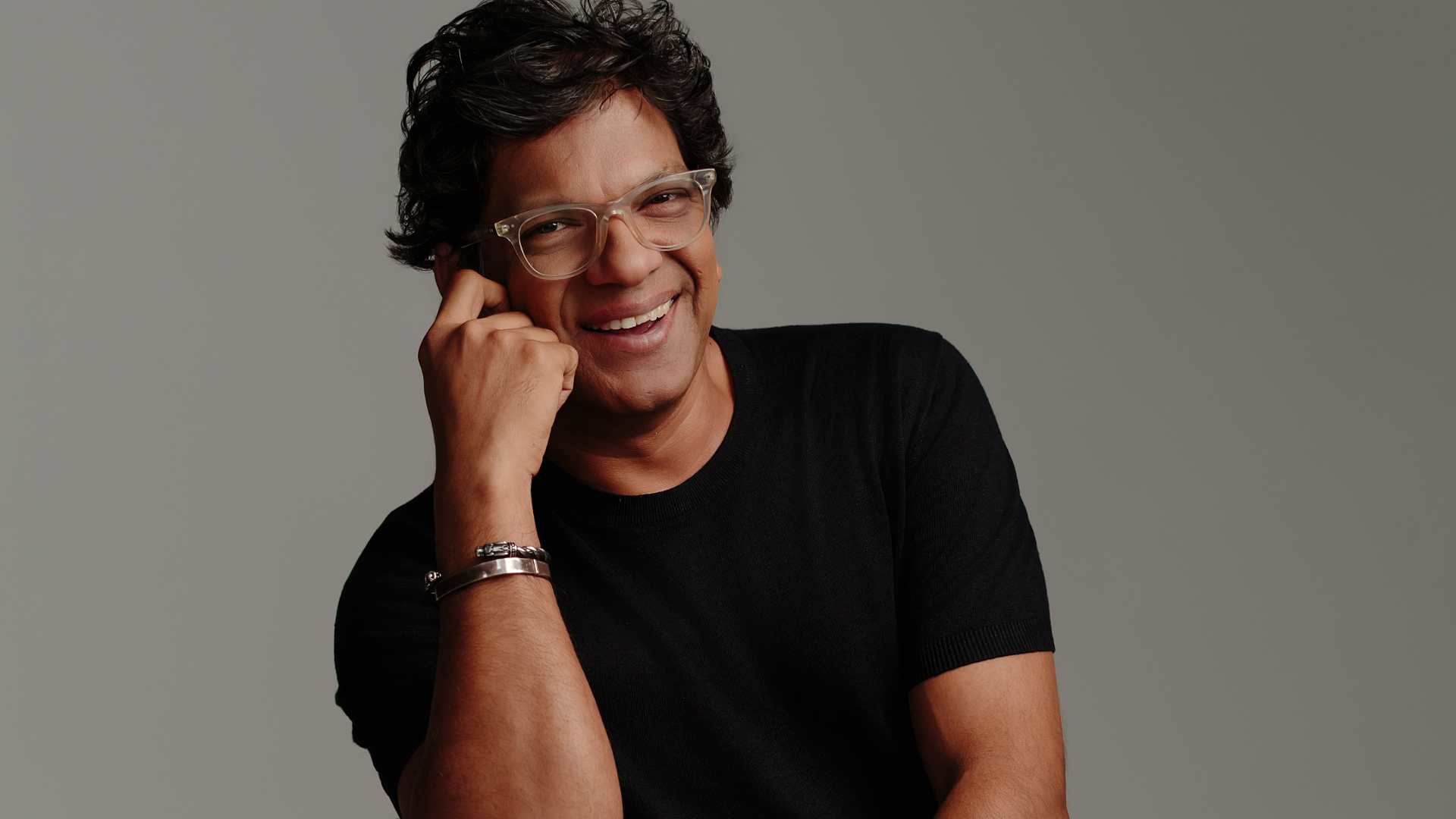
HBA (Hirsch Bedner Associates), the world’s leading hospitality design firm, has announced that Rahul Shankhwalker, Partner, will expand his role to Dubai as part of the firm’s continued investment in the Middle East. The move strengthens HBA’s senior regional leadership team and reinforces the firm’s long-term commitment to the region’s rapidly evolving hospitality, residential and lifestyle sectors.
Rahul will work closely with Andrew Moore, Partner & President, Middle East & KSA, and Vincent Tiberghien, Partner and Vice President of Development, adding senior design leadership and cross-disciplinary expertise as HBA enters its next phase of regional growth.
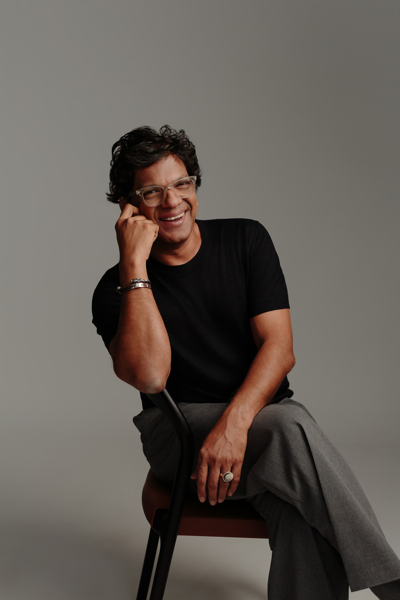
Rahul Shankhwalker Partner, HBA Dubai | Photography credit: Sayher Heffernan
“Rahul is a valued HBA partner and brings his creativity and design excellence to the studio. With a strong record in design leadership across Asia-Pacific and internationally,” said Andrew Moore, Partner & President, Middle East & KSA. “His move to Dubai adds further depth to our regional leadership team at an important moment for the Middle East. I look forward to working closely with Rahul and Vincent as we continue to build on HBA’s long-standing relationships, integrated expertise and commitment to the region.”
With more than 25 years of international experience spanning hospitality, residential and mixed-use design, Rahul joins Dubai from HBA Singapore, where he has led architecture and interior design projects across Asia-Pacific and beyond. His global perspective, multidisciplinary design experience and long-standing partnership with HBA will further strengthen the Dubai studio’s ability to deliver experience-driven projects that evoke emotion, foster human connection and create long-term value for clients.
Central to Rahul’s expanded role will be supporting HBA’s One HBA approach, a collaborative model that brings together the multidisciplinary expertise already established within HBA Dubai, including Hospitality, Architecture, Residential, Lighting, Art, F&B, Digital, Landscape, Graphic Design and Strategy. Guided by the principles of integrated design, collective excellence and exceptional delivery, One HBA enables HBA to draw on specialist talent from around the world to deliver seamless, end-to-end design solutions for clients globally.
Rahul’s move to Dubai also reflects HBA’s strategic focus on the continued growth of Studio HBA across the region, expanding the firm’s ability to deliver thoughtful, commercially intelligent design solutions across a broader spectrum of hospitality, residential and lifestyle projects.
Commenting on his appointment, Rahul Shankhwalker said: “For me, design is more than creating buildings or beautiful spaces. It is about shaping environments where people connect and feel encouraged to create lasting memories. The places that stay with us are rarely remembered because they had the best design, but because of how they made us feel. As I expand my role into Dubai, I’m excited to work alongside Andrew, Vincent and the wider regional team to bring together architecture, interiors and multidisciplinary thinking in support of HBA’s continued growth across the Middle East. The opportunity is to shape destinations that are culturally relevant, commercially intelligent and deeply embedded in the experiences and memories people create.”
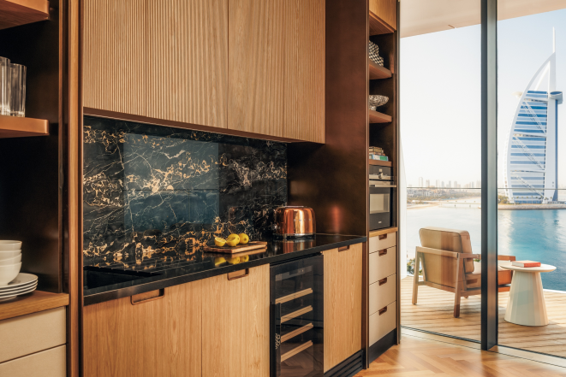
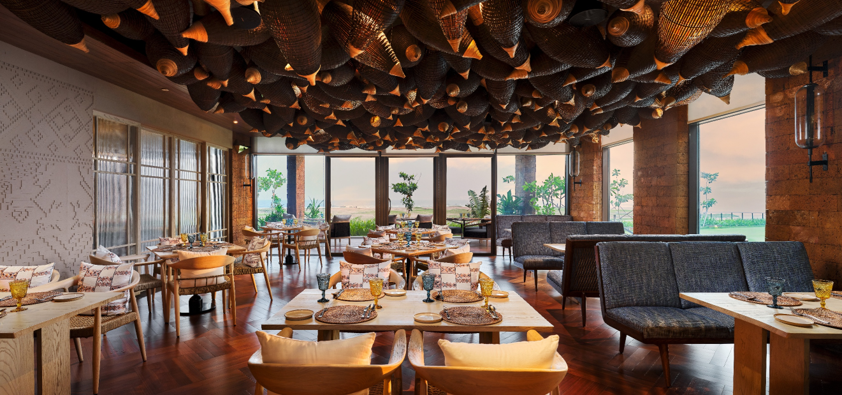
As hospitality and tourism investment across the GCC continues to remain robust, HBA Dubai is well positioned to support the next generation of destination creation, designing spaces that go beyond aesthetics to shape identity, elevate guest experience and deliver long-term commercial and cultural value. This approach is reflected in a portfolio of landmark projects, including the Residences at Jumeirah Marsa Al Arab, Waldorf Astoria Residences, JW Marriott Hotel and Residences RAK , SHA Wellness Resort along with many, residences & Villas.
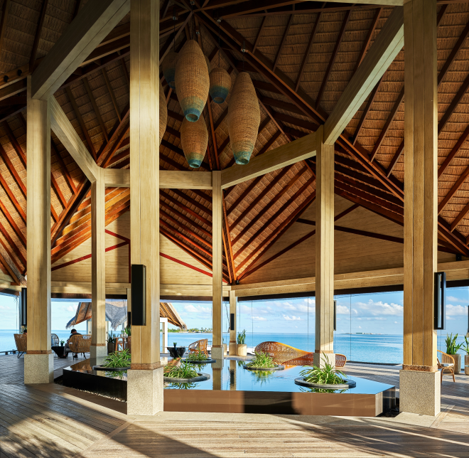
Notable current and recent projects from Rahul’s international portfolio include Hilton Maldives Amingiri Resort & Spa, Taj Resort Puri in India, Grand Park City Hall in Singapore, and selected Middle East projects.
Rahul Shankhwalker is available for interviews, expert commentary and thought leadership opportunities on hospitality design, business transformation, multidisciplinary design innovation, and the future of luxury development in the Middle East.

Home Integrator
OO LA LAB SHARES ITS GUIDE TO SUMMER SCENTING IN THE UAE
As summer temperatures rise across the UAE, award-winning fragrance design and sensory innovation studio Oo La Lab is spotlighting how heat and humidity can change the way scent develops and lasts on the skin, while sharing expert guidance around layering, fragrance selection and more intentional summer scent rituals.
Located in Dubai Design District, Oo La Lab was founded in 2017 with the aim of making perfumery more accessible, expressive and community-driven through immersive fragrance workshops and sensory experiences. Today, the studio invites guests to create custom scents inspired by their own personalities, emotions and memories, while exploring the connection between fragrance, creativity and self-expression.
According to Oo La Lab, warmer climates such as the UAE can significantly affect the way scent behaves, often causing certain notes to project more intensely or fade faster compared to cooler environments. As a result, the studio is encouraging consumers to take a more intentional approach to fragrance during the summer months, from lighter daytime layering to scents better suited to evenings, travel and warmer weather routines.


Dan Terry Jacobson, Founder of Oo La Lab said: “In warmer climates like the UAE, scent becomes far more reactive to both skin and environment. Heat, humidity and changing summer routines can completely alter how a fragrance develops and behaves throughout the day. During summer, fragrance should feel like part of the atmosphere around you, not something competing with the heat. We’re seeing more people become intentional about choosing scents that suit different moments, whether that’s daytime wear, travel, summer evenings or staycations, while also exploring fragrance as part of a wider wellbeing and self-expression ritual.”
Oo La Lab recommends taking a more adaptable approach to scent during summer, particularly in climates such as the UAE where fragrance can behave differently depending on heat, humidity and environment. The studio recommends:
Applying fragrance onto hydrated skin and allowing scent to dry naturally after application, as moisture levels and skin preparation can influence how scent settles throughout the day.
Exploring lighter and more transparent scents during daytime hours, such as fresher, cleaner profiles, for example, Citrus and Neroli, Mint blended with herbal aromatics, White Florals and transparent woods, or even Fig with salty marine notes.
Heat amplifies projection, so in warmer climates like Dubai, fragrance behaves very differently on the skin. Lighter layering and applying strategically to clothing, hair or cooler pulse points for longevity without overwhelming the senses.

There is also growing interest in fragrances that create a sense of emotional reset while travelling, scents that feel grounding, restorative or quietly energising rather than overly sweet or intense. Oo La Lab offers a workshop to create your own essential oil blend, which can be easily applied to pulse points, a format that may be well worth considering for the summer travel months.
One of the biggest misconceptions is that a stronger fragrance will automatically perform better in summer weather. In reality, heat magnifies scent dramatically, so heavy ouds, gourmand or overly sweet fragrances can quickly become overpowering. We recommend to pair back your scent choice to one that sits closer to the skin and evolves naturally through the day.
Alongside fragrance creation, Oo La Lab is also continuing to explore the growing connection between scent and wellbeing through experiences such as their new Fragrance, Frequency and Scent and Wellbeing workshops. Designed around mindfulness, emotion and sensory exploration, these sessions encourage guests to engage with fragrance more intentionally while exploring how scent can influence mood, routine and everyday rituals.
As residents increasingly look for more thoughtful indoor experiences, creative workshops and wellness-led activities during the summer months, Oo La Lab’s Dubai Design District studio offers a space to explore fragrance through creativity, personalisation and sensory connection, whether for date nights, solo experiences, gifting or something different to do this summer. Alongside fragrance mixology workshops, the studio also offers custom fragrance design services, gift vouchers and online options. Oo La Lab is currently offering 20% off selected signature workshop sessions and fragrance experiences for a limited time.
Home Integrator
LUXURY WELLNESS ENTERS A NEW ERA OF RITUAL, BALANCE AND EVERYDAY SELF-CARE
Exclusive interview with Shalin Balasuriya, Co-Founder of Spa Ceylon
Your entrepreneurial journey has been driven by both heritage and innovation. Was there a defining moment when you realised Spa Ceylon had the potential to become much more than a global brand?
When we founded Spa Ceylon, our ambition wasn’t simply to create another beauty brand. We wanted to share one of Sri Lanka’s greatest gifts with the world. The defining moment came when we realised that people everywhere, regardless of culture or geography, were facing the same challenge: increasingly busy lives and a growing need to reconnect with themselves. That made us realise we weren’t just offering products; we were bringing timeless wellness rituals into modern lifestyles.

From that point on, Spa Ceylon became about making authentic Ayurveda relevant, accessible and inspiring for people around the world. Spa Ceylon has grown from a Sri Lankan wellness concept into the world’s largest luxury Ayurveda brand. Why was now the right time to enter the UAE, and what role does the region play in your long-term global vision?
The UAE is a market where wellness has become increasingly relevant because of the pace at which people live. It’s a dynamic, ambitious environment where people are constantly balancing careers, family life and social commitments. As a result, there’s a growing appreciation for rituals that help restore balance and create moments of calm.

For Spa Ceylon, it felt like the right time to introduce a modern interpretation of Ayurveda that fits naturally into contemporary lifestyles. The UAE is also an important strategic market, connecting diverse global communities and serving as a gateway to the wider Middle East, making it a key part of our long-term international growth.
You’ve often spoken about wellness as something that should uplift rather than simply treat. Has your own definition of wellbeing changed since founding Spa Ceylon?
My understanding of wellbeing has evolved over the years. Ayurveda has taught me that, when given the right nourishment, care and environment, our bodies have an incredible ability to heal and restore themselves. Rather than simply treating symptoms, it’s about supporting the body’s natural ability to maintain balance.
My belief in these ancient sciences has only grown stronger, especially as modern science continues to validate many of these timeless principles. That’s why I continue to embrace practices such as sound healing and meditation to stay grounded and connected. To me, wellbeing is built through the small, consistent rituals that help us maintain balance every day.

Dubai has become a hub for luxury retail, wellness and lifestyle brands. How do you see Spa Ceylon contributing something meaningfully different to this evolving landscape?
Luxury is evolving. Today, one of the greatest luxuries isn’t simply owning more, it’s living well. As our lives become increasingly fast-paced and connected, wellness is becoming the new luxury, with people placing greater value on experiences and rituals that help them slow down, reconnect and restore balance.
That’s where Spa Ceylon offers something distinctive. We bring together 5,000 years of Ayurvedic wisdom with contemporary product innovation and immersive wellness experiences inspired by Sri Lanka. Rather than simply creating products, we create rituals that help people find moments of calm within their everyday lives.
Ayurveda is over 5,000 years old, yet wellness consumers today are looking for modern, convenient solutions. How have you balanced authenticity with contemporary lifestyles?
Our philosophy has always been to adapt the experience, not the wisdom. We preserve the integrity of Ayurveda while presenting it through modern formulations, elegant design and simple rituals that fit naturally into busy lives. Whether it’s a calming pillow mist, a daily skincare ritual or a home fragrance that transforms a space, we aim to make ancient wellness practices accessible without compromising their authenticity. Innovation should enhance tradition, not replace it.
Sustainability is often discussed in terms of packaging and sourcing, but Spa Ceylon has taken a broader approach through conservation and community initiatives. Why was it important to embed purpose into the business from the beginning?
At its heart, Ayurveda teaches us that true wellbeing comes from living in harmony with ourselves and the natural world. That belief has shaped Spa Ceylon from the very beginning. We couldn’t speak about balance while ignoring the environment that provides the ingredients, biodiversity and traditions that inspire everything we create.
That’s why sustainability has always been part of our thinking not simply through responsible sourcing, but through conservation and community initiatives that help protect Sri Lanka’s natural heritage. For us, caring for the planet is an extension of caring for people. One simply cannot exist without the other.

Do you think consumers are becoming more mindful about what they bring into their homes, from skincare to fragrances, and how is that influencing product development?
Absolutely. Consumers are becoming far more intentional about the products they surround themselves with, recognising that wellbeing extends beyond skincare into the overall atmosphere of the home. Fragrance, texture and daily rituals all influence how we feel emotionally. That has shaped our approach to product development. We begin by asking how we want someone to feel, then create products that support that experience through thoughtfully selected ingredients, purposeful formulations and sensory design. Wellness is becoming part of everyday living rather than something reserved for special occasions.
Home Integrator
BUILDING RESILIENCE IN DUBAI’S EVOLVING SHORT-TERM RENTAL MARKET
Exclusive interview with Rohollah Rohparwar, Managing Director & Founder, First Class Property Management
As the Managing Director and Founder of First Class Property Management, how would you define your core role in shaping the company’s strategic direction?
Luis Santos and I are equal business partners and co-founders of First Class. We have known each other since 2018, when we worked together at a leading management consultancy firm and collaborated on major transformation projects across the petrochemical, automotive, and hospitality industries.
That background in engineering and industrial transformation is the blueprint for how we run First Class.
We share a strong mutual respect and operate with complete parity. There is no fixed division of responsibilities; every key decision is discussed and evaluated together to ensure the best possible outcome. This collaborative approach has been fundamental to our success, enabling First Class to become the market leader in both quality and volume, as well as the most trusted partner for short-term lets in the UAE.
We remain deeply hands-on in all areas of the business and are actively involved in its daily operations, 24/7. Our role is to ensure our ‘Operating System’ stays agile enough to handle a fast-growing portfolio while maintaining the highest review scores in the region.
What inspired you to establish First Class Property Management, and what gap in the market were you aiming to address?
My path to real estate was somewhat unconventional. I began my career as an aeronautical engineer at Airbus, working as an internal Lean consultant on the company’s long-range program, which included the A380, before moving to the UAE and entering management consultancy. When I looked at the Dubai property market, I didn’t see it through the lens of a traditional landlord. I saw it as a massive, complex system that lacked technical precision.
The gap was clear: Most property management was reactive, relying on manual processes, vibes, and gut feel rather than data-led strategy. There was a lack of professional-grade operations capable of managing the entire value chain in-house. I wanted to bring in engineering logic, treating a property portfolio like a high-performance aircraft where every part of the system works in harmony, offering investors a level of stability and ROI that simply wasn’t available from fragmented, smaller operators. We moved away from being just a rental agency to becoming a vertically integrated ‘Operating System’ for real estate.
As a long-standing player in the market, how have you seen investor expectations evolve over the past few years?
When I moved from Germany to the UAE in 2014, my friends and family were shocked by my decision. Dubai and the UAE were still relatively unknown, especially compared to today, while Germany was considered the benchmark for a strong economy and stable political environment.
Over the past decade, however, the situation has changed dramatically. The same circle that once questioned my move are now eager to relocate to the UAE as quickly as possible. Investors who previously lacked confidence in the UAE property market are now entering with full conviction. Everyone wants to be part of Dubai’s remarkable success story.
Tourism-driven sectors often experience fluctuations tied to global events. How can property stakeholders build resilience against such volatility?
Resilience in this market comes down to one thing: vertical integration. If you rely on third-party contractors for your cleaning, maintenance, and laundry, you are vulnerable to their price hikes and their timelines. When a global event disrupts the market, those external costs don’t disappear just because your occupancy has dropped.
Stakeholders need to own the “shield” that protects their assets. At First Class, we internalized our entire supply chain. Because we own our laundry facilities and our maintenance teams, we were able to re-engineer our operational costs by 90% at the very start of the current regional situation. This allowed us to keep investor payouts on time and in full even when average daily rates were under pressure. For me, resilience means building a business structure that can pivot its cost base in 24 hours.
Can you share how leveraging data and market insights helps property managers and investors make more informed decisions during periods of disruption?
Data is the only way to separate reality from the headlines. During the disruptions of early 2026, the general sentiment was one of panic, but we focused on the methodology behind the numbers. For instance, while official registration data showed a 0.5% price increase in March, we knew that was a lagging indicator. Real-time valuation data, like the ValuStrat VPI, showed a 5.9% price correction.
Understanding this “registration lag” is critical for investors. It allowed us to see that the market was re-pricing instantly, which actually created a floor for capital to return. By April, transaction volumes surged by 20% to AED 68.56 billion as investor conviction returned.
On the operational side, our data identified the “Resident Migration” early on. While the tourist booking window collapsed to under three days, demand for stays of 29 nights or more skyrocketed, eventually making up over 90% of our bookings. By shifting inventory immediately to capture this resident demand, we were able to drive occupancy back up to 85% (and we are targeting 90% for May) while the wider market struggled at 20%. This level of market intelligence allows us to inform investors exactly where to put their capital, specifically in prime hubs like Downtown and Dubai Marina, which our 12-year dataset proves recover 30% faster than emerging areas, to ensure a safe landing regardless of the external noise.
In your opinion, how does the role of adaptability and data-led decision-making in maintaining performance during uncertainty?
Adaptability is often mistaken for guesswork, but true adaptability is actually a very disciplined process. In a volatile environment, a wait-and-see approach is often a strategy for failure. You have to be able to re-model your entire business in a single day.
During this period, we rebounded to 85% occupancy while the wider market struggled at 20%. That didn’t happen by accident. It was the result of using data to bridge the gap between what the market used to be and what it is now. We introduced flexible packages with full refunds and weekly payment options because the data told us that guests were seeking liquidity above all else. When you combine that kind of flexibility with a vertically integrated operation, you create a system that can withstand a stress test. Uncertainty is always part of the market, but data provides the structural support to navigate it.
What role will technology and AI play in shaping the future of real estate operations?
AI has become the most critical focus in our operations. Recently, I attended two major industry exhibitions in London, where I had the opportunity to experience live demonstrations of the latest AI agents. I was genuinely impressed by their advanced capabilities.
We are now actively implementing AI agents across all areas of our business. This strategic move allows us to efficiently manage our fast-growing portfolio without expanding our team. AI agents are helping us minimize errors, respond to guest and client requests within minutes, and significantly enhance customer satisfaction, which ultimately drives higher sales.
Furthermore, back-office operations such as payroll, financial statements, insurance management, listing optimization, and many other tasks are now being handled by AI agents. It represents a true step change for both First Class and our sector as a whole.
-
News11 years ago
SENDQUICK (TALARIAX) INTRODUCES SQOOPE – THE BREAKTHROUGH IN MOBILE MESSAGING
-
Trending9 months agoOPPO A6 Pro 5G Review: Reliable Daily Driver
-
Tech News2 years agoDenodo Bolsters Executive Team by Hiring Christophe Culine as its Chief Revenue Officer
-
VAR1 year agoMicrosoft Launches New Surface Copilot+ PCs for Business
-

Automotive2 years agoAGMC Launches the RIDDARA RD6 High Performance Fully Electric 4×4 Pickup
-
Tech Interviews2 years ago
Navigating the Cybersecurity Landscape in Hybrid Work Environments
-
Tech News12 months agoNothing Launches flagship Nothing Phone (3) and Headphone (1) in theme with the Iconic Museum of the Future in Dubai
-

VAR2 years agoSamsung Galaxy Z Fold6 vs Google Pixel 9 Pro Fold: Clash Of The Folding Phenoms