
 Have a question? +971 56 404 0503




Home Integrator
Object 1 expands Dubai pipeline with V1TER Residence launch in JVC

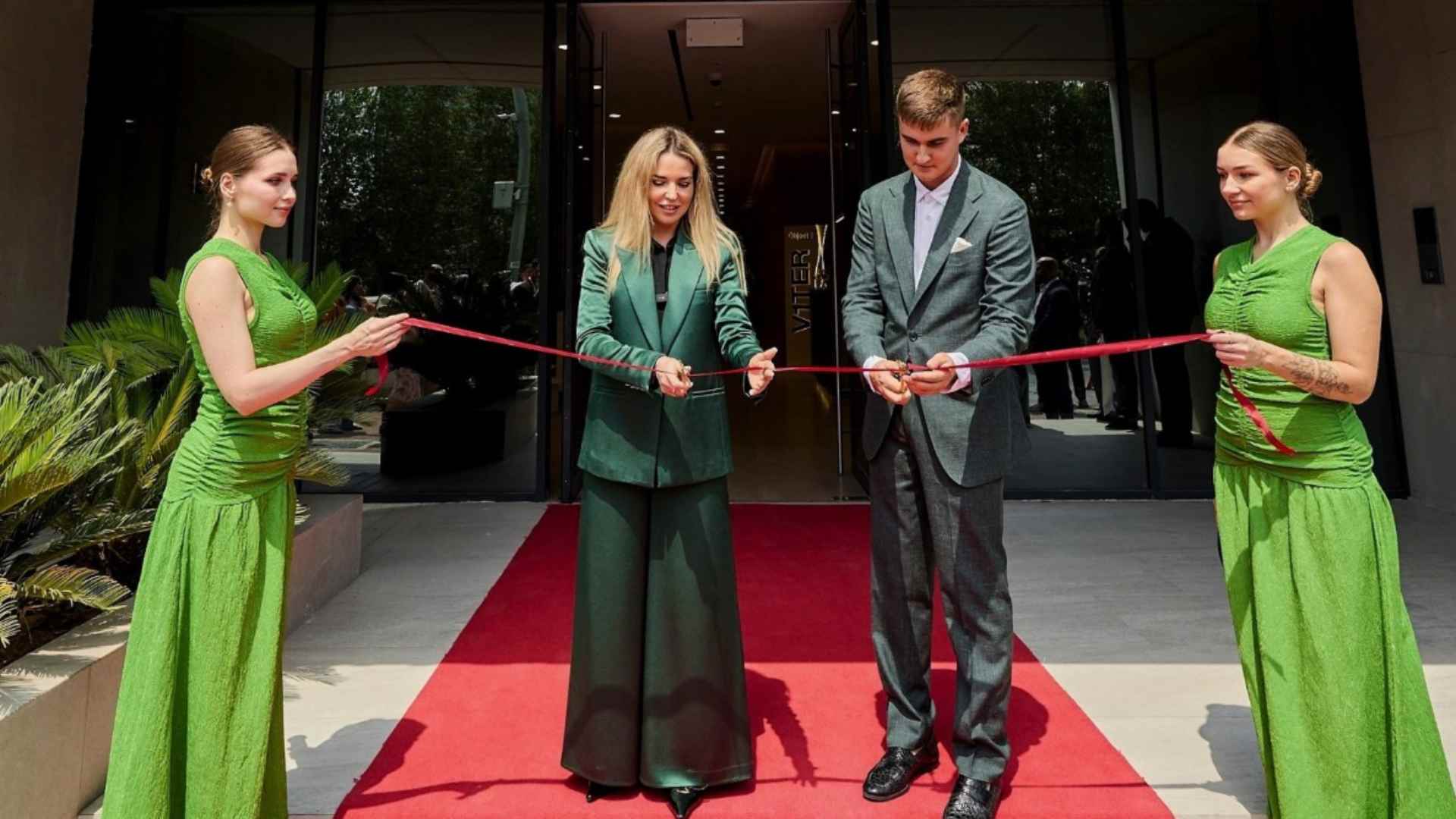
Object 1 has announced the completion of its second project, V1TER Residence, a residential development located in District 12 of Jumeirah Village Circle (JVC), one of Dubai’s most active, family-oriented communities.
The launch reflects Object 1’s continued focus on delivering residential projects with long-term relevance, underpinned by consistent execution, operational continuity, and alignment with Dubai’s broader growth agenda. At a time when buyers and investors are placing increasing importance on reliability and tangible delivery, V1TER Residence reinforces the developer’s position as a steady market participant focused on end users and sustainable value.
Rising 25 storeys, V1TER Residence will comprise 175 apartments, including 34 studios, 91 one-bedroom units, 42 two-bedroom units, and eight three-bedroom homes. JVC remains one of Dubai’s most sought-after rental communities, driven by sustained mid-market demand from both residents and investors. Apartments continue to dominate in such communities, accounting for 61% of sales searches and 80% of rental searches, reinforcing JVC’s position as a well-connected and value-driven residential destination.
The development’s amenities are designed around everyday livability, with a landscaped podium, lounge lobby, clubhouse, swimming pool, gym, sauna, indoor and outdoor sports areas, and dedicated spaces for children, including a kids’ zone and pool.
Within the residences, the focus remains on quality and practicality. The units include built-in appliances, three-metre ceiling heights, smart air conditioning controls, and integrated access systems.
Tatiana Tonu, CEO of Object 1, said: “ As Object 1’s second completed project in Dubai this year, V1TER reflects our approach to development in Dubai, grounded in continuity, build quality, and the confidence that comes from consistent execution. Our projects align with the Dubai 2040 Urban Master Plan through a focus on connected communities, everyday convenience, and residential environments designed to support long-term quality of life. We remain committed to delivering developments that retain value, serve real residents, and contribute to the city’s future.”
V1TER Residence benefits from strong connectivity while maintaining the community appeal that continues to drive demand in JVC. The development is located two minutes from Circle Mall and in proximity to Dubai Hills Mall, Dubai Marina, and key business and leisure districts, with direct access to Al Khail Road and Sheikh Mohammed Bin Zayed Road. The Roads and Transport Authority’s Hessa Street Phase II project is expected to further enhance accessibility by increasing road capacity and reducing travel times for surrounding communities.
The launch of V1TER Residence comes as market confidence continues to favour developers with proven delivery track records and long-term commitment. The project reinforces Object 1’s focus on stability, steady execution, and residential developments designed to deliver lasting value.
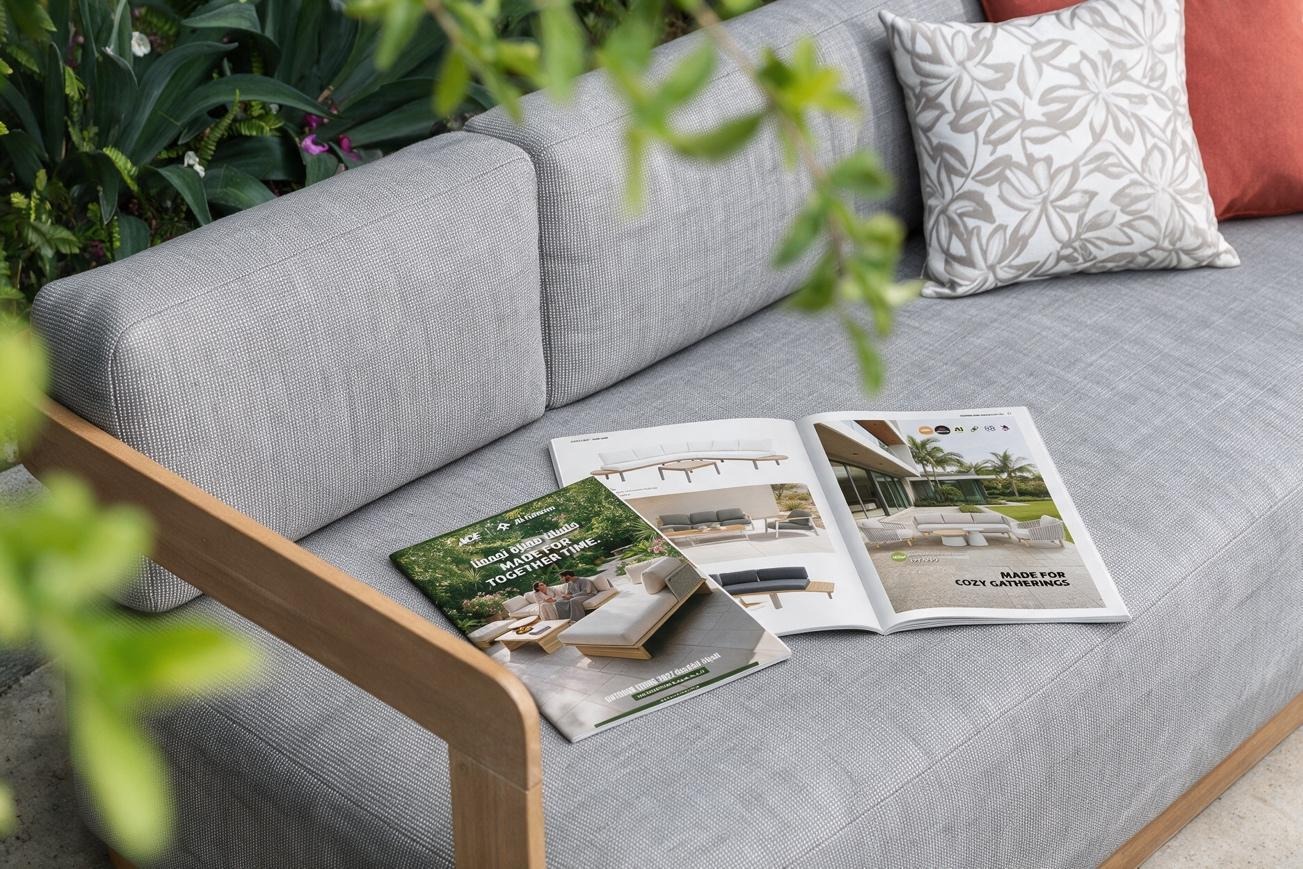
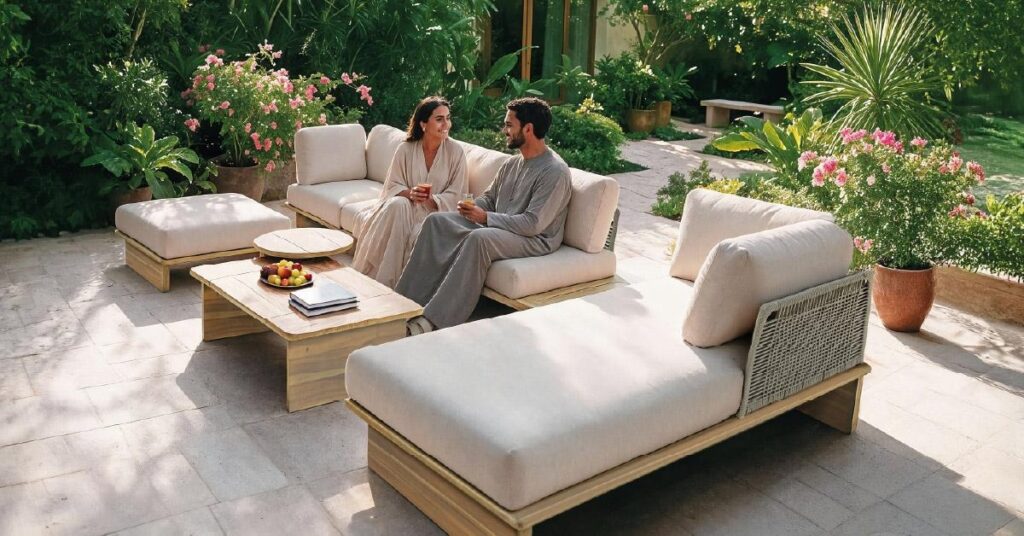
New collection brings together contemporary design, GCC-ready durability and complete outdoor living solutions for spaces of every size
Dubai, UAE – 25 September 2026: Al-Futtaim ACE has unveiled its new 2027 Outdoor Living Collection, inviting families across the UAE to make the most of the outdoor season. The collection offers stylish and practical solutions for connecting, entertaining and unwinding together.
Inspired by the belief that some of life’s most meaningful moments happen when families come together, the collection is brought to life through the campaign “Styled for Together Time.” From relaxed mornings and family meals to weekend barbecues and evening gatherings, it reflects the many ways people spend time together outdoors.
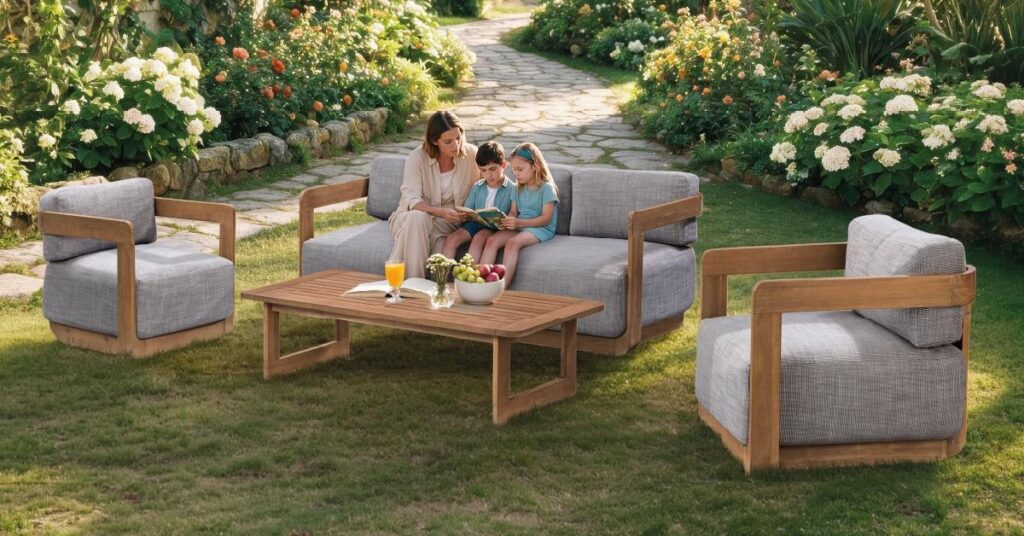
With over 30 years of outdoor living expertise, Al-Futtaim ACE’s collection spans five zones: Lounge Living, Dining, Balcony Living, Relaxation, and Outdoor Entertainment, featuring furniture, outdoor kitchens, grills, gazebos, and accessories for spaces ranging from compact balconies to spacious villa gardens.
Designed for outdoor living in the GCC
Combining style with functionality, the collection has been developed with the region’s demanding climate in mind. Powder-coated aluminium and corrosion-resistant steel offer strength and everyday reliability. Selected collections also feature premium UV-resistant outdoor fabrics, designed to retain their colour and appearance despite prolonged sun exposure.
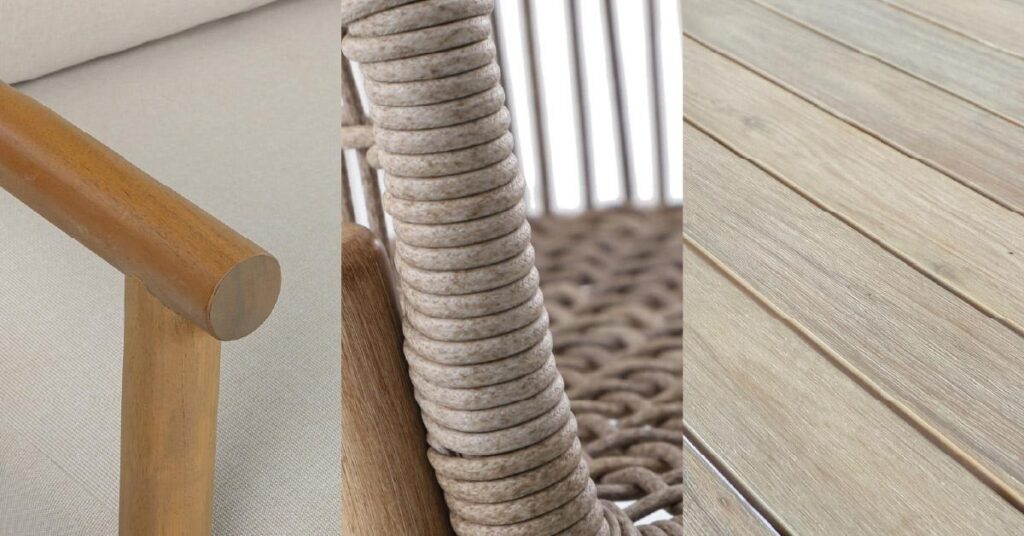
Responsibly sourced materials also feature across the range, including FSC® certified wood and recyclable metals. Available exclusively at Al-Futtaim ACE, these limited-quantity collections draw inspiration from global design trends, offering customers in the region a unique combination of style, quality, and value.
David Elliott, General Manager – Al-Futtaim ACE, said:
“Outdoor spaces are where so many memorable moments with family and friends take place. This collection has been thoughtfully curated to make those moments even better.
“As outdoor living specialists, we want to make it easier for customers to create spaces that work for the way they live. Whether it’s a compact balcony, family garden or larger entertaining area, the collection brings together style, quality and durability in one destination. Ultimately, it’s about giving our customers more time to enjoy the moments that matter most.”
A complete destination for outdoor cooking
Al-Futtaim ACE offers one of the region’s most extensive outdoor cooking ranges, bringing together world-leading brands including Broil King, Weber, Traeger, Char-Broil, and Blackstone under one roof. From gas and charcoal BBQs to smokers, griddles, electric grills, and accessories, ACE provides everything customers need for outdoor cooking and entertaining. Building on its category expertise, ACE will also bring back its popular barbecue tasting event later this year, allowing customers to experience the range firsthand with premium barbecue brands.
Making outdoor living more accessible
Customers can enjoy flexible payment options across the collection, including 0% instalment plans over 3, 6, 9 and 12 months, as well as Buy Now, Pay Later through Tabby.
To make refreshing outdoor spaces even easier, customers can also benefit from an introductory offer of free delivery on outdoor furniture orders above AED 999, alongside expert installation services and express delivery options for those looking for quicker delivery.
Customers can experience the 2027 Outdoor Living Collection at Al-Futtaim ACE flagship stores in Dubai Festival City, Yas Island, Dubai Hills and Dubai Festival Plaza. The new outdoor product catalogue will also be available online via the Al-Futtaim ACE UAE website.
Attributed to Twinkle Aswani, Editorial division, Integrator Media
Dubai’s push to become a global hub for healthy longevity is moving into a new phase, with the emirate formally setting out a regulatory and investment framework for a sector expected to span healthcare, wellness, technology and increasingly, the built environment.
On Sunday, H.H. Sheikh Hamdan bin Mohammed bin Rashid Al Maktoum approved the strategy and operating budget of the Dubai Longevity Authority, moving the body from establishment into implementation. Created in June, the Authority is the world’s first dedicated regulator for the Longevity, Wellness and Advanced Health sector, with a mandate covering research, clinical trials, manufacturing, commercialisation, investment and infrastructure.
While the strategy is rooted in healthcare and life sciences, its wider focus on healthspan, quality of life and supporting infrastructure comes as wellness is already becoming a significant part of the UAE real estate market.
According to the Global Wellness Institute, the UAE’s wellness real estate market grew from USD 3.3 billion in 2017 to USD 14.6 billion in 2025, with the segment now accounting for more than 12% of total construction making the country among the world’s fastest-growing wellness real estate markets
The shift is increasingly visible in Dubai, where a growing number of developments are moving beyond conventional gyms and swimming pools towards concepts centred on sleep, air and water quality, movement, recovery, biophilic design, social connection and preventative wellbeing.
One example is EYWA Tree of Life by R.Evolution, positioned as Dubai’s first fully longevity-led residential development, using neuroarchitecture and biophilic design principles to create an environment designed to support residents’ long-term health and wellbeing.
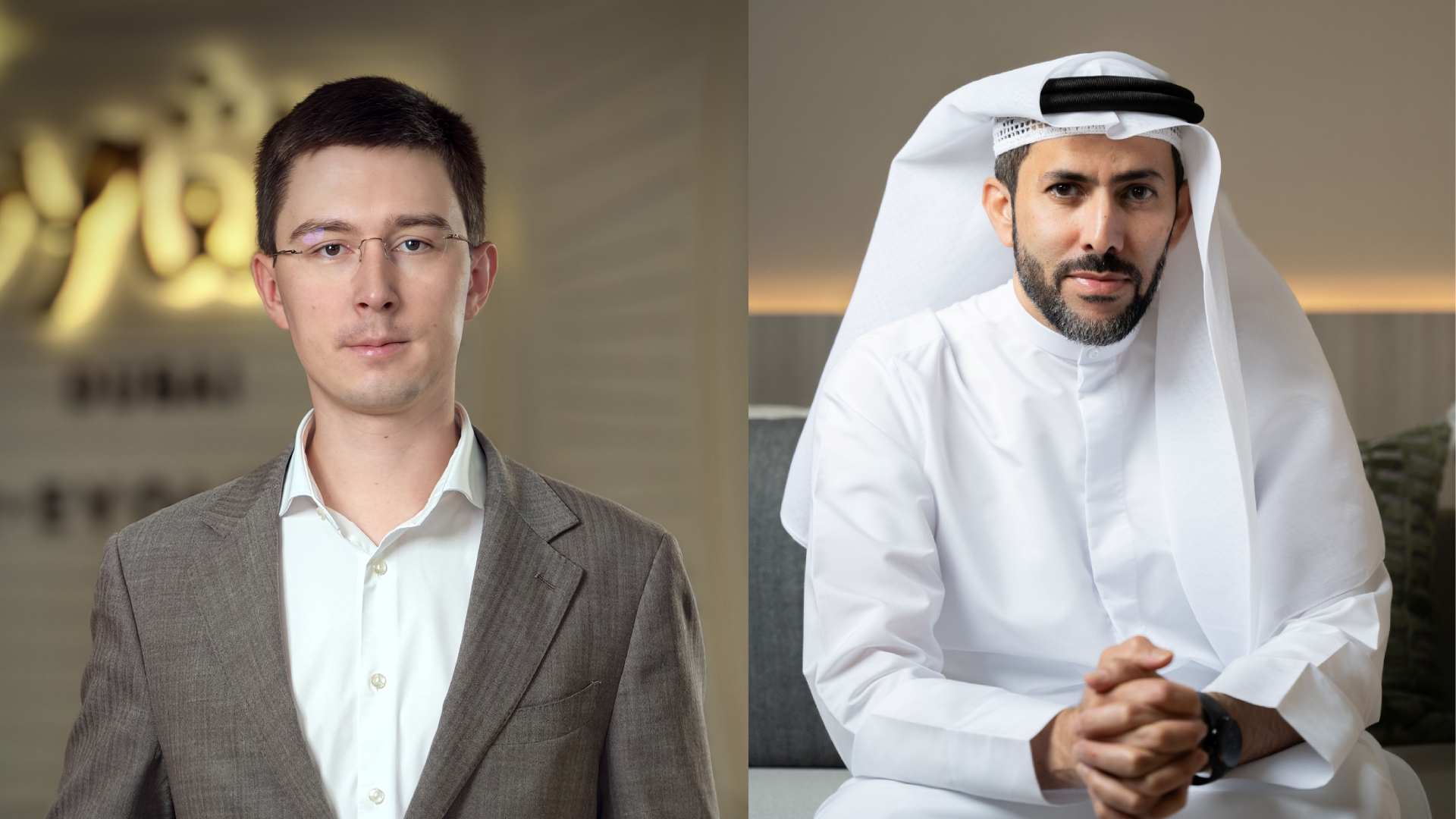
“The significance of the Longevity Authority is that it broadens the conversation from treating illness to supporting healthspan over the long term. We spend around 90% of our time indoors, so the built environment has a meaningful role in how well we live and age. Longevity in real estate therefore goes beyond adding wellness amenities. It means considering how every element of a home, from air quality and light to movement, recovery and social connection, can support healthier daily routines over many years. As this thinking becomes more established, it could begin to influence wider industry expectations, shaping how developments are designed, planned and, potentially, regulated in the future.” said Igor Karpikov, CCO of R.Evolution.
The movement also coincides with the UAE’s growing position as a global wellness destination. Industry analysis has previously placed the country among the world’s top 20 wellness and spa tourism destinations, with wellness travellers spending more than USD 5 billion in 2022 and per-trip expenditure exceeding USD 1,500. Dubai has continued adding high-end preventative health, longevity and wellness concepts aimed at an international clientele.
That demand is beginning to influence expectations in residential real estate as well. For affluent buyers, luxury is increasingly being defined by the quality of the environment around them and whether a home can support healthier daily routines over the long term.
“Dubai recorded 296 home sales above USD 10 million in the first half of 2026 alone, showing the depth of its HNWI buyer base. For these buyers, the conversation is increasingly moving beyond size and finishes towards the quality of the environment and how a home supports everyday life. As longevity develops into a more structured sector, these considerations are likely to move from being differentiators in selected projects to more established purchasing criteria across the premium market, particularly as more affluent buyers choose Dubai as a long-term home.” said Abdulla Lahej, Chairman of Amaal.
The creation of a dedicated Longevity Authority could accelerate that transition. Its remit includes attracting investment and talent, establishing regulatory standards and creating an environment in which longevity-focused businesses can test and scale new products and services. As that ecosystem develops, Dubai’s next generation of residential developments could increasingly be shaped around the question: What is this home doing for the health of the person living in it?
Home Integrator
Sobha Realty Expands into the United States and Australia with Land Secured in Both Markets
Sobha Realty has commenced operations in the United States and Australia, securing land for its initial residential projects in North Dallas, Texas, and Southeast Queensland. The expansion marks the next stage of the developer’s international growth, with a phased approach shaped by local housing needs and delivery partnerships in each market.
In the United States, the company is planning single-family home communities in Celina and Frisco, within the Dallas–Fort Worth metropolitan area. In Australia, it has acquired sites in Brisbane and on the Gold Coast. Both programmes will be supported by company equity and local financing, with projects tailored to the requirements of buyers in each market.
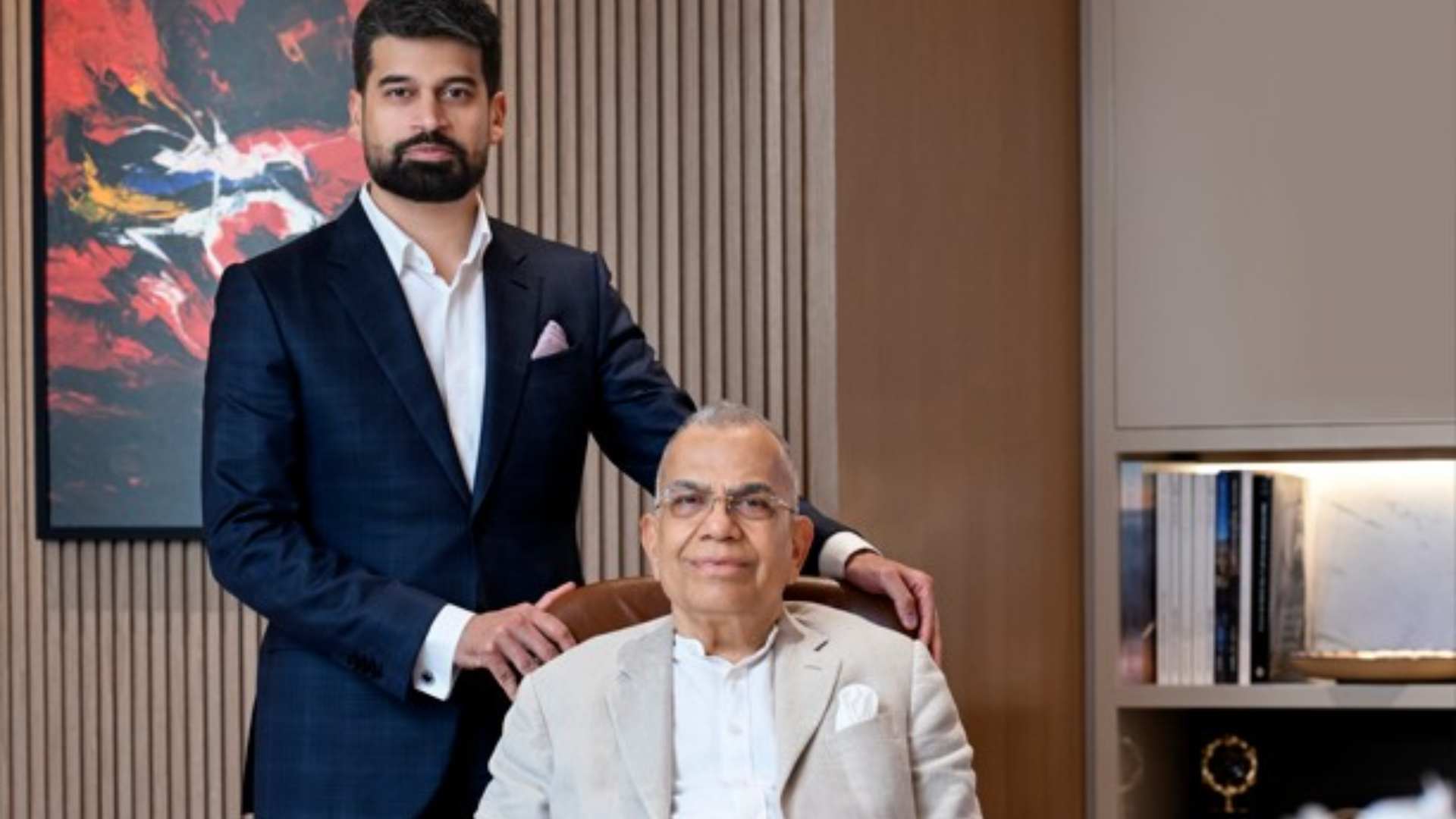
Mr. PNC Menon, Founder of Sobha Group, said: “Our expansion into the United States and Australia reflects a long-term commitment to building an international business grounded in quality and trust. Over five decades, we have developed a discipline that places responsibility for the finished product at the heart of every decision. As we enter these markets, our priority is to apply that experience with a clear understanding of local needs. We intend to earn our position through the communities we create and the lasting value we deliver to homeowners.”
Mr. Ravi Menon, Chairman of Sobha Group, said: “The United States and Australia are important markets in Sobha’s next phase of growth. Our strategy is to establish a focused presence in locations with strong housing demand and build scale through disciplined investment and phased delivery. Securing land in North Dallas and South East Queensland gives us a foundation for that approach. We intend to grow deliberately in both markets, creating homes shaped by local needs and built to the standards that define Sobha.”
United States
Sobha Realty has secured land in Celina and Frisco and plans to deliver a phased programme of single-family homes over the coming years. Sales in its first Celina community are expected to begin in 2027, with the programme funded through company equity and local lending.
The first two communities are planned in Celina. The initial development will comprise larger homes on generous lots adjacent to North Sky, followed by a broader community of family homes. Work on the Frisco site is expected to begin in 2027.
The homes will cater to move-up buyers and growing families. The company’s focus on North Dallas is informed by population growth and corporate relocations supporting residential demand across the region.
Beyond its initial sites, Sobha Realty is evaluating opportunities in Austin and Houston, as well as Dallas–Fort Worth submarkets including Southlake, Westlake and Flower Mound. Nashville, Phoenix and Florida are also under consideration as part of its longer-term growth plans.
Australia
Sobha Realty has acquired two sites in Southeast Queensland, in Brisbane and on the Gold Coast. A development application for the Fortitude Valley site in Brisbane is planned within the next month. Construction on both projects is expected to begin in mid-2027, subject to approvals.
The projects are being planned around Australian buyers and local conditions, supported by feasibility assessments undertaken in the market. For its initial developments, Sobha Realty is partnering with Australian tier-one builders, architects and consultants, with the aim of contributing a wider range of housing types and price points.
Company equity will provide the base funding, complemented by financing from Australian banks and non-bank lenders, with bank funding preferred. Beyond Queensland, the company is assessing opportunities in Sydney across apartments and house-and-land developments.
Local delivery and Sobha standards
Mr. Francis Alfred, Managing Director of Sobha Realty, said: “Our entry into these markets begins with understanding how people want to live and translating those needs into homes that combine thoughtful design, innovation and the quality associated with Sobha. In the United States, our initial focus is on single-family homes for growing families and buyers taking the next step in homeownership. In Australia, we are planning projects around local lifestyles and conditions, working with experienced partners. Across both markets, we will combine local insight with Sobha’s expertise in technology, design and quality assurance, building our presence thoughtfully while maintaining the standards that define Sobha.”
In the UAE, Sobha Realty’s Backward Integration model brings design, engineering, manufacturing and construction in-house, from concept to completion. Through Mission 70/70, the company is moving a growing share of construction off-site into highly automated factories, using technology, automation and precision manufacturing to enhance quality and consistency.
Its initial projects in the United States and Australia will be delivered with local partners, with the company intending over time to introduce elements of its Backward Integration model, including factory-built components and advanced construction technologies, into both markets.
The expansion builds on Sobha Realty’s Dubai delivery programme, with 6,000+ homes planned for handover in 2026 across communities including Sobha Hartland, Sobha Hartland II, Sobha Reserve, Sobha One and Verde by Sobha.


Al-Futtaim ACE launches 2027 Outdoor Living Collection, styled for together time

Dubai Longevity Authority Could Accelerate Shift Towards Wellness-Led Homes

TiE Women MENA Crowns Five Regional Winners Ahead of GITEX Global Final



-
News11 years ago
SENDQUICK (TALARIAX) INTRODUCES SQOOPE – THE BREAKTHROUGH IN MOBILE MESSAGING
-

 Trending11 months ago
OPPO A6 Pro 5G Review: Reliable Daily Driver
-

 Tech News2 years ago
Denodo Bolsters Executive Team by Hiring Christophe Culine as its Chief Revenue Officer
-
 VAR1 year ago
Microsoft Launches New Surface Copilot+ PCs for Business
-

 Automotive2 years ago
AGMC Launches the RIDDARA RD6 High Performance Fully Electric 4×4 Pickup
-
 Tech News2 years ago
Toshiba Announces MG10-D Series of Enterprise HDDs with Capacities up to 10TB
-
Tech Interviews3 years ago
Navigating the Cybersecurity Landscape in Hybrid Work Environments
-

 Tech News1 year ago
Nothing Launches flagship Nothing Phone (3) and Headphone (1) in theme with the Iconic Museum of the Future in Dubai