
 Have a question? +971 56 404 0503




Automotive
OMODA & JAECOO Commits to Green Mobility in the Middle East with Innovative ESG Initiatives for a Sustainable Future

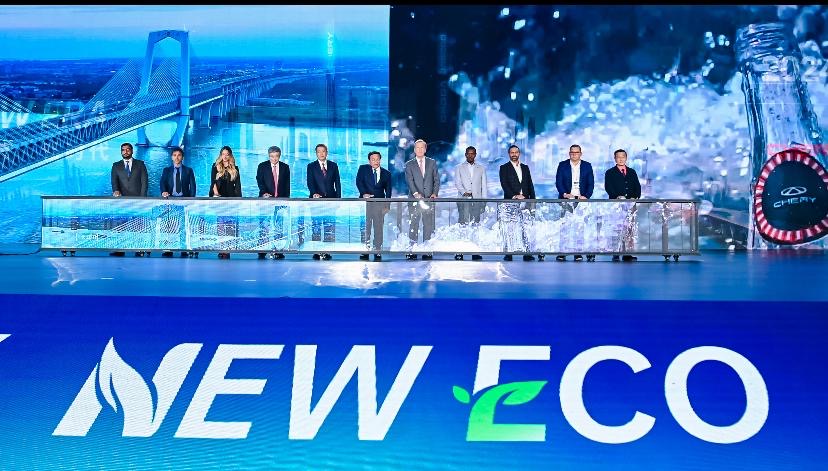
With the Middle East region focusing on achieving Net Zero emissions and promoting sustainable mobility, OMODA & JAECOO, the innovative automotive brand dedicated to pioneering the future of travel, is supporting the vision through innovative Environment, Social and Governance (ESG) initiatives that will help secure an outstanding, comprehensive, and sustainable mobility ecosystem.
The new ESG capabilities of OMODA & JAECOO were displayed at its Ecological Conference, in Wuhu, China. Themed ‘New Energy, New Eco, New Era’, the conference presented OMODA & JAECOO’s innovative breakthroughs in the ESG field, including ‘O-UNIVERSE’ and ‘GREEN OJ’.
The “O-UNIVERSE” ecosystem emphasises OMODA & JAECOO’s commitment to delivering not just clean mobility vehicles but future lifestyles that meet the aspirations of youth through OMODA, for a lifestyle centered around smart technology, trendy homestays, and memorable and sporty travel experiences.
Having integrated ESG practices as part of its organisational and operational framework, OMODA & JAECOO has already implemented environmental protection activities as well as expanded its corporate social responsibility commitment with initiatives supporting education, elderly care, and animal rescue, among others.
A highlight is the launch of the Water and Marine Protection Initiative demonstrating the collective efforts of OMODA & JAECOO’s global partners in environmental protection and elevating their social responsibility and environmental protection concept to a new level.
Among its tangible contributions, OMODA & JAECOO launched the International Charity Fund, with $10 donated to the fund for every car sold, to undertake more corporate social responsibilities. Further, OMODA & JAECOO has announced cooperation with the United Nations International Children’s Emergency Fund (UNICEF) and the International Union for Conservation of Nature (IUCN).
Furthermore, the brand’s commitment to cultural exchange and eco-friendly lifestyles was recently showcased at the Shenshan Music Festival in Wuhu. The event featured a diverse lineup of performances, including the enchanting Chinese classical dance “Jasmine Flower” and the vibrant Spanish singer Vicco, reflecting OMODA & JAECOO’s dedication to fostering multicultural interactions and sustainable entertainment.
Shawn Xu, CEO of OMODA & JAECOO Automobile International, said: “Going beyond sustainability, we are committed to creating a positive impact across the communities we serve in the Middle East and globally. A strong ESG framework is today a strategic imperative for organisations to accelerate high quality economic and social development, as well as to make meaningful contributions to the environment and wider society.”
Underlining its commitment to fostering a greener planet, OMODA & JAECOO launched the ‘GREEN OJ’ public welfare platform at the annual Beijing International Automotive Exhibition 2024 last month, which aims to implement several green public welfare activities, including wetland protection, vegetation protection, biodiversity, and marine governance.
Over 2,000 industry pioneers, partners, and user representatives from 80 countries, along with domestic and international guests and music enthusiasts, were present at OMODA & JAECOO’s Business Conference, held at its headquarters in Wuhu, China, to witness the brand’s ecological advancement beyond cars. Following the reveals, the guests were able to experience art and culture by participating in the Shenshan Music Festival, also organised by the brand.
Drawing on advanced technology to support its environmental sustainability commitment, OMODA & JAECOO is also enhancing its intelligent technological innovations and automotive research and development. With ‘O-UNIVERSE’, the brand is connecting virtuality with reality, meeting every need that users may have from the vehicles they desire.
In its pursuit to achieve high quality sustainable development, OMODA & JAECOO will continue to embody the concept of ‘In Somewhere, For Somewhere’, ensuring continuity in releasing new products, new technologies and new ecosystems.










Automotive
Anticipating the Automotive Aftermarket: Preparing the GCC Aftermarket for a Software-Led Future
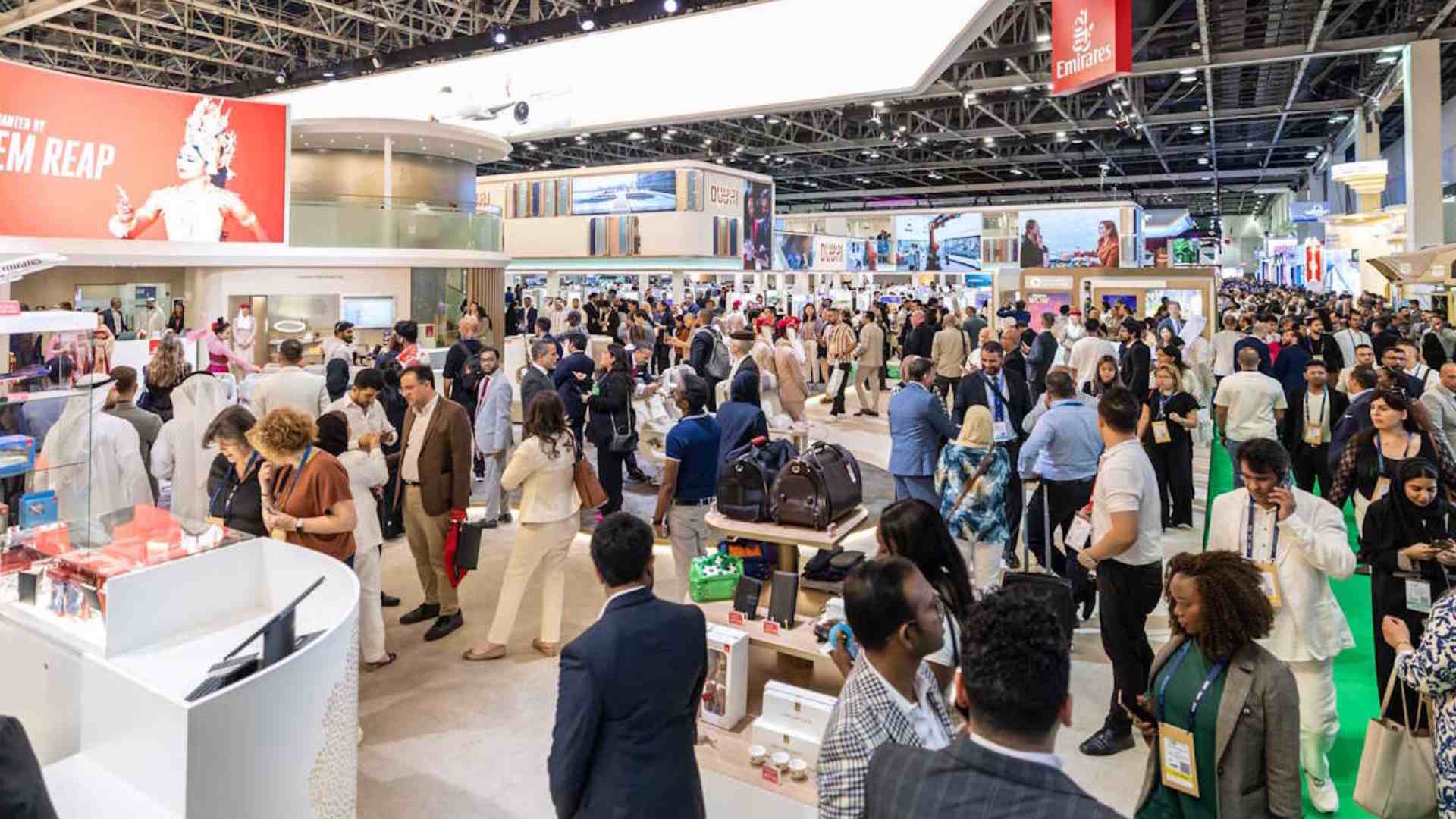
The GCC aftermarket is preparing to support a more diverse vehicle mix as electrification, connected systems and software-led technologies develop at different speeds across regional markets.
In this exclusive, Tommy Le, Show Manager of Automechanika Dubai, explains how aftermarket businesses can remain relevant as vehicle technologies and customer expectations change, why workshop and workforce readiness must advance together, and how industry platforms can support long-term collaboration across the region.
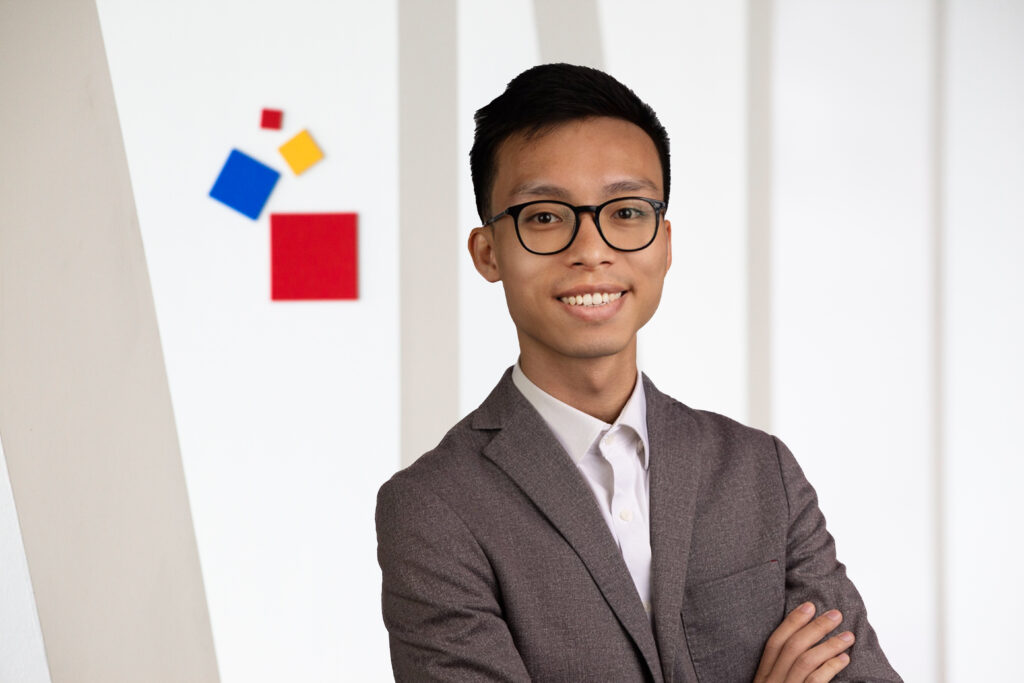
From your conversations with manufacturers, distributors and industry associations, what is the most significant transformation currently reshaping the regional aftermarket?
From our conversations with manufacturers, distributors and industry associations, the most significant change is the diversification of demand. It is not happening uniformly across the GCC, but businesses increasingly need to support conventional vehicles alongside hybrids, EVs, connected systems and a growing mix of brands. Dubai offers one indication of the direction: according to the Dubai Electricity and Water Authority, registered EVs increased from 37,486 at the end of 2024 to 47,944 at the end of 2025, a rise of nearly 28%. Each technology and brand brings different parts, software, diagnostics and servicing needs. Companies therefore need stronger market intelligence, flexible supply chains and closer collaboration. The businesses that remain relevant will respond quickly without compromising quality, safety or trust.
How are electrification, connected vehicles, advanced diagnostics and software-led technologies changing the requirements of aftermarket businesses?
They are changing both what businesses sell and the capabilities they require. A repair may now involve electronic diagnosis, sensor calibration, battery and thermal-system assessment, or access to vehicle-specific technical information. The complexity is already visible: a study by the Insurance Institute for Highway Safety found that about half of owners whose crash-avoidance systems were calibrated following vehicle damage reported continuing problems after the repair. That reinforces the need for correct tools, current procedures and trained technicians. Looking ahead, software-led servicing and predictive maintenance could create faster and more transparent customer experiences, but only where workshops have authorised data access, compatible systems and appropriate diagnostic infrastructure. Internationally, software governance is becoming more formalised through measures such as United Nations Economic Commission for Europe Regulation No. 156 on software updates and software update management systems. The opportunity is significant, but capability cannot be assumed to be universal.
As the vehicle mix becomes more diverse, how must parts supply chains and service networks support conventional, hybrid and electric vehicles simultaneously?
Conventional vehicles will remain central to the regional fleet even as hybrid and electric adoption grows at different rates. According to the Dubai Electricity and Water Authority, the number of registered EVs in Dubai increased by nearly 28% during 2025, showing why the aftermarket must prepare for several technology cycles at once. Distributors need visibility of vehicle populations and demand to balance availability against excess stock, backed by traceable sourcing. Service networks must decide which capabilities belong in every workshop and which can sit in specialist centres. Horizontal collaboration could let independent businesses share high-cost diagnostic or calibration resources, technical knowledge and regional support without duplicating investment.
Where are the most urgent workshop-readiness gaps, and what roles should manufacturers, training institutions and industry platforms play in closing them?
Skills are the most urgent gap because equipment creates value only when people can use it safely and accurately. Workshops need technicians who understand high-voltage systems, advanced diagnostics, software-led repair and ADAS calibration, supported by current technical data, safe working areas and clear procedures. The consequences of incomplete capability are tangible: according to the Insurance Institute for Highway Safety, around half of respondents whose crash-avoidance systems were calibrated after vehicle damage reported continuing issues. The US National Highway Traffic Safety Administration also advises that high-voltage work requires vehicle-specific guidance and properly trained personnel. Manufacturers can provide recognised training pathways, vocational institutions can build foundations, and industry platforms can connect them. We also need to show young people that the aftermarket now combines engineering, data and software, offering credible technology-led careers rather than only traditional mechanical roles.
How has your commercial experience shaped your strategy, and what is your long-term ambition for Automechanika Dubai as it moves to Dubai Exhibition Centre in November 2026?
Working across commercial and exhibitor roles has shown me that different parts of the industry experience change in very practical ways. Manufacturers may focus on market access, distributors on dependable supply, and workshops on tools, training and technical support. My role is to find where those needs meet and build useful connections. The move to Dubai Exhibition Centre opens a new phase for the show, with opportunities to improve the visitor experience, connectivity and the way knowledge is shared. I want Automechanika Dubai, taking place from 10–12 November 2026, to develop as a year-round industry platform where businesses exchange insight, understand emerging technologies and form partnerships. It must remain a commercial marketplace while helping the aftermarket anticipate change rather than react to it.
Note:Historical 2025 figures: Automechanika Dubai welcomed visitors from 161 countries and exhibitors from 63 countries at its 2025 edition. Following 22 editions at Dubai World Trade Centre, the exhibition will take place at Dubai Exhibition Centre (DEC) for the first time in 2026. These figures describe the 2025 edition and are not projections for 2026.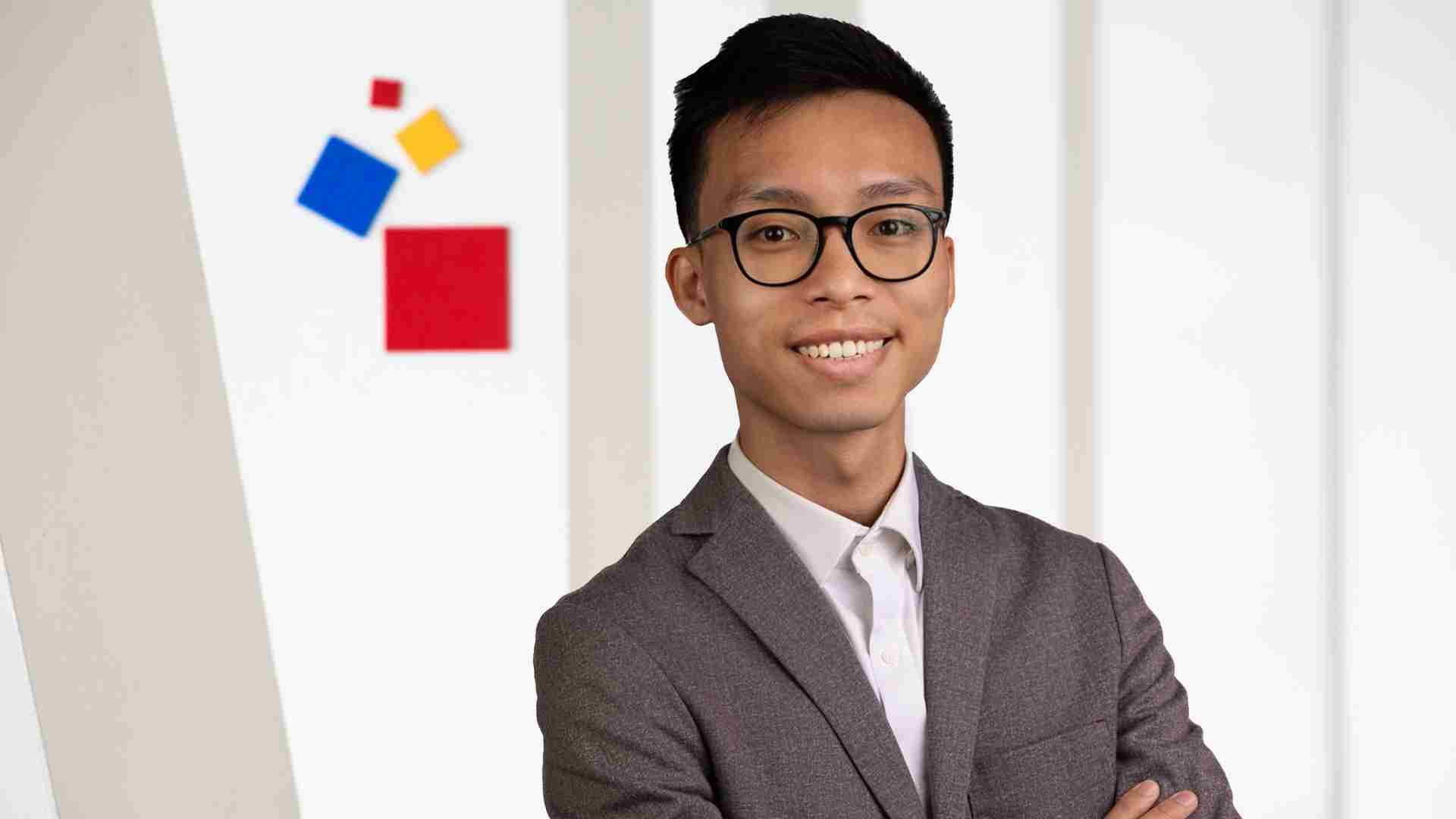
Tommy Le, Show Manager of Automechanika Dubai, explains how aftermarket businesses can remain relevant as vehicle technologies and customer expectations change, why workshop and workforce readiness must advance together, and how industry platforms can support long-term collaboration across the region.
The GCC aftermarket is preparing to support a more diverse vehicle mix as electrification, connected systems and software-led technologies develop at different speeds across regional markets.
From your conversations with manufacturers, distributors and industry associations, what is the most significant transformation currently reshaping the regional aftermarket?
From our conversations with manufacturers, distributors and industry associations, the most significant change is the diversification of demand. It is not happening uniformly across the GCC, but businesses increasingly need to support conventional vehicles alongside hybrids, EVs, connected systems and a growing mix of brands. Dubai offers one indication of the direction: according to the Dubai Electricity and Water Authority, registered EVs increased from 37,486 at the end of 2024 to 47,944 at the end of 2025, a rise of nearly 28%. Each technology and brand brings different parts, software, diagnostics and servicing needs. Companies therefore need stronger market intelligence, flexible supply chains and closer collaboration. The businesses that remain relevant will respond quickly without compromising quality, safety or trust.
How are electrification, connected vehicles, advanced diagnostics and software-led technologies changing the requirements of aftermarket businesses?
They are changing both what businesses sell and the capabilities they require. A repair may now involve electronic diagnosis, sensor calibration, battery and thermal-system assessment, or access to
vehicle-specific technical information. The complexity is already visible: a study by the Insurance Institute for Highway Safety found that about half of owners whose crash-avoidance systems were calibrated following vehicle damage reported continuing problems after the repair. That reinforces the need for correct tools, current procedures and trained technicians. Looking ahead, software-led servicing and predictive maintenance could create faster and more transparent customer experiences, but only where workshops have authorised data access, compatible systems and appropriate diagnostic infrastructure.
Internationally, software governance is becoming more formalised through measures such as United Nations Economic Commission for Europe Regulation No. 156 on software updates and software update management systems. The opportunity is significant, but capability cannot be assumed to be universal.
As the vehicle mix becomes more diverse, how must parts supply chains and service networks support conventional, hybrid and electric vehicles simultaneously?
Conventional vehicles will remain central to the regional fleet even as hybrid and electric adoption grows at different rates. According to the Dubai Electricity and Water Authority, the number of registered EVs in Dubai increased by nearly 28% during 2025, showing why the aftermarket must prepare for several technology cycles at once. Distributors need visibility of vehicle populations and demand to balance availability against excess stock, backed by traceable sourcing. Service networks must decide which
capabilities belong in every workshop and which can sit in specialist centres. Horizontal collaboration could let independent businesses share high-cost diagnostic or calibration resources, technical knowledge and regional support without duplicating investment.
Where are the most urgent workshop-readiness gaps, and what roles should manufacturers, training institutions and industry platforms play in closing them?
Skills are the most urgent gap because equipment creates value only when people can use it safely and accurately. Workshops need technicians who understand high-voltage systems, advanced diagnostics, software-led repair and ADAS calibration, supported by current technical data, safe working areas and clear procedures. The consequences of incomplete capability are tangible: according to the Insurance Institute for Highway Safety, around half of respondents whose crash-avoidance systems were calibrated after vehicle damage reported continuing issues. The US National Highway Traffic Safety Administration also advises that high-voltage work requires vehicle-specific guidance and properly trained personnel.
Manufacturers can provide recognised training pathways, vocational institutions can build foundations, and industry platforms can connect them. We also need to show young people that the aftermarket now combines engineering, data and software, offering credible technology-led careers rather than only traditional mechanical roles.
How has your commercial experience shaped your strategy, and what is your long-term ambition for Automechanika Dubai as it moves to Dubai Exhibition Centre in November 2026?
Working across commercial and exhibitor roles has shown me that different parts of the industry experience change in very practical ways. Manufacturers may focus on market access, distributors on dependable supply, and workshops on tools, training and technical support. My role is to find where those needs meet and build useful connections. The move to Dubai Exhibition Centre opens a new phase for the show, with opportunities to improve the visitor experience, connectivity and the way knowledge is shared. I want Automechanika Dubai, taking place from 10–12 November 2026, to develop as a
year-round industry platform where businesses exchange insight, understand emerging technologies and form partnerships. It must remain a commercial marketplace while helping the aftermarket anticipate change rather than react to it.
Automotive
Zeekr UAE and AWR Automotive Unveil Redesigned Flagship Showroom on Sheikh Zayed Road in Dubai
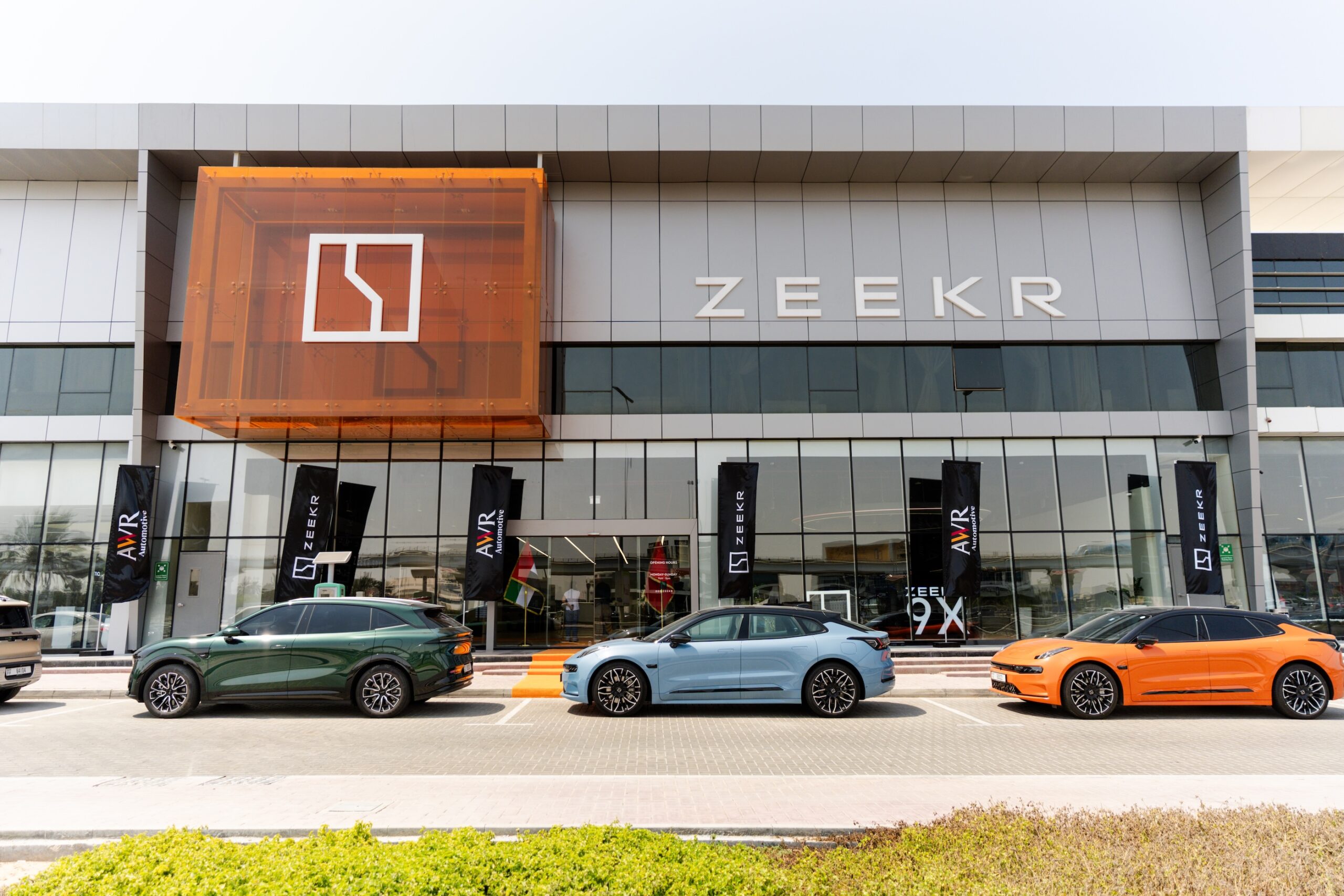
Zeekr UAE and AWR Automotive are proud to announce the unveiling of the redesigned Zeekr flagship showroom on Sheikh Zayed Road in Dubai. The new space brings together contemporary design, refined hospitality, and personalised customer engagement, reflecting the partners’ confidence in the UAE’s expanding electric mobility market.
The showroom gives customers a clear and practical way to explore electric mobility. Zeekr product specialists will provide personalised guidance around the Zeekr range, charging, intelligent technology, performance, test drives, and after-sales care. Interactive touchscreen TVs allow customers to explore vehicle configurations in detail and place orders directly from the showroom. Customers can also discuss their individual driving requirements and ownership considerations in a relaxed setting, helping them understand how electric mobility can support everyday journeys, family travel, and longer drives across the UAE.
At the centre of the redesigned showroom is the Zeekr Lounge, a refined hospitality space for customer appointments, coffee conversations, and owner gatherings. The lounge brings a more personal dimension to the retail experience, providing a welcoming place for guests to spend time with the brand before or after a consultation or test drive. A partnership with Maison 7, AWR Group’s luxury lifestyle brand, adds curated homeware and elegant décor, creating a warm, lifestyle-led environment that complements Zeekr’s progressive design philosophy and brings the showroom’s material, colour, and craftsmanship story to life.
“The UAE’s electric mobility market is advancing quickly, and customers want the confidence that comes from clear guidance, a trusted local partner, and an ownership experience designed around their needs,” said Roberto Colucci, Director of EVs, AWR Automotive. “Our redesigned flagship showroom brings those elements together, creating a destination where customers can experience Zeekr’s technology, design, and hospitality while exploring how electric mobility can fit their everyday lives.”
The redesigned flagship also includes two AC charging points, giving customers an added practical touchpoint with the Zeekr ownership experience during their showroom visit. Two dedicated vehicle delivery bays provide an elevated handover setting, allowing every delivery to become a more personal and memorable moment for customers and their families. The flagship will also serve as a platform for product introductions, owner engagement, and curated events, bringing customers and electric mobility enthusiasts together around premium electric driving. Customers are invited to visit the showroom on Sheikh Zayed Road to experience the Zeekr range, speak with a product specialist, and book a personalised test drive.
AWR Automotive is Zeekr’s official distributor in the UAE. Supported by decades of automotive expertise and an established national network of showrooms and service centres, it brings the Zeekr ownership experience to customers from first discovery through to long-term support, helping advance premium electric mobility across the region.


RØDE UNLOCKS 4K CAPTURE MODE ACROSS THE RØDECASTER VIDEO RANGE

REDMI Note 17 Series Launches in UAE With Up to 10,000mAh Battery and Six Years of Security Updates

Cloudera and Muroon Announce Strategic MoU



-
News11 years ago
SENDQUICK (TALARIAX) INTRODUCES SQOOPE – THE BREAKTHROUGH IN MOBILE MESSAGING
-

 Trending11 months ago
OPPO A6 Pro 5G Review: Reliable Daily Driver
-

 Tech News2 years ago
Denodo Bolsters Executive Team by Hiring Christophe Culine as its Chief Revenue Officer
-
 VAR1 year ago
Microsoft Launches New Surface Copilot+ PCs for Business
-

 Automotive2 years ago
AGMC Launches the RIDDARA RD6 High Performance Fully Electric 4×4 Pickup
-
Tech Interviews3 years ago
Navigating the Cybersecurity Landscape in Hybrid Work Environments
-
 Tech News2 years ago
Toshiba Announces MG10-D Series of Enterprise HDDs with Capacities up to 10TB
-

 Tech News1 year ago
Nothing Launches flagship Nothing Phone (3) and Headphone (1) in theme with the Iconic Museum of the Future in Dubai