
 Have a question? +971 56 404 0503




Tech News
Positive Technologies: 51% of successful malware attacks start with phishing


Positive Technologies has unveiled a study of the current cyberthreats for Q1 2024. Malware remained the main weapon that cybercriminals use, while analysts recorded an increase in the use of remote-control software. Attackers usually spread malware by email: 51% of successful cyberattacks on organizations started with phishing emails.
In Q1, the number of incidents increased by 19% year-on-year. Meanwhile, 78% of the attacks targeted organizations. The top targets of successful cyberattacks were government agencies (15%), IT companies (9%), and industry (8%).
The most common method for attacking companies was with malware, which accounted for 68% of successful cyberattacks. The most common types of malware are ransomware (43%), remote access trojans (RATs, 32%) and spyware (21%). The number of cyberattacks using spyware and encryption malware decreased by 4% and 11%, respectively. Meanwhile, analysts note that in the first three months of 2024, the number of attacks using RATs increased by 10% compared to Q4 2023.
The increased attacker interest in RATs can be explained by the fact that much of today’s malware is modular. As such, attackers can combine spyware, bootloaders, banking trojans, and even encryption malware, allowing them to cause greater damage to their victims,” notes Dmitry Streltsov, an analyst from the Positive Technologies research group. —We predict that cybercriminals will continue increasing their use of modular programs by adding new features to them. However, it’s too early to discount spyware and encryption malware, despite the decline in their use.”
In over half of the attacks, the attackers spread malware via email. Thus, Positive Technologies (The PT Expert Security Center) has detected a series of attacks by the cybergroup Lazy Koala, whose victims include organizations from Russia and the CIS. Attackers used phishing emails to convince recipients to open attachments and run the files in their browser. As a result, their devices were infected with malware that cybercriminals used to steal employee accounts.
Cyberattacks usually resulted in the leakage of confidential information (54%) and the disruption of core activity (33%). In data-centric attacks, attackers usually intended to seize personal information (37%), trade secrets (22%), and log-in details (17%). For example, in January, researchers discovered the largest database ever, with 26 billion entries of data on users of popular Russian and foreign social networks, as well as services such as Adobe, Dropbox, and Canva.
The experts note that with the growing number of information leaks and the inability of the protection tools already on the market to provide results-driven cybersecurity, there is a need for data security platform (DSP) solutions. Such systems can manage various types of data regardless of their structure or location. Experts also recommend using web app firewalls (PT Application Firewall or its cloud version, PT Cloud Application Firewall) and sandboxes such as PT Sandbox to protect the infrastructure. The former will reduce the risk of intrusion into the company’s internal perimeters, while the latter offers timely detection of malware. To improve infrastructural security, experts recommend using vulnerability management systems, such as MaxPatrol VM, as well as running bug bounty programs, possibly on the Standoff Bug Bounty platform. In addition, even if your company’s mail servers are protected, it is recommended to use services that analyze how well the configuration of the defenses performs with a tool like PT Knockin.
Tech News
From 350+ Applications to One Champion: School of Cyber Defense Final Stage at GISEC GLOBAL 2026
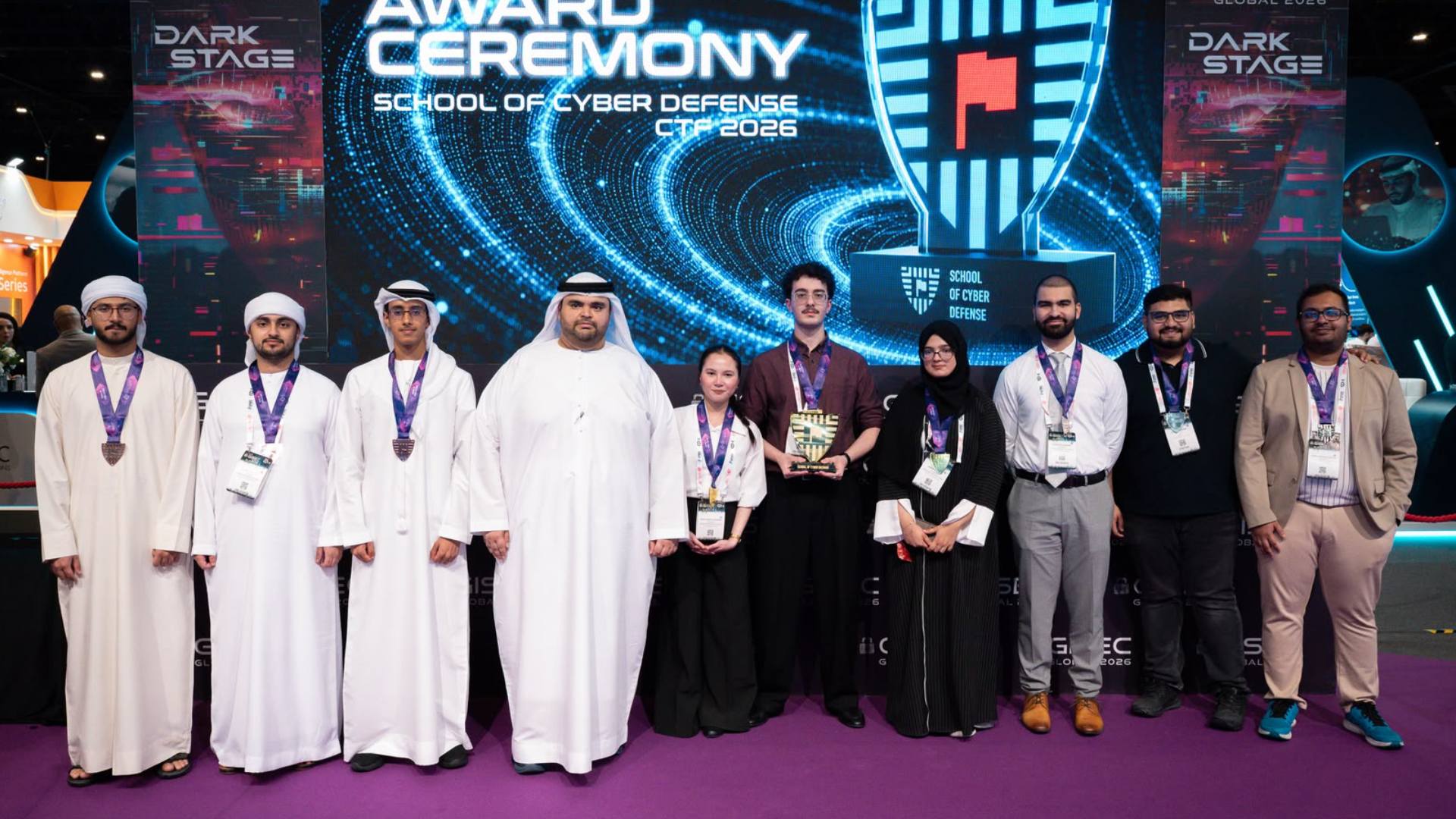
The second edition of the School of Cyber Defense competition reached its final at GISEC GLOBAL 2026, bringing the strongest student cybersecurity teams in the UAE to Dubai Exhibition Centre, Expo City. Building on its 2025 debut, the competition came back larger in scale and tougher in format: this year, participants had to do more than defend systems. They had to design working solutions to real industry challenges.
The competition was hosted by the Dubai Electronic Security Center (DESC) and organized by Techfirm. It drew more than 350 applications from students at more than 30 universities across the country. The road to the final ran through three stages:
Qualification. More than 300 participants from over 90 teams completed an automated, scenario-based qualification round. Over 90% of active teams scored above the 70% threshold needed to advance.
Case challenge. More than 70 teams submitted solutions to one of 15 official challenge briefs. An expert jury assessed each submission on fit to the brief, relevance, a working prototype, technical depth and innovation.
Live final. Only the seven highest-scoring teams reached the GISEC stage, fewer than one in ten of the teams that submitted a case. Finalists presented and defended their solutions live in front of the jury. The finalists represented BITS Pilani Dubai, American University of Sharjah, Al Ain University, Middlesex University Dubai, University of Wollongong in Dubai, University of Dubai and Abu Dhabi Polytechnic.
Winners of the School of Cyber Defense 2026:
- 1st Place: Unlisted (Middlesex University Dubai)
- 2nd Place: AUSec (American University of Sharjah)
- 3rd Place: ADPoly CyberGuard (Abu Dhabi Polytechnic)
The competition featured a prize pool worth AED 55,000, shared among the winning teams.
The competition was made possible by partners committed to developing young talent and strengthening the region’s cybersecurity workforce. The Competition Industry Partners include AMD, Dahua Technology, Kaspersky, KERNO and M1 Global Infrastructure. The Competition Gold Partners are Anker Innovations, Circularo, HPE, Huawei, KnowBe4, RAS Infotech and Spire Solutions. Secureway is the Competition Silver Partner.
Now in its second year, the School of Cyber Defense has become a recurring platform where the UAE’s future cybersecurity professionals test their skills against the demands of the real industry.
Tech News
Nemetschek Arabia Showcases Connected Technologies for Smarter Facilities Management at SFMA EXPO 2026
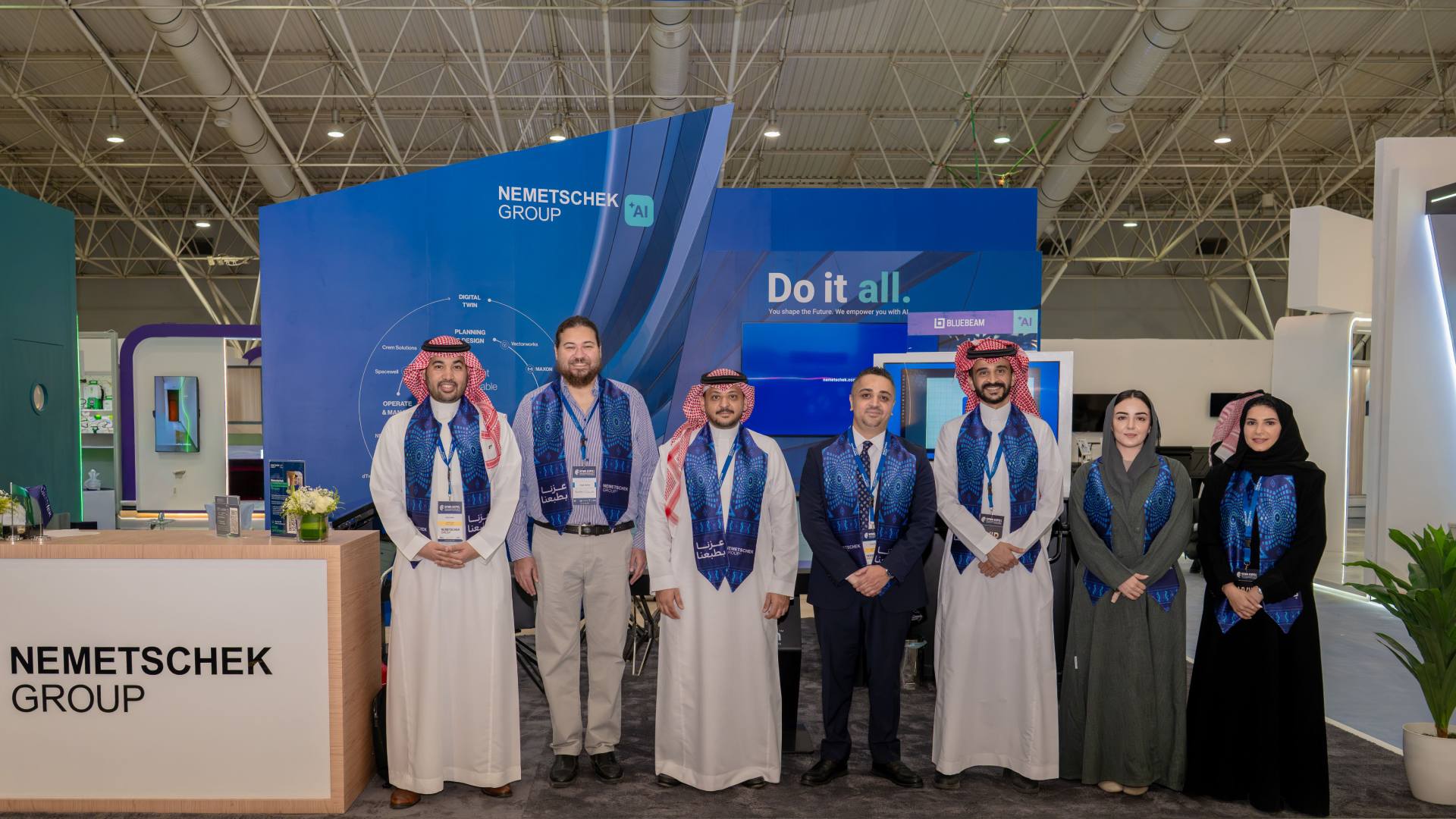
Nemetschek Arabia, part of the Nemetschek Group, one of the world’s leading software providers for the Architecture, Engineering, Construction and Operations (AEC/O) industry, is showcasing its vision for the future of facilities management at SFMA EXPO 2026, which is taking place at the Riyadh International Convention & Exhibition Center (RICEC).
Participating as a Golden Sponsor, Nemetschek Arabia is demonstrating how connected digital technologies can help organizations improve operational efficiency, enhance asset performance, and support more sustainable outcomes across the entire facility lifecycle. Visitors to Booth G02 at the event will have the opportunity to explore solutions from Bluebeam, Spacewell, GoCanvas, and Nemetschek dTwin, each designed to help facility owners and operators connect people, processes and data through integrated digital workflows.
“Facilities management is becoming increasingly strategic as organizations seek new ways to maximize asset performance, improve sustainability, and deliver better experiences for occupants and stakeholders,” said Eng. Muayad Simbawa, Managing Director of Nemetschek Arabia. “The future of the sector will be defined by connected ecosystems where people, data and technologies work together seamlessly. Through our participation at SFMA EXPO 2026, we are demonstrating how digital twins, smart workplace solutions, connected workflows and real-time operational intelligence can help organizations unlock greater value from their facilities while supporting the Kingdom’s Vision 2030 ambitions.”
Empowering organizations to build smarter facilities
At the exhibition, visitors can experience how Bluebeam enables seamless collaboration across project and operations teams, helping stakeholders work more efficiently with accurate and accessible information. Meanwhile, Spacewell empowers smarter workplace and facility management through data-driven insights and intelligent operations, while GoCanvas streamlines field processes through digital forms and real-time data capture. And Nemetschek dTwin showcases the power of digital twins in transforming facility operations through real-time asset visibility, predictive maintenance and performance optimization.
As part of its participation, Nemetschek Arabia experts will also contribute to the event’s thought leadership program. Muayad Simbawa will participate in a panel discussion titled “Enhancing Organizational Performance: Hybrid Work Models, Data Analytics, and Advanced Management Technologies,” exploring how organizations can leverage emerging technologies and data-driven insights to adapt to a rapidly evolving business landscape. In addition, Ahmad Hisham Khairat, Regional Presales Engineer, and Ahmad Al Zaben, Technical Consultant, will share their perspectives on the role of BIM, digital twins and integrated digital ecosystems in transforming facility operations and management.
Further reinforcing its commitment to advancing the facilities management sector, Nemetschek Arabia is building on its strategic collaboration with the Saudi Facility Management Association (SFMA) announced earlier this year. The partnership focuses on accelerating digital transformation, knowledge exchange, workforce development and the adoption of innovative technologies that support smarter and more sustainable facilities across the Kingdom.
SFMA EXPO 2026 brings together facility management leaders, technology providers and industry experts from across the region to explore the trends, innovations and strategies shaping the future of the sector. Visitors can learn more about Nemetschek Arabia’s solutions at Booth G02 throughout the event.
Tech News
Core42 and Technology Innovation Institute Sign Collaboration Agreement to Advance UAE-Developed Digital Sovereignty and Cybersecurity Innovation
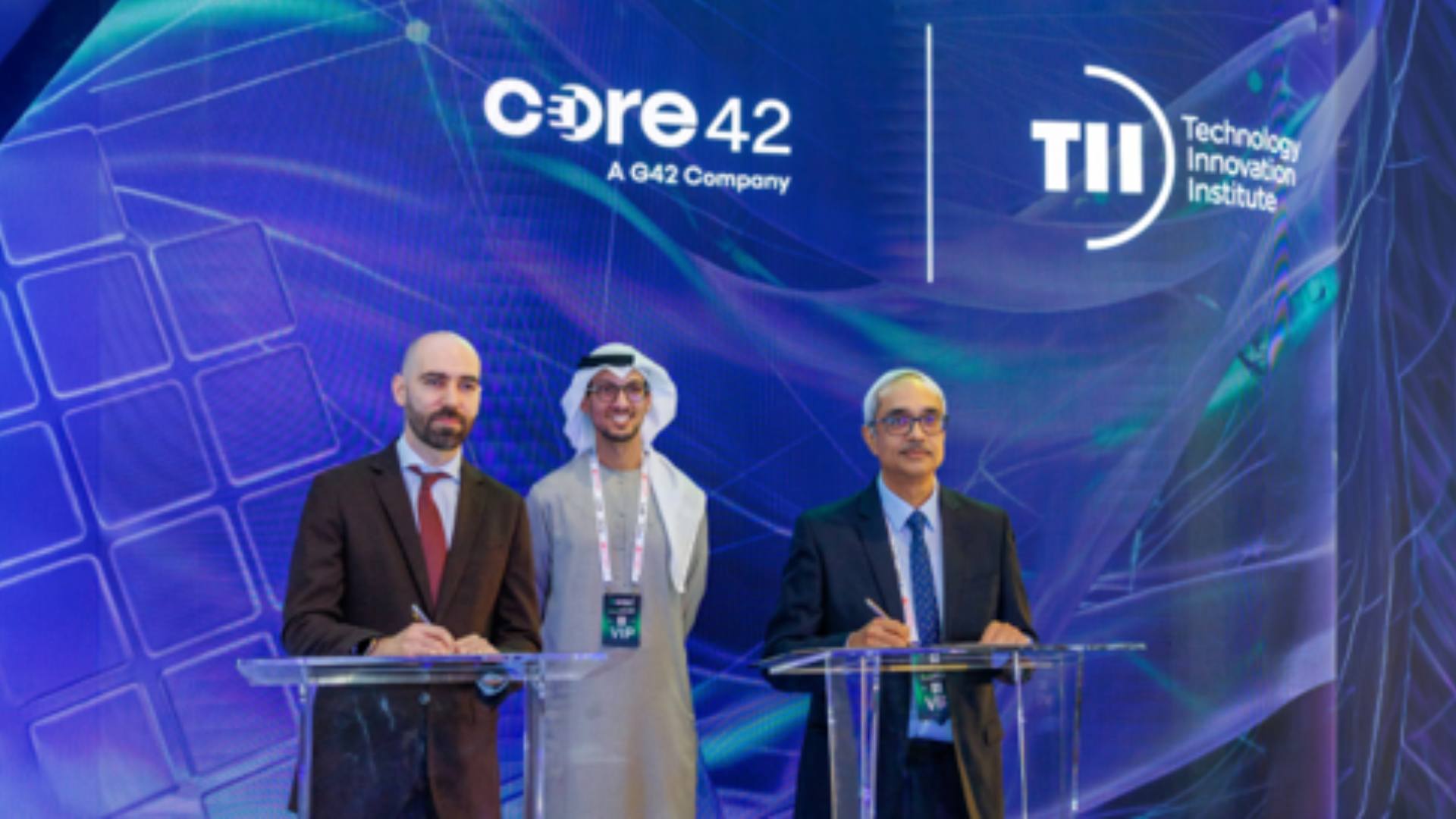
Core42, a G42 company specializing in AI infrastructure and sovereign-enabled cloud, today signed a strategic collaboration agreement with the Technology Innovation Institute (TII), the applied research arm of Abu Dhabi’s Advanced Technology Research Council (ATRC), to expand locally developed digital sovereignty and cybersecurity capabilities in the UAE. Signed at GISEC Global 2026, the agreement reflects a shared commitment to developing home-grown security capabilities and contributing to the UAE’s sovereign technology ecosystem.
The collaboration brings together Core42’s sovereign-enabled cloud and AI capabilities with TII’s cybersecurity research and technology development expertise to explore how UAE-developed security technologies can strengthen the protection, resilience and compliance of sovereign digital infrastructure and AI environments. As part of the agreement, Core42 and TII will collaborate on the co-development, evaluation, and deployment of security-enhancing technologies across Core42’s sovereign-enabled cloud and Compass, its generative and agentic AI platform. The scope includes hardware security modules, confidential computing, encrypted AI inferencing, secure key management and distribution, data protection mechanisms, encryption technologies and trusted computing capabilities.
The framework reflects a broader focus on developing critical technology capabilities within the UAE and creating pathways for home-grown innovation to address real-world cloud and AI sovereignty and security requirements. As organizations increasingly deploy sensitive data and AI workloads across cloud environments, protecting data, infrastructure, models and communications using cryptographic solutions is becoming an increasingly important component of sovereign technology architecture. The initiative also reinforces the UAE’s growing role as a center for advanced technology development, and Core42’s contribution to an ecosystem where sovereign infrastructure can increasingly be secured through technologies developed within the country.
Rajeev Nair, Senior Vice President, Special Projects, Core42, said: “Sovereignty means more than deciding where data and infrastructure reside; it is also about building the technology capabilities required to protect them from all angles. Working with TII gives us an opportunity to evaluate and advance UAE-developed sovereignty and cybersecurity technologies against the requirements of sovereign-enabled cloud and AI environments. By connecting local research and technology development with real-world platforms and use cases, we are helping build an ecosystem where the UAE is not simply adopting advanced technologies, but increasingly developing the capabilities that underpin them. This helps strengthen the country’s position as a global hub for trusted technology development.”
Dr. Victor Juan Mateu, Chief Researcher, Cryptography Research Center TII, said: “At TII, we are focused on translating advanced research into technologies that strengthen the UAE’s sovereign capabilities and address real-world security challenges. Our collaboration with Core42 creates an important pathway to evaluate and advance locally developed cybersecurity and trusted computing technologies within sovereign cloud and AI environments. By bringing together deep research expertise and real-world platforms, we can accelerate the journey from breakthrough innovation to practical deployment and contribute to a more secure and resilient technology ecosystem in the UAE.”


Al Bustan Centre & Residence concludes successful participation at Arabian Travel Market 2026

From 350+ Applications to One Champion: School of Cyber Defense Final Stage at GISEC GLOBAL 2026

Half a billion people live with arthritis: MEAF puts early action at the heart of World Arthritis Day 2026



-
News11 years ago
SENDQUICK (TALARIAX) INTRODUCES SQOOPE – THE BREAKTHROUGH IN MOBILE MESSAGING
-

 Trending11 months ago
OPPO A6 Pro 5G Review: Reliable Daily Driver
-

 Tech News2 years ago
Denodo Bolsters Executive Team by Hiring Christophe Culine as its Chief Revenue Officer
-
 VAR1 year ago
Microsoft Launches New Surface Copilot+ PCs for Business
-

 Automotive2 years ago
AGMC Launches the RIDDARA RD6 High Performance Fully Electric 4×4 Pickup
-
Tech Interviews3 years ago
Navigating the Cybersecurity Landscape in Hybrid Work Environments
-
 Tech News2 years ago
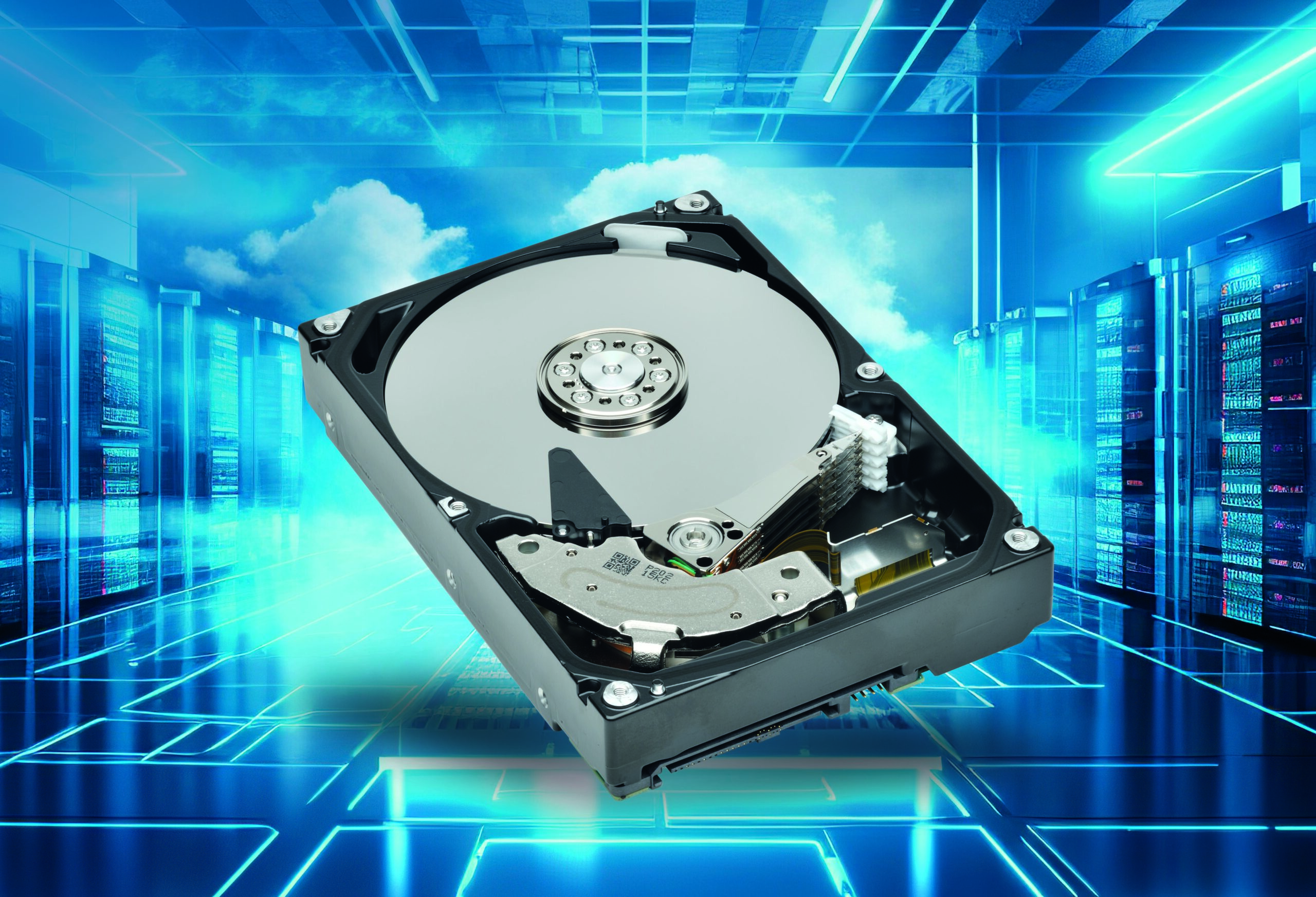
Toshiba Announces MG10-D Series of Enterprise HDDs with Capacities up to 10TB
-

 Tech News1 year ago
Nothing Launches flagship Nothing Phone (3) and Headphone (1) in theme with the Iconic Museum of the Future in Dubai