
 Have a question? +971 56 404 0503




Hospitality
Kleindienst Group launches AED1 Bn Marbella Resort Hotel, offering Coral Reef Diving and Snow Year-Round


Kleindienst Group, a leading global business conglomerate and master developer behind The Heart of Europe, announced the launch of Marbella Resort Hotel, Vignette Collection by IHG Hotels and Resorts, on the World Islands, Dubai. The AED 1 billion five-star hotel draws inspiration from the architectural marvels of the Spanish resort town of Marbella and is poised to bring the complete Costa Del Sol experience to the UAE with its distinct Andalusian-inspired design.
The hotel is surrounded by half a million square metres of 9 different types of coral reefs that house over 30 types of fish. The kilometre long raining street winds around the hotel, bringing a cooling downpour on the streets every few minutes.
Guests can experience authentic European cuisines at one its 6 restaurants: Descanso, its signature restaurant that offers Live cooking stations, Live entertainment and signature sangrias; Casa Bougainville, that offers small, somewhat delicate appearing tapas that burst with flavours and texture; The Citrus Gem with its unique café experience, offers its guests a selection of light bites, pastries, and authentic Spanish coffee; Arenda Dorada, meaning ‘beautiful sand’ is the hotel’s beach and pool restaurant that transports guests back to the idyllic beach clubs of Marbella; the Challet Sierra, hotel’s Après ski bar is further enhanced by the Snow Plaza experience, adding an extra layer of excitement and authenticity to the après-ski ambiance.
Crowning the gastronomic possibilities, is the Carmen Amaya Bodega bar, named after the famous Spanish Flamenco dancer. This venue is intended to be a hidden gem offering a unique experience as a destination for wine, cheese, and bites, in which the passion behind the Flamenco comes to life and immerses the guests into a true and authentic Spanish Bodega Bar experience. For its guests seeking wellness time out, the hotel also brings an authentic hammam experience at The Arabian spa. There is solace to be found in its cave-like architectural style and a menu of multiple massage treatments.
The property will feature various pricing options, catering to diverse preferences and requirements. Investors into the project will find it highly rewarding as well, with assured and guaranteed returns on investment of 8.33% per annum, for 12 years. With only limited units being released, and the prices on The World Islands on a continuous upward trajectory, this opportunity is likely to be extremely popular with investors from UAE and overseas markets alike.
Josef Kleindienst, Chairman of Kleindienst Group, expressed his enthusiasm about the launch, stating: “We could not be prouder of this new project. The Marbella Resort Hotel, Vignette Collection is a testament to our commitment of delivering exceptional experiences that are also true to our commitment to sustainability. We envisioned a destination that provides a unique cultural escape with experiences that are authentically Spanish, right here in Dubai. We have been conscious of our commitment to making our projects environment friendly, with employment of solar power and adoption of policies aimed at zero discharge of microplastics. This is just the beginning of our journey to redefine regional hospitality standards.”
The 150-key luxury hotel will be IHG Hotels and Resorts’ first Vignette Collection on the World Islands, and is set to bring Spanish living with its gardens that provide an oasis of calm for daily meditation, sunken courtyards, citrus and olive groves and the Après Ski bar that bring alive the magic of Andalusia. Guests at The Marbella Resort Hotel will have the option of choosing from any of the suites, chalets or cabanas that face the sea, the snow plaza or the famous raining street.
Guests can experience a distinctive boutique retreat, where beach parties, water sports, open-air sea-breeze restaurants, pristine beaches, mesmerising sunsets, vibrant coral reefs, exhilarating diving adventures, and authentic culinary delights converge seamlessly with signature spa offerings for a truly unforgettable Spanish escape.
Marbella Resort Hotel, Vignette Collection, will have the distinction of being the first hotel with private coral reefs for its guests, allowing them to explore the stunning underwater world in a truly immersive manner. Visitors will also experience snorkelling and diving. These reefs will attract diverse marine species, including angelfish, anemonefish, lionfish, and green turtles, as part of the broader coral reef master plan for The Heart of Europe.
Kleindienst Group is renowned for its commitment to creating ground-breaking and sustainable developments. With Marbella Resort Hotel, Vignette Collection, the group continues its legacy of offering unparalleled experiences. The group has sustainability as a cornerstone of its values, integrating eco-friendly practices such as 100% solar power utilization, zero microplastic discharge policies, sustainable landscaping with no pesticides or fungicides, and employment of techniques for coral breeding to aid in reef restoration and marine biodiversity conservation.












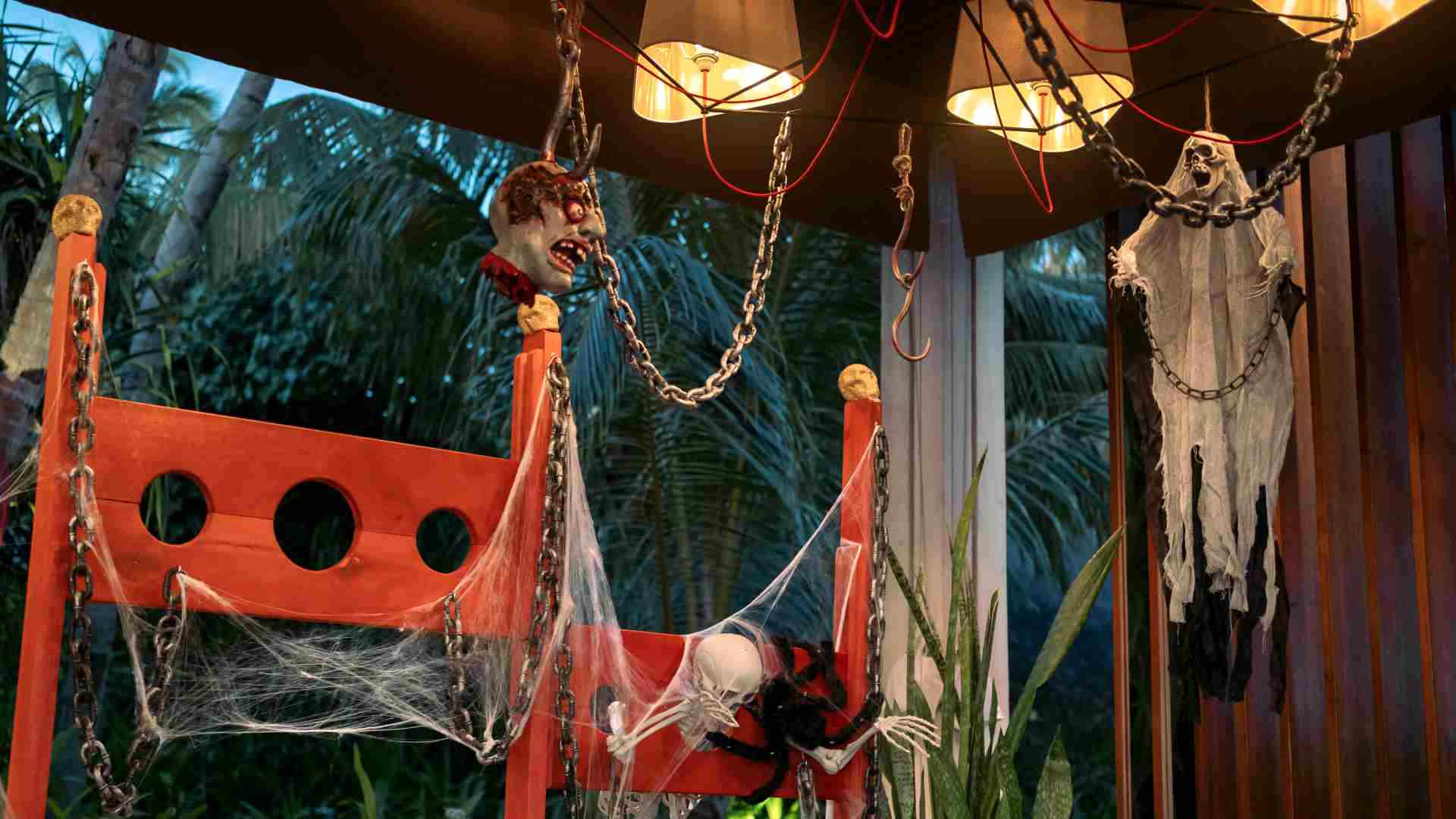
Velaa Private Island has announced The Velaa Vampire Chronicles, an eight-day Halloween takeover running from 25th October to 1st November 2026 in the Maldives’ Noonu Atoll.
For GCC travellers, the programme lands on a Halloween weekend, the 31st falls on a Saturday this year, making it a short-haul family escape at the close of the region’s October school break period.
Rather than a single themed night, the Chronicles run as a series of separate experiences, with a dedicated children’s strand across all eight days.
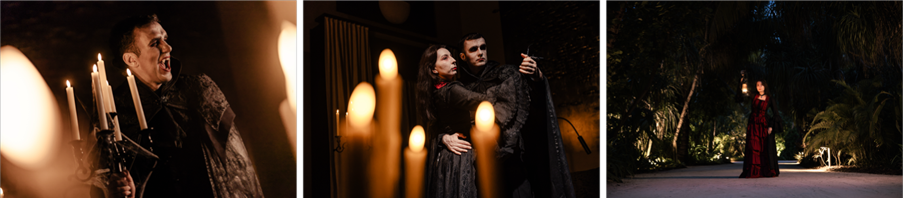
Across the resort, the weekend brings several experiences together at once. Younger guests can join the Lha Velaa Kids Club’s Little Vampires programme, while the Vampire’s Lair Escape Room and Scary Train Ride offer after-dark thrills for the whole family. Meanwhile, The Immortals’ Stage brings a night of live music and entertainment, before it all builds to the gothic-themed Halloween Gala Dinner on 31st October.
Tokey & Friends: Little Vampires
What: Tokey and his friends turn into the island’s littlest vampires, with fang-tastic games, spooky crafts and daily Halloween surprises.
When: 25th October – 1st November 2026
Where: Lha Velaa Kids Club, Velaa Private Island
The Vampire’s Lair Escape Room
What: Enter the Count’s hidden realm, follow the trail of clues and escape before darkness claims you.
When: 26th – 27th, 29th – 30th October and 1st November 2026
Where: The Velaa Coral House, Velaa Private Island
The Immortals’ Stage
What: Charly’s Angels take the stage for an evening of music, dance and live entertainment.
When: 28th October 2026
Where: Athiri Beach, Velaa Private Island
The Scary Train Ride
What: A haunting night-time journey through the island’s shadows, with vampires waiting around every corner.
When: 29th – 30th October and 1st November 2026
Where: Velaa Private Island
Age: All ages
The Halloween Gala Dinner
What: The Count’s invitation to an evening of exceptional dining and captivating performances, beneath the moonlit sky. The dress code is gothic.
When: 31st October 2026
Where: Velaa Private Island
To know more or for reservations, please visit the website https://www.velaaprivateisland.com/.
Hospitality
Accor Loyalty Pays Off: Members Spend 2.6x More, Driving Growth at Mövenpick Hotel Apartments Downtown Dubai
Subscription-based hotel loyalty is delivering measurable returns across the Accor network, according to newly compiled data from ALL Accor+ Explorer, the premium tier of Accor’s loyalty subscription line.
Explorer members now number more than 480,000 across 22 countries, including the UAE, and are driving outsized value for the hotels they stay in: 2.9 times more stays, 74% more repeat visits, and 2.6 times more spend compared to non-members. These figures rise to 4.8x and 4.1x respectively when compared against guests with no ALL Accor loyalty status at all.
Across the Accor network, Explorer members have already logged more than 3.5 million room nights and contributed €454 million in room revenue, with Asia Pacific accounting for 36% of total ALL Accor loyalty contribution, underscoring the region’s growing weight in the group’s global loyalty strategy.
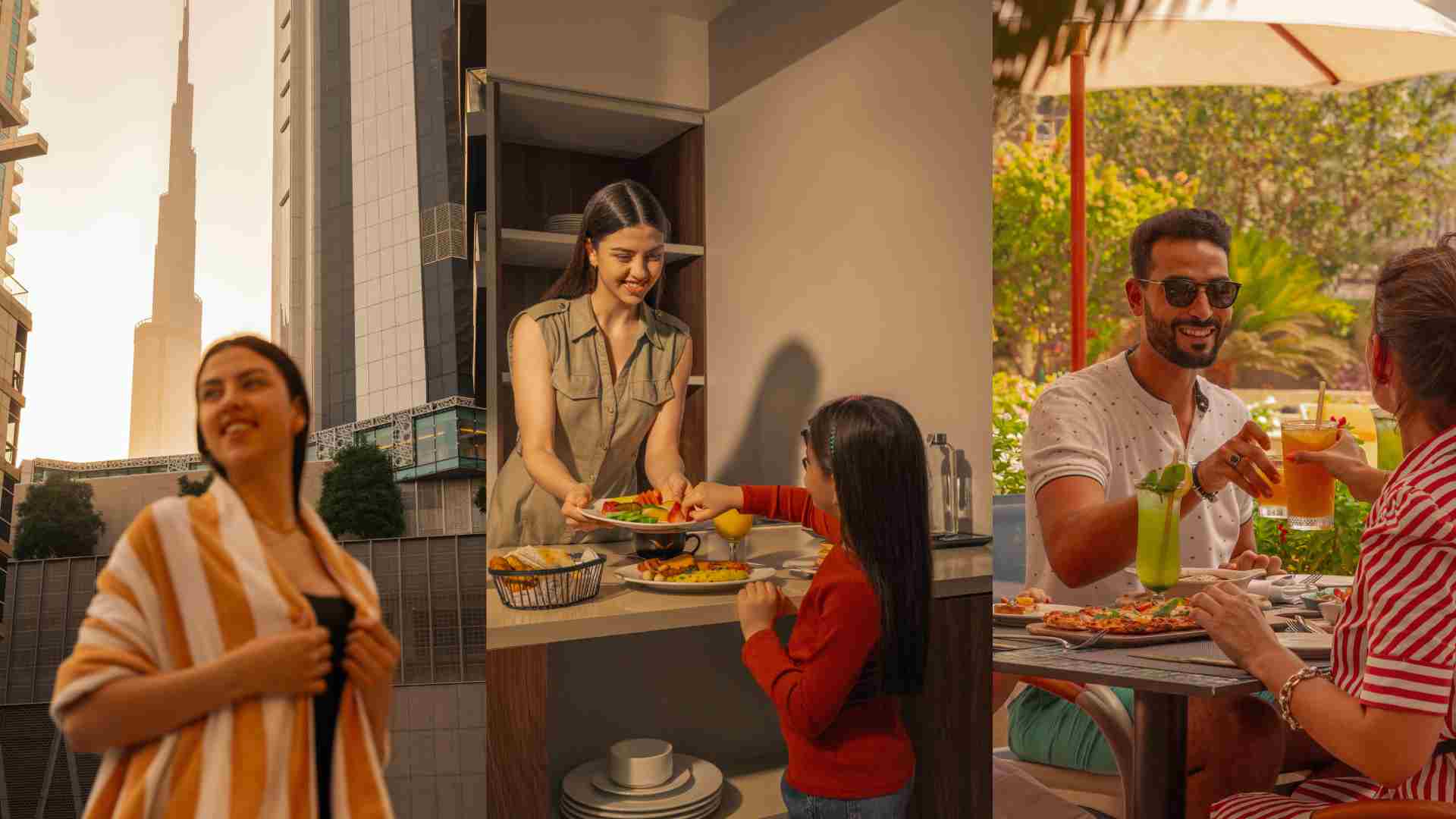
In the UAE, that momentum is playing out at a hotel level. Mövenpick Hotel Apartments Downtown Dubai, the five-star, 244-apartment property located moments from Burj Khalifa and The Dubai Mall, is among the Accor hotels offering the full suite of Explorer member benefits.
For members, that includes two complimentary Stay Plus nights every membership year, 15% off public rates at more than 4,500 Accor hotels worldwide, up to 50% off through limited-time Red Hot Rooms offers, and 30% off dining plus 15% off drinks for tables of up to ten guests. Guests can put those savings towards dining at the hotel’s Grazer Restaurant, relaxing at the Oasis Terrace & Garden restaurant, or enjoying its signature daily Chocolate Hour in the lobby.
The data adds to a broader industry conversation about the economics of hotel loyalty: as subscription models mature, hotels are increasingly finding that the depth of a guest’s engagement, not just their volume of bookings, is what drives long-term revenue.
For a destination like Downtown Dubai, where business travellers, families and long-stay guests converge around landmarks like Burj Khalifa and The Dubai Mall, that engagement is translating directly into repeat stays and higher spend at the property level.
ALL Accor+ Explorer membership is available for USD 249 annually and can be purchased via accorplus.com or directly through participating hotels, including Mövenpick Hotel Apartments Downtown Dubai.
Hospitality
Majestic Hotels Celebrates World Tourism Day with Two Decades of Dubai Hospitality and a Growing Homegrown Legacy
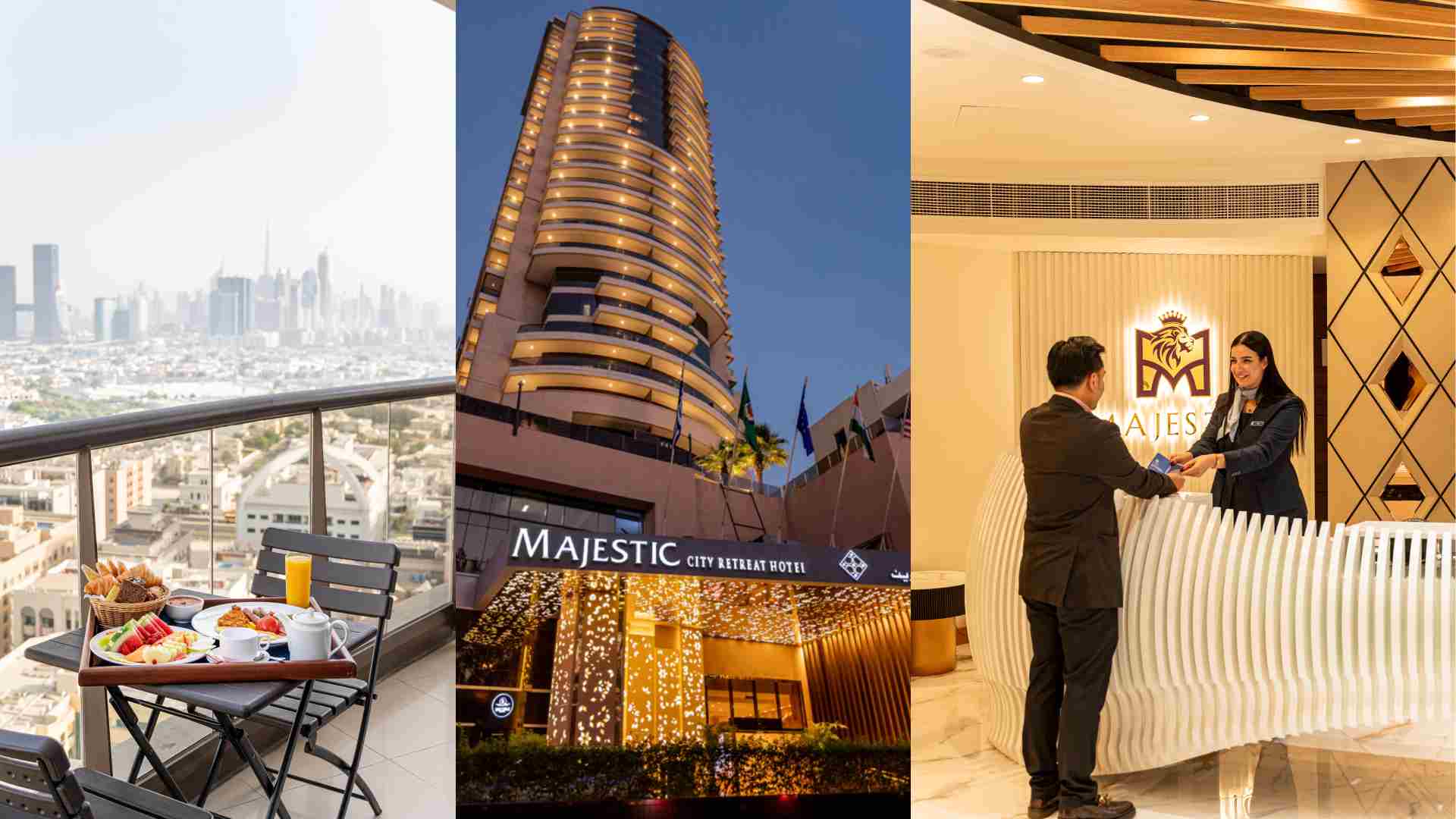
As the world comes together to celebrate World Tourism Day on Sunday, 27 September, UAE based hospitality group Majestic Hotels is marking the occasion by celebrating two decades of homegrown hospitality, meaningful guest experiences and its continued growth alongside one of the world’s most dynamic tourism destinations.
With a distinguished collection of upscale four-star properties across Dubai, including Majestic City Retreat, Majestic Premier and Majestic Cove, Majestic Hotels has built its reputation around a simple philosophy: “Make a Memory.” The tagline reflects the group’s commitment to creating stays that go beyond accommodation, connecting guests with the character, culture and energy of Dubai while giving them experiences worth remembering.
The group is celebrating a particularly significant year in 2026, marking its 20th anniversary while also expanding its portfolio with the launch of its fourth property, further strengthening its presence in Dubai’s competitive and rapidly evolving hospitality landscape.
For Majestic Hotels, the milestone reflects not only the growth of its portfolio, but also the evolution of Dubai itself. Over the past two decades, the city has transformed into one of the world’s leading destinations for leisure, business, retail, gastronomy and international events, welcoming millions of visitors from around the globe.
A Homegrown Hotel Group Rooted in Dubai Strategically located across Dubai, Majestic Hotels’ properties provide guests with convenient access to the city’s key attractions, transport links and business districts.
The group’s hotels place visitors within easy reach of some of Dubai’s most iconic cultural and leisure landmarks, including Meena Bazaar, Dubai Frame, the Gold and Spice Souqs, Dubai Museum, Dubai Creek, Dubai Mall and Dubai World Trade Center. Convenient access to metro connections and Dubai International Airport also makes the properties well suited to both international leisure travellers and business guests.
This balance between contemporary comfort and Dubai’s cultural heritage is central to the Majestic Hotels experience. Rather than simply offering a place to stay, the group encourages guests to explore the city, discover its neighbourhoods and create their own Dubai stories.
The result is a hospitality proposition that combines the comfort expected from an upscale four-star hotel with a distinctly local sense of place.
Looking ahead to Dubai’s Q4 Tourism Season
World Tourism Day also comes at an important point in Dubai’s annual tourism calendar, as the city prepares to enter its traditionally vibrant Q4 season.
With cooler weather bringing increased opportunities for outdoor experiences, cultural exploration, shopping, dining and entertainment, the final quarter of the year is a particularly important period for Dubai’s hospitality sector. The season also brings a diverse mix of international visitors, families, business travellers and returning residents to the city.
For Majestic Hotels, the upcoming season represents an opportunity to welcome both first-time visitors discovering Dubai and returning guests looking to experience the city from a familiar base.
From exploring historic Dubai Creek and the traditional souqs to visiting world-renowned attractions, shopping destinations and major business and entertainment venues, guests staying at Majestic Hotels can experience the many sides of Dubai within easy reach of their hotel.
As the group enters its third decade, its focus remains firmly on the guest experience, creating comfortable stays, meaningful connections and memories that encourage visitors to return.
Twenty years of making memories
For 20 years, Majestic Hotels has grown alongside Dubai, evolving with the city’s tourism landscape while maintaining its identity as a homegrown hospitality group.
Its latest expansion in 2026 marks another milestone in that journey, bringing the portfolio to four properties and opening a new chapter for the group.
As Dubai continues to attract visitors seeking authentic experiences alongside world-class hospitality, Majestic Hotels is looking to the future with a clear ambition: to continue growing while remaining deeply connected to the destination that has shaped its story.
This World Tourism Day, the message is simple: travel may take guests to new places, but it is the memories they create that bring them back, and for Majestic Hotels, every stay is an invitation to “Make a Memory”.


VELAA PRIVATE ISLAND ANNOUNCES THE VELAA VAMPIRE CHRONICLES FOR HALLOWEEN 2026

Accor Loyalty Pays Off: Members Spend 2.6x More, Driving Growth at Mövenpick Hotel Apartments Downtown Dubai

Majestic Hotels Celebrates World Tourism Day with Two Decades of Dubai Hospitality and a Growing Homegrown Legacy



-
News11 years ago
SENDQUICK (TALARIAX) INTRODUCES SQOOPE – THE BREAKTHROUGH IN MOBILE MESSAGING
-

 Trending11 months ago
OPPO A6 Pro 5G Review: Reliable Daily Driver
-

 Tech News2 years ago
Denodo Bolsters Executive Team by Hiring Christophe Culine as its Chief Revenue Officer
-
 VAR1 year ago
Microsoft Launches New Surface Copilot+ PCs for Business
-

 Automotive2 years ago
AGMC Launches the RIDDARA RD6 High Performance Fully Electric 4×4 Pickup
-
Tech Interviews2 years ago
Navigating the Cybersecurity Landscape in Hybrid Work Environments
-

 Tech News1 year ago
Nothing Launches flagship Nothing Phone (3) and Headphone (1) in theme with the Iconic Museum of the Future in Dubai
-

 VAR2 years ago
Samsung Galaxy Z Fold6 vs Google Pixel 9 Pro Fold: Clash Of The Folding Phenoms