The GCC’s assets under management (AuM) surged to $2.2 trillion in 2024, marking a 9% growth from 2023, according to Boston Consulting Group’s (BCG) latest Global Asset Management Report: From Recovery to Reinvention. This milestone reflects the region’s expanding role in global finance, with Saudi Arabia and the UAE driving retail mutual fund growth, and Kuwait and Abu Dhabi’s sovereign wealth funds (SWFs) managing the largest asset volumes.
Regional Leaders Driving Growth
Saudi Arabia and the UAE continue to lead in retail mutual funds, supported by strong market demand and diversified investment strategies. Meanwhile, Kuwait and Abu Dhabi dominate in SWF management, leveraging their scale for strategic global investments.
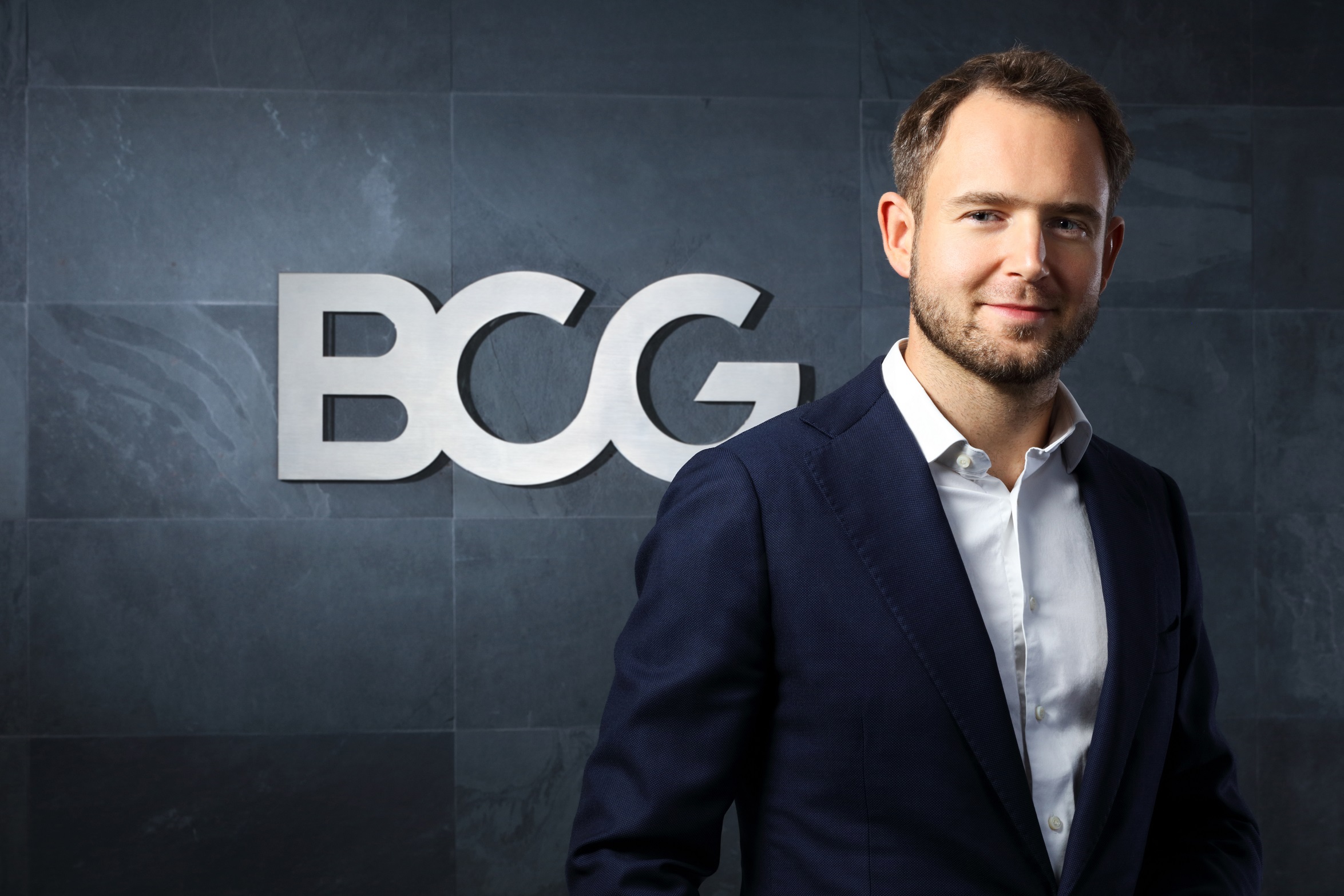
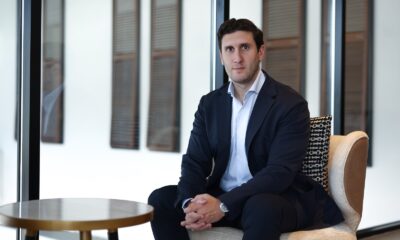
Lukasz Rey, Managing Director & Partner and Middle East Head of Financial Institutions at BCG, noted that this growth underscores the GCC’s rising prominence:
“The next decade’s leaders will be those who redefine their future, not just endure challenges… Saudi Arabia and the UAE anchor regional momentum, while SWF dominance signals the potential for local asset managers to rival global giants.”
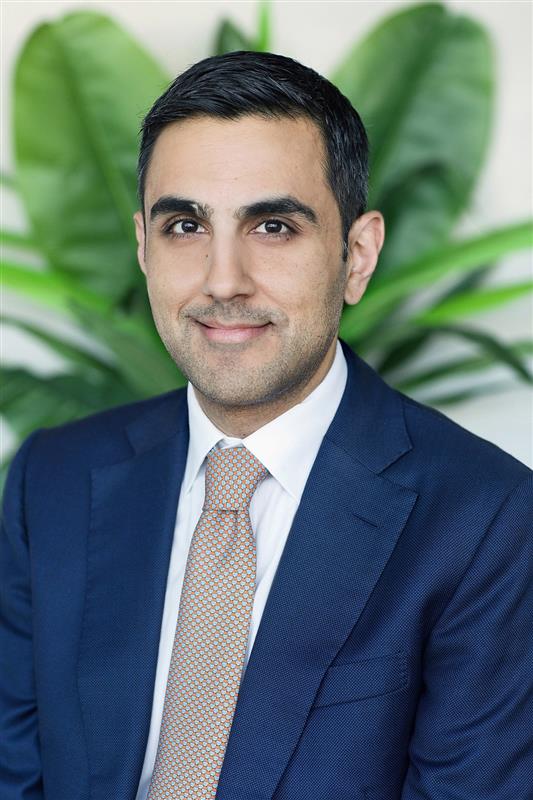
Mohammad Khan, Managing Director & Partner at BCG, added:
“The GCC’s asset management industry has demonstrated remarkable resilience and strategic growth, achieving $2.2 trillion in Assets Under Management (AuM) in 2024. With Saudi Arabia and the UAE driving retail mutual fund expansion and Kuwait and Abu Dhabi leading in sovereign wealth fund dominance, the region is steadily establishing itself as a global financial powerhouse…”
Key Drivers and Opportunities:
The report attributes 2024’s revenue growth primarily to market performance, highlighting the industry’s sensitivity to external forces. Three global trends are shaping the future of asset management:
1-New Products for Changing Investor Demands
Asset managers have an opportunity to expand active exchange-traded funds (ETFs), model portfolios, and separately managed accounts. The retail private assets market—already over $300 billion—presents strong growth potential, though it requires simplified design, regulatory navigation, and better investor education.
2-Consolidation and Digital Transformation
Strategic partnerships and M&A are enabling firms to gain scale and boost technology capabilities. Larger asset managers can leverage operational synergies, while smaller players must adopt leaner, tech-driven models to remain competitive.
3-Cost Discipline with AI Integration
AI, including generative AI, is transforming front-to-back-office operations. From process automation to complex asset management, technology is enhancing efficiency, particularly for illiquid and alternative assets.
A Resilient Market Outlook
Nabil Saadallah, Managing Director & Partner at BCG, emphasized that consistent 9% growth across the GCC reflects a resilient market, where pension funds and SWFs are “quietly reshaping the region’s financial architecture.”
The growing focus on cost discipline, value creation, and advanced technology investment positions the GCC to strengthen its global standing.
With strategic diversification, technological adoption, and disciplined growth, the GCC asset management industry is poised to rival global leaders in the coming decade.
Responses attributed to Amr Kandel, GCC Country Manager and Product Director, Fimple
How is the shift towards cloud-native core banking changing the way financial institutions in the GCC approach technology modernisation?
The biggest change is that banks are moving away from the idea that modernisation has to mean replacing everything at once.
In the GCC, we’re seeing more interest in a progressive approach, introducing new products, capabilities or customer journeys while continuing to use existing systems where they still make sense. Cloud-native and composable architecture makes that much more practical.
Unlike systems that are simply moved from on-premises infrastructure into the cloud, cloud-native architectures are designed so that capabilities can be deployed, updated and scaled more independently. This allows institutions to upgrade selected areas without having to tie every change to a large transformation programme.
GCC institutions also have to consider regulatory requirements, data governance and local market needs. It is not simply about moving systems to the cloud. Banks need to decide where data and capabilities should sit, how they are governed and how the overall environment remains resilient.
What are some of the key technology limitations of legacy core banking systems that GCC banks are looking to overcome today?
There are a few challenges that come up quite consistently.
The first is speed. Many legacy platforms were designed around batch processing, so getting a current view of the customer or making decisions in real time can be difficult.
The second is fragmented data. Customer information and banking capabilities can sit across different systems for deposits, lending, payments, cards and other services. That creates complexity and makes it harder to deliver a consistent customer experience.
The third is product agility. With heavily customised and hard-coded systems, launching a new product or changing an existing one can take months.
And finally, there is integration. When every new fintech, payment provider or ecosystem partner requires another point-to-point integration, the technology environment becomes harder to manage.
For GCC institutions, the challenge is not simply to replace an old system. It is to reduce dependencies and create a more flexible foundation that makes integration, localisation and regulatory change much easier to manage.
Fimple takes an API-first approach to core banking. How does this architecture help financial institutions integrate emerging technologies and third-party services more efficiently?
In an API-first architecture, integration is part of the platform from day one rather than something added afterwards.
At Fimple, core banking capabilities such as accounts and deposits, lending, payments and limits can be accessed through APIs. That makes it much easier for financial institutions to connect channels, fintech partners, wallets, payment providers and other services.
These services are designed to be accessible and reusable. Instead of building a completely different integration every time a new partner comes in, institutions can use the same underlying architecture and governance model.
This approach is particularly relevant in the GCC because every market has its own ecosystem and local requirements. Banks need the flexibility to connect to local payment infrastructures, regulatory services and fintechs without rebuilding their core every time.
As banks increasingly adopt AI and automation, what role does a modern core banking platform play in enabling these technologies at scale?
AI is moving from something that sits around the bank to becoming part of how it operates.
Today, many institutions already use AI for functions like customer assistants, fraud detection, document processing or analytics. However, scaling AI requires a strong foundation underneath it.
AI needs access to accurate and timely data, clearly defined business rules and secure ways to interact with banking capabilities, with the right controls and human oversight.
At Fimple, we see the next step as agentic AI interacting with banking capabilities through secure APIs and controlled workflows. An AI agent could, for example, support an onboarding process, assist with servicing, or work within a lending or payment process while the bank still controls what the agent is allowed to do.
The goal is not simply to make a core banking platform AI-enabled. The real opportunity is to build a platform that is AI-ready by design.
How important is interoperability in the GCC financial ecosystem, particularly as banks, fintechs and digital financial platforms become increasingly connected?
Banks, fintechs, wallets, payment providers and digital platforms across the GCC are becoming more connected, and customers expect their experiences to work together.
For financial institutions, that means the ability to work securely with partners is becoming a business capability, not just an IT requirement.
There is also an important GCC dimension here. The GCC may be viewed as one market from a broader economic perspective, but each country has its own regulatory environment, payment infrastructure and requirements. Institutions need a common foundation that can still accommodate those differences.
This is where composable, API-led architecture can help. Institutions can connect capabilities, launch new propositions and adapt to local requirements without redesigning the entire banking platform each time.
Ultimately, interoperability gives financial institutions the flexibility to participate in the wider ecosystem rather than trying to build everything themselves.
Businesses buying or selling companies in the UAE are finding that the transaction itself, rather than their existing operations, brings them within the global minimum tax. That is the central finding of the latest ‘Deals Decoded’ publication from Dhruva, a Ryan LLC affiliate, on how the rules influence what a business is worth, how a deal is structured and when it should complete.
The global minimum tax, known internationally as Pillar Two, was agreed by more than 140 countries and jurisdictions through the Organisation for Economic Co-operation and Development. It requires the largest international groups to pay at least 15% tax on profits earned in every country where they operate, with any shortfall, known as a top-up tax, becoming payable. The UAE adopted it through Cabinet Decision No. 142 of 2024, effective for financial years beginning on or after 1 January 2025, and collects the shortfall on UAE profits locally rather than ceding it abroad.
The rules apply only to groups with worldwide revenue of at least EUR 750 million, approximately USD 860 million, in two of the previous four years. Many UAE businesses have concluded this places them safely outside. Dhruva identifies four points at which a transaction changes that assessment.
The first is scale. When two groups combine, their revenues are assessed together. A buyer with EUR 500 million of revenue acquiring a business with EUR 300 million enters the regime on completion, though neither neared the threshold alone.
“The threshold test is where most boards are caught out,” said Nimish Goel, Leader, Middle East Dhruva, A Ryan LLC Affiliate. “Two mid-sized businesses, each outside the regime, combine and find themselves inside it from day one. This is routinely delegated to the finance function when it belongs with those setting the price. Established at screening stage, the analysis costs little. Discovered after signing, it is hard to reverse.”
The second is timing. The tax is calculated annually on a country-wide basis and does not divide when ownership transfers, so a business being sold stays within the seller’s figures until legal completion, whenever the buyer assumes commercial risk. Completing on the first day of a financial year removes the problem.
The third is visibility. A group’s UAE companies are assessed together rather than individually, so a target cannot be evaluated in isolation.
“A business has no tax position of its own while it remains inside a seller’s group,” said Bhakti Thakker, Partner, Mergers and Acquisitions and International Tax at Dhruva, A Ryan LLC Affiliate. “The rate is an average across every company the seller holds in that country, so the buyer is pricing something it cannot fully see. Companies in the same country may also be required to settle one another’s liability, which a warranty does not address. The contract needs a defined section on who prepares the calculation, who bears the cost, and how it settles once figures are final.”
The fourth is the acquisition premium. Where a buyer pays more than the accounting value of a business, part of that cost is ordinarily written off over time, reducing taxable profit. The global minimum tax rules largely disregard those write-offs, leaving taxable profit higher than expected.
Two further developments narrow the margin. The allowance groups receive for genuine operations in a country, based on employment costs and physical assets, reduces annually by design, from 9.6% and 7.6% respectively in 2025 to 9.4% and 7.4% in 2026, and 5% each by 2033. A transitional simplification sparing some groups the full calculation ends for financial years beginning on or after 1 January 2027.
Ownership structure is decisive for sovereign wealth funds and private equity investors. Government bodies fall outside the rules, but that status does not extend to the companies they hold, and where investments sit beneath a holding company that is not a government body, the whole group is in scope.
Dhruva recommends four steps ahead of any transaction. Buyers should test the combined revenue threshold when a target is first identified, not during contract negotiation, and model the tax as a cash cost in financial projections, allowing for the reducing allowance. Sellers should prepare tax records for inspection in advance, since a position that cannot be evidenced invites a price reduction. Both should review insurance cover, which frequently excludes a risk already identified during due diligence. “Businesses that address this early are negotiating from a position of information. Those that do not are negotiating on assumption,” concluded Bhakti.
Al Masraf has entered a strategic partnership with Sukoon Insurance PJSC and Sukoon Takaful PJSC, bringing together the Bank’s banking capabilities and Sukoon’s insurance and takaful expertise to offer customers access to a broader range of protection and insurance solutions.
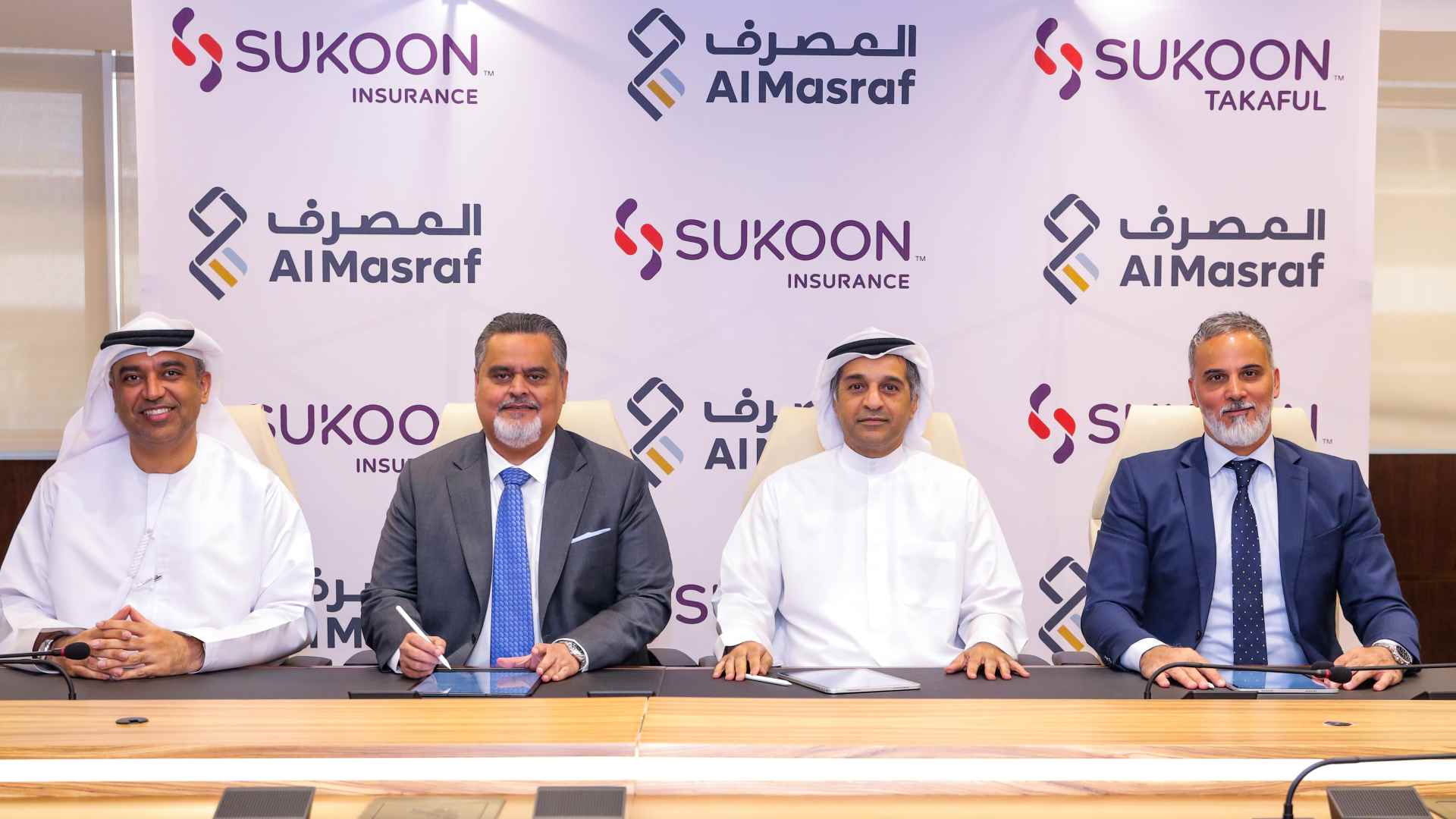
The partnership was formalized during a signing ceremony attended by senior leaders from Al Masraf, Sukoon Insurance and Sukoon Takaful, marking an important milestone in the Bank’s efforts to strengthen its offerings and provide customers with more comprehensive financial solutions through trusted partners.
Under the strategic partnership, Sukoon Insurance and Sukoon Takaful will join hands with Al Masraf, enabling the Bank to offer customers access to a range of insurance and takaful solutions designed to meet the evolving protection needs of individuals and businesses.
The collaboration brings together Al Masraf’s established banking platform and customer relationships with Sukoon’s extensive insurance expertise and distribution capabilities. It reflects a shared commitment to delivering greater choice, convenience and value to customers while supporting their broader financial wellbeing.
Fuad Mohamed, Chief Executive Officer of Al Masraf, said: “Our partnership with Sukoon Insurance and Sukoon Takaful reflects our commitment to building an ecosystem of trusted partners that enables us to offer our customers more complete financial solutions.”
He continued: “Insurance and protection are an important part of long-term financial wellbeing, and through this collaboration, we are bringing together the strengths of leading organizations to provide greater choice and convenience to our customers. We look forward to building a strong and successful partnership with Sukoon as we continue to enhance the overall customer experience at Al Masraf.”
Ahmad Yousuf, Chief Retail Banking Officer of Al Masraf, said: “This partnership is an important step in bringing greater choice and convenience to our customers by making relevant insurance and takaful solutions more accessible through their strategic relationship.”
He added: “Sukoon’s strong market expertise and customer-focused approach make them a valuable partner for Al Masraf, and we look forward to working closely together to deliver solutions that are simple, relevant, and aligned with our customers’ needs.”
With operations spanning all Emirates in the UAE and Oman, Sukoon Insurance is among the UAE’s leading insurance providers. Sukoon serves businesses and individuals through a broad distribution network comprising branches, brokers, agencies, e-commerce platforms and a dedicated call centre.
Sukoon Takaful PJSC is one of the UAE’s leading takaful providers. The company provides general and family takaful solutions designed to meet the protection needs of individuals and businesses, supported by a strong capital base and disciplined approach to risk.
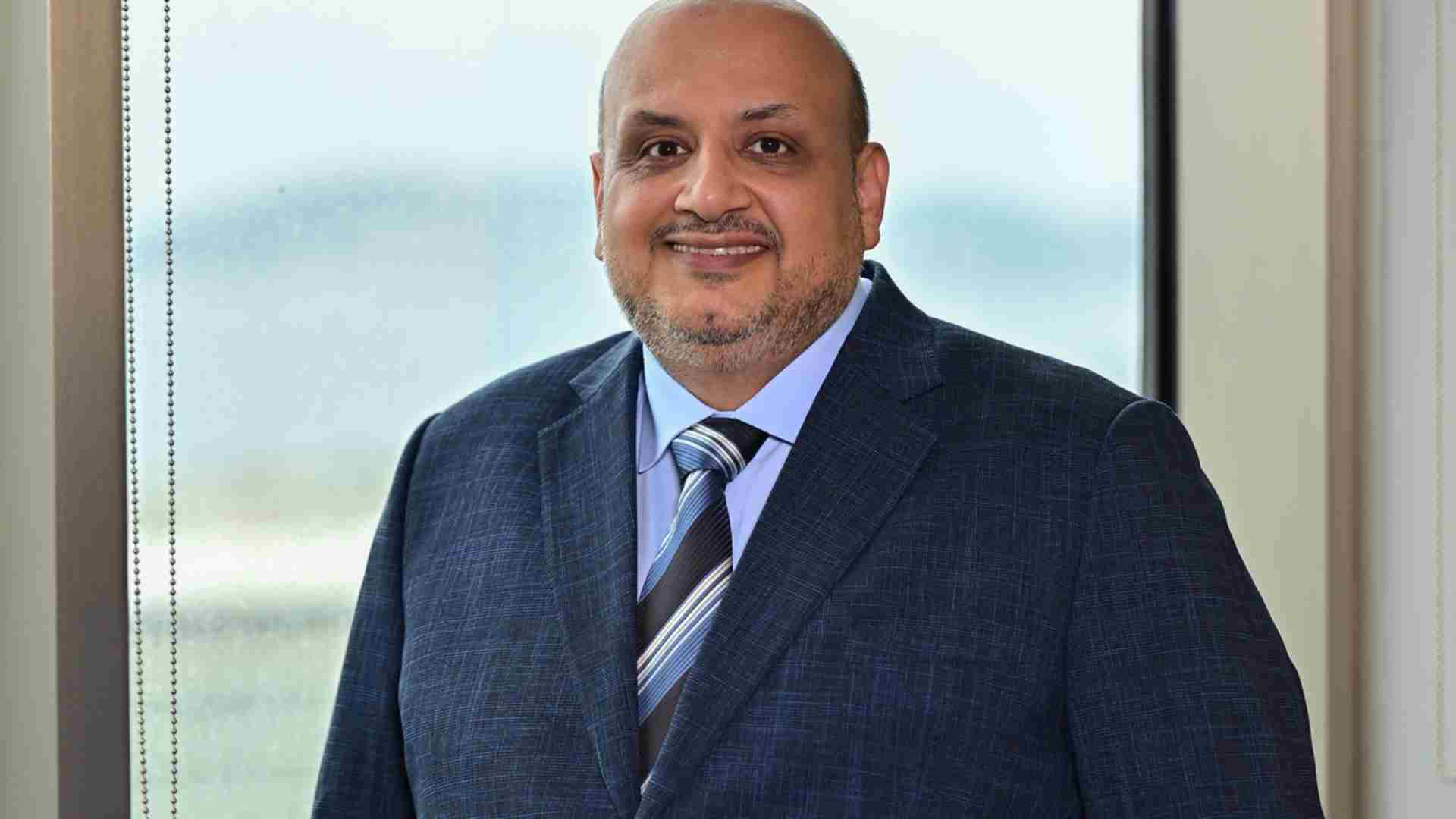
Commenting on the partnership, Hammad Khan, Interim CEO and Chief Financial Officer at Sukoon Insurance, said, “We are pleased to partner with Al Masraf as this collaboration reflects our shared commitment to help customers access protection solutions through convenient and trusted channels. By combining Al Masraf’s strong customer relationships and banking expertise with Sukoon’s insurance capabilities, we aim to deliver greater value, broader choice and an enhanced customer experience for individuals and businesses across the UAE.”
He added, “Alongside Sukoon Insurance’s product offering, our subsidiary Sukoon Takaful will provide Shariah-compliant takaful solutions to Al Masraf customers, enabling us to deliver a comprehensive suite of protection solutions tailored to different customer preferences and needs.”
Ahmed Abushanab, Chief Executive Officer of Sukoon Takaful, said, “Partnering with Al Masraf is an important opportunity to bring accessible Sharia-compliant Takaful solutions to more customers. As Al Masraf marks 50 years of serving its customers, we are pleased to join them during this significant milestone as we build a partnership focused on providing relevant protection solutions that support customers’ financial needs and offer greater peace of mind.”
The signing ceremony brought together senior representatives from both organizations. Representing Sukoon were Hammad Khan, CFO & Interim CEO, Sukoon Insurance; Ahmed Abushanab, CEO, Sukoon Takaful; Aditya Kulkarni, Executive Vice President, Head of Distribution UAE; Ashish Kumar Singh, Head of Bancassurance and Affinity; Dexter Fernandes, Head of Bancassurance Distribution and Partnership; and Mostafa Adel, Head of Bancassurance Distribution and Partnership.
Representing Al Masraf was Fuad Mohamed, Chief Executive Officer; Ahmad Yousuf, Chief Retail Banking Officer, Shaimaa Higazy, Products Unit Head; and Rojeh Ghassan, AVP Products unit. The strategic partnership reinforces Al Masraf’s focus on expanding its financial services ecosystem and developing partnerships that support customers across their broader financial journeys.
Through the collaboration with Sukoon Insurance and Sukoon Takaful, Al Masraf will continue to explore opportunities to enhance its customer offering and deliver relevant insurance and takaful solutions to its customers.
-END-
About Al Masraf
Founded in 1976, under Federal Decree No. 50, signed by His Highness Sheikh Zayed Bin Sultan Al Nahyan, Al Masraf (Arab Bank for Investment & Foreign Trade) is a trusted UAE financial institution with a distinguished legacy of supporting trade, investment and economic development. Built on long-standing relationships, deep market expertise and a commitment to personalized service, the Bank serves corporations, businesses, individuals and families through tailored financial solutions designed to meet their evolving needs.
Guided by its promise of “Empowering Future Legacies,” Al Masraf is advancing a new phase of growth focused on deepening client relationships, enhancing banking experiences and delivering future-ready financial solutions. As a progressive, connected and trusted financial partner, the Bank combines proven expertise with responsible innovation to create lasting value for clients, support sustainable prosperity and contribute to the UAE’s long-term economic ambitions.
The Bank delivers integrated banking solutions through its Wholesale Banking and Retail Banking franchises, combining sector expertise, relationship-led Corporate and Financial Institutions coverage, transaction banking, financing, capital solutions and risk management capabilities to support clients’ growth ambitions and contribute to the UAE’s economic development.
Established in 1975, Sukoon Insurance PJSC (“Sukoon”) – a public stock company – is among the leading insurance providers in the UAE. Sukoon provides a range of comprehensive insurance solutions for motor, life, health, and general (property, energy, engineering, aviation, marine, and liability) needs to its 1.6 million insured members. Sukoon’s operations span across Oman and all Emirates in the UAE.
Sukoon is committed to providing outstanding insurance solutions which help create and protect wealth and wellbeing. The Dubai-based company stays true to its vision by serving businesses and individuals with a team of over 700 professionals through an intensive distribution network of branches, brokers, bancassurance partners, agencies, e-commerce platforms, and a dedicated call centre.
In 2025, Sukoon registered gross written premiums (GWP) of AED 7 billion. With a solvency ratio of 275 percent and exemplary ratings from Standard and Poor’s (A rated) and Moody’s (A2 rated), it clearly demonstrates its financial soundness, robustness in risk management processes, effective governance, and ability to serve its clients effectively in the long run.
At its core, the Company is customer-centric, with a keen devotion towards providing exceptional services. Its priority has always been to build long-term relationships with its clients with their delight as its non-negotiable objective.
Put simply, Sukoon wants to continue reinforcing its position as a reference for other insurers in the region for exemplary customer service.

 Have a question? +971 56 404 0503






















 Trending11 months ago
 Tech News2 years ago

 Automotive2 years ago

 Tech News1 year ago