
 Have a question? +971 56 404 0503




Tech News
Vertiv announces Agreement to Acquire King Environmental Services Ltd., Expanding Global Fluid Management Services

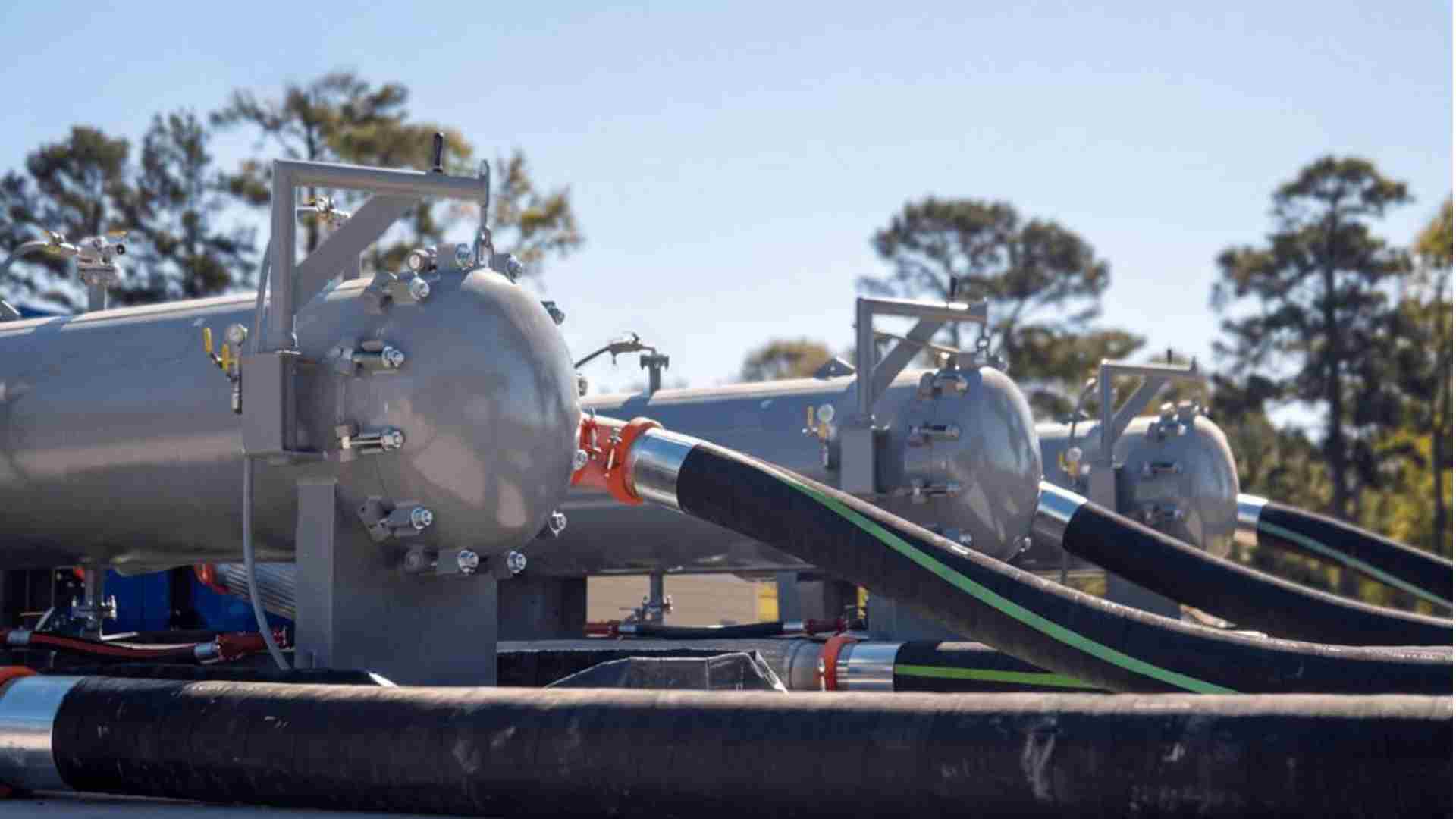
Vertiv Holdings Co (NYSE: VRT), a global leader in critical digital infrastructure, today announced that it has entered into an agreement to acquire King Environmental Services Ltd. (KES), a Europe-based provider of fluid management, commissioning and load-testing services for high-density, liquid-cooled data centers and other applications.
The acquisition is expected to expand Vertiv’s global thermal management services capabilities into Europe, Middle East and Africa (EMEA) and advance its strategy to support customers across the thermal chain. KES adds specialized fluid management, commissioning and load-testing capabilities spanning system preparation, performance validation, monitoring, maintenance and lifecycle optimization.
The transaction builds on Vertiv’s established North American fluid management presence, including its 2025 acquisition of PurgeRite, and represents the next step in expanding its global thermal and fluid management services platform. By combining KES’s regional field expertise and load-testing capabilities with Vertiv’s broader services portfolio, the company expects to provide more comprehensive support as customers deploy and operate complex AI and high-density infrastructure with greater reliability, efficiency and accountability.
“As computing density increases, the performance of cooling and power infrastructure will depend as much on execution in the field as on engineering and system design,” said Gio Albertazzi, CEO of Vertiv. “Our acquisition of PurgeRite, in December of 2025, established an important fluid management foundation in North America, and KES is expected to build on that foundation in EMEA. Together, these acquisitions advance our strategy to provide the specialized expertise and disciplined execution customers need as they deploy increasingly complex infrastructure at scale.”
That need for disciplined execution is particularly important as high-performance computing and AI workloads increase heat densities and accelerate the adoption of liquid cooling. In these systems, fluid quality is critical to uptime, thermal performance and equipment life. Contamination, trapped air, corrosion, improper chemistry and flow imbalances can reduce heat-transfer efficiency, contribute to equipment degradation and create commissioning and operational risks. Beyond initial commissioning, customers need lifecycle fluid management services to support system availability, thermal performance, equipment longevity and operational economics.
KES has built a strong reputation in Europe based on its technical specialization, experienced field teams, established operating infrastructure and safety culture. Its capabilities include fluid-system preparation, flushing, filtration, water treatment, commissioning and performance validation. KES also provides thermal load testing for liquid cooling infrastructure and electrical load testing for critical power systems.
Together, Vertiv and KES are expected to deliver significant customer benefits from an expanded set of capabilities designed to:
- Reduce operational complexity through a single accountable partner for commissioning, testing, fluid management and ongoing operations;
- Improve cooling system performance with clean, balanced and validated fluid systems that support optimal heat transfer and equipment efficiency;
- Maintain compliance with regional fluid handling, treatment and disposal requirements; and
- Increase confidence in infrastructure readiness through thermal load testing before facilities enter operation.
KES is headquartered near Dublin, Ireland, and serves customers across the EMEA region. The transaction is expected to close in the fourth quarter of 2026. The financial terms were not disclosed and are not expected to be material to Vertiv’s financial results.
For more information about Vertiv’s portfolio of power and thermal management products, infrastructure solutions, IT systems and services for critical digital applications, visit Vertiv.com.
Tech News
MECSR hosts ‘Retail Congress MENA 2026’ as Industry leaders discuss AI and Retail’s Future
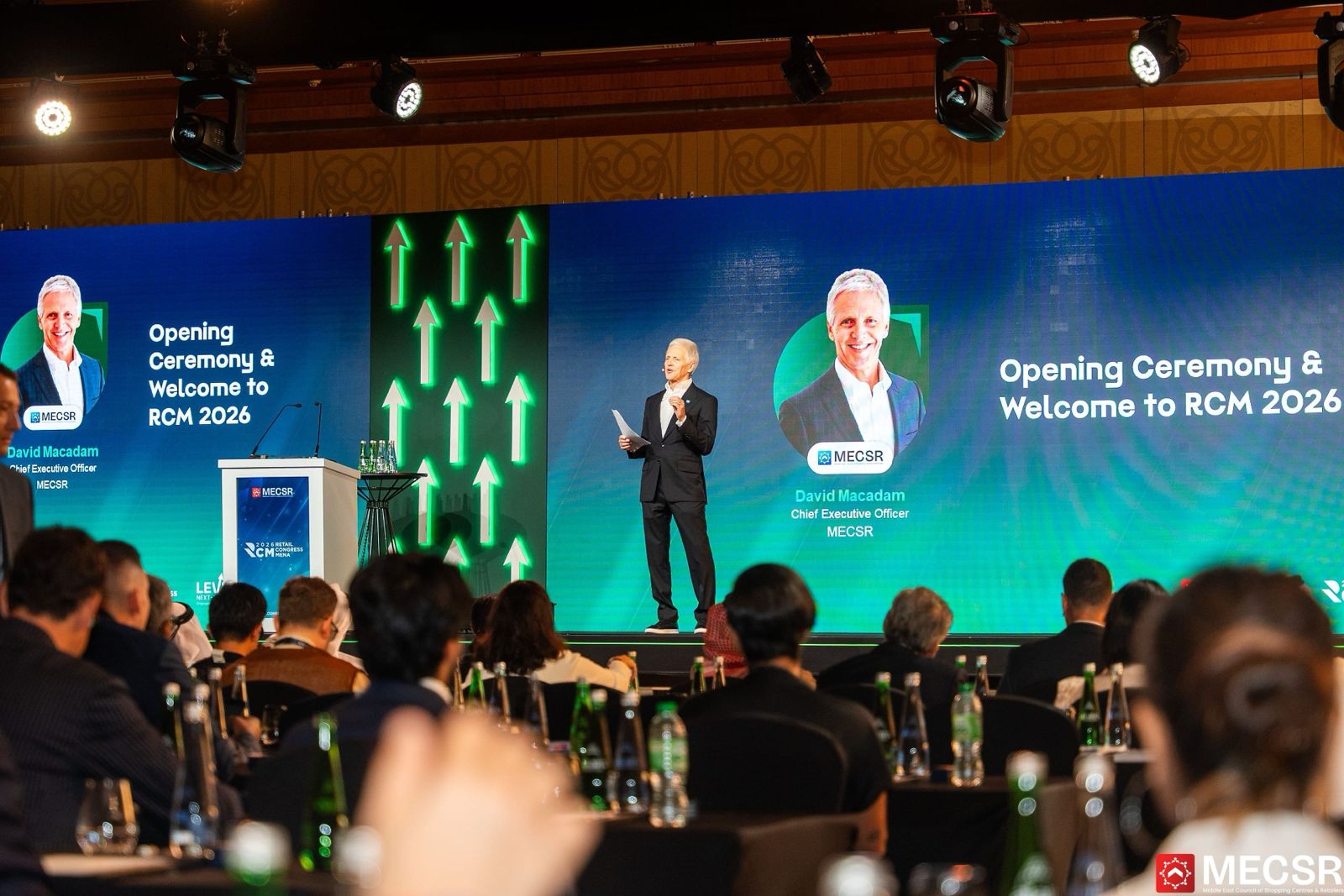
AI, leadership, the future of retail and Dubai’s Retail and Tourism Agenda took centre stage on day one of ‘Retail Congress MENA 2026’, as retail leaders, shopping centre and real estate professionals from the region gathered at Ritz-Carlton, DIFC, Dubai on Monday to exchange insights on the trends, challenges and opportunities shaping the next chapter of MENA’s retail industry.
The two-day congress, organized by the Middle East Council of Shopping Centres & Retailers (MECSR) is taking place on 5th-6th October under the theme ‘Level Up: Empowering Tomorrow’s Leaders Today’.
The opening featured a series of keynote sessions, panel discussion and thought-provoking industry conversations focused on leadership, innovation, technology and the evolving expectations of today’s consumers and their impact on the retail market.
The event began with the opening remarks by David Macadam, CEO, MECSR; Richard Dean, Master of Ceremonies followed by Dr. Younis Al Mulla, Chairman, MECSR and Ayman Alburti, Board President, MECSR; CEO, Azad Properties, MECSR / Azad Properties.
The event kicked off with an insightful session titled ‘Dubai’s Retail and Tourism Agenda: The View from the City’ featuring Mohammed Feras Arayqat, Vice President, Retail Calendar and Promotions, Dubai Festivals and Retail Establishment (DFRE).
Arayqat discussed how Dubai’s retail sector and tourism economy have evolved alongside each other over the past two decades, and how the city’s continued growth in visitors and residents demanding are influencing the way retail destinations are planned, leased and programmed. He also highlighted the role of Dubai’s retail calendar and major campaigns in driving footfall and shaping the city’s retail landscape in the years ahead.
Another key session ‘The Human Future: AI, Happiness and How We Will Live, Work and Gather’ by Mo Gawdat, Former Chief Business Officer, Google [X] and Founder, One Billion Happy in discussion with David Macadam, CEO, MECSR.
The conversations focussed on the growing impact of artificial intelligence on business, the workplace and human behaviour. Gawdat with Macadam outlined how AI could reshape the way people work, shop and interact. He emphasised the need for leaders to navigate technological change with a greater focus on people’s wellbeing and confidence. The also highlighted the growing importance of employee and consumer wellbeing as businesses adapt to rapid technological change.
In the next session ‘NEXT | Leading Through the New Realities’ featuring Alain Bejjani the author of NEXT | Leading Through the New Realities and former Chief Executive Officer of Majid Al Futtaim Holding, was in
conversation with Richard Dean, Master of Ceremonies. The discussion explored how the conditions that shaped the Gulf’s retail and real estate sector over the past two decades are changing. The speaker further examined what these shifts mean for regional leaders and operators and how leadership must evolve to respond to new market realities. He highlighted the importance of recognising change early and enabling organisations to remain decisive and adaptable as the business environment continues to shift.
Another insightful session was ‘Capital and Confidence: Navigating the Region’s Next Chapter ‘featuring Gogi George, Director, Asset Management, Lulu International Holdings Ltd accompanied by Shane Eldstrom, Chief Executive Officer, United Developers (Place Vendôme); Duaij Al Rumaihi, Chief Commercial Officer, Seef Properties; Richard Dean, Master of Ceremonies and Tarik Abdullah Alaklan, Director Of Luxury Accounts, Cenomi Centers.
The speakers discussed how regional owners and developers are assessing a changing market environment, including evolving approaches to risk and return. They shared their perspectives on the current operating landscape and how businesses are navigating market shifts while positioning themselves for the region’s next phase of growth.
‘Brand Retail in the Gulf: Sustaining Growth in a More Demanding Market’ featuring John Hadden, · Chief Executive Officer, Alshaya Group in conversation with David Macadam, CEO, MECSR was focussed on rising consumer expectation across the Gulf and the convergence of shopping and entertainment.
Hadden also outlined how physical and online retail are increasingly aligning and what the region must do to maintain its position as a leading centre for brand retail.
The event continued with ‘Right in the Heart: Reinventing a Legacy Mall for Modern Retail’ featuring Mary Del Dosso, Mall Director, BurJuman and Reef Malls, Al Ghurair Group in talk with David Macadam, CEO, MECSR. Del Dosso discussed the repositioning of BurJuman, one of Dubai’s landmark shopping centres, including its evolving tenant mix, food, community and brand decisions shaping its future.
Day one concluded with a key session ‘AI in Retail: Levelling Up the Operation’ held by Baiju Pappachan, Founder and Managing Director, Raffle_Tech & BUZ Marketing LLC; Nevzat Yavan, Chief Operating Officer, ESAS Properties and Hamdi Kulahcioglu, Senior Partner, Akerio in conversation with David Macadam, CEO, MECSR.
The session focused on the growing use of artificial intelligence across retail operations, from shopping centre platforms to pricing, customer engagement and relationship and brand management. The speakers share their
experiences of implementing AI, its impact on customers and teams, and the opportunities they see for further adoption.
Day two will open with “The Road to Jeddah,” featuring David Macadam, Ayman Alburti (Azad Properties) and Thamer AlAboud, Chairman of the Tourism and Culture Council at Jeddah Chamber, previewing MECSR’s Saudi expansion.
Further sessions include “The Leadership Conversation: What It Takes to Lead Retail at Scale,” featuring Nasser Alajmi (AWJ Real Estate), Neeraj Teckchandani, CEO of Apparel Group, and Nada Ghaoui Abousaab (FIKRA Consultants) as moderator.
“Betting Big on the Gulf: Brands, Markets and the Plans,” featuring Kapil Sethi (GMG) and Majid Algothmi (RED Malls/Azad Properties). “The Holy Cities Opportunity,” featuring Konrad Kolankiewicz (Knowledge Economic City) and Mohammad Iqbal Alawi (Alsarah Holding), with Nada Ghaoui Abousaab (FIKRA Consultants) as moderator and “The Operator’s Playbook: Unlocking the Full Potential of Every Asset,” featuring Jihad Dirani (Abdullah Al Othaim Investment Co); Khaled Abuhamdeh (Al-Futtaim Group); Khalid Aljanahi (Cenomi Centers) and Rony Mourani, CEO of Mall of Qatar, with Richard Dean as moderator.
The programme will close with “The Next Wave: Retail, Dining and Destinations Reshaping the Mall,” featuring Ahmad Alkashakri (Restaurants & Cafés Owners Association) and Todd Pilgreen (Gensler), with David Macadam as moderator, followed by his closing keynote address.
Exhibition and Awards
Alongside the conference, the Retail Congress MENA exhibition will showcase destination malls, retail concepts, real estate developments and specialist services. The programme also features the MECSR Shopping Centre & Retailer MENA Awards, recognising outstanding assets, initiatives and teams across the region.
The MECSR Awards 2026 finalists have been announced, recognising outstanding achievements across the region’s retail and shopping centre industry. For the full list of finalists, please click here MECSR_Awards_Finalists and to attend the Gala Awards, please register at retailcongress.me.
Strong Industry Support
Retail Congress MENA 2026 is supported by leading developers, retail organisations, technology companies and industry partners from across the region.
The event is supported by four Diamond Sponsors: Cenomi Centers, Unified Real Estate Development, Azad Properties | RED Malls, and Al Othaim Investment, alongside Platinum Sponsors Knowledge Economic City Co. and Red Sea Mall. Danah Real Estate and Dalma Mall are Gold Sponsors, while Yardi Systems and Champion Group are Silver Sponsors. MRI Real Estate Software, Giftstarr, BurJuman, Kingdom Centre, and Ground Control Entertainment are Bronze Sponsors.
The event also features Awwal Events and Amusement Services International LLC as Exhibitors. AI Solutions LLC, Chris G Studios, Crystal House Sharjah, Dhamani, Artex, Eleva AI, Fairplatz and Premagic are Support Partners, while Eye of Dubai, Eye of Riyadh, Experience Abu Dhabi and Yardstick Marketing are Media Partners.
Tech News
Holcim UAE and 44.01 Mark Official Commissioning of the UAE’s First Industrial Carbon Capture and Mineralisation Pilot
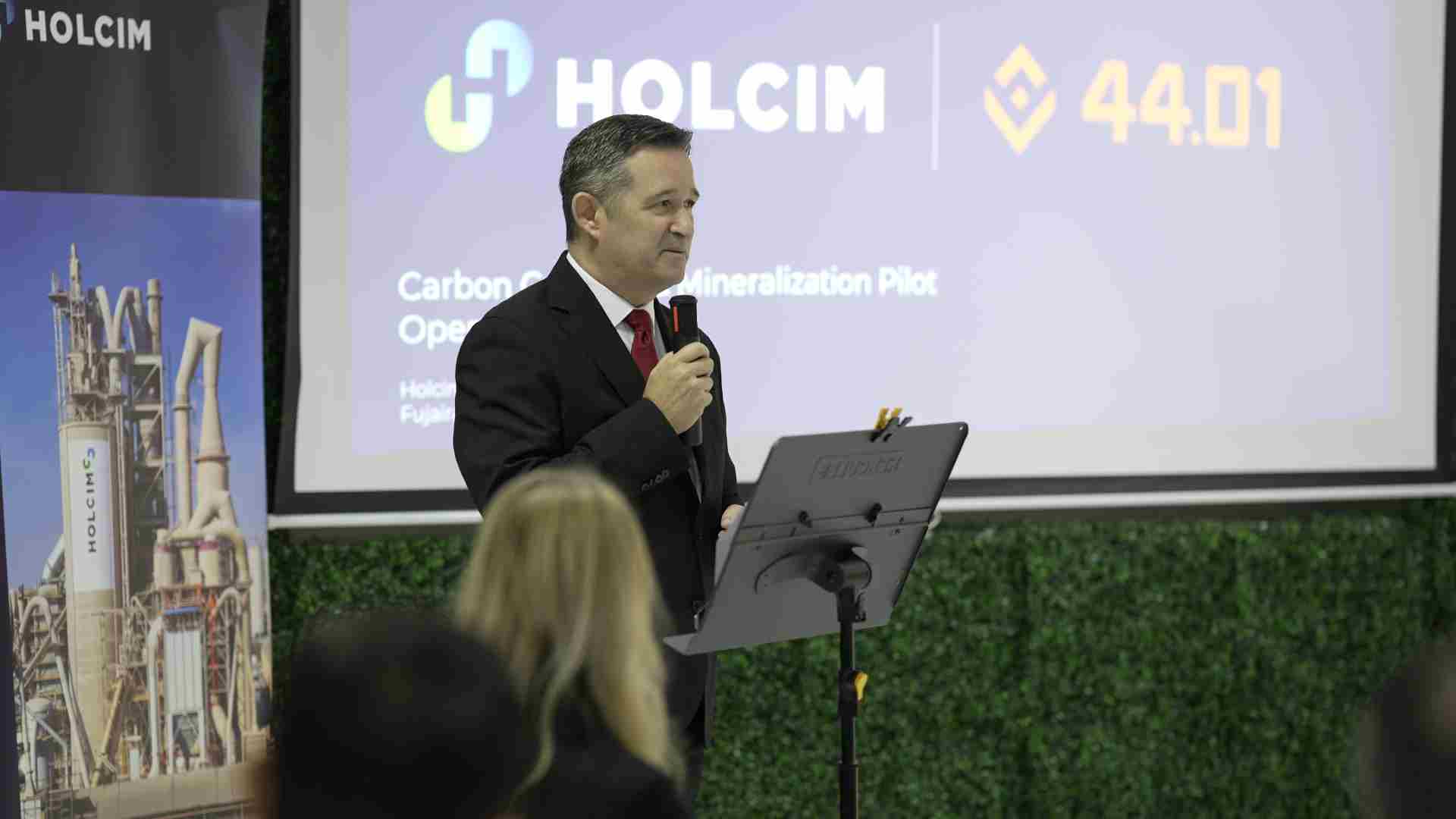
Holcim UAE, together with carbon storage innovator 44.01, today held the official commissioning ceremony for the UAE’s first live-condition carbon capture and underground mineralization pilot for the cement industry, hosted at the Holcim Emirates Cement Plant in Fujairah. The pilot brings together carbon capture technology and permanent mineralization to demonstrate a new pathway for industrial decarbonization.
The ceremony, marked by an official ribbon-cutting, brought together senior UAE government officials, diplomatic representatives, and industrial leaders, including Guest of Honor His Excellency Ali Qasim, Her Excellency the Ambassador of Switzerland, Her Excellency Eng. Ibtisam Ali Alsaadi, and Her Excellency Aseela Al Mualla. The event was also attended by key.
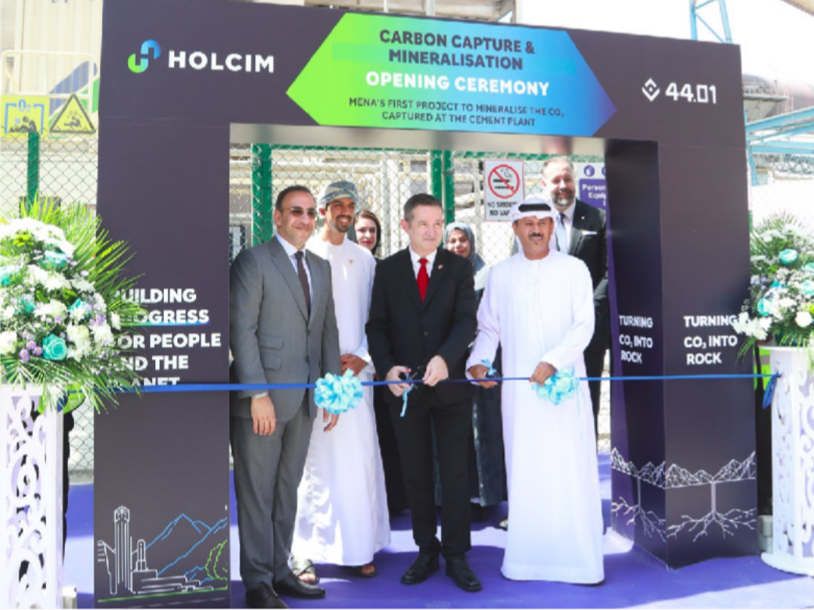
representatives from the Ministry of Industry and Advanced Technology (MoIAT), the Ministry of Energy and Infrastructure (MoEI), the Ministry of Climate Change and Environment (MOCCAE), Ministry of Economy & Tourism (MOET), and the Dubai Environment and Climate Change Authority (DECCA), underscoring the broad institutional backing for the project.
Unlike certain carbon storage concepts that rely on lengthy transportation or temporary sequestration, the captured carbon is injected deep underground into Fujairah’s naturally occurring ultramafic rock formations, where it mineralizes into solid rock within months to years, permanently locking it away. The pilot is designed to capture 4 to 4.5 tons of CO2 daily from the active flue gas of the plant.
Beyond its current daily capacity, the facility represents a breakthrough for industrial decarbonization across the region. Having operated under live industrial conditions since July 2026, the plant has successfully proven that carbon capture and mineralization can run seamlessly alongside heavy manufacturing without compromising production efficiency or product quality.
This success opens immense potential to scale up carbon removal infrastructure across the UAE’s industrial base. Serving as a repeatable, world-first operational template, the facility establishes a blueprint not only for the cement sector, but other sectors including heavy manufacturing across the wider GCC, demonstrating how regional geology and industrial innovation can unite to decarbonize sectors at scale.
His Excellency Ali Qasim, Guest of Honor, said: “The commissioning of this facility in Fujairah marks a vital step toward sustainable industrial leadership in the UAE. By turning carbon emissions into permanent rock, this partnership proves how local geology, technology, and innovation can unite to decarbonize sectors and advance our Net Zero 2050 vision.”
Ali Said, CEO of Holcim UAE & Oman, said: “Today’s ceremony is more than a celebration, it is confirmation that industrial decarbonisation works in practice, not just on paper. Since reaching full-time capture and mineralisation in July, this facility has proven that permanent carbon storage can run alongside live cement production without compromise. Commissioning it officially today reflects the scale of ambition behind Holcim’s NextGen Growth 2030 strategy: to lead industrial decarbonisation in the UAE with solutions that are scalable, sustainable, and ready today. This milestone belongs to every partner who helped get us here, and it strengthens our resolve to keep scaling toward the UAE’s Net Zero 2050 target.”
Talal Hasan, Founder and CEO of 44.01, said: “This project demonstrates mineralisation as a real-world solution to address industrial emissions from sectors such as cement. Together with Holcim, we have built a working, repeatable project that positions Fujairah as a leading manufacturing hub for low-carbon products. This is a blueprint, proving how local geology and industrial infrastructure can unite to deliver permanent carbon storage across the region”.

Beyond marking operational execution, the commissioning served as a strategic platform to convene government ministries, environmental authorities, diplomatic delegates, and industry leaders on the policy tools, market mechanisms, and infrastructure frameworks needed to scale carbon capture and mineralization nationwide.
The project’s ongoing success is underpinned by strong public-private collaboration, supported by the Fujairah Natural Resources Corporation (FNRC) and the Fujairah Environment Authority (FEA), NT Energies, and Gulf Cryo.
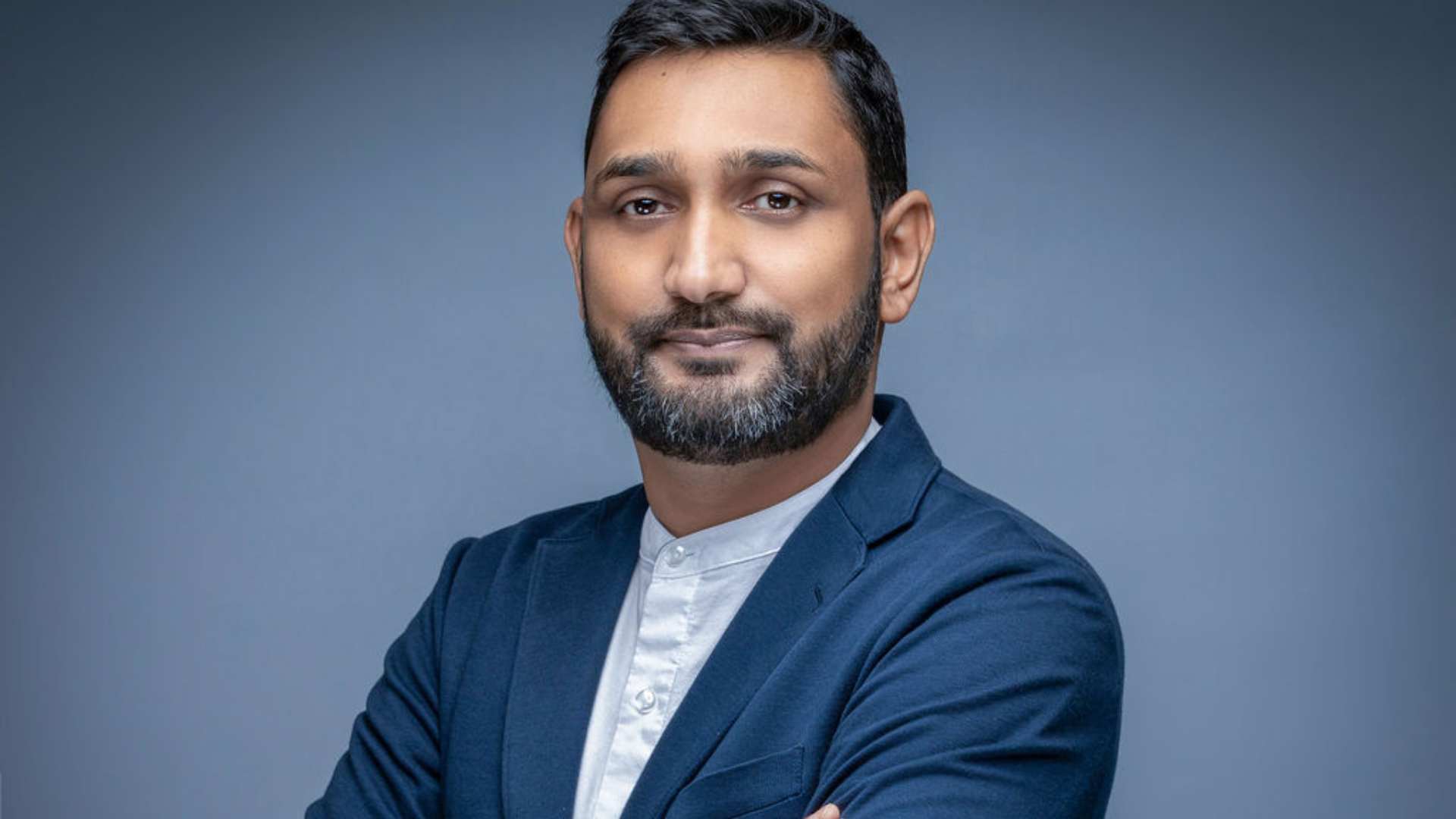
by Dr. Ryad Soobhany, Deputy Academic Head of School of Mathematical & Computer Sciences, Heriot-Watt University Dubai
Camera systems, such as CCTV, are mainly used for video surveillance within organisations. Passive video surveillance has been part of the security ecosystem for years, providing organisations with the ability to monitor different areas simultaneously, while recorded footage can be inspected after an event occurs.
The evolution of computer chips and increased processing power has led to improved image quality, including better performance in low-light conditions, particularly at night. The advent of edge computing, with processing performed on edge devices within a network, has made object and scene recognition more readily accessible. This evolution has led to more active video surveillance through video analytics, where events can be identified and addressed in real time. Examples include number plate recognition systems and facial recognition for access control.
With the combination of AI and video data, computer vision can be integrated with business analytics to transform video surveillance from a security infrastructure into a business intelligence tool. Video surveillance is moving from passively recording events to sensing what is happening in the environment. This helps to answer questions such as which areas are congested, how customers are moving, how long they dwell in particular areas, and whether unusual events are occurring. Businesses can use this data to optimise their operations, such as improving the customer checkout process, monitoring asset or staff movement, and managing crowds or traffic flows. Organisations can also incorporate contextual business information to enhance the analytics by combining behavioural data with CRM or IoT data, providing additional context and insights for decision-making and improving the customer or visitor experience.
Video surveillance can be used to optimise operations, improve customer experiences, and support strategic decision-making across industries. Video itself does not create business intelligence; rather, its value increases when visual information is combined with other operational and contextual data, while computer vision is used to understand and enhance business operations. The pipeline from video to business intelligence can be represented as obtaining data from video sources such as fixed cameras, IoT-enabled cameras, or robots. Computer vision is then applied to the video to detect or track people, objects of interest, or activities. Behavioural data are taken into account, such as customer dwell time in particular product areas, occupancy of rooms or halls, movement of people across a building, and anomalies in behaviour. At this stage, operational data are also considered. The final stage is the business intelligence stage, where trends are identified and insights are inferred. At this stage, data visualisation plays an important role, with dashboards and data storytelling displaying correlations, predictions, and infographics that provide more than simple visual summaries of surveillance data. The camera becomes an operational sensor for the organisation. The important transformation occurs when visual data are combined with business data, such as sales, operational, and IoT data, to convert visual observations into business knowledge that informs operational, tactical, and strategic decision-making within an organisation.
The levels of business intelligence can be viewed as three analytical capabilities: descriptive intelligence, diagnostic intelligence, and combined predictive and prescriptive intelligence. Descriptive intelligence usually addresses what is happening. Visual analytics can identify footfall, occupancy, queue length, waiting time, dwell time, traffic flow, movement patterns, and detected events. Visualisation dashboards can present these indicators in real time or over historical periods, allowing managers to understand the current state of an operation. For example, a museum dashboard can show heat maps of visitor numbers, dwell time, and movement across different exhibition areas, while analysing visitor behaviour and providing insights into the optimal placement of exhibitions. An airport dashboard could display passenger volumes and queue lengths across terminals.


MECSR hosts ‘Retail Congress MENA 2026’ as Industry leaders discuss AI and Retail’s Future

Vertiv announces Agreement to Acquire King Environmental Services Ltd., Expanding Global Fluid Management Services
U by Emaar Expands to Egypt, Bringing More Rewarding Experiences to Marassi



-
News11 years ago
SENDQUICK (TALARIAX) INTRODUCES SQOOPE – THE BREAKTHROUGH IN MOBILE MESSAGING
-

 Trending11 months ago
OPPO A6 Pro 5G Review: Reliable Daily Driver
-

 Tech News2 years ago
Denodo Bolsters Executive Team by Hiring Christophe Culine as its Chief Revenue Officer
-
 VAR1 year ago
Microsoft Launches New Surface Copilot+ PCs for Business
-

 Automotive2 years ago
AGMC Launches the RIDDARA RD6 High Performance Fully Electric 4×4 Pickup
-
 Tech News2 years ago
Toshiba Announces MG10-D Series of Enterprise HDDs with Capacities up to 10TB
-
Tech Interviews3 years ago
Navigating the Cybersecurity Landscape in Hybrid Work Environments
-

 Tech News1 year ago
Nothing Launches flagship Nothing Phone (3) and Headphone (1) in theme with the Iconic Museum of the Future in Dubai