
 Have a question? +971 56 404 0503




Tech News
Thermax showcases advanced desalination and water recovery technologies to strengthen UAE’s industrial water security at WETEX 2026

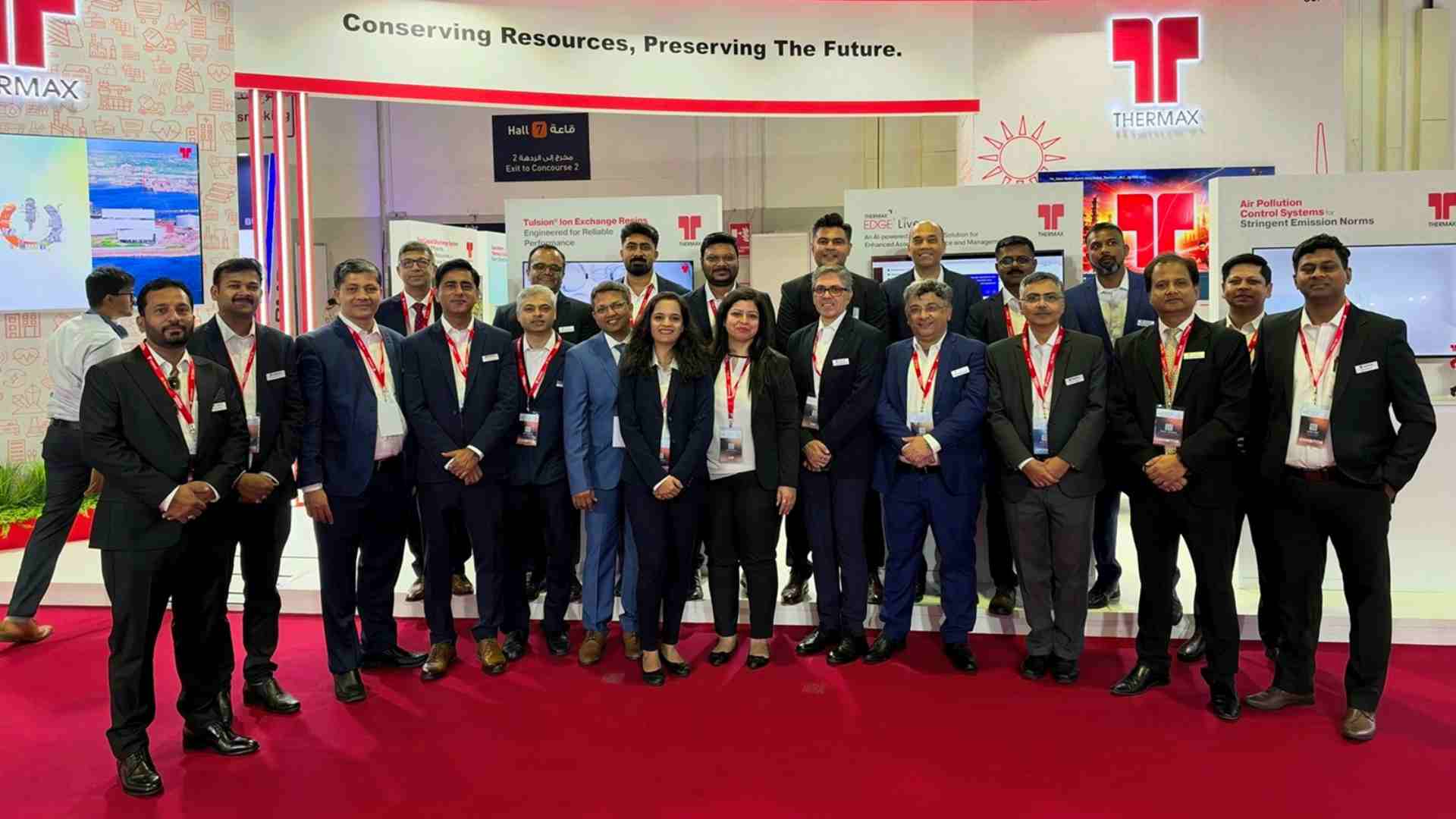
Thermax Limited showcased its advanced seawater desalination and industrial water recovery technologies at the Water, Energy, Technology and Environment Exhibition 2026 (WETEX), held from October 20 to 22 at Dubai World Trade Centre. Through its digital showcase, the company highlighted solutions designed to help industries secure reliable water supplies, improve resource efficiency and reduce environmental impact.
Thermax’s participation came as Dubai continues to strengthen its desalination infrastructure to meet growing water requirements. According to Dubai Electricity and Water Authority (DEWA) Financial Annual Report, desalinated water production increased by 5.51 per cent year-on-year in the first quarter of 2026, reaching a record 37.57 billion imperial gallons. By June 2026, Dubai’s installed desalination capacity had reached 555 million imperial gallons per day, with seawater reverse osmosis accounting for 23 per cent of the total. These developments highlight the growing importance of efficient and reliable water infrastructure in supporting the UAE’s evolving water requirements.
At the event, Thermax highlighted its desalination solutions that help industries meet their water needs while easing pressure on freshwater resources. The systems use energy-efficient membrane technology to remove salts from seawater and produce water suitable for industrial use, with designs tailored to each customer’s water quality and operating requirements.
Through its digital showcase, Thermax also highlighted portable and containerised desalination systems that bring key equipment together in compact units. This reduces installation work on site, supports faster deployment and allows treatment capacity to grow with demand.
Ashish Bhandari, Managing Director & CEO, Thermax Limited, said: “Water security shapes where industries invest and how competitively they operate. Businesses need dependable supply at a cost they can sustain. That means planning water and energy together, with investment decisions guided by performance throughout a plant’s life.”
Beyond desalination, Thermax also showcased Advanced Reverse Osmosis (RO) technology that recovers additional usable water from the concentrated stream left after treatment. By concentrating the remaining brine, the technology reduces the load on downstream evaporation systems and supports more efficient industrial wastewater management. When combined with suitable additional treatment and crystallisation processes, it can also support salt recovery, creating opportunities to recover valuable resources from wastewater and promote circular water management.
Thermax also showcased industrial water treatment, wastewater recycling and zero liquid discharge (ZLD) solutions that help industries treat and reuse wastewater for suitable applications while reducing freshwater dependence. Complementing these solutions, Thermax’s EDGE Live digital platform supports plant performance through real-time monitoring, AI-driven analytics and predictive diagnostics, helping industrial operators identify potential issues early, optimise maintenance and improve operational reliability.
These solutions align with the objectives of the UAE Water Security Strategy 2036, which targets 95 per cent reuse of treated water by 2036. Through its regional office in Dubai, Thermax is focused on exploring various opportunities across the UAE’s industrial desalination, water treatment and wastewater recycling sectors, particularly within water-intensive industries such as oil and gas, chemicals, metals, food and beverages, and pharmaceuticals.
Thermax has been active across the Middle East and North Africa region since 1993, with more than 1,000 installations across its regional energy and environment portfolio, serving over 30 industries.
Tech Features
TrendAI™Expands Vision One with New Security Capabilities for AI Agents and Application Development
TrendAI™, the global AI security leader and enterprise business unit of Trend Micro Incorporated (TYO: 4704; TSE: 4704), has announced new capabilities for TrendAI Vision One™. These include the private preview of Autonomous Vulnerability Discovery and expanded support for Claude’s Compliance API, which now covers Claude Code and Cowork sessions. Together, these services help enterprises identify exploitable vulnerabilities in source code before attackers do, investigate how AI agents operate, and maintain oversight as AI adoption scales.
The need for this oversight is growing rapidly across the region. According to research conducted by The Harris Poll for Dataiku, 62% of UAE chief information officers believe their organisation have more than 50 AI agents running in production, yet only 18% have a fully unified view of agents across platforms, data environments, and business applications. At the same time, AI is accelerating both how quickly code is written and how quickly attackers can identify flaws. Security teams therefore need to keep pace with AI adoption without losing visibility into what is happening across their environments.
The new capabilities extend TrendAI Vision One™ across both software development and AI agent activity. TrendAI Vision One™ Autonomous Vulnerability Discovery is powered by AESIR, TrendAI’s agentic exploit-remediation engine, which identifies and validates vulnerabilities, including zero-days. It also verifies fixes in customer source code. The engine uses purpose-built, multi-model AI architecture that relies primarily on Anthropic models and has outperformed single-model and agentic system scores on the CyberGym Leaderboard. Every finding is validated by experts from the TrendAI™ Zero-Day Initiative™ (ZDI), the world’s largest vendor-agnostic bug bounty programme. The Autonomous Vulnerability Discovery is deployed and operated on Amazon Bedrock from Amazon Web Services (AWS), enabling the full workflow to run within the customer’s AWS environment
In parallel, the expanded Claude Compliance API integration brings Claude Code and Cowork session records from Claude Enterprise into TrendAI Vision One™. These records include prompts, responses, and tool calls, each tied to a verified user. It enables security teams to investigate AI activity in context, correlate it with endpoint, identity, cloud and network signals, and build custom detections for relevant agent behaviour.
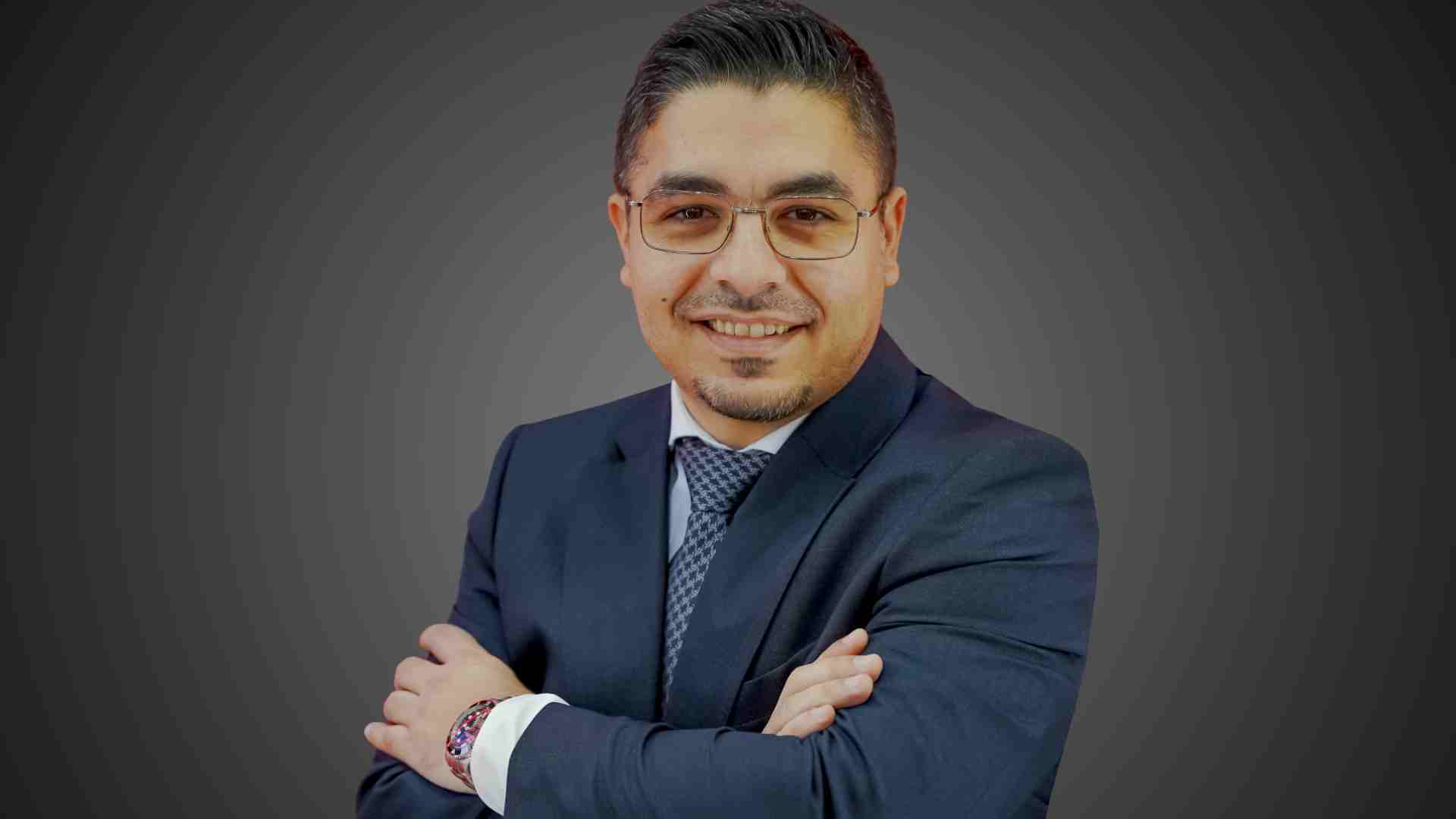
Commenting on the announcement, Salah Suleiman, Managing Director, South Gulf, TrendAI™, said, “AI is changing both how software is built and how work gets done across the enterprise. Code is being written faster than ever, while AI agents are increasingly able to access systems, call tools and act on behalf of users. As organisations across the UAE and the wider region scale AI at pace, their security teams need to identify vulnerabilities early while maintaining clear visibility into what AI systems are doing and whether their actions align with organisational policies. With these additions to TrendAI Vision One™, we are helping organisations move faster with AI while maintaining the context, oversight and control needed to do so securely.”
TrendAI Vision One™ also continues to ingest activity logs from Claude Enterprise, covering user logins, administrative actions and configuration changes, as well as from Claude Platform, covering administrative, system and resource events. Autonomous Vulnerability Discovery is now available in private preview to select enterprise customers running on AWS, while Claude’s Compliance API integration in TrendAI Vision One™ is available to TrendAI Vision One™ customers using Claude Enterprise.
Tech News
ZWSOFT and Logicom Saudi Arabia Partner to Expand Access to Professional CAD Solutions in the Kingdom
The Strategic distribution partnership aims to accelerate digital transformation across Saudi Arabia’s architecture, engineering and construction sector
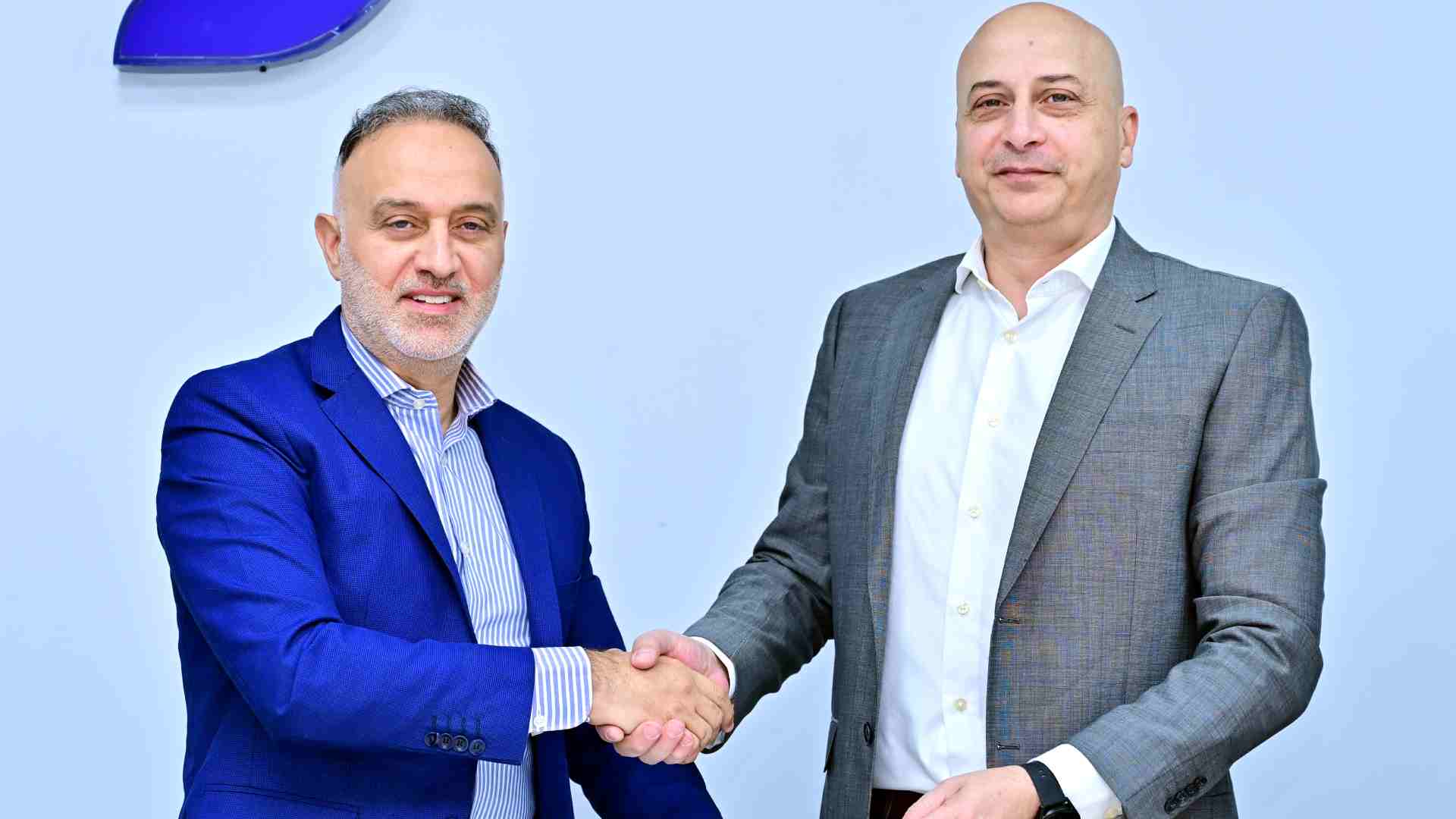
ZWSOFT, a global provider of engineering design software, has appointed Logicom Saudi Arabia as their distributor in the Kingdom, strengthening access to professional computer-aided design (CAD) solutions for local businesses.
The partnership combines ZWSOFT’s engineering software expertise with Logicom’s established distribution capabilities and local partner network to support Saudi Arabia’s architecture, engineering and construction (AEC) sector. The collaboration aims to help businesses improve productivity and modernise workflows through accessible, high-performance and cost-efficient design technologies.
At the heart of the offering is ZWCAD, ZWSOFT’s flagship CAD solution, featuring DWG compatibility, a familiar design environment and cost-efficient licensing. The partnership will help resellers, system integrators and end customers access these solutions and address evolving project requirements, supporting the Kingdom’s wider digital transformation ambitions under Vision 2030.
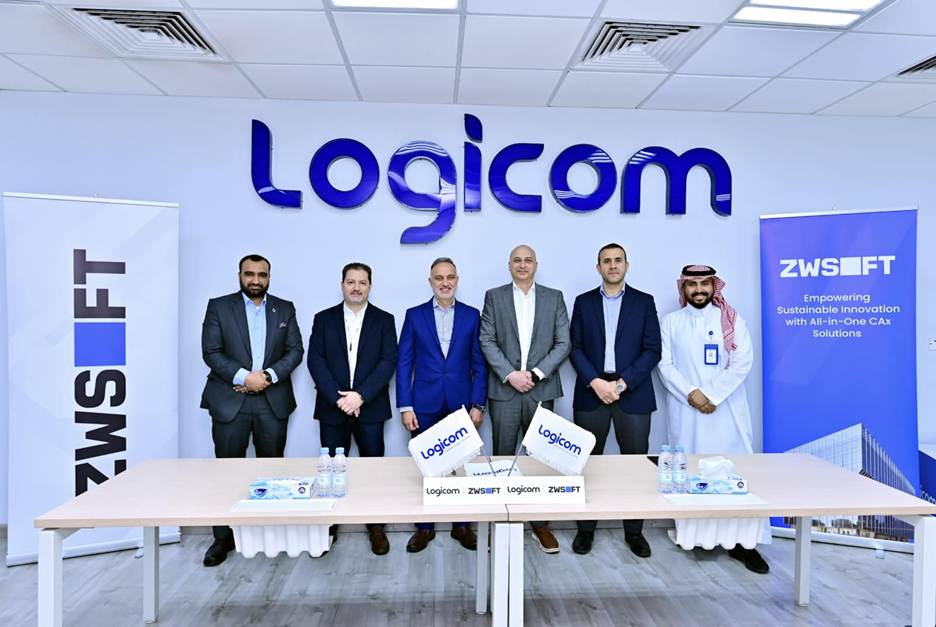
Naim AlHammami, Country Manager, ZWSOFT Saudi Arabia, said: “With the surging demand for advanced tech solutions in Saudi Arabia, ZWSOFT set out to find a proven, high-caliber distribution partner. Logicom Saudi Arabia is uniquely qualified to drive this expansion, backed by a strong product ecosystem and an established track record in enterprise hardware and software distribution.”
Fadi Karzon, General Manager of Logicom Saudi Arabia, said: “We are pleased to partner with ZWSOFT to bring innovative and cost-effective CAD solutions closer to businesses across Saudi Arabia. By combining ZWSOFT’s technology with Logicom’s local market expertise and strong partner ecosystem, we aim to empower our partners and customers with the tools they need to enhance productivity, drive innovation and support the Kingdom’s digital transformation goals.”
Through this partnership, ZWSOFT and Logicom aim to expand the availability of professional design software across Saudi Arabia and strengthen support for the country’s growing engineering and construction industries.
Tech News
PlanRadar Research Highlights Project Delivery Risks for UAE Construction Teams Ahead of 2027
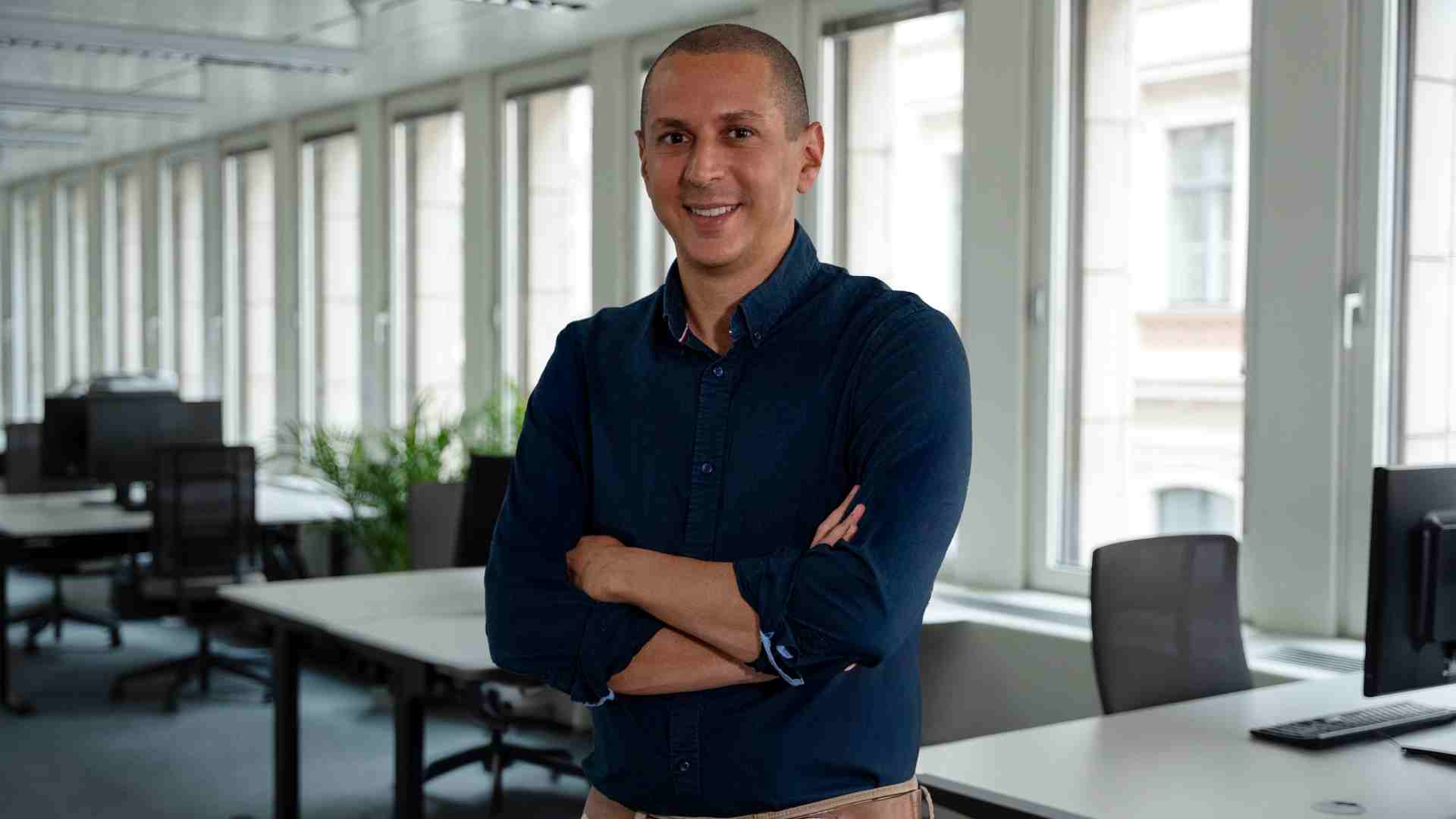
PlanRadar, a leading platform for digital documentation, communication and reporting in construction and real estate projects, has highlighted key project delivery risks facing construction teams as activity across the UAE continues to grow.
PlanRadar’s Construction Survey Report 2026: Managing Project Changes in the Age of AI surveyed 1,728 construction professionals responsible for on-time and on-budget delivery across 14 countries in Europe, the Middle East and Asia-Pacific, including the UAE and Saudi Arabia. The findings were also explored in PlanRadar’s webinar, Managing Mid-Project Changes in the Age of AI.
The research comes as UAE construction output is projected to reach US$130.8 billion by 2029, up from a record US$107.2 billion in 2024, according to Knight Frank. As project volumes and stakeholder complexity increase, the ability to manage changes, approvals and project records efficiently will remain central to delivery performance.
One of the clearest concerns identified in PlanRadar’s research is the impact of delayed approvals and slow responses. These were the most common pain points reported in the management of mid-project changes, including RFIs, change orders and variation requests. Nearly three-quarters of respondents said approvals are often received after agreed timeframes, while one in four estimated that delayed approvals typically add more than a month to project timelines.
Among teams where approvals are almost always late, month-long project delays were more than twice as likely as among those where late approvals are rare.
Ibrahim Imam, Co-Founder and Co-CEO of PlanRadar, said: “In a market delivering projects at the UAE’s current pace, small delays in decision-making can quickly become much larger delivery problems. Going into 2027, companies need clearer ownership, predefined approval routes and faster access to the information decision-makers need. The aim is not to eliminate change—change is inevitable—but to ensure every change is visible, traceable and acted on before it affects programme or cost.”
PlanRadar’s findings also show the financial impact of unmanaged changes. Two in three respondents said that mid-project changes lead to budget overruns in many or most of their projects. However, the research indicates that stronger process control can improve outcomes: four in five respondents using a central digital tool to track changes reported an improved ability to control costs or protect project margins.
Information fragmentation is another challenge. Nearly eight in ten respondents said that at least half of their project documentation is spread across unconsolidated channels, including emails, messages, phone calls and verbal instructions. Among those who could easily locate documentation, 70% felt confident that their records clearly showed responsibility for delays and cost impacts—double the proportion among those who found documentation difficult to locate.
Administrative workload compounds these pressures. Nearly half of respondents reported spending 11 or more hours each week on administrative tasks. Among those using a central digital tool with integrated AI functionality, two in three said they save at least two hours per week, per project, on administration and coordination.
Andrey Belogortsev, Regional Manager for MENA and APAC at PlanRadar, said: “The immediate opportunity for construction teams is to build reliable, connected workflows around the information already being generated on site. When changes, approvals and supporting evidence are captured in one accessible record, teams can identify issues earlier, engage the right people faster and maintain accountability throughout the project lifecycle.”
“AI can add real value when it is applied to repetitive, time-consuming work within those controlled workflows. It should support professional judgement—not replace it—by giving project teams more time to focus on decisions, risks and exceptions that require their expertise.”
The survey found that 58% of respondents believe AI can reduce workload across their biggest day-to-day challenges, while 65% believe it can streamline major administrative tasks.
Building on this need, PlanRadar has introduced AI Agents, allowing customers to create agents in plain language or use ready-made options to complete defined actions. Each action is logged, attributed and limited to the permissions of the user who created the agent, enabling teams to automate routine work while retaining oversight and control.


THE STORIES BEHIND THE MATERIALS SHAPING UAE INTERIORS
Form Room welcomes new JVC residents with a complimentary coffee and exclusive discounts
When power becomes the bottleneck, efficiency becomes capacity



-

 Trending12 months ago
OPPO A6 Pro 5G Review: Reliable Daily Driver
-

 Tech News2 years ago
Denodo Bolsters Executive Team by Hiring Christophe Culine as its Chief Revenue Officer
-
 VAR2 years ago
Microsoft Launches New Surface Copilot+ PCs for Business
-

 Automotive2 years ago
AGMC Launches the RIDDARA RD6 High Performance Fully Electric 4×4 Pickup
-
Tech Interviews3 years ago
Navigating the Cybersecurity Landscape in Hybrid Work Environments
-

 Hospitality2 years ago
Gulfood 2025 30th Edition Kicks Off Today, Setting New Benchmarks in F&B Growth and Innovation
-

 VAR11 months ago
Huawei Nova 14 Pro Review: Where Camera Excellence Meets Ecosystem Evolution
-

 Tech News1 year ago
Nothing Launches flagship Nothing Phone (3) and Headphone (1) in theme with the Iconic Museum of the Future in Dubai