
 Have a question? +971 56 404 0503




Financial
PayerMax Strengthens Commitment to Saudi Arabia with Inauguration of Regional Headquarters

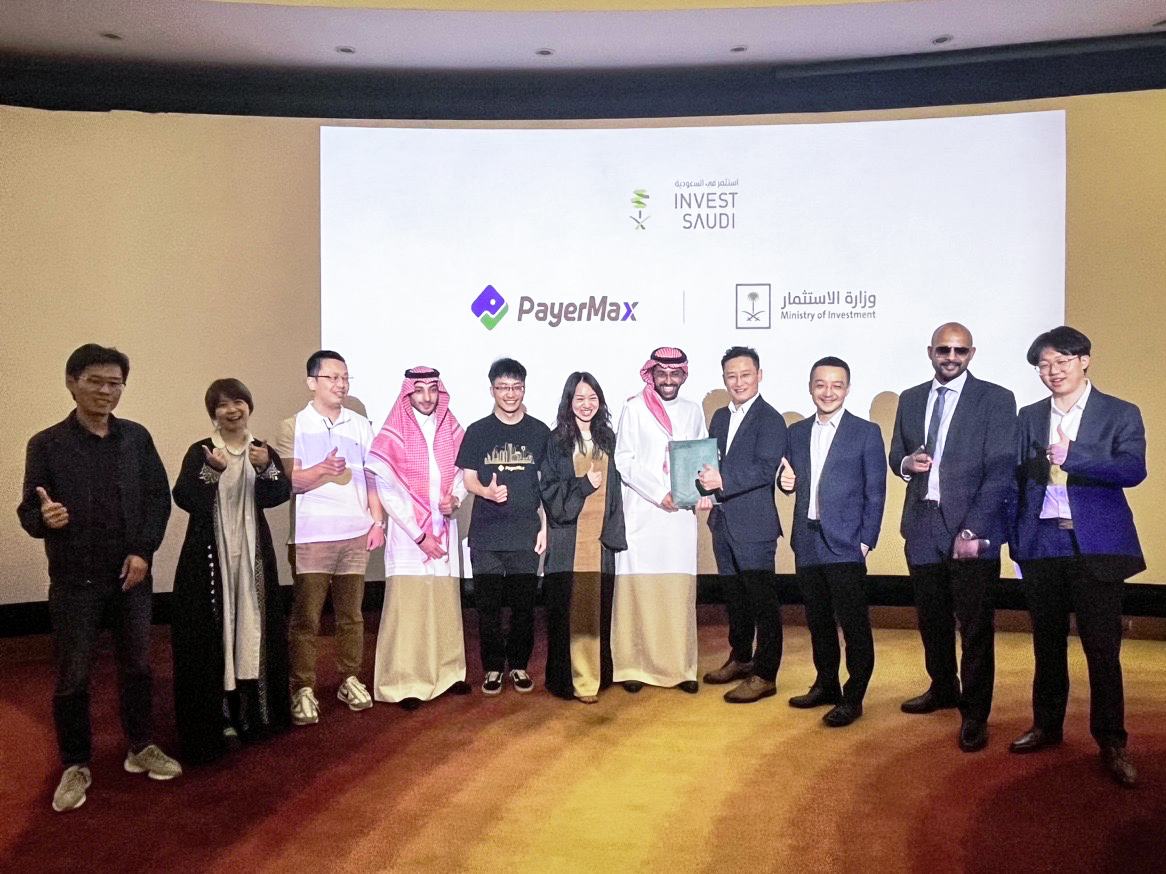
PayerMax is proud to announce its decision to expand into the Kingdom of Saudi Arabia (KSA) and its noteworthy commitment to the KSA by establishing its regional headquarters in Riyadh. PayerMax participated in the Regional Headquarters Program (RHQ) established by the Ministry of Investment and obtained an RHQ licence this month.
PayerMax held an event to celebrate its acquisition of the RHQ licence and the inauguration of its regional headquarters in Riyadh on 11th June at MISA office. This milestone marks a major step in PayerMax’s strategic plan to strengthen its presence in the region and contribute to KSA’s economic and technological development.
The RHQ program, a joint initiative by the Ministry of Investment and the Royal Commission for Riyadh City, is designed to enable and facilitate the ambitious growth plans of participating organizations in the region. PayerMax’s selection as one of the first companies in the National Technology Development Program (NTDP) launched by the Ministry of Communications and Information Technology (MCIT) further underscores the company’s technical expertise and commitment to innovation.
In attendance at the inauguration event celebrating PayerMax’s RHQ licence acquisition and the launch of its regional headquarters in Riyadh, was Alhassan Hamideldin, RHQ General Supervisor, handling expansion of multinationals through the RHQ Program into KSA, symbolizing the strategic importance of this event.
In his speech, Alhassan Hamdedeldin indicated that MISA is particularly honored to see PayerMax expanding their footprint in the Kingdom by establishing their Regional Headquarters here, and that PayerMax is the very first Asian fintech company to do so. The Saudi government is fully committed to supporting the financial services sector, having undergone serious financial sector reforms, which have unlocked exponential growth potential in fintech, of which PayerMax is a prime example.
“We are deeply honored to have the esteemed MISA host our RHQ inauguration ceremony, which demonstrates the government’s commitment to fostering a conducive business environment for innovative companies like PayerMax,” said Wang Hu, Co-founder at PayerMax.
PayerMax’s commitment to the KSA and the broader region is a testament to its dedication to supporting economic and technological development through innovative financial solutions. With its comprehensive global payment solution, PayerMax plans to accelerate digital payment adoption, providing convenient, safe, and faster ways to pay, catering to the evolving payment habits of users in the region. The company looks forward to playing a key role in shaping the future of the fintech sector in the KSA and in further developing its operations through its RHQ in Riyadh.
“We are thrilled to establish our RHQ in Saudi Arabia, which signifies a strategic move to strengthen our presence in the region and demonstrates our long-term dedication to Saudi Arabia and the surrounding region,” said Wang. “Our expansion into KSA, accompanied by an enhanced payment infrastructure, will continue to attract prominent global companies, particularly Asia-originated digital players in the gaming, e-commerce, social media sectors and more. This collective effort will further save our clients considerable cross-border transaction fees by providing them with one simple, safe, high-trust, and transparent payment interface.”
PayerMax’s vision aligns with Saudi Vision 2030, promoting financial inclusion, supporting economic diversification, and enhancing user experiences through digital payments. The company aims to contribute to the country’s goals related to financial inclusion, economic diversification, and job creation.
The recent popularity of Esports tournaments, such as Gamers8, highlights the increasing demand for innovative financial solutions in the KSA. PayerMax is optimistic about the future of the Saudi fintech sector, forecasting significant growth in the market. The company’s entry into the KSA and MENA region aims to support the rapidly growing digital market in MENA and Africa, unlocking borderless growth opportunities.
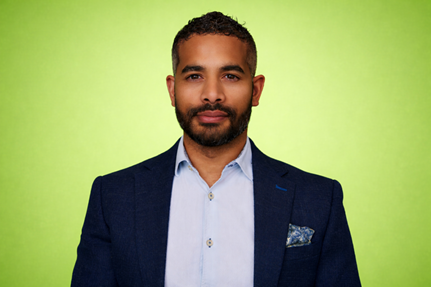
Bitcoin edged higher last week, gaining 11%, yet it continues to struggle to convincingly break through the $74,000 resistance level, according to Simon Peters, crypto analyst at eToro.
US bitcoin spot ETFs recorded $763 million in net inflows over the past week, helping to push prices higher. Strategy, the largest bitcoin treasury company by total holdings, also disclosed another significant purchase of 17,994 bitcoin for approximately $1.28 billion.
Looking ahead, the Federal Reserve meeting this week could prove pivotal in determining whether bitcoin breaks above the $74,000 level or experiences a correction. While markets had previously anticipated a dovish pivot, a sudden spike in oil prices due to the ongoing conflict in the Middle East may prompt the Fed to reconsider its outlook.
“The consensus is for the Fed to hold rates on Wednesday, but if Chairman Powell signals in his press conference that the central bank is prepared to raise rates should oil prices remain elevated or continue rising, this could trigger a sell-off in cryptoasset prices,” said Peters.
The meeting will also see the release of the Federal Reserve’s latest “dot plot”, offering insights into where each Federal Open Market Committee participant believes interest rates should be by the end of the year, next year and over the longer term.
AI tokens surge amid Nvidia comments
Among the biggest movers in the crypto market over the past week were AI-related tokens TAO and FET, both rising 47% as investors rotated into the sector following bullish remarks about artificial intelligence by Nvidia CEO Jensen Huang.
Ahead of Nvidia’s GTC AI conference this week, Huang described AI as “essential infrastructure”, stating that every company and nation will build and use it.
These comments have renewed interest in on-chain, decentralised AI networks, pushing tokens such as TAO and FET higher.
Mastercard launches crypto partner program
Mastercard has launched its Mastercard Crypto Partner Program, a new global initiative bringing together more than 85 companies across the crypto ecosystem, including exchanges, stablecoin issuers and blockchain development teams.
The program aims to foster dialogue and collaboration as the crypto sector continues to mature. Participants will work with Mastercard teams to combine the speed and programmability of blockchain technology with Mastercard’s merchant network spanning more than 210 countries.
The initiative builds on Mastercard’s existing digital asset activities, including its Start Path blockchain track, Engage platform and Crypto Card program.
Bitcoin reaches 20 million supply milestone
Bitcoin reached a historic milestone last week when the 20 millionth bitcoin was mined, marking the issuance of more than 95% of the cryptocurrency’s total capped supply of 21 million coins.
The milestone was reached on 10 March at block height 931200, 17 years after the network first launched. Due to Bitcoin’s halving schedule, the remaining one million coins are expected to take approximately another 114 years to be mined, with the final bitcoin projected to enter circulation around the year 2140.
Crossing the 20 million milestone again highlights Bitcoin’s scarcity dynamics. With demand continuing to outpace the new supply issued daily by miners and many holders unwilling to sell at current prices, the market could be positioned for a significant move higher over the coming months and years.
Financial
ABA Legal Highlights UAE’s Legal Framework as Catalyst for the Next Wave of Foreign Investment
In alignment with the UAE’s ambitious vision to evolve into a global hub for business and foreign capital, ABA Legal, a boutique corporate law consultancy headquartered in Abu Dhabi, UAE, has announced its bold and strategic expansion of Legal Structure Mapping – a refined core advisory specially mentoring FDI and investors in interpreting and navigating the UAE’s investor-focused legal framework across the region. The move strengthens the firm’s positioning as one of a kind legal resource for foreign investors seeking clarity, compliance, and structured market entry within the UAE.
The United Arab Emirates has rapidly evolved into a leading destination for global business and foreign capital. According to recent government and industry reports, the UAE continues to rank among the top global destinations for foreign direct investment inflows, driven by continuous legal and regulatory modernization. ABA Legal observes that legal clarity, regulatory certainty, and structural reforms are increasingly central to investor decision-making, with businesses placing greater emphasis on well-defined legal pathways, ownership structures, and enforceability before committing capital to new markets.
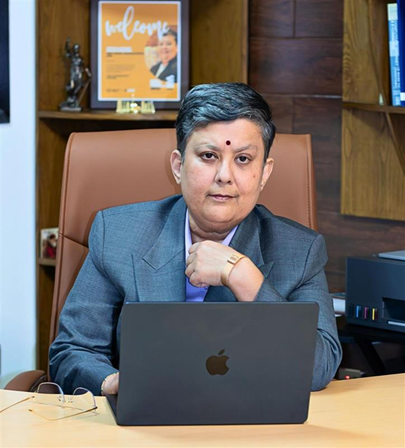
Commenting on the evolving landscape, Ms. Geethalakshmi Ramachandran, Managing Counsel at ABA Legal, said “The UAE’s legal framework today is not only progressive but highly responsive to global investor expectations. The shift toward full foreign ownership, stronger dispute resolution systems, governance reforms, and IP protection has significantly enhanced legal certainty. At ABA Legal, our core service now is guiding foreign investors through these reforms with clarity and precision, ensuring they can structure, enter, and operate in the UAE market with confidence and long-term security. We aim to become the Legal Mentors for FDIs and Investors UAE interest”
A New Era of Legal Reform
The UAE has entered a new era of legal reform designed to strengthen transparency, predictability, and investor confidence across its commercial ecosystem. One of the most significant developments has been the overhaul of foreign ownership regulations. Sectors that previously required majority UAE national ownership have been widely liberalized, enabling 100% foreign ownership across a growing range of industries, including technology, manufacturing, and professional services. From a legal standpoint, this marks a structural realignment of the corporate framework, giving investors greater control over governance and operations while reducing compliance ambiguity and intermediary dependence. The reforms align the UAE with global best practices and reinforce its appeal for long-term, high-value investment.
Strengthening Contract Enforcement and Dispute Resolution
Investor confidence is closely tied to enforceability and legal certainty. The UAE has modernized commercial laws and strengthened dispute resolution mechanisms to create a secure environment for international business. Specialized courts operating under internationally recognized standards and common law principles, alongside stronger integration with global arbitration systems, ensure disputes are resolved efficiently and impartially. This protects contractual rights, lowers legal risk, and supports long-term cross-border investment strategies.
Governance, Transparency, and Investor Protection
Governance, transparency, and investor protection have also been enhanced through stricter corporate reporting, anti-money laundering, and financial compliance frameworks. These measures reduce regulatory uncertainty and strengthen market credibility by embedding internationally recognized standards into law. Investors benefit from a more stable, accountable, and transparent operating environment.
Free Zones: Tailored Legal Advantages: Free zones continue to play a central role in the UAE’s foreign investment strategy, offering tailored legal and regulatory advantages such as full foreign ownership, capital repatriation, customs exemptions, and flexible employment and residency structures. Designed around priority sectors, these zones combine flexibility with legal certainty and reduced administrative burden.
Modern Commercial Laws, Digital Economy Support, and IP Protection
Recent updates to commercial company regulations, data protection laws, and intellectual property protections further support digital economy and innovation-driven businesses. Together, these reforms create a resilient and adaptable legal ecosystem that not only attracts foreign capital but enables sustainable, knowledge-based growth; with ABA Legal supporting investors through structured legal guidance in this evolving framework.
For global investors seeking stability, transparency, and strategic opportunity, the UAE’s legal framework is more than supportive, it is a dynamic engine for capital inflow, innovation, and knowledge-based economic development, with ABA Legal serving as a strategic legal mentor in this journey.
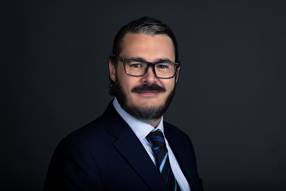
By Fraser Nelson, Head of Global Business Development, Scope Markets
The UAE stands at the forefront of a digital financial revolution, where innovation in retail trading platforms is rapidly reshaping how individuals’ access and participate in financial markets. New technologies are enabling broader market access, deeper analytics, and personalised experiences for investors across demographics. Yet with these advancements comes the critical need to balance innovation with trust, ensuring that technological progress enhances investor confidence and long-term market participation, not just speed and convenience.
Expanding Access Through Technological Innovation
Recent developments in the UAE capital markets illustrate how digital innovation is transforming investor access. For example, the Abu Dhabi Securities Exchange (ADX) welcomed Thndr as its first remote retail trading member, enabling millions of users to trade securities and exchange-traded funds directly via a fully digital platform without physical presence in the UAE. This milestone broadens participation and underscores the role of technology in reducing barriers to entry for retail investors.
Similarly, market infrastructure upgrades including new order types and enhanced trading systems are designed to make price discovery and execution more efficient for both institutional and retail participants. These enhancements reflect a broader strategy to deepen market reach and usability.
Regulatory Frameworks as Anchors of Trust
As platforms evolve, regulators in the UAE continue to play a central role in safeguarding investor interests while fostering innovation. The UAE Securities and Commodities Authority (SCA) has introduced federal licensing for robo-advisory services, aiming to enhance transparency, risk disclosure, and operational governance for platforms that deliver automated investment advice. This regulatory clarity helps ensure that digital advice tools serve investors with appropriate protection and predictable standards.
Across financial centres such as the Dubai International Financial Centre (DIFC) and the Abu Dhabi Global Market (ADGM), regulators are also modernising authorisation and engagement processes. For example, the DFSA’s new digital portal is designed to streamline compliance workflows and better support firms seeking licencing; a move that signals regulatory commitment to both innovation and oversight.
These regulatory efforts strengthen trust by providing clear expectations and oversight mechanisms, which in turn encourage responsible innovation by market participants.
Investor Adoption and Experience in a Digital Age
Technology isn’t only reshaping how markets operate, it’s influencing how individuals make decisions. Surveys indicate that a significant portion of UAE retail investors use artificial intelligence tools, such as recommendation engines or AI-driven research assistants, to shape their portfolios. This engagement with technology reflects a growing comfort with digital decision-making but also highlights the importance of education and digital literacy in using these tools wisely.
Platforms that offer intuitive interfaces and data-driven insights can enhance investor experience, but they must also provide clear explanations of risks, fees, and realistic performance expectations. This transparency builds trust and prevents misconceptions that can arise from overreliance on algorithmic signals or social media sentiment.
The Trust Imperative: Security, Transparency, and Education
Innovation without trust is unsustainable. In financial services, trust stems from robust cybersecurity, transparent pricing and disclosures, and investor education. Safe digital environments require ongoing investments in secure systems, data protection, and customer-centric design not only to protect assets but also to reinforce confidence in digital channels.
Platforms and regulators alike must prioritise straightforward communication about how tools work, what risks they entail, and how investors can make informed decisions. Equally, investors benefit from continuously improving their understanding of market mechanics, regulation, and technology through credible educational resources.
Conclusion: A Balanced Path Forward
The future of retail trading platforms in the UAE is shaped by a dynamic interplay between technological innovation and regulatory safeguards. The integration of digital access, advanced analytics, and automated services offers unprecedented opportunities for individual investors. At the same time, trust anchored in transparent practices, strong oversight, and investor empowerment will determine whether these innovations translate into sustainable market engagement.
As the UAE’s financial ecosystem matures, success will belong to platforms and participants that prioritise innovation with responsibility. By embracing both cutting-edge technology and enduring principles of trust, the market can offer inclusive, efficient, and secure avenues for wealth creation that stand the test of time.

INSIDE THE VISION OF THE FOUNDER OF WORLD OF BIKERS
A SEASON OF RADIANT HOSPITALITY: NATUZZI ITALIA CELEBRATES MOTHER’S DAY AND THE SPIRIT OF EID WITH MASTERPIECES OF ITALIAN COMFORT
CASA MILANO EXPANDS UAE FOOTPRINT WITH 7TH SHOWROOM LAUNCH IN AL AIN AMID MARKET UNCERTAINTY



-
News10 years ago
SENDQUICK (TALARIAX) INTRODUCES SQOOPE – THE BREAKTHROUGH IN MOBILE MESSAGING
-

 Tech News2 years ago
Denodo Bolsters Executive Team by Hiring Christophe Culine as its Chief Revenue Officer
-
 VAR11 months ago
Microsoft Launches New Surface Copilot+ PCs for Business
-

 Tech Interviews2 years ago
Navigating the Cybersecurity Landscape in Hybrid Work Environments
-

 Tech News8 months ago
Nothing Launches flagship Nothing Phone (3) and Headphone (1) in theme with the Iconic Museum of the Future in Dubai
-

 Automotive1 year ago
AGMC Launches the RIDDARA RD6 High Performance Fully Electric 4×4 Pickup
-

 Trending5 months ago
OPPO A6 Pro 5G Review: Reliable Daily Driver
-

 VAR2 years ago
Samsung Galaxy Z Fold6 vs Google Pixel 9 Pro Fold: Clash Of The Folding Phenoms