
 Have a question? +971 56 404 0503




Hospitality
Cooking is An Act of Love


Exclusive interview with Ruggiero Gissi, Head Chef – Isabella Cucina Italiana
Growing up along the Italian seaside, how has your hometown of Rimini influenced your culinary philosophy and the dishes you create today?
Growing up in Rimini, surrounded by the Adriatic Sea, seafood naturally became a focal point in my culinary journey. The freshness and simplicity of local ingredients—especially fish, olive oil, and coastal herbs—shaped my approach to cooking. I believe in honouring the purity of ingredients while letting their natural flavours shine. Rimini’s vibrant food culture also taught me the importance of using seasonal produce and balancing flavours, something I strive to integrate into every dish I create today.
Can you share an example of a dish that embodies this balance between tradition and innovation?
A great example of balancing tradition and innovation at Isabella Cucina Italiana is our Seared Scallops with Wild Mushrooms, Asparagus, Truffle Brown Butter, and Balsamic Vinegar. The earthy wild mushrooms and crisp asparagus preserve the connection to traditional Italian ingredients, while the truffle brown butter introduces a luxurious and contemporary twist. A drizzle of balsamic vinegar provides a tangy contrast, perfectly complementing the richness of the scallops.
Leading the pre-opening stage at Isabella, what was your vision behind the menu, and how did you decide which dishes would make the cut?
My vision for Isabella was to create a menu that reflects the true spirit of Italy, but with a contemporary flair. We wanted to offer both comfort and adventure—familiar yet exciting for those who are passionate about Italian cuisine. The selection process was about finding dishes that were iconic and could tell a story about Italy’s diverse regions. I balanced beloved classics with unique creations that bring out the beauty of Italian culinary traditions in a fresh way.
Food safety and standards are critical in the culinary world. How do you approach training your team on these aspects while maintaining creativity in the kitchen?
Food safety is non-negotiable, and it’s something I prioritise deeply. I ensure that every team member understands the importance of hygiene, proper storage, and handling of ingredients. However, I also encourage creativity within those boundaries. The key is to foster an environment where standards are always upheld, but the team feels free to experiment and innovate without compromising safety. It’s about striking the right balance and ensuring that every dish is not only safe but also of the highest quality.










Dubai-based Indonesian restaurant Bobi Bowl is marking Hari Kemerdekaan Republik Indonesia, or Indonesian Independence Day, on August 17 with a sweet thank-you to the UAE community that has supported its journey.
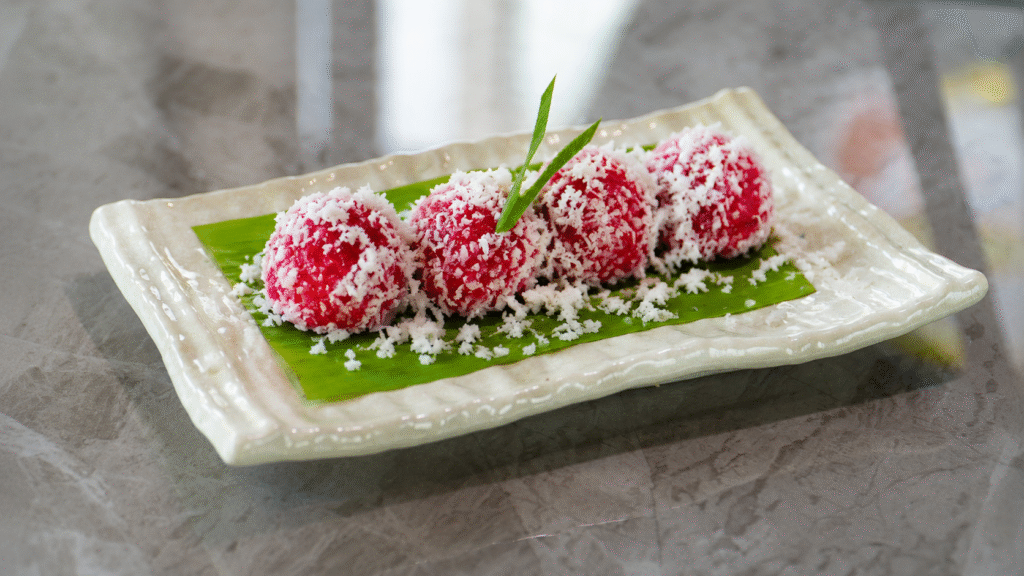
Guests dining in at Bobi Bowl on August 17 will receive a complimentary serving of Klepon Merah Putih, a special edition of the traditional Indonesian dessert created for the occasion. The chewy glutinous rice balls are filled with palm sugar and coated in freshly grated coconut. While klepon is traditionally green, Bobi Bowl has coloured this special version red to reflect the colours of the Indonesian flag.
The celebration comes as Bobi Bowl reflects on the past few months, which have not always been easy, but were made possible by the incredible support of the UAE community. As part of the occasion, Bobi Bowl also hopes to continue sharing the flavours of Indonesia with more people across the country.
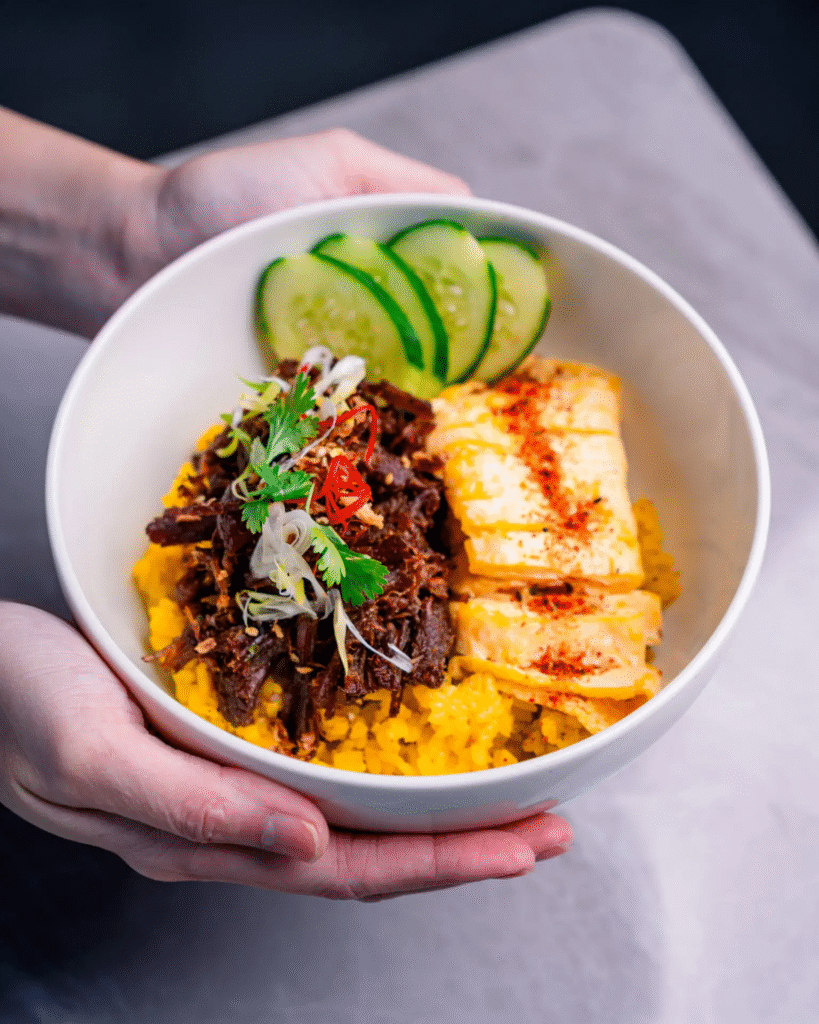
Among its Indonesian best sellers are Beef Rendang, tender beef slow-cooked in a rich blend of spices and coconut; Beef Empal Gepuk, a sweet and savoury Indonesian beef dish cooked for 18 hours until exceptionally tender; and Nasi Ayam Geprek, crispy fried chicken served with fiery sambal.
This August 17, Bobi Bowl invites the community to celebrate Indonesia’s independence, one bowl and one sweet ending at a time. Bobi Bowl is located at Ground Floor, Shop No. 12, Wasl Port Views Building 5, Al Mina Street, opposite the Port Police HQ, Dubai.
Hospitality
Radisson Hotel Group introduces Türkiye’s first Radisson Blu branded residence with the opening of Radisson Blu Residences, Istanbul Kartal.
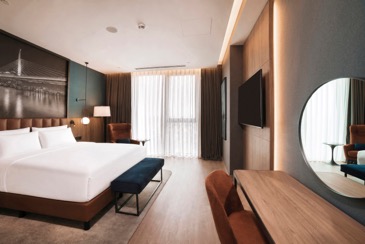
Radisson Hotel Group announces the opening of Radisson Blu Residences, Istanbul Kartal, the first Radisson Blu branded residence in Türkiye, further strengthening its presence in the country, with a property combining the flexibility of long-stay living with the services and standards of the Radisson Blu brand. Located on Istanbul’s rapidly developing Asian side, the new property offers spacious contemporary residences, extensive wellness facilities and convenient access to the city’s major business districts, transportation hubs and leisure attractions.
Offering 200 contemporary serviced apartments, including one-, two- and three-bedroom residences, Radisson Blu Residences, Istanbul Kartal is designed for both short and extended stays. Guests can enjoy all-day dining, a lobby lounge, flexible meeting facilities, a fitness center, an indoor pool and spa, while many residences offer panoramic views of the Marmara Sea and the Princes’ Islands.
Accommodation
Designed around the needs of today’s modern traveler, Radisson Blu Residences, Istanbul Kartal offers much more than accommodation. Whether visiting Istanbul for a short business trip, an extended assignment or a family getaway, guests can enjoy spacious living areas, thoughtfully designed interiors and personalized hospitality in surroundings that offer both flexibility and comfort. With contemporary social spaces, premium amenities and seamless connectivity throughout the city, the hotel provides a residential experience that feels both sophisticated and welcoming.
Meetings & Events
Whether hosting a board meeting, workshop or private event, Radisson Blu Residences, Istanbul Kartal offers six contemporary meeting spaces, including two boardrooms and four flexible event rooms. Supported by the Radisson Meetings concept and modern audiovisual technology, every event is delivered with seamless service and personalized hospitality.
“With Radisson Blu Residences, Istanbul Kartal, our goal was to create more than just a place to stay—we wanted to create a place where guests truly feel at home while enjoying the quality, comfort and personalized service that define the Radisson Blu experience. Whether visiting for business, an extended stay or leisure, guests can enjoy the flexibility of a residential setting together with the trusted standards of the Radisson Blu brand. We look forward to welcoming our guests to a new residential hospitality experience on Istanbul’s Asian side,” says Burak Aydın, General Manager of Radisson Blu Residences, Istanbul Kartal.
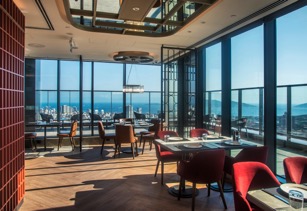
Dining
Dining at Radisson Blu Residences, Istanbul Kartal has been designed to complement the hotel’s residential concept, creating welcoming spaces where guests can enjoy everything from a relaxed breakfast to informal business meetings and evening gatherings.
The hotel’s all-day dining restaurant offers a carefully curated menu featuring both international favorites and locally inspired cuisine in a contemporary setting. Whether starting the day with a generous breakfast or enjoying dinner after a busy day in the city, the restaurant provides a relaxed atmosphere that reflects the warm hospitality of the Radisson Blu brand.
At the heart of the hotel, the Lobby Lounge & Bar serves as a natural meeting point for guests throughout the day. Designed as a comfortable social space, it offers premium coffee, light bites, signature beverages and a welcoming environment for informal meetings, casual conversations or moments of relaxation.
Wellness & Leisure
The hotel features modern fitness facilities, indoor swimming pool, Turkish bath, sauna, spa facilities and dedicated relaxation areas designed to promote wellbeing in a calm and elegant environment. Panoramic views across the Marmara Sea further enhance the experience, creating an atmosphere where guests can disconnect from the city’s pace while enjoying moments of tranquility.
“The introduction of Radisson Blu Residences to Türkiye marks an exciting new chapter for our portfolio in one of our most important growth markets. Radisson Blu Residences, Istanbul Kartal demonstrates our commitment to bringing diversified hospitality offerings to the country while continuing to create long-term value for our owners, guests and local communities,” says Baran Türkel, Managing Director, Development & Franchise Services, Türkiye.
Location
Ideally positioned on Istanbul’s Asian side, Radisson Blu Residences, Istanbul Kartal offers excellent connectivity to Sabiha Gökçen International Airport, the M4 Metro Line, Marmaray and Istanbul’s major motorway network. Guests can easily reach the Istanbul Financial Center, Pendik Marina, Bağdat Avenue and the Princes’ Islands, making the property an ideal base for both business and leisure travel.
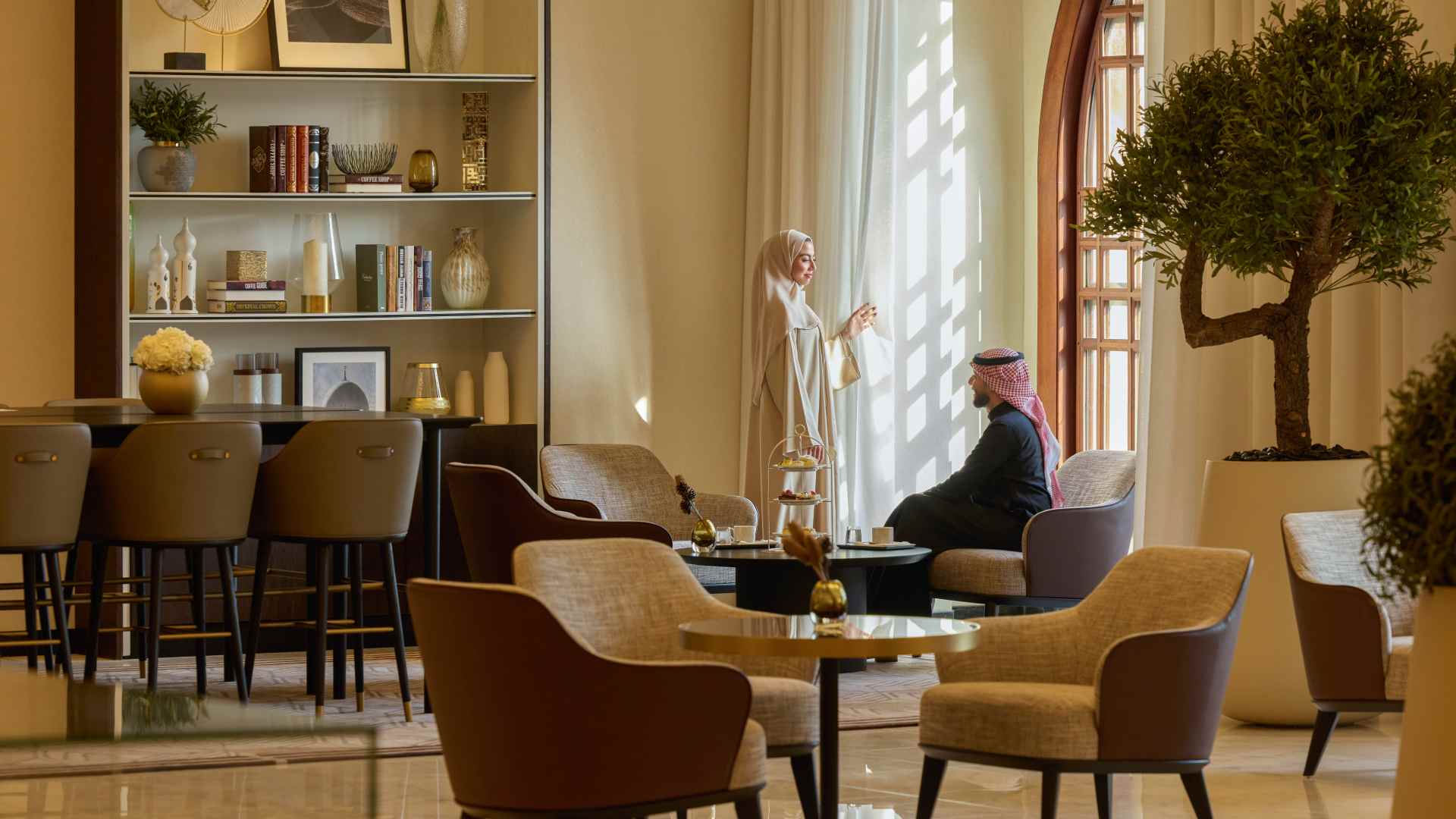
As the summer evenings bring cooler temperatures to the Holy City, Address Jabal Omar Makkah invites pilgrims to experience the tranquility of Night Umrah, where worship, reflection, and comfort come together in one of Makkah’s most sought-after locations.
Located just steps from Al Masjid Al Haram, the spiritually centered luxury hotel offers guests the opportunity to perform Umrah during the peaceful evening hours before returning to refined hospitality, panoramic Haram-view accommodation, and thoughtfully designed experiences that place spirituality at the heart of every stay. Drawing on its exceptional location and guest-focused hospitality, the hotel continues to offer an experience centered on ease, comfort, and meaningful spiritual connection.
A Peaceful Time for Night Umrah
As temperatures become more comfortable after sunset, many pilgrims choose to perform Umrah during the evening, when the atmosphere around Al Masjid Al Haram becomes calmer and more serene. With its unrivalled proximity to Al Masjid Al Haram, Address Jabal Omar Makkah allows guests to move effortlessly between worship and rest, making the Night Umrah experience both convenient and deeply meaningful.
Whether preparing for evening prayers, returning after Tawaf and Sa’i, or embracing quiet moments of reflection, guests are welcomed into an environment thoughtfully designed around the rhythm of pilgrimage, allowing more time to focus on what matters most.
Moments Above the Holy City
Among the hotel’s most remarkable experiences is the iconic Sky Musallah, an elevated prayer hall set on a skybridge between the 36th and 38th floors. Recognized by Guinness World Records as the world’s highest suspended prayer hall overlooking the Holy Kaaba, the Sky Musallah offers panoramic views of Al Masjid Al Haram, providing an extraordinary setting for prayer and quiet contemplation above the city.
As evening falls and Al Masjid Al Haram is illuminated, guests can experience moments of serenity in one of Makkah’s most distinctive spiritual landmarks, creating memories that remain long after their pilgrimage has ended.
An Experience Rooted in Comfort and Spiritual Connection
Following moments of worship at Al Masjid Al Haram, guests can retreat to elegantly appointed Haram-view rooms and suites, thoughtfully designed to offer comfort, tranquility, and uninterrupted views of the Holy Kaaba and the city skyline. Dining experiences at The Restaurant and the Lobby Lounge celebrate Saudi and Hejazi flavors, with menus thoughtfully structured around prayer and fasting schedules.
Combining exceptional proximity to Al Masjid Al Haram, refined hospitality, and experiences inspired by the spiritual rhythm of Makkah, Address Jabal Omar Makkah provides an ideal setting for pilgrims seeking a meaningful Night Umrah experience this summer. The hotel’s recent international recognition at the 2026 Haute Grandeur Global Excellence Awards further reflects its commitment to delivering exceptional hospitality and memorable guest experiences.


BEYOND THE PRICE TAG

NEVER NOT SUEDE: PUMA MIDDLE EAST LETS THE SUEDE BLOOM

Inside ORLA: Beachfront Living, Composed by OMNIYAT


-
News11 years ago
SENDQUICK (TALARIAX) INTRODUCES SQOOPE – THE BREAKTHROUGH IN MOBILE MESSAGING
-

 Trending10 months ago
OPPO A6 Pro 5G Review: Reliable Daily Driver
-

 Tech News2 years ago
Denodo Bolsters Executive Team by Hiring Christophe Culine as its Chief Revenue Officer
-
 VAR1 year ago
Microsoft Launches New Surface Copilot+ PCs for Business
-

 Automotive2 years ago
AGMC Launches the RIDDARA RD6 High Performance Fully Electric 4×4 Pickup
-
Tech Interviews2 years ago
Navigating the Cybersecurity Landscape in Hybrid Work Environments
-

 Tech News1 year ago
Nothing Launches flagship Nothing Phone (3) and Headphone (1) in theme with the Iconic Museum of the Future in Dubai
-

 VAR2 years ago
Samsung Galaxy Z Fold6 vs Google Pixel 9 Pro Fold: Clash Of The Folding Phenoms