
 Have a question? +971 56 404 0503




Home Integrator
Corinthia and Kuwaiti Action Real Estate Company acquire prime location properties in Beverly Hills


Corinthia Group, trading as IHI plc, announces that its recently formed partnership with Action Real Estate Company of Kuwait has acquired two boutique hotel properties totalling 100 keys in a prime location in Beverly Hills, California.
The acquisition of the neighbouring Maison and Mosaic Hotels by the Action Corinthia joint venture, in which IHI plc owns a minority stake, is part of a broader strategy for the Beverly Hills market.
Simon Naudi, Corinthia Group CEO, said: “This is an important step forward for Corinthia. Beverly Hills is one of the world’s foremost hospitality destinations and we are determined to add value and create luxury products and services to the benefit of the local community and our Corinthia brand’s global positioning.”
Action Real Estate Company Chairman Sheikh Mubarak A. M. Al Sabah said: “We are thrilled to announce our entry into the prestigious Beverly Hills market, marking a significant milestone in our strategic partnership with Corinthia. As a company with a strong track record in global real estate and hospitality investments, this transaction represents an exciting new chapter for us. With decades of experience in markets around the world, including Europe, the Middle East, and Asia Pacific, we are now expanding into the United States, which remains a key market for future growth and innovation.”
The hotels will be operated in the immediate term by a specialist Los Angeles operator Palisociety under current branding arrangements, under the supervision of Corinthia’s development arm Corinthia Real Estate Ventures (C-REV) and its Managing Partners Marcus Pisani and Alex Chazkel. C-REV will also handle asset management and explore opportunities for future value creation.
Corinthia Group operates globally and includes investment, development and operating arms, principally focused on high end real estate projects and operations.
The Group announced last December that it had entered into a partnership with Kuwaiti-based conglomerate Action Real Estate Company to explore investment opportunities for luxury hotels and real estate at prime locations in the Americas and beyond.
More recently, Corinthia marked its entrance into North America as a hotel operator with the opening of The Surrey, A Corinthia Hotel in New York, which has been transformed into a signature property – featuring 100 guestrooms and suites and 14 private residences – bringing a new design and luxury experience to one of the most coveted addresses on the Upper East Side of Manhattan.
In other developments, the Group also recently completed the redevelopment of Brussels’ historic Grand Hotel Astoria following an extensive €150 million rebuild and restoration of the landmark property, and, last week, announced plans to operate a landmark 102-storey hotel and residential project under development in the heart of Dubai.










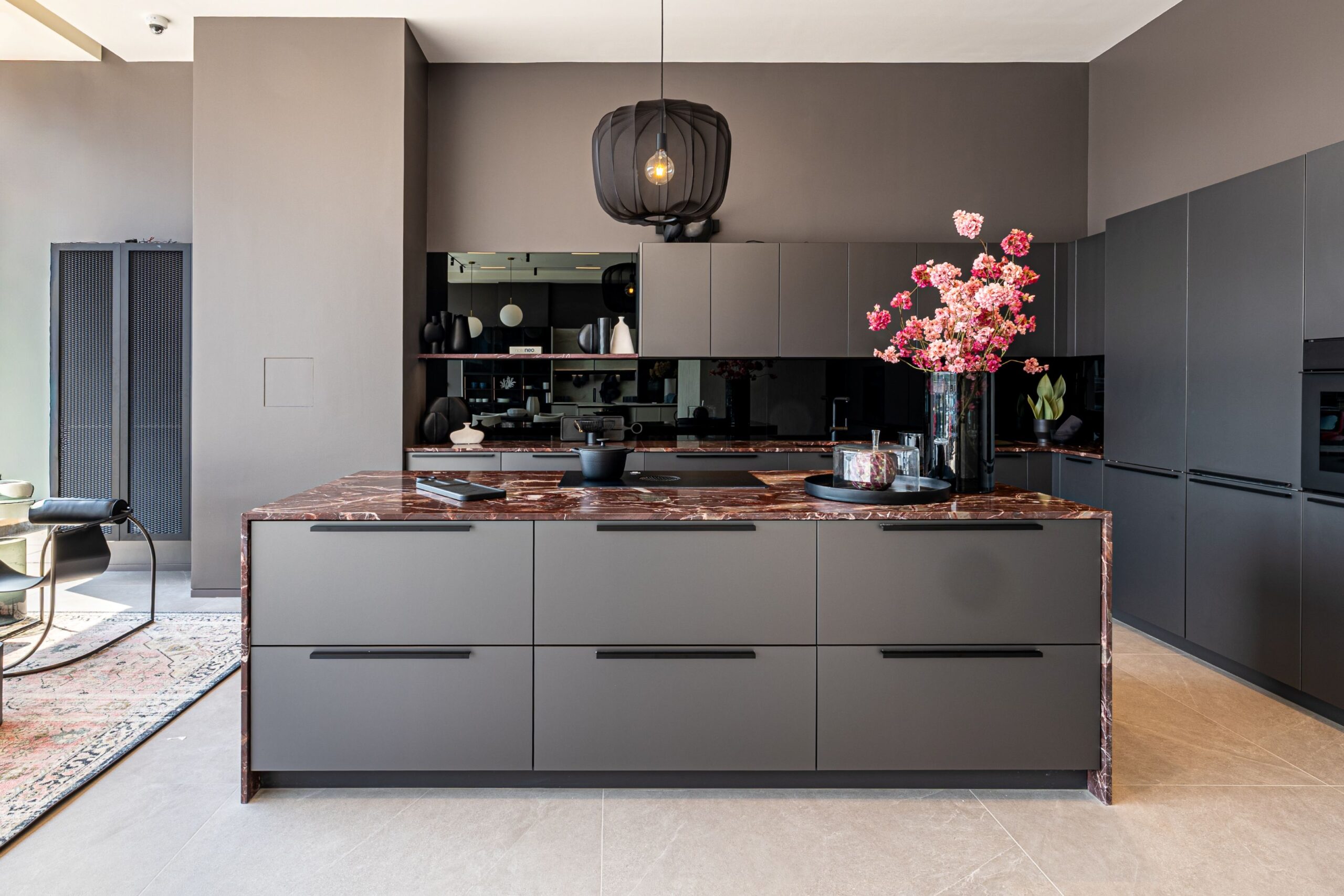
Nolte Küchen, Germany’s leading premium kitchen brand, is strengthening its position in the UAE after building an order book valued at more than AED 90 million, comprising over 4,000 kitchens across premium residential developments.
The growth follows a major shift in Nolte’s UAE strategy in 2025, with the company transitioning from a dealership model to direct market operations through Nolte Kitchens LLC, a subsidiary of Nolte Küchen Germany. In its first year of trading, the UAE entity established fully integrated local operations to support large-scale project delivery and long-term retail growth. With this structurein place, Nolte expects annual growth of at least 25% in the coming years.
The company’s next focus is retail, with its flagship showroomopening on Sheikh Zayed Road on 30 October 2026. As the onlyshowroom in the UAE operated directly by the brand, it will give customers Nolte’s complete product catalogue, technical expertise and world-class service in one dedicated space.
Selva Kumar, Managing Director & Senior Vice President – Middle East, Asia & Africa at Nolte FZE, said: “Nolte Küchen has built nearly seven decades of expertise in Germany, and international expansion is an important part of our growth strategy, with the UAE at the centre of that ambition. Dubai recorded AED 252 billion in real estate transactions in the first quarter of 2026, up 31% year on year, showing that demand and investment continue to grow despite wider regional challenges.
“Our commitment to the market remains strong, and a key part of our approach is building long-term partnerships and providing our partners with the strongest possible support based on the needs of each market. At the same time, we are focused on strengthening Nolte’s regional position and working toward our goal of becoming the region’s number one kitchen brand. The opening of our flagship showroom is an important next step in that journey.”
The UAE real estate market continues to expand, with strong momentum in the premium and luxury segments where Nolte is positioned. According to Knight Frank, Dubai recorded 296 residential transactions valued above USD 10 million in the first half of 2026, totaling USD 5.1 billion, up 14% year on year. Amid this growth, Nolte has strengthened its business and successfully secured major projects with leading developers across the UAE.
Alongside its project and geographic expansion, Nolte continues to invest in product innovation. The company has developed its own range of Nolte-branded appliances, significantly expanding its kitchen offering and marking a key product innovation for 2027.
Looking ahead, the company plans to further grow both its retail and project presence across the UAE. Following the launch of its flagship Dubai showroom, Nolte intends to expand into Abu Dhabi and the Northern Emirates through partnerships with local entities and dealer networks.
Home Integrator
Sdeira Group Unveils Masterplan and New Details for 27,000-Resident Aryam Community – KEZAD Al Mamourah
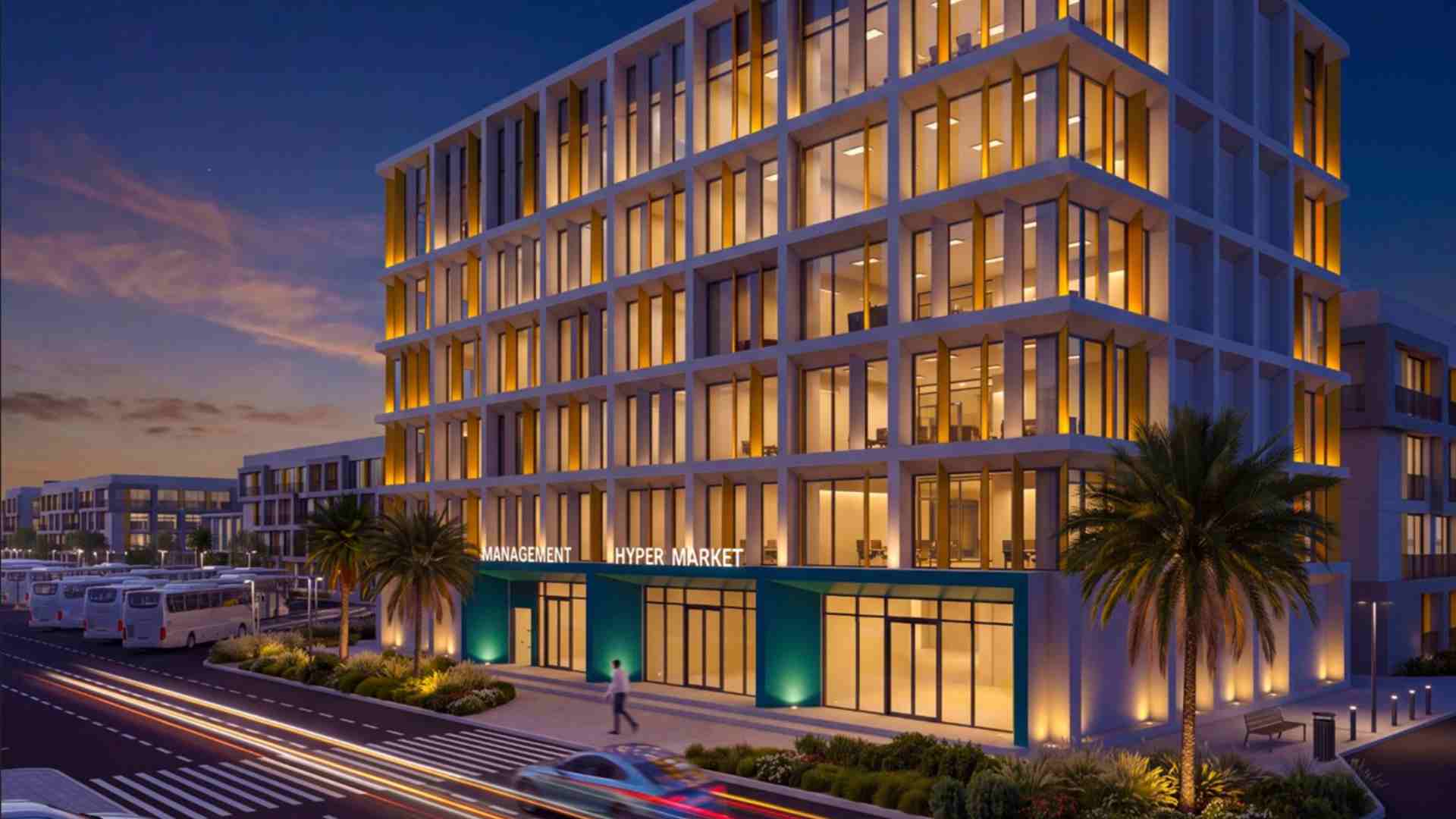
Sdeira Group, part of AD Ports Group, today unveiled the masterplan for Aryam Community – KEZAD Al Mamourah, revealing new details of the community being developed for up to 27,000 people working across KEZAD Al Mamourah’s industrial, logistics and commercial ecosystem.
The development, announced at Make it in the Emirates 2026, will provide scalable accommodation close to employers, alongside everyday amenities and services, and will support Abu Dhabi’s expanding industrial workforce as the emirate advances its Industrial Strategy, which targets growth of the manufacturing sector to AED172 billion by 20311.
Construction of the two-phase development, which is located within KEZAD Al Mamourah A, close to Khalifa Port and the Abu Dhabi–Dubai transport corridor, is expected to commence in the first half of 2027 and complete in 2029.
A physical model of Aryam Community – KEZAD Al Mamourah was displayed publicly for the first time at KEZAD Connect, alongside new architectural renders. The plans reveal flexible living options to suit different residents’ needs.
The community will include supermarket and administrative facilities, while a separate mixed-use building will bring together a medical clinic, retail space and other amenities.
A central kitchen operated by “ZOAD”, Sdeira Group’s integrated catering services company, will support meal preparation and distribution across the community, complemented by two dining halls. “Your Laundry”, Sdeira Group’s laundry service, will operate a dedicated on-site laundry facility for residents.
Residents will also have access to four outdoor sports courts, alongside dedicated indoor recreation and leisure space. Together, the facilities are designed to make exercise, relaxation and social activity part of everyday life within the community.
Abdulaziz A. Bawazeer, Chief Executive Officer of Sdeira Group, said: “Industrial growth is ultimately powered by people. As Abu Dhabi’s industrial economy expands, the communities supporting the people behind that growth will play an increasingly important role in business performance and industrial competitiveness. We are already seeing strong interest from employers looking to secure accommodation at Aryam Community – KEZAD Al Mamourah, reinforcing the need for communities designed around people’s needs. That is why we are placing liveability at the centre of Aryam Community – KEZAD Al Mamourah — helping residents live well, stay healthy and access what they need in daily life — to create the right conditions for a strong, stable and productive workforce.”
Smart metering, energy-efficiency measures and water-conservation solutions are being incorporated into the design to support resource efficiency and long-term operational performance.
The development will be delivered in two phases, with Phase One planned for approximately 14,000 residents across a site area of 110,200 square metres and a built-up area of 137,800 square metres. Upon completion of both phases, the development will have capacity for up to 27,000 residents.
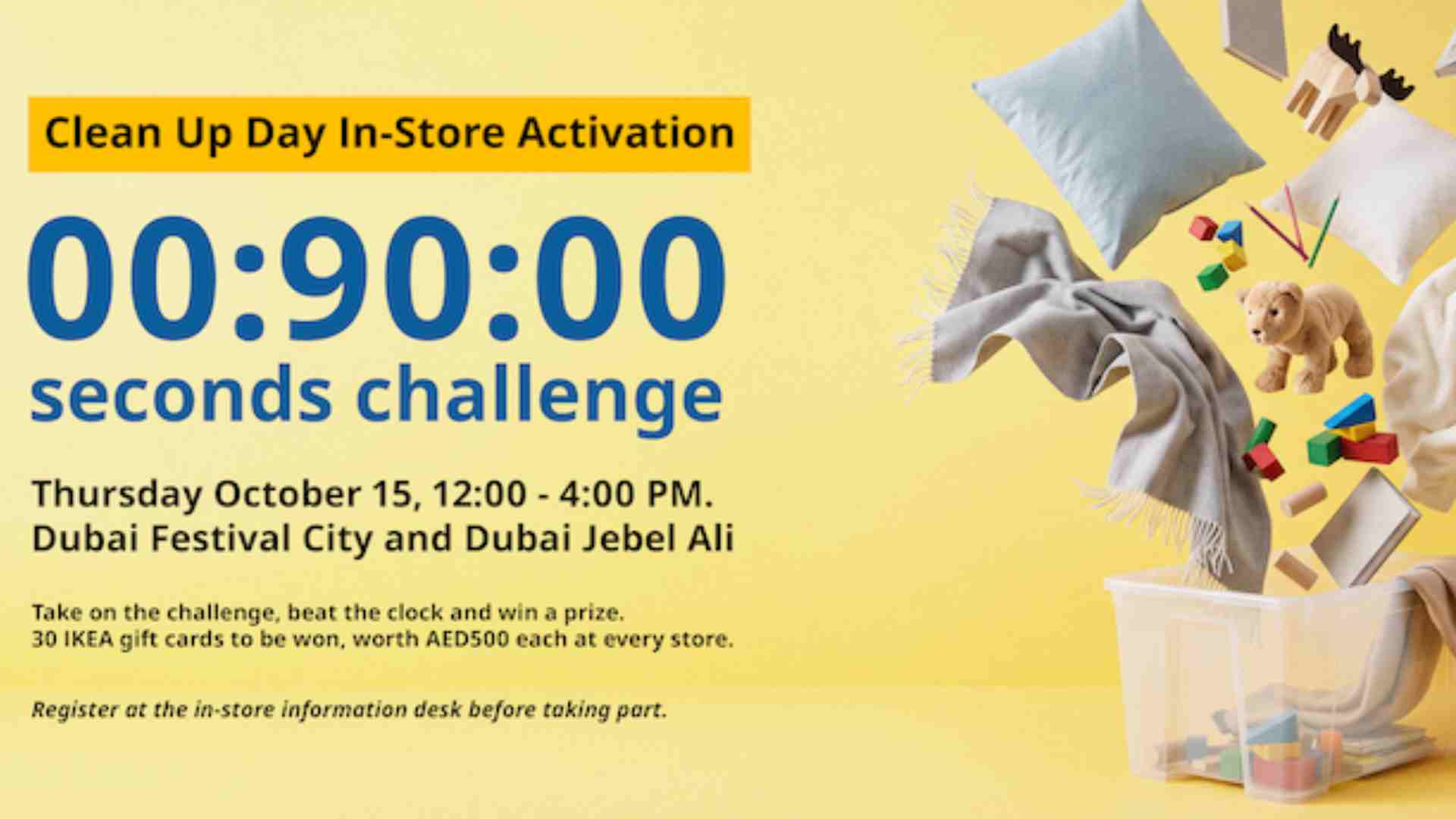
IKEA, operated by Al-Futtaim in the UAE, gathered residents and visitors together for the Guest-Ready Tidy-Up on 15 October, at IKEA Festival Plaza and Dubai Festival City stores.The activation brought IKEA’s storage solutions to life through a playful challenge, showcasing how IKEA continues to be part of customers’ everyday stories.
From laundry on the sofa, to toys on the floor – the last-minute tidy up before welcoming guests into our home can be familiar. Inspired by a relatable hosting moment, what happens after you receive the message that guests are on their way, the challenge gave IKEA Family members 90 seconds to put misplaced items into designated storage spaces in a staged living room, before the doorbell rang and their time was up.
An IKEA coworker assessed whether items were stored correctly within the allocated time, with 60 IKEA gift cards handed out to the winning customers across both stores, each worth AED 500.
The Guest-Ready Tidy-Up challenge celebrated the everyday moments that bring people together. Through practical, well-designed storage solutions at affordable prices, IKEA helps customers create homes that work for their routines, making it easier to clear the clutter and welcome friends and family. The challenge offered visitors a firsthand experience of IKEA’s storage solutions and ideas to use at home long after the activation.


Nolte Küchen Secures AED 90 Million in UAE Projects Following Direct Market Entry

Mango Jam Studios and The SMC Group Forge Strategic Partnership to Connect Middle Eastern Brands with Global Music and Entertainment Talent

AL HABTOOR GRAND RESORT, AUTOGRAPH COLLECTION APPOINTS CHRISTOPHE DELABARRE AS HOTEL MANAGER



-

 Trending12 months ago
OPPO A6 Pro 5G Review: Reliable Daily Driver
-

 Tech News2 years ago
Denodo Bolsters Executive Team by Hiring Christophe Culine as its Chief Revenue Officer
-
 VAR2 years ago
Microsoft Launches New Surface Copilot+ PCs for Business
-

 Automotive2 years ago
AGMC Launches the RIDDARA RD6 High Performance Fully Electric 4×4 Pickup
-
Tech Interviews3 years ago
Navigating the Cybersecurity Landscape in Hybrid Work Environments
-

 Hospitality2 years ago
Gulfood 2025 30th Edition Kicks Off Today, Setting New Benchmarks in F&B Growth and Innovation
-

 Tech News1 year ago
Nothing Launches flagship Nothing Phone (3) and Headphone (1) in theme with the Iconic Museum of the Future in Dubai
-
 VAR10 months ago
Huawei Nova 14 Pro Review: Where Camera Excellence Meets Ecosystem Evolution