
 Have a question? +971 56 404 0503




Automotive
2025 INFINITI QX50: Luxury Crossover Blends Style with Innovative Technology


The 2025 INFINITI QX50 delights with its eye-catching design, spacious interior, a lengthy list of features that enable everyday convenience, and the responsive power of a 2.0-liter Variable-Compression Turbocharged (VC-Turbo) engine.
For the 2025 model year, the QX50 is streamlined to three grades – LUXE 2WD, LUXE STYLE AWD, and SPORT – with standard Intelligent All-Wheel Drive.
Design for visual appeal and function
The 2025 INFINITI QX50 makes a splash with muscular proportions and sculpted bodywork. INFINITI’s signature double-arch front grille and crescent-shaped rear roof pillar help the model stand out, while its rounded roofline and prominent, sharply defined lines along the bodysides add depth.
For buyers seeking an even more dynamic appearance, QX50 SPORT wears a sport front fascia with numerous exterior elements painted black: the roof rails, window trim, front grille, liftgate trim, exhaust tips, door handles, and badges. The visual enhancements continue inside with enhanced ambient LED lighting and a Graphite headliner.
QX50 LUXE 2WD includes 19-inch, silver-painted wheels, LUXE STYLE drives on 20-inch dark-painted aluminum allow wheels, while QX50 SPORT has 20-inch dark-painted wheels with machined finish. Depending on the trim level, customers can select from seven exterior color choices: Hermosa Blue, Graphite Shadow, Slate Gray, Black Obsidian, Dynamic Sunstone Red, Lunar White, and Radiant White. Inside the cabin, both the LUXE 2WD and LUXE STYLE grades feature dark aluminum trim and Graphite upholstery, and the LUX STYLE grade has the additional option of Pebble Gray upholstery; QX50 SPORT has black aluminum accents and either Graphite or Monaco Red semi-aniline leather appointments.
The well-appointed cabin is both beautiful to behold – with detailed, soft-touch materials throughout – and functional for passengers and cargo alike. The second-row slides, allowing for optimization between legroom or luggage room, and folds flat to create up to 65.1 cubic feet (64.4 with panoramic moonroof) of cargo space.
Advanced turbocharged engine for effortless power
Backing up its energetic outward appearance, QX50 delivers strong and responsive performance thanks to the world’s first mass-produced Variable-Compression Turbocharged (VC-Turbo) engine. The 2.0-liter engine delivers 268 horsepower and 280 lb-ft of torque and is complemented by an XTRONIC transmission that features Downshift Rev Matching and standard paddle shifters to help deliver a more engaging driving experience.
With standard Intelligent All-Wheel Drive on all grades, the 2025 QX50 delivers a fuel economy of 22 mpg city and 28 mpg highway.
Intuitively integrated technology
As in all INFINITI vehicles, QX50 incorporates technologies that help make the journey more connected, more convenient, and more entertaining. The standard INFINITI InTouch infotainment system has an 8-inch upper and 7-inch lower screen, with Android Auto™ and wireless Apple CarPlay. A total of four USB ports and a wireless device charging pad are standard. A 12-speaker Bose Premium Audio System is standard on QX50 LUXE STYLE and SPORT, delivering richer and more lifelike audio.
QX50 also features an impressive array of standard safety and driver assistance technology, including Intelligent Cruise Control, Predictive Forward Collision Warning, Forward Emergency Braking with Pedestrian Detection, Blind Spot Warning, Lane Departure Warning and Prevention, Rear Cross Traffic Alert, Rear Automatic Braking, and High Beam Assist. ProACTIVE Package is equipped to offer support in certain driving situations. The system can help the driver stay centered within their lane and assists with acceleration and braking.
QX50 also has numerous standard features that make every drive a little more luxurious, including acoustic front side window glass and active noise control to keep the cabin more serene, and dual-zone automatic climate control allows drivers and passengers to select their preferred temperatures. QX50 offers standard heated seats, a panoramic moonroof, roof rails, and other luxurious touches, while notable QX50 SPORT equipment includes remote engine start and head-up display, enhanced ambient lighting, ICC with steering assist, climate-controlled seats, navigation, and Around View Monitor with Moving Object Detection.





Automotive
Automechanika Shanghai 2026: A platform connecting Middle East ambition with global automotive innovation
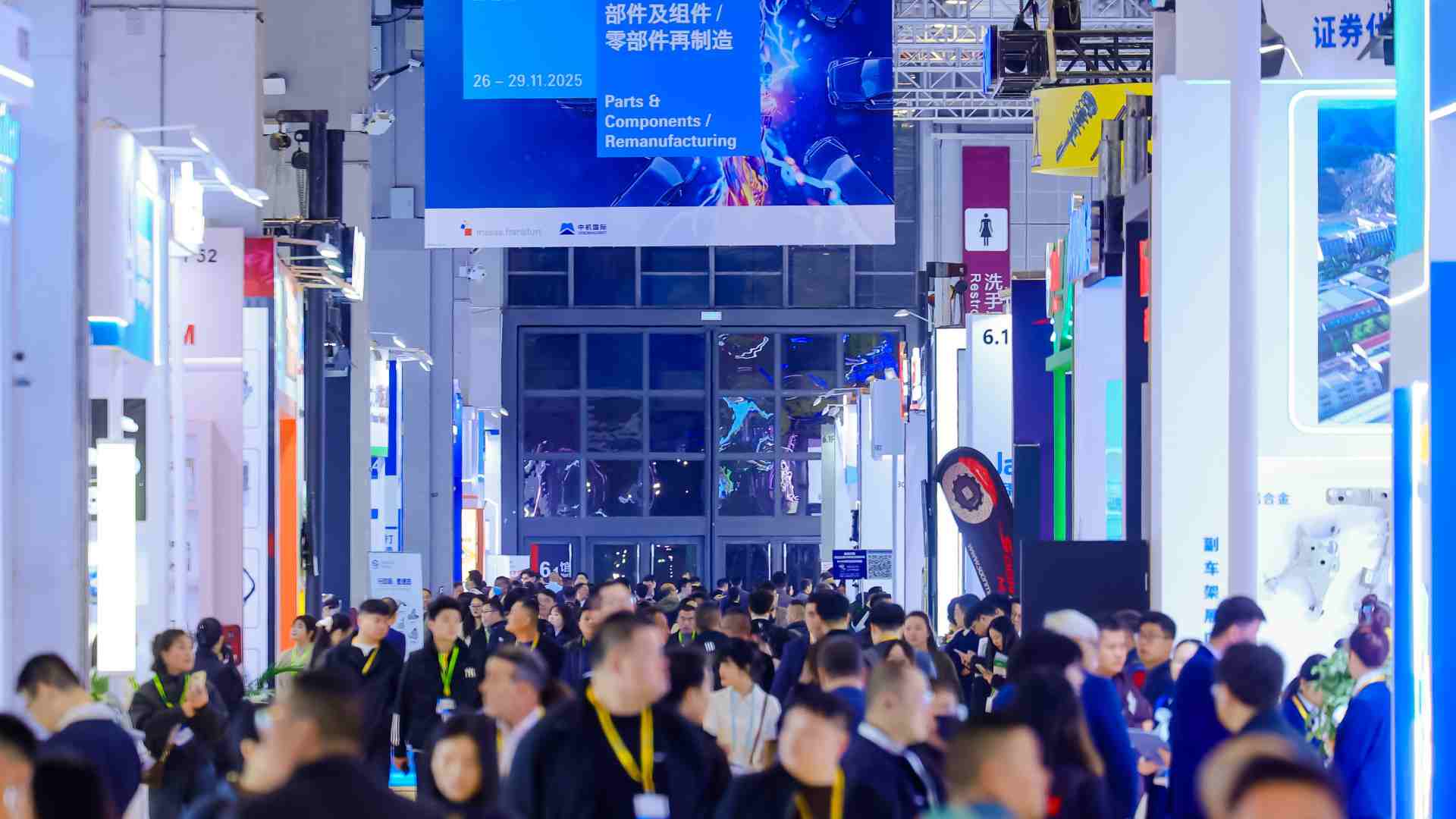
Automechanika Shanghai 2026 will bring together the global automotive supply chain from 2 to 5 December at the National Exhibition and Convention Center in Shanghai, offering businesses access to parts, components, equipment and aftermarket services. As the Middle East region advances automotive manufacturing and electric mobility, the exhibition offers an ideal platform to support sourcing and industry collaboration.
The 21st edition of the fair will occupy 390,000 sqm across 16 halls and the mezzanine floor, hosting around 7,600 global exhibitors. The fair welcomed 253,691 visitors from 190 countries and regions in its previous edition (2025). More than an exhibition, Automechanika Shanghai presents itself as a unified platform, integrating the show floor with a robust programme of conferences, workshops and 100 fringe events.
Technologies and innovations take centre stage
Covering the entire supply chain from manufacturing to the aftermarket, upgrades in parts & components, electrics & electronics, accessories, diagnostics, body and paint, tyres, and wheels showcase advanced components, smart tyres, lightweight wheels, maintenance for new energy vehicles, infotainment electronics, and high-performance enhancements for both passenger and commercial vehicles.
The Parts & Components and Electrics & Electronics sector, the largest at the fair with over 4,200 exhibitors, showcases advancements in materials, lightweight design, intelligent technologies, and electrification for ICE, EV, and hybrid vehicles, covering chassis, powertrain, new drive technologies, thermal management, standard parts, and more.
Driven by the rapid transformation of electrification, nearly half of Automechanika Shanghai’s exhibitors focus on new energy products and services. The New Energy & Connectivity sector grows 20%, featuring 700 exhibitors in electric powertrains, autonomous driving, AI, charging and battery swapping, intelligent chassis, and thermal management, alongside hybrid, fuel cell, and hydrogen solutions enhancing performance and safety. The newly established Global Quality Alliance Hub, centered on the IATF 16949 standard, unites standards bodies, trainers, certifiers, and regulators to strengthen quality management.
Fringe events guide insights into global trends
More than 480 global experts will participate in the 2026 conference and events programme.
The programme comprises five complementary pillars. Flagship events will address industry trends, policy and innovation, while the Tech series will focus on emerging technologies and R&D collaboration. The Talent series will connect companies with skilled professionals through educational initiatives.
Connect will facilitate collaboration between carmakers and suppliers throughout the year. The Automotive Supply-Demand Matching Series and Global Collective Forum will bring manufacturers, suppliers and technology companies together to discuss supply-chain development, investment and international partnerships.
Automotive+ will explore the convergence of artificial intelligence, vehicle-road-cloud systems, new energy solutions, hardware-software integration and robotics. The Innovation4Mobility platform will provide a dedicated showcase for these technologies and their applications across the automotive industry.
Middle East market developments create sourcing opportunities
The GCC’s new light vehicle market continues to grow, expanding the regional vehicle base and driving demand for parts distribution, maintenance equipment and aftermarket services. Electric vehicle adoption is also rising across the region, bringing further servicing requirements for diagnostics, charging systems and new energy powertrains. In addition, manufacturing and trade partnerships continue to develop across the Middle East. These developments underline growing opportunities for Middle Eastern businesses to source parts, equipment and technologies through international platforms such as Automechanika Shanghai.
Automotive manufacturing has rapidly developed across Asia as well, with many countries becoming key manufacturing hubs. These manufacturing centers not only fulfill domestic demand but also produce complete built-up (CBU) vehicles and parts for export across the region and beyond. China is a dominant player, leading vehicle production and exports with a significant volume that translates to tens of billions of dollars in trade value. For example, Chinese automakers shipped approximately $117 billion worth of vehicles globally, with a notable emphasis on new energy vehicles. Other major Asian automotive exporters including Thailand, India, Japan, and South Korea collectively contribute substantial export values, underscoring the integrated and competitive nature of the region’s automotive industry.
These developments highlight opportunities for cooperation between Middle Eastern businesses and international suppliers across automotive manufacturing, parts distribution and aftermarket services.
An ecosystem that needs the aftermarket to keep running
Automechanika Shanghai, Asia’s largest automotive fair of its kind, with product categories spanning across manufacturing and aftermarket, also attracts strong participation from across Asian countries and across the world. In a market dominated by an aging, largely combustion-powered fleet, this aftermarket focus remains highly relevant even as EV adoption grows. While traditional parts are still in high demand, continuous innovation is essential to keep pace with a vehicle base that is both aging and evolving. This reinforces Automechanika Shanghai’s position as the Asia’s largest in serving this sector, at a time when maintaining reliable and affordable vehicle operation is a key priority throughout the region.
Automotive
Mazal Launches First-of-its-kind Escrow-Protected Marketplace for Premium Number Plates Trading
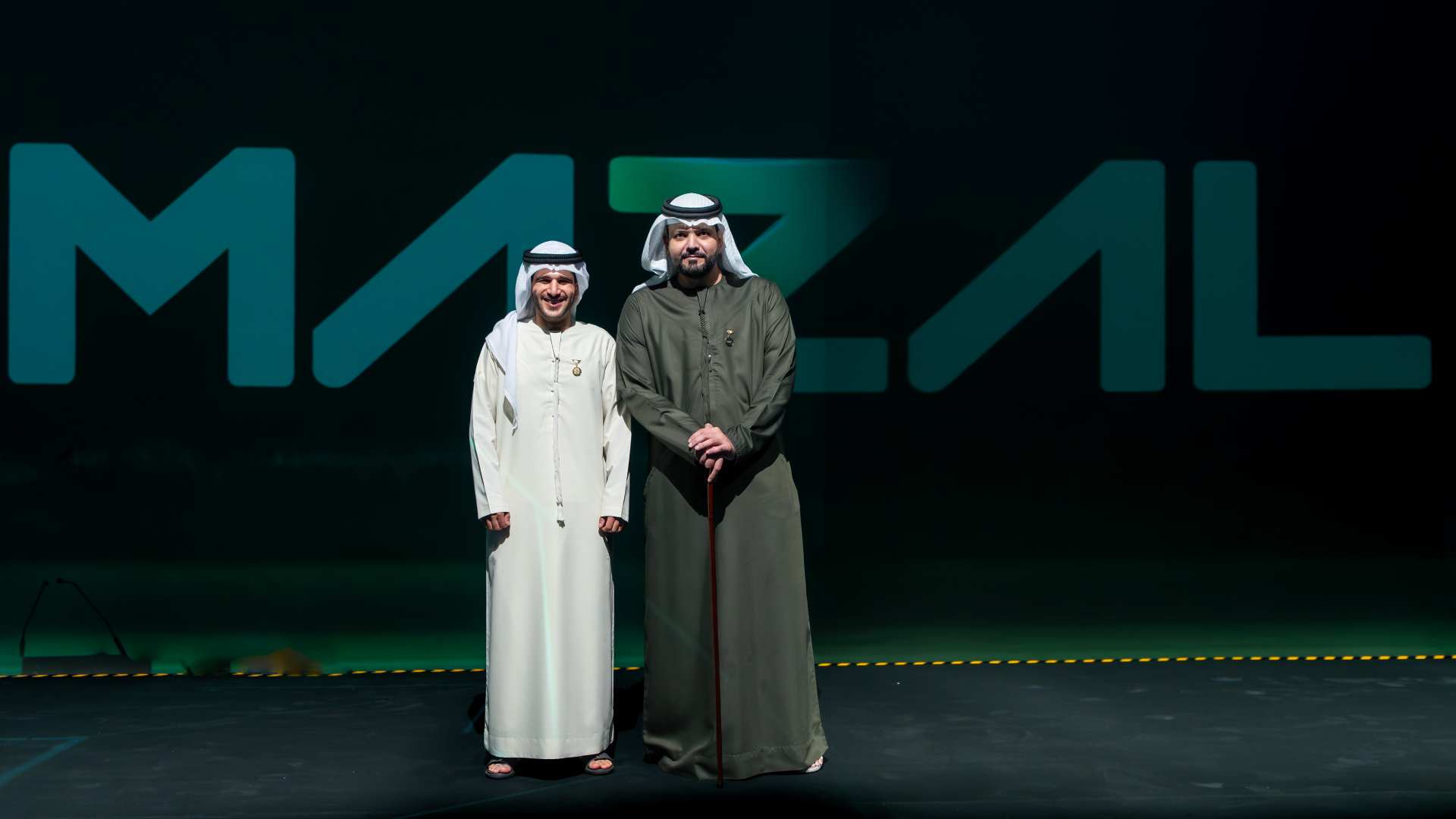
Mazal has officially launched its new digital platform, introducing what it describes as the UAE’s first escrow-protected ecosystem dedicated to the buying, selling and trading of premium Dubai number plates.
The platform was unveiled at an exclusive launch event held at a cutting-edge digital and vibrant event venue, bringing together industry stakeholders, collectors, investors and enthusiasts to mark a new chapter in Dubai’s premium number plate market.
The event also featured a live auction – the first of its kind taking place in the UAE for secondary number plates. Mazal premium number plates and premium Mazal IDs were also auctioned, lifting the energy of the evening to an all-time high.
Built around the principles of trust, transparency and security, Mazal aims to bring greater structure and efficiency to a market that has traditionally relied on informal transactions, independent brokers and manual ownership transfers. The platform provides users with a centralised environment where number plates are secured under Mazal’s custody before being made available for trading
Commenting on the occasion, Abdulla Al Meer, Co-Founder & Chairman, Mazal, said: “Building a credible market requires more than technology; it requires trust, governance and a clear framework around ownership and transactions. With my experience in Dubai’s number plate industry and its regulatory landscape, I have seen first-hand the importance of creating processes that protect both the asset and the people involved in a transaction. Mazal brings these principles together through verified ownership, secure payments and a transparent transaction journey, setting a stronger standard for the market.”
Adding to this, Ahmad Al Nasser, Co-Founder & CEO, Mazal, said: “Dubai’s premium number plate market has developed into a sophisticated trading environment, with plates increasingly recognised for their scarcity, value and long-term potential. Having spent years close to the commercial side of this industry, I have seen the need for a platform that can bring greater efficiency, transparency and accessibility to the way these assets are traded. Mazal is designed to provide that structure while preserving what makes this market unique.”
Mazal enables users to browse and list premium number plates, participate in live auctions and complete transactions through a protected escrow process. Under its transaction framework, buyers’ funds are securely held from the moment a deal is agreed and are released only once the official ownership transfer has been confirmed.
To further support secure and convenient transactions, Mazal has partnered with Transguard to facilitate reliable cash collection services for clients who choose to make payments through this method. The partnership adds an additional layer of convenience for customers while supporting the platform’s broader focus on secure and transparent transactions.
The platform also introduces data-driven valuations, with premium plates assessed against factors including transaction history, market demand, rarity and number patterns. This is designed to give buyers and sellers greater visibility into the value of an asset and reduce the uncertainty traditionally associated with premium number plate transactions.
Alongside its technology and transaction infrastructure, Mazal is investing in building a team that reflects the UAE’s talent and leadership ambitions. Through its partnership with TASC, the company is sourcing and recruiting top Emirati talent to support its growth and contribute to the development of a locally rooted business with regional ambitions.
Mazal’s launch comes at a time when premium number plates are increasingly being viewed as collectible and investment assets. According to the company’s market assessment, Dubai’s premium number plate market records approximately 55,000 transactions annually, with the market growing by around 20%. Premium plates can command significant values, with the highest recorded sale cited at AED 55 million and the premium plate market having recorded a value of AED 1.7 billion over three years.
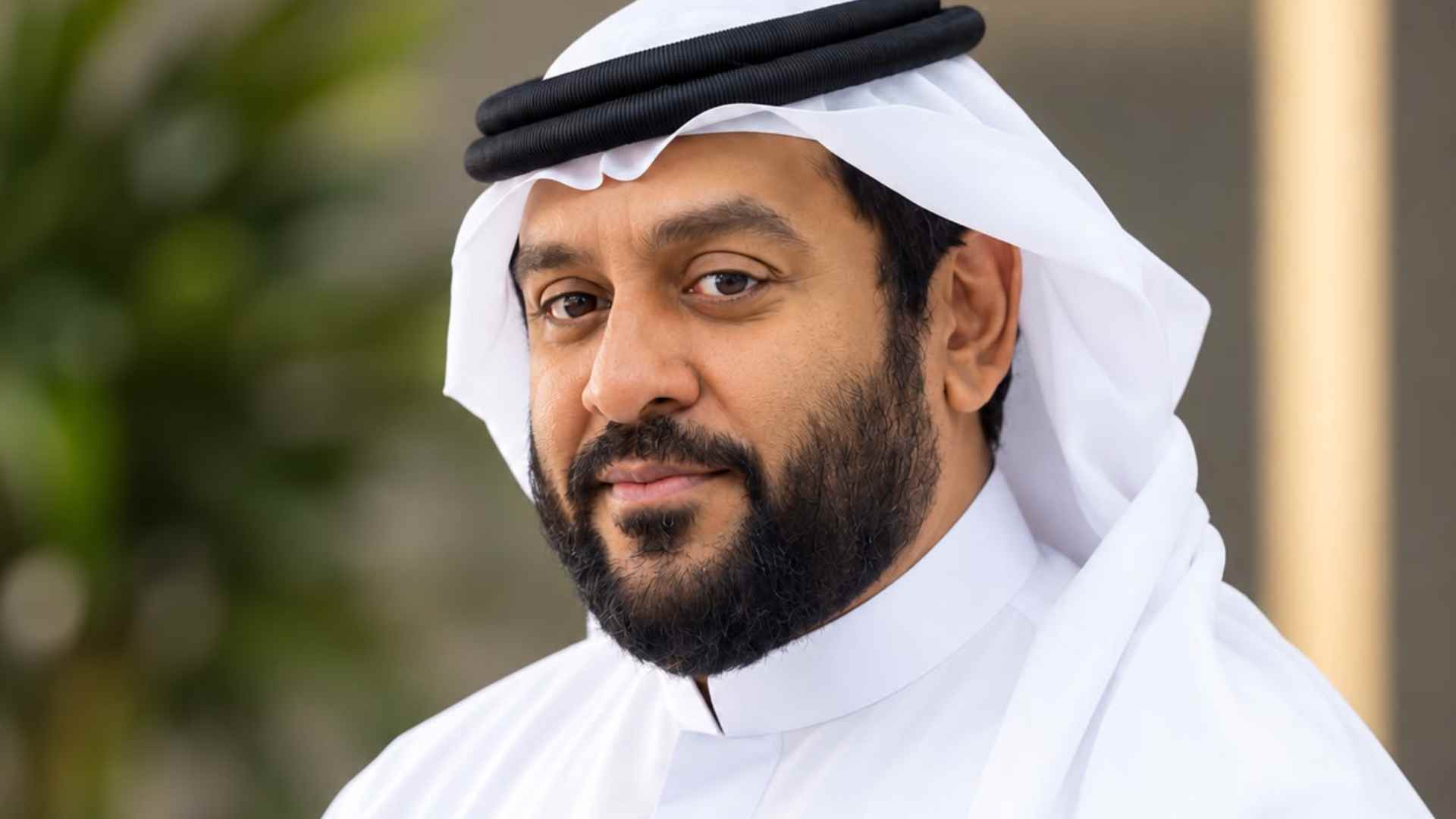
Exclusive Interview With Nasser Saeed Ahmed Nasser Lootah Founder & Chairman, N S Lootah Group
How are new consumer preferences in the UAE and the GCC’s established premium motorcycle market influencing N S Lootah Motors’ brand positioning strategies?
“Customers in the UAE and across the GCC are extremely well informed. They travel, they know international brands, and they compare technology, performance, design and service before making a decision.
For us, premium cannot simply mean expensive. There has to be something genuinely distinctive behind the product — whether that is the engineering, technology, design or the overall ownership experience.
That is one of the reasons SOUO interested us. The S2000 brings something genuinely different to the market, including the world’s first production Flat-8 motorcycle engine. But specifications alone are not enough. Our responsibility is to introduce the brand properly, build confidence around it and provide the level of service and support that customers in this market expect.”
Are there plans for N S Lootah Motors to diversify into commercial mobility solutions, or will the company remain focused on premium, lifestyle and luxury segments?
“At this stage, our focus is on building N S Lootah Motors around distinctive automotive and mobility opportunities where we believe we can bring something meaningful to the UAE market. We are open-minded about the future. If we see an opportunity in commercial mobility or another segment that has strong potential and fits our capabilities, we will certainly consider it.
But expansion must have a purpose. We don’t want to enter a category simply because it is growing. There must be a strong product, a clear market opportunity and a business where we believe N S Lootah Motors can genuinely add value. If we see an opportunity in commercial or another area of mobility that makes sense, and where we believe we can genuinely add value, we will consider it. But we don’t want to enter categories simply for the sake of expansion.”
What specific factors will decide if a new brand or mobility business becomes part of N S Lootah Motors for its automobile offerings?
“The first thing is always the product. It has to offer quality, strong engineering and a clear reason for the customer to choose it. Then we look very carefully at the company behind the product. We want partners who are serious about the UAE, who understand that building a brand takes time, and who are prepared to invest in the market together with us. After-sales support is equally important. We look at spare parts, technical training, warranty, product development, marketing support and the future product pipeline.
Ultimately, we ask ourselves whether this is something we can build into a sustainable long-term business. We are not interested in simply adding brands to our portfolio. We want partnerships that we believe can grow with us.”
What evaluation standards and market strategies should the team follow when selecting and discussing exclusive UAE distribution rights for upcoming OEM partners?
“Exclusivity by itself is not enough. What matters is what we can build with that exclusivity. Before taking on an OEM, we need to understand the product, the customer, the size of the opportunity and where the brand can realistically sit in the UAE market. We also need to understand what the manufacturer expects from us and what level of support they are prepared to provide.
I want the team to look beyond initial sales numbers. Product quality, pricing, spare-parts availability, warranty, technical training, marketing support and the future product pipeline are all important.
Most importantly, there has to be trust. A distributor and an OEM should operate as partners. If we are investing our name, our people and our resources into developing a brand in the UAE, we need a partner who shares the same long-term commitment.”
Currently, N S Lootah Motors has a special flagship showroom in Dubai that handles sales, test drives and brand interaction. What is the brand’s plan for expanding its retail presence in other MEA regions?
“Dubai is our starting point, and our priority is to establish the business properly here first. The showroom gives customers the opportunity to see the motorcycles, experience the brand and take a test ride. Just as importantly, it gives us direct contact with customers and allows us to understand what the market really wants.
From there, expansion should follow genuine demand. Our ambition is regional, but we want that growth to be disciplined. We would rather establish one market properly and then move into the next with the right partner, infrastructure and customer support in place.”
Are there any differences between the expectations of the brand you represent and the realities of selling motorcycles in the UAE market?
“Of course. Every international brand enters a market with certain expectations, but every market has its own character. The UAE customer expects a very high standard — not only from the product, but from the entire experience. Customers expect quick responses, knowledgeable salespeople, reliable after-sales service and easy access to spare parts.
Motorcycles are also very community-driven here. Riding groups, events, weekend rides and relationships between riders are an important part of the market. Our role as the local distributor is to understand both sides. We help the manufacturer understand the UAE customer, while making sure the brand is communicated and represented properly in the local market. That bridge is where a strong distributor really adds value.”
How do you balance portfolio expansion with the need to develop sufficient expertise, infrastructure and after-sales capabilities for each business you take on?
“Growth is important, but uncontrolled growth can damage a business. Every automotive brand we take on requires investment in people, technical knowledge, spare parts, diagnostics, training and after-sales support. You cannot simply sign a new brand and expect the business to develop by itself. That is why we are focused on building capability alongside the portfolio. As we grow, our infrastructure and our people have to grow with us.
For me, the customer experience is the real measure. When somebody buys a premium motorcycle from N S Lootah Motors, they are trusting us not only with the sale but with the entire ownership journey. I would rather grow at a pace where we can maintain that standard than expand quickly and compromise the experience.”
What are the most difficult decisions you must make as a new automotive venture — where to invest, what to prioritise, how fast to grow the operation, or how to respond to market signals?
“I think one of the most difficult decisions is knowing when to move quickly and when to be patient. In automotive, you can invest very quickly — in facilities, inventory, people, marketing and expansion. But every investment has to follow a clear strategy. At the same time, the market moves quickly, so you cannot be too cautious. You have to listen to the customer, listen to your team, understand the numbers and stay close to what is happening in the market.
We are still building N S Lootah Motors, and our objective is not to become the biggest automotive company overnight. We want to build a strong, respected business with the right foundations — one that customers and international partners can trust and that will remain relevant for many years.
We are not trying to become the biggest automotive company overnight. We are trying to build a business that will still be relevant many years from now.”


Henry Dannell Expands into the Middle East with Launch of DIFC Representative Office

ALEC Partners with Environment Agency – Abu Dhabi to Launch Hydrological Mangrove Restoration Project in Abu Dhabi
Ciao, Mercato! Cucina Brings The Italian Food Market To Life With A New Saturday Brunch



-

 Trending12 months ago
OPPO A6 Pro 5G Review: Reliable Daily Driver
-

 Tech News2 years ago
Denodo Bolsters Executive Team by Hiring Christophe Culine as its Chief Revenue Officer
-
 VAR2 years ago
Microsoft Launches New Surface Copilot+ PCs for Business
-

 Automotive2 years ago
AGMC Launches the RIDDARA RD6 High Performance Fully Electric 4×4 Pickup
-
Tech Interviews3 years ago
Navigating the Cybersecurity Landscape in Hybrid Work Environments
-

 Hospitality2 years ago
Gulfood 2025 30th Edition Kicks Off Today, Setting New Benchmarks in F&B Growth and Innovation
-

 Tech News1 year ago
Nothing Launches flagship Nothing Phone (3) and Headphone (1) in theme with the Iconic Museum of the Future in Dubai
-

 VAR10 months ago
Huawei Nova 14 Pro Review: Where Camera Excellence Meets Ecosystem Evolution