
 Have a question? +971 56 404 0503




Home Integrator
Al-Futtaim IKEA Concludes Earth Weeks Campaign with Bold Sustainability Commitments


Al-Futtaim IKEA announced its new sustainability initiatives and targets for 2025 during an event at its Yas Mall store in Abu Dhabi, where it also celebrated the success of its recent “Earth Weeks” campaign.
The event, attended by Francois Brice, Fuel & Commercial Executive Director at EWEC, and members of the Department of Community Development, Department of Energy and EWEC. The event featured presentations by Pooja Dhingra, Regional Sustainability Manager of Al-Futtaim IKEA, and Ouateil Sgheir, Market Manager of Abu Dhabi, who discussed both the brand’s global ambitions and local impact.
From Awareness to Action: Earth Weeks Campaign
The event also spotlighted Al-Futtaim IKEA’s successful initiatives and campaigns during “Earth Weeks”—the brand’s six-week, sustainability-focused period from mid-March to the end of April. Engaging customers and colleagues in climate-conscious practices under the theme of “Start at Home,” the campaign promoted practical, everyday actions, like energy saving, reducing food waste, recycling, and reusing, as the building blocks of sustainable living. Reflecting the positive impact of these efforts, sales of sustainable products doubled during this period—demonstrating that sustainability is not only achievable but also accessible and affordable.

One of the campaign’s most creative activations, the “Switch-Off Trade Off”, reimagined Earth Hour by having Al-Futtaim IKEA employees turn off lights in the offices and showrooms on behalf of community members who were tied up with essential tasks. Another highlight, “Wait for the Drop,” introduced a unique online playlist with tracks mimicking the sound of running water, promoting mindful water use in bathrooms.
Additional moments included celebrating Mother’s Day by honouring mothers as the original sustainability heroes, recognising their everyday efforts in nurturing both family and the planet.
Clean Energy Milestones
Al-Futtaim IKEA also announced three stores, located in Fujairah, Al Ain, and Dalma Mall in Abu Dhabi, have achieved LEED Gold certification. This recognition highlights the implementation of eco-friendly practices across the locations, including 10% lower energy consumption, 55% water savings, improved indoor air quality, and significant progress in waste reduction and recycling.
On May 2, 2025, Al-Futtaim IKEA reiterated its long-term sustainability commitment by announcing a strategic partnership with the Emirates Water and Electricity Company. Through the agreement, EWEC will provide IKEA UAE with Clean Energy Certificates (CECs) to cover 100 per cent of the electricity consumed across its four stores in the Emirate of Abu Dhabi. Issued by the Abu Dhabi Department of Energy (DoE), CECs are the only accredited instruments in Abu Dhabi that certify electricity consumption is sourced from renewable and clean energy generation. This milestone marks a significant step forward in IKEA UAE’s efforts to reduce scope 2 emissions and operate in a more environmentally responsible manner.
Vinod Jayan, Managing Director of Al-Futtaim IKEA UAE, Egypt, Oman and Qatar, commented: “At Al-Futtaim IKEA, sustainability is central to how we operate, innovate, and serve our communities. We believe that sustainable living should be simple, affordable, and accessible to all. Our Earth Weeks campaign reflects our responsibility to lead by example in the region, protect the planet’s most vital resources, and empower the many people to be part of this journey. Change starts at home—but its impact extends far beyond.”

He continued: “This commitment to long-term change is demonstrated by the actions we’re taking across our operations to reduce environmental impact. Over the past year, our fleet of electric trucks has helped us avoid 29 tonnes of carbon emissions annually, equivalent to the emissions of seven passenger cars driven for a year. We’re also making significant progress in food waste reduction. By using anaerobic digesters in two of our stores, we divert 160 tonnes of food waste from landfills each year, saving CO₂ emissions equivalent to the energy required to power 98 homes for an entire year. As a business proudly rooted in the UAE’s success, we’re fully aligned with the country’s Environment Vision 2030.”
Empowering Future Sustainability Leaders
On Earth Day, Al-Futtaim IKEA welcomed members of Masdar’s Youth 4 Sustainability (Y4S) community for the first in a series of collaborative sessions focused on practical sustainability. Hosted in partnership with the Al-Futtaim Youth Council and Sustainability Team, the first session at IKEA Yas Island, Abu Dhabi explored circular economy and sustainable living, featuring an interactive store tour, a waste-sorting workshop, and a blind tasting experience.
These sessions form part of a broader knowledge exchange initiative between Al-Futtaim IKEA and Y4S, designed to empower the next generation of sustainability leaders through real-world insights and collaborative dialogue.
Strengthening Biodiversity and Water Commitments
Al-Futtaim IKEA’s sustainability targets are aligned with Inter IKEA’s global ambitions, focusing on reducing environmental impact across the value chain, strengthening ecosystems, and driving positive societal change in collaboration with customers, partners, and policymakers.
Inter IKEA is also advancing its sustainability agenda with a strong focus on water stewardship, working to reduce freshwater use, improving water quality, and ensuring access to clean water in high-risk areas across its value chain, efforts that will enhance water resilience for both ecosystems and communities.
Looking Ahead
Building on the Earth Weeks campaign, Al-Futtaim IKEA is entering a new chapter of sustainability, rooted in action, accountability, and collaboration. The company remains committed to creating a positive impact not only within its stores and supply chain, but also across the wider community, making sustainable living a reality for the many.









Exclusive interview with Noor Al Muhaideb, founding partner, Opaal interiors.
Noor, you’ve been designing since your AUSD days and now lead Opaal Interiors, what was the pivotal moment when design switched from passion to purpose in your life?
Design has been an enduring passion from an early age, where I found myself drawn to patterns, spaces, and materials. This soon became a professional purpose during my formative years at the American University of Sharjah (AUSD) and subsequently throughout my tenure at Emaar Properties. At AUSD, I refined my technical skills, deepened my understanding of spatial planning, and cultivated a disciplined approach to design. This foundation allowed me to transform instinctive creativity into a structured, impactful practice.
Earlier in my career, I witnessed firsthand how interiors influence lifestyle, wellbeing, and daily experience, far beyond aesthetic considerations. Leading complex residential and hospitality projects revealed the profound effect of thoughtful planning and detailing on occupants’ quality of life. Today, I always look forward to creating environments that are emotionally resonant, where every detail contributes to a meaningful, lived experience.
As founding partner and a lead creative designer, how do you balance executive leadership with creative direction?
At Opaal, leadership and creativity are inseparable yet distinct. My role requires overseeing the strategic growth of the firm including, client engagement, project delivery and operational excellence, while simultaneously shaping the creative vision of every project.
Creativity is the core of our work, which is why nurturing talent is a priority. We encourage young designers to contribute ideas boldly, experiment within project parameters, and take ownership of their work. By fostering this sense of responsibility and creative autonomy, we maintain innovation at the core of our practice while ensuring that every project meets Opaal’s high standards of quality and refinement.
From a business perspective, launching Opaal in a competitive market demanded patience and deliberate strategy. Building a credible client base and reputation took time, particularly when established firms dominated the landscape. By emphasizing meticulous planning and team work, we gradually established trust and credibility.
Adapting to this approach is important for the industry and it is slowly aligning in this direction. For instance, in 2025, over 65 per cent of mid-sized GCC design firms reported collaborative leadership models to balance operational efficiency with creative excellence.
In our industry, this focus ensures that our company remains both a strategically robust business and a leading creative force in the region’s interiors sector.
Opaal emphasizes spaces that feel personal and emotionally grounded. How do you translate a client’s inner world into physical form without losing authenticity?
At Opaal, translating a client’s inner world begins with deep engagement and collaboration. We invest time in understanding their lifestyle and emotional priorities, refining ideas together from concept through execution. Every decision we make, whether it is layout and lighting or materials and textures, it is guided by their identity, ensuring that the space feels authentic and personal. Through this, we create interiors that are functional and refined as well as emotionally resonant, supporting wellbeing and leaving a lasting impression.
As Juan Montoya notes, “A room should never allow the eye to settle in one place. It should smile at you and create fantasy.” This mindset allows our work to remain timeless and meaningful.
Can you walk us through a design decision you made recently, maybe a material, custom joinery piece, or lighting solution, and why it was pivotal to the space’s narrative.
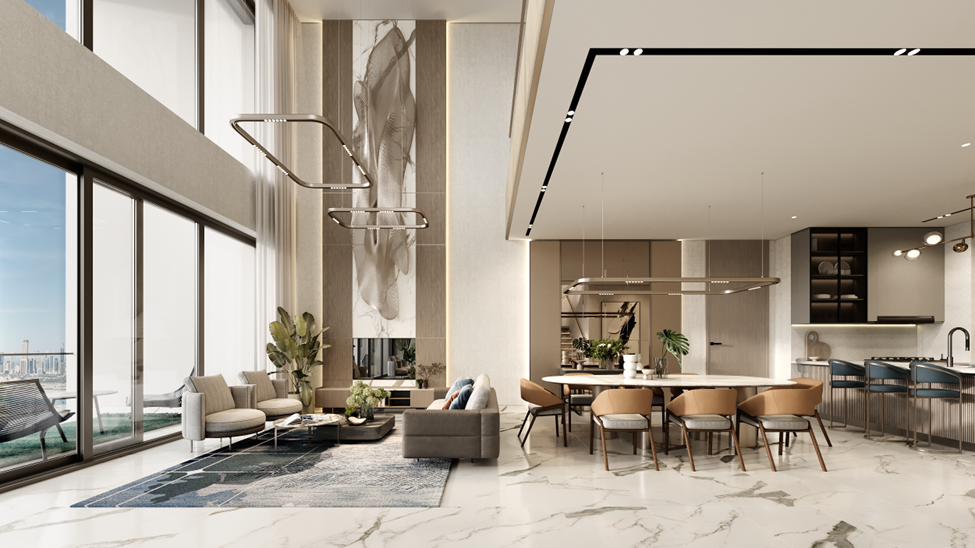
At the MANSORY Residences, we reinterpreted the precision of automotive craftsmanship within a refined residential setting. A custom chaise-like sofa, with a contoured profile inspired by grand tourer seating, anchors the living space with sculptural presence and everyday comfort. The surrounding joinery layers charcoal and graphite tones with cognac leather inlays and brushed metal detailing, balancing strength with warmth. Concealed coves and integrated lighting introduce a soft, ambient glow reminiscent of a luxury dashboard. The result is a composed, immersive environment where bold design is thoughtfully softened for daily living.
How do you balance aesthetic boldness with comfort and emotional resonance, especially in private residential spaces?
Residential design is uniquely distinctive and requires particular care because we are shaping spaces where people live, and rest. For me, bold design is always in service of the people who inhabit a space. Every material, texture, and detail is considered should be more than a visual impact and should focus on how it affects mood and daily life. We firmly believe that a striking feature is only meaningful if it makes the space feel welcoming and emotionally supportive.
We start by understanding how people interact, and experience their homes, then integrate statement elements with restrained palettes, tactile finishes, and bespoke detailing. The goal is to ensure that every home feels personal, which is bold yet restorative.
In an age of fast aesthetic trends, how do you resist momentary visual noise and maintain integrity in your designs?
Maintaining design integrity begins with a clear vision and a deep understanding of each project’s context. We ensure that every decision aligns with the story and purpose of the space, rather than short-lived trends. Moreover, we treat design as a living dialogue between people and their environment.
For example, in the MANSORY Residences by Amaal, Opaal focused on automotive-inspired luxury elements that deliver a consistent, sensory-rich experience throughout the space. The interiors combine bespoke materials, precise detailing, and a thoughtful layout that elevates the concept without resorting to superficial visual effects.
This approach is reinforced by wider industry behaviour where more than 55 per cent of interior designers report that minimalistic and purposeful design is increasingly popular among clients, reflecting a preference for authenticity and longevity over short‑lived trend cycles.
Your recent partnerships, like with MANSORY Residences by Amaal, blend iconic brand identities, how do you approach co-design with global lifestyle brands?
Collaborating with global lifestyle brands requires respecting the brand’s identity while translating it into a tangible, human-centered environment. For MANSORY Residences, our approach began with understanding the brand’s automotive-inspired luxury ethos and the expectations of its residents. We then translated those values into the interiors through bespoke materials, tailored detailing, and spatial planning that reflects both the brand and the lived experience of occupants. We are working closely with the brand, the developer, and other stakeholders to ensure that we meet their standards while keeping our timeless elegance and design elements.
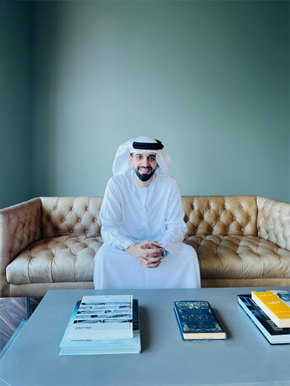
By Rashed Hareb, CEO & Co-Founder, Rentify
UAE’s rental market is undergoing a quiet but profound shift. For decades, landlords operated within a relatively predictable system—annual or post-dated cheques, fixed payment schedules, and a sense of financial certainty that allowed for planning and stability. Today, that system is evolving. Tenants are increasingly seeking flexibility, with monthly payment models becoming not just a preference, but an expectation.
While this shift is undeniably tenant-friendly, it raises an important question for landlords: how do you embrace flexibility without compromising financial certainty? The answer lies not in resisting change, but in rethinking the infrastructure that underpins rent itself.
The Rise of Monthly Rent: Convenience Meets Complexity
Monthly rent is often framed as a simple upgrade—more manageable payments for tenants, improved accessibility, and alignment with modern financial behavior. But from a landlord’s perspective, the implications are far more nuanced.
A shift from annual or quarterly payments to monthly inflows introduces:
- Cash flow fragmentation
- Increased risk of missed or delayed payments
- Higher administrative overhead
- Reduced predictability in income cycles
What was once a straightforward transaction becomes a recurring operational process.
For individual landlords, this can quickly become overwhelming. For institutional landlords or property managers, it scales into a systemic inefficiency. The real challenge, therefore, isn’t monthly rent itself—it’s the lack of infrastructure designed to support it.
Certainty Is the Real Currency
At its core, the landlord’s priority has never changed: certainty.
Certainty of income. Certainty of timing. Certainty of compliance.
Traditional rent systems delivered this through rigid structures—bulk payments, cheque guarantees, and legal enforceability. But these mechanisms are increasingly misaligned with how tenants want to pay.
This creates a tension between flexibility and control. To resolve this, landlords need a system where flexibility for tenants does not translate into volatility for owners. In other words, the experience can evolve—but the outcome must remain predictable.
From Payment Collection to Payment Infrastructure
Historically, rent collection has been treated as a transactional function. But in a monthly rent environment, it must evolve into a fully integrated financial layer.
This means moving from:
- Manual tracking → Automated reconciliation
- Reactive follow-ups → Proactive risk assessment
- Tenant-dependent payments → System-backed assurance
A rent-native infrastructure fundamentally changes the equation. It ensures that while tenants may pay in smaller, more frequent instalments, landlords continue to receive payments with the same consistency as before.
This is where technology—particularly AI—plays a critical role.
Reducing Administrative Burden at Scale
One of the most overlooked challenges in the shift to monthly rent is operational load.
Every additional payment cycle introduces:
- Payment tracking
- Reminder management
- Reconciliation
- Exception handling
Multiply this across multiple tenants and properties, and the administrative burden grows exponentially.
For landlords managing portfolios, this isn’t just inefficient—it’s unsustainable.
Modern rental infrastructure removes this friction by automating the entire lifecycle:
- Smart payment scheduling aligned with lease terms
- Automated collections and confirmations
- Real-time dashboards for visibility
- Integrated reporting for financial clarity
The result is not just convenience—it’s operational transformation.
Landlords are no longer in the business of chasing payments; they are enabled to focus on asset performance and portfolio growth.
De-Risking the Monthly Model
A key concern for landlords is risk.
Monthly payments inherently introduce more points of failure. A single missed payment is no longer an isolated event—it becomes part of a recurring pattern that can quickly escalate.
This is where intelligent systems can shift the paradigm.
By leveraging AI-driven underwriting and behavioral insights, modern rent platforms can:
- Assess tenant reliability before onboarding
- Monitor payment patterns in real time
- Flag potential risks early
- Enable proactive intervention
This transforms rent collection from a reactive process into a predictive one.
For landlords, this means fewer surprises—and greater control.
Strengthening Landlord-Tenant Relationships
Interestingly, the right infrastructure doesn’t just protect landlords—it also improves relationships with tenants.
When systems are transparent, payments are seamless, and expectations are clearly defined, friction reduces significantly.
Tenants benefit from:
- Flexible payment options
- Clear visibility into dues and schedules
- Reward-linked payment behaviors
Landlords benefit from:
- Timely payments
- Reduced disputes
- Greater tenant retention
In a market like the UAE, where tenant mobility is high, this alignment becomes a strategic advantage.
Market Overview: Rethinking Rent in the UAE
The UAE stands at a pivotal moment in its rental evolution.
As tenant expectations shift toward flexibility and digital-first experiences, the industry must respond with systems that match this pace. An AI-powered rental layer has the potential to redefine the ecosystem—bringing certainty to landlords, transparency to tenants, and confidence to every lease.
By embedding intelligence into the rental process, the market can move beyond outdated trade-offs and toward a model that is both flexible and secure.
The Future: Invisible Infrastructure, Visible Impact
The most effective infrastructure is often the least visible.
In the future, landlords shouldn’t have to think about how rent is collected, tracked, or reconciled. It should simply work—reliably, consistently, and intelligently.
Monthly rent is not a passing trend; it is the direction the market is heading. But its success depends on the systems that support it.
For landlords, the opportunity is clear:
- Embrace flexibility without sacrificing certainty
- Reduce operational complexity without losing control
- Leverage technology to turn risk into predictability
The shift is not just about how rent is paid—it’s about how rent works. And those who invest in the right infrastructure today will define the standards of tomorrow.
Home Integrator
A SEASON OF RADIANT HOSPITALITY: NATUZZI ITALIA CELEBRATES MOTHER’S DAY AND THE SPIRIT OF EID WITH MASTERPIECES OF ITALIAN COMFORT

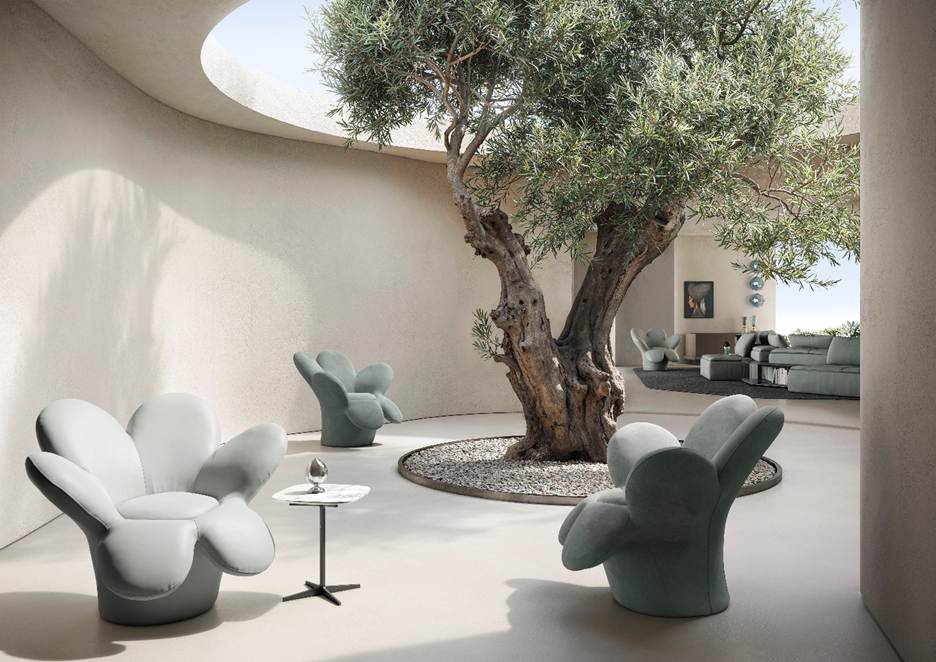
As the UAE prepares for a season of profound celebration, Natuzzi Italia, the world’s most recognized luxury furniture brand, is proud to unveil a captivating collection curated to honor both Mother’s Day and the upcoming Eid al-Fitr festivities. This year, the brand invites clients to redefine the art of gifting and hosting by blending the soul of Italian craftsmanship with the warmth of regional traditions.
Whether seeking to elevate the home for festive Eid hospitality or searching for a heartfelt tribute for Mother’s Day, Natuzzi Italia presents a collection that captures the essence of both occasions. This curated selection ranges from the sculptural elegance of the Fiore armchair to a suite of lighting and art objects designed to embody the spirit of the season.
The Fiore Armchair: A Symphony of Nature
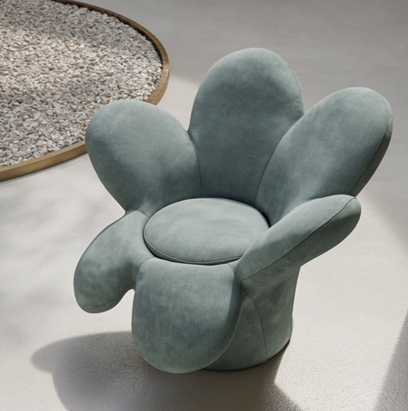
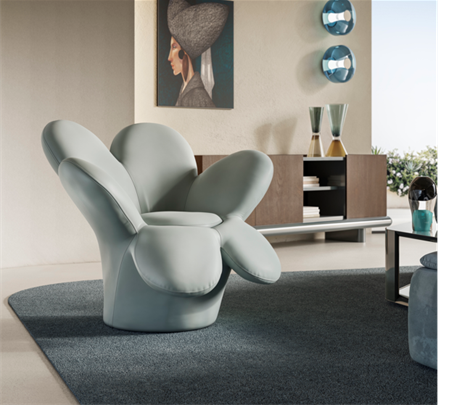
Designed by the acclaimed Marcantonio, the Fiore armchair is a masterpiece that blurs the boundary between functional furniture and fine sculpture. Inspired by the delicate strength of petals and the organic flow of nature, Fiore envelops the body in fluid, sinuous lines. Reflecting Natuzzi’s Apulian heritage through a poetic fusion of artisanal precision and emotional design, the piece invites the softness and growth of the natural world into the heart of the home.
Illuminating Elegance by adding a layer of radiant artistry to the interior:
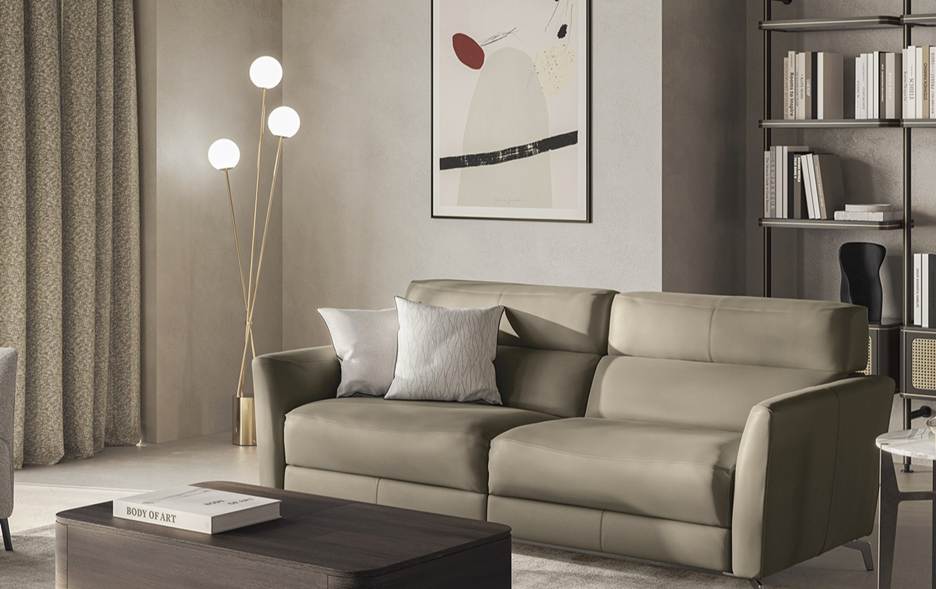
The TEA Floor Lamp: Designed by Danelo de Rossi, this piece stands with the grace of a floral bouquet. Three stems rise from the base in a harmonious interplay of heights, culminating in satinated blown glass spheres that diffuse a soft, encompassing glow.
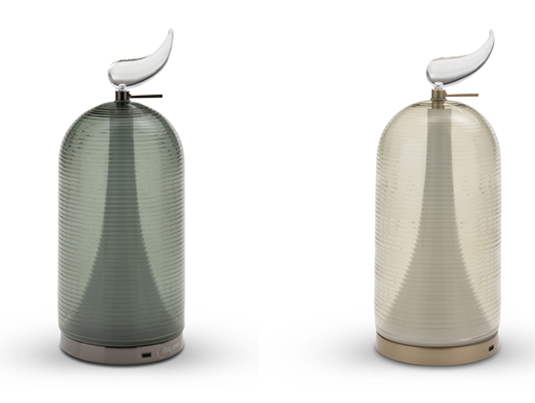
The MUNETTA Table Lamp: Designed by Danilo De Rossi, Munetta embodies the charm of a moment frozen in time. This cordless, dimmable lamp features precious blown glass and a touch sensor, casting a delicate, moonlight-inspired glow that brings a sense of magic and timeless elegance to any setting.
Artisanal Accents: SkLO
The seasonal transformation is completed by sophisticated accessories that function as contemporary art:
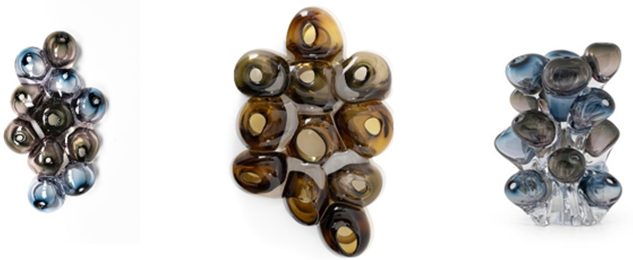
LAVA Bookends: A striking sculptural accessory composed of nearly solid glass, creating captivating visual depth. Ground and polished to perfection, they serve as both practical anchors and sophisticated decorative statements.

BLOOM Wallpiece: An organic sculptural composition meticulously crafted by layering individually blown glass pod-shapes. Each multi-dimensional form is precision-cut and polished, offering a sophisticated, nature-inspired focal point for any interior surface.
Celebrate the extraordinary women in your life and the joy of Eid with pieces that resonate with timeless beauty. Explore the ideal fusion of form and functionality at Natuzzi Italia showrooms or online.
• Natuzzi, Sheikh Zayed Road between 2nd and 3rd interchange, Dubai
• Natuzzi, near Al Maktoum Bridge, Umm Hurair Road, Dubai
• Natuzzi, The Galleria, Abu Dhabi


A FRESH PERSPECTIVE ON RESIDENTIAL DESIGN
LANDLORD PERSPECTIVE: BUILDING CERTAINTY IN THE ERA OF MONTHLY RENT

Why Tech Brands Need to Rethink Influencer Strategy in the Middle East

-
News10 years ago
SENDQUICK (TALARIAX) INTRODUCES SQOOPE – THE BREAKTHROUGH IN MOBILE MESSAGING
-

 Tech News2 years ago
Denodo Bolsters Executive Team by Hiring Christophe Culine as its Chief Revenue Officer
-
 VAR11 months ago
Microsoft Launches New Surface Copilot+ PCs for Business
-

 Tech Interviews2 years ago
Navigating the Cybersecurity Landscape in Hybrid Work Environments
-

 Tech News8 months ago
Nothing Launches flagship Nothing Phone (3) and Headphone (1) in theme with the Iconic Museum of the Future in Dubai
-

 Automotive1 year ago
AGMC Launches the RIDDARA RD6 High Performance Fully Electric 4×4 Pickup
-

 Trending5 months ago
OPPO A6 Pro 5G Review: Reliable Daily Driver
-

 VAR2 years ago
Samsung Galaxy Z Fold6 vs Google Pixel 9 Pro Fold: Clash Of The Folding Phenoms