
 Have a question? +971 56 404 0503




Home Integrator
Al-Futtaim IKEA Concludes Earth Weeks Campaign with Bold Sustainability Commitments


Al-Futtaim IKEA announced its new sustainability initiatives and targets for 2025 during an event at its Yas Mall store in Abu Dhabi, where it also celebrated the success of its recent “Earth Weeks” campaign.
The event, attended by Francois Brice, Fuel & Commercial Executive Director at EWEC, and members of the Department of Community Development, Department of Energy and EWEC. The event featured presentations by Pooja Dhingra, Regional Sustainability Manager of Al-Futtaim IKEA, and Ouateil Sgheir, Market Manager of Abu Dhabi, who discussed both the brand’s global ambitions and local impact.
From Awareness to Action: Earth Weeks Campaign
The event also spotlighted Al-Futtaim IKEA’s successful initiatives and campaigns during “Earth Weeks”—the brand’s six-week, sustainability-focused period from mid-March to the end of April. Engaging customers and colleagues in climate-conscious practices under the theme of “Start at Home,” the campaign promoted practical, everyday actions, like energy saving, reducing food waste, recycling, and reusing, as the building blocks of sustainable living. Reflecting the positive impact of these efforts, sales of sustainable products doubled during this period—demonstrating that sustainability is not only achievable but also accessible and affordable.

One of the campaign’s most creative activations, the “Switch-Off Trade Off”, reimagined Earth Hour by having Al-Futtaim IKEA employees turn off lights in the offices and showrooms on behalf of community members who were tied up with essential tasks. Another highlight, “Wait for the Drop,” introduced a unique online playlist with tracks mimicking the sound of running water, promoting mindful water use in bathrooms.
Additional moments included celebrating Mother’s Day by honouring mothers as the original sustainability heroes, recognising their everyday efforts in nurturing both family and the planet.
Clean Energy Milestones
Al-Futtaim IKEA also announced three stores, located in Fujairah, Al Ain, and Dalma Mall in Abu Dhabi, have achieved LEED Gold certification. This recognition highlights the implementation of eco-friendly practices across the locations, including 10% lower energy consumption, 55% water savings, improved indoor air quality, and significant progress in waste reduction and recycling.
On May 2, 2025, Al-Futtaim IKEA reiterated its long-term sustainability commitment by announcing a strategic partnership with the Emirates Water and Electricity Company. Through the agreement, EWEC will provide IKEA UAE with Clean Energy Certificates (CECs) to cover 100 per cent of the electricity consumed across its four stores in the Emirate of Abu Dhabi. Issued by the Abu Dhabi Department of Energy (DoE), CECs are the only accredited instruments in Abu Dhabi that certify electricity consumption is sourced from renewable and clean energy generation. This milestone marks a significant step forward in IKEA UAE’s efforts to reduce scope 2 emissions and operate in a more environmentally responsible manner.
Vinod Jayan, Managing Director of Al-Futtaim IKEA UAE, Egypt, Oman and Qatar, commented: “At Al-Futtaim IKEA, sustainability is central to how we operate, innovate, and serve our communities. We believe that sustainable living should be simple, affordable, and accessible to all. Our Earth Weeks campaign reflects our responsibility to lead by example in the region, protect the planet’s most vital resources, and empower the many people to be part of this journey. Change starts at home—but its impact extends far beyond.”

He continued: “This commitment to long-term change is demonstrated by the actions we’re taking across our operations to reduce environmental impact. Over the past year, our fleet of electric trucks has helped us avoid 29 tonnes of carbon emissions annually, equivalent to the emissions of seven passenger cars driven for a year. We’re also making significant progress in food waste reduction. By using anaerobic digesters in two of our stores, we divert 160 tonnes of food waste from landfills each year, saving CO₂ emissions equivalent to the energy required to power 98 homes for an entire year. As a business proudly rooted in the UAE’s success, we’re fully aligned with the country’s Environment Vision 2030.”
Empowering Future Sustainability Leaders
On Earth Day, Al-Futtaim IKEA welcomed members of Masdar’s Youth 4 Sustainability (Y4S) community for the first in a series of collaborative sessions focused on practical sustainability. Hosted in partnership with the Al-Futtaim Youth Council and Sustainability Team, the first session at IKEA Yas Island, Abu Dhabi explored circular economy and sustainable living, featuring an interactive store tour, a waste-sorting workshop, and a blind tasting experience.
These sessions form part of a broader knowledge exchange initiative between Al-Futtaim IKEA and Y4S, designed to empower the next generation of sustainability leaders through real-world insights and collaborative dialogue.
Strengthening Biodiversity and Water Commitments
Al-Futtaim IKEA’s sustainability targets are aligned with Inter IKEA’s global ambitions, focusing on reducing environmental impact across the value chain, strengthening ecosystems, and driving positive societal change in collaboration with customers, partners, and policymakers.
Inter IKEA is also advancing its sustainability agenda with a strong focus on water stewardship, working to reduce freshwater use, improving water quality, and ensuring access to clean water in high-risk areas across its value chain, efforts that will enhance water resilience for both ecosystems and communities.
Looking Ahead
Building on the Earth Weeks campaign, Al-Futtaim IKEA is entering a new chapter of sustainability, rooted in action, accountability, and collaboration. The company remains committed to creating a positive impact not only within its stores and supply chain, but also across the wider community, making sustainable living a reality for the many.









Exclsuive interview with Jason Ou President, Hisense Middle East. Africa, and India
Smart homes are moving beyond individual connected devices towards more integrated living experiences. How is Hisense approaching this shift, and what role do you see the brand playing in the evolution of connected homes across the Middle East?
At Hisense, we recognized early that the future of the smart home isn’t simply about connecting devices, it’s about creating intelligent companions that understand and anticipate how families live. Our vision has evolved from “connected life” to “smart connection powered by AI,” where every device in the home becomes part of an intelligent, communicative ecosystem.
This is the foundation of our ConnectLife platform, which unifies Hisense refrigerators, washing machines, TVs, dishwashers, and air conditioners into one seamless ecosystem. But connectivity alone is no longer enough. Our global vision is to transform home appliances into AI companions, moving toward what we call Artificial Super Intelligence (ASI) in the home, where devices don’t just respond to commands but actively partner with consumers to enhance their daily lives.
At IFA Berlin, we showcased this AI companionship philosophy across our product range. Our smart refrigerators, powered by AI and voice control, manage food inventory and suggest recipes. Our air conditioners intelligently adapt to preferences and environmental conditions. The award-winning X-zone Master washer dryer, which claimed the CES 2026 Best of Innovation Award, uses AI Assist to detect fabric types and optimize cycles automatically. These are household companions that learn, adapt, and improve over time.
The Middle East, with its strong appetite for premium technology and its culture centred on family gatherings and hospitality, is ideally positioned to lead this evolution. Hisense is committed to shaping the connected home experience across the region, not by adding more devices, but by transforming them into intelligent companions that enhance how families live together.
UAE consumers are increasingly looking for homes that combine convenience, energy efficiency, entertainment, and intelligent technology. How are these changing expectations influencing Hisense’s product development and regional strategy?
The UAE stands as the most digitally advanced market in the region, with consumers who are early adopters of technology and innovation. The fast-paced lifestyle here means UAE consumers actively seek products powered by AI that simplify their lives while delivering premium experiences. This market insight directly shapes our regional strategy and product development.
Convenience through intelligent technology: UAE consumers don’t have time for manual adjustments. Our ConnectLife ecosystem and AI-powered automation address this, whether it’s a washing machine that intelligently selects the optimal cycle or an air conditioner that anticipates comfort needs before you even think about it. AI transforms everyday tasks into seamless, automated experiences.
Energy efficiency as intelligent innovation: Sustainability matters to UAE consumers, but not at the expense of performance. Our U8 air conditioner, recognised with a Red Dot Award, exemplifies how AI can optimise energy consumption while maintaining exceptional comfort. The X-zone Master washer dryer uses heat pump technology for gentle, low-temperature drying at 50°C, protecting fabrics while significantly reducing energy use, intelligence that benefits both households and the environment.
Entertainment reimagined: This is where Hisense has established clear leadership. As the originator of RGB MiniLED technology, our flagship displays deliver cinema-grade experiences that discerning UAE consumers demand. The UR9 Series achieves 100% BT.2020 colour coverage, while our laser display portfolio redefines home entertainment possibilities.
Intelligent technology is the thread connecting all three pillars. Our localised R&D centre in Dubai ensures products are tailored to regional requirements, while our manufacturing facilities across the region demonstrate our commitment to serving this market with agility and precision.
Interoperability remains a key challenge in smart-home adoption, with consumers often managing devices across different platforms and ecosystems. How is Hisense addressing this challenge to make connected living more practical and accessible?
Interoperability is one of the greatest barriers to smart home adoption, and addressing it has been central to our strategic vision for the connected home. ConnectLife is Hisense’s answer to ecosystem fragmentation, but we’ve designed it to go far beyond simple device management. It serves as a unified platform where our full range of products don’t just connect, they communicate, analyze, and optimize experiences together. Refrigerators, washing machines, televisions, dishwashers, and air conditioners become nodes in an intelligent network that understands household patterns and preferences.
The PureFlat Smart Series refrigerator exemplifies this vision. Through ConnectLife, it transforms from a kitchen appliance into a connected hub for household life, enabling meal planning, content sharing, and family communication. The X-zone Master washer dryer integrates seamlessly, with AI Assist optimizing every cycle based on real-time data from across the ecosystem.
What distinguishes our approach is the shift from devices you control to devices that learn from each other. When our appliances analyze your patterns, your preferred temperatures, your viewing habits, your food consumption, they collectively optimize energy usage, suggest improvements, and anticipate needs. The home becomes an intelligent environment that adapts to how each family actually lives.
Rather than locking consumers into proprietary systems, we focus on creating seamless experiences that feel natural. When a large-format display delivers cinema-grade visuals, an air conditioner maintains the ideal viewing environment, and a refrigerator keeps refreshments ready, all coordinated intelligently, the home truly becomes greater than the sum of its parts.
Artificial intelligence is becoming a defining feature of next-generation home appliances and entertainment systems. Where do you see AI delivering the most meaningful improvements to everyday living, beyond simply adding more features to connected devices?
The meaningful impact of AI lies in transforming appliances from devices you control into intelligent companions that understand you. This represents a shift, from smart appliances that respond to commands to AI-powered systems that connect with each other, communicate, analyze patterns, and proactively optimize your home experience.
In home entertainment, our Hi-View AI Engine RGB processor works in real time, analyzing content to optimize color accuracy, contrast, and motion handling. It learns your viewing preferences and adapts, sport, film, and gaming are each rendered with the precision they deserve, without requiring manual adjustment.
In laundry care, the X-zone Master’s AI Assist represents a leap forward in intelligent companionship. The system doesn’t just follow instructions, it detects fabric types, analyses soil levels, and optimizes washing and drying parameters automatically. It learns from each cycle to deliver better garment care with less effort over time.
In climate control, AI enables our air conditioners to become environmental companions. They learn household patterns, analyze preferences, and adjust temperature proactively, maintaining comfort without constant input, particularly valuable in the Gulf region’s demanding climate.
In kitchen appliances, AI-powered refrigerators track food inventory, analyze consumption patterns, suggest recipes based on available ingredients, and even optimize energy usage based on household routines.
The transformative element is when these AI companions work together, sharing data, analyzing collective patterns, and optimizing the entire home environment. This is the vision Hisense is building: homes where AI doesn’t just add features, but genuinely understands and enhances how families live.
Hisense has recorded significant growth in the Middle East and Africa under your leadership. Which shifts in consumer behaviour, distribution, or product demand have contributed most to this momentum, and how are these insights shaping the brand’s next phase of growth?
Our growth across this diverse region is driven by a combination of key factors: a strong and innovative product portfolio, deep understanding of local market dynamics and consumer preferences, strategic partnerships, and our ability to deliver tailored solutions that meet evolving needs across different markets.
Strong product innovation: Our leadership in RGB MiniLED technology and large-format displays, Hisense ranks No. 1 globally in the 100-inch and over TV segment according to Omdia (2023-Q3 2025), reflects our commitment to genuinely differentiated products. The recognition of our X-zone Master at CES 2026 and IFA Berlin validates our approach to scenario-based innovation. Euromonitor International has certified Hisense as the fastest-growing brand among the world’s top 10 washing machine manufacturers over the past five years, momentum we’re building across all categories.
Deep market understanding: Consumer behavior across the region has shifted decisively toward premium, integrated solutions. Families want ecosystems that work together intelligently. In the GCC, the cultural emphasis on hospitality and shared experiences aligns naturally with our whole-home technology philosophy. We’ve invested in understanding what each market needs and tailoring our approach accordingly.
Strategic partnerships and localization: Our partnerships across retail and distribution channels have been crucial in reaching consumers effectively. Our manufacturing facilities in South Africa and Algeria, with a major facility under development in Egypt, bring production closer to consumers and demonstrate long-term regional commitment. Our R&D centre in Dubai ensures products address local requirements.
Looking ahead, these insights shape a strategy focused on deepening ecosystem connectivity, expanding our premium portfolio, and leveraging our position as official sponsor of the FIFA World Cup 2026™ to strengthen brand resonance with families across the region.
Hisense has expanded its television portfolio with technologies such as Mini-LED and larger-screen displays. How are these innovations shaping the brand’s premium home entertainment strategy in the UAE, and what can consumers expect next?
Display technology is at the heart of our premium entertainment strategy, and RGB MiniLED represents the future of television, a future Hisense originated and continues to lead.
We developed RGB MiniLED technology with three fundamental advantages that give us a clear edge over competition:
True colours: Unlike conventional displays that use blue LEDs with colour filters, RGB MiniLED uses dedicated red, green, and blue LEDs for the purest, most accurate colour reproduction possible. Our UR9 Series achieves 100% BT.2020 colour coverage, delivering what the content creators actually intended.
Eye protection: The natural light spectrum produced by RGB technology is gentler on eyes, reducing strain during extended viewing, particularly important for families in the UAE who value premium entertainment experiences at home.
Energy efficiency: RGB MiniLED delivers superior brightness and colour with lower power consumption than traditional technologies, intelligent innovation that doesn’t compromise on performance.
We’ve deployed this technology across our flagship lineup, the UX, UR9, and UR8 Series, paired with our Hi-View AI Engine RGB processor and native 180Hz refresh rates for exceptional precision in sport, gaming, and fast-paced content.
According to Omdia, Hisense ranks No. 1 globally in the 100-inch and over TV segment (2023-Q3 2025), reflecting both consumer demand for immersive screens and our ability to deliver at scale.
Our laser display portfolio extends this vision further. The L9Q Laser TV delivers cinema-grade screens up to 200 inches, while the Laser Projector XR10 offers 6,000 lumens brightness, 60,000:1 contrast ratio, and projection capability up to 300 inches, fundamentally dissolving the distinction between television and home cinema.
UAE consumers can expect continued innovation at the intersection of display technology and AI, screens that not only deliver exceptional picture quality but adapt intelligently to content, lighting conditions, and preferences. Combined with premium audio partnerships like our collaboration with Devialet, we’re building complete entertainment experiences, not simply selling screens.
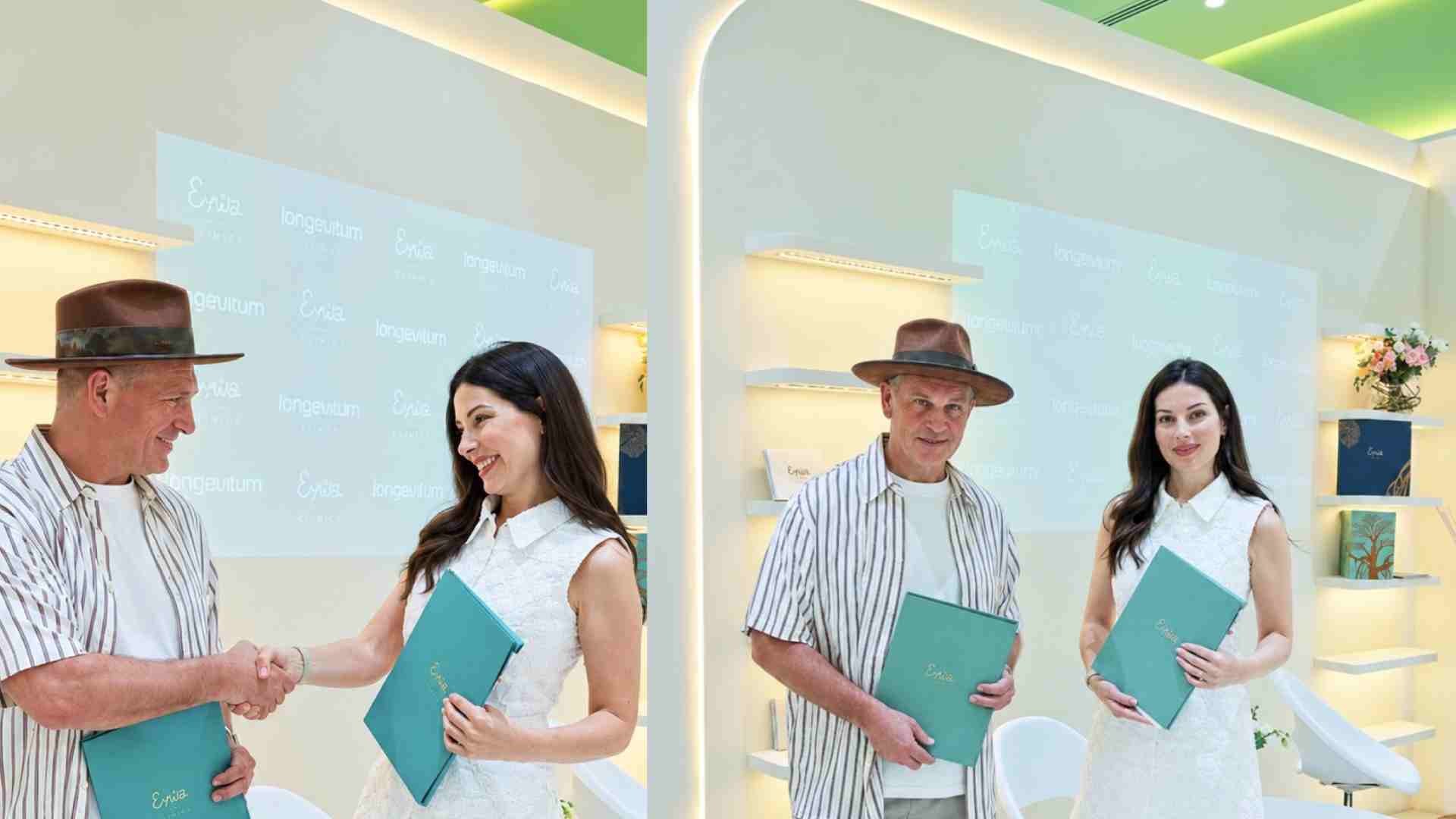
EYWA by R.Evolution has partnered with Dubai-based Longevium Clinic to expand its approach to longevity, preventive health, and wellbeing.
The collaboration brings together EYWA, a longevity-led luxury residential brand, and Longevium, a network of clinics specializing in metabolic health, preventive care, and data-driven medicine.
Through the partnership, EYWA residents will receive preferential rates on Longevium’s health programs, with access to ongoing support tailored to their individual needs. Depending on the program, services may include advanced diagnostics, biological-age assessments, and personalized health protocols, with medical interventions provided under physician guidance.
To make longevity support seamless, EYWA’s Health and Longevity concierge will coordinate residents’ access to Longevium’s programs, helping them turn health priorities into action and stay on track with their long-term wellness goals. Access to Longevium’s packages and offers will also be extended to members of the EYWA Membership Club.
The partnership reflects a simple idea: longevity is shaped by medical care and also by the environments and habits that make up everyday life. Sleep, movement, nutrition, metabolic health, and emotional wellbeing are all connected, making the home an important part of healthier living.
Connecting the Home with Personal Health
EYWA sees the home as an active part of wellbeing, bringing together biophilic design, neuroarchitecture, and advanced technology. Across its residential developments, attention to air and water quality, natural light, connection to nature, and low-EMF bedrooms helps create an environment designed to support healthier everyday living.
This approach also reflects a wider shift in the UAE toward making wellbeing part of everyday life. The country’s National Strategy for Wellbeing 2031 aims to position the UAE as a global leader in quality of life, with priorities including healthier lifestyles, mental wellbeing, and a more integrated approach to health across individuals and communities.
The partnership with Longevium builds on this approach by connecting the residential environment with personalized medical expertise. While the home can support healthier habits, medical guidance can help residents better understand their individual health needs and make informed choices over time.
“Longevity buildings are not just about luxury — because ‘just luxury’ and impressive interiors have become yesterday’s benchmark. Today, true luxury is grounded in what matters most to people: health and wellbeing, supported in a way that simplifies daily life,” said Alex Zagrebelny, Founder and CEO of EYWA by R.Evolution. “That means making daily routines easier, strengthening family and social interaction, and creating environments that support continuous connection and recovery — within the building itself. As visionary regenerative longevity real estate, EYWA is designed to turn longevity into a lived experience every day, and partnerships like this bring the scientific credibility and human performance insight to make that promise real.”
Bringing Medical Expertise into the Longevity Ecosystem
Founded by Dr. Ksenia Butova, a longevity physician and vascular specialist with 14 years of clinical experience, Longevium operates three clinics in Dubai and has a team of more than 100 professionals. Its work focuses on extending healthspan through data-driven medicine and biomedical innovation, with expertise in preventive healthcare, metabolic health, and human performance.
Longevium complements EYWA’s focus on the living environment by adding a more personal understanding of health. Through medical assessments and long-term tracking, residents can gain a clearer picture of their individual needs and how their health changes over time.
“Health is shaped by both our choices and the environments in which we live,” said Dr. Ksenia Butova, Founder and CEO of Longevium. “EYWA recognizes the role that thoughtful design can play in supporting vitality, while Longevium brings the medical perspective needed to understand individual health needs and track progress over time. By bringing these two perspectives together, we can offer residents a more informed and practical approach to long-term wellbeing.”
Building a Wider Longevity Network
The partnership comes as Dubai places growing emphasis on longevity, preventive healthcare, and healthspan. The establishment of the Dubai Longevity Authority in June 2026 reflects the emirate’s ambition to advance healthcare and longevity science.
For EYWA, Longevium is part of a broader strategy to build a network of specialized partners and create a more comprehensive residential experience that goes beyond architecture and design. By bringing together architecture, science, nature, and medical expertise, EYWA aims to offer residents greater access to the knowledge and support that can help them live healthier lives, while strengthening its position in the growing longevity-led real estate market.
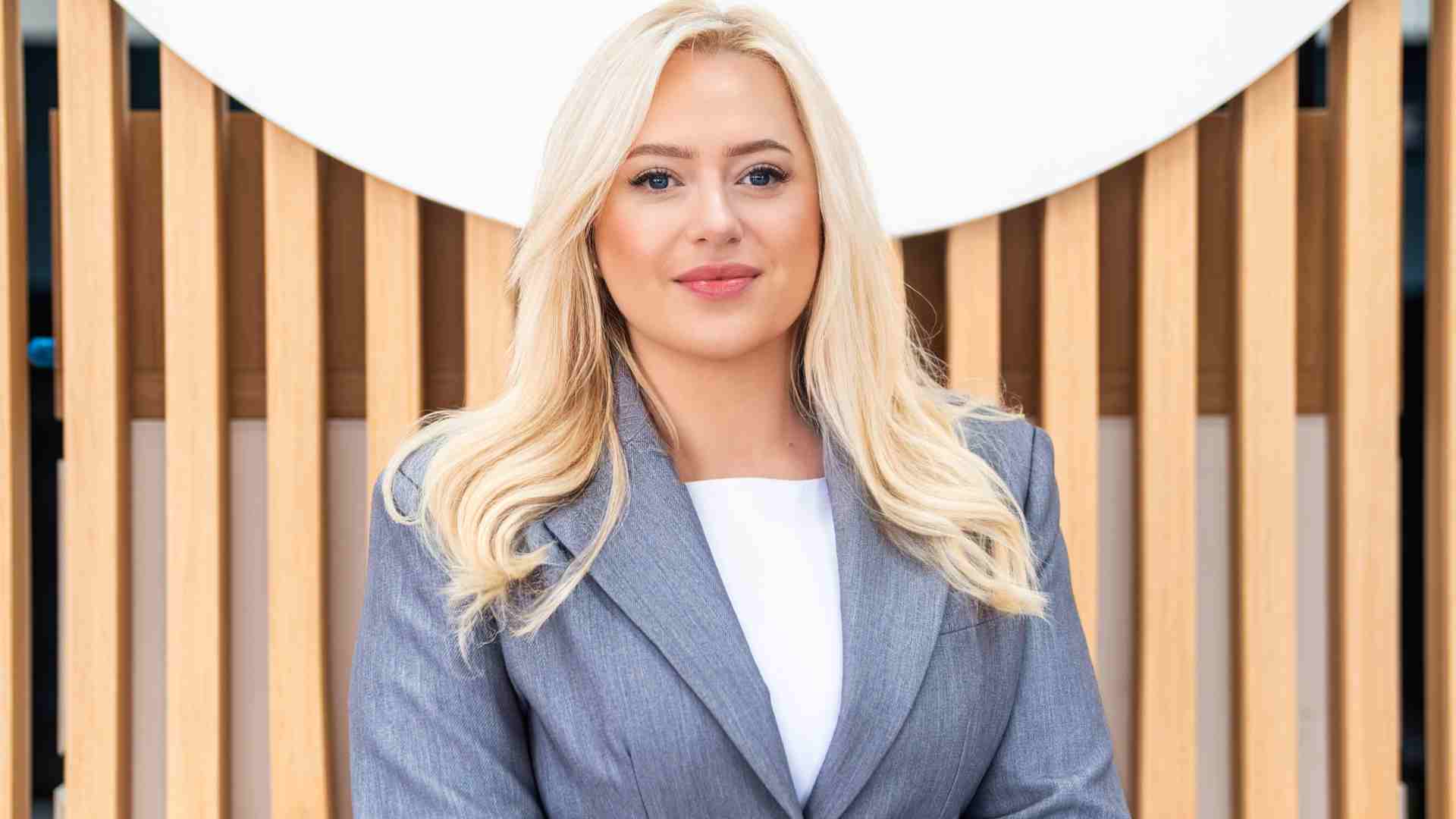
Crompton Partners Estate Agents has appointed Sheryl D Burton as Deputy Director – Developer Sales, as the Abu Dhabi real estate firm looks to further strengthen its relationships with developers and expand its presence in the capital’s growing off-plan property market.
Originally from Windsor in the UK, Burton has spent the past eight years developing her career in the UAE, building extensive experience in the country’s real estate, sales, marketing and client-service sectors.
In her new role, Sheryl will lead Crompton Partners’ developer sales activity, covering new project launches and available developer inventory. Her responsibilities include strengthening relationships with developers, ensuring the company’s sales team has up-to-date knowledge of forthcoming launches and available stock, and providing training and hands-on support to agents.
She will also play a key role in developing Crompton Partners’ international investor business, helping overseas buyers understand Abu Dhabi’s expanding portfolio of off-plan communities and developments, as well as access the information they need to make informed property decisions.
Burton joins Crompton Partners after more than two years with Nationwide Middle East Properties, where she progressed from sales to become Manager of International Sales within her first year. She subsequently managed and developed a 15-person international sales team and represented the company on business development initiatives and roadshows in Singapore, Belgium and London.
During her time with the company, she ranked among its leading sales performers, placing in the top three for sales during Q1 and Q2 2025 and the top six during Q2 2026. She was also recognised as a Bayut Super Agent and True Broker for 2025–2026.
Ben Crompton, Managing Partner of Crompton Partners, said: “Developer sales are becoming an increasingly important part of Abu Dhabi’s property market, with a growing range of projects giving both local and international buyers considerably more choice.”
“Sheryl brings a strong combination of sales leadership, international client experience and detailed knowledge of the Abu Dhabi market. Her appointment will help us deepen our relationships with developers, strengthen the support we give our sales team and, most importantly, ensure our clients have access to the right information and opportunities as the market continues to develop.”
The appointment comes as activity within Abu Dhabi’s off-plan market continues to broaden. Crompton Partners’ latest Q2 2026 research recorded 883 off-plan secondary transactions across 25,422 active off-plan units, representing an increase of approximately 56 per cent from the first quarter.
Burton’s role will include maintaining and developing relationships with developers, supporting agents during new project launches, monitoring emerging market trends and opportunities, mentoring agents specialising in off-plan sales and contributing to the company’s sales and marketing strategy.
Sheryl D Burton said: “Abu Dhabi is an incredibly exciting market to be working in, with new communities and projects creating opportunities for buyers from the UAE and internationally.”
“I’m looking forward to building on Crompton Partners’ strong position in the market, working closely with developers and the wider sales team, and helping clients navigate the growing range of opportunities available across the emirate. For international buyers in particular, good advice, detailed project knowledge and strong developer relationships makes a real difference.”
Crompton Partners publishes detailed quarterly research covering Abu Dhabi’s property market, providing buyers, investors, sellers and landlords with community and project-level information on transaction activity, pricing, turnover and resale liquidity.


U by Emaar and Visa Announce 10-Year Partnership to Elevate Lifestyle Rewards
THE LAST HARVEST – Using precious little olive oil from Gaza to preserve hope for the next harvest.

LOONA Introduces Interactive La Fortuna Ravioli Dining Concept



-

 Trending12 months ago
OPPO A6 Pro 5G Review: Reliable Daily Driver
-

 Tech News2 years ago
Denodo Bolsters Executive Team by Hiring Christophe Culine as its Chief Revenue Officer
-
 VAR2 years ago
Microsoft Launches New Surface Copilot+ PCs for Business
-

 Automotive2 years ago
AGMC Launches the RIDDARA RD6 High Performance Fully Electric 4×4 Pickup
-
Tech Interviews3 years ago
Navigating the Cybersecurity Landscape in Hybrid Work Environments
-

 Hospitality2 years ago
Gulfood 2025 30th Edition Kicks Off Today, Setting New Benchmarks in F&B Growth and Innovation
-
 VAR10 months ago
Huawei Nova 14 Pro Review: Where Camera Excellence Meets Ecosystem Evolution
-

 Tech News1 year ago
Nothing Launches flagship Nothing Phone (3) and Headphone (1) in theme with the Iconic Museum of the Future in Dubai