
 Have a question? +971 56 404 0503




Home Integrator
Eurofragance Appoints New General Manager for the Middle East


Spanish fragrance house Eurofragance announces a strategic leadership change in the Middle East in the running of the Gulf region, a key market for the business, with the appointment of Oumayma Tabet as the new General Manager for the region, effective January 2026.
Antoine de Riedmatten, who has held this role for over a decade, will step down from operational duties while remaining actively involved with the company as a member of the Middle East and India Regional Board. The leadership of the region will now be structured under two distinct geographical areas: India, led by General Manager Mayur Kapse, and Middle East, under the leadership of Oumayma Tabet.
“This step allows us to consolidate a new phase in our regionalization strategy with solid foundations and a renewed approach. I am proud to remain linked to this extraordinary region from a new perspective, and to accompany Oumayma, whose talent, vision, and knowledge of the market are unquestionable,” says Antoine de Riedmatten. Since his arrival at Eurofragance in 2014, Antoine has been a key figure in the professionalization and internationalization of the company. His career highlights include the creation and establishment of Eurofragance’s Creative Center and regional headquarters in Dubai.
This leadership transition coincides with the recent inauguration of the company’s expanded manufacturing site in Spain. A €10 million investment has allowed Eurofragance to triple its production capacity, enhancing its ability to respond to increasing demand from the Middle East with greater agility, efficiency, and customization.
“Expanding our capacity in Spain directly supports our commitment to the Middle East, a region that continues to inspire us and drive our innovation,” said Clara Mena, Chief Operations Officer at Eurofragance. “The site now represents half of our global production and is designed to respond to the scale and sophistication of market needs.”
The upgraded plant integrates advanced robotics engineering, automating 80% of production processes and includes sustainability features such as solar panels supplying over one-third of its energy consumption. It also offers improved ergonomics and workspaces for enhanced employee well-being.
These changes are part of the process of strengthening Eurofragance’s business in the Middle East, which experienced extraordinary growth in 2024.
In response to this favorable, but also highly competitive and fast-evolving environment, the company has restructured its regional board. This organizational shift is designed to support the company’s sustained growth alongside clients and to implement Eurofragance’s global strategies with relevance and agility.
A strategic vision with a customer-first focus
The appointment of Oumayma Tabet as the new head of the Middle East marks a new chapter for Eurofragance, reinforcing its commitment to internal talent, strategic continuity and client-centered leadership. With over 21 years of experience in the fragrance sector, Tabet brings a blend of technical expertise, market knowledge and creative sensitivity.
Over her career she has worked in international companies such as Quest International and Mane, to name just a few. During the past two years, she has led Eurofragance’s Creative Center in Dubai, establishing the team as a regional benchmark for innovation and teamwork. Under her leadership, the company has strengthened key partnerships and fostered a high-performance culture rooted in excellence, diversity and close client engagement.
“I embrace this new challenge with great excitement and responsibility. I believe in the power of people and the strength of shared ideas. My commitment is to drive growth in the region and build solid partnerships with our clients. The key ingredients for this are innovation, sustainability and our passion for fragrance, so we can continue to make a meaningful difference,” says Tabet.
With this reorganization, Eurofragance bolsters its global growth strategy and moves forward with stronger structures and leadership fully equipped to meet the evolving demands of the industry.


Home Integrator
UAE-BORN HOMEWARE BRAND CHAMPIONS SUSTAINABLE LIVING WITH UNIQUE VINTAGE AND PRE-LOVED PIECES
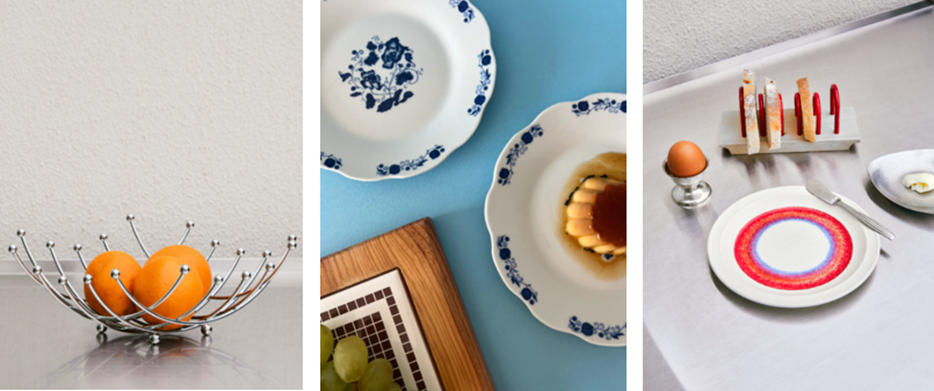
For those who love adding personality to their homes with one-of-a-kind pieces, Tangerrine Casa, a UAE-born online homeware brand offers a hand curated selection of vintage and preloved homeware items that are cool, quirky and unique. Featuring character-filled pieces, the small business currently delivers products across Dubai and offers next-day delivery (if ordered before 12pm).
A women-led brand, Tangerrine Casa was founded by Amy Armitage, a freelance stylist, who launched the brand in February 2025. Amy had a passion for hunting for vintage pieces during her travels but after struggling to find cool preloved homeware pieces locally in Dubai, she decided to fill the gap and elevate the preloved market in the region by bringing a carefully curated edit of unique vintage and preloved homeware, that was also easily accessible and affordable.
The curation features everything from abstract fruit bowls and chrome plated pieces to intricate glass dishes, fun porcelain plates and bowls of Italian and Portuguese design, egg cups, vases, toast racks, trinket trays, candle holders, and more, offering something fun, bold and rare for every space.
Rooted in sustainability and circular living, the brand promotes mindful consumption while also encouraging individuality in home styling, inviting the community to embrace preloved pieces to create spaces that feel more personal, purposeful, and full of character.
“I’ve always loved hunting for unique preloved pieces during my travels that I can bring back to my home in Dubai. But I didn’t feel like there were many places here locally with a cool preloved homeware curation that was unique, easily accessible and affordable, so I decided to create one. I’m passionate about keeping things in circulation for as long as possible and I believe more people would shop preloved if the stigma was removed and items looked more aspirational. I want to bring joy to homes in a more sustainable way and that’s exactly what Tangerrine Casa is all about.”, comments Amy Armitage, founder of Tangerrine Casa.
In addition, Tangerrine Casa connects with their community through its signature hosting concept ‘Tangerrine Table’. Hosted by Amy and her husband Ed, this concept creates a space to connect, share stories across cultures, explore different cuisines and celebrate the joy of gathering around a table.
A go-to destination for unique preloved homeware pieces, Tangerine Casa invites the community to discover the charm of objects that have already lived and see how cool shopping preloved can be.
As the world turns its attention to the preservation of our planet on Earth Day, Western Furniture is proud to highlight Tomasella—a brand that has spent 70 years proving that luxury design and environmental responsibility are inseparable. With roots firmly in the past and a clear vision for the future, Tomasella balances a rich history with a tireless vocation for technological and creative innovation.
For Tomasella, sustainability is a philosophy rooted in social and ethical solidarity .This harmony between ethical codes and material analysis ensures meeting the needs of the present without compromising the ability of future generations to meet their own. This is the profound commitment to quality and earth-conscious living you embrace when you choose Tomasella for your home.
Explore a wide range of models at Western Furniture that can be fully customized through an extensive choice of materials, colors, and textures, allowing for a personal touch in every sustainable space.
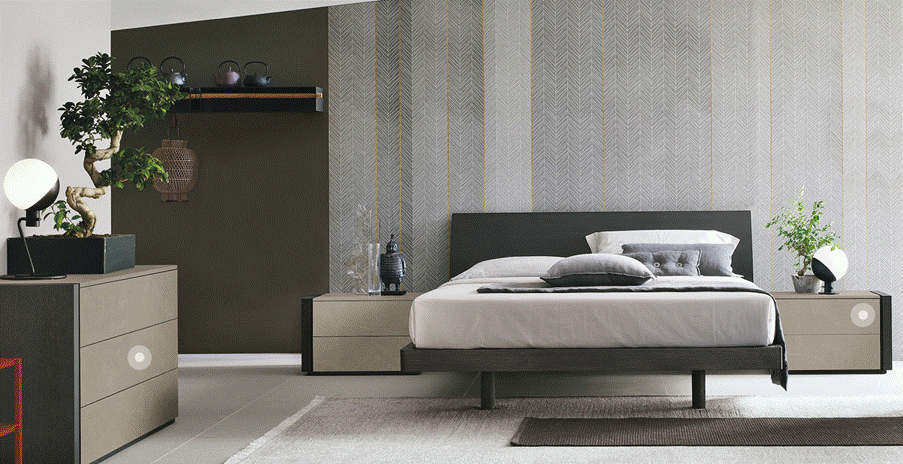
The Porticello Collection: Designed by Massimiliano Minuti, this set combines modern elegance with classic Italian design. Finished in Rovere Moka with Materico Basalto Lucido accents, the King Bed and matching dresser exude a high-end, serene atmosphere.
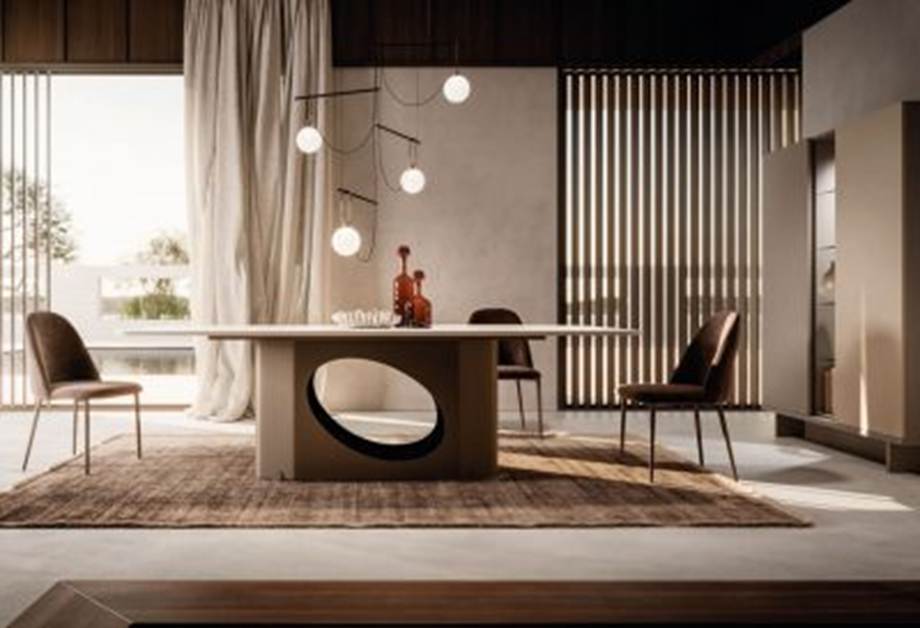
The Porticello Dining Table: A striking example of architectural design, blending organic shapes with minimalist proportions. The thick pedestal base features an asymmetrical oval cutout, giving the monolithic structure a sense of “lightness.” Its warm taupe matte finish perfectly complements natural textures like jute and velvet.
The Clio Bed: Featuring a natural oak wood finish and pure lines, the Clio focuses on minimalism. Its gracefully curved headboard is fitted on an airy frame, creating a pleasant feeling of relaxation that makes it easy to concentrate on dreams and slumber.
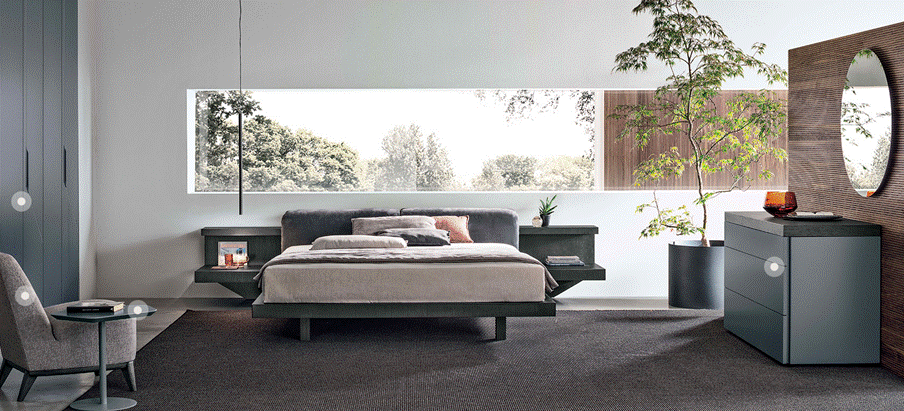
The Morfeo Bed: This designer solution expands the traditional concept of a bed by integrating a shelf and bedside tables into one clever, practical piece. With reclinable headboard cushions for reading or watching TV, it pairs functional versatility with a harmonious silhouette.
Eros Bed: The Eros bed features a unique design with a rounded frame that wraps the mattress, offering supreme comfort and wellbeing. The delicate stitching along the headboard and bed frame accentuates its contemporary elegance.
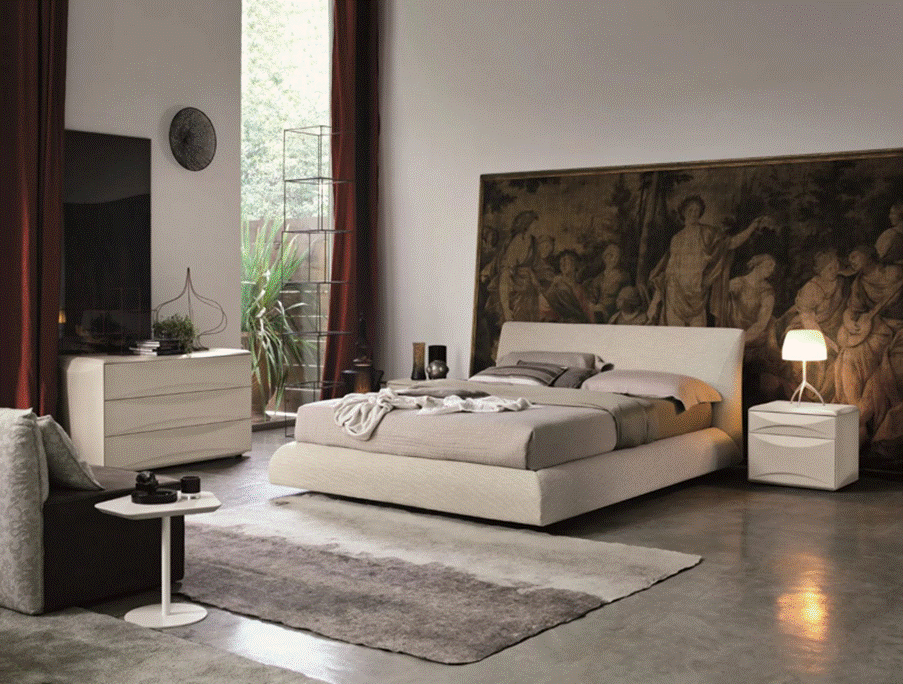
The Lunato Bed: Sleek comfort and modern elegance – The Lunato Bed brings a refined touch to your bedroom with its minimalist design and plush upholstery. We invite you to experience the intersection of Italian heritage and environmental stewardship. Discover how Tomasella’s commitment to “people-first” sustainability can transform your living space into a sanctuary for the future.
Home Integrator
RIVIERA RESIDENCES ON AL REEM ISLAND ENTERS DEEP FOUNDATION WORKS AS MERED MAINTAINS CONSTRUCTION MOMENTUM
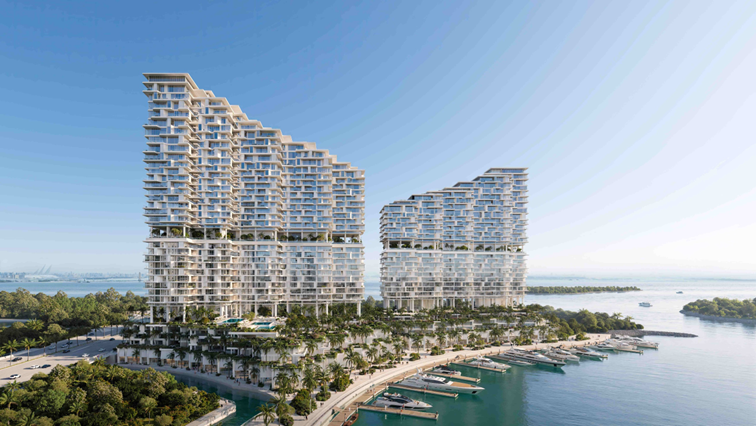
MERED, the award-winning developer, has announced that main piling operations are now progressing at Riviera Residences, a waterfront residential tower in Abu Dhabi, Al Reem Island. The milestone follows the completion of 60% of enabling works, including guide walls, shoring, contiguous piling, and ground improvement across both zones, as well as deep foundation works. The progress underscores the resilience of Abu Dhabi’s premium residential market and the strength of the emirate’s off-plan delivery.
Riviera Residences is one of the capital’s most distinctive waterfront addresses, designed by Pritzker Prize-winning architects Herzog & de Meuron and located within Abu Dhabi Global Market. Conceived as a resort-style residence, the development will offer more than 400 apartments and 11 exclusive villas, including sky villas, ocean villas, and a penthouse, set within landscaped gardens and a vibrant waterfront promenade with cafés, boutique retail, and dining.
Construction is ongoing without interruption amid a period of change across the wider region. The site team has stayed on schedule through proactive planning and close collaboration between the contractor (NSCC) and the consultant team (DAR ALHANDASAH). The project has recorded more than 85,000 safe man-hours to date with no lost-time incidents, a reflection of the safety culture the team has built and maintained throughout.
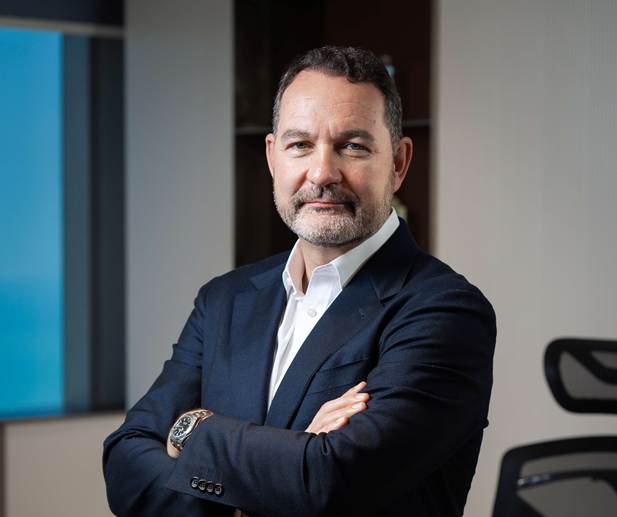
Michael Belton, CEO of MERED, said: “This milestone is a direct result of the quality of the teams we have on the ground, but it is also a testament to the resilience of the UAE’s real estate sector. Abu Dhabi in particular continues to attract serious, long-term investment. This project was always conceived as something that could stand the test of time. That ambition has not changed, and neither has our commitment to delivering it.”
The project’s progress comes at a time when Abu Dhabi is further strengthening its investment environment in line with Abu Dhabi Vision 2030 and its broader focus on sustainable urban growth, transparency, and long-term economic development. New measures introduced have strengthened Abu Dhabi’s real estate regulatory ecosystem, introducing integrated controls, improving operational efficiency, and ensuring transparency across the market. Together, these reinforce investor confidence and the emirate’s position as a stable, well-regulated residential market.
Riviera Residences is supported by a group of highly regarded delivery and design partners whose combined expertise strengthens every stage of the development. Pritzker Prize-winning architects Herzog & de Meuron; one of the region’s most experienced ground engineering and enabling works specialists, NSCC International Ltd.; internationally recognised engineering consultants DAR ALHANDASAH, and Paris-based landscape consultants Michel Desvigne Paysagiste (MDP), are reinforcing MERED’s focus on long-term placemaking.
As construction moves forward, all stakeholders remain committed to delivering a high-quality development that contributes to the emirate’s vision for modern, sustainable urban living.

DUBAI GETS ITS FIRST HONESTY BASED BREAD COUNTER AS NOBLE SOURDOUGH LAUNCHES IN THE UAE
MAKI AND RAMEN IS TURNING SUSHI INTO A GAME – AND RAMEN INTO A CHALLENGE THIS APRIL
MAGNA AI AND CORVIT NETWORKS FORGE STRATEGIC ALLIANCE TO ACCELERATE PAKISTAN’S NATIONAL AI DEVELOPMENT



-
News10 years ago
SENDQUICK (TALARIAX) INTRODUCES SQOOPE – THE BREAKTHROUGH IN MOBILE MESSAGING
-

 Tech News2 years ago
Denodo Bolsters Executive Team by Hiring Christophe Culine as its Chief Revenue Officer
-
 VAR12 months ago
Microsoft Launches New Surface Copilot+ PCs for Business
-

 Trending6 months ago
OPPO A6 Pro 5G Review: Reliable Daily Driver
-

 Tech Interviews2 years ago
Navigating the Cybersecurity Landscape in Hybrid Work Environments
-

 Tech News9 months ago
Nothing Launches flagship Nothing Phone (3) and Headphone (1) in theme with the Iconic Museum of the Future in Dubai
-

 Automotive2 years ago
AGMC Launches the RIDDARA RD6 High Performance Fully Electric 4×4 Pickup
-

 VAR2 years ago
Samsung Galaxy Z Fold6 vs Google Pixel 9 Pro Fold: Clash Of The Folding Phenoms