
 Have a question? +971 56 404 0503




Tech News
Hybrid mesh firewall: Check Point named a Leader


Check Point announced Leader placement in the 2025 Gartner® Magic Quadrant™ for Hybrid Mesh Firewalls. The result underscores a simple message: enterprises can run hybrid mesh firewall controls across on-premises, cloud, and SASE while keeping prevention, policy, and visibility in one place. Because networks now span everywhere, teams need one fabric to see and stop threats in real time.
Why hybrid mesh firewall matters now
Enterprises operate data centers, multiple clouds, and thousands of edges. Consequently, the attack surface stretches far beyond a single perimeter. Siloed tools slow response, inflate cost, and create blind spots. A hybrid mesh firewall flips that script. It brings a common policy model, shared intelligence, and coordinated enforcement to every access point. As a result, security leaders close gaps faster and prove outcomes with consistent telemetry.
What Check Point brings to the table
AI-powered threat prevention. Check Point uses its global intelligence (Infinity ThreatCloud AI) to feed real-time protections into gateways and cloud controls. Therefore, malware, phishing infrastructure, and evasive payloads meet updated defenses at every hop. The company positions this as a 99.9% block-rate approach against active attacks, which gives teams confidence during spikes.
Unified management. Teams orchestrate policy centrally across data center gateways, public clouds, and SASE edges. In practice, that means one rule base, shared identity context, and common logging. Moreover, AIOps insights highlight misconfigurations, capacity pressure, and policy drift—so engineers fix issues before they hit users.
Open platform. The portfolio exposes hundreds of integrations. Consequently, security ops can plug SIEM, SOAR, ITSM, and third-party telemetry into a single workflow. Because the architecture remains modular, organizations build multi-vendor stacks without losing end-to-end visibility.
Executive comment
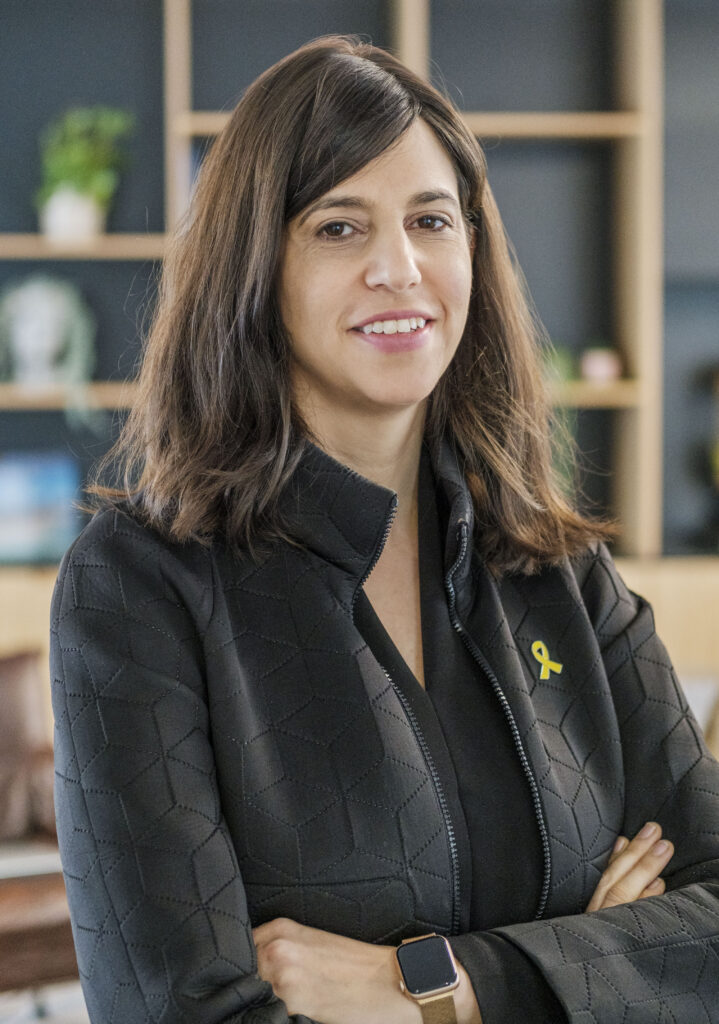
“We are honored to be acknowledged as a Leader in the Gartner® Magic Quadrant™ for Hybrid Mesh Firewalls,” said Nataly Kremer, Chief Product Officer at Check Point Software. “Our open platform approach delivers industry-leading network security with the flexibility to integrate with third-party systems. As a longstanding cybersecurity leader, we remain committed to giving organizations the agility, optimal user experience, and cost efficiency they need to stay protected.”
Customer perspective, in the field
Operations teams want a single pane of glass for inside-the-network, perimeter, and cloud. One large U.S. sports organization described how it consolidates network, cloud, and email security under one console to avoid tool-switching during incidents. That consolidation frees engineers to handle game-day priorities instead of chasing alerts across systems. In short, unified control turns busy days into manageable ones.
Where the hybrid mesh firewall shows up
Core data centers. High-throughput gateways enforce segmentation and east-west controls near critical apps.
Public cloud. Cloud-native controls and managed gateways apply the same policies around virtual networks, containers, and serverless endpoints.
SASE/remote edges. Branch and user traffic enter the same prevention fabric, so identity, device posture, and threat signals follow people wherever they work.
Because the fabric acts as one system, the change in windows shrinks. New sites, new VPCs, and new apps inherit guardrails automatically.
Outcomes security leaders can measure
Faster time to policy. Centralized management eliminates duplicate rule edits across environments.
Fewer gaps. Shared context aligns IDS/IPS, URL filtering, DLP, and anti-malware across the stack.
Lower noise. AI-curated intelligence reduces false positives and highlights the few events that matter.
Better experience. Consistent enforcement reduces broken paths and support tickets, which improves user productivity.
What to watch next
First, expect deeper identity and device-posture signals in policy, especially for high-risk users and privileged sessions. Next, anticipate tighter SASE alignment with branch automation so new offices come online in minutes. Finally, look for richer AIOps health checks that predict capacity, spot brittle rules, and recommend fixes with one click. As vendors ship these features, hybrid programs move from pilot to standard.
Gartner and trademark notes
Gartner publishes the Magic Quadrant as an analytical snapshot. The research reflects Gartner’s opinions and does not endorse any vendor, product, or service. Readers should pair the quadrant with technical validation and their own requirements. GARTNER, MAGIC QUADRANT, and PEER INSIGHTS are registered trademarks of Gartner, Inc. and/or its affiliates. Use them with attribution and respect for the original context.
Bottom line
Check Point’s Leader placement signals maturity for hybrid mesh firewall strategies. Organizations can run AI-powered prevention at the core, in the cloud, and at the edge without juggling five consoles. With one policy model, one intelligence source, and one operational rhythm, teams get what they need most: fewer gaps, faster moves, and a safer network for the business.
Check out our previous Dubai AI Seal Tier S: Yango earns top certification










Tech News
Abu Dhabi Projects and Infrastructure Centre and PATRIZIA sign strategic partnership to support infrastructure investment and development
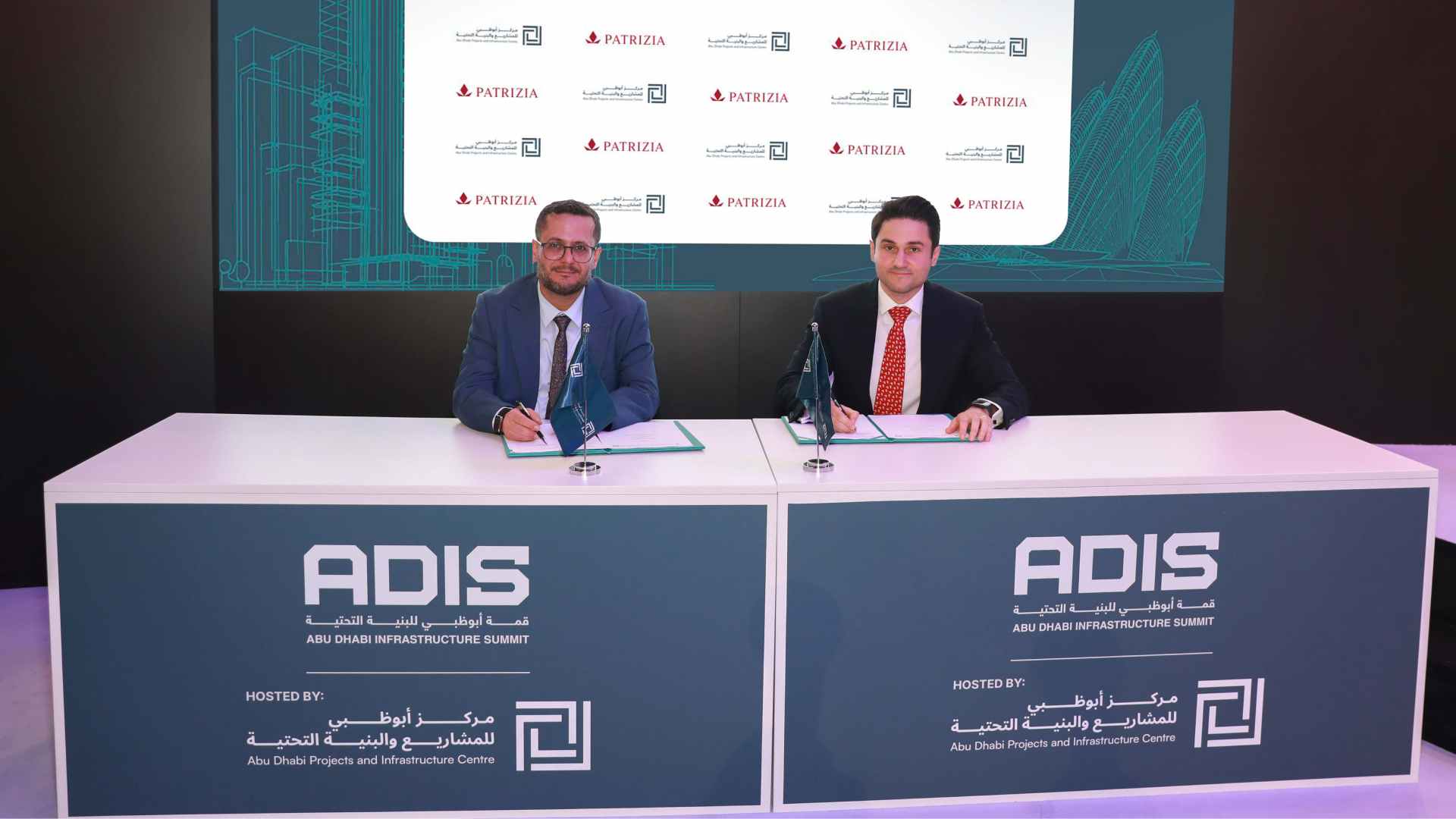
The Abu Dhabi Projects and Infrastructure Centre (ADPIC)and PATRIZIA, an investment manager in real assets, have signed a strategic partnership to deepen cooperation around infrastructure investment and project delivery in the Emirate of Abu Dhabi, drawing on PATRIZIA’s wider real assets expertise.
The strategic partnership was signed during the Abu Dhabi Infrastructure Summit (ADIS) International Roadshow at EXPO REAL 2026 in Munich by His Excellency Eng Maysarah Mahmoud Salim Eid, Director General of ADPIC and Hassan Awada, Senior Executive Officer, MENA at PATRIZIA.
ADPIC sits at the centre of Abu Dhabi’s capital-project programme, coordinating planning, governance, and delivery across approximately 500 projects valued at more than AED 200bn, equivalent to more than USD 56bn. The programme spans housing, transport, culture, education, social infrastructure, and the wider urban systems supporting Abu Dhabi’s long-term growth, livability, and economic competitiveness.
The agreement also reflects the wider objective of the ADIS International Roadshow by connecting Abu Dhabi’s infrastructure ecosystem with international partners that bring specialist expertise and long-term capability, while deepening engagement with Germany and Europe. The partnership establishes a framework for PATRIZIA and ADPIC to exchange international expertise and explore areas where private-sector participation can strengthen project delivery and long-term value creation. This includes dialogue around public-private partnership structures, sharing international best practice in infrastructure financing and delivery, and exploring potential investment and co-investment opportunities arising from Abu Dhabi’s capital projects programme.
The two organisations will also cooperate on market insight, benchmarking and technical studies relevant to infrastructure investment and project delivery, while exploring ways to support greater international participation, knowledge exchange, and access to specialist capability across Abu Dhabi’s ecosystem.
H.E. Eng. Maysarah Mahmoud Salim Eid, Director General of ADPIC, said: “Abu Dhabi’s infrastructure programme requires partners that bring proven international capability, market insight, and a long-term commitment. Through this partnership with PATRIZIA, we will explore how that experience can support private-sector participation, strengthen project delivery, and create long-term value. This is exactly the type of practical international cooperation the ADIS International Roadshow is designed to advance.”
PATRIZIA has worked with institutional investors and partners in Abu Dhabi for 15 years, building long-term relationships across the Emirate. The recent establishment of a permanent presence in the Abu Dhabi Global Market (ADGM) marked a further step in that commitment, strengthening PATRIZIA’s ability to work with regional investors and partners and connect them with its international real assets platform.
Asoka Wöhrmann, CEO of PATRIZIA, said: “Abu Dhabi has established itself as an important centre for long-term investment and infrastructure development. Our teams have worked with clients and partners in the Emirate for the past 15 years, and our decision to establish a permanent presence in Abu Dhabi reflects the importance we attach to that relationship. We have seen first-hand the scale of its ambition and the increasingly important role that international expertise and private capital can play. This partnership creates a framework through which PATRIZIA can contribute its experience across real assets while deepening our longstanding relationships in Abu Dhabi.”
Hassan Awada, Senior Executive Officer, MENA at PATRIZIA, said: “Abu Dhabi is developing into a significant market for infrastructure and real assets investment, supported by major infrastructure pipeline and a clear focus on attracting international investment and expertise. Our partnership with ADPIC gives us an opportunity to closely support on delivering these priorities and to explore where PATRIZIA’s international investment capabilities can support the Emirate’s long-term ambitions.”
The agreement reflects PATRIZIA’s wider strategy of combining its established global real assets platform with selective international growth in markets where it has longstanding client relationships and relevant investment expertise.
Tech News
NetApp to Showcase AI-Ready Data Infrastructure as CEO George Kurian Takes the Stage at Ai Everything Abu Dhabi 2026
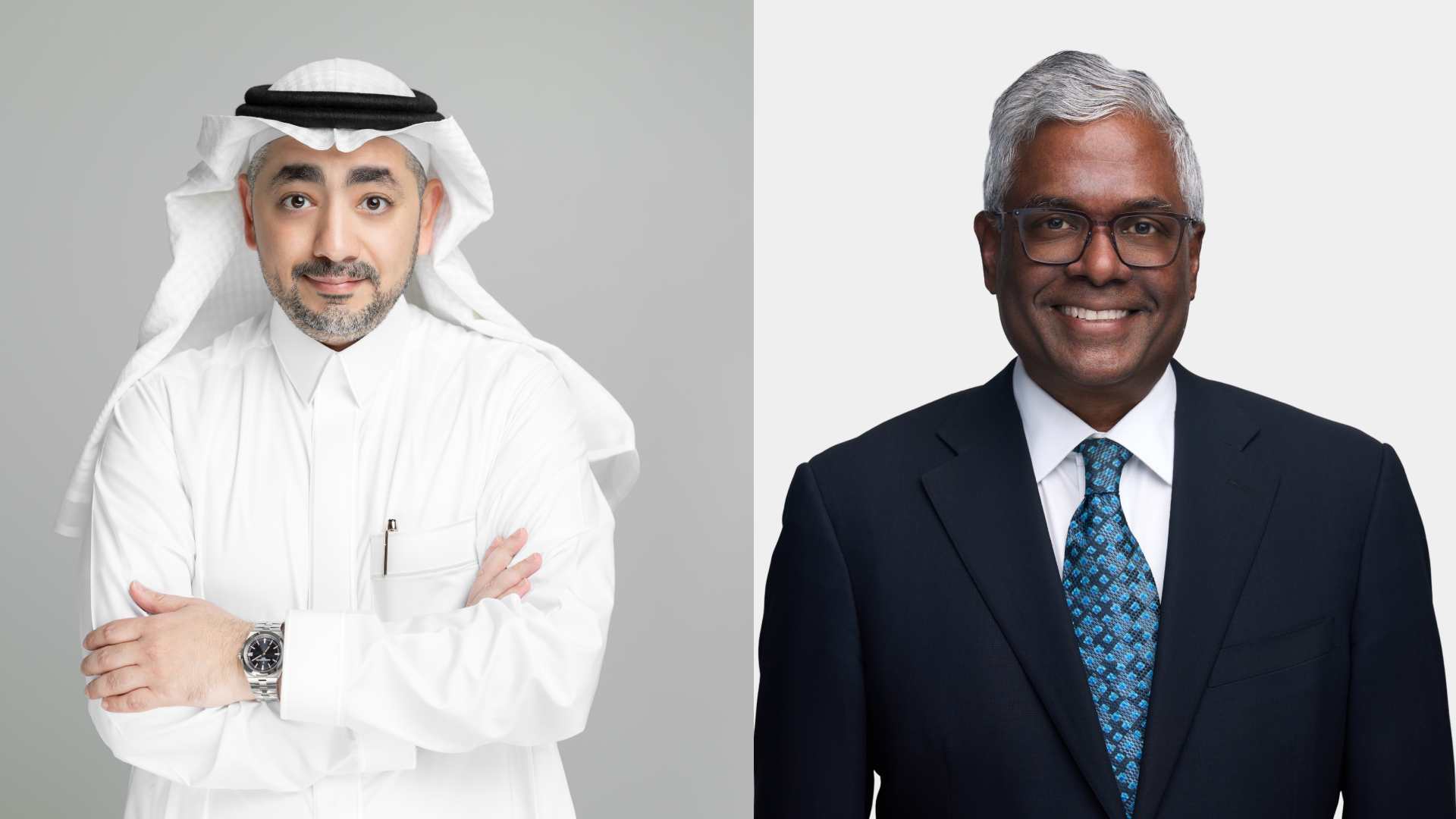
NetApp® (NASDAQ: NTAP), the Intelligent Data Infrastructure company, will exhibit at Ai Everything Abu Dhabi 2026, taking place on October 6 and 7 at ADNEC Centre in Abu Dhabi. The event will also feature George Kurian, Chief Executive Officer of NetApp, who will take part in a fireside chat on the Summit Stage titled, “Can AI Be Trusted? The New Architecture of Sovereign, Secure and Safe AI.” As AI moves from generating answers to taking action across the enterprise, Kurian will explore why trust must extend beyond the model to the data, infrastructure and systems AI can access, as well as the growing importance of security, data sovereignty and governance.
At the centre of NetApp’s presence will be the NetApp Platform, designed to provide enterprises an intelligent, connected, governed foundation that delivers zero-copy access to their data. Customers can quickly and confidently access, manage, and activate their data and be confident it is AI-ready and secure so they can take on the most demanding tasks and solve the most complex problems. In addition to being available on-premises, the NetApp Platform is natively embedded in the world’s largest public clouds. As organizations move AI initiatives from experimentation into production, having data that is accessible, governed and protected becomes increasingly important to scaling AI securely and efficiently.
“Abu Dhabi’s ambition to become an AI-native government reflects a broader shift we are seeing across the Middle East, where AI is rapidly moving from experimentation to large-scale deployment. But scaling AI is ultimately a data challenge. Organizations need trusted, secure and accessible data wherever it resides. The NetApp Platform provides the foundation customers need to build Intelligent Data Infrastructure that enables them to move from AI ambition to real business outcomes, securely and at scale.” said Suhail Hasanain, Senior Director and General Manager, MEA at NetApp
During the two-day event, NetApp’s regional and global experts will engage with industry leaders, partners and customers on building AI-ready infrastructure and addressing the data and infrastructure challenges that can prevent AI projects from progressing into production.
Visitors will have an opportunity to hear the latest developments from NetApp INSIGHT 2026 in Las Vegas, one of the company’s key events focused on tackling today’s biggest AI and technology challenges with intelligent data infrastructure.
Tech News
Optro Establishes UAE Hub to Support Rapid Transition to Agentic GRC Across the Middle East
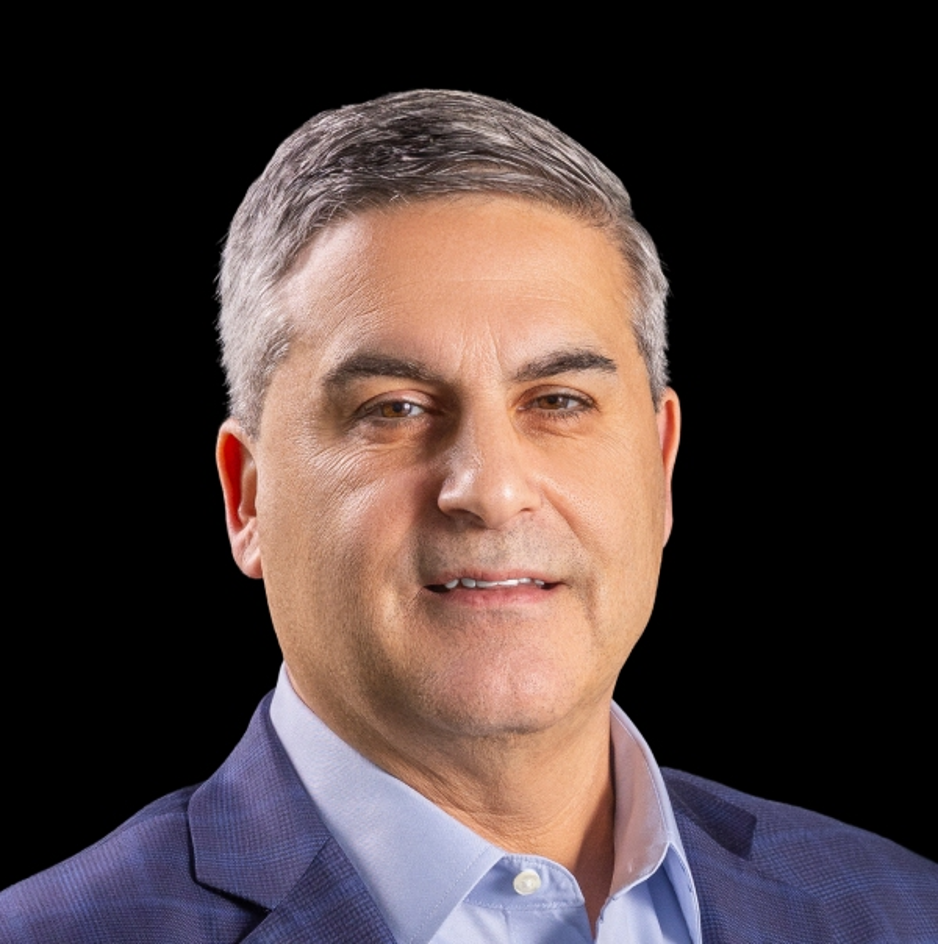
Optro, the leading AI-powered GRC Intelligence Platform, today announced its expansion into the United Arab Emirates (UAE), establishing Dubai as the company’s newest regional center. The move represents a major step forward in serving global GRC teams and providing localized support for its rapidly growing customer base across the Middle East and North Africa (MENA) region. The announcement was made at the 2026 CAE Conference in Abu Dhabi, United Arab Emirates.
The expansion comes at a historic inflection point for technology governance in the region. Under the “UAE Government 4.0” directive of the UAE National Strategy for Artificial Intelligence 2031, federal institutions are tasked with converting 50 percent of government sectors, services, and operations to autonomous Agentic AI models within a two-year timeline. As non-human agents gain authority to execute workflows, invoke APIs, and issue binding administrative decisions, enterprise and public-sector audit, risk, compliance, and infosec teams are facing unprecedented operational, cybersecurity, and regulatory complexities.
With strict regulatory frameworks taking shape, including Central Bank of the UAE (CBUAE) AI & ML Guidance, the UAE National AI Policy & Ethics guidelines, the Federal Personal Data Protection Law (PDPL), and Cybersecurity Council/NESA standards, demand is surging for connected, real-time approaches to audit, risk management, data sovereignty, and non-human access control. Optro is built specifically for this paradigm shift. By deploying agentic AI tailored to regional frameworks, Optro gives local practitioners an unmatched ability to execute continuous risk assessments, manage non-human access identities, and automate live compliance mapping against evolving UAE regulations.
“Enterprises and public sector organizations across the Middle East are setting a global benchmark for autonomous innovation,” said Raul Villar Jr., Chief Executive Officer at Optro. “However, deploying agentic AI at scale requires a corresponding evolution in control and assurance. By establishing our regional hub in the UAE, we are delivering the localized presence, partner network, and agentic GRC tools required to help organizations govern autonomous operations, protect data sovereignty, and turn regulatory compliance into a competitive advantage.”
“Internal Audit and GRC functions are playing an increasingly strategic role in helping organizations strengthen resilience, enhance governance, and respond to emerging risks,” said Fady Nader, EY MENA Risk Consulting Partner. “As organizations continue to embrace digital transformation and AI-enabled ways of working, there is a growing need for integrated assurance and timely risk insights. We are pleased to collaborate with Optro in supporting organizations across the region as they evolve their governance, risk and assurance capabilities and adapt to an increasingly dynamic business environment.”
“Our alliance with Optro reflects Deloitte’s commitment to helping clients modernize their control environments,” said James Smith, Controls Assurance Leader at Deloitte Middle East. “Optro’s investment in regional data hosting is another important step and demonstrates their long-term commitment to the region and we are proud to partner with them.”
Optro’s expansion into the UAE follows the company’s recent launch of its Asia-Pacific (APAC) regional hub in Singapore, announced at The Institute of Internal Auditors (IIA) International Conference in June. Earlier this year, Optro also acquired Midship — the premier AI-native autonomous controls testing solution — delivering highly governed, enterprise-grade AI agents to Optro’s customers and prospects, enabling Optro to rapidly scale across global innovation centers, helping risk, compliance, and audit teams modernize operations and navigate complex regulatory environments in real time.

Kenz ‘de’ Rasasi Debuts at Beautyworld Middle East 2026 with a New Expression of Rasasi Heritage

Burjeel Holdings Launches Preventive Cardiac Campaign Across Its UAE Hospital Network for World Heart Day

Abu Dhabi Projects and Infrastructure Centre and PATRIZIA sign strategic partnership to support infrastructure investment and development



-

 Trending12 months ago
OPPO A6 Pro 5G Review: Reliable Daily Driver
-

 Tech News2 years ago
Denodo Bolsters Executive Team by Hiring Christophe Culine as its Chief Revenue Officer
-
 VAR1 year ago
Microsoft Launches New Surface Copilot+ PCs for Business
-

 Automotive2 years ago
AGMC Launches the RIDDARA RD6 High Performance Fully Electric 4×4 Pickup
-
Tech Interviews3 years ago
Navigating the Cybersecurity Landscape in Hybrid Work Environments
-

 Tech News1 year ago
Nothing Launches flagship Nothing Phone (3) and Headphone (1) in theme with the Iconic Museum of the Future in Dubai
-

 VAR2 years ago
Samsung Galaxy Z Fold6 vs Google Pixel 9 Pro Fold: Clash Of The Folding Phenoms
-

 Hospitality2 years ago
Gulfood 2025 30th Edition Kicks Off Today, Setting New Benchmarks in F&B Growth and Innovation