
 Have a question? +971 56 404 0503




Uncategorized
Western Furniture Presents Unopiù at Dubai Design Week 2025

Western Furniture, the UAE’s leading destination for luxury interiors, proudly presents Unopiù, a leading Italian outdoor furniture brand, at Downtown Design 2025, within Dubai Design Week, the Middle East’s foremost platform for design excellence. This participation reflects Western Furniture’s commitment to celebrating Italian artistry through Unopiù’s mastery in creating outdoor spaces defined by sophistication, comfort, and timeless appeal.
At Booth #B2, visitors will be introduced to the brand’s signature approach to outdoor living, where design meets nature through timeless materials, sculptural forms, and sustainable innovation. Unopiù’s renowned collections embody the philosophy of “Where Luxury Meets Nature”, blending artisanal expertise with contemporary aesthetics to create settings that exude balance, beauty, and tranquility.
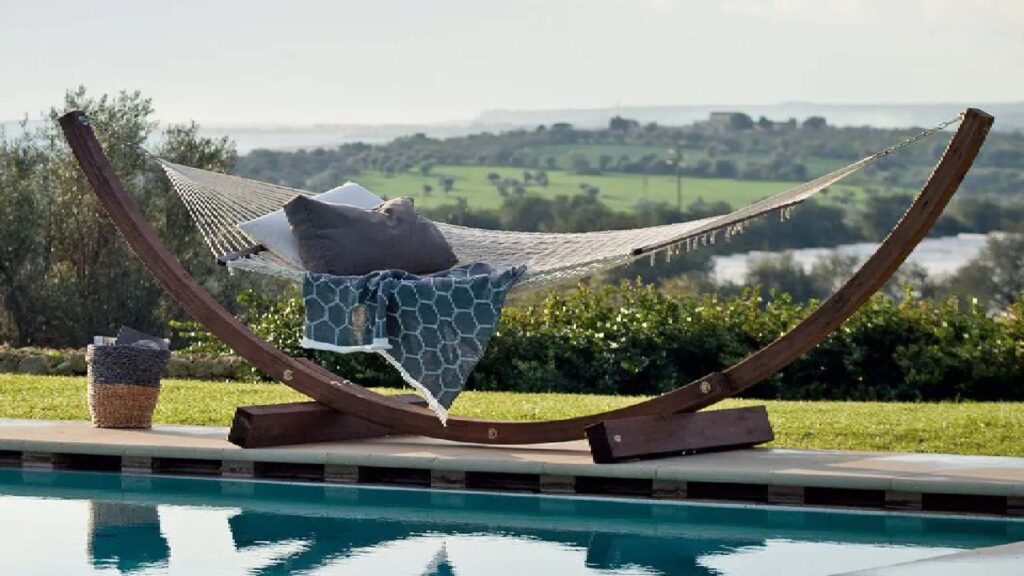
freestanding icon of design recognized for its gracefully curved laminated wood poles and handwoven cotton cords. Featured in the Oscar-winning film The Great Beauty, Amanda combines innovation and craftsmanship to deliver an unparalleled experience of comfort and freedom, now available in a refined grey mélange finish with a plush cushion.
The celebrated Synthesis Collection captures the perfect equilibrium between form and function through its fusion of teak and hand-woven WaProLace fibre. Its extendable teak dining table offers adaptability for both intimate gatherings and grand occasions, while the 260 cm teak sofa, low lounge chair, and stackable coffee table with handles unite durability with understated elegance. Each piece reflects the meticulous craftsmanship for which Unopiù is renowned, balancing function with the grace of natural materials.
The Chelsea Collection introduces an oriental-inspired aesthetic through sculptural teak frames, low Japanese-style seating, and soft white cushions that embody serenity and warmth. Its extendable dining table and two-seater sofas are distinguished by compact volumes and clean lines, while the Chelsea Sunlounger showcases refined craftsmanship with adjustable back and leg rests, discreet wheels for easy movement, and the option of a plush cushion for elevated comfort. Completing this panorama of outdoor artistry, the Pevero Island stands as a masterpiece of circular design in smooth teak (Ø160 cm), paired with soft Nuvola-hued cushions to create an inviting centerpiece for terraces, gardens, and poolside retreats. Together, these pieces reflect Unopiù’s vision of outdoor living: spaces that balance modern design with the warmth of natural materials, where every detail evokes Italian refinement and timeless luxury.
A timeless icon of Unopiù style, the Ginger Director’s Chair, features a frame made of premium-quality teak with seat and backrest in Cotone cotton fabric, complemented by either a seat cushion or beige Canatex covers (a sustainable hemp-blend fabric composed of 70% PVC and 30% polyester). Exclusive, versatile, and designed for daily use, this chair is a true protagonist of any environment, capturing a personal interpretation of relaxation and refined simplicity.
Another highlight is the Salò Sofa, part of the prestigious Salò 2025 Collection. This piece symbolizes timeless elegance and advanced functionality in outdoor furniture. Inspired by the enchanting landscapes of northern Italy, particularly the captivating charm of Lake Garda, the collection combines modernist design with premium materials to create outdoor sofas and armchairs that stand out for their sophisticated style and extraordinary comfort.
With over four decades of design excellence, Unopiù continues to champion sustainable living through the use of ethically sourced teak, durable weather-resistant materials, and an eco-conscious production ethos. Its collections embody the meeting of tradition and innovation, an approach that resonates with Dubai’s commitment to design-led sustainability and creative excellence.
“Unopiù represents the meeting point between nature, design, and emotion,” said Mikdad Babhrawala, CEO of Western Furniture. “We are proud to bring this Italian outdoor legacy to Dubai Design Week, offering visitors a glimpse into how craftsmanship and creativity can transform everyday spaces into timeless sanctuaries.”
Who says your morning workout has to come with four walls? Level 43 Sky Lounge is teaming up with CRANK to bring an exhilarating rooftop cycling experience to Dubai, inviting fitness enthusiasts to start their day with an energising ride high above the city.
Taking place on the Level 43 helipad, A Morning Above the City combines the thrill of an outdoor cycling session with spectacular views of Dubai’s skyline as the city comes to life. Guests can choose from two morning sessions before enjoying a well-deserved breakfast at Level 43 Sky Lounge. With just four classes across two days and limited spaces available, this is one morning workout worth setting an early alarm for.
Details:
- Event: A Morning Above the City – Rooftop Cycling with CRANK | When: 31 October and 1 November 2026, 7:00 AM and 8:00 AM | Price: AED 200 per guest, including breakfast at Level 43 Sky Lounge | Highlights: Rooftop cycling on the Level 43 helipad, panoramic Dubai skyline views and post-workout breakfast | Availability: Four classes across two days, limited spaces | Location: Level 43 Sky Lounge, Four Points by Sheraton Sheikh Zayed Road | Reservations: Advance booking required via the event booking link
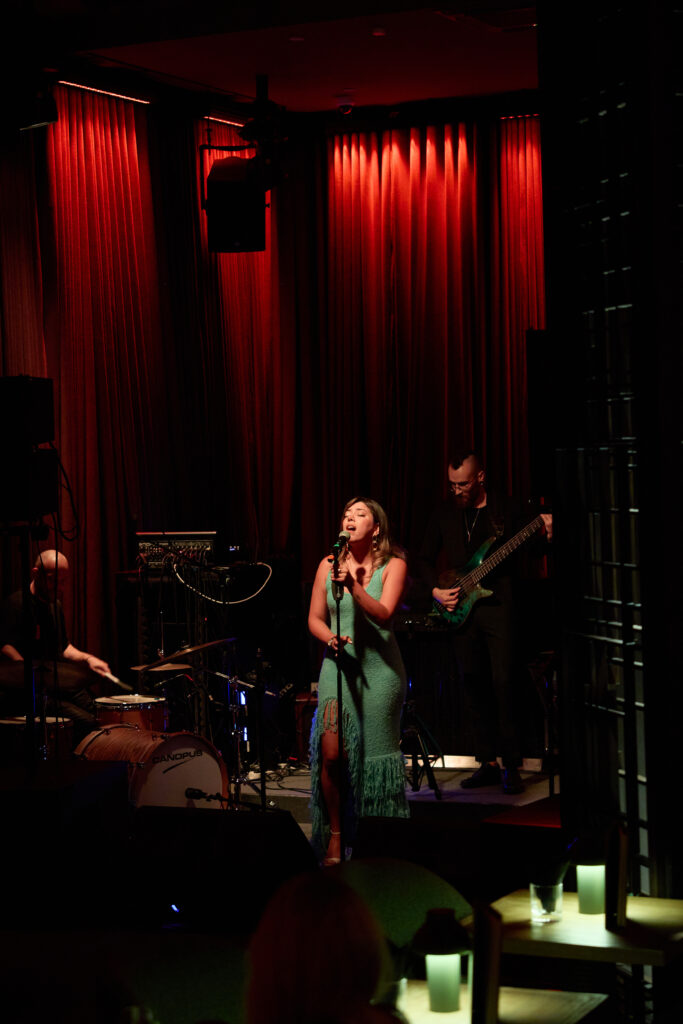
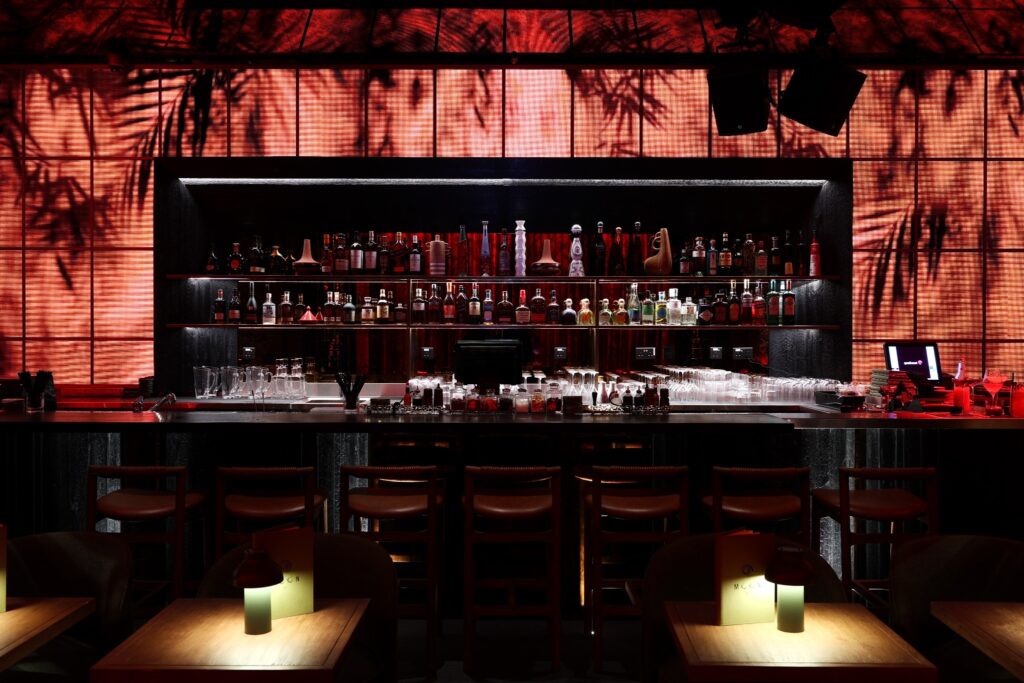
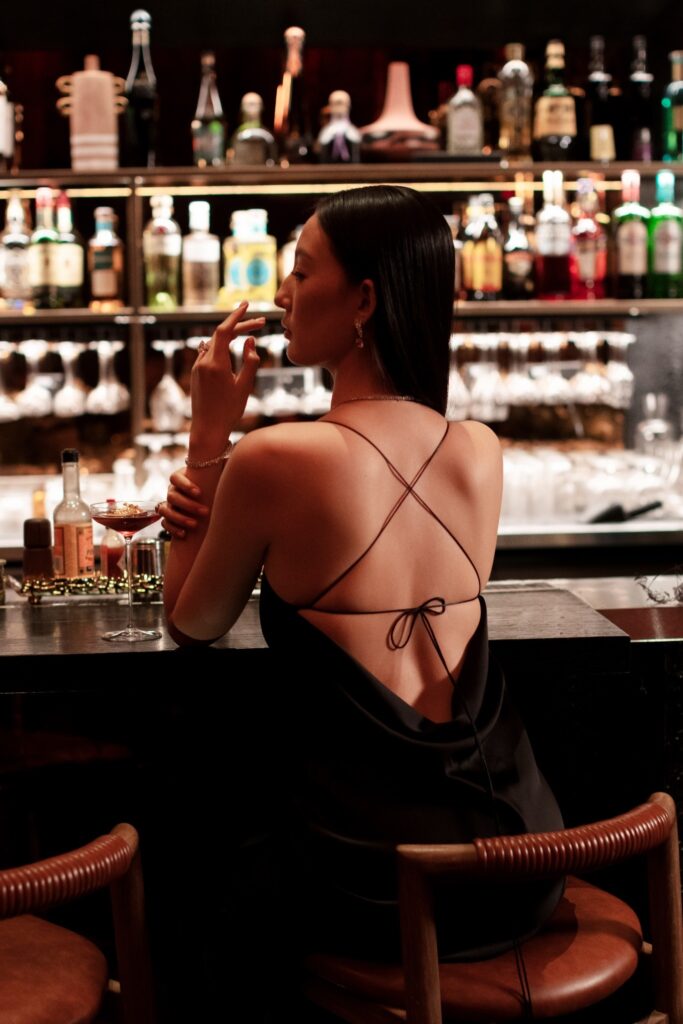
This Halloween, MOON Bar at SANA Restaurant invites Dubai’s night owls to step into the shadows for ECLIPSE AT MOON, an immersive evening of karaoke, themed cocktails, dance entertainment and a DJ afterparty on Saturday, 31 October.
Set within the intimate speakeasy at Jumeirah Mina Al Salam, Madinat Jumeirah, the event promises a playful take on Halloween nightlife, bringing together music, friendly competition and a dramatic eclipse-inspired setting.
The evening begins at 9:00 PM with open karaoke, inviting guests to take the microphone and perform their favourite tracks, from Halloween classics such as Michael Jackson’s Thriller to crowd-pleasers including Disturbia and Toxic. Those who prefer to share the spotlight can join the Scary Duet round, while competitions for Best Costume, Best Karaoke Performance and Best Duet add a competitive edge to the night. A secret guest appearance during karaoke will offer an additional surprise.
Special dance performances will build the energy throughout the evening before the focus shifts to the dance floor at 11:00 PM, when the DJ afterparty begins. The celebration continues until 2:00 AM, accompanied by atmospheric lighting and eclipse-inspired visuals.
The venue will be transformed with silver eclipse details, dark florals and moody lighting, creating a sophisticated Halloween setting. Costumes are encouraged but not compulsory. Guests looking for a subtler approach to the theme can opt for black, silver, charcoal grey, midnight blue or deep burgundy.
Food and drinks remain part of the experience, with SANA’s à la carte menu available at MOON throughout the evening, alongside specially created Halloween cocktails.
Whether guests are ready to take the stage, compete for the best costume or simply settle in for dinner, cocktails and late-night music, ECLIPSE AT MOON offers a Halloween night out with a distinctive speakeasy atmosphere.
This October, Acacia Lounge at Al Habtoor Grand Resort, Autograph Collection invites guests to enjoy a simple yet indulgent pairing of expertly brewed coffee and a delicate pink macaron.
Bathed in natural light and offering a relaxed setting, Acacia Lounge provides the perfect spot to pause and unwind over a freshly prepared coffee, accompanied by a petite pink macaron.
Available daily throughout October, the experience is priced at AED 38 per person. Date & time: Daily – throughout the month of October | 7:30am – 10:30pm | Price: AED 38 per person | Place: Acacia Lounge, Al Habtoor Grand Resort, Autograph Collection

Terrace Dining, Oktoberfest, and Beach Days Return to InterContinental Abu Dhabi This October

THE STORIES BEHIND THE MATERIALS SHAPING UAE INTERIORS
Form Room welcomes new JVC residents with a complimentary coffee and exclusive discounts



-

 Trending12 months ago
OPPO A6 Pro 5G Review: Reliable Daily Driver
-

 Tech News2 years ago
Denodo Bolsters Executive Team by Hiring Christophe Culine as its Chief Revenue Officer
-
 VAR2 years ago
Microsoft Launches New Surface Copilot+ PCs for Business
-

 Automotive2 years ago
AGMC Launches the RIDDARA RD6 High Performance Fully Electric 4×4 Pickup
-
Tech Interviews3 years ago
Navigating the Cybersecurity Landscape in Hybrid Work Environments
-

 Hospitality2 years ago
Gulfood 2025 30th Edition Kicks Off Today, Setting New Benchmarks in F&B Growth and Innovation
-

 VAR11 months ago
Huawei Nova 14 Pro Review: Where Camera Excellence Meets Ecosystem Evolution
-

 Tech News1 year ago
Nothing Launches flagship Nothing Phone (3) and Headphone (1) in theme with the Iconic Museum of the Future in Dubai