
 Have a question? +971 56 404 0503




Home Integrator
A VISION BUILT ON DETAIL

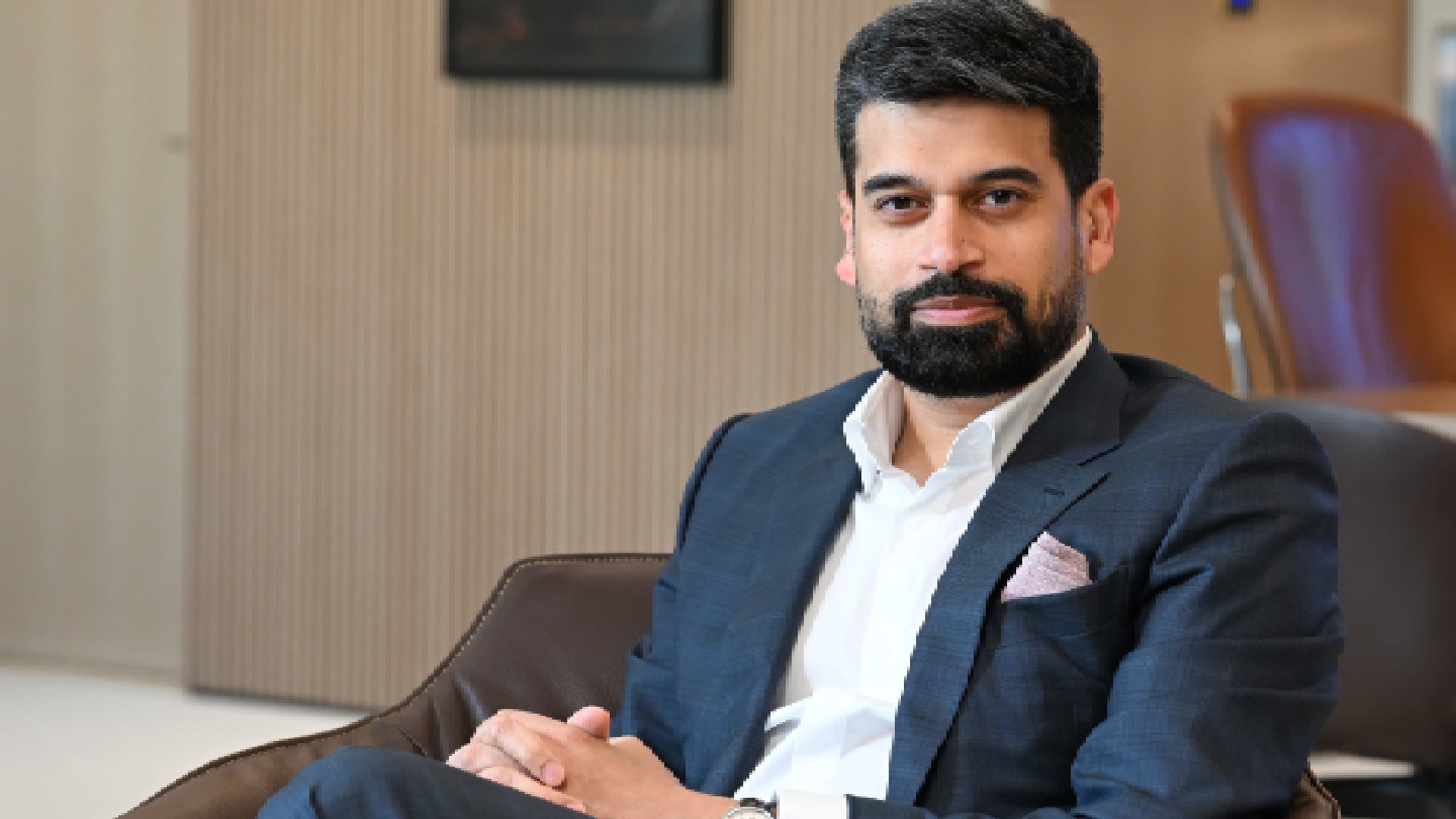
Exclusive Interview with Mr. Ravi Menon, Chairman of Sobha Group and Mr. Anuj Jain, Chief Executive Officer, Sobha Furniture.
Ravi, as the chairman of Sobha Group and the titan in the real estate market, can you share your journey and experience with us and how has it been for you so far?
For me, the journey has been both deeply personal and professionally gratifying. Although I relocated to Dubai only three years back, Sobha Group’s foundation in the UAE was laid long before my move. Since then, particularly post-2020, it has been nothing short of exceptional. Year on year, our business has seen sustained growth and our sales performance is tracking ahead well, cementing our vision of becoming a global benchmark for world-class real estate.
We also recently expanded into Umm Al Quwain with two new projects and are preparing to enter the Abu Dhabi market as part of our long-term strategy to build a diversified UAE-wide portfolio valued at approximately USD8 billion. Overall, it has been an extraordinary journey, but for Sobha Group, this is just the beginning.
How are you competing with other brands in the market, especially when it comes to UAE? And what makes you one step ahead?
At Sobha, we stand out in the market because of our ‘Backward Integration’ model. Our model is fundamentally distinct because we are one of the very few developers globally who have a fully backward integrated model, which is extremely rare in our industry, where most developers limit themselves to land acquisition, sales, and outsourced execution. This means that from concept to design to final delivery, every stage is managed in-house, ensuring that all projects are integrated with the highest standards of quality that Sobha Group is known for. This also helps us reduce dependencies on external suppliers, providing us with stronger control over quality, delivery timelines, and execution.
What also makes us unique is the culture we have built over the decades. The Group is driven by my father’s legacy and passion for design, passion for construction, and passion for continuous improvement. The moment we complete a project; we are already thinking about how we can raise the benchmark for the next one. That mindset keeps the entire organization’s future focused.
Now with Sobha Furniture, this entire project marks a new milestone. What does this launch mean for the brand? And for Sobha Realty as a whole?
Sobha Furniture is not the beginning of something new; it is the return to where it all began. In fact, 50 years ago, when my father started his entrepreneurial journey, it started with interior decoration. For him, he has always been extremely passionate about the art of details and accuracy, within a millimetre precision.
From the outset, our philosophy has always been simple – to invest in the best of machinery, technology, and talent. This mix has allowed us to maintain a standard of quality that is non-negotiable in our business. We understand that a home is a very personal space and when we decided to launch Sobha Furniture, we were very mindful of the pinch points that customers face and wanted to create a business that sets a new benchmark for large-scale, design-led furniture manufacturing — Made in the UAE, for the world.
There has long been a gap between design ambition and furniture manufacturing capability in this region, and Sobha Furniture shall be bridging that gap. What this launch ultimately signifies is the formalization of something that has always been intrinsic to Sobha Group: design excellence, engineering precision, and a culture of co-creation. With ‘The Gallery’ and our expanded manufacturing capabilities, we now have a space where clients can experience our craft firsthand, collaborate with our teams, and shape pieces that reflect their exact vision.
Our business approach follows the same philosophy to build a unique fully integrated ecosystem that is capable of handling everything under one roof. And furniture is also part of that. When I say furniture, the cabinets, the kitchen cabinets, the wardrobes, the bathrooms, everything. So, every apartment that we have delivered in this market reflects these capabilities.
Mr. Anuj Jain, Chief Executive Officer, Sobha Furniture Insights:
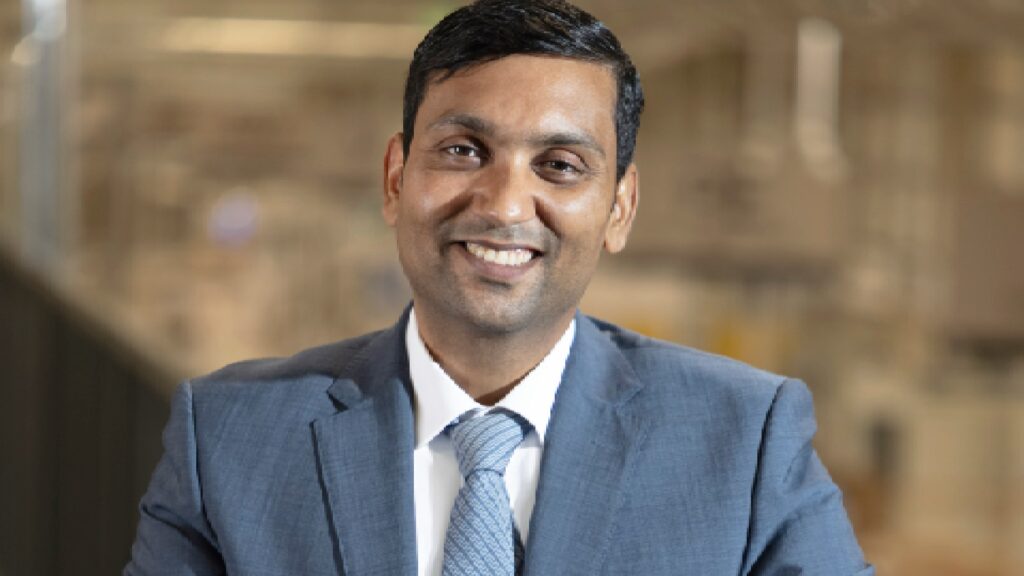
Furniture has always been part of the game, and we’re just giving light to the vision of what Mr. PNC Menon has. So right now, this is a B2B co-creating space. We’ll soon be catering to B2C audience as well.
We will have a lot of offerings for the end customer as well as the B2B partners and developers and designers in the upcoming coming years.
So Mr. Anuj, how does The Gallery embody the direction and the future of Sobha Furniture as a brand, especially when it comes to showcasing the replica projects here that is showcased, the walk-in closets and materials and finishings?
The Gallery is a preview into what our vision for Sobha Furniture is. We did not want to create a traditional setup, which is why we have designed this as a working space for architects, interior designers, developers, and project partners rather than just a retail showroom. Every space has been thoughtfully curated to embody our outlook to connect, collaborate, and co-create with the community and showcases our passion for being partners from start to finish.
Designed as fully functional spaces, each of our mock-up areas serve a specific purpose and gives customers a deep insight into our design concepts, materials, finishes, and overall approach to furniture manufacturing. This is the first step to fulfilling our mission to set the foundation of a new standard and deliver projects that will showcase the precision and exceptional quality that Sobha is known for.
Mr. Ravi, looking towards the future, let’s say in the next 20 years ahead, what plans are looking forward to?
The industry we work in is very dynamic; it pushes us every day to ensure that our long-term direction is clear. Sobha Furniture is a brand rooted in legacy – one that we envision to be Made in the UAE for the world. Setting up our foundation here has given us unparalleled access to infrastructure, connectivity, talent, and an overall ecosystem that has set us up for success on the scale we are aiming for.
One of our immediate priorities is the launch of our flagship factory in Dubai Industrial City. It is an enormous, 53,000 sqm facility that will house the best-in-class full automated machinery and will bring an integrated approach to furniture manufacturing with everything from foaming to cutting, stitching, framing and upholstery.
As part of our strategic expansion, we are looking to establish our presence in key international markets. In fact, we have already shortlisted three potential properties in the US market and are also exploring the potential of entering the Australian market. 20 years is a long time, but we are steadfast in our commitment of building on a scale with exceptional quality that has not been seen in the region before.
As the season changes, there’s something comforting about making the home feel a little warmer and more inviting. Autumn brings an opportunity to slow things down, create cosier spaces and add small touches that reflect the mood of the season. Whether it’s a candle glowing in the evening or a warmer colour palette around the living room, a few small changes can make a familiar space feel fresh. To embrace the season, MINT Market, a UAE-born curated online and offline marketplace, has rounded up pieces from its unique homegrown brands to help bring a little autumn warmth into everyday spaces, with inspiration for cozy gatherings, relaxed evenings and a subtle nod to Halloween.
Scents of Autumn
Autumn starts with the little details that set the mood, and scent is an easy place to begin. Fill your home with the comforting aromas of natural coconut wax melts in scents of Dark Honey & Tobacco, Cinnamon, Frankincense & Cedarwood, or Fireside & Wild Berrier, gently warmed in a tea light or electric burner. Or perhaps create the atmosphere with the glass jar candle, where vanilla, and sage meet soft woody sandalwood fragrance. For a little everyday indulgence, the coffee and cocoa massage soap bar brings a mini spa moment to your shower, with its textured surface gently exfoliating and massaging the skin while its rich, warm fragrance adds a comforting touch to your winter routine.
Living Room Essentials
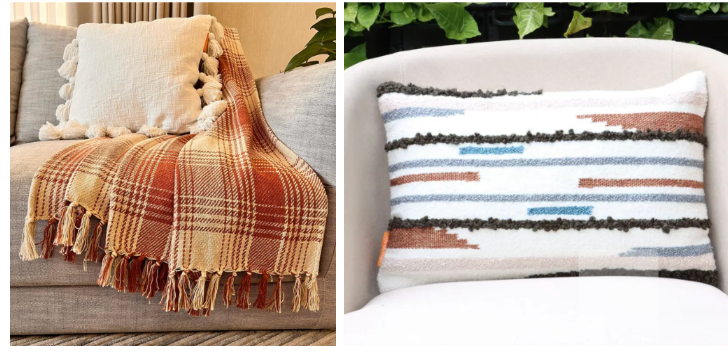
In the living room, a simple change in colour and texture can instantly give the space a more seasonal feel. A maroon checkered throw in soft, neutral tones adds warmth and sophistication while making the room feel a little cosier. For a more contemporary touch, switch up your cushions with an abstract colourful striped cover, bringing playful colour and pattern into the space without overpowering the room.
A Touch of Halloween
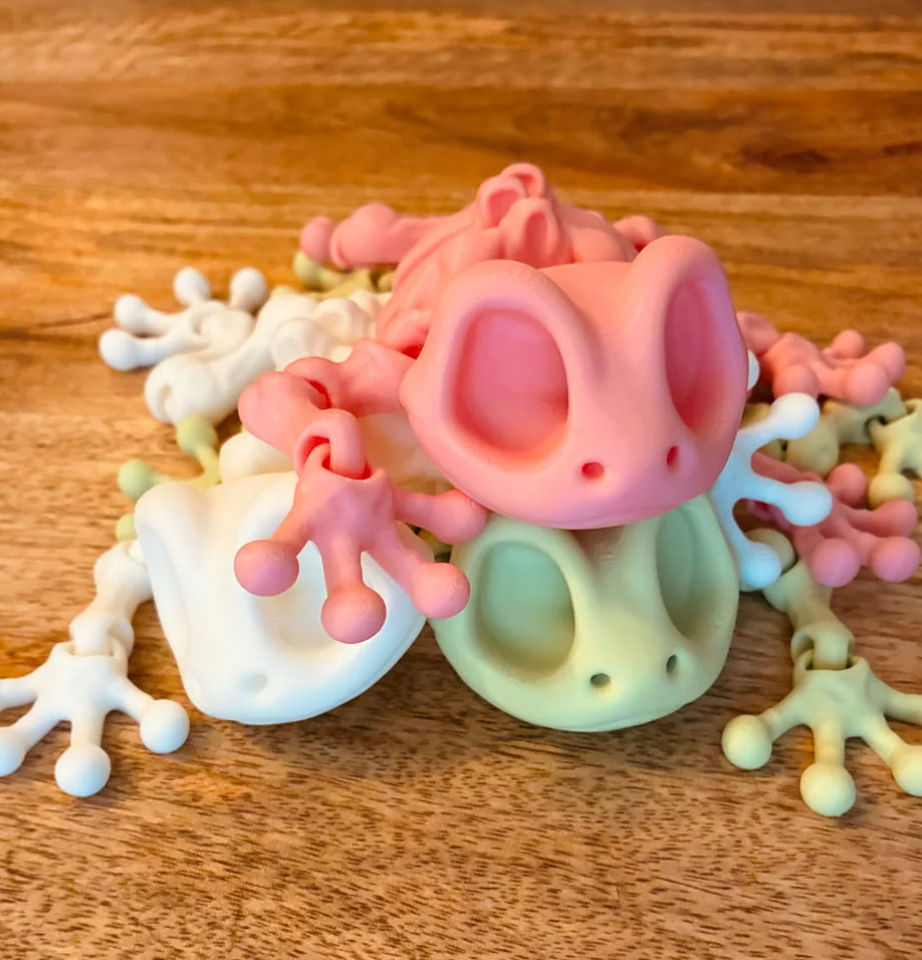
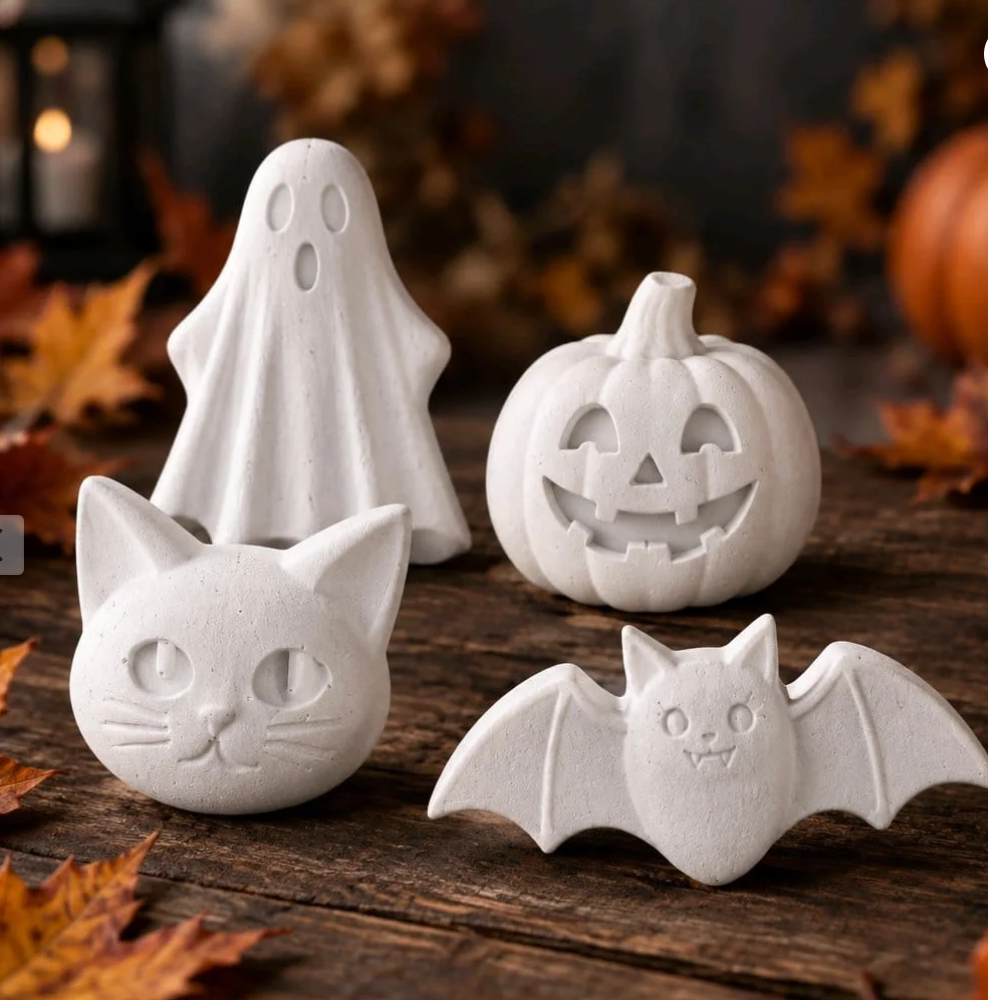
As Halloween draws closer, let a little magic find its way into the home. From playful fidget toys to playdough sets, these little touches can spark imagination and make the season feel that much more magical. For an afternoon of fun, the spooky figures painting kit lets little ones add their own splash of colour and personality, making it a lovely activity to enjoy at home.
All the products mentioned in this guide are available through MINT Market Online, which brings together a selection of independent, homegrown brands.

Exclsuive interview with Jason Ou President, Hisense Middle East. Africa, and India
Smart homes are moving beyond individual connected devices towards more integrated living experiences. How is Hisense approaching this shift, and what role do you see the brand playing in the evolution of connected homes across the Middle East?
At Hisense, we recognized early that the future of the smart home isn’t simply about connecting devices, it’s about creating intelligent companions that understand and anticipate how families live. Our vision has evolved from “connected life” to “smart connection powered by AI,” where every device in the home becomes part of an intelligent, communicative ecosystem.
This is the foundation of our ConnectLife platform, which unifies Hisense refrigerators, washing machines, TVs, dishwashers, and air conditioners into one seamless ecosystem. But connectivity alone is no longer enough. Our global vision is to transform home appliances into AI companions, moving toward what we call Artificial Super Intelligence (ASI) in the home, where devices don’t just respond to commands but actively partner with consumers to enhance their daily lives.
At IFA Berlin, we showcased this AI companionship philosophy across our product range. Our smart refrigerators, powered by AI and voice control, manage food inventory and suggest recipes. Our air conditioners intelligently adapt to preferences and environmental conditions. The award-winning X-zone Master washer dryer, which claimed the CES 2026 Best of Innovation Award, uses AI Assist to detect fabric types and optimize cycles automatically. These are household companions that learn, adapt, and improve over time.
The Middle East, with its strong appetite for premium technology and its culture centred on family gatherings and hospitality, is ideally positioned to lead this evolution. Hisense is committed to shaping the connected home experience across the region, not by adding more devices, but by transforming them into intelligent companions that enhance how families live together.
UAE consumers are increasingly looking for homes that combine convenience, energy efficiency, entertainment, and intelligent technology. How are these changing expectations influencing Hisense’s product development and regional strategy?
The UAE stands as the most digitally advanced market in the region, with consumers who are early adopters of technology and innovation. The fast-paced lifestyle here means UAE consumers actively seek products powered by AI that simplify their lives while delivering premium experiences. This market insight directly shapes our regional strategy and product development.
Convenience through intelligent technology: UAE consumers don’t have time for manual adjustments. Our ConnectLife ecosystem and AI-powered automation address this, whether it’s a washing machine that intelligently selects the optimal cycle or an air conditioner that anticipates comfort needs before you even think about it. AI transforms everyday tasks into seamless, automated experiences.
Energy efficiency as intelligent innovation: Sustainability matters to UAE consumers, but not at the expense of performance. Our U8 air conditioner, recognised with a Red Dot Award, exemplifies how AI can optimise energy consumption while maintaining exceptional comfort. The X-zone Master washer dryer uses heat pump technology for gentle, low-temperature drying at 50°C, protecting fabrics while significantly reducing energy use, intelligence that benefits both households and the environment.
Entertainment reimagined: This is where Hisense has established clear leadership. As the originator of RGB MiniLED technology, our flagship displays deliver cinema-grade experiences that discerning UAE consumers demand. The UR9 Series achieves 100% BT.2020 colour coverage, while our laser display portfolio redefines home entertainment possibilities.
Intelligent technology is the thread connecting all three pillars. Our localised R&D centre in Dubai ensures products are tailored to regional requirements, while our manufacturing facilities across the region demonstrate our commitment to serving this market with agility and precision.
Interoperability remains a key challenge in smart-home adoption, with consumers often managing devices across different platforms and ecosystems. How is Hisense addressing this challenge to make connected living more practical and accessible?
Interoperability is one of the greatest barriers to smart home adoption, and addressing it has been central to our strategic vision for the connected home. ConnectLife is Hisense’s answer to ecosystem fragmentation, but we’ve designed it to go far beyond simple device management. It serves as a unified platform where our full range of products don’t just connect, they communicate, analyze, and optimize experiences together. Refrigerators, washing machines, televisions, dishwashers, and air conditioners become nodes in an intelligent network that understands household patterns and preferences.
The PureFlat Smart Series refrigerator exemplifies this vision. Through ConnectLife, it transforms from a kitchen appliance into a connected hub for household life, enabling meal planning, content sharing, and family communication. The X-zone Master washer dryer integrates seamlessly, with AI Assist optimizing every cycle based on real-time data from across the ecosystem.
What distinguishes our approach is the shift from devices you control to devices that learn from each other. When our appliances analyze your patterns, your preferred temperatures, your viewing habits, your food consumption, they collectively optimize energy usage, suggest improvements, and anticipate needs. The home becomes an intelligent environment that adapts to how each family actually lives.
Rather than locking consumers into proprietary systems, we focus on creating seamless experiences that feel natural. When a large-format display delivers cinema-grade visuals, an air conditioner maintains the ideal viewing environment, and a refrigerator keeps refreshments ready, all coordinated intelligently, the home truly becomes greater than the sum of its parts.
Artificial intelligence is becoming a defining feature of next-generation home appliances and entertainment systems. Where do you see AI delivering the most meaningful improvements to everyday living, beyond simply adding more features to connected devices?
The meaningful impact of AI lies in transforming appliances from devices you control into intelligent companions that understand you. This represents a shift, from smart appliances that respond to commands to AI-powered systems that connect with each other, communicate, analyze patterns, and proactively optimize your home experience.
In home entertainment, our Hi-View AI Engine RGB processor works in real time, analyzing content to optimize color accuracy, contrast, and motion handling. It learns your viewing preferences and adapts, sport, film, and gaming are each rendered with the precision they deserve, without requiring manual adjustment.
In laundry care, the X-zone Master’s AI Assist represents a leap forward in intelligent companionship. The system doesn’t just follow instructions, it detects fabric types, analyses soil levels, and optimizes washing and drying parameters automatically. It learns from each cycle to deliver better garment care with less effort over time.
In climate control, AI enables our air conditioners to become environmental companions. They learn household patterns, analyze preferences, and adjust temperature proactively, maintaining comfort without constant input, particularly valuable in the Gulf region’s demanding climate.
In kitchen appliances, AI-powered refrigerators track food inventory, analyze consumption patterns, suggest recipes based on available ingredients, and even optimize energy usage based on household routines.
The transformative element is when these AI companions work together, sharing data, analyzing collective patterns, and optimizing the entire home environment. This is the vision Hisense is building: homes where AI doesn’t just add features, but genuinely understands and enhances how families live.
Hisense has recorded significant growth in the Middle East and Africa under your leadership. Which shifts in consumer behaviour, distribution, or product demand have contributed most to this momentum, and how are these insights shaping the brand’s next phase of growth?
Our growth across this diverse region is driven by a combination of key factors: a strong and innovative product portfolio, deep understanding of local market dynamics and consumer preferences, strategic partnerships, and our ability to deliver tailored solutions that meet evolving needs across different markets.
Strong product innovation: Our leadership in RGB MiniLED technology and large-format displays, Hisense ranks No. 1 globally in the 100-inch and over TV segment according to Omdia (2023-Q3 2025), reflects our commitment to genuinely differentiated products. The recognition of our X-zone Master at CES 2026 and IFA Berlin validates our approach to scenario-based innovation. Euromonitor International has certified Hisense as the fastest-growing brand among the world’s top 10 washing machine manufacturers over the past five years, momentum we’re building across all categories.
Deep market understanding: Consumer behavior across the region has shifted decisively toward premium, integrated solutions. Families want ecosystems that work together intelligently. In the GCC, the cultural emphasis on hospitality and shared experiences aligns naturally with our whole-home technology philosophy. We’ve invested in understanding what each market needs and tailoring our approach accordingly.
Strategic partnerships and localization: Our partnerships across retail and distribution channels have been crucial in reaching consumers effectively. Our manufacturing facilities in South Africa and Algeria, with a major facility under development in Egypt, bring production closer to consumers and demonstrate long-term regional commitment. Our R&D centre in Dubai ensures products address local requirements.
Looking ahead, these insights shape a strategy focused on deepening ecosystem connectivity, expanding our premium portfolio, and leveraging our position as official sponsor of the FIFA World Cup 2026™ to strengthen brand resonance with families across the region.
Hisense has expanded its television portfolio with technologies such as Mini-LED and larger-screen displays. How are these innovations shaping the brand’s premium home entertainment strategy in the UAE, and what can consumers expect next?
Display technology is at the heart of our premium entertainment strategy, and RGB MiniLED represents the future of television, a future Hisense originated and continues to lead.
We developed RGB MiniLED technology with three fundamental advantages that give us a clear edge over competition:
True colours: Unlike conventional displays that use blue LEDs with colour filters, RGB MiniLED uses dedicated red, green, and blue LEDs for the purest, most accurate colour reproduction possible. Our UR9 Series achieves 100% BT.2020 colour coverage, delivering what the content creators actually intended.
Eye protection: The natural light spectrum produced by RGB technology is gentler on eyes, reducing strain during extended viewing, particularly important for families in the UAE who value premium entertainment experiences at home.
Energy efficiency: RGB MiniLED delivers superior brightness and colour with lower power consumption than traditional technologies, intelligent innovation that doesn’t compromise on performance.
We’ve deployed this technology across our flagship lineup, the UX, UR9, and UR8 Series, paired with our Hi-View AI Engine RGB processor and native 180Hz refresh rates for exceptional precision in sport, gaming, and fast-paced content.
According to Omdia, Hisense ranks No. 1 globally in the 100-inch and over TV segment (2023-Q3 2025), reflecting both consumer demand for immersive screens and our ability to deliver at scale.
Our laser display portfolio extends this vision further. The L9Q Laser TV delivers cinema-grade screens up to 200 inches, while the Laser Projector XR10 offers 6,000 lumens brightness, 60,000:1 contrast ratio, and projection capability up to 300 inches, fundamentally dissolving the distinction between television and home cinema.
UAE consumers can expect continued innovation at the intersection of display technology and AI, screens that not only deliver exceptional picture quality but adapt intelligently to content, lighting conditions, and preferences. Combined with premium audio partnerships like our collaboration with Devialet, we’re building complete entertainment experiences, not simply selling screens.
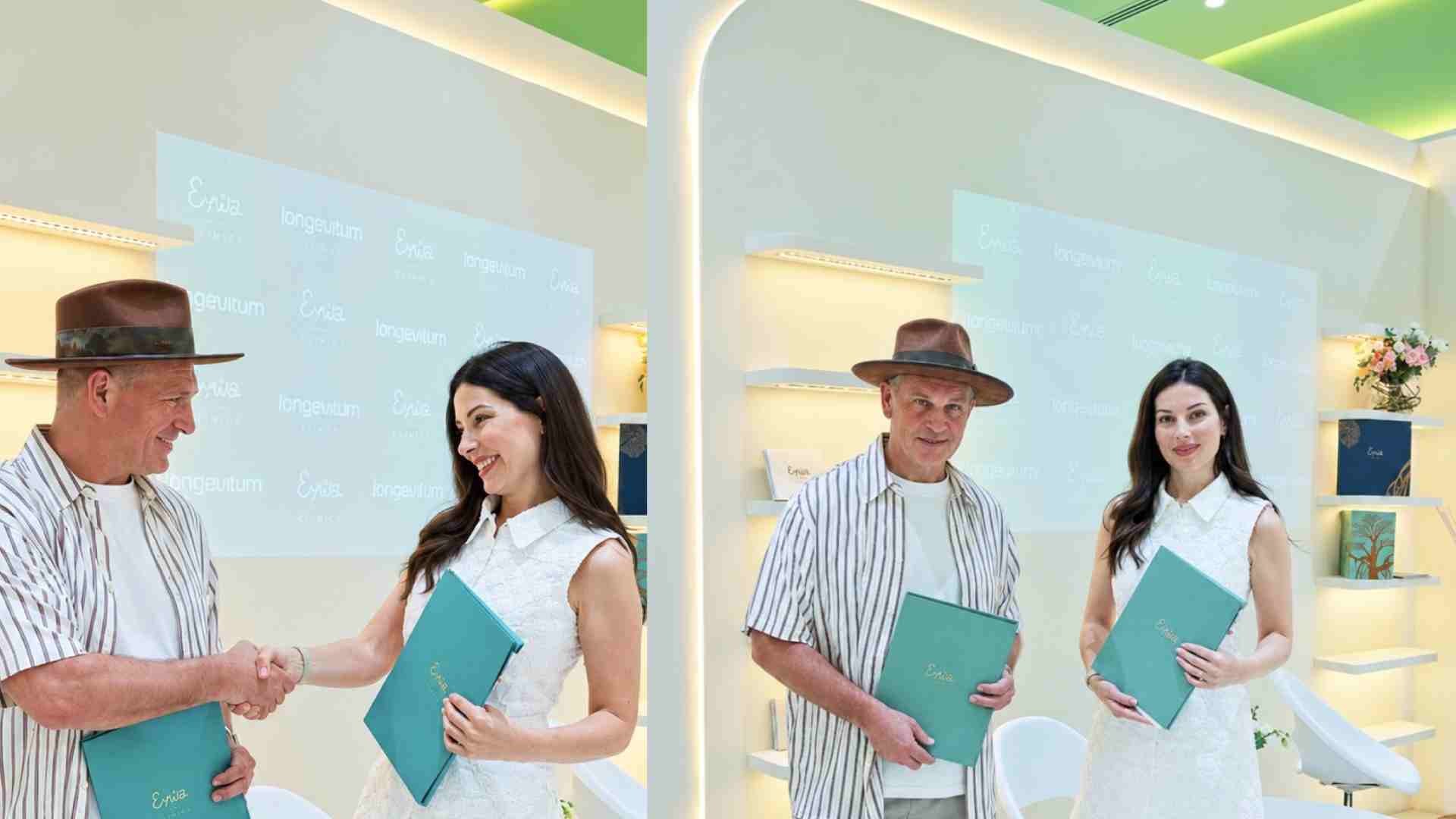
EYWA by R.Evolution has partnered with Dubai-based Longevium Clinic to expand its approach to longevity, preventive health, and wellbeing.
The collaboration brings together EYWA, a longevity-led luxury residential brand, and Longevium, a network of clinics specializing in metabolic health, preventive care, and data-driven medicine.
Through the partnership, EYWA residents will receive preferential rates on Longevium’s health programs, with access to ongoing support tailored to their individual needs. Depending on the program, services may include advanced diagnostics, biological-age assessments, and personalized health protocols, with medical interventions provided under physician guidance.
To make longevity support seamless, EYWA’s Health and Longevity concierge will coordinate residents’ access to Longevium’s programs, helping them turn health priorities into action and stay on track with their long-term wellness goals. Access to Longevium’s packages and offers will also be extended to members of the EYWA Membership Club.
The partnership reflects a simple idea: longevity is shaped by medical care and also by the environments and habits that make up everyday life. Sleep, movement, nutrition, metabolic health, and emotional wellbeing are all connected, making the home an important part of healthier living.
Connecting the Home with Personal Health
EYWA sees the home as an active part of wellbeing, bringing together biophilic design, neuroarchitecture, and advanced technology. Across its residential developments, attention to air and water quality, natural light, connection to nature, and low-EMF bedrooms helps create an environment designed to support healthier everyday living.
This approach also reflects a wider shift in the UAE toward making wellbeing part of everyday life. The country’s National Strategy for Wellbeing 2031 aims to position the UAE as a global leader in quality of life, with priorities including healthier lifestyles, mental wellbeing, and a more integrated approach to health across individuals and communities.
The partnership with Longevium builds on this approach by connecting the residential environment with personalized medical expertise. While the home can support healthier habits, medical guidance can help residents better understand their individual health needs and make informed choices over time.
“Longevity buildings are not just about luxury — because ‘just luxury’ and impressive interiors have become yesterday’s benchmark. Today, true luxury is grounded in what matters most to people: health and wellbeing, supported in a way that simplifies daily life,” said Alex Zagrebelny, Founder and CEO of EYWA by R.Evolution. “That means making daily routines easier, strengthening family and social interaction, and creating environments that support continuous connection and recovery — within the building itself. As visionary regenerative longevity real estate, EYWA is designed to turn longevity into a lived experience every day, and partnerships like this bring the scientific credibility and human performance insight to make that promise real.”
Bringing Medical Expertise into the Longevity Ecosystem
Founded by Dr. Ksenia Butova, a longevity physician and vascular specialist with 14 years of clinical experience, Longevium operates three clinics in Dubai and has a team of more than 100 professionals. Its work focuses on extending healthspan through data-driven medicine and biomedical innovation, with expertise in preventive healthcare, metabolic health, and human performance.
Longevium complements EYWA’s focus on the living environment by adding a more personal understanding of health. Through medical assessments and long-term tracking, residents can gain a clearer picture of their individual needs and how their health changes over time.
“Health is shaped by both our choices and the environments in which we live,” said Dr. Ksenia Butova, Founder and CEO of Longevium. “EYWA recognizes the role that thoughtful design can play in supporting vitality, while Longevium brings the medical perspective needed to understand individual health needs and track progress over time. By bringing these two perspectives together, we can offer residents a more informed and practical approach to long-term wellbeing.”
Building a Wider Longevity Network
The partnership comes as Dubai places growing emphasis on longevity, preventive healthcare, and healthspan. The establishment of the Dubai Longevity Authority in June 2026 reflects the emirate’s ambition to advance healthcare and longevity science.
For EYWA, Longevium is part of a broader strategy to build a network of specialized partners and create a more comprehensive residential experience that goes beyond architecture and design. By bringing together architecture, science, nature, and medical expertise, EYWA aims to offer residents greater access to the knowledge and support that can help them live healthier lives, while strengthening its position in the growing longevity-led real estate market.

A REIMAGINED PRIME68 RETURNS TO JW MARRIOTT MARQUIS DUBAI ALONGSIDE ION, A NEW “NEIGHBOURHOOD IN THE SKY”
Radisson Blu Hotel Dubai Deira Creek Invites Guests to Celebrate Diwali with Family, Flavour and Festive Stays
Trust Is the New Speed – AI, Lexis+ with Protégé and the future of legal work in the Middle East



-

 Trending12 months ago
OPPO A6 Pro 5G Review: Reliable Daily Driver
-

 Tech News2 years ago
Denodo Bolsters Executive Team by Hiring Christophe Culine as its Chief Revenue Officer
-
 VAR2 years ago
Microsoft Launches New Surface Copilot+ PCs for Business
-

 Automotive2 years ago
AGMC Launches the RIDDARA RD6 High Performance Fully Electric 4×4 Pickup
-
Tech Interviews3 years ago
Navigating the Cybersecurity Landscape in Hybrid Work Environments
-

 Hospitality2 years ago
Gulfood 2025 30th Edition Kicks Off Today, Setting New Benchmarks in F&B Growth and Innovation
-
 VAR10 months ago
Huawei Nova 14 Pro Review: Where Camera Excellence Meets Ecosystem Evolution
-

 Tech News1 year ago
Nothing Launches flagship Nothing Phone (3) and Headphone (1) in theme with the Iconic Museum of the Future in Dubai