
 Have a question? +971 56 404 0503




Home Integrator
THE QUIET POWER OF ARCHITECTURE


Exclusive interview with Simone Micheli, Chief Architect and Co-Founder of Simone Micheli Architectural Hero
You describe hospitality architecture as a space for guests to “feel” and not just “stay”. When you approach designing a hotel or resort, what is the first sensory impression you aim to deliver?
- I never think of a space as a simple container, but as a living organism, capable of welcoming and, at the same time, revealing.
The first impression must be that of a place that listens and allows itself to be listened to: a luminous synthesis of matter, light, and form, where every detail exists to evoke a sense of deep, quiet, authentic well- being.
Your portfolio includes major hospitality projects. Could you walk us through a recent hotel or resort and share one design decision you believe made the biggest difference in guest experience?
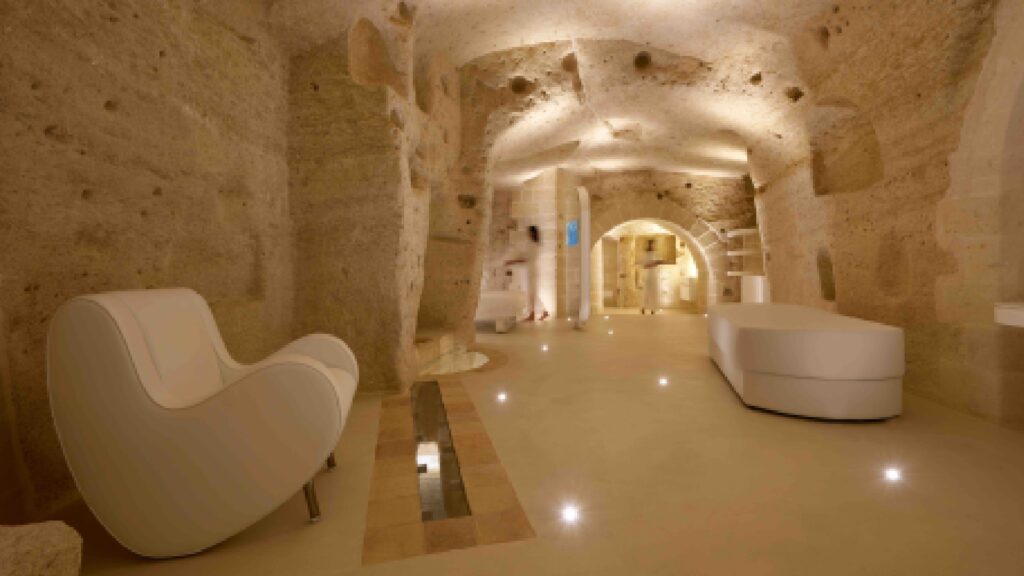
I will mention two, both emblematic of my approach to design. The first is Aquatio Cave Luxury Hotel & SPA in Matera, a place where architecture does not impose itself, but listens.
Here, the choice that transformed the guest experience was creating a dialogue between the primordial strength of the stone and the purity of contemporary form. I worked as if the “drop,” with its silent power, were shaping every environment: fluid lines, furnishings that seem suspended, light rising from below like a breath.
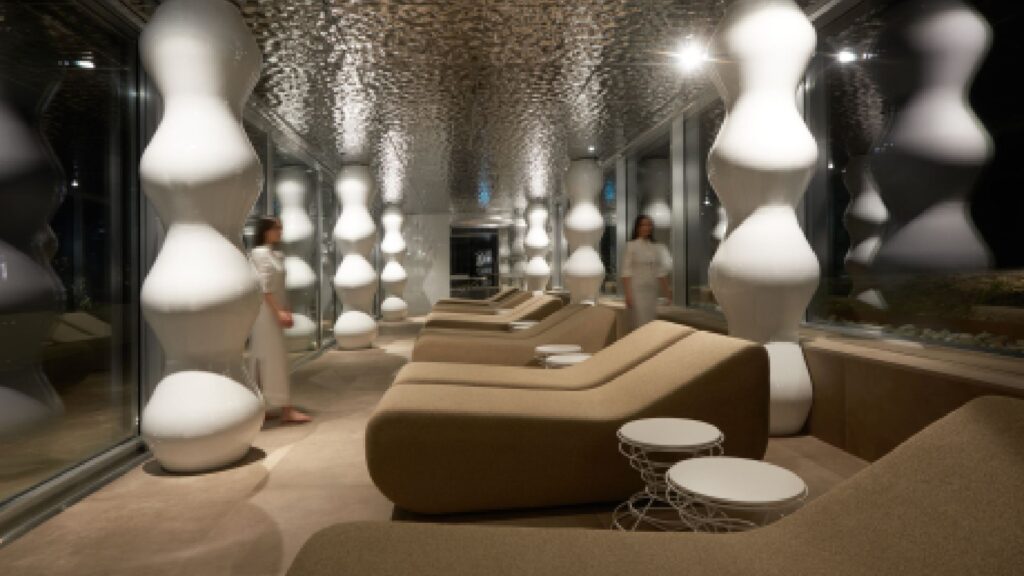
In this way, guests do not simply observe the space, they feel it flowing, perceiving it as a living organism capable of generating profound well-being. The second project is i-SUITE Hotel in Rimini, a manifesto of my vision of hospitality as a sensory, future-oriented experience.
The decisive choice here was to eliminate functional rigidity and create a continuum of organic forms where body and mind can move freely. The rooms become inhabitable sculptures, the wellness area transforms into a liquid and enveloping experience, and light builds emotional landscapes that shift over the course of the day.
I wanted guests to experience a fragment of the future, an iconic, immersive environment capable of leaving an indelible trace in memory. In both cases, the design choice that makes the difference is always the same: placing the human being at the center and shaping around them a sensorial universe that not only welcomes but elevates.
In your 1990–2021 monograph you talk about “the soul of architecture” — how has your vision of that evolved in the last few years?
Today, design must be an act of responsibility toward the planet, toward communities, toward the future. The soul of authentic architecture lies in its ability to improve human life, generating cultural and social value, not merely formal value.
Working globally (including the UAE) means navigating different cultural contexts. How do you adapt your signature style for local vernaculars while maintaining brand integrity?
Longevity in design means more than durability: it’s about lasting relevance. How do you ensure your designs don’t feel dated after just a few years?
The key is dialogue, not imitation. Every cultural context carries symbols, rituals, sensitivities: I embrace them as starting points, not final destinations.
Longevity comes from intelligent simplicity: pure forms, flexible spaces, materials capable of lasting and telling a story. I do not chase trends. A project is truly contemporary only when it already contains its own future.
For brands and manufacturers working with your studio, what’s the most important attribute you look for: innovation, material quality, service or something else?
I look for partners who share a vision: responsible innovation, respect for the process, openness to dialogue, authentic quality. Technology is essential, materials are fundamental, service is crucial.
But above all, I seek collaborators who believe that design is a cultural commitment, not merely a commercial one.
Looking back at your 30+ years in architecture, is there a project you’d revisit and do differently today— why or why not?
No. Not because I consider my past projects perfect, but because each one belongs to the time, the people, and the vision that generated it. Every work is the result of a specific moment in my research, my inner evolution, and the dialogue with a place, a client, an energy.
If you had to sum up your legacy in one sentence as you look toward the next decade, what would it be?
My works are born with the intention of transforming the complexity of our time into simplicity.
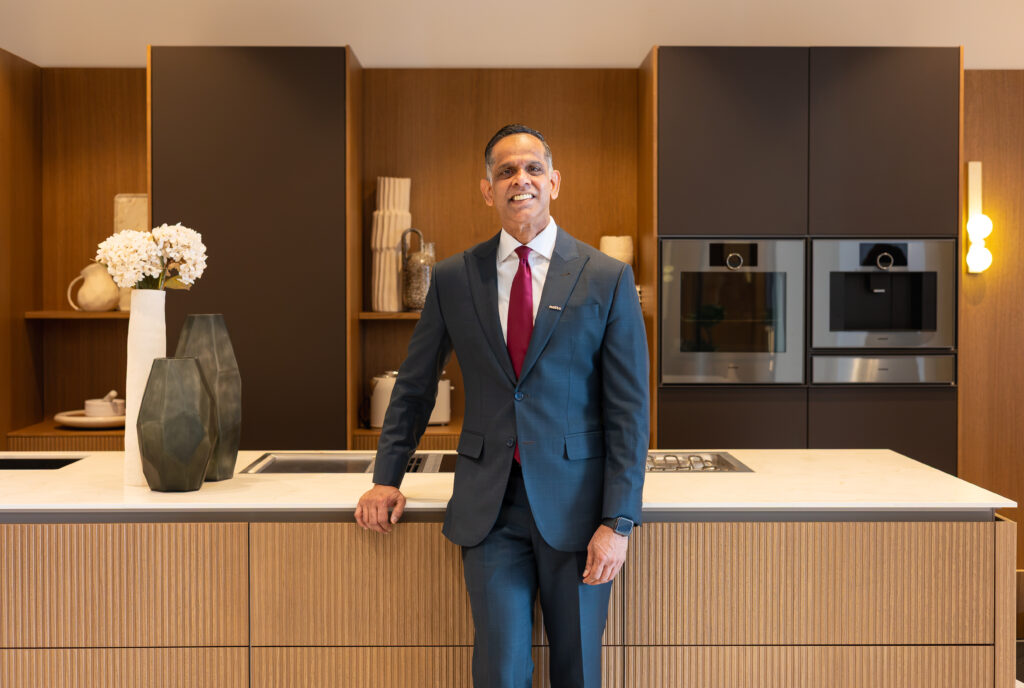
by Selva Kumar Rajulu, Managing Director & Senior Vice President – Middle East, Asia & Africa, Nolte FZE
A beautiful material can catch the eye, but it is the story behind it that increasingly captures a buyer’s attention. Customers today are more knowledgeable about their homes and increasingly interested in the finer details behind the products they choose. Where was the material sourced? How will it perform overtime? And what effect could it have on the people living around it?
For manufacturers and designers, this creates a responsibility to explain the thinking behind every material choice. Storytelling is becoming an important way to do that, connecting aesthetics with provenance, performance, sustainability, and wellbeing. And like any good story, this too begins with its origins.
Origin Is Adding New Value To Premium Interiors
A material’s origin tells us more than where it comes from. It can influence how sustainably it is produced, how well it performs, and the character it brings into a home.
Stone from a particular quarry, responsibly sourced timber, and traditionally woven textiles each carry a sense of place and craftsmanship. These qualities are particularly valuable in premium interiors, where homeowners are looking for substances beyond surface appearance. However, these stories also need to be supported by evidence. At Nolte Küchen, more than 99% of the wood we use meets our sustainable wood criteria, with FSC and PEFC certifications prioritized in procurement.
We are seeing this emphasis on transparency reflected in our work with UAE developers, where project briefs increasingly look beyond the appearance of kitchen materials to consider sourcing, durability, and consistency across multiple units. For manufacturers, responsibly sourcing materials, backed by recognized certifications and produced to consistent quality standards, will set them apart. It also allows customers to make more informed choices by showing where materials come from and how they are made.
Regional identity is influencing design trends
Beyond its origin, a material must also suit the region’s environment and culture. In the UAE, extreme heat, humidity, and strong sunlight make durability a key consideration. Material choices can also influence how much heat enters a building and, in turn, the energy needed for cooling.
A 2026 study of Dubai’s Al Fahidi district highlighted how traditional homes used coral-stone walls and wind towers to regulate indoor comfort naturally. Today, that same principle of environmental adaptation applies to modern interiors: cabinetry, adhesives, and surface finishes must be engineered to withstand the UAE’s coastal humidity, intense UV light through floor-to-ceiling windows, and constant exposure to indoor air conditioning without losing their structural integrity.
Cultural identity matters, too, with some homeowners looking for ways to reflect the region’s heritage in their spaces. For example, Al Sadu is a traditional Emirati weaving technique featuring geometric patterns inspired by grasslands, sand dunes, and the waves of the Arabian Gulf. These cultural influences can be incorporated into contemporary homes through traditional geometric detailing, sand-toned finishes, and textured stone.
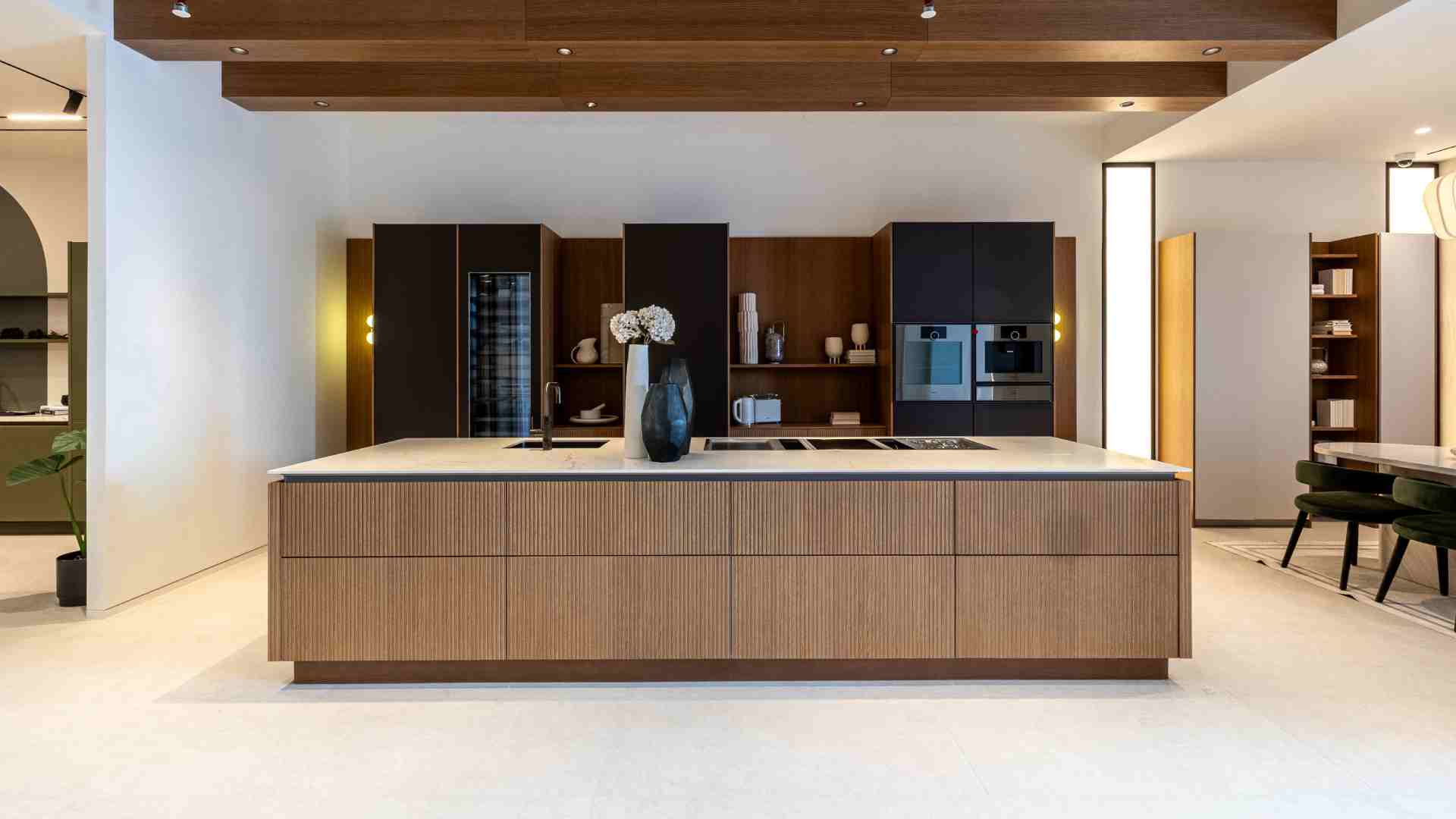
From our experience, no single style defines the UAE market. With people from over 200 nationalities coming here to live, work, and build families, homes naturally reflect a wide range of cultures and personal tastes. This is especially evident in kitchen design, where some buyers prefer clean, minimalist European styles, while others are drawn to warmer wood finishes, earthy tones, and textured surfaces. We are also seeing growing interest in combining contrasting materials and finishes, such as natural wood textures with matt cabinetry or stone surfaces, to create more unique kitchens.
Sustainability is at the center of material choices
PWC found that more than half of Middle Eastern consumers surveyed are changing their purchasing habits by buying more sustainable products. This growing awareness is also influencing how people choose materials for their homes, with greater attention to what products contain, how they are made, and how long they will last.
For manufacturers, this means supporting sustainability claims with evidence. Using recycled wood in particle boards, sourcing certified timber, and reducing waste during production are some ways the industry is responding. However, sustainability goes beyond material sourcing. Durability and repairability are equally important to reduce the need for frequent replacements.
In kitchens, these considerations are particularly important. With frequent everyday use, buyers increasingly look for materials that can withstand wear and tear while retaining their appearance over time. This is why advancements in surface engineering—such as anti-fingerprint matt lacquers, UV-resistant laminates, and highly durable stone reproductions—have become central to the sustainability conversation.
What lies ahead for 2027
As homeowners pay closer attention to materials, trends such as natural wood finishes, statement stone surfaces, and textured cabinetry are gaining ground across the UAE.
More importantly, the kitchen is no longer treated as an isolated workspace. Heading into 2027, we are seeing a decisive shift toward integrated living ecosystems, where identical material stories, warm timber cabinetry, layered textures, full-height stone backsplashes, and earthy colors extend seamlessly from the kitchen into dining and living areas, paired with fully integrated built-in appliances.
This has made customisation increasingly important, as customers want cohesive colours, textures, and layouts that reflect their personal identity across the entire home. As buyers increasingly seek to experience these materials first-hand, showrooms are becoming an important part of the decision-making process, letting them see and feel differences in texture, finish, and quality. Beyond appearance, however, sustainability and provenance will become essential considerations in material selection, with customers expecting greater transparency around responsible sourcing, durability, environmental impact and long-term value.
As the season changes, there’s something comforting about making the home feel a little warmer and more inviting. Autumn brings an opportunity to slow things down, create cosier spaces and add small touches that reflect the mood of the season. Whether it’s a candle glowing in the evening or a warmer colour palette around the living room, a few small changes can make a familiar space feel fresh. To embrace the season, MINT Market, a UAE-born curated online and offline marketplace, has rounded up pieces from its unique homegrown brands to help bring a little autumn warmth into everyday spaces, with inspiration for cozy gatherings, relaxed evenings and a subtle nod to Halloween.
Scents of Autumn
Autumn starts with the little details that set the mood, and scent is an easy place to begin. Fill your home with the comforting aromas of natural coconut wax melts in scents of Dark Honey & Tobacco, Cinnamon, Frankincense & Cedarwood, or Fireside & Wild Berrier, gently warmed in a tea light or electric burner. Or perhaps create the atmosphere with the glass jar candle, where vanilla, and sage meet soft woody sandalwood fragrance. For a little everyday indulgence, the coffee and cocoa massage soap bar brings a mini spa moment to your shower, with its textured surface gently exfoliating and massaging the skin while its rich, warm fragrance adds a comforting touch to your winter routine.
Living Room Essentials
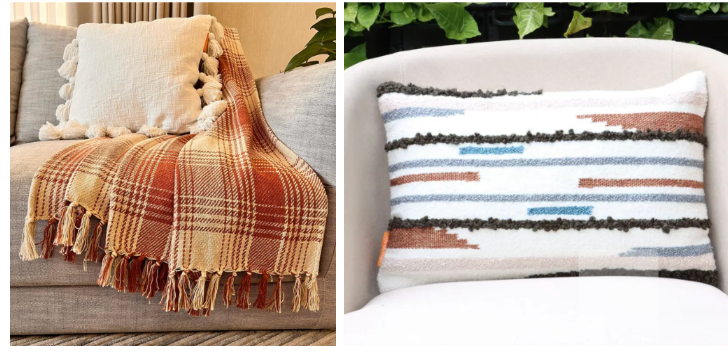
In the living room, a simple change in colour and texture can instantly give the space a more seasonal feel. A maroon checkered throw in soft, neutral tones adds warmth and sophistication while making the room feel a little cosier. For a more contemporary touch, switch up your cushions with an abstract colourful striped cover, bringing playful colour and pattern into the space without overpowering the room.
A Touch of Halloween
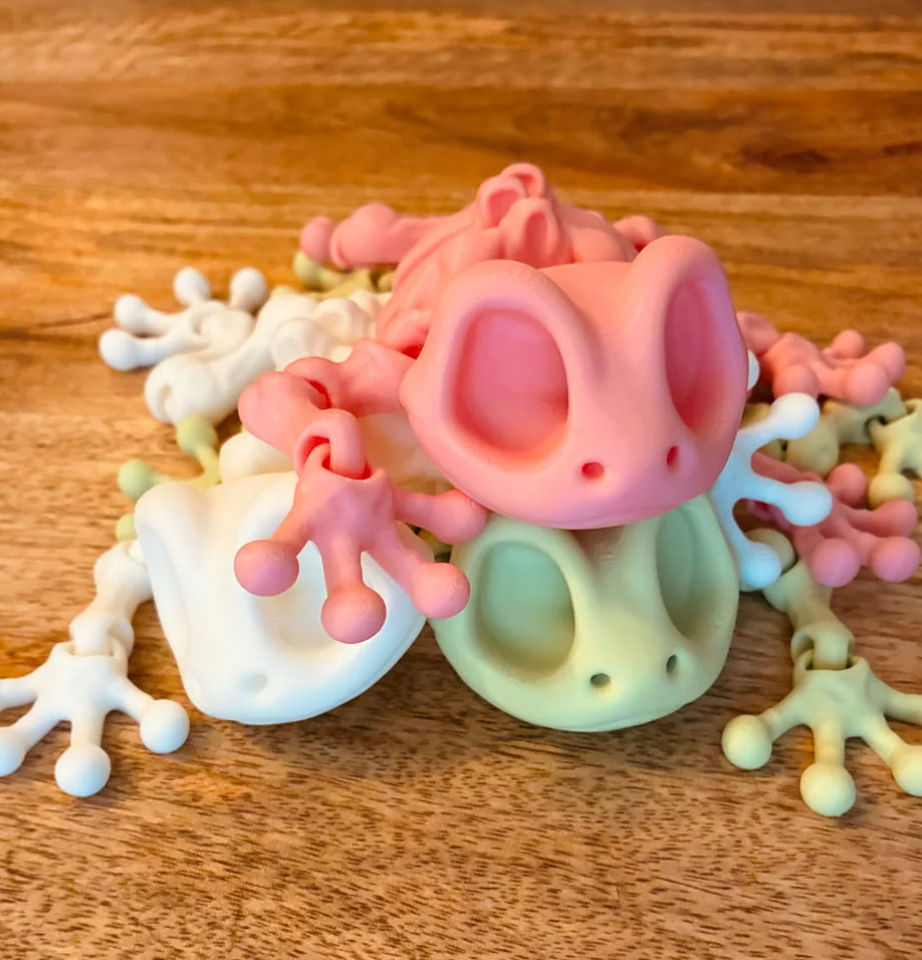
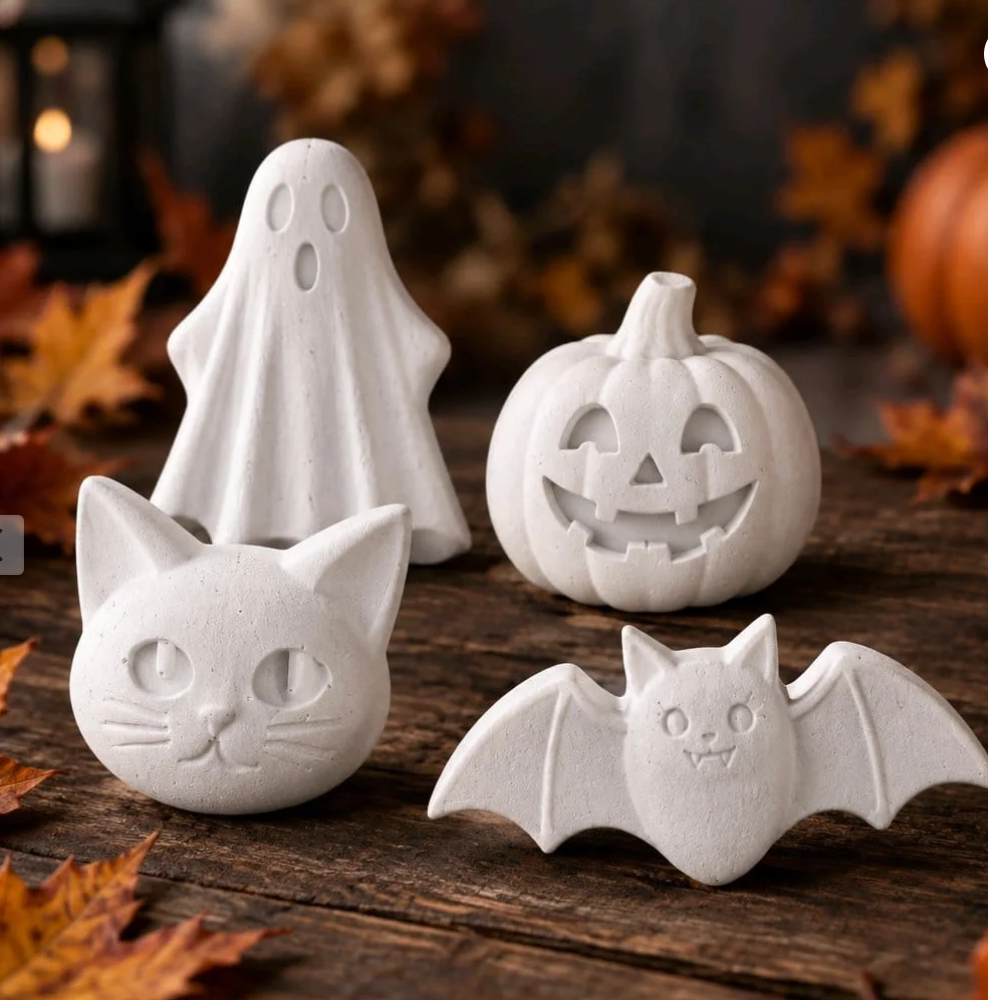
As Halloween draws closer, let a little magic find its way into the home. From playful fidget toys to playdough sets, these little touches can spark imagination and make the season feel that much more magical. For an afternoon of fun, the spooky figures painting kit lets little ones add their own splash of colour and personality, making it a lovely activity to enjoy at home.
All the products mentioned in this guide are available through MINT Market Online, which brings together a selection of independent, homegrown brands.

Exclsuive interview with Jason Ou President, Hisense Middle East. Africa, and India
Smart homes are moving beyond individual connected devices towards more integrated living experiences. How is Hisense approaching this shift, and what role do you see the brand playing in the evolution of connected homes across the Middle East?
At Hisense, we recognized early that the future of the smart home isn’t simply about connecting devices, it’s about creating intelligent companions that understand and anticipate how families live. Our vision has evolved from “connected life” to “smart connection powered by AI,” where every device in the home becomes part of an intelligent, communicative ecosystem.
This is the foundation of our ConnectLife platform, which unifies Hisense refrigerators, washing machines, TVs, dishwashers, and air conditioners into one seamless ecosystem. But connectivity alone is no longer enough. Our global vision is to transform home appliances into AI companions, moving toward what we call Artificial Super Intelligence (ASI) in the home, where devices don’t just respond to commands but actively partner with consumers to enhance their daily lives.
At IFA Berlin, we showcased this AI companionship philosophy across our product range. Our smart refrigerators, powered by AI and voice control, manage food inventory and suggest recipes. Our air conditioners intelligently adapt to preferences and environmental conditions. The award-winning X-zone Master washer dryer, which claimed the CES 2026 Best of Innovation Award, uses AI Assist to detect fabric types and optimize cycles automatically. These are household companions that learn, adapt, and improve over time.
The Middle East, with its strong appetite for premium technology and its culture centred on family gatherings and hospitality, is ideally positioned to lead this evolution. Hisense is committed to shaping the connected home experience across the region, not by adding more devices, but by transforming them into intelligent companions that enhance how families live together.
UAE consumers are increasingly looking for homes that combine convenience, energy efficiency, entertainment, and intelligent technology. How are these changing expectations influencing Hisense’s product development and regional strategy?
The UAE stands as the most digitally advanced market in the region, with consumers who are early adopters of technology and innovation. The fast-paced lifestyle here means UAE consumers actively seek products powered by AI that simplify their lives while delivering premium experiences. This market insight directly shapes our regional strategy and product development.
Convenience through intelligent technology: UAE consumers don’t have time for manual adjustments. Our ConnectLife ecosystem and AI-powered automation address this, whether it’s a washing machine that intelligently selects the optimal cycle or an air conditioner that anticipates comfort needs before you even think about it. AI transforms everyday tasks into seamless, automated experiences.
Energy efficiency as intelligent innovation: Sustainability matters to UAE consumers, but not at the expense of performance. Our U8 air conditioner, recognised with a Red Dot Award, exemplifies how AI can optimise energy consumption while maintaining exceptional comfort. The X-zone Master washer dryer uses heat pump technology for gentle, low-temperature drying at 50°C, protecting fabrics while significantly reducing energy use, intelligence that benefits both households and the environment.
Entertainment reimagined: This is where Hisense has established clear leadership. As the originator of RGB MiniLED technology, our flagship displays deliver cinema-grade experiences that discerning UAE consumers demand. The UR9 Series achieves 100% BT.2020 colour coverage, while our laser display portfolio redefines home entertainment possibilities.
Intelligent technology is the thread connecting all three pillars. Our localised R&D centre in Dubai ensures products are tailored to regional requirements, while our manufacturing facilities across the region demonstrate our commitment to serving this market with agility and precision.
Interoperability remains a key challenge in smart-home adoption, with consumers often managing devices across different platforms and ecosystems. How is Hisense addressing this challenge to make connected living more practical and accessible?
Interoperability is one of the greatest barriers to smart home adoption, and addressing it has been central to our strategic vision for the connected home. ConnectLife is Hisense’s answer to ecosystem fragmentation, but we’ve designed it to go far beyond simple device management. It serves as a unified platform where our full range of products don’t just connect, they communicate, analyze, and optimize experiences together. Refrigerators, washing machines, televisions, dishwashers, and air conditioners become nodes in an intelligent network that understands household patterns and preferences.
The PureFlat Smart Series refrigerator exemplifies this vision. Through ConnectLife, it transforms from a kitchen appliance into a connected hub for household life, enabling meal planning, content sharing, and family communication. The X-zone Master washer dryer integrates seamlessly, with AI Assist optimizing every cycle based on real-time data from across the ecosystem.
What distinguishes our approach is the shift from devices you control to devices that learn from each other. When our appliances analyze your patterns, your preferred temperatures, your viewing habits, your food consumption, they collectively optimize energy usage, suggest improvements, and anticipate needs. The home becomes an intelligent environment that adapts to how each family actually lives.
Rather than locking consumers into proprietary systems, we focus on creating seamless experiences that feel natural. When a large-format display delivers cinema-grade visuals, an air conditioner maintains the ideal viewing environment, and a refrigerator keeps refreshments ready, all coordinated intelligently, the home truly becomes greater than the sum of its parts.
Artificial intelligence is becoming a defining feature of next-generation home appliances and entertainment systems. Where do you see AI delivering the most meaningful improvements to everyday living, beyond simply adding more features to connected devices?
The meaningful impact of AI lies in transforming appliances from devices you control into intelligent companions that understand you. This represents a shift, from smart appliances that respond to commands to AI-powered systems that connect with each other, communicate, analyze patterns, and proactively optimize your home experience.
In home entertainment, our Hi-View AI Engine RGB processor works in real time, analyzing content to optimize color accuracy, contrast, and motion handling. It learns your viewing preferences and adapts, sport, film, and gaming are each rendered with the precision they deserve, without requiring manual adjustment.
In laundry care, the X-zone Master’s AI Assist represents a leap forward in intelligent companionship. The system doesn’t just follow instructions, it detects fabric types, analyses soil levels, and optimizes washing and drying parameters automatically. It learns from each cycle to deliver better garment care with less effort over time.
In climate control, AI enables our air conditioners to become environmental companions. They learn household patterns, analyze preferences, and adjust temperature proactively, maintaining comfort without constant input, particularly valuable in the Gulf region’s demanding climate.
In kitchen appliances, AI-powered refrigerators track food inventory, analyze consumption patterns, suggest recipes based on available ingredients, and even optimize energy usage based on household routines.
The transformative element is when these AI companions work together, sharing data, analyzing collective patterns, and optimizing the entire home environment. This is the vision Hisense is building: homes where AI doesn’t just add features, but genuinely understands and enhances how families live.
Hisense has recorded significant growth in the Middle East and Africa under your leadership. Which shifts in consumer behaviour, distribution, or product demand have contributed most to this momentum, and how are these insights shaping the brand’s next phase of growth?
Our growth across this diverse region is driven by a combination of key factors: a strong and innovative product portfolio, deep understanding of local market dynamics and consumer preferences, strategic partnerships, and our ability to deliver tailored solutions that meet evolving needs across different markets.
Strong product innovation: Our leadership in RGB MiniLED technology and large-format displays, Hisense ranks No. 1 globally in the 100-inch and over TV segment according to Omdia (2023-Q3 2025), reflects our commitment to genuinely differentiated products. The recognition of our X-zone Master at CES 2026 and IFA Berlin validates our approach to scenario-based innovation. Euromonitor International has certified Hisense as the fastest-growing brand among the world’s top 10 washing machine manufacturers over the past five years, momentum we’re building across all categories.
Deep market understanding: Consumer behavior across the region has shifted decisively toward premium, integrated solutions. Families want ecosystems that work together intelligently. In the GCC, the cultural emphasis on hospitality and shared experiences aligns naturally with our whole-home technology philosophy. We’ve invested in understanding what each market needs and tailoring our approach accordingly.
Strategic partnerships and localization: Our partnerships across retail and distribution channels have been crucial in reaching consumers effectively. Our manufacturing facilities in South Africa and Algeria, with a major facility under development in Egypt, bring production closer to consumers and demonstrate long-term regional commitment. Our R&D centre in Dubai ensures products address local requirements.
Looking ahead, these insights shape a strategy focused on deepening ecosystem connectivity, expanding our premium portfolio, and leveraging our position as official sponsor of the FIFA World Cup 2026™ to strengthen brand resonance with families across the region.
Hisense has expanded its television portfolio with technologies such as Mini-LED and larger-screen displays. How are these innovations shaping the brand’s premium home entertainment strategy in the UAE, and what can consumers expect next?
Display technology is at the heart of our premium entertainment strategy, and RGB MiniLED represents the future of television, a future Hisense originated and continues to lead.
We developed RGB MiniLED technology with three fundamental advantages that give us a clear edge over competition:
True colours: Unlike conventional displays that use blue LEDs with colour filters, RGB MiniLED uses dedicated red, green, and blue LEDs for the purest, most accurate colour reproduction possible. Our UR9 Series achieves 100% BT.2020 colour coverage, delivering what the content creators actually intended.
Eye protection: The natural light spectrum produced by RGB technology is gentler on eyes, reducing strain during extended viewing, particularly important for families in the UAE who value premium entertainment experiences at home.
Energy efficiency: RGB MiniLED delivers superior brightness and colour with lower power consumption than traditional technologies, intelligent innovation that doesn’t compromise on performance.
We’ve deployed this technology across our flagship lineup, the UX, UR9, and UR8 Series, paired with our Hi-View AI Engine RGB processor and native 180Hz refresh rates for exceptional precision in sport, gaming, and fast-paced content.
According to Omdia, Hisense ranks No. 1 globally in the 100-inch and over TV segment (2023-Q3 2025), reflecting both consumer demand for immersive screens and our ability to deliver at scale.
Our laser display portfolio extends this vision further. The L9Q Laser TV delivers cinema-grade screens up to 200 inches, while the Laser Projector XR10 offers 6,000 lumens brightness, 60,000:1 contrast ratio, and projection capability up to 300 inches, fundamentally dissolving the distinction between television and home cinema.
UAE consumers can expect continued innovation at the intersection of display technology and AI, screens that not only deliver exceptional picture quality but adapt intelligently to content, lighting conditions, and preferences. Combined with premium audio partnerships like our collaboration with Devialet, we’re building complete entertainment experiences, not simply selling screens.


Submer to Address the Infrastructure Challenges Behind Sovereign AI at DCD Connect | MENA 2026
Terrace Dining, Oktoberfest, and Beach Days Return to InterContinental Abu Dhabi This October

THE STORIES BEHIND THE MATERIALS SHAPING UAE INTERIORS



-

 Trending12 months ago
OPPO A6 Pro 5G Review: Reliable Daily Driver
-

 Tech News2 years ago
Denodo Bolsters Executive Team by Hiring Christophe Culine as its Chief Revenue Officer
-
 VAR2 years ago
Microsoft Launches New Surface Copilot+ PCs for Business
-

 Automotive2 years ago
AGMC Launches the RIDDARA RD6 High Performance Fully Electric 4×4 Pickup
-
Tech Interviews3 years ago
Navigating the Cybersecurity Landscape in Hybrid Work Environments
-

 Hospitality2 years ago
Gulfood 2025 30th Edition Kicks Off Today, Setting New Benchmarks in F&B Growth and Innovation
-
 VAR11 months ago
Huawei Nova 14 Pro Review: Where Camera Excellence Meets Ecosystem Evolution
-

 Tech News1 year ago
Nothing Launches flagship Nothing Phone (3) and Headphone (1) in theme with the Iconic Museum of the Future in Dubai