
 Have a question? +971 56 404 0503




Automotive
HOW FAR CAN AI DRIVE THE AUTOMOTIVE SECTOR?


Co-authored by: Giuseppe Pedretti (Regional Managing Director EMEA, PLI) & Ravi Tallamraju (Chief Technology Officer, PLI)
The conversations around AI in the automotive industry are often associated with self-driving cars. Yet, it’s the behind-the-scenes applications of AI, from design and diagnostics to driver experience and operational strategy, that are proving to be far more transformative.
Predictive maintenance has emerged as one of AI’s most powerful contributions to the sector. By continuously analysing telematic and operational data, AI enables early detection of mechanical stressors and anticipates component failures before they escalate. This foresight empowers fleet managers and workshops to schedule interventions with precision, minimising service interruptions, extending vehicle longevity, and curbing unnecessary expenditure.
AI-driven maintenance strategies are reshaping operational resilience, providing benefits such as real-time issues diagnosis, automated service reminders, and refined route efficiency, In fact, over half of fleet managers cite predictive analytics as a key lever for reducing overheads and enhancing performance, with nearly a third identifying AI and machine learning as the most influential technologies in fleet management over the next five years. From voice-enabled assistants that coach drivers to connected cameras that detect fatigue, the scope of predictive tools is expanding and ushering in a new era of intelligent, preventative care across the mobility landscape.
These innovations are especially critical for a sector that has faced considerable turbulence. In 2024, the automotive industry grappled with factory closures, supply chain fragmentation, and declining production across Europe and the West. Consumer demand softened under affordability pressures, while rising component costs and inflation compressed margins across the value chain, from workshops to fleet operators. Meanwhile, intensifying competition from Chinese manufacturers continues to push Western businesses to innovate and streamline.
Some argue AI has contributed to these pressures, but is also key to overcoming them. Its ability to convert data into strategic insights and automate complex workflows is helping businesses regain competitiveness, uncover new revenue streams, and reimagine their operating models.
Shifting Gears with AI
By 2032, the global automotive AI market is projected to reach $405 billion, with roughly 75% of automotive enterprises experimenting with at least one GenAI application. While major players are deploying AI across product design, supply chain optimisation, and customer engagement, fast accelerating smaller businesses stand to gain the most.
For these companies, the focus is on enhancing practical tools that drive measurable efficiency. Vehicle telematics, for example, enables workshops to diagnose issues in real time, store service histories, and anticipate future maintenance needs. This reduces reactive repairs and improves outcomes for customers and stakeholders alike.
Another area gaining traction is inventory intelligence. AI-powered forecasting tools analyse historical and repair data to predict parts demand with increasing accuracy. This not only prevents overstocking but ensures critical components are available when needed.
Fleet managers are equally enthusiastic as AI helps maintain uptime, optimise routes, and improve safety. Generative AI is powering in-vehicle voice assistants that guide drivers, flag risky behaviour, and even offer coaching. Connected cameras now detect signs of fatigue or distraction, reducing risk exposure and potential legal liabilities.
In-car connected services are also surging, with adoption expected to grow from 60% in 2024 to over 90% of new vehicles featuring voice assistants by 2028.
Why AI Belongs in Automotive Operations
The numbers speak volumes: the global market for automotive AI is forecasted to grow from $44 billion in 2025 to $74.5 billion by 2030. But beyond the figures, the rationale is clear.
Efficiency is a key driver of change. AI automates routine diagnostics, speeds up service checks, and simplifies documentation – allowing skilled personnel to focus on higher-value tasks. At the same time, these intelligent systems continue to learn and improve over time.
Safety is equally critical. Traditionally, the industry has taken a reactive approach, fixing problems only after they occur. AI transforms this model by enabling proactive vehicle management by detecting potential risks early, preventing failures, and ensuring compliance with increasingly strict safety regulations.
Cost control remains a key priority. In a margin-sensitive industry, even minor delays or downtime can erode profitability. AI helps minimise idle time, identify inefficient driving behaviours, and deliver more precise diagnostics. With fuel costs accounting for up to 40% of fleet expenses, AI plays a crucial role in pinpointing and eliminating waste, leading to more reliable operations and healthier bottom lines.
Still, adoption isn’t universal. Complex tools, fragmented data, and constrained budgets pose real challenges, especially for smaller players who rely more on experience than analytics. That’s precisely where AI excels: transforming existing knowledge into actionable intelligence.
How PETRONAS Lubricants International Uses AI
As a lubricant specialist, PETRONAS Lubricants International (PLI) leverages AI to accelerate R&D. Our models simulate lubricant performance under varied operating conditions, trained on extensive datasets of compositions. This allows us to predict outcomes before physical testing, sometimes revealing unexpected applications beyond automotive.
Smart tech and IoT devices also enable us to forecast lubricant degradation and advise customers on optimal service timing. Our Oil Condition Monitoring (OCM) system analyses samples for contaminants and wear metals, identifying potential issues before they become costly failures. Expert technicians deliver tailored reports that guide oil drain intervals and ensure consistent performance across fleets and machinery. This proactive approach enhances efficiency and extends equipment lifespan through intelligent, data-backed insights.
Internally, AI supports our production health: minimising waste, optimising throughput, and helping us meet sustainability goals by avoiding unnecessary downtime.
What More Can AI Do?
The potential of AI in automotive services is just beginning to unfold. The innovations we have achieved in lubricants alone demonstrate what is possible. As data becomes more accessible and algorithms more refined, even small operations will compete on insight, not just infrastructure. And as those innovations ripple across the sector, the competitive landscape will shift. That shift is coming. Best to be ready and in a position to lead.
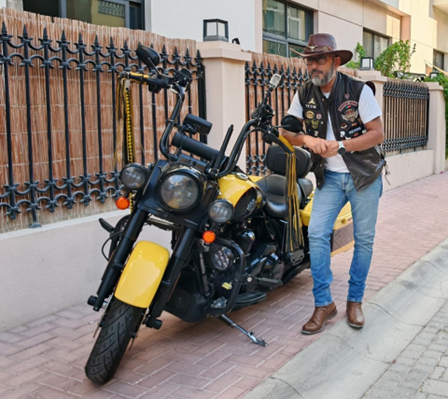
Exclusive interview with Victor King, Founder of World of Bikers
Long-distance riding is gaining tremendous traction in the Middle East. What factors are driving riders here to attempt endurance certifications like CLDR, and how is it changing the riding culture?
Long-distance riding certifications are a pure test of discipline, resilience, and planning. They’re a badge of honour earned through willpower and help form an unbreakable bond with fellow riders.
The manual documentation process, which was tedious for both riders and principals, has now been digitalized with The World of Bikers app. This has led to instant gratification for riders, who can now receive LDR certification in 90% less time after completing the ride than before, sparking powerful motivation to earn this globally recognized accomplishment.
What gaps in the UAE’s biking ecosystem are you trying to solve with this platform, and how do riders benefit from it on a day-to-day basis?
The World of Bikers (WoB) aims to create a unified, digital ecosystem with the core objective of building a global community where riders can SAIL together—Support, Advise, Inspire, and Learn from each other.
On a day-to-day basis, the platform extends these benefits further. Riders gain immediate access to the LDR Certification module, which digitalizes endurance documentation. Additionally, an integrated chat module connects riders instantly for planning rides or seeking advice, which directly supports our “Support” and “Advise” pillars.
Looking ahead, these benefits will be amplified by upcoming features like Who’s Riding, Marketplace, Rentals, Service, and Cafe. These additions will bring the community even closer together and give riders access to key services under one roof—services that are usually scattered. This evolution transforms riding from a mere activity into a connected, supported, and continuously enriching lifestyle. Ultimately, this directly fulfills our mission to unite riders and strengthen the bonds within our community.
The UAE attracts riders from over 150 nationalities. How does such diversity influence the riding community’s culture, safety practices, and the way group rides are organized?
Diversity is the greatest strength of the motorcycle riding culture and a direct reflection of the UAE’s national vision of tolerance and inclusion. For example, it is common to see riders from countries such as India, Germany, and South Africa sharing different safety practices and ride leadership traditions within the same group. The World of Bikers community creates a unique global melting pot culture on two wheels, where riding stories and traditions from every continent blend and merge.
The UAE’s motorcycling scene has evolved rapidly over the last decade. From your vantage point, what are the biggest cultural and behavioural shifts you’re seeing among riders in the region today?
A decade ago, Motorcycle riding was a hobby of a few, given the extremely hot climate and high-speed expressways of the region, which kept even enthusiasts away from motorcycles. And then came the era of delivery motorcycle riders, seen all over the road in summer and winter alike.
This rise in visible riding activity has, in turn, inspired many old- and new-generation riders to get on two wheels. Culturally, this increased presence of motorcyclists on the road has fostered a sense of community, encouraging social interaction, mentorship, and the exchange of riding traditions among diverse groups. Beyond these internal community effects, there has also been a broader societal impact: the normalization of motorcycling has contributed to greater acceptance of riders and their lifestyle across the general population. Public perceptions have gradually shifted, with motorcycles increasingly viewed as viable modes of transport and recreation rather than niche or risky pursuits. This shift has encouraged additional investment in rider-friendly infrastructure and collaboration between authorities and biking communities to promote road safety and awareness. With the region’s infrastructure, regulatory, and safety systems among the best in the world, riders can now enjoy their passion securely and confidently, further solidifying motorcycling as a respected and integral aspect of the region’s contemporary lifestyle.
Early-morning weekend rides have become a signature part of UAE biking culture. What draws hundreds of riders out at 3 or 4 AM every season, and what does that say about community behaviour here?
The pre-dawn ride is a brilliant cultural adaptation to the region’s unique environment and demographics. First, it’s a necessary adaptation to the extreme heat, offering the only safe, comfortable window for group rides year-round.
More importantly, this practice reveals the community’s maturity and conscientiousness. Given that the UAE has a largely expatriate population juggling work and family life, the early morning start is a disciplined and practical choice. It lets riders pursue their passion, return at the start of the day, and preserve precious weekend time for family.
Many enthusiasts say the UAE is where riders truly discover “group discipline.” From your experience, what makes structured group riding so central to the community’s identity?
Structured group discipline is the pillar of our identity. It’s a visible sign of respect for the law, an uncompromising safety-first practice that protects every rider, and the very foundation of our brotherhood on two wheels. By riding as one unit, we build trust, ensure harmony, and turn a group of individuals into a single, safe, and resilient community.
The UAE has seen an influx of first-time or returning riders post-pandemic. What advice do seasoned riders in the community typically share with newcomers joining the scene?
First, safety is not negotiable. Gear up, get trained, and know your limits. Second, respect the law—it protects us all. Above all, trust the brotherhood. Listen, learn, and lean on the group’s experience. Come ready to make friends and share the road. This is how we protect each other and ensure everyone can enjoy riding for years to come—and together, we uphold the spirit and unity that define our community.
Automotive
GWM Marks Ramadan in the Middle East with a Brand Film Celebrating Togetherness and the Joy of Coming Together

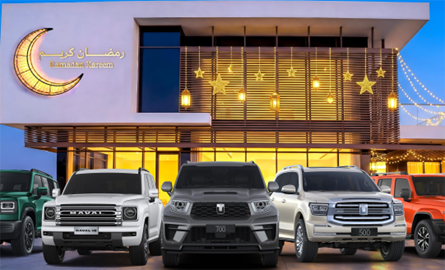
This Ramadan, GWM Middle East unveils a new brand-led campaign that celebrates one of the most meaningful moments of the Holy Month: coming together for iftar. Anchored by a regional social film, the campaign reflects the shared values of family, connection and presence, while subtly showcasing GWM’s growing vehicle range, including the newly launched TANK 700 and HAVAL V7.
The film follows different members of the same family as they make their way through the city toward a shared destination, a restaurant where they will break their fast together. Each journey unfolds independently, yet with a shared sense of purpose, capturing the anticipation, comedy, warmth and quiet reflection that define the moments leading up to iftar.
Many Journeys. One Table.
Set against familiar Middle Eastern urban backdrops, the film portrays everyday Ramadan realities, last-minute arrivals, and the unspoken understanding of being exactly where you need to be. Each family member arrives in a different GWM vehicle, collectively representing the brand’s diverse portfolio and how it fits seamlessly into different lifestyles.
The TANK 700 appears as a confident, commanding presence, reflecting strength and assurance on the road, while the HAVAL V7 is positioned as a refined and versatile companion for daily city driving. Meanwhile, the HAVAL H9 is born for families, delivering space, comfort, and reliability for every journey together.
Together with other models from the GWM range, the vehicles act not as the focus, but as enablers, quietly supporting moments that truly matter.
Rooted in Regional Values
Rather than focusing on performance alone, the Ramadan film emphasizes GWM’s belief that mobility plays a role in human connection. The story mirrors the rhythm of Ramadan in the Middle East, where schedules slow, priorities shift, and togetherness takes center stage.
Through natural, relatable storytelling, the campaign reinforces GWM’s commitment to the region, offering vehicles designed for comfort, safety and reliability, built to support everyday life during the most meaningful times of the year.
A Message of Togetherness
Speaking of the campaign, Sunny Bhat, Sales & Marketing Director, GWM Middle East said, “Ramadan is a reminder that no matter how different our journeys may be, what matters most is where we end up, together. This film reflects our belief that vehicles are not just about getting from one place to another, but about enabling moments of connection. We are proud to see our growing range, including the TANK 700 and HAVAL V7, be part of these everyday Ramadan stories.”
Automotive
Arabian Automobiles Introduces Choice-Led Nissan Ramadan Offers Reflecting the Spirit of the Holy Month
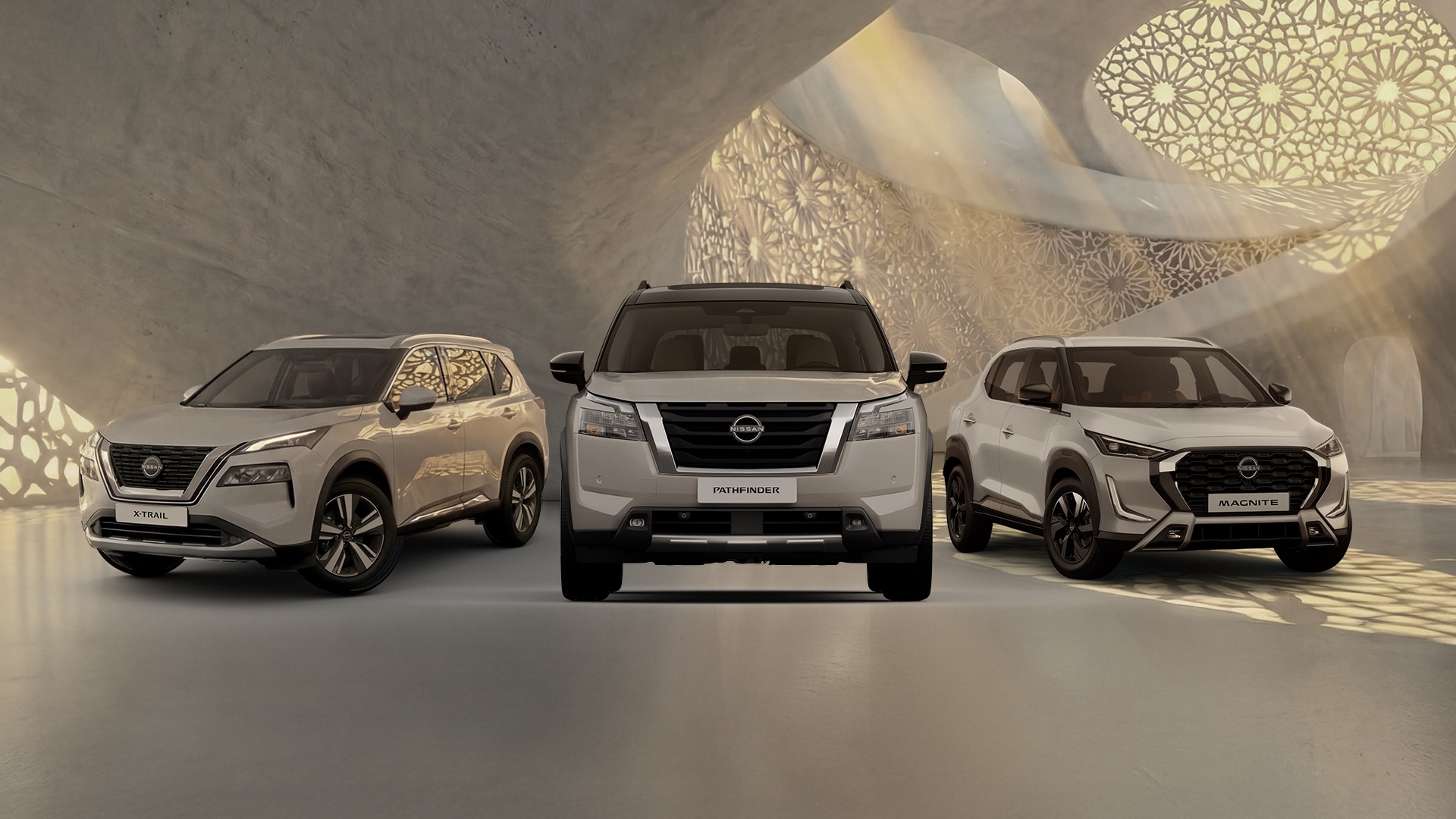
Arabian Automobiles Company (AAC), the flagship automotive company of AW Rostamani Group and the exclusive dealer for Nissan in Dubai, Sharjah, and the Northern Emirates, has launched its Nissan Ramadan offers across selected models. Aligned with the spirit of generosity associated with the Holy Month, the campaign is structured around flexibility and choice.
Customers can select one of three ownership options based on their priorities, whether that is added reassurance through complimentary insurance and service, greater ease in monthly planning with 0% interest rate over three to five years, or a savings option across selected models. Businesses, fleet owners and logistics operators can also benefit from these Ramadan offers, with value-led advantages such as 5-year warranty, 5-year service, and 5-year roadside assistance extending the same spirit of flexibility to commercial needs.
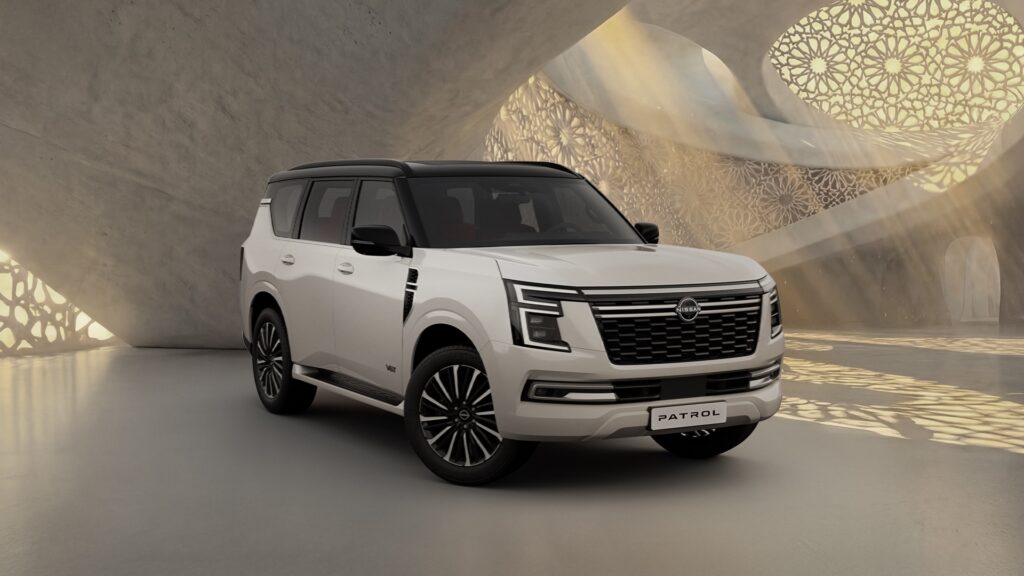
This approach reflects AAC’s considered interpretation of value, recognising that customer needs and circumstances differ, and that choice plays a central role in how value is defined during Ramadan.
The offers span a broad lineup, including Altima, Kicks, Magnite, Pathfinder, Patrol, X-TERRA, and X-TRAIL, with savings ranging from AED 6,000 up to AED 25,000. For those seeking a more performance-led experience, the Nissan Z is also included, also with savings of up to AED 50,000.

That same spirit of care continues beyond the showroom, with seasonal after-sales advantages. Customers coming in for an interval service or a free inspection will be eligible for a one-year, 24/7 roadside assistance membership covering Dubai, Sharjah, and the Northern Emirates.
Keeping convenience in mind, Arabian Automobiles is offering a buy-four-get-one promotion on maintenance contracts to make long-term upkeep more manageable, alongside up to 65% off parts for additional repairs. Flexible payment options are available through Tabby and selected credit card plans, and a gift is included with any Nissan accessory purchase. Customers are invited to explore the Ramadan campaign at their nearest Nissan of Arabian Automobiles showroom.

TRENDS IN AI COMPLIANCE INFLUENCING HOW GCC COMPANIES OPERATE
GORENJE ELEVATES MIDDLE EASTERN HOMES WITH PREMIUM EUROPEAN APPLIANCE EXPERIENCE
ASMA BRINGS EID HOME: CURATED SHARING PLATTERS AND NEW DUBAI CHOCOLATE CRUNCH DESSERT



-
News10 years ago
SENDQUICK (TALARIAX) INTRODUCES SQOOPE – THE BREAKTHROUGH IN MOBILE MESSAGING
-

 Tech News2 years ago
Denodo Bolsters Executive Team by Hiring Christophe Culine as its Chief Revenue Officer
-
 VAR11 months ago
Microsoft Launches New Surface Copilot+ PCs for Business
-

 Tech Interviews2 years ago
Navigating the Cybersecurity Landscape in Hybrid Work Environments
-

 Tech News8 months ago
Nothing Launches flagship Nothing Phone (3) and Headphone (1) in theme with the Iconic Museum of the Future in Dubai
-

 Automotive1 year ago
AGMC Launches the RIDDARA RD6 High Performance Fully Electric 4×4 Pickup
-

 VAR2 years ago
Samsung Galaxy Z Fold6 vs Google Pixel 9 Pro Fold: Clash Of The Folding Phenoms
-

 Tech News2 years ago
Brighton College Abu Dhabi and Brighton College Al Ain Donate 954 IT Devices in Support of ‘Donate Your Own Device’ Campaign