
 Have a question? +971 56 404 0503




Hospitality
GLOBALISATION OF GCC HOSPITALITY BRANDS: OPPORTUNITIES AND CHALLENGES IN EUROPE, AFRICA AND BEYOND

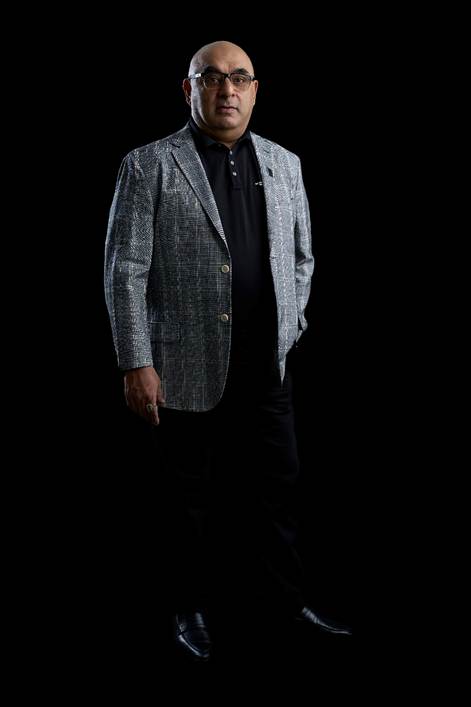
JS Anand, CEO & Founder of LEVA Hotels
The Gulf’s hospitality industry has moved beyond its regional roots. Once focused on local and regional travelers, GCC hotel brands are now eyeing Europe, Africa, and other high-potential markets. Backed by strong domestic growth, economic diversification goals like Saudi Vision 2030, and powerful investment ecosystems, these brands are ready to compete on a global scale. But ambition alone will no longer win markets; only brands willing to ditch one-size-fits-all expansion and rethink how they enter new regions will scale sustainably.
Global Opportunity: Why GCC Brands Are Looking Outward
- Post-Pandemic Growth and Travel Demand: The global travel sector has rebounded strongly since COVID-19, with GCC destinations already seeing tourist arrivals recover and, in some cases, exceed pre-pandemic levels. Dubai, for example, recorded 18.72 million international visitors in 2024; Riyadh and Abu Dhabi are investing heavily in cultural tourism to attract global travelers, and Doha continues to expand its leisure and business offerings ahead of international events. This recovery gives GCC brands both the financial strength and operational capacity to explore overseas markets rather than relying solely on domestic expansion.
- Distinct GCC Strengths: GCC brands are leveraging competitive advantages that set them apart internationally and these are cultural warmth and guest-centric service. Deeply rooted in Arabian hospitality, GCC brands excel at personalized, high-touch service that appeals to discerning travelers. Yet the most promising segment is not ultra-luxury alone, it’s mid-upscale and lifestyle boutique concepts that translate more easily across markets because they are asset-light, design-driven, and margin-resilient. The boutique segment continues to accelerate worldwide, with the category estimated at roughly $25 billion in value in 2023 and forecast to surpass $40 billion within this decade. What’s even more telling is traveler behavior: leisure guests accounted for well over two-thirds of boutique stays last year, reinforcing the global shift toward personalised, immersive, experience-driven hospitality.
- A decisive POV: GCC brands will win abroad not by outspending Western chains, but by out-adapting them; using nimble, culture-sensitive models and mid-scale/lifestyle playbooks rather than defaulting to giant luxury flagships.
Expertise in Experiential Luxury (and Why That’s Not Enough)
Refined ultra-luxury experiences, tailored to individual preferences, are a hallmark of GCC hospitality, creating strong appeal in the European and other mature markets. But luxury alone is a blunt instrument: Europe’s boutique demand and Africa’s emerging middle classes both reward differentiated price-tiers; meaning GCC groups must build mid-market competencies as deliberately as they build flagship projects.
Africa and Europe: The Next Battlegrounds for GCC Hospitality
Destinations such as Egypt, Morocco, Kenya, and Tanzania are seeing growing investment, improved safety, and enhanced infrastructure, creating fertile ground for GCC brands. Europe, from Prague to Athens, presents opportunities for lifestyle and boutique concepts seeking operational and owner buy-in. Investor appetite is rising, with UAE, Saudi, and Qatari capital projected to flow into African hospitality ventures in the coming years.
Understanding Local Realities
Entering new markets requires more than capital; it demands a deep understanding of local dynamics. Regulations, consumer behavior, and design preferences vary widely between Europe and Africa. Success in Europe often hinges on regulatory compliance and strong local partnerships, while in Africa, infrastructure and talent availability are key. The strategic mistake many make is assuming brand halo will substitute for local feasibility; it won’t. Brands that run feasibility studies, secure local operator partners, and send HQ teams in as task forces hit the ground running, accelerating time-to-profit. Leadership that knows the terrain rather than just the boardroom makes the difference.
Balancing Identity with Localization
Global expansion is not about replicating a formula, it’s about evolving without losing the core brand DNA. Boutique hotels that integrate regional storytelling, local art, and culturally resonant experiences while maintaining operational consistency are defining the new frontier. Localization must be approached as product development, not marketing. Menus, F&B partnerships, art, and training are bespoke per market, while scalable technology and operational systems protect margins.
Partnerships, People, and Operational Excellence
Global expansion in hospitality depends on more than vision; it relies on local partnerships that strengthen licensing, supply chains, and recruitment. True scalability comes from investing in people, technology, and sustainability, building systems that can travel well. But there’s a second, less spoken tension: talent gaps. International growth will remain limited unless GCC brands invest in franchise-ready training programs and build strong regional talent pipelines, particularly for middle-management roles that ultimately make or break service consistency. Without repeatable people systems, a great opening year can easily turn into an operational headache by year three.
Looking Ahead: Building Global Stories from GCC Roots
GCC hospitality brands are proving that homegrown excellence can translate onto the global stage. The next decade will not be measured by the number of new properties alone. It will be judged by how effectively these brands export their values: warmth, authenticity, and innovation. Purposeful, precise, and people-centered expansion will define the GCC’s global hospitality story.
Hospitality
Stomping Grounds Marks International Coffee Day With Buy One, Get One Free Coffee and Bottomless Filter

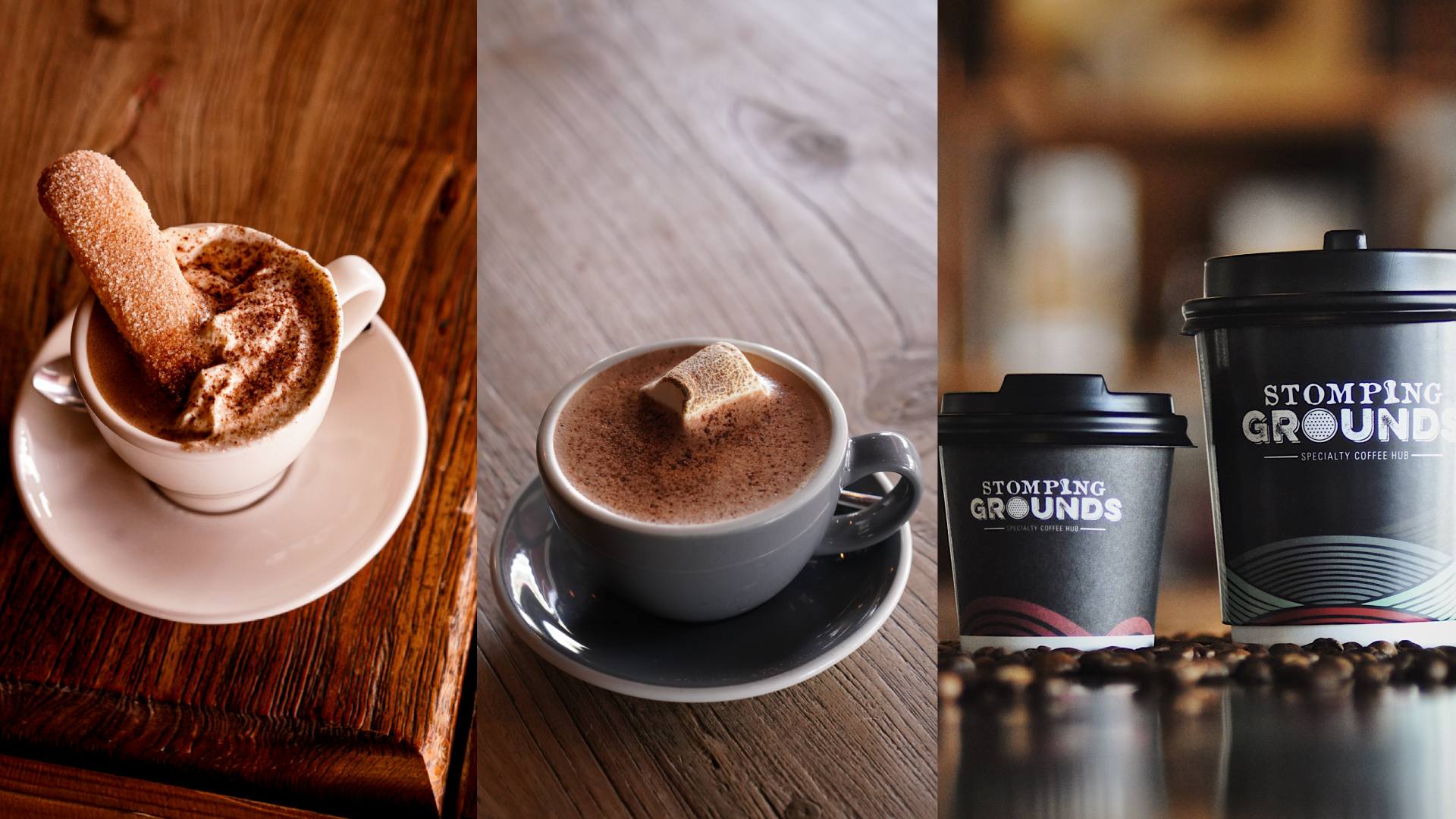
Stomping Grounds, the Aussie-owned café in Jumeirah 1, is marking International Coffee Day with an offer built around one simple idea: have another cup or three! On Thursday, 1 October 2026, guests who buy any coffee can pick one of two ways to keep going:
•Taking it away? Buy any coffee and get a second one of the same, free.
•Dining in? Enjoy bottomless filter coffee all day.
This year’s International Coffee Day is the first since the United Nations General Assembly formally recognised 1 October in March 2026, acknowledging the millions of farming households whose livelihoods depend on coffee.
“Every cup we pour started with one hardworking farmer and their family. They put in the hard yards all year, then we grind a few grams, push a couple buttons, pull a lever or two, draw a little leaf with the milk and take all the compliments, ” said Ryan Godinho, founder of Stomping Grounds. “So have another cup, ask the team where it came from, and give a quiet nod to everyone who got it here. We’ve been at this since 2015, and the best part is still seeing someone who popped in for a quick coffee settle in an hour later, second cup in hand, chatting with our team. That’s the whole idea.”
The coffee is roasted in Dubai by its partners at Specialty Batch, who have been pioneering the UAE’s specialty coffee scene since 2011 and have filled every grinder at Stomping Grounds since day one. The menu runs from its house blends through to rotating single origins and seasonal micro lots.
On the day, the filter brews will rotate through exceptional coffees from Brazil, Kenya, El Salvador and Colombia. Four countries, no passport required.
The baristas are trained, know their stuff and love a coffee chat. Guests can discover a new favourite micro lot or simply get a recommendation based on what they normally drink.
Whether you stick to your usual order, try something new or settle in for a bottomless cup of filter, it’s a good day to drink a little more and find out what you like.
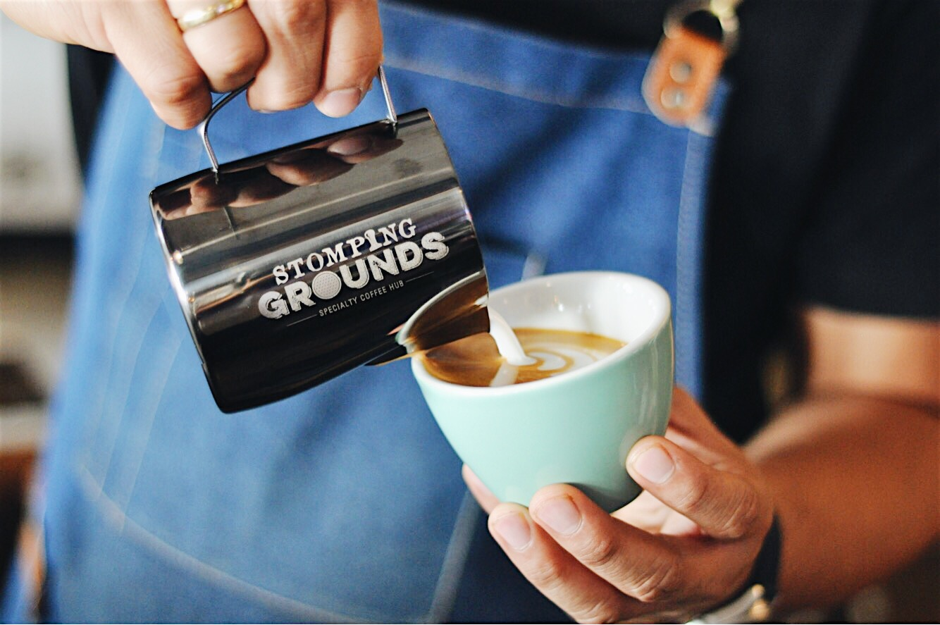
About Stomping Grounds
Tucked away in Jumeirah 1, off the main roads and away from the malls, Stomping Grounds is an escape from the hustle: close enough to the water for a post coffee wander, far enough from the traffic that you can actually hear yourself think. Owner-operated since opening in 2015, it has a warm, rustic vibe, a menu built for people who properly enjoy eating, and an exceptional coffee programme roasted locally by Specialty Batch. It’s pet-friendly, so four-legged regulars are welcome too, and the team are switched on hospo professionals who care about the details, from the first coffee of the morning to the last plate out of the kitchen.
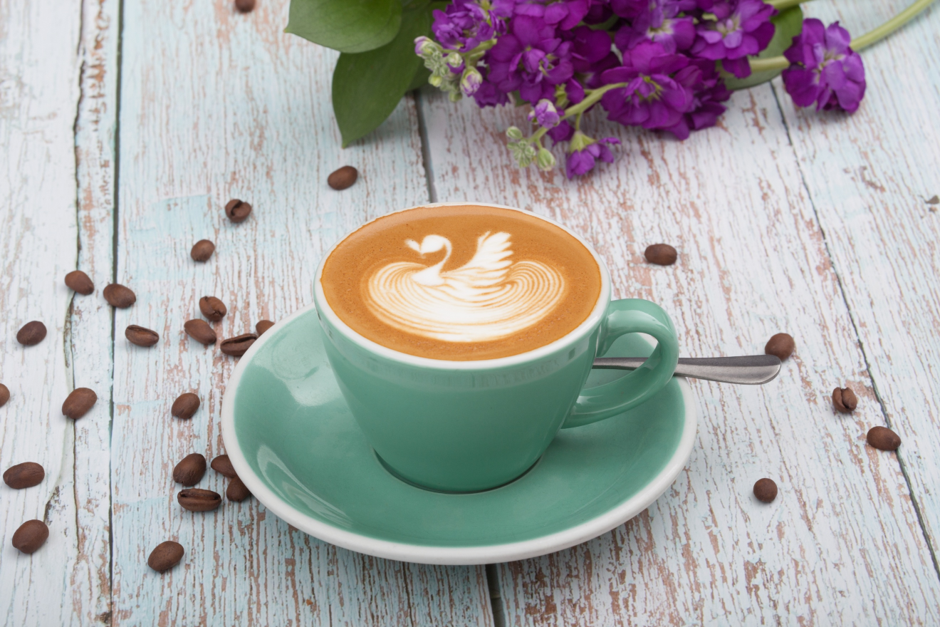
There’s plenty of free parking nearby, which makes life that much easier. Breakfast, lunch, dinner, afternoon tea, a quick cuppa, a laptop session, or one of those “I’ll just pop in for a coffee” visits that somehow turns into brunch. Happens to the best of us.
Terms:
Valid Thursday, 1 October 2026 only, during opening hours. Takeaway: one free coffee per coffee purchased; the free coffee must be the same drink, same size, and
is served on the same visit. Bottomless filter coffee is for dine-in guests only and runs all day with any coffee purchase. Cannot be combined with other offers. While coffee stocks last.
Details
Location: Villa 98, 12D Street (corner of 51st Street), Jumeirah 1, Dubai | Phone: +971 4 344 4451 | Hours: Monday-Thursday: 7:30am to 8pm; Friday-Sunday: 7:30am to 11pm | Instagram: instagram.com/stompinggroundsdxb | Website: stompinggrounds.me
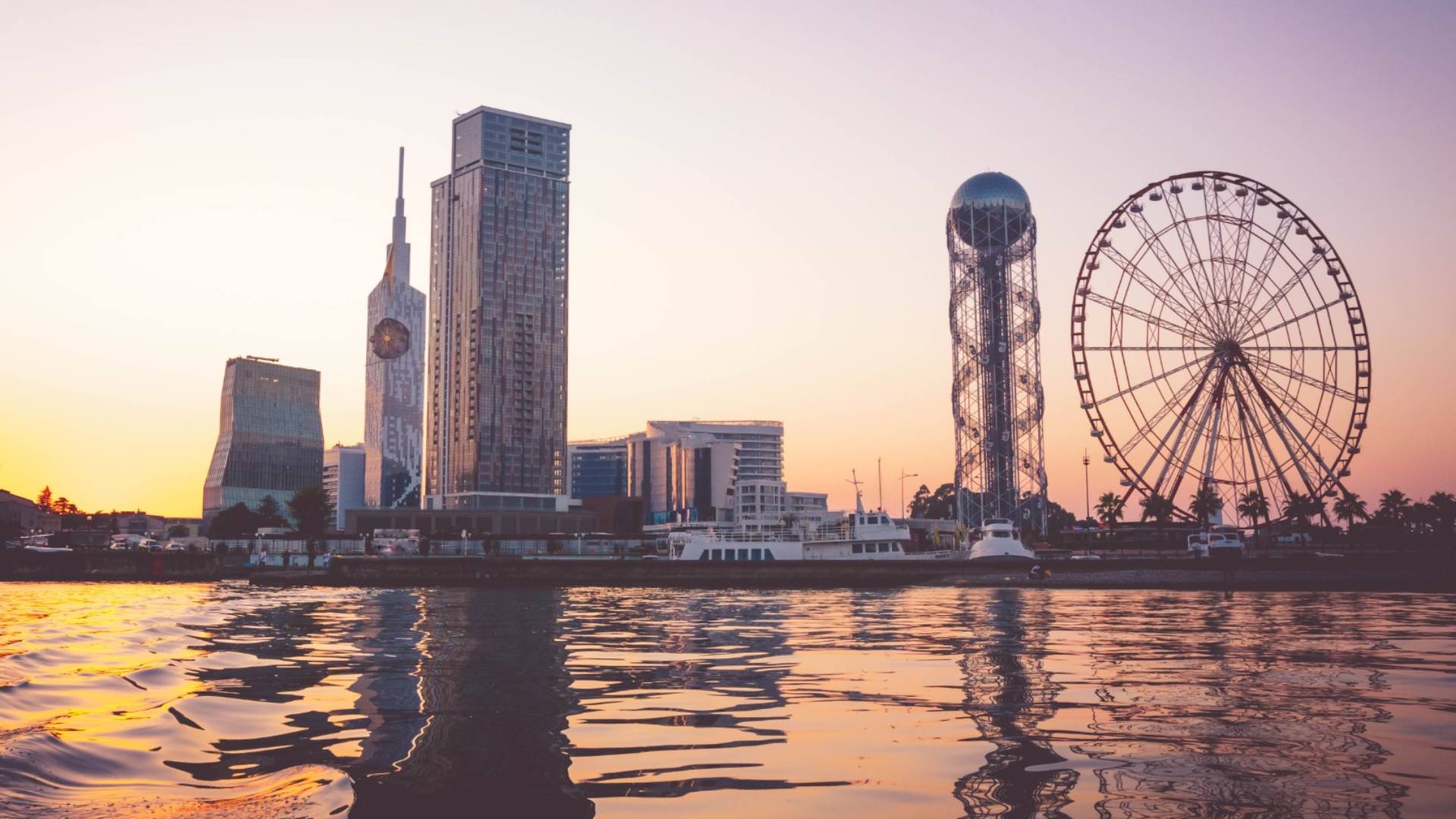
TYAM – Tbilisi Youth Art Market is launching its first exhibition project in Tbilisi. The project brings together emerging and independent artists, galleries, collectors, cultural institutions, and international experts from the art world.
The event will take place from September 25–27, 2026, at the National Palace of Youth, on Rustaveli Avenue in Tbilisi. TYAM is a new platform created to support young and independent artists, increase their visibility, and establish connections with the broader art market.
The first edition brings together artists working in Georgia and abroad under the theme “COEXISTENCE.” The concept reflects the meeting of different generations, artistic practices, perspectives, and approaches within one shared creative space.
The programme includes an Art Market section, public and panel discussions featuring international guests, opportunities for professional networking and the development of an artistic network, as well as a special VIP programme. TYAM aims to become a new point of attraction for Georgia’s and the international creative community, connecting artists with collectors, galleries, institutions, and the wider public.
- TYAM 2026, September 25–27, 2026
- National Palace, Rustaveli Avenue, Tbilisi, Georgia
- Tbilisi Youth Art Market
Hospitality
COFFEE PLANET CELEBRATES SAUDI NATIONAL DAY WITH A TRIBUTE TO THE STORIES, MEMORIES AND PRIDE OF THE KINGDOM
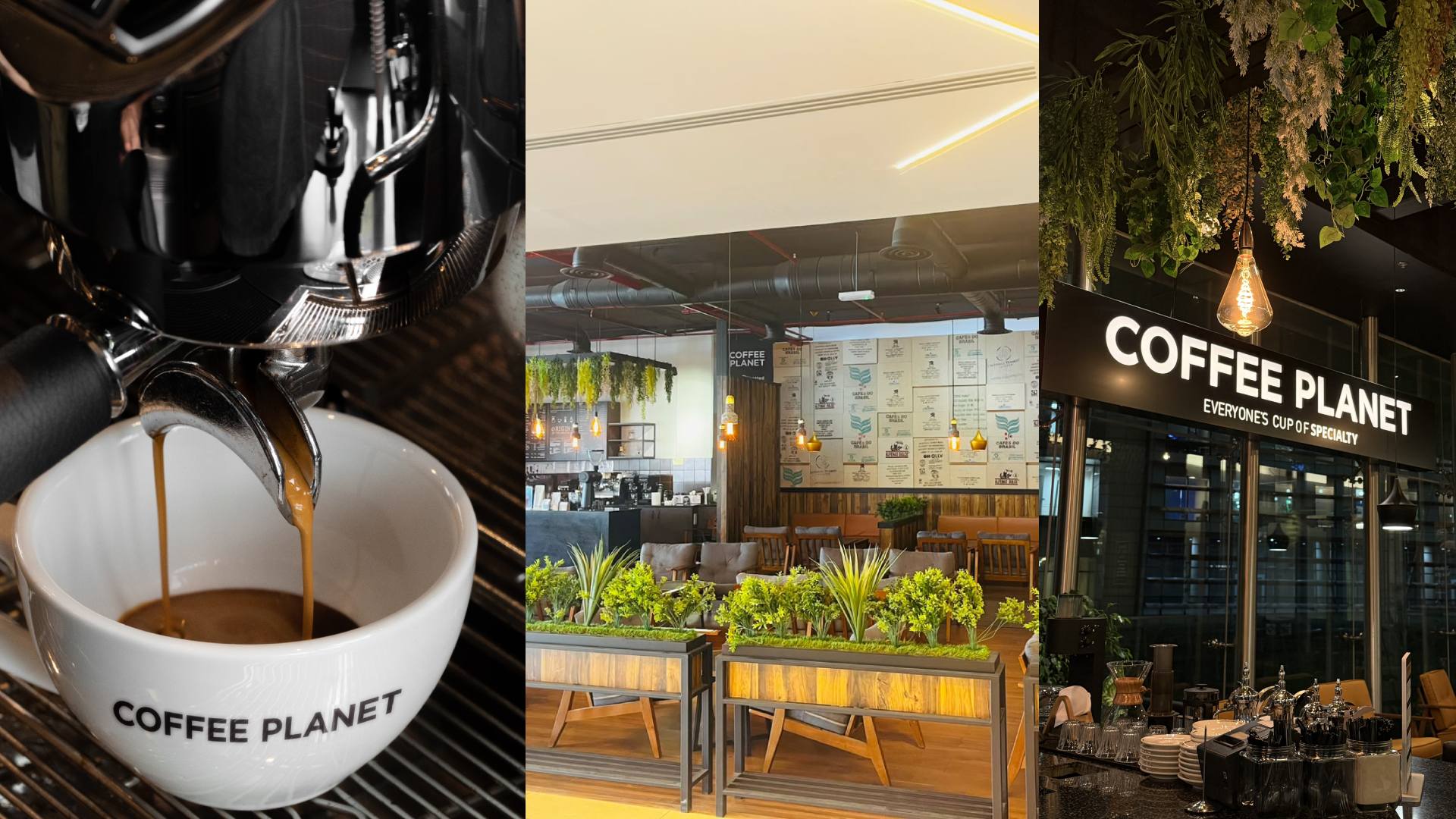
This Saudi National Day, Coffee Planet is inviting customers to celebrate the Kingdom through the memories, messages and everyday moments that make it feel like home.
As part of the celebrations on 23 September, Coffee Planet cafés in Hail and King Abdullah Financial District (KAFD), Riyadh, will be dressed for the occasion with Saudi flags and National Day decorations, creating a festive setting for customers to enjoy with friends and family.
At the centre of the celebration will be a Memory Board, where customers can leave a short message sharing their feelings, memories or pride for Saudi Arabia. The initiative will bring together personal reflections from visitors throughout the celebrations, creating a collective expression of what the Kingdom means to the people who live, work and spend time here.
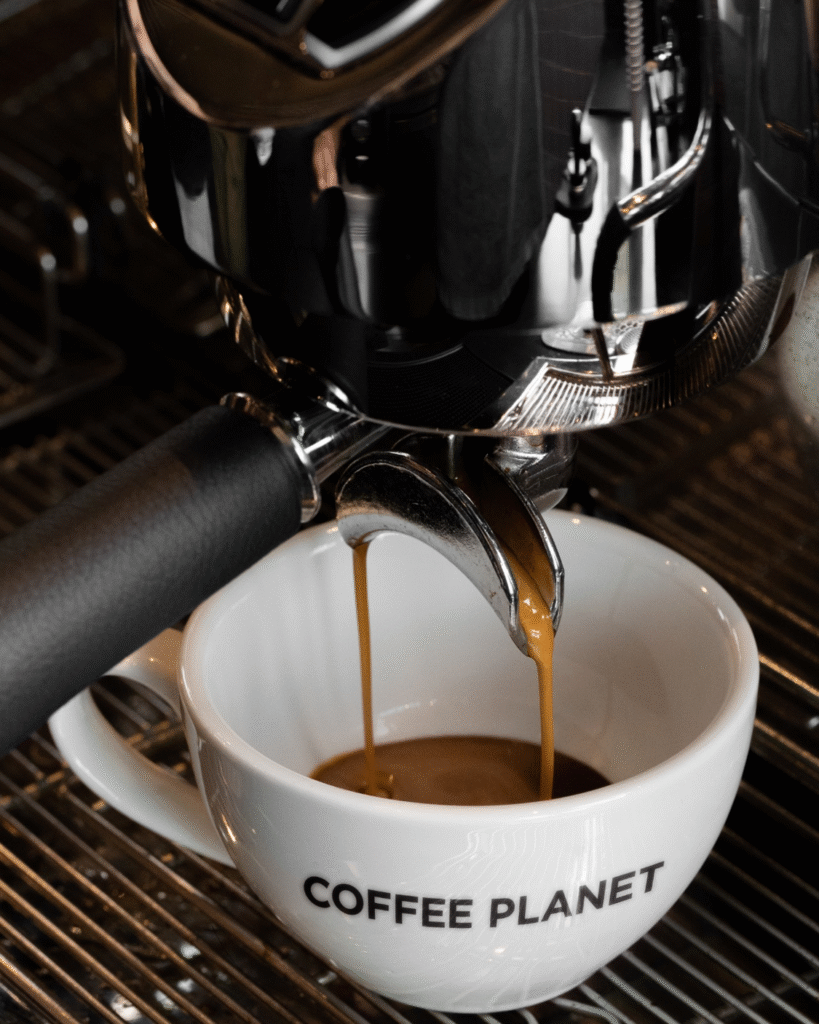
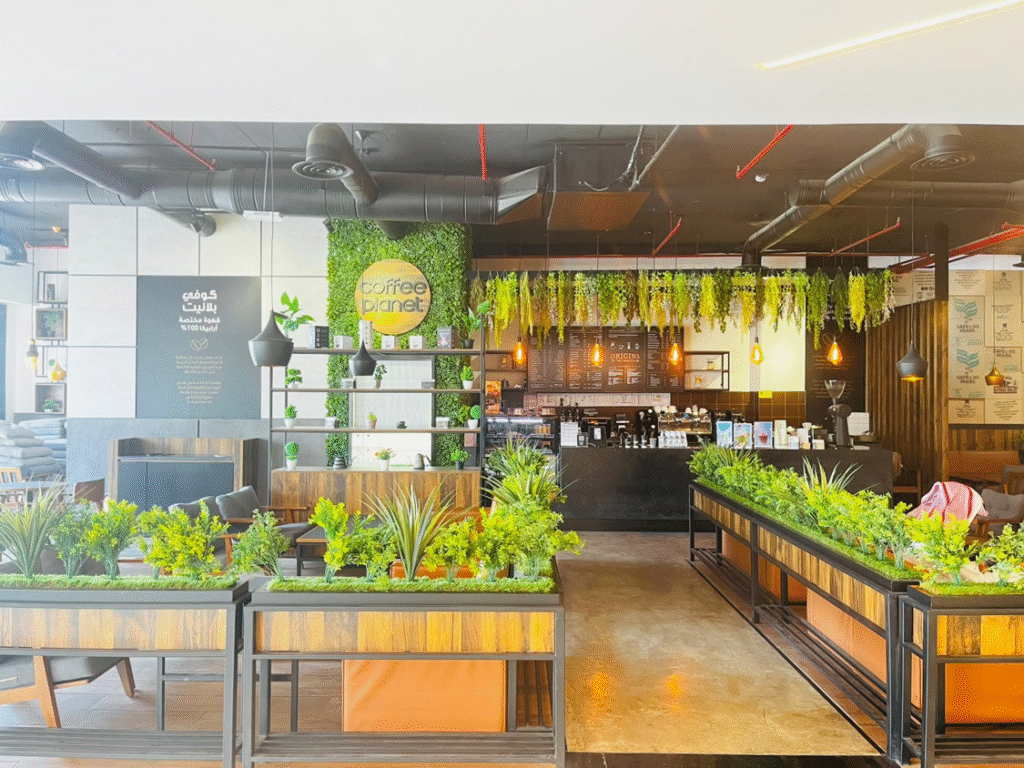
Customers will also be invited to enjoy complimentary coffee and a dessert, adding to the relaxed National Day experience and giving visitors another reason to pause, gather and celebrate together.
The activation will take place at Garden Mall in Hail and KAFD in Riyadh, two locations that reflect the brand’s growing presence in the Kingdom.
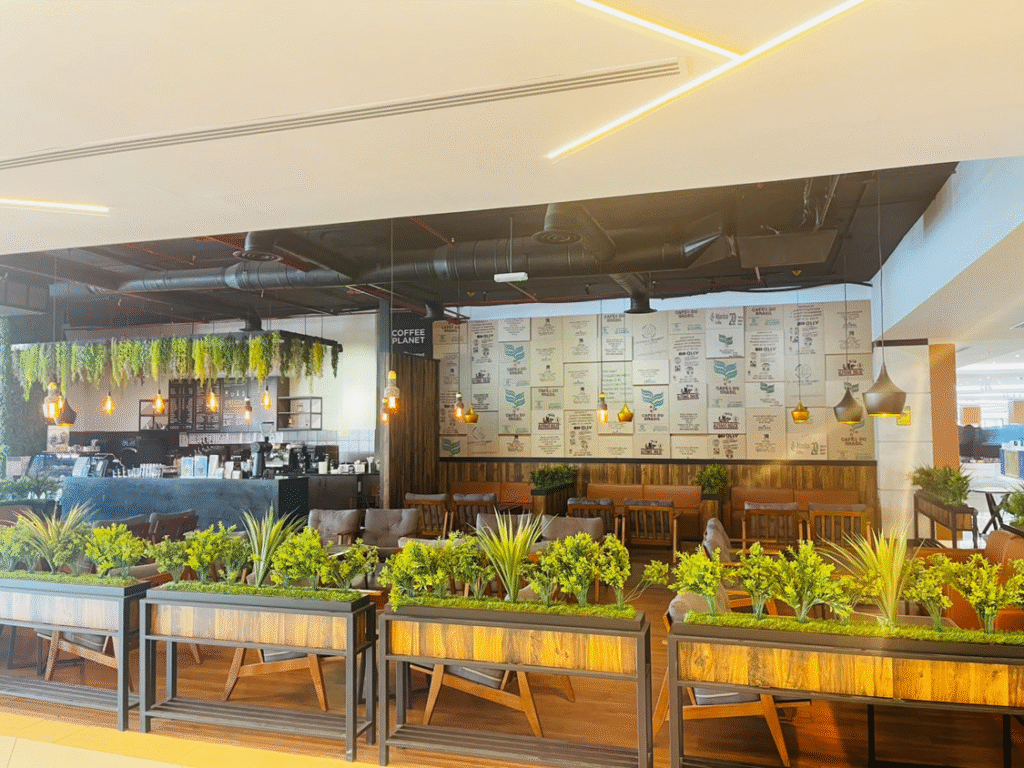
For Coffee Planet, the National Day celebration is a natural extension of the role its cafés play in bringing people together, whether over a morning coffee, a catch-up with friends or a shared moment with family.
“Saudi National Day is about celebrating the Kingdom and the people who make it what it is,” said Allan Jones, Founder and Chairman of Coffee Planet. “We wanted to create an experience that gives our customers a chance to share their own memories and feelings of pride, while enjoying a simple moment together over coffee. It is a small gesture, but one that reflects the warmth and connection at the heart of the occasion.”
With Saudi Arabia’s coffee culture continuing to evolve, Coffee Planet has seen growing demand for premium specialty coffee and café experiences across the Kingdom.
“Saudi National Day is a proud moment for all of us at HB Brands and an opportunity to celebrate the Kingdom’s remarkable journey, its people, and its ambitions for the future,” said Abdullah Ihlaiel, Group Marketing & Business Development Director, HB Brands. “As Coffee Planet continues to grow in Saudi Arabia, our focus is not only on expanding the brand’s presence, but on building a meaningful connection with the communities we serve. We are proud to be part of this journey and to celebrate this special occasion together with our customers across the Kingdom.”
The celebration reflects the spirit of Saudi National Day 2026 and its theme, ‘Our Pride is in Our Nature’, while giving customers an opportunity to mark the occasion in a way that feels personal, social and rooted in community.


Europe’s Data Centres Are Evolving From Power Consumers to Energy Partners

Fimple adds five GCC financial institutions in first year, targets doubling regional customer base

New Initiative ‘Longevity Starts From Childhood’ Connects the Early Years With Lifelong Wellbeing



-
News11 years ago
SENDQUICK (TALARIAX) INTRODUCES SQOOPE – THE BREAKTHROUGH IN MOBILE MESSAGING
-

 Trending11 months ago
OPPO A6 Pro 5G Review: Reliable Daily Driver
-

 Tech News2 years ago
Denodo Bolsters Executive Team by Hiring Christophe Culine as its Chief Revenue Officer
-
 VAR1 year ago
Microsoft Launches New Surface Copilot+ PCs for Business
-

 Automotive2 years ago
AGMC Launches the RIDDARA RD6 High Performance Fully Electric 4×4 Pickup
-
Tech Interviews3 years ago
Navigating the Cybersecurity Landscape in Hybrid Work Environments
-
 Tech News2 years ago
Toshiba Announces MG10-D Series of Enterprise HDDs with Capacities up to 10TB
-

 Tech News1 year ago
Nothing Launches flagship Nothing Phone (3) and Headphone (1) in theme with the Iconic Museum of the Future in Dubai