
 Have a question? +971 56 404 0503




Home Integrator
OBJECT 1 MARKS ABU DHABI ENTRY WITH LAUNCH OF A1LA RESIDENCE ON AL REEM ISLAND

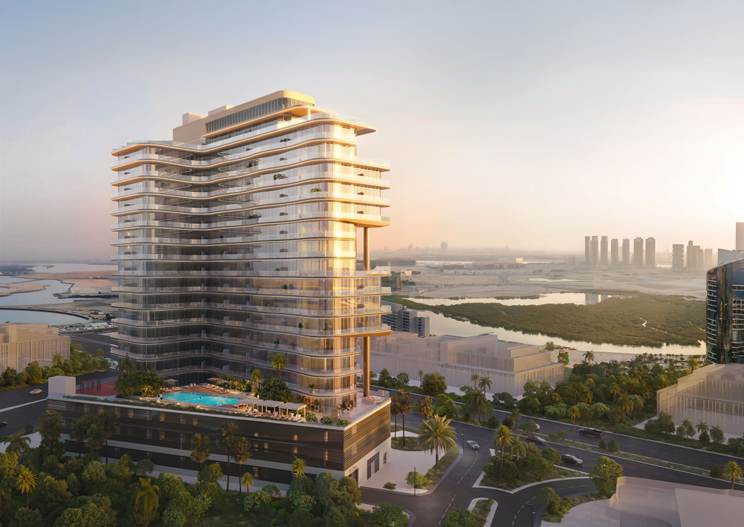
Object 1 has officially announced its first residential development in Abu Dhabi, A1LA Residence, marking a major milestone in the company’s expansion into the capital. The launch positions Object 1 as a long-term participant in Abu Dhabi’s property market, entering with a project shaped by end-user relevance, investment credibility, and a clear commitment to building for the Emirate’s future.
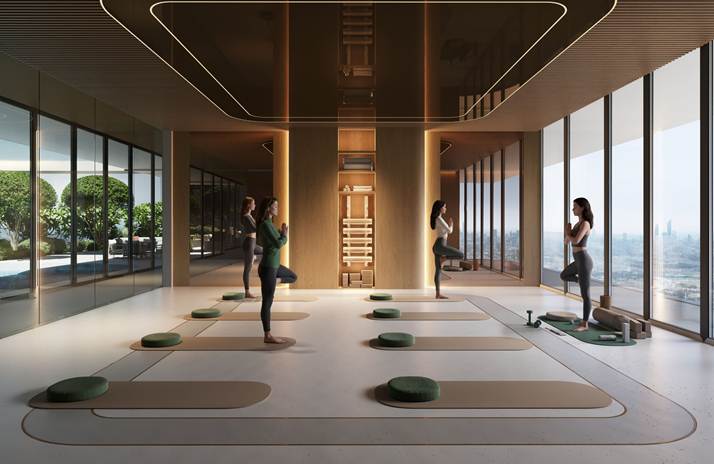
Located on Al Reem Island, A1LA Residence will comprise 171 units, including one-, two-, and three-bedroom apartments, as well as a limited collection of two- and three-bedroom duplexes across 17 residential floors. The project spans approximately 247,022 sq ft of built-up area, with handover scheduled for Q4 2028. The development is designed around three levels of world-class amenities, including a sky pool on the 17th floor, cinema, clubhouse, gym, yoga and pilates room, BBQ area, games room, kids’ play areas, outdoor sports zones, and landscaped social spaces, creating a more layered offering for modern urban living.
The launch forms part of Object 1’s wider Abu Dhabi strategy, following the developer’s acquisition of four waterfront plots on Al Reem Island spanning more than 2 million sq ft, with a combined project value of AED 4.5 billion. This reflects a long-term view of Abu Dhabi as a market defined by institutional strength, sustainable growth, and rising demand for well-positioned residential communities.
A1LA Residence is positioned on Al Reem Island, one of Abu Dhabi’s most established investment and residential districts, in close proximity to Abu Dhabi Global Market (ADGM), the emirate’s leading financial free zone. The area has consistently ranked among Abu Dhabi’s top three districts for return on investment, recording the strongest annual price growth in 2025 at 45%, while sales volume more than tripled year on year. Al Reem Island’s rental yields are also widely tracked in the 6 to 8% range, reinforcing its appeal to both end-users and income-focused investors. It offers efficient access to Downtown Abu Dhabi and close connectivity to Saadiyat Island’s cultural and leisure destinations.
This launch comes as Abu Dhabi’s real estate market continues to strengthen in both performance and regulation. The Emirate recorded AED 142 billion in real estate transactions across 42,800+ deals in 2025, up 44% in value and 52% in volume year on year. Recent regulatory changes have further strengthened governance, transparency, and investor protections across the sector, providing the market with a clearer, more secure framework for continued growth.
Tatiana Tonu, CEO of Object 1, said: “Our decision to enter Abu Dhabi is based on long-term conviction. We are not approaching the Emirate as an opportunistic market cycle play, but as a developer committed to building residential projects that hold their value over time, serve real communities, and reflect the standards of a capital that is planning decades ahead. A1LA Residence brings together a proven location, clear market fundamentals, and a development strategy grounded in reliability, quality, and long-term relevance. As Abu Dhabi advances under Economic Vision 2030, we see strong alignment between the emirate’s direction and the kind of projects we want to deliver.”
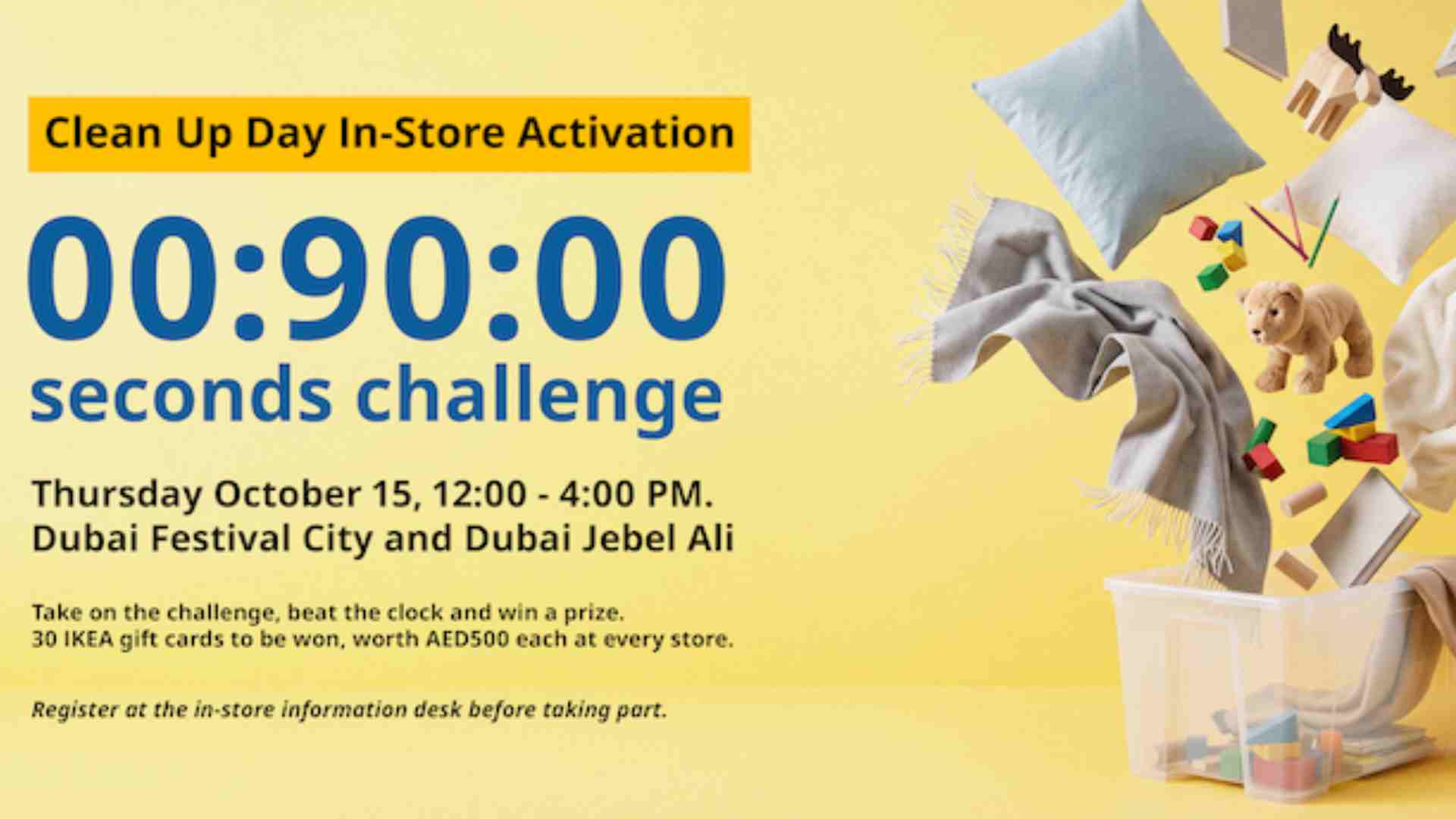
IKEA, operated by Al-Futtaim in the UAE, gathered residents and visitors together for the Guest-Ready Tidy-Up on 15 October, at IKEA Festival Plaza and Dubai Festival City stores.The activation brought IKEA’s storage solutions to life through a playful challenge, showcasing how IKEA continues to be part of customers’ everyday stories.
From laundry on the sofa, to toys on the floor – the last-minute tidy up before welcoming guests into our home can be familiar. Inspired by a relatable hosting moment, what happens after you receive the message that guests are on their way, the challenge gave IKEA Family members 90 seconds to put misplaced items into designated storage spaces in a staged living room, before the doorbell rang and their time was up.
An IKEA coworker assessed whether items were stored correctly within the allocated time, with 60 IKEA gift cards handed out to the winning customers across both stores, each worth AED 500.
The Guest-Ready Tidy-Up challenge celebrated the everyday moments that bring people together. Through practical, well-designed storage solutions at affordable prices, IKEA helps customers create homes that work for their routines, making it easier to clear the clutter and welcome friends and family. The challenge offered visitors a firsthand experience of IKEA’s storage solutions and ideas to use at home long after the activation.
Home Integrator
Ohana Development Announces Erling Haaland as a Proud Homeowner at Manchester City Yas Residences by Ohana, During Phase 2 Launch


Ohana Development has announced Erling Haaland as a proud homeowner at Manchester City Yas Residences by Ohana during the launch of the project’s second phase. Featuring two- and three-bedroom townhouses, duplex villas, and four- and five-bedroom villas, Phase 2 sales will commence on 19 October 2026. The event at Etihad Arena welcomed over 4,000 guests, including Pep Guardiola, who was announced as the project’s official brand ambassador.
Located along Yas Canal, adjacent to Yas Island, the development spans 1.67 million square metres and will feature more than 2,000 residences. The world’s first Manchester City-branded residential community has already broken ground, with phased delivery scheduled by 2029.
In a video appearance by Manchester City star Erling Haaland, he announced that he was excited to be joining the Ohana family as a proud homeowner with a five-bedroom villa for his family at Manchester City Yas Residences by Ohana. Additionally, Manchester City legend, Alfie Haaland also picked up the keys to his new home in the community.
Pep Guardiola also appeared on stage for a discussion exploring teamwork, resilience and the importance of sport and wellbeing beyond football.
Husein Salem, CEO of Ohana Development, said: “The response to our first phase demonstrated the confidence buyers place in Abu Dhabi and our vision for Manchester City Yas Residences by Ohana. Phase 2 builds on that momentum, offering more families and investors the opportunity to become part of this unique community. Welcoming Pep Guardiola as our official brand ambassador further reinforces our commitment to creating a residential destination centred on sport, wellbeing and lasting value.”
Pep Guardiola said: “In professional sport, we understand that performance depends on more than training. Recovery, balance and wellbeing are just as important, and those principles matter in everyday life too. Manchester City Yas Residences by Ohana places sport and wellness at the heart of the community, giving residents opportunities to stay active, recharge and spend time together. That approach is what makes the project particularly appealing to me, and I am pleased to join Ohana Development as its official brand ambassador for this unique community.”
Home Integrator
Deyaar builds on its 2026 handover momentum with 711 new homes at Tria in Dubai Silicon Oasis
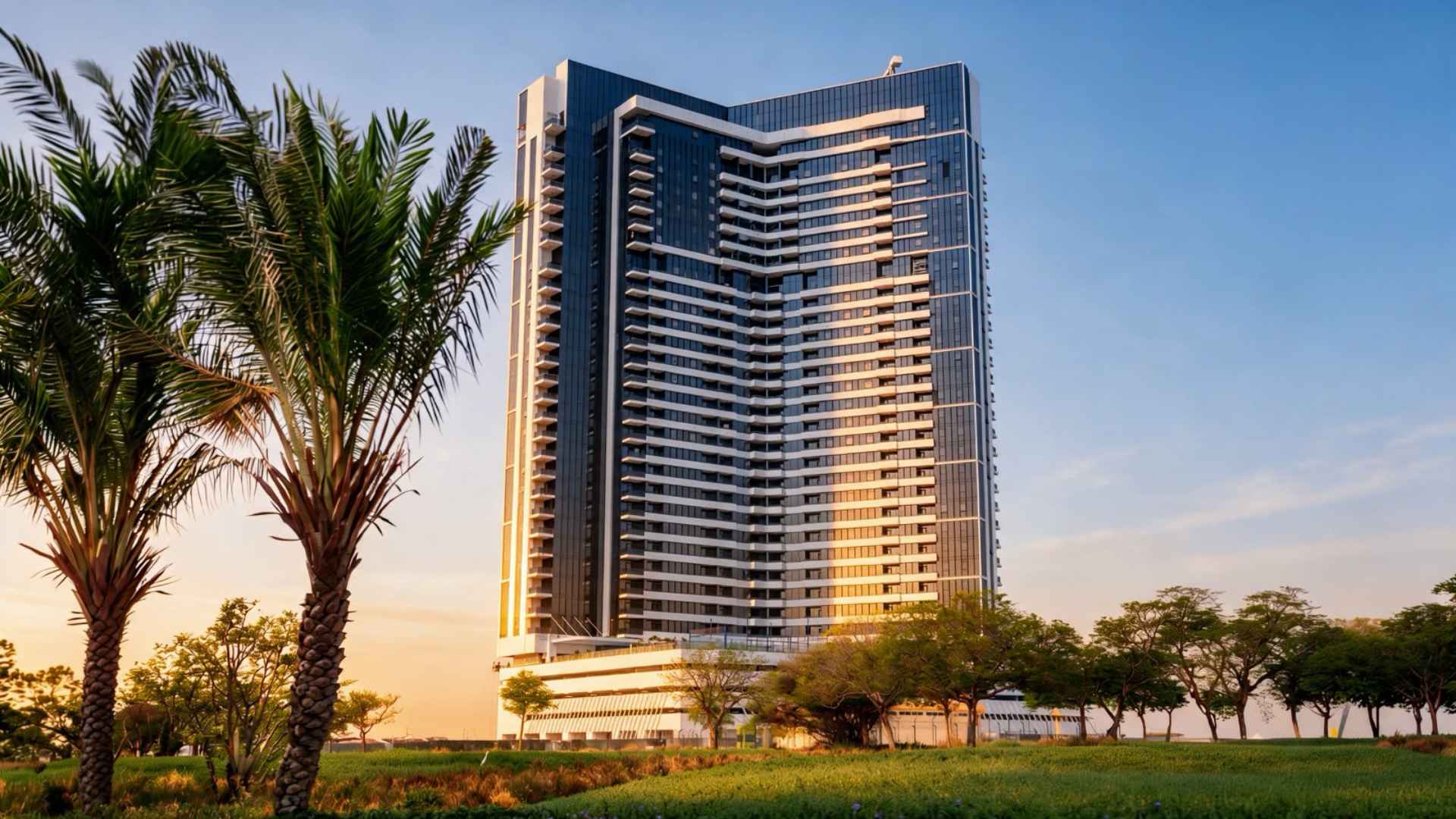
Deyaar Development PJSC (Deyaar), a DFM-listed integrated real estate company and one of Dubai’s leading developers, has announced the handover of Tria, a landmark residential development that brings a new scale of elevated living to Dubai Silicon Oasis (DSO). Rising prominently above its surroundings, the development comprises 711 residences and six retail units, distinguished by a striking three-wing architectural form designed to create three unique view corridors, ensuring residents enjoy prime outlooks across the Dubai skyline, Dubai Silicon Oasis and the surrounding parklands.
The handover lifts Deyaar’s deliveries in 2026 to more than 2,100 units, following the completion of 1,436 units across Regalia, Jannat and Talia Residences earlier in the first half. Built with families in mind, Tria pairs its homes with podium and rooftop amenities that include swimming pools, landscaped gardens, children’s areas, fitness and wellness facilities, sports courts, social spaces, and outdoor dining and entertainment areas.
Saeed Mohammed Al Qatami, CEO of Deyaar, said: “Earlier this year we welcomed owners to three of our projects across Dubai. Today, Tria adds another 711 homes to that momentum. It was conceived as a modern urban sanctuary, and seeing it come to life in the heart of Dubai Silicon Oasis is a proud moment for Deyaar. We thank our owners and investors for their trust, and our partners, contractors, government stakeholders and team for making it possible.”
With more than two decades of experience across residential, commercial and hospitality developments, Deyaar continues to diversify its portfolio and build on its momentum this year. Tria reflects a clear vision: creating vibrant communities where thoughtful design, wellbeing and lasting value shape the way Dubai lives.
As Deyaar looks ahead, its focus remains on scaling a balanced pipeline of projects, strengthening its position as one of Dubai’s most dynamic developers and contributing to the emirate’s long-term urban growth.


IKEA Turned Last-Minute Hosting into a 90-Second Guest-Ready Tidy-Up Challenge
Building Digital Sovereignty Through Operational Control
A Coffee and Macaroon Affair Acacia Lounge



-

 Trending12 months ago
OPPO A6 Pro 5G Review: Reliable Daily Driver
-

 Tech News2 years ago
Denodo Bolsters Executive Team by Hiring Christophe Culine as its Chief Revenue Officer
-
 VAR2 years ago
Microsoft Launches New Surface Copilot+ PCs for Business
-

 Automotive2 years ago
AGMC Launches the RIDDARA RD6 High Performance Fully Electric 4×4 Pickup
-
Tech Interviews3 years ago
Navigating the Cybersecurity Landscape in Hybrid Work Environments
-

 Hospitality2 years ago
Gulfood 2025 30th Edition Kicks Off Today, Setting New Benchmarks in F&B Growth and Innovation
-

 Tech News1 year ago
Nothing Launches flagship Nothing Phone (3) and Headphone (1) in theme with the Iconic Museum of the Future in Dubai
-

 VAR2 years ago
Samsung Galaxy Z Fold6 vs Google Pixel 9 Pro Fold: Clash Of The Folding Phenoms