
 Have a question? +971 56 404 0503




News
How GRC Will Help Address ESG

By: Haya Alkaabi – Legal Auditor & Legal Administrative at Finesse.
According to data by Pwc, around 92% of companies in regions like the USA, UK, Brazil, and India that have strong ESG commitments will outcast the competitors without ESG commitments.
Furthermore, the same study suggests that 83% of the employees and 86% of the consumers prefer companies that have strong ESG (environmental, social, and governance) practices.
However, there is no achievement for ESG without the use of a GRC (governance, risk, and compliance).
But what is GRC and how can it help address the ESG? In this blog post, we will talk further about the GRC and how it interacts with ESG to build resilience and sustainability in the organization.
Defining GRC and ESG
GRC in an organization refers to the integrated approach of Governance, Risk management, and Compliance. It is a framework that helps organizations to manage their operations in a way that is in line with the regulatory requirements, ethical standards, and business objectives.
A GRC will break down into three main pillars namely:
Governance: The processes and policies that an organization uses to direct and control its activities. This includes defining the roles and responsibilities of the management, ensuring accountability, and maintaining transparency.
Risk management: The process that involves the identification, assessment, and management of risks that an organization faces.
Compliance: It refers to the adherence to the legal and regulatory requirements applicable to the organization’s industry, business activities, and geography.
While GRC might be a new term for many, it is just an update of an existing business model. Organizations have always focused on creating governance, and risk management but this was never done in a streamlined manner before.
To keep them in line, GRC was introduced. On the other hand, ESG was introduced with the goal of keeping the organization equipped with all the environmental and social policies.
By following the ESG best practices, organizations are positioned better toward a sustainable market and favorable outcomes resulting in better customer outputs.
If we elaborate on ESG further, here’s what it breaks down to:
Environment: This factor focuses on the effects of products and services on the environment and what steps can be taken to reduce the adverse impacts on the environment.
Social: Social factors talk about the responsibilities and roles of an organization towards the stakeholders & consumers including diversity, equity & inclusion, racial & gender justice, and community involvement.
Governance: This pillar centers on the systems, policies, and processes organizations implement to govern their operations, shape their corporate culture, recognize and manage risks, and comply with regulatory requirements.
But how does GRC impact ESG? Does it drive the ESG goals or are they independent of each other?
Let’s understand it better.
The Role of GRC in ESG:
ESG and GRC share one common element — G.
The G here stands for governance. Thus, governance follows the stringent rules and regulations that must be followed along with managing uncertainty and risks.
However, GRC is not meant to transact any ESG goals but to manage ESG objectives. In other words, GRC solutions help monitor the processes, and activities that support the potential ESG objectives.
Although GRC solutions typically do not execute actions that enable organizations to achieve their ESG goals, they can help process the workflows that help achieve the ESG objectives.
In other words, the right GRC strategy puts the risk management program in practice to identify the environmental, social, and compliance risks that affect the goals of the organization.
Hence, effective EGS risk mitigation requires the implementation of appropriate controls. For example, the environmental risks that may affect the business infrastructure can be controlled using the industrial solutions in place.
Not to forget that compliance is a key pillar in demonstrating the ESG and GRC within an organization. Non-compliant regulations could result in various financial, economic, and social disruptions.
How to integrate GRC into ESG?
It is critical to understand that integration of GRC with the ESG should take place in a structured manner:
- Understand the business needs: The most critical part of the process is understanding your business. Know where your business stands and what is working. Make a note of what you want to change for your business. This way, you can build a roadmap from the current state to the future state.
- Hire the right team: A team can build or destroy. Identify the right team that can help with the core issues and also address the GRC and ESG within the same context.
- Choose the right technology: Using the right technology that can deliver on the future state of ESG and GRC is highly important. Hence, GRC and ESG software should effectively deliver agility and flexibility to the plan.
- Break into stages: Lastly, do not forget to break down the roadmap into small steps. By breaking it down into stages, you can prioritize the stages which are more important and achieve greater success.
Conclusion
It can be said that ESG and GRC are both critical for business success. Integrating the GRC into ESG goals will reduce costs and boost productivity. Not to forget that achieving the GRC certification will bring in more governance and make organizations more competitive.
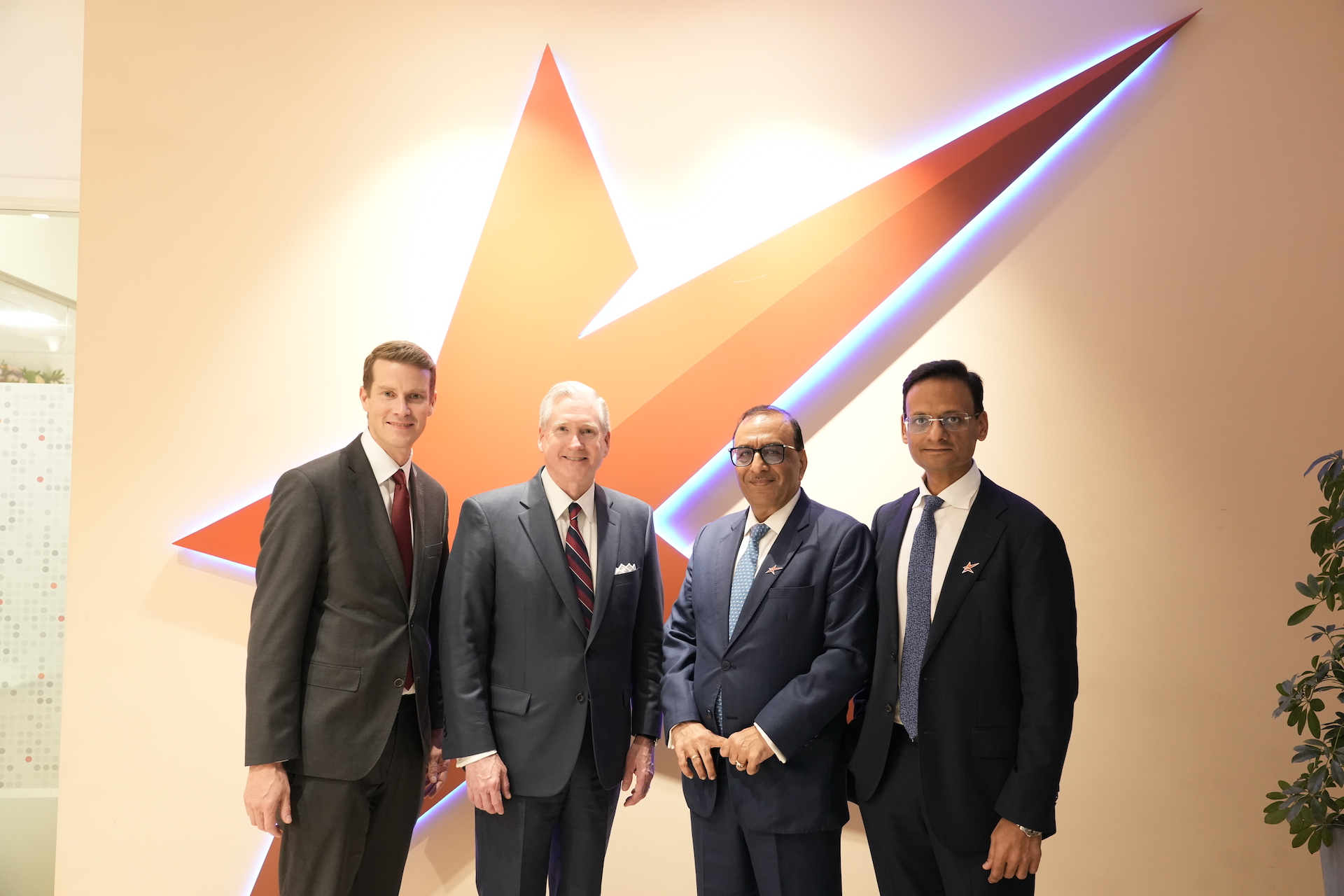
Dhruva will adopt the Ryan brand across the UAE and Saudi Arabia by the end of 2026, uniting the practice with Ryan’s global identity and international platform.
Dhruva, a leading tax consultancy firm in the Middle East, and Ryan, a leading global tax services and software provider, today announced that Dhruva will transition to the Ryan brand across the United Arab Emirates (UAE) and the Kingdom of Saudi Arabia. The rebranding will be completed by the end of 2026, bringing the practice under Ryan’s global identity and reinforcing its position as part of the world’s leading global-scale specialist in business tax.
The transition marks the next phase of the strategic joint venture announced in 2025 and reflects the continued integration of Dhruva’s regional capabilities with Ryan’s global platform, technology, and international resources. Clients across the Middle East will continue to benefit from the same trusted advisory teams, enhanced by access to Ryan’s worldwide expertise and service capabilities.
“The Middle East has been a strategic growth market for us for many years, and we have built a strong advisory practice founded on deep client relationships, technical excellence, and local market understanding,” said Dinesh Kanabar, Founder, Chairman, and CEO, Dhruva Advisors and Vice Chairman, Ryan.
“The transition to the Ryan brand marks a significant milestone in our journey and reflects the strength of our partnership. By combining our regional expertise with Ryan’s global scale, technology, and international capabilities, we are creating an even stronger platform to support clients across the region as they navigate an increasingly dynamic and evolving tax landscape.”
“The Middle East is one of the most important growth markets for tax advisory services globally, and we are investing in the region with a long-term view,” said Tom Shave, President of Ryan’s European and Asia-Pacific Operations. “Uniting under the Ryan brand strengthens how we serve clients across the UAE, Saudi Arabia, and Europe—bringing seamless access to our global expertise, technology, and international resources through one trusted platform. This transition marks an important milestone in our integration and reinforces our commitment to the region’s future.”
Ryan will continue to invest in its Middle East operations, expanding its team, capabilities, and regional presence across key markets, including Dubai, Abu Dhabi, and Riyadh. The practice provides comprehensive tax advisory services spanning corporate tax, value-added tax (VAT) and indirect tax, transfer pricing, mergers and acquisitions (M&A) tax structuring, research and development (R&D), and cross-border compliance.
“The response from our clients over the past year has been the clearest validation of this partnership,” said Nimish Goel, Leader, Middle East, Dhruva, a Ryan Affiliate. “From the outset, our teams have been integrating Ryan’s global capabilities in technology, specialized expertise, and best practices into the work we already lead in the region. Adopting the Ryan brand is the natural next step. It is the same people and the same trusted relationships, now carrying the name of the largest Firm in the world dedicated exclusively to business taxes.”
The rebranding will be implemented in phases during the second half of 2026, with signage, visual identity, and digital properties transitioning to the Ryan brand across the region.
News
GFH Partners Manrre REIT (CEIC) PLC and Palmon Group unveil new temperature-controlled chemical warehouse in JAFZA

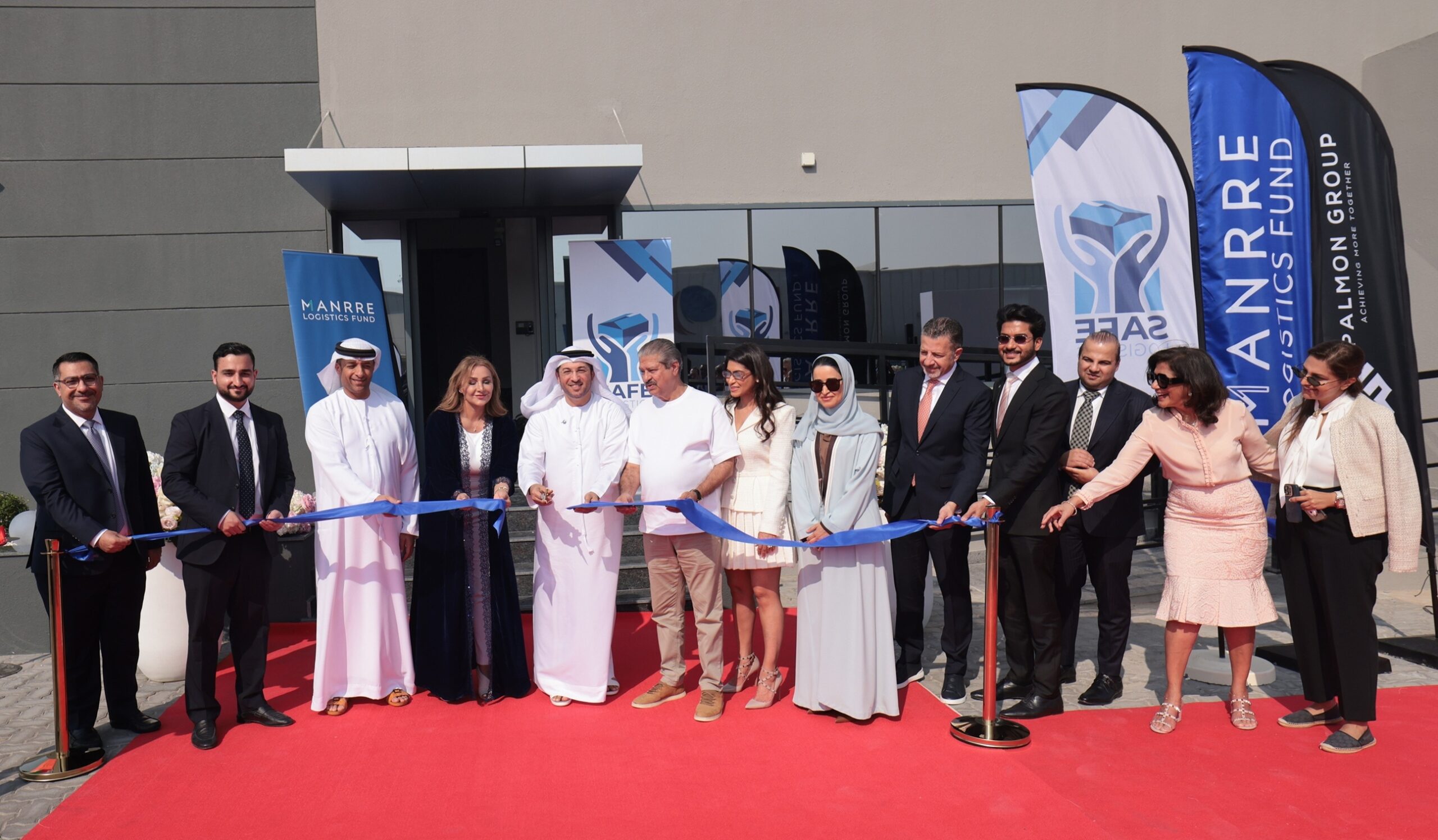
GFH Partners Manrre REIT (CEIC) PLC (“Manrre” or “the Fund”), managed by GFH Partners Ltd. (“GFH Partners”), together with its development manager Palmon Group FZCO (“Palmon Group”), today announced the opening of a specialised temperature-controlled chemical warehouse in Jebel Ali Free Zone (Jafza), further expanding the Fund’s Grade A logistics portfolio.
The inauguration ceremony was held in the presence of Mr Abdulla Bin Damithan, CEO and Managing Director, DP World GC, alongside senior officials and dignitaries from Jebel Ali Free Zone, GFH Partners, and Palmon Group.
Purpose-built and developed by Palmon Group to meet stringent international safety and compliance standards, the new facility reflects the rising regional demand for certified chemical storage infrastructure that supports manufacturing, energy, industrial services, and third-party logistics. The warehouse is situated on a 180,000sq ft plot with a built-up area of 112,000 sq ft, divided into three temperature-controlled chambers that reach a maximum height of 13 metres. The warehouse has been designed with advanced Early Suppression Fast Response (ESFR), and in-rack sprinkler systems to ensure safety and resilience across all operations.
The facility’s layout allows storage of a diverse range of hazard-classified chemicals. One chamber is configured for UN Class 3 and 4 chemicals, a second accommodates UN Class 5 chemicals, while the third has been developed for UN Class 6, 8, 9 and non-regulated materials. The warehouse offers capacity for 17,400 pallets and includes nine loading docks and three loading bays. The office space has been intentionally limited to three percent of the total built-up area, maximising operational efficiency and warehouse utility.
Speaking on the launch, Kunal Lahori, CEO of Palmon Group and Board Member of Manrre, said: “This new facility brings together precision engineering, regulatory compliance, and long-term value creation. Specialised chemical storage requires a high degree of control and risk management, and we have developed this warehouse to meet those expectations while offering flexibility and scalability for tenants. As one of the earliest developers in Jafza, Palmon Group remains committed to supporting the UAE’s logistics and industrial growth.”
Mohamed Ali, Head of GCC at GFH Partners, said: “The opening of this warehouse marks another important milestone in the expansion of the GFH Partners Manrre REIT portfolio, particularly in mission-critical industrial and logistics assets that serve high-growth sectors. The UAE continues to see strong demand for specialised storage solutions, and this facility reinforces our strategy to develop resilient, future-ready assets that deliver long-term value for our investors.”
The logistics hub is now fully operational and is leased to Safe Logistics. The new facility is expected to play a significant role in strengthening regulated supply chains and supporting Dubai’s position as one of the region’s foremost logistics and industrial hubs.

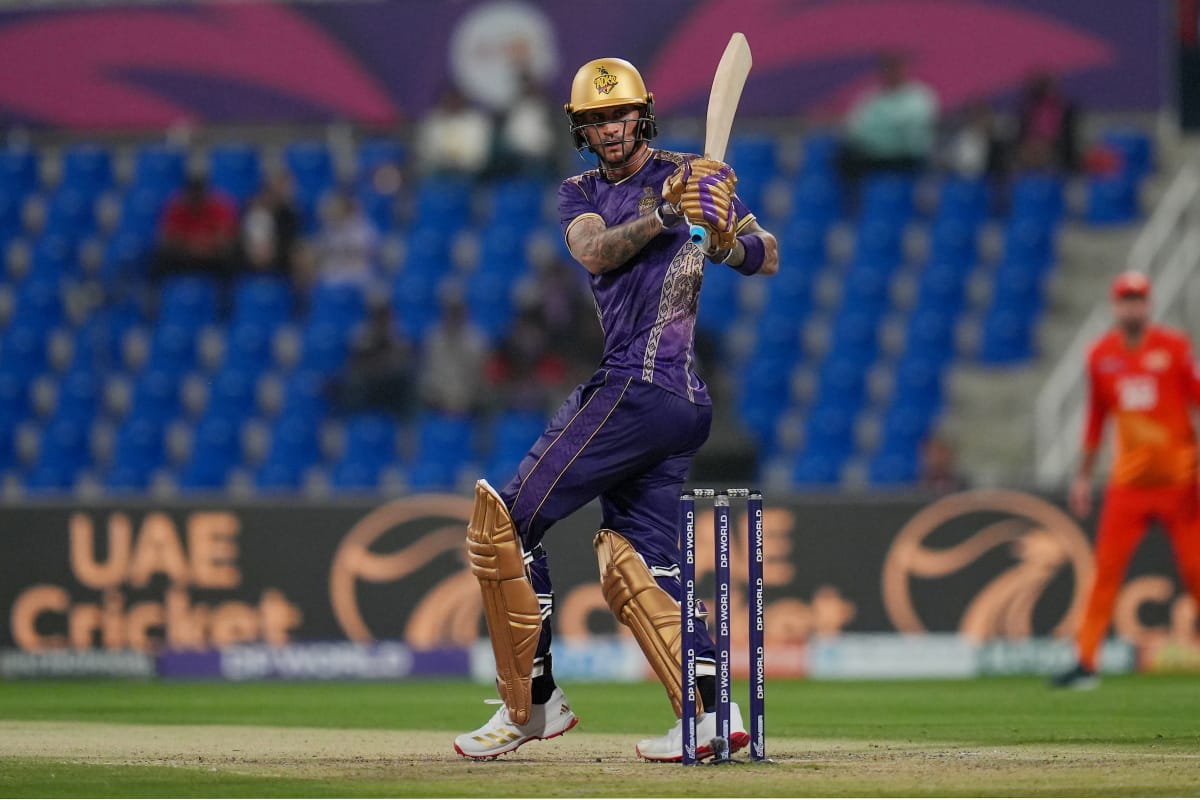
Big Ticket, the largest and longest-running guaranteed raffle draw in the Middle East (known for cash prizes, dream luxury cars, gold bars and coins) has joined the DP World International League T20 Season 4 as an Official Partner.
In recent years, Big Ticket has become more than just a raffle, it has gained the reputation of being a brand built around rewarding dreams and celebrating ambition, growing into one of the region’s largest and one of the most anticipated monthly draws in the UAE.
DP World ILT20 – the 34-match cricketing extravaganza – the biggest T20 tournament in the region featuring some of the most renowned global cricket stars is currently being played at the Dubai International Stadium, Zayed Cricket Stadium, Abu Dhabi and Sharjah Cricket Stadium.
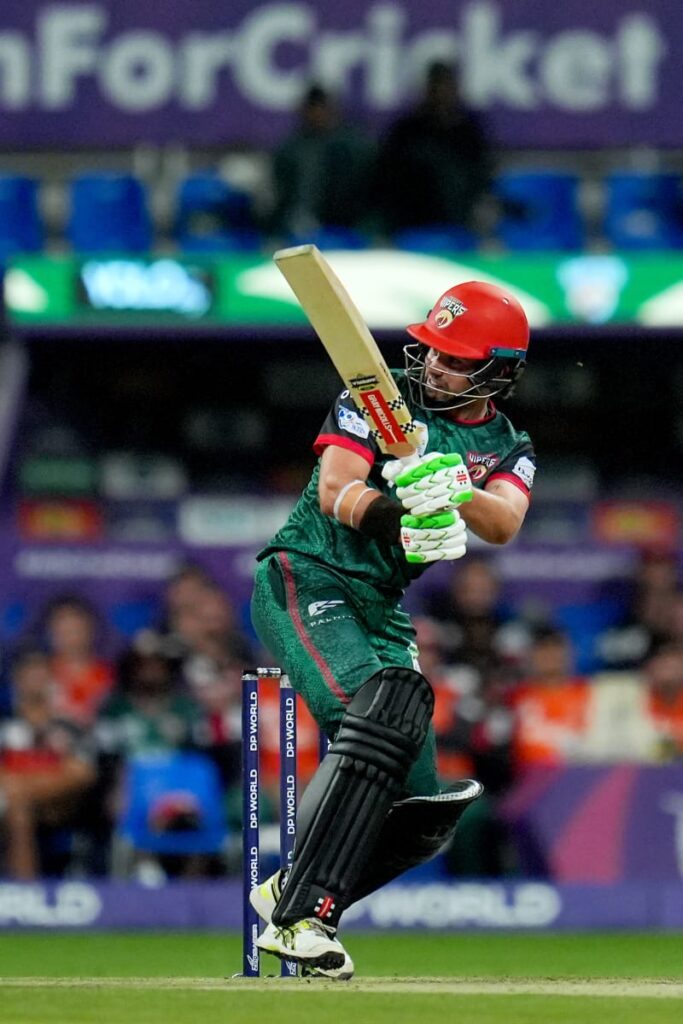
DP World ILT20 Head of Partnerships Ishan Chopra: “We are delighted to welcome a UAE born raffle giant like Big Ticket as an Official Partner of the DP World ILT20. Their legacy of helping dreams come true aligns perfectly with our vision of delivering unforgettable, fan-first experiences across the league. This partnership strengthens our commitment to creating moments of excitement both on and off the field, and we look forward to elevating Season 4 together. With a household name like Big Ticket on board, we are confident of unlocking even more opportunities for fans to engage, celebrate and go All In for Cricket.”
Meanwhile, DP World ILT20 match tickets across all categories are available for the remaining tournament matches. Various spectator stand tickets start at AED 20 and hospitality packages start from AED 325. Fans can also book the new Sixes Lounge experience for AED 395, which includes unlimited food and beverages. Tickets can be purchased by visiting tickets.ilt20.ae or Virgin Megastores.


Anomali to Address the Next Phase of AI-Led Cyber Defense at GISEC 2026

Navigating Growth and Liquidity: The Shift to Predictive Credit Intelligence in the GCC

HONOR BRINGS ITS ALPHA PLAN TO LIFE AT LEAP 2026 WITH THE WORLD’S FIRST ROBOT PHONE AND RENEWED “DARE TO BE” BRAND DIRECTION



-
News11 years ago
SENDQUICK (TALARIAX) INTRODUCES SQOOPE – THE BREAKTHROUGH IN MOBILE MESSAGING
-

 Trending10 months ago
OPPO A6 Pro 5G Review: Reliable Daily Driver
-

 Tech News2 years ago
Denodo Bolsters Executive Team by Hiring Christophe Culine as its Chief Revenue Officer
-
 VAR1 year ago
Microsoft Launches New Surface Copilot+ PCs for Business
-

 Automotive2 years ago
AGMC Launches the RIDDARA RD6 High Performance Fully Electric 4×4 Pickup
-
Tech Interviews2 years ago
Navigating the Cybersecurity Landscape in Hybrid Work Environments
-

 Tech News1 year ago
Nothing Launches flagship Nothing Phone (3) and Headphone (1) in theme with the Iconic Museum of the Future in Dubai
-

 VAR2 years ago
Samsung Galaxy Z Fold6 vs Google Pixel 9 Pro Fold: Clash Of The Folding Phenoms