
 Have a question? +971 56 404 0503





Tech News
DDoS Attacks Skyrocket and Hacktivist Activity Surges Threatening Critical Global Infrastructure According to Netscout’s 1h2024 Threat Intelligence Report


NETSCOUT SYSTEMS recently released findings from its 1H2024 DDoS Threat Intelligence Report, citing a dramatic 43% increase in the number of application-layer attacks and a 30% increase in volumetric attacks, especially in Europe and the Middle East. Attack duration varied with 70% lasting less than 15 minutes. The escalation of attacks involves a range of threat actors, including hacktivists targeting critical infrastructure in the banking and financial services, government, and utilities sectors. These attacks pose significant threats by disrupting vital civilian services in countries that oppose hacktivists’ ideologies. Key industries, already facing frequent and intense multi-vector attacks, experienced a 55% increase over the past four years.
“Hacktivist activities continue to plague global organizations with more sophisticated and coordinated DDoS attacks against multiple targets simultaneously,” stated Richard Hummel, director, threat intelligence, NETSCOUT. “As adversaries use more resilient, take-down-resistant networks, detection and mitigation are more challenging. This report gives network operations teams insights to fine-tune their strategies to stay ahead of these evolving threats.”
Attack Sophistication Strains Networks Worldwide
DDoS attacks continue to evolve, using innovative technologies and approaches to disrupt networks. During the 1H2024, NETSCOUT observed several significant trends, including:
- NoName057(16), a pro-Russia hacktivist group, increased its focus on application-layer attacks, particularly HTTP/S GET and POST floods, leading to a 43% rise compared to 1H2023.
- Bot-infected devices increased by 50% with the emergence of the Zergeca botnet — and the continued evolution of the DDoSia botnet used by NoName057(16) — which uses advanced technologies like DNS over HTTPS (DoH) for command-and-control (C2).
- Distributed botnet C2 infrastructure leveraging bots as control nodes enabling more decentralized and resilient DDoS attack coordination.
These attacks have triggered widespread disruptions, affecting industries on a global scale. Service slowdowns or outages can cripple revenue streams, delay critical operations, hinder productivity, and significantly elevate organizational risks.
Attackers Targeting New Networks
NETSCOUT also found that the emergence of new networks and autonomous system numbers (ASNs) play a pivotal role in increased DDoS activity. Over 75% of newly established networks are involved with DDoS activities, both as targets or abused participants in furthering attacks on others, within the first 42 days of coming online, as adversaries launch attacks using resilient nuisance networks and bulletproof hosting providers. Organizations need to plan for DDoS protection when splitting off a portion of a network to a new ASN rather than assume automatic protections from upstream service providers.
NETSCOUT’s global internet visibility is backed by decades of experience working with the world’s largest service providers and enterprises. It collects, analyzes, prioritizes, and disseminates data on DDoS attacks from 216 countries and territories, 470 vertical industries, and over 14,000 ASNs. Powered by its ATLAS platform, the company gains insights from more than 500 terabits per second (Tbps) of internet peering network traffic.










Tech News
Cambridge Health Group and Heriot-Watt University to advance research and innovation in the GCC
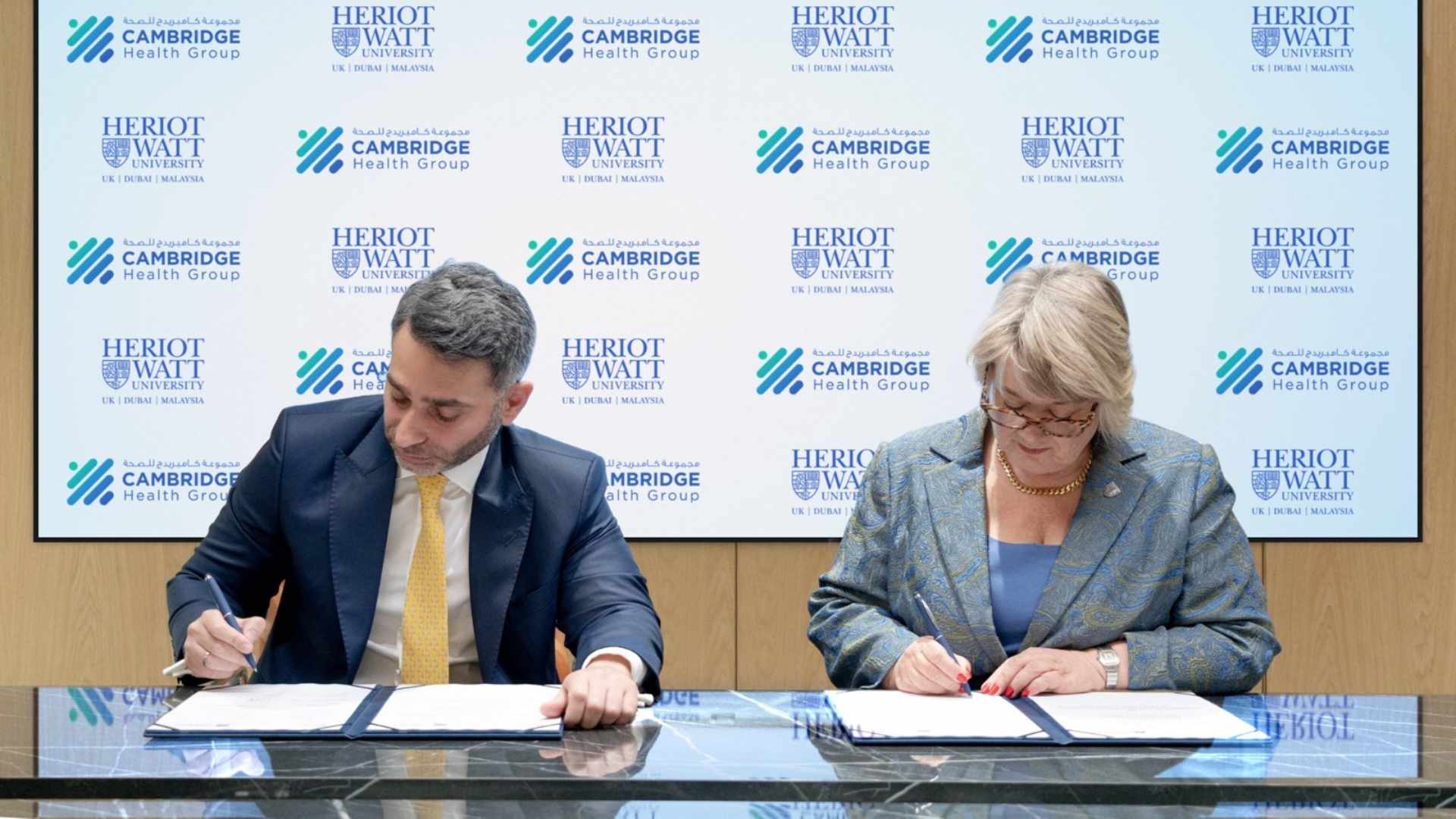
Cambridge Health Group (“CHG an international specialist healthcare group providing post-acute care and a subsidiary of Amanat Holdings PJSC (“Amanat”), has signed a three-year Memorandum of Understanding (MoU) with Heriot-Watt University (“Heriot-Watt”) to advance academic research in rehabilitation, long-term care and specialised care.
The agreement brings together CHG’s clinical expertise in long-term care and post-acute rehabilitation across six facilities in the UAE and Saudi Arabia with Heriot-Watt University’s pioneering research in healthy ageing, rehabilitation robotics and assistive technologies. Through its Global Research Institute in Health and Care Technologies and the National Robotarium, Heriot-Watt combines expertise in engineering, artificial intelligence and behavioural science to address complex challenges in health and care. Heriot-Watt’s global presence spans five campuses across Scotland, Dubai and Malaysia, with plans to establish a further campus in Saudi Arabia.
Together, the organisations will connect research with clinical practice, creating opportunities to develop and evaluate innovations that support rehabilitation, maximise independence and improve quality of life for people with complex, long-term care needs. The partners will also pursue national and international research grants, including collaboration with government and industry partners.
The partnership will also support the development of the region’s specialist healthcare workforce through academic training, executive education and tailored development programmes. These will include postgraduate research supervision, internships, industry placements and mentoring, helping connect academic learning with practical experience.
Professor Dame Heather McGregor, member of Heriot-Watt University’s Executive, said: “Universities have an important role in ensuring that research responds to the needs of society and that its benefits extend beyond academia. Our partnership with Cambridge Health Group brings our researchers closer to the questions and challenges shaping healthcare practice, creating opportunities to translate knowledge into meaningful improvements in care. Through education, professional development and practical experience, we look forward to supporting the skills and expertise the region will need as its healthcare sector continues to evolve. We look forward to doing meaningful work together.”
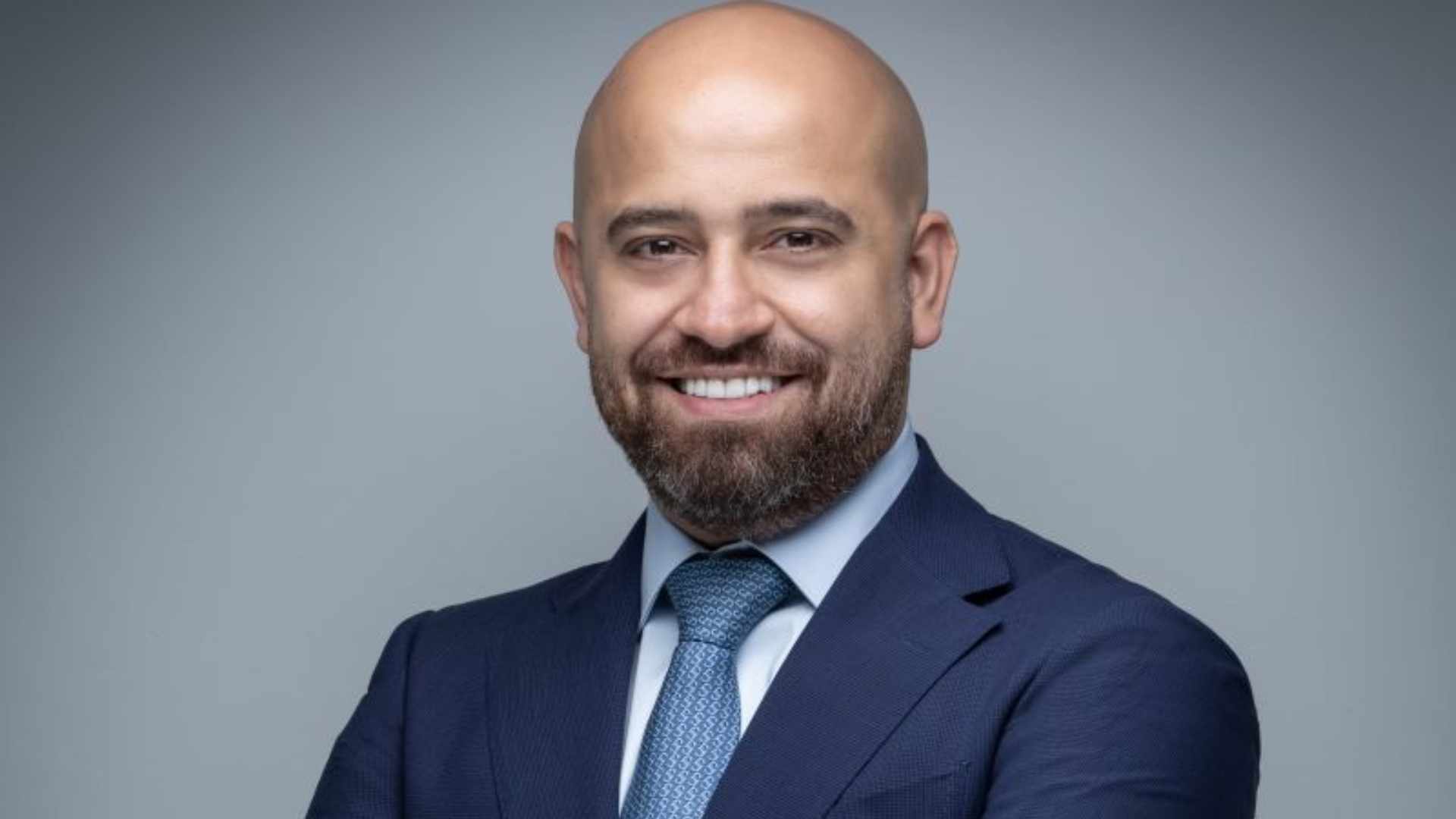
Wael K. Abdallah, Group Chief Executive Officer of Cambridge Health Group, said: “As healthcare systems across the region evolve, advancing specialised care will increasingly depend on our ability to connect research, clinical expertise and real-world healthcare needs. At Cambridge Health Group, we see research and innovation as important enablers of better care outcomes and the continued development of post-acute healthcare across the GCC. Our collaboration with Heriot-Watt creates opportunities to bring academic expertise closer to clinical practice, strengthen the capabilities of our workforce and contribute to the long-term advancement of the sector.”
The partnership represents a step towards translating research into practical advances in specialised care, with the potential to benefit patients, healthcare professionals and the wider sector.

On the back of the biggest buildout in data infrastructure history, VAST Data, the AI Operating System company, today announced that it is at the center of many of the largest deployments in this space. In the first three quarters of the current fiscal year, just 14 of the more than 1,000 companies VAST serves have made more than $10 billion in aggregate commitments for VAST Data software and supporting platform hardware. The scale and breadth of these investments have no known precedent in the history of data infrastructure and signal that VAST is leading the world in this explosive buildout of superintelligent systems.
The VAST AI OS is the platform of choice for leading AI clouds and frontier AI labs to enable scalable AI training and inference. In 2026, the expansion of AI use cases and the realization of the value of superintelligent systems has reinforced the mandate for organizations to build with industrial-grade storage and database infrastructure to support GPUs and AI accelerators.
The progress VAST has made:
- 14 customers have each committed over $100M in VAST Data-powered system build outs
- Four of those 14 customers have each committed over $1B this year
- VAST Data-powered systems now support 9 of the top 10 frontier AI labs
“Growth at this scale only happens when an entire industry is rebuilding at once,” said Renen Hallak, Founder and CEO of VAST Data. “That’s what the new AI stack is. It’s being built for models and agents, not people and applications, and data sits at the center of it. The companies building it at the largest scale, for people, agents and now robots, are choosing VAST to anchor it.”
Supply Aligned Through 2029
The scale of data capacity VAST’s partners are delivering is unprecedented, and is now representing a significant percentage of the overall global NAND flash produced for enterprise data centers. At a time of such extreme supply chain pressure, VAST is also now taking steps to ensure the next phase of superintelligent system buildout. Increased flash supply takes years to bring online due to the investments in NAND fabs.
Because VAST is partnered with so many of the world’s AI builders, VAST has unique visibility into where capacity demand is headed. The company has structured agreements with its supply chain partners to align more than 200 exabytes of flash capacity through 2029. This forward planning supports VAST’s scaling objectives for the next several years, maps to the growth outlook of its largest customers and helps the AI clouds, labs, enterprises and government organizations building on the VAST AI OS plan their infrastructure with confidence.
“Planning for hundreds of exabytes isn’t only about protecting our customers’ growth projections,” said Jeff Denworth, Co-Founder of VAST Data. “It’s about keeping flash available to hundreds of clouds, so that every AI builder, not just the largest, has the capacity it needs to build and compete.”
Cloudera, the only data and AI platform trusted by organisations to bring AI to their data, announced its participation at GITEX Global 2026, the Middle East’s premier technology showcase.
As AI adoption accelerates across the Middle East, businesses must ensure their data is accessible, well governed, and secure to support AI advancements. Organizations who handle sensitive data carefully consider where AI workloads run and how data is managed across their public cloud, private cloud, and on-premises environments.
The UAE’s focus on sovereign AI and a secure digital environment is driven by nationwide digital-first initiatives. The UAE’s cloud computing market is projected to reach $23 billion by 2032, due to numerous government mandates for sovereign cloud adoption across the public sector.
Alongside these mandates, enterprises within the region are adopting similar sovereignty principles. Organizations are looking to transition their AI workloads from public clouds to private or on-premises environments. However, this migration exposes a critical infrastructure challenge as legacy systems often confine valuable information in isolated data silos.
The impact of these silos is evident in Cloudera’s recent Data Readiness Index, which reveals that while 91% of IT leaders across EMEA express confidence in their data, only 26% report that it is fully governed. To dismantle these barriers and bridge the gap between AI and data readiness, Cloudera introduces Cloudera Anywhere Cloud, a modular hybrid platform engineered specifically for the agentic era.
“Our participation at GITEX Global 2026 comes at a time when organisations are looking more closely at how they manage data and deploy AI,” said Ahmad Shakora, Group Vice President, Cloudera Middle East. “Our work with global technology providers and regional partners reflects the different requirements businesses face, from accessing AI models to managing data across hybrid and sovereign environments.”
To further strengthen its regional ecosystem, Cloudera has forged strategic alliances, including Mistral AI, to assist Cloudera with delivering the hybrid data foundation essential for moving enterprise AI into more organisations. Supported by Cloudera’s Anywhere Cloud platform, this new offering by Cloudera helps equip organizations in the Middle East with a secure, localized platform needed to scale advanced AI securely and independently.
Based on stand H15-E40, Hall No. S15, Cloudera will feature live demonstrations showing how enterprises can tackle persistent data governance and architectural challenges to allow organisations to utilise AI securely within their own organisations.


Qatar Airways Unveils Onboard Signature Music Created in Partnership with Award-Winning Composer Hans Zimmer

Laura Hammett Expands to the Middle East with New Studio in Dubai
RAF ABU DHABI ADDS STARZPLAY AS DISTRIBUTION PARTNER ACROSS MENA



-

 Trending1 year ago
OPPO A6 Pro 5G Review: Reliable Daily Driver
-

 Tech News2 years ago
Denodo Bolsters Executive Team by Hiring Christophe Culine as its Chief Revenue Officer
-
 VAR2 years ago
Microsoft Launches New Surface Copilot+ PCs for Business
-

 Automotive2 years ago
AGMC Launches the RIDDARA RD6 High Performance Fully Electric 4×4 Pickup
-

 VAR11 months ago
Huawei Nova 14 Pro Review: Where Camera Excellence Meets Ecosystem Evolution
-
Tech Interviews3 years ago
Navigating the Cybersecurity Landscape in Hybrid Work Environments
-

 Hospitality2 years ago
Gulfood 2025 30th Edition Kicks Off Today, Setting New Benchmarks in F&B Growth and Innovation
-

 Tech News1 year ago
Nothing Launches flagship Nothing Phone (3) and Headphone (1) in theme with the Iconic Museum of the Future in Dubai