
 Have a question? +971 56 404 0503




Editorial
Celebrating UAE National Day: A Legacy of Leadership and Technological Innovation


The UAE’s 53rd National Day is a testament to the nation’s vision, resilience, and remarkable transformation. Over five decades, the UAE has emerged as a global leader, blending innovation with unity to build a prosperous, forward-thinking society. This milestone not only reflects on the achievements of the past but also highlights the path the nation is charting for a technology-driven future.
By Srijith K N
Visionary Leadership Driving Excellence
At the heart of the UAE’s success is its unwavering commitment to progress and excellence. Louise Bou Rached, Sales Director, MENAT at Milestone Systems, reflects, “The UAE’s National Day is a celebration of visionary leadership and a commitment to progress that has propelled the nation to global prominence. The UAE’s dedication to excellence in everything it does continues to inspire the tech industry and others, setting a benchmark for what’s possible with ambition and unity.”
Ziad Nasr, General Manager at Acronis Middle East, echoes this sentiment, emphasizing the balance between growth and security. “The UAE has long celebrated the contributions of individuals and organizations from all sectors, recognizing the collective effort that has shaped the nation’s socio-cultural fabric. The country’s unwavering commitment to both growth and both physical and digital security has fostered an environment where digital transformation can thrive safely and sustainably. It’s no surprise that the UAE ranks among the world’s most forward-thinking nations, balancing the pursuit of innovation with a foundation of trust and resilience.”
Innovation Powering a Data-Driven Future
The UAE has positioned itself as a global beacon of innovation by embracing cutting-edge technologies like AI and hybrid cloud to drive growth. Karim Azar, Regional VP of Middle East and Turkey at Cloudera, observes, “On the UAE’s National Day, we celebrate 53 years of a nation built on the principles of diversity, tolerance, and safety with visionary leadership that has transformed the UAE into a global beacon of progress. The nation’s commitment to fostering innovation is evident in its embrace of cutting-edge technologies like AI and hybrid cloud, where data is central to driving secure, sustainable growth across sectors.”
This strategic focus on technology not only strengthens the economy but also ensures resilience and adaptability in an increasingly digital world.
Retail Technology and Economic Diversification
The UAE’s investment in retail technology showcases its commitment to economic diversification and customer-centric innovation. Andreas Hassellöf, CEO of Ombori, explains, “The UAE’s vision of becoming a global leader in smart city technologies and digital transformation is propelling businesses toward adopting cutting-edge solutions that enhance both customer experience and operational efficiency. Technologies like PhyGrid are helping businesses optimize in-store experiences and streamline operations, connecting physical stores to real-time data insights that enable retailers to better understand foot traffic, product interactions, and customer behavior.”
Retail innovation not only fuels economic growth but also enhances the UAE’s position as a global hub for digital commerce. The sector’s potential is vast, as evidenced by the growing smart retail market, which is expected to reach $239.9 billion globally by 2032, driven by technologies that improve personalization and operational efficiency.
A Bright Future for the UAE
As the UAE celebrates its National Day, the nation’s journey of transformation serves as an inspiration for the world. Combining visionary leadership, innovation, and an unwavering commitment to security and progress, the UAE continues to set benchmarks in technology and beyond. This foundation ensures that the UAE remains a leader in shaping a sustainable and prosperous future for its people and the global community.







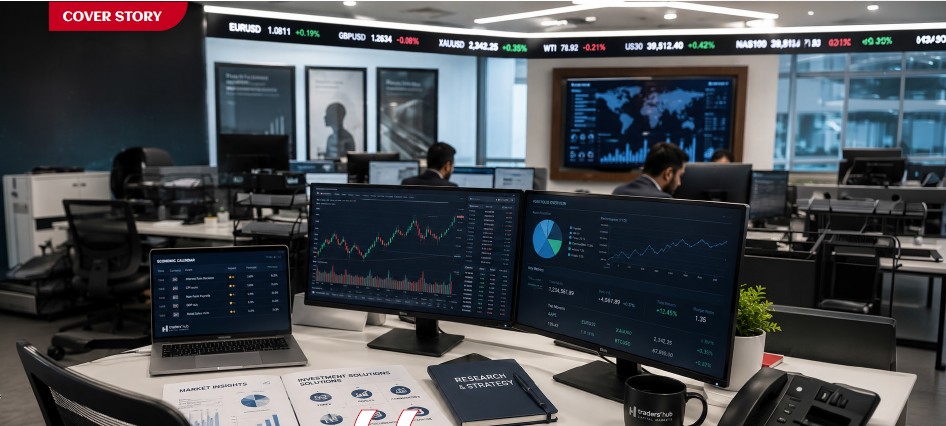
Traders’ Hub’s Michael Barbour on investor trust, technology, and the future of finance in the Gulf.
BY SRIJITH KN FOR FINANCIAL INTEGRATOR
Over the past few years, investor participation across the region has evolved beyond speculative trading activity into something far more structured, technology-driven, and institutionally aligned. Retail traders are becoming increasingly sophisticated, expectations around transparency and execution quality are rising, and financial platforms are under pressure to offer far more than simple market access.
The speculative frenzy that once defined large parts of retail trading is gradually giving way to a more measured investor mindset, shaped largely by regulation, financial awareness, and long-term wealth preservation rather than short-term market excitement.
In this changing landscape, brokerage firms are no longer positioning themselves purely as trading providers. Instead, many are beginning to evolve into broader financial ecosystems, combining infrastructure, education, technology, regulatory credibility, and long-term investment access into a single platform experience.
For UAE-based firms such as Traders’ Hub Capital Markets, this shift represents more than market expansion. It signals a transformation in how the region’s next generation of investors may engage with financial markets altogether.
Founded in 2022 and headquartered in Abu Dhabi, Traders’ Hub has rapidly positioned itself as a locally regulated, technology-enabled brokerage focused on transparency, multi-asset access, and client-centric trading infrastructure.
Today, the company offers access to more than 2,000 instruments across forex, commodities, equities, indices, and cryptocurrencies, while simultaneously preparing for a broader move into wealth management and long-term investment services.
But the story surrounding Traders’ Hub is not simply about growth.
It is also about the wider evolution of the UAE’s financial ecosystem itself.
THE SHIFT IN UAE INVESTOR CULTURE
Across the GCC, financial participation is changing shape.
The rapid rise of digital platforms, increasing financial literacy, regulatory modernization, and mobile-first investing have fundamentally altered how younger investors interact with markets.
In parallel, the UAE has continued strengthening its position as a regional financial hub, attracting capital, fintech innovation, institutional activity, and globally mobile investors seeking regulated access to international markets. This transformation has also created new expectations.
Today’s investors are increasingly prioritising transparency, regulatory protection, execution quality, multi-asset accessibility, and seamless digital experiences.
In many ways, expectations around trading platforms are beginning to resemble expectations traditionally associated with banking and wealth management institutions.
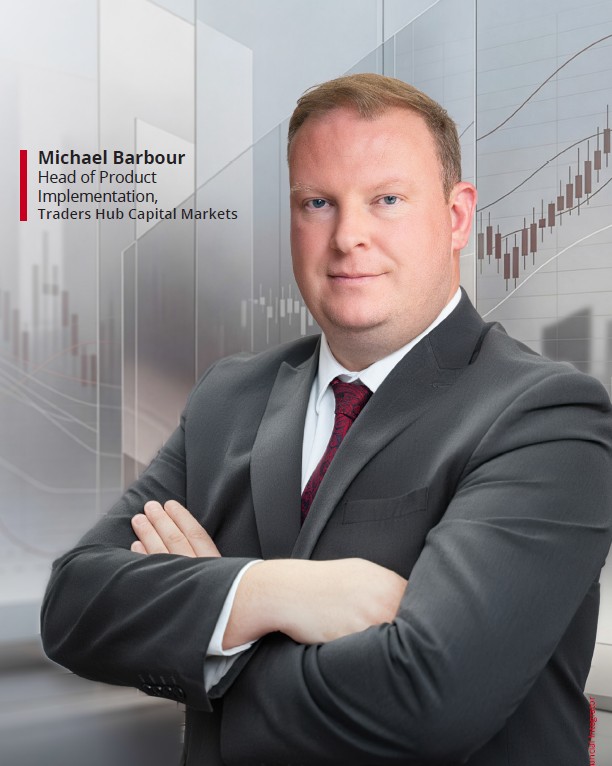
According to Michael Barbour, Head of Product Implementation at Traders’ Hub Capital Markets, these changes reflect a deeper transformation in investor behaviour itself.
“Investors increasingly seek integrated, trustworthy financial ecosystems prioritising long-term value, convenience, and institutional-grade service.”
Over the past five years, the psychological profile of the UAE investor has gradually shifted from short-term speculation toward a far more informed, disciplined, and globally aware mindset. Earlier retail participation was often driven primarily by leverage, speed, and short-term market movements. Today, however, younger investors across the UAE are becoming more research-driven, risk-conscious, and focused on long-term wealth creation rather than impulsive trading behaviour.
Modern traders are also seeking far more than market access alone. Transparency, educational support, analytical tools, platform stability, and institutional credibility are becoming increasingly important components of the investor experience itself.
FROM SCOTLAND TO GULF CAPITAL MARKETS
Long before helping shape the growth trajectory of Traders’ Hub Capital Markets, Michael Barbour’s early ambitions were far removed from financial markets.
Growing up in Stonehaven, a small Scottish town south of Aberdeen, he originally aspired to become a professional footballer, eventually playing semi-professionally before moving into finance.
His early exposure to financial systems came during the 2008 financial crisis while working within the legal and asset management sector in Scotland, assisting major UK banking institutions in managing distressed real estate portfolios during one of the most volatile periods in modern financial history.
That experience, combined with his later move to the Middle East in 2011 and subsequent years at the Dubai Gold and Commodities Exchange (DGCX), helped shape a perspective grounded not only in trading infrastructure, but in how markets behave under pressure, uncertainty, and rapid transformation.
Today, that institutional perspective continues influencing Traders’ Hub’s broader focus on operational credibility, technology infrastructure, and long-term investor engagement across the UAE market.
BUILDING A LOCALLY ROOTED TRADING PLATFORM
One of Traders’ Hub’s strongest positioning advantages lies in its status as a UAE-regulated Category 1 Capital Markets Authority (CMA) licensed broker, one of the highest licensing classifications within the country’s financial ecosystem.
In a market where offshore platforms have historically dominated retail participation, regulatory credibility has become increasingly significant, particularly as investors grow more conscious of operational risk, fund protection, execution transparency, and long-term platform reliability.
Rather than positioning itself through aggressive speculative messaging, Traders’ Hub appears to be building its identity around institutional-grade infrastructure, operational discipline, and client alignment.
Its trading environment is built around a Straight Through Processing (STP) execution model, meaning trades are routed directly to liquidity providers rather than internally warehoused by the broker itself.
In increasingly crowded financial markets, brokerage differentiation is no longer being shaped purely by leverage offerings or execution speed. Investors across the UAE are becoming far more conscious of pricing transparency, liquidity structures, operational credibility, and how trades are ultimately executed, particularly as financial literacy continues maturing across the region.
According to Michael Barbour, many investors still misunderstand how brokerage models differ operationally, particularly around spreads, slippage, pricing structures, and conflicts of interest between market-making and STP environments.
For Barbour, transparency itself is becoming a defining factor in long-term investor confidence.
Modern investors are also becoming more selective around how brokers disclose execution policies, fee structures, liquidity relationships, and client fund protections. In many ways, execution architecture itself is increasingly becoming part of the trust equation.
For regulated regional firms such as Traders’ Hub, this shift may ultimately represent a broader advantage. As investor sophistication continues evolving across the UAE, operational credibility and institutional transparency are beginning to matter as much as platform functionality itself.
FROM BROKERAGE TO FINANCIAL ECOSYSTEM
The transition from Traders’ Hub Currency Brokerage to Traders’ Hub Capital Markets reflects more than a naming evolution. It signals a broader ambition to position the company as a longer-term financial institution within the UAE’s evolving investment ecosystem.
Globally, the distinction between trading platforms, investment platforms, and wealth management ecosystems is beginning to blur. Increasingly, investors no longer want fragmented financial experiences spread across multiple platforms. Instead, they are seeking connected environments capable of combining active trading, long-term investing, financial planning, analytics, and educational support within a single ecosystem.
For Traders’ Hub, this transition also reflects an effort to solve a longstanding regional friction point: the difficulty many UAE investors face when moving between active trading and structured long-term wealth accumulation.
“The modern investor no longer wants isolated trading access. They want a complete financial environment,” says Barbour.
The company’s planned expansion into wealth management and broader investment services reflects a wider regional shift toward more integrated financial participation models.
TECHNOLOGY, AI, AND THE NEXT INVESTOR EXPERIENCE
As trading platforms become increasingly automated and algorithmically assisted, the financial industry is also confronting a deeper question: how much of investing should remain human?
Technology is rapidly becoming the defining layer of modern financial platforms, from AI-assisted analytics and mobile-first investing experiences to increasingly sophisticated execution infrastructure.
But while automation can enhance speed and efficiency, long-term investing still remains deeply shaped by human behaviour itself. Markets continue being influenced by fear, overconfidence, emotional reaction, and risk perception, factors technology alone cannot fully eliminate.
One potential differentiator for firms such as Traders’ Hub may therefore lie in how effectively they balance algorithmic intelligence with human judgement.
EDUCATION, TRUST, AND LONG-TERM ENGAGEMENT
As trading participation expands across the GCC, financial platforms are increasingly carrying responsibilities extending far beyond market access alone.
While digital platforms have lowered barriers into global financial markets, they have also intensified conversations around behavioural investing, financial literacy, emotional discipline, and long-term risk awareness.
Increasingly, sustainable platform growth may depend not only on user acquisition, but on trust, transparency, and investor education itself.
In the GCC particularly, where retail participation continues expanding rapidly, financial firms are beginning to recognise their role in shaping long-term investor behaviour and financial understanding.
THE NEXT PHASE OF REGIONAL FINANCE
The UAE’s financial landscape is evolving rapidly.
As regulation strengthens, investor sophistication increases, and technology continues reshaping how capital moves through markets, financial platforms and capital markets institutions are being forced to rethink what they represent within the broader financial ecosystem.
The company’s broader direction, spanning infrastructure investment, wealth management expansion, AI integration, mobile accessibility, and educational initiatives, reflects a wider regional transition toward more mature, technology-enabled financial participation.
Barbour believes the future of finance will increasingly belong to intelligent platforms capable of combining technology, trust, education, accessibility, and long-term wealth creation into a unified experience.
Whether this next generation of financial platforms ultimately succeeds will depend not only on execution speed or product breadth, but on something far more enduring: trust.
And in an increasingly crowded financial landscape, trust may ultimately become the most valuable asset of all.
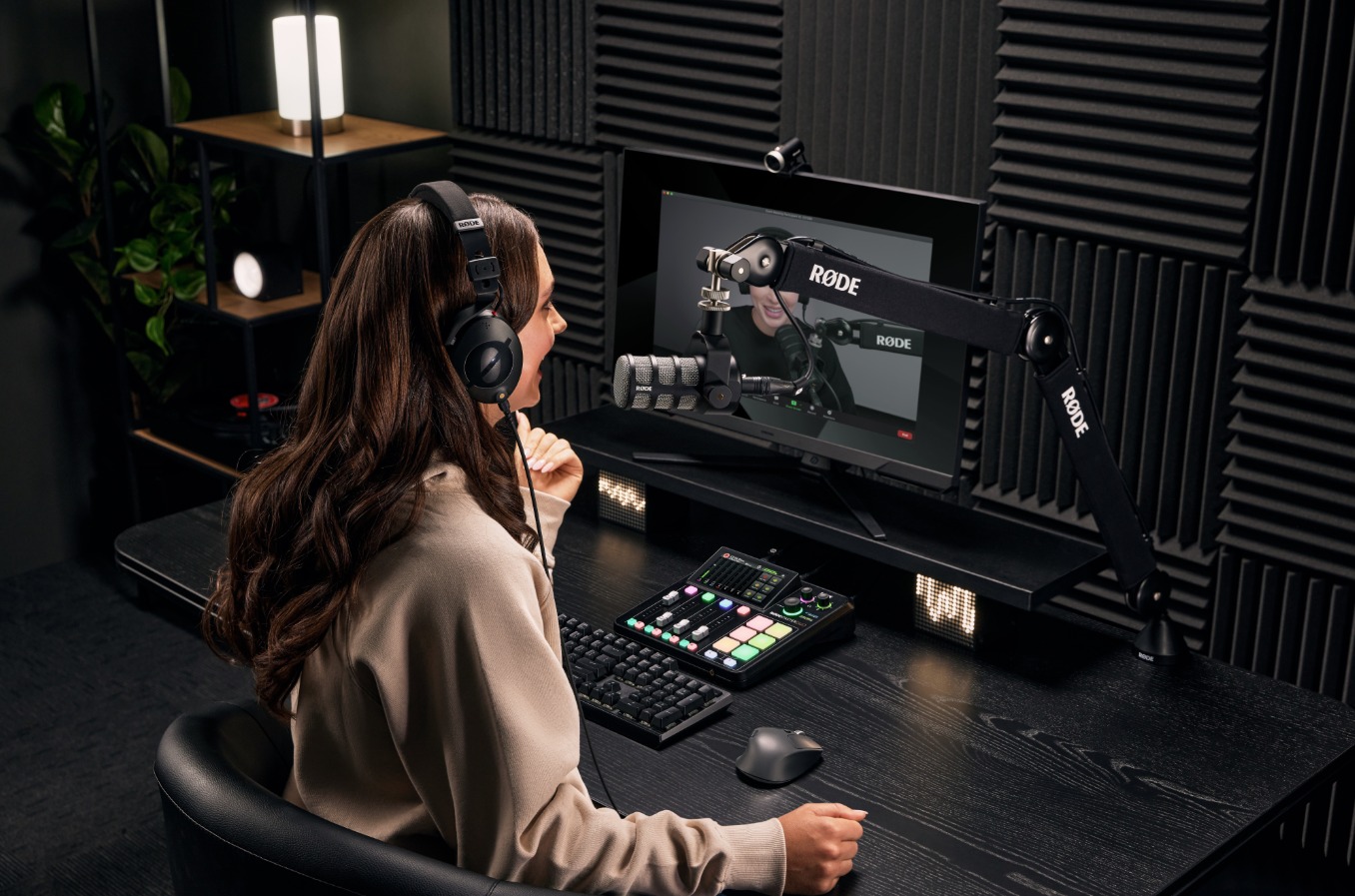
Walk into any modern content setup today, whether it’s a podcast studio, a corporate webinar room, or a hybrid event environment, and you’ll see a familiar pattern, one that reflects how fragmented the content production stack has become.
A microphone connected to an interface.
An interface connected to a laptop.
A laptop running multiple layers of software to mix, switch, stream, and record.
It works, but it’s rarely seamless.
Because the biggest challenge in content creation today isn’t access to tools, it’s understanding how they all fit together.
The Real Problem: Too Many Tools, Too Little Clarity
The rise of podcasting and video content has created a new kind of friction. Users are no longer asking what they can create; they are asking how to make the tools work together.
Recording audio separately, syncing video later, transferring large files to high-end machines, and relying on multiple software layers have become the default workflow. It works, but it is inefficient, expensive, and prone to failure.
The expanding ecosystem of devices, features, and formats has made even basic setup decisions unnecessarily complex.
When it comes to products from RØDE, users & creators already recognize the product’s potential to simply clarify and help elevate the overall workflow experience.
From Tools to Unified Systems
This is where the shift begins to stand out.
What we are seeing is not simply the addition of new features, but the consolidation of functions.
Mixer. Recorder. Audio interface. Video switcher. Stream encoder.
What traditionally required a stack of hardware and software is now being brought into a single console environment.
For creators, that simplifies production.
For enterprises, it changes how content infrastructure is designed.
As this shift gains momentum, it is also being acknowledged at a leadership level.
“Real innovation isn’t about adding more; it’s about removing friction and enhancing workflows.
Kalinda Atkinson,
With the introduction of platforms like the RØDECaster Video, we’re starting to see audio and video unified in one system, unlocking faster, more focused creative output.”
Global Marketing Director, RØDE
Why This Matters Beyond Creators
This shift is not limited to podcasters or streamers. Enterprises are increasingly building in-house content studios, executive communication channels, internal video platforms, and hybrid event capabilities as part of their broader communication strategy.
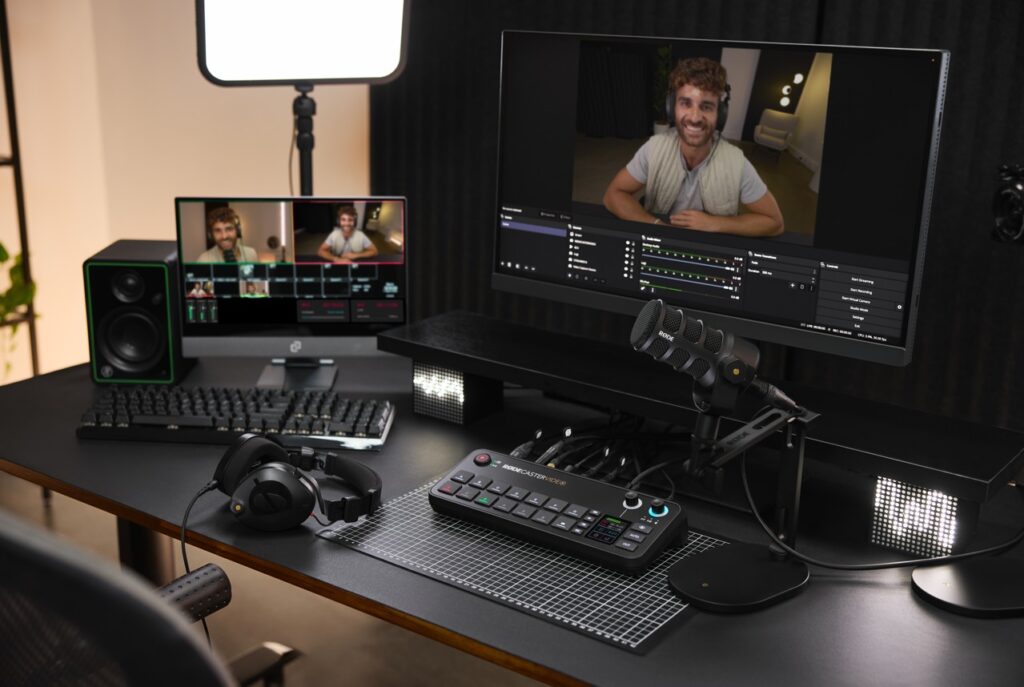
In these environments, complexity quickly becomes a bottleneck. Multiple tools often translate into longer setup times, increased points of failure, and a growing dependency on technical operators to manage what should ideally be straightforward workflows.
A unified system begins to reduce that friction, allowing teams to focus less on managing the process and more on the output itself.
The End of the Laptop-Centric Setup
One of the most significant changes is subtle: the laptop is no longer central.
With recording, streaming, and switching built directly into the console, content can now be produced without relying on external software or intermediary platforms. Audio and video routing happens natively within the system, removing the need to manage multiple layers of tools.
This, in turn, reduces reliance on tools like OBS Studio and lowers the need for high-performance machines in the production chain.
Broadcast Capabilities, Simplified
Features that were once limited to broadcast environments are now being integrated directly into compact systems. Capabilities such as multi-camera switching, ISO recording with separate tracks for each input, audio-based automatic switching between speakers, and network-driven video workflows like NDI are no longer confined to high-end production setups.
For enterprise teams, this translates into professional-grade production without the need for dedicated control rooms or complex broadcast infrastructure.
Modularity Signals Long-Term Thinking
Another important shift lies in how these systems evolve over time.
With expansion options such as adding video capabilities to existing audio consoles, RØDE is enabling a more modular approach to production. Instead of replacing entire systems, users can extend them based on their needs.
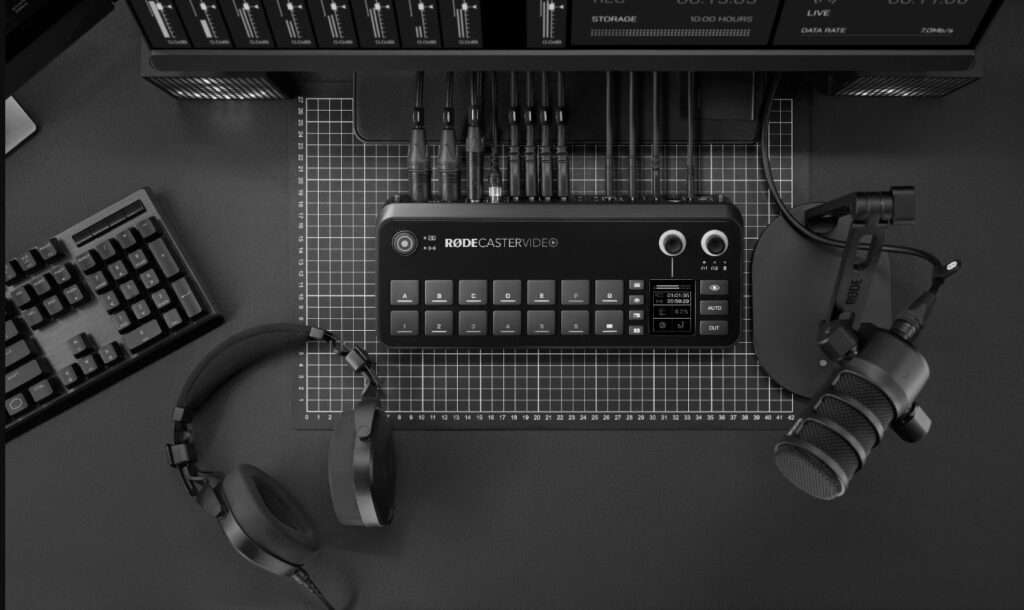
This becomes particularly relevant for organizations that may begin with audio-first content using consoles such as the RØDECaster Duo or RØDECaster Pro II, gradually expanding into video production with consoles such as RØDECaster Video, RØDECaster Video S, or even the RØDECaster Core, and scaling internal media capabilities over time. The result is a more flexible investment model that reduces upfront costs while supporting long-term growth.
A Shift in the Competitive Landscape
On the surface, this still appears to sit within the audio hardware category. In practice, however, it competes with something far broader.
As these systems begin to handle capture, processing, and output within a single environment, they start to overlap with production software ecosystems, video switching platforms, and content workflow tools.
The implication is clear: when orchestration happens within the system itself, the need for external layers begins to diminish.
The Opportunity Ahead
As the layers of complexity fade, creators will have more time for creative storytelling and less time worrying about the setup.
The new products and technology from RØDE not only remove setup barriers, but they also enable creators & enterprises to operate at a full professional standard, accelerating both the creativity and innovation ecosystems.
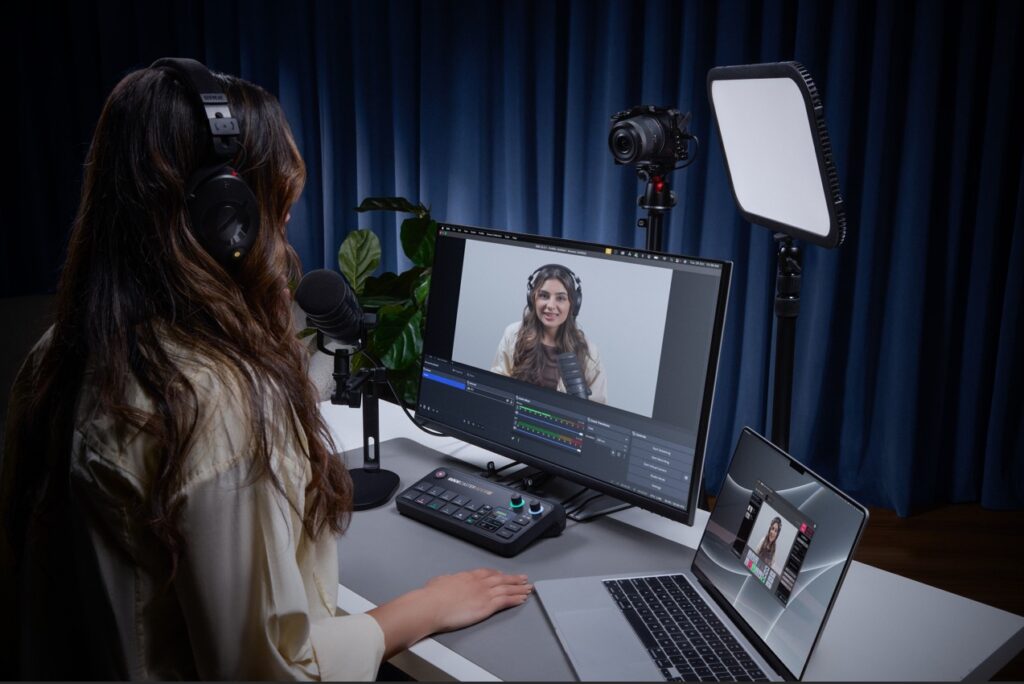
Srijith KN covers enterprise technology, media infrastructure, and digital transformation across the Middle East.
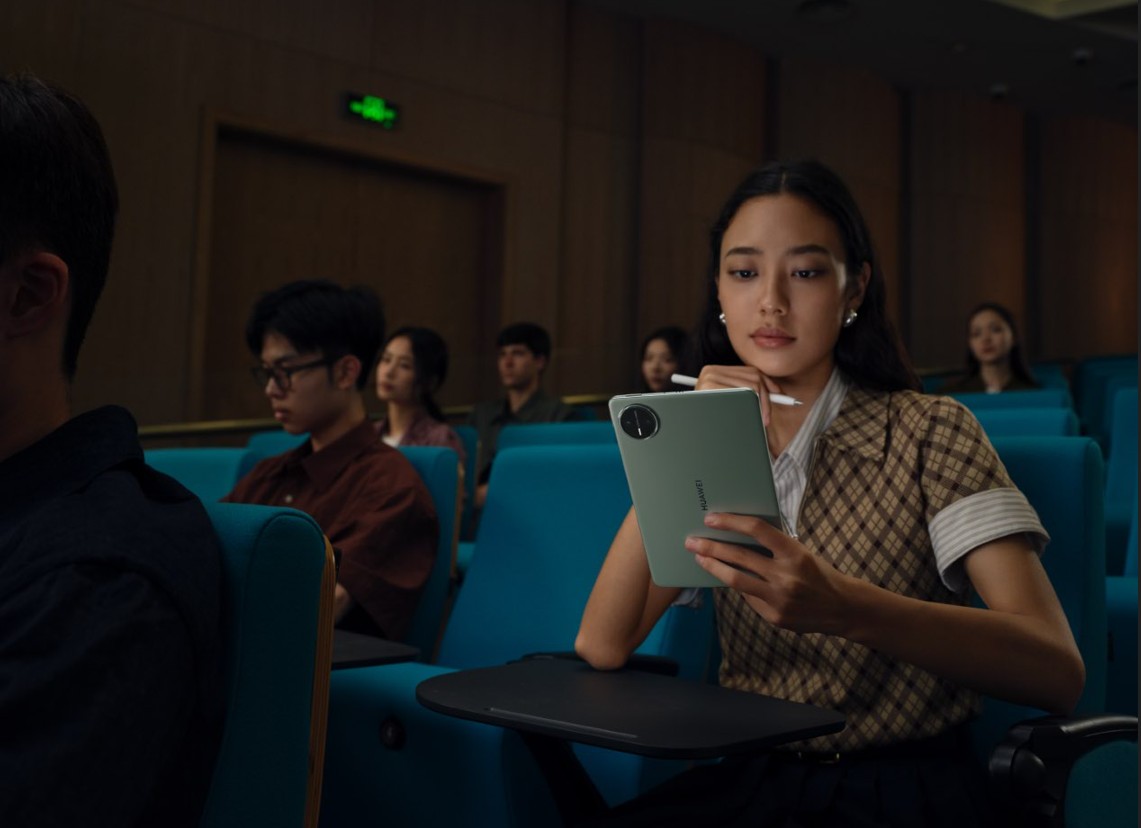
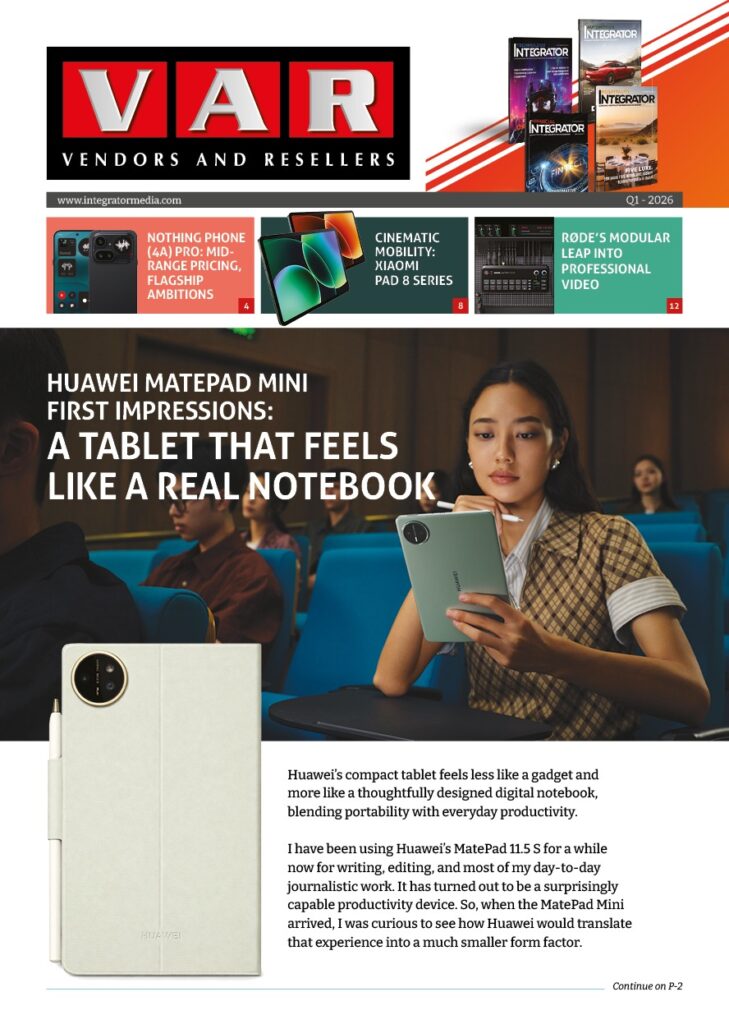
Huawei’s compact tablet feels less like a gadget and more like a thoughtfully designed digital notebook, blending portability with everyday productivity.
I have been using Huawei’s MatePad 11.5 S for a while now for writing, editing, and most of my day-to-day journalistic work. It has turned out to be a surprisingly capable productivity device. So, when the MatePad Mini arrived, I was curious to see how Huawei would translate that experience into a much smaller form factor.
Reviewed By: Srijith KN, Senior Editor, Integrator
Design and Accessories
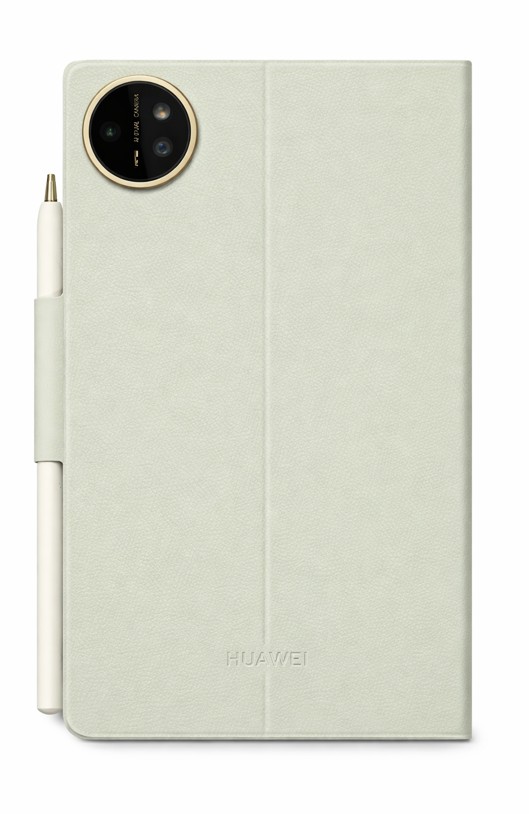
The first thing that stood out during the unboxing was not just the device, its accessories! Huawei has clearly put thought into the overall experience. The tablet ships with well-designed cases, including a transparent option and a diary-style booklet cover.
The diary cover, in particular, immediately felt right to me. It makes the tablet feel less like a gadget and more like a compact notebook you would carry every day. There is a certain familiarity to it, almost like picking up a journal rather than a device.
Huawei also continues to include a charger in the box, and this one comes with a 66W unit, a thoughtful touch at a time when many brands have moved away from bundling one altogether.
Everyday Portability
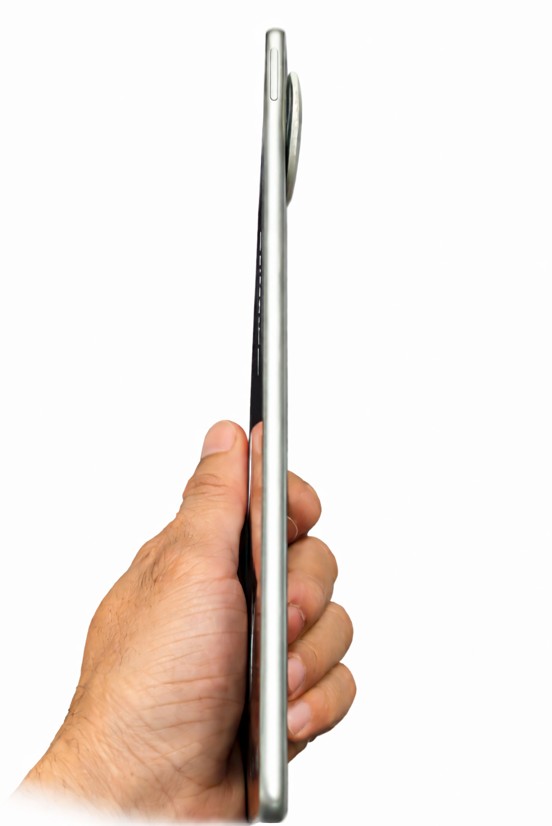
The 8.8 inch tablet immediately feels comfortable in the hand. It is extremely light and compact, measuring just 5.1 mm thick and weighing around 255 grams. That portability is noticeable right away.
In many ways, it feels closer to carrying a paperback than a traditional tablet. I currently use the Nothing Phone 3 as my daily device, and at times even that feels heavier than this. The MatePad Mini, on the other hand, almost disappears in your hands.
Huawei is also using a magnesium alloy body here, which keeps the device light without compromising on rigidity. Given how thin it is, that added structural strength feels reassuring.
A Paper Like Experience That Works
Last night, I found myself reading long articles on it for hours without feeling any strain. That is where the device really begins to make sense.

It genuinely feels like a digital paper booklet, built for reading, note-taking, writing, or quickly catching up on work while on the move. The green variant, in particular, features Huawei’s PaperMatte display, and it is easily one of the most distinctive aspects of this device.
Huawei claims the display reduces up to 99 percent of ambient light interference, and in real-world use, that translates into a noticeably glare-free experience. Even under indoor lighting, reflections are minimal, and the screen remains comfortable to look at for extended periods.
At the same time, it does not compromise on performance. With up to 1800 nits of brightness, a 120Hz refresh rate, and a wide color gamut, the display manages to balance readability with visual richness, something that is not easy to get right in smaller devices.
There is also an eBook mode that shifts the display into a black and white, paper like view, along with other settings designed to reduce eye strain during longer reading sessions. Additional options like eye comfort and sleep mode further support extended use.
Writing and Creativity
I also spent some time using the M Pencil for quick notes, and the experience feels surprisingly close to paper. Coming from the MatePad 11.5 S, Huawei continues to deliver one of the better stylus experiences in this space.
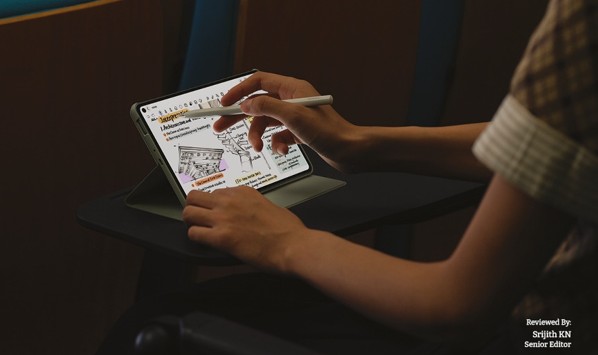
The M Pencil Pro adds more depth to the experience than expected. With different tip options and subtle haptic feedback, writing feels more tactile and intentional, rather than just tapping on glass.
Paired with the updated Huawei Notes app, the experience becomes more refined. Features like handwriting enhancement subtly improve legibility without taking away the personal feel of your writing, making it especially useful for quick notes and longer-form thinking.
Hardware and Performance
The MatePad Mini packs a 6400 mAh battery with support for fast charging, capable of going from zero to full in about an hour. On paper, it looks promising, though I will reserve judgment until I have spent more time with it.
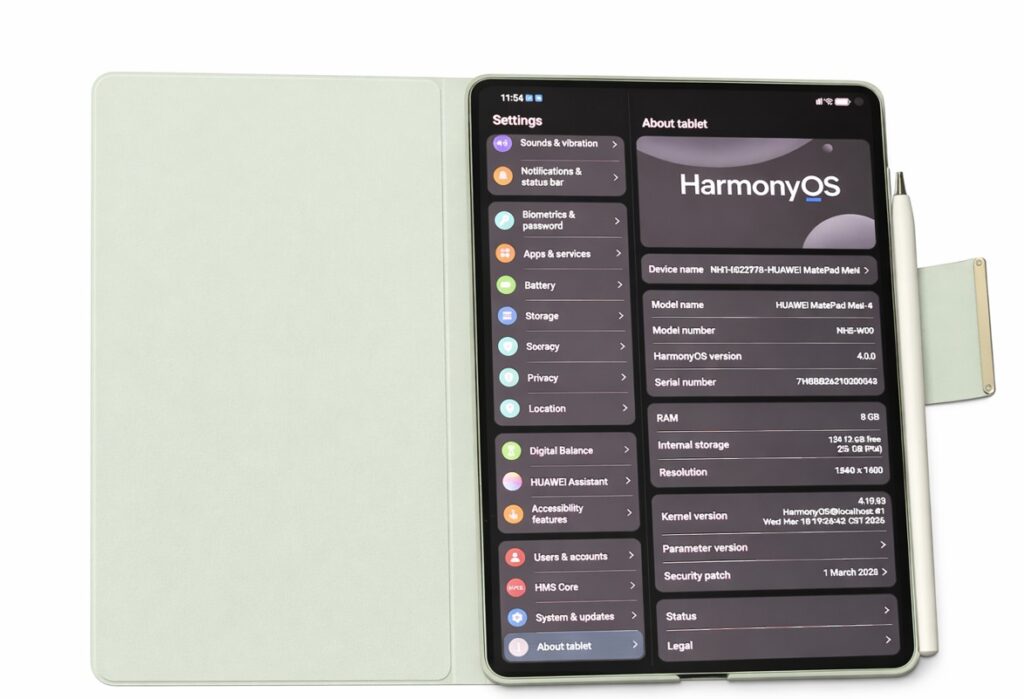
On the hardware side, it includes a 50MP rear camera and a 32MP front camera, along with stereo speakers, Wi-Fi 7, USB-C 3.0, and a fingerprint sensor, something I wish Huawei had included on the MatePad 11.5 S as well.
Editor’s Perspective
Whenever I am seen using a Huawei device, the first question that comes up from people around me is usually about the ecosystem, particularly about Google services.
I too had similar concerns earlier, but having used Huawei devices for a while now, the experience has been smoother than expected. HarmonyOS feels clean and fluid, and tools like GBox make it possible to access most essential apps. Even for someone deeply tied to Google services, it has been more manageable than I initially thought.
What becomes clearer over time is that this is not just a smaller tablet. It sits somewhere between an eBook reader and a productivity device, built for focused, everyday use.
The MatePad Mini does not feel like Huawei shrinking a tablet. It feels like a refinement of how a compact device should actually be used. Its notebook-like form, paper-inspired display, and practical accessories make it easy to carry, pick up, and use throughout the day.
It is still early days, but the first impressions are strong. In a crowded tablet market, this feels like one of the more purposeful and interesting form-factor than the other compacts that we have seen in a while.


THE AI REVOLUTION AND A FUTURE OF FAIRNESS

World Chocolate Day: Celebrating Chocolate Through Wellness, Balance and Meaningful Indulgence

THE REALITY OF AI DEPLOYMENT ACROSS THE WORKFORCE IN THE REGION


-
News11 years ago
SENDQUICK (TALARIAX) INTRODUCES SQOOPE – THE BREAKTHROUGH IN MOBILE MESSAGING
-

 Trending8 months ago
OPPO A6 Pro 5G Review: Reliable Daily Driver
-

 Tech News2 years ago
Denodo Bolsters Executive Team by Hiring Christophe Culine as its Chief Revenue Officer
-
 VAR1 year ago
Microsoft Launches New Surface Copilot+ PCs for Business
-

 Automotive2 years ago
AGMC Launches the RIDDARA RD6 High Performance Fully Electric 4×4 Pickup
-
Tech Interviews2 years ago
Navigating the Cybersecurity Landscape in Hybrid Work Environments
-

 Tech News12 months ago
Nothing Launches flagship Nothing Phone (3) and Headphone (1) in theme with the Iconic Museum of the Future in Dubai
-

 VAR2 years ago
Samsung Galaxy Z Fold6 vs Google Pixel 9 Pro Fold: Clash Of The Folding Phenoms