
 Have a question? +971 56 404 0503




Home Feature
Creating A Lasting Impression! Designing Spaces for Unforgettable Moments


By Ibrahim Kanawati, Interior Designer, Crate & Barrel
Home is more than just a space—it’s a feeling. It’s the warmth of familiar surroundings, the comfort of thoughtful design, and the memories made in the spaces we share. As we approach Ramadan, a time deeply rooted in gathering, reflection, and tradition, the home takes on an even greater significance. It becomes a place where families break fast together, where guests are welcomed with generosity, and where moments of connection are created.
At Crate & Barrel, we believe that thoughtful design is the foundation of a home that truly resonates with its inhabitants. It’s about curating a space that feels both functional and inspiring, balancing tradition with modern living. From elegant dining settings to versatile furniture, the right design choices can transform a house into a home—especially during a season as meaningful as Ramadan.
The Shift Towards Personalized & Intentional Design
The home industry is seeing a fundamental shift—a move away from generic interiors towards personalized, meaningful spaces. Today’s homeowners are curators, not just consumers, seeking pieces that tell a story and resonate with their way of life.
This is especially true in the Middle East, where hospitality and cultural traditions shape home design. Interiors are no longer about trends alone; they are about functionality, heritage, and a sense of belonging. Dining spaces are designed not just for meals but for shared experiences, living rooms evolve into places for storytelling, and outdoor areas become extensions of the home where families gather late into the night.
Ramadan highlights these shifts beautifully. As we prepare to welcome guests, there is a renewed focus on elevating dining areas, layering textures for warmth, and creating inviting atmospheres through lighting and décor. Crate & Barrel’s Marin Gold Dinnerware Collection, for example, blends classic elegance with modern sensibilities, making it a perfect choice for iftar gatherings where tradition meets contemporary design.
Blending Aesthetics with Purpose
Designing a home that resonates requires balance—between form and function, style and comfort, tradition and modernity. The most timeless spaces are those that adapt to different moods and occasions, from casual everyday living to the elegance of formal gatherings.
The rise of multifunctional furniture reflects this. Homeowners are investing in expandable dining tables, modular seating, and versatile storage solutions that effortlessly shift between intimate family dinners and larger celebrations. Crate & Barrel’s Andorra Extendable Dining Table, for instance, offers flexibility while maintaining a sophisticated aesthetic, making it an essential piece for those who love to entertain.
Textural layering also plays a key role in shaping the feel of a space. Soft, organic fabrics—such as linen and cotton—create a sense of warmth, while handcrafted ceramics and glassware add depth and dimension to the dining experience. Thoughtful accessories like Crate & Barrel’s Nora Plexi Tray elevate the art of serving Arabic coffee and dates, blending heritage with contemporary sophistication.
Lighting, too, has become a powerful design tool, transforming the mood of a space. Layered lighting—from statement pendants to the glow of table lamps—adds depth and intimacy, making a home feel inviting, especially during Ramadan’s evening gatherings. Crate & Barrel’s Seletti Moon Lamps, for example, add a soft, celestial glow that enhances the ambiance of any suhoor setting.
The Role of Sustainability in Home Design
Another defining trend is the growing awareness of sustainability in home design. As consumers become more conscious of the materials they bring into their spaces, brands are responding with a stronger emphasis on ethical sourcing, timeless craftsmanship, and eco-conscious materials.
At Crate & Barrel, sustainability is a key pillar of our design philosophy. Many of our collections feature FSC®-certified wood, ensuring that materials are responsibly sourced. The Greenguard Gold Certified furniture in our lineup promotes better indoor air quality, making homes healthier and more sustainable.
This movement isn’t just about sustainability for the planet—it’s also about creating a healthier living environment. Investing in natural fibers, low-emission finishes, and eco-conscious textiles allows homeowners to design spaces that are not only stylish but also mindful of their long-term impact.
The Future of Inspired Living
As design continues to evolve, one thing remains constant: the need for homes that feel deeply personal and reflective of their inhabitants. The future of interiors isn’t about following fleeting trends—it’s about creating spaces that inspire connection, well-being, and a true sense of home.










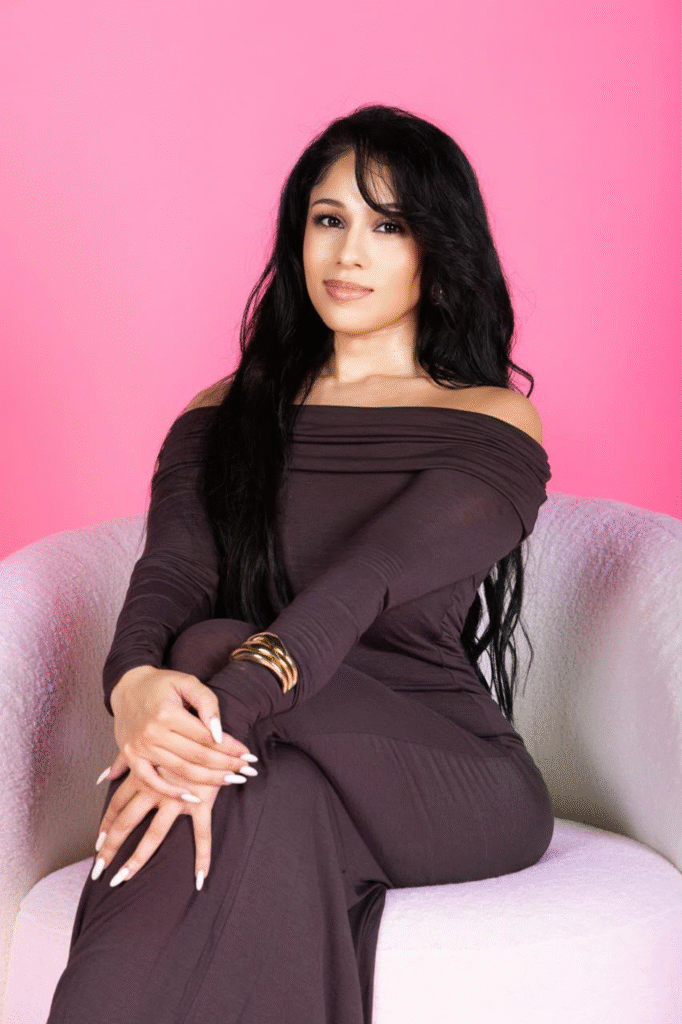
Kirsten Jenna Michaels, Founder & CEO of FEMPOWERMENT, on turning life experiences into purpose and creating space for women to rise.
ABOUT KIRSTEN – THE EXPERIENCES THAT SHAPED KIRSTEN’S APPROACH TO SUPPORTING WOMEN
Kirsten Jenna Michaels didn’t set out to build another networking group. Founder and CEO of FEMPOWERMENT, a women’s empowerment movement established in 2025 and based in Dubai, Michaels developed the platform around an observation she encountered repeatedly throughout her life: talented, ambitious women weren’t short on ability, but on access.
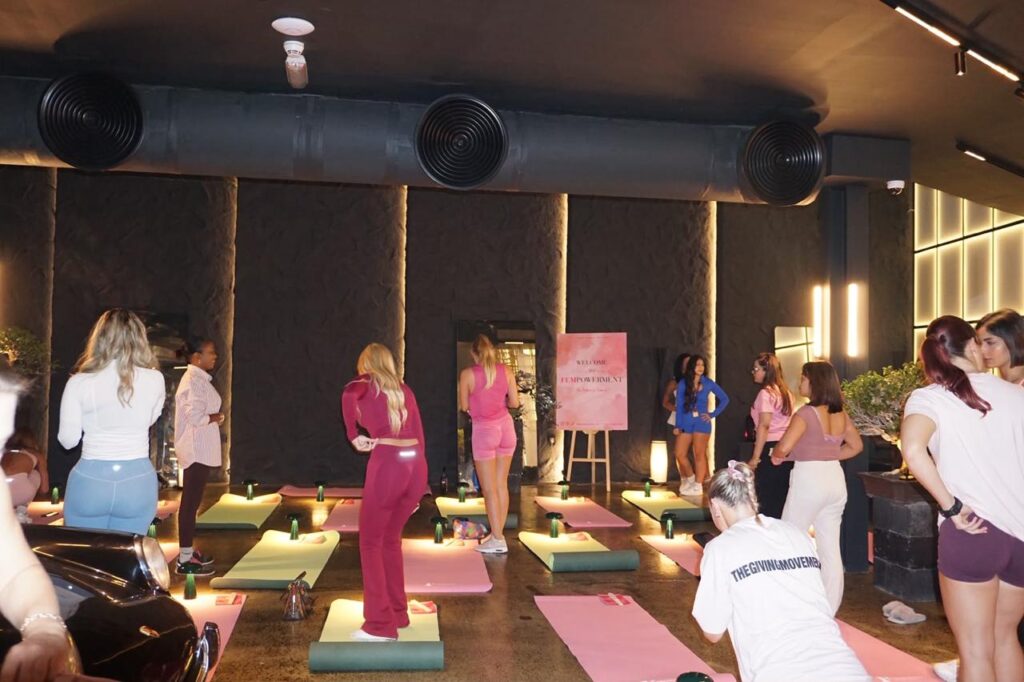
Today, the platform brings together a podcast, monthly seminars, networking events, workshops and certifications, coaching and business support, with its Women’s Business Launchpad and Convention forming part of its wider ecosystem.

HER STORY
For Kirsten Jenna Michaels, the origins of FEMPOWERMENT can be traced back to a question she carried through much of her life: “Why do I have to keep going through this?”
There were periods in her life when she faced circumstances that left her without stability, support or a clear sense of what came next. She describes some of those chapters as experiences that were “designed to break me” — years in which she had to navigate difficult circumstances largely on her own. Looking back, however, Michaels says the deeper impact of surviving difficult experiences was not simply what happened, but what those experiences taught her to expect from life.
“It is not the event. It is what the event teaches you to expect.”
For five years, she describes herself as being effectively removed from society. There was “no circle, no room to walk into, nobody who knew what was happening or who would have said the thing I needed to hear.”
Michaels believes that having a strong group of women around her could have helped her find the confidence to make different choices sooner. Not because they would have rescued her, she says, but because she would have been able to “see what normal looked like and understood that I was allowed to want it.”
What she needed was not simply advice, but an example of another possibility.
“What I needed more than advice was a woman standing on a stage in front of me, telling me I did not have to settle for the life I had been handed.”
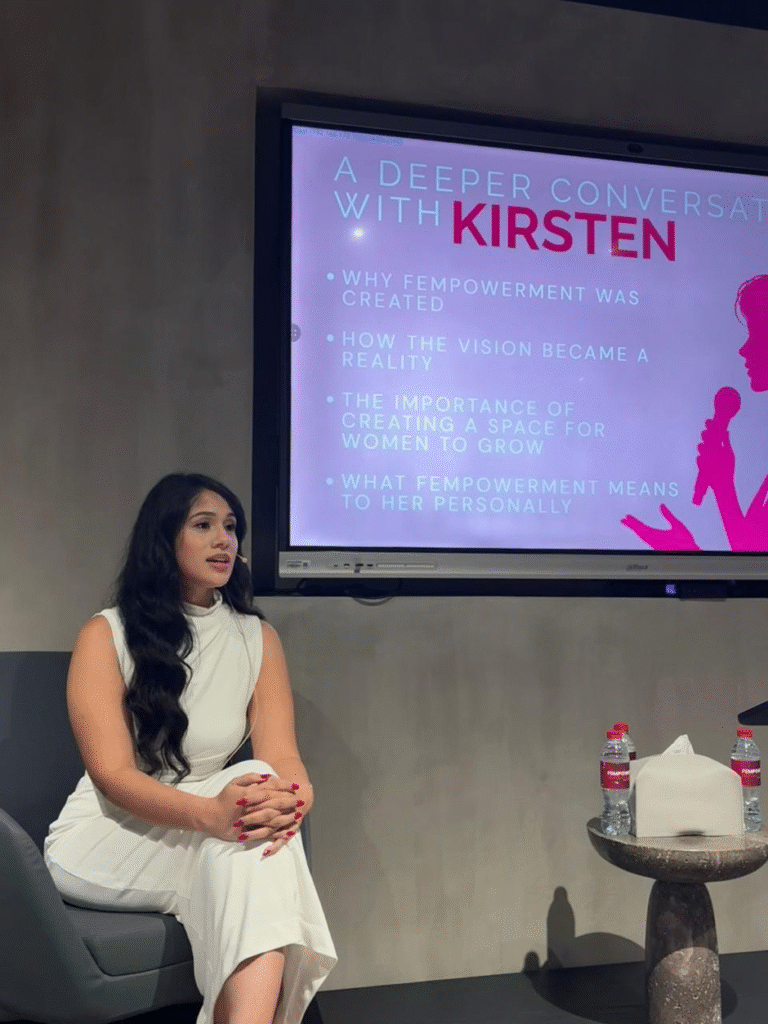
That realisation would later become part of the thinking behind FEMPOWERMENT.
Michaels co-founded FEMPOWERMENT in 2025 with its structures, programmes and mission mapped out, but without funding. The breakthrough came unexpectedly during a job interview.
The man across the table noticed the FEMPOWERMENT logo on Michaels’ notebook, a logo she had designed herself in Canva. He asked what it was. Instead of offering her the role, the investor offered a 50-50 partnership, access to funding and his network.
But for Michaels, the significance went beyond the opportunity itself. It was the experience of having someone believe in the idea before there was proof.
“All it takes is one person to change the trajectory of your entire life.”
That thinking now shapes the platform’s programmes. The Business Launchpad is intended to support women with potential but without the resources to execute on it and is currently listed as “coming soon” by FEMPOWERMENT. Its monthly seminars reflect the woman Michaels once wished she could have seen on stage. Networking events draw from the five years she spent without a support circle, while coaching is designed around the recognition that sometimes what a woman needs is not another curriculum, but “an hour with someone who will tell her the truth.”
ABOUT FEMPOWERMENT
When asked to define FEMPOWERMENT’s core mission, Michaels positions the organisation around creating greater access to opportunities and resources, rather than inspiration alone.
FEMPOWERMENT describes itself as a purpose-driven movement built around community, education and philanthropy, with its work spanning coaching, events, business support, content and networking. Its stated mission is to build a global movement that connects, uplifts and celebrates women of all backgrounds.
Michaels sees FEMPOWERMENT as a platform with ambitions beyond the UAE, built around creating space for women to pursue their potential. As she puts it, “I built FEMPOWERMENT™ for every woman who was told she was too much — you are exactly enough, and this is your space to rise.”
THE FOUNDATIONS AND MOVEMENT BEHIND FEMPOWERMENT
“Empathy, first,” she says. “Knowledge, second,” followed by hope.
For Michaels, these are not abstract principles. They are informed by experience — by understanding what it means to feel unable to leave, what it takes to start again with nothing, and how difficult it can be to believe that circumstances can change until someone who has lived through them shows you that they can.
It is this understanding of what women need, rather than simply what they are told they need, that now shapes the work behind FEMPOWERMENT.
Her focus now is clear: to create opportunities for women, help them build success and, ultimately, find peace — something she considers “by far the harder of the two.” Looking back at the experiences she once believed were meant to break her, Michaels has arrived at an answer to the question she carried for so long.
“Everything that happened to me was meant to break me. It built this instead.” FEMPOWERMENT describes itself as a purpose-driven movement connecting, uplifting and celebrating women of all backgrounds, with the aim of helping women reclaim their voices, build their futures and rise together.
Today, her focus is on creating opportunities for women, helping them build success and helping them find peace — “which, in my experience, is by far the harder of the two.”
THE IMPACT OF BEING SEEN AND HEARD
Beyond the founder, mentor and CEO, the people around Kirsten describe a woman who makes others feel seen, supported and capable of more.
“Kirsten isn’t just a CEO; she has become a very dear friend to me. She came into my life at a time when I really needed someone genuine, caring, and supportive, and I feel incredibly grateful that our paths crossed.
She is one of the hardest-working people I’ve ever met and will always go above and beyond for the people around her, often putting everyone else before herself. Professionally, she constantly pushes me to do better, step outside my comfort zone, and believe in what I’m capable of, while always making sure I know that she has my back. She supports me in every way she can and genuinely wants to see the people around her succeed.
But what makes Kirsten so special to me is that our relationship goes beyond work. She has become someone I can trust, laugh with, learn from, and genuinely call a friend. She has this incredible energy that lights up every room she walks into, and her warmth makes people feel comfortable and valued almost instantly.
I’m so grateful to have Kirsten in my life, both as my boss and, more importantly, as a friend. She has had such a positive impact on me, and I honestly couldn’t ask for a better person to work alongside and have in my corner.”
— Rachel Cawley, head of brand and community
“Working with Kirsten has been such a valuable experience for me. As my boss, she has pushed me to think bigger, be more confident, and take ownership of my work. I genuinely respect her not just for what she has achieved, but for the way she carries herself and the impact she has on the people around her. I’m grateful that I got to work closely with her and that I can take so much from the experience, both professionally and personally.”
— Ayesha Ahmad
“At first, I was honestly a little intimidated by her, but once you get to know Kirsten, you realise just how bubbly, warm, and genuine she really is. She has this incredible way of making everyone around her feel seen, supported, and capable of more than they thought they could be. Having her as my mentor has completely changed the way I look at life, work, and even myself. She has challenged me to step outside my comfort zone, believe in myself, and see possibilities I may not have noticed before. I’m forever grateful to have crossed paths with her and to have someone like Kirsten guiding, inspiring, and believing in me along the way.”
— Ayesha Mustafa
“Honestly, I see Kirsten as someone who has genuinely had a meaningful impact on the person I have become, both personally and professionally.
I’ve always experienced Kirsten as a warm, ambitious, and genuinely kind-hearted person. She has a unique ability to recognise potential in people, sometimes even before they see it in themselves. She challenged me, encouraged me to step outside my comfort zone, and continuously inspired me to grow and become more confident in my abilities.
A significant part of who I am professionally today has been shaped by the opportunities, guidance, and challenges she has given me. Working with her has taught me responsibility, confidence, resilience, and the importance of thinking beyond what feels comfortable and believing in a bigger vision.
What I particularly admire about Kirsten is her passion for what she is building and her commitment to bringing the people around her along on that journey. She sets high standards because she believes in the potential of those she works with, and that has encouraged me to raise my own standards and continuously strive to do better.
I’m genuinely grateful for the experience of working with her. She didn’t simply give me a professional opportunity; she encouraged me to believe in myself, grow into my capabilities, and become a stronger and more confident version of myself.”
— Nilofar Shareef, Operation Manager | FEMPOWERMENT
Home Feature
What Luxury Really Means in 2026 – And Why Exclusivity Is No Longer Defined by Price Alone
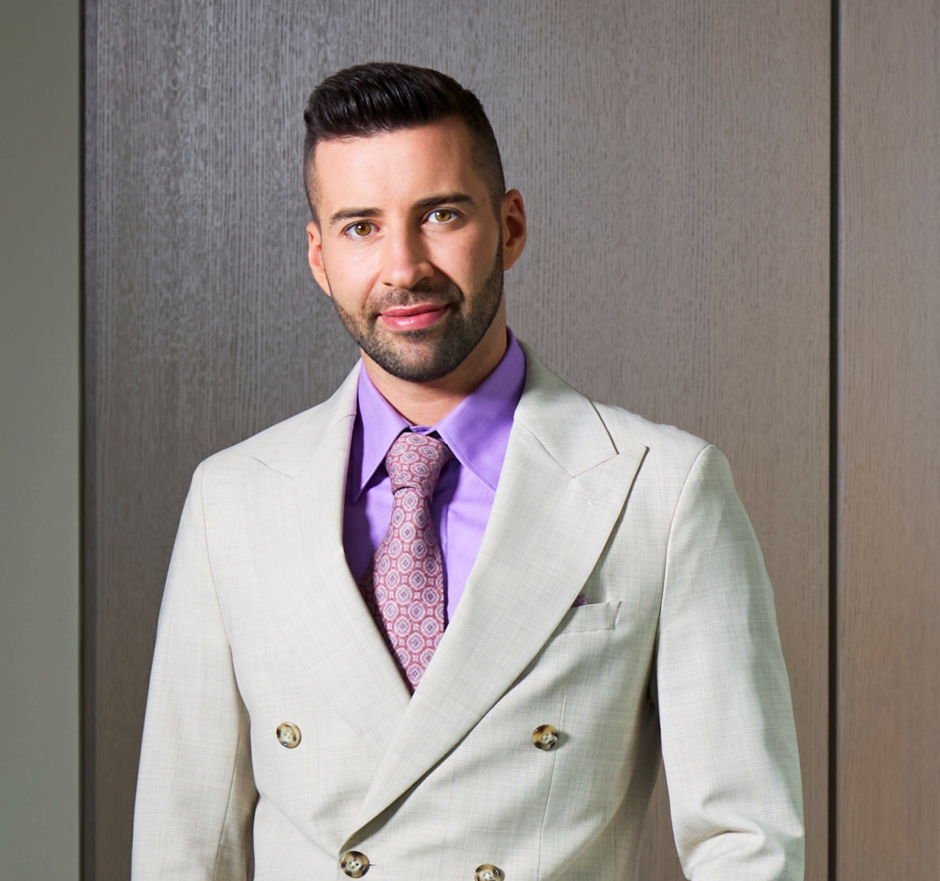
Joshua Oliver – Luxury Advisor & Founder, Joshua Oliver Concierge
For decades, luxury was easy to define. It was the highest price tag, the rarest handbag, the largest home or the most extravagant holiday. Wealth was displayed through possessions, and exclusivity was measured by what something cost.
In 2026, that definition has fundamentally changed.
Working with high-net-worth and ultra-high-net-worth clients around the world, I’ve witnessed a clear shift in purchasing behaviour. The world’s wealthiest individuals are still spending significant amounts of money, but increasingly, price is no longer the deciding factor. Instead, they’re investing in something far more valuable: privacy, time, authenticity, access and individuality.
The new status symbol isn’t simply owning something expensive. It’s owning or experiencing, something that very few people can.
One of the biggest misconceptions about luxury is that it revolves around brands. Heritage houses such as Hermès, Loro Piana and Brunello Cucinelli continue to thrive, but clients are becoming far more selective. They no longer buy products simply because they’re trending on social media or because everyone else is carrying them.
Instead, they’re searching for craftsmanship, personality, collectability and longevity. Luxury is becoming increasingly personal. Clients want pieces that reflect who they are, not what the algorithm tells them to buy. Personal confidence has replaced obvious logos.
This shift extends well beyond fashion.
In travel, clients increasingly prioritise privacy and personalisation over scale. The world’s most famous hotels are no longer necessarily the most desirable. Rather than asking for the hotel everyone else is booking, clients now ask me where they should stay based on their personality, interests and travel style. They would rather discover a remarkable independent property than simply tick off another famous brand.
Technology has accelerated this evolution. Social media has made luxury more accessible than ever before, introducing extraordinary hotels, restaurants and brands to millions of people. While that’s undoubtedly positive, it has also diminished the sense of discovery. When everyone knows where the “best” place is, it inevitably loses some of its exclusivity.
I’ve even made a conscious decision to share fewer ultra-rare Hermès bags and exceptional watches across my own social media channels. Part of what makes these pieces so desirable is their rarity. Constant exposure inevitably erodes that sense of exclusivity. Luxury should still retain an element of mystery.
As a result, affluent consumers are increasingly moving beyond the algorithm. They value trusted recommendations, genuine expertise and personal relationships over viral popularity. They’re looking for people they trust, rather than content with the highest number of views.
This is where the role of a modern concierge has changed dramatically.
Years ago, concierge services were largely transactional. Book a hotel. Reserve a restaurant. Arrange an airport transfer. Today, clients are looking for a trusted advisor, one person who understands their lifestyle, anticipates their preferences and becomes a genuine extension of their daily life.
More importantly, they want someone to save them time.
I often find myself advising clients against the most expensive option. Sometimes the most luxurious hotel isn’t the one charging £5,000 a night, but the boutique property where the General Manager greets guests by name. It isn’t always the beach club with the highest minimum spend, but the quieter one where service is flawless and the atmosphere feels effortlessly relaxed.
Luxury has become less about consumption and far more about discernment.
Perhaps the greatest luxury of all, however, is time.
Time is the one asset that can never be replenished, and affluent individuals increasingly value services that remove friction from their lives. Whether that’s sourcing an impossible-to-find item, planning a seamless itinerary across multiple countries or simply knowing someone trustworthy is handling every detail, convenience has become one of luxury’s most valuable currencies.
Ultimately, luxury in 2026 is becoming more personal than ever before.
It’s no longer about impressing strangers. It’s about improving your own quality of life.
It’s choosing time, privacy, craftsmanship, expertise and individuality.
Price will always have a place within the luxury market, but it is no longer the defining characteristic. The most exclusive things in the world today often cannot simply be purchased. They require trust, expertise, relationships and access.
Perhaps that’s exactly how luxury should be defined: not by what it costs, but by how difficult it is to replicate.
Real estate in the UAE continues to show strong momentum, with recent data from the Dubai Land Department recording AED 4.5 billion in real estate transactions in May 2026. As the market moves into the second half of the year, what sets a development apart is no longer just design or location. Increasingly, it comes down to the digital systems built into a property and how clearly investors can track their assets over time.
According to Amaal, four technology trends are expected to transform how residents live, how developers operate, and how investors engage with property across the UAE in H2 2026.
Real estate tokenisation is widening access to property investment
Property investment models in the UAE are moving toward blockchain-enabled fractional ownership, where high-value real estate is divided into digital units to expand access and improve liquidity. Through tokenisation, investors can participate in luxury and large-scale developments without requiring full asset ownership, creating a more flexible and globally accessible investment structure. This shift is also aligned with the Dubai Land Department’s initiative to digitise up to 7 percent of property transactions, equivalent to approximately $16 billion by 2033. In Dubai, this transition is already being implemented through collaborations such as Amaal’s partnership with IOPn, which is developing tokenised property solutions for residential projects to make investment more accessible to a wider investor base.
Agentic AI is becoming embedded across the property ecosystem
AI in real estate is moving from assistants and chatbots into autonomous systems that execute operational work across leasing, property management, compliance, and investment functions. Realty is structurally complex, with constant coordination between tenants, buyers, brokers, and service providers, making it a strong environment for AI workforce deployment. For instance, in leasing, an ‘AI employee’ qualifies leads, responds to enquiries, schedules viewings, follows up with prospects, and generates contracts. On the investment side, AI systems analyse portfolio performance, forecast rental yields, simulate pricing scenarios, and identify underperforming assets in real time. Industry research, including McKinsey estimates, suggests AI could unlock up to $550 billion in value across the real estate value chain, highlighting the scale of transformation underway.
Digital investor platforms are increasing transparency in off-plan sales
As off-plan developments continue to dominate large segments of the UAE market, developers are placing greater emphasis on financial transparency throughout the ownership journey. Digital investor dashboards are becoming increasingly common across new projects, giving buyers real-time visibility into payment schedules, escrow updates, construction milestones, and ownership documentation. Rather than relying on fragmented communication channels or static instalment schedules, investors increasingly expect a centralised platform where they can monitor project progress and manage multiple investments in one place. This shift is helping strengthen confidence in off-plan purchasing while reducing administrative friction for both developers and buyers.
Real-time air quality monitoring is entering residential buildings
Indoor air quality has become a growing consideration for premium developers as buyer awareness around health and wellness increases. Purification technology has improved significantly, with active systems that break down pollutants at a molecular level rather than simply filtering them, targeting pathogens, allergens, and volatile organic compounds released by interior materials. What is newer is the monitoring layer are sensors embedded in units and common areas that track pollutant levels, humidity and ventilation performance in real time, feeding data into building management systems and resident-facing apps. As lifestyle becomes a bigger part of the buying decision, air quality is a meaningful part of the premium residential offer.


Anomali to Address the Next Phase of AI-Led Cyber Defense at GISEC 2026

Navigating Growth and Liquidity: The Shift to Predictive Credit Intelligence in the GCC

HONOR BRINGS ITS ALPHA PLAN TO LIFE AT LEAP 2026 WITH THE WORLD’S FIRST ROBOT PHONE AND RENEWED “DARE TO BE” BRAND DIRECTION



-
News11 years ago
SENDQUICK (TALARIAX) INTRODUCES SQOOPE – THE BREAKTHROUGH IN MOBILE MESSAGING
-

 Trending10 months ago
OPPO A6 Pro 5G Review: Reliable Daily Driver
-

 Tech News2 years ago
Denodo Bolsters Executive Team by Hiring Christophe Culine as its Chief Revenue Officer
-
 VAR1 year ago
Microsoft Launches New Surface Copilot+ PCs for Business
-

 Automotive2 years ago
AGMC Launches the RIDDARA RD6 High Performance Fully Electric 4×4 Pickup
-
Tech Interviews2 years ago
Navigating the Cybersecurity Landscape in Hybrid Work Environments
-

 Tech News1 year ago
Nothing Launches flagship Nothing Phone (3) and Headphone (1) in theme with the Iconic Museum of the Future in Dubai
-

 VAR2 years ago
Samsung Galaxy Z Fold6 vs Google Pixel 9 Pro Fold: Clash Of The Folding Phenoms