
 Have a question? +971 56 404 0503





Attributed by Nataliia Melnyk, Founder of NKEY Architects
Homes today carry far greater responsibility than they did even a decade ago. The modern residence must support productivity, restoration, creativity, and social life within a single environment. Hybrid work models, constant digital connectivity, and a stronger focus on personal wellbeing have reshaped how people live inside their homes and what they expect from residential architecture. Clients want homes that actively support their lifestyle rather than simply accommodate it. A well-designed environment influences attention span, emotional balance, and even decision-making. Homes that lack structure often create subtle tension and distraction, while thoughtfully organised environments help people concentrate, relax, and move through daily routines with greater clarity.

This shift supports the broader global architecture services market, which is projected to exceed $605 billion by 2033. Designing such environments requires a deeper understanding of how spatial planning, materials, lighting, acoustics, and technology interact to shape everyday experience.
When these elements are carefully integrated, the home evolves from a collection of rooms into a lifestyle ecosystem that supports how people work, rest, and connect.
Designing for Human Experience
Home architecture shapes daily lives in subtle but powerful ways. Traditional spatial philosophies such as Feng Shui have long recognised the emotional influence of the built environment. Through elements such as sound, light, texture, and atmosphere, home spaces influence how people perceive and respond to their surroundings.
Residential space also functions as a behavioural environment. When spatial hierarchy, visual depth, and circulation are carefully considered, the environment naturally guides how people move, focus, and interact within the home. Poorly structured interiors often create cognitive noise, while clear spatial organisation allows the mind to settle and engage more deliberately with everyday activities.
Homes host several activities at once, and each function requires different spatial qualities. Acoustic planning allows them to coexist within a cohesive home. A workspace may sit close to a family living area, used for conversation or entertainment. Materials that absorb sound, such as textured wall finishes, acoustic panels, upholstered furniture, and layered fabrics, help reduce noise transfer. Without proper acoustic control, persistent background noise can increase stress levels and make it harder to focus, according to the World Health Organization.
Lighting also shapes how a home shapes the home experience. Natural daylight regulates circadian rhythms, which influence sleep quality, mood, and productivity. Generous windows, skylights, and reflective surfaces allow daylight to reach deeper into interior spaces. Artificial lighting should support these patterns, with adjustable systems shifting from cooler tones during working hours to warmer ambient light in the evening.
Clear axes, balanced proportions, and defined centres of gravity create a sense of orientation and stability within the interior. When a space offers visual direction and spatial order, it becomes easier for occupants to feel physically grounded in their surroundings. Higher ceilings tend to encourage expansive thinking and creativity, while lower, more intimate spaces support concentration and detail-oriented tasks.
Materials and textures also shape how comfortable a home feels. Natural materials such as wood, stone, clay, and linen create spaces that feel grounded and tactile. Their subtle variation adds visual depth that many synthetic finishes lack while strengthening the connection between indoor environments and nature.
Thoughtfully composed colour palettes help the rhythm of life in each zone, especially in luxury projects. Cooler contrasts can stimulate alertness and support focus in workspaces, while deeper, warmer tones often create a sense of comfort, optimism and psychological security in shared spaces.
Spaces for Everyday Living
Many residential projects now approach the home as a lifestyle ecosystem where architecture supports multiple aspects of daily life. As global interest in health continues to grow, the wellness economy is projected to reach $8.5 trillion by 2027. In residential design, this translates into spaces such as meditation rooms, home gyms, spa-style bathrooms, and quiet reading areas. Natural ventilation, calming colour palettes, and visual connections to greenery further enhance these environments.
Spatial zoning can also influence household relationships. When homes provide areas for both shared activity and individual retreat, they reduce friction that can arise from constant proximity. Clearly defined personal territories and well-organised communal spaces support healthier interaction and allow different members of the household to maintain their own routines. Acoustic separation, ergonomic layouts, and visual calmness help support this.
When layouts are overly complex or visually disorienting, occupants often experience subtle stress responses such as irritation or avoidance of certain areas. Logical spatial organisation helps reduce this cognitive strain by allowing residents to move through the home effortlessly.
Open kitchens, entertainment rooms, and outdoor terraces provide spaces for interaction and relaxation. Outdoor living areas are particularly valuable because they extend the home’s usable space while strengthening the connection to nature. Gardens, shaded patios, and terraces offer informal settings for gathering and social activity.
When wellness, work, and leisure zones are thoughtfully integrated, the home becomes a dynamic environment that adapts to different rhythms throughout the day.
Adaptive Home Technology
Smart home automation is also shaping how interiors respond to everyday life. Lighting, temperature, and ventilation can now adjust automatically throughout the day, creating comfortable environments without constant manual control.
These systems can connect to AI assistants that act as a central interface for the home. With a simple voice command, residents can dim lights, adjust the home climate, or activate evening settings across multiple rooms. Over time, many systems learn household routines and preferences, with lighting, music, and temperature adapting automatically to daily patterns. When integrated thoughtfully, the technology remains discreet. Instead of dominating the space, automation works quietly in the background, helping the home feel more intuitive, responsive, and comfortable to live in.
Four Ways to Create a Calm, Functional Home
Research shows that homes with thoughtful spatial balance support personal discipline and long-term goals. When environments reinforce productive habits and healthy rest, they become anchors for personal development.
Daylight should be allowed to move freely through the interior, which can be achieved through generous glazing, skylights, and surfaces that reflect light deeper into the space. Interiors also benefit from clear circulation and visual order, where furniture and layout allow people to move through the space easily. Surfaces with natural character, such as timber, stone, or woven textiles, introduce warmth and sensory richness, making spaces feel more inviting. It is also helpful to establish subtle boundaries between areas dedicated to focused work and those intended for rest or social interaction. Even modest spatial cues can help the home shift smoothly between different moments of daily life.
The modern home has evolved into an environment that supports many dimensions of daily life. For architects, the challenge is to design homes that function as complete ecosystems. When architecture engages both functionality and the human senses, the home becomes a place that actively enhances the way people live.
Hospitality
STAY 301 METRES ABOVE THE SKYLINE THIS EID: ADDRESS BEACH RESORT DUBAI UNVEILS A COLLECTION OF SKY-HIGH STAYCATIONS

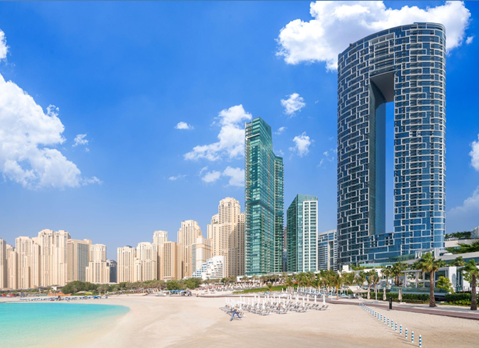
As Eid Al Fitr approaches, a time for celebration, togetherness and well-deserved moments of relaxation, Address Beach Resort Dubai is introducing a collection of exclusive staycation experiences designed for those looking to escape the everyday without leaving the city. From relaxed beachfront breaks and adult friendly getaways to stylish midweek retreats, the resort’s curated offers invite guests to celebrate the spirit of Eid with elevated moments, panoramic views and vibrant dining experiences at one of Dubai’s most iconic lifestyle destinations.
While ideal for celebrating the Eid holiday, the limited-time offers are available throughout March and April, allowing guests to continue enjoying the resort’s experiences long after the festivities have ended.
Perfectly positioned at the end of Jumeirah Beach Residence, the contemporary resort is instantly recognisable for its twin 77-storey towers connected by a dramatic sky bridge, offering panoramic views across the Arabian Gulf, Bluewaters Island and Ain Dubai.
Exclusive UAE Residents Offer:
Available for a limited time, the Exclusive UAE Residents Offer invites residents to celebrate the Eid season with a refreshing escape while discovering the resort’s dining, leisure and wellness experiences,while enjoying up to 30% savings on stays. Guests can enjoy daily breakfast at ZETA Seventy Seven or half-board dining, allowing them to savour the resort’s signature culinary experiences overlooking the Arabian Gulf.
Families travelling with children can enjoy additional perks, with kids dining free in line with their parents’ meal plan (up to 11.99 years old). Younger guests can also splash free in the resort’s iconic rooftop infinity pool until 1pm, making it the perfect way to start the day with unforgettable skyline views. Guests booking the offer can also take advantage of early check-in and late check-out, subject to availability, allowing extra time to unwind and fully embrace the resort’s vibrant coastal setting during the festive break.
Adult Staycation Offer:
For adults looking to take a well-deserved break, Address Beach Resort Dubai introduces an Adult Staycation Offer, available for stays throughout March and April. Designed for two adults, the experience invites guests to enjoy 30% savings alongside a complimentary floating breakfast at ZETA Seventy Seven once per stay, creating a memorable start to the day against the backdrop of Dubai’s spectacular coastline.
The offer also includes a guaranteed room upgrade to Sea View, daily breakfast, a complimentary minibar once per stay (reduced set), and early check-in and late check-out, allowing couples to fully immerse themselves in the resort’s signature experiences.
Infinity After Dark, Midweek Staycation Offer:
Turn the middle of the week into a stylish city escape with the Infinity After Dark Midweek Staycation Offer at Address Beach Resort Dubai, available Sunday through Thursday for stays in March and April.
Guests can check in after 5pm and enjoy a stylish overnight getaway at a fixed rate of AED 850++, including daily breakfast, access to the resort’s iconic infinity pool, and a room upgrade to Sea View. Designed for a maximum of two adults, the experience offers the perfect opportunity to unwind after work while enjoying one of Dubai’s most remarkable views across the city and coastline.
At the pinnacle of the resort lies one of Dubai’s most remarkable lifestyle moments, the Guinness World Record-holding highest outdoor infinity pool in a building, soaring 301 metres above sea level and offering breathtaking views across the coastline and skyline.
Beyond its record-breaking skyline experience, Address Beach Resort Dubai offers a destination-driven setting centred around dining, leisure and wellness. Guests can spend their days relaxing on the beach, enjoying vibrant dining experiences, or exploring the surrounding JBR lifestyle district. Those seeking relaxation can also unwind at Dubai’s highest spa, where restorative treatments are complemented by panoramic sea and city views, creating a truly elevated wellness experience.
With a series of curated staycation experiences available throughout March and April, Address Beach Resort Dubai invites guests to celebrate Eid Al Fitr with sky-high leisure, vibrant dining and relaxed beachfront moments at one of Dubai’s most recognisable lifestyle destinations. Whether planning a festive holiday escape with family, a relaxing couple’s retreat, or a stylish midweek city break, the limited-time offers provide the perfect opportunity to unwind above the skyline well beyond the Eid celebrations.
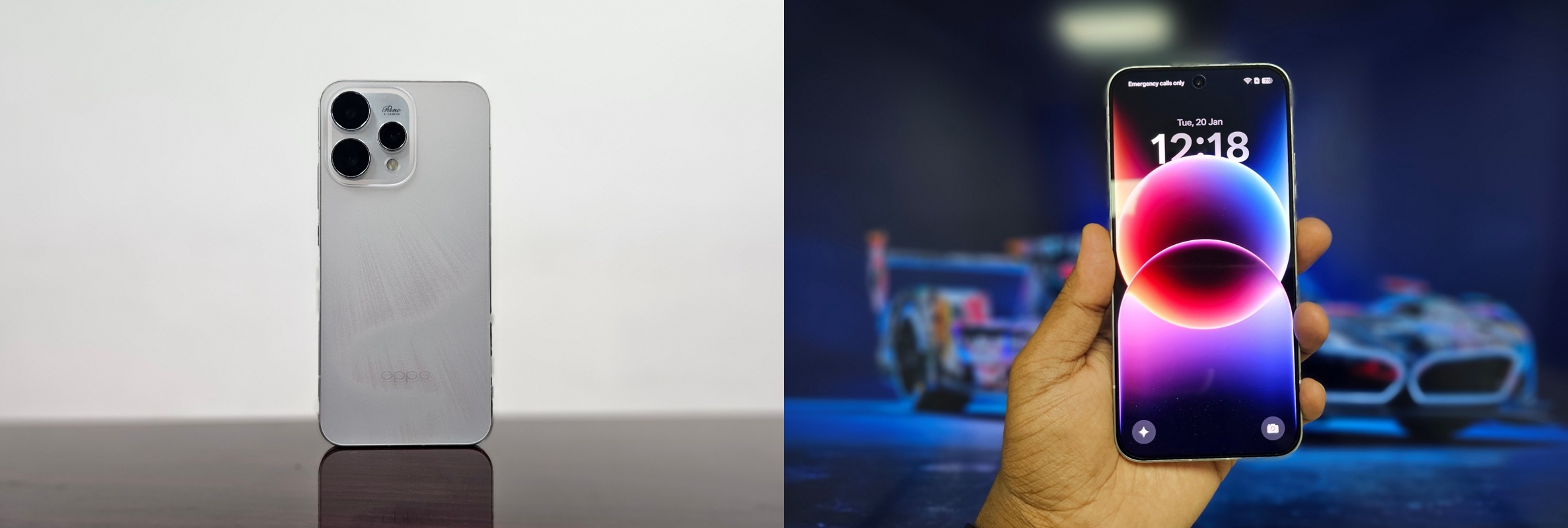
Let me establish something upfront: I don’t get excited about smartphones anymore. After years of testing devices that promise innovation and deliver incremental updates, my expectations have been thoroughly calibrated to disappointment. “Revolutionary camera system” means slightly better night mode. “All-day battery” means you’ll need to charge by dinner. “Premium design” means it looks good in photos but feels cheap in hand.
The OPPO Reno15 5G didn’t really change this perspective. It’s a mid-range device in a crowded segment, launching without major fanfare, promising features we’ve heard before. On paper, it looks competent but not groundbreaking. However, it actually delivers what it promises, and that’s what matters.
The OPPO Reno15 5G isn’t trying to be everything to everyone. It’s laser-focused on one thing: being the best camera phone you can get in the mid-range segment. After a month of real-world testing, I can confidently say it succeeds, although with some minor compromises along the way.
Elegant & Well-Built
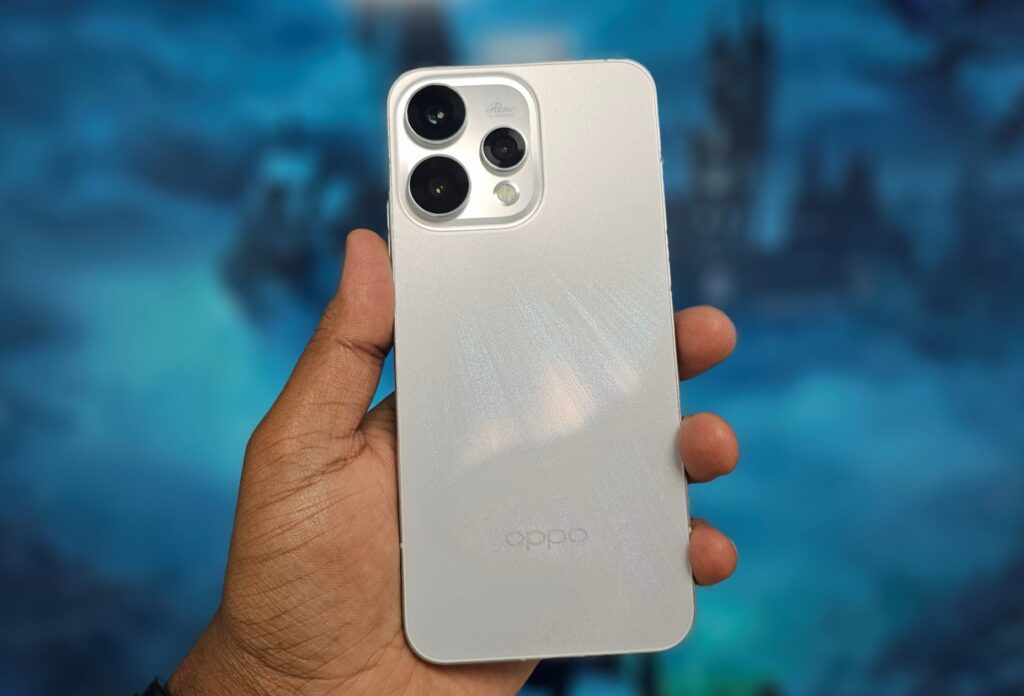
I tested the Aurora White variant, and I need to talk about this design because it’s genuinely special. OPPO calls it the “Dancing Aurora Design,” and in this case, the marketing hyperbole is justified. The back panel features precision-etched textures that recreate the northern lights phenomenon: glow patterns that shimmer and flow as light hits the surface from different angles. The finish also happens to be highly resistant to fingerprints and smudges, which is a practical bonus.
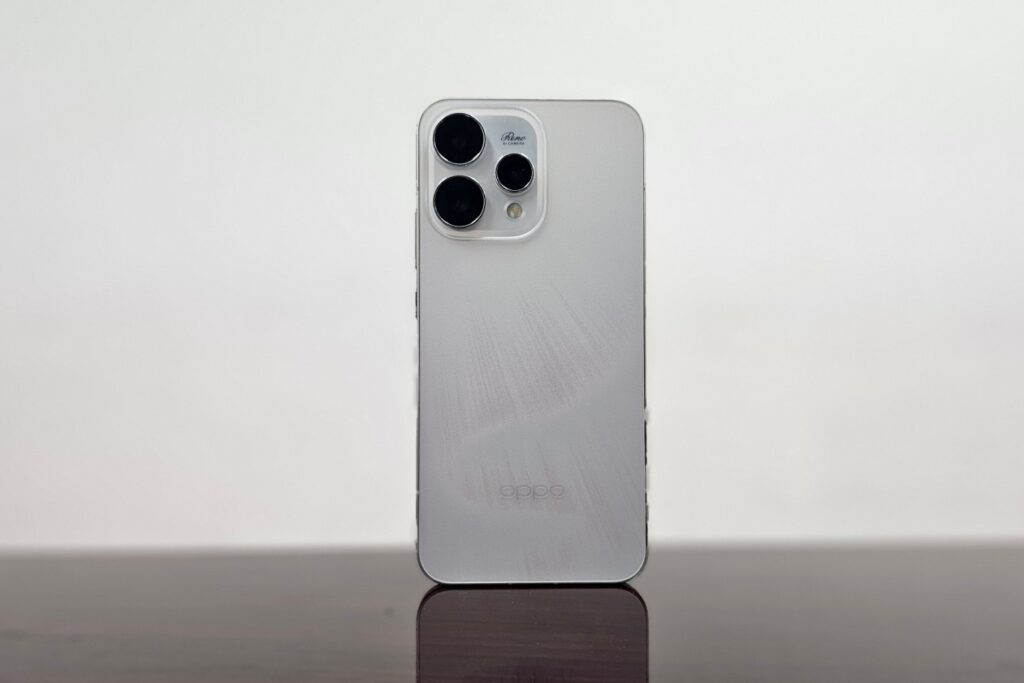
This one-piece sculpted glass design flows seamlessly without visible seams or gaps. Combined with the aerospace-grade aluminum frame and IP69 water resistance, this phone feels premium in hand, more so than its price suggests. At 7.8mm thin and 197g, it strikes an appreciable balance. It’s substantial enough to feel quality-built but not so heavy that extended one-handed use becomes uncomfortable.
ColorOS 16: Fast, Fluid & Polished, But Bloated
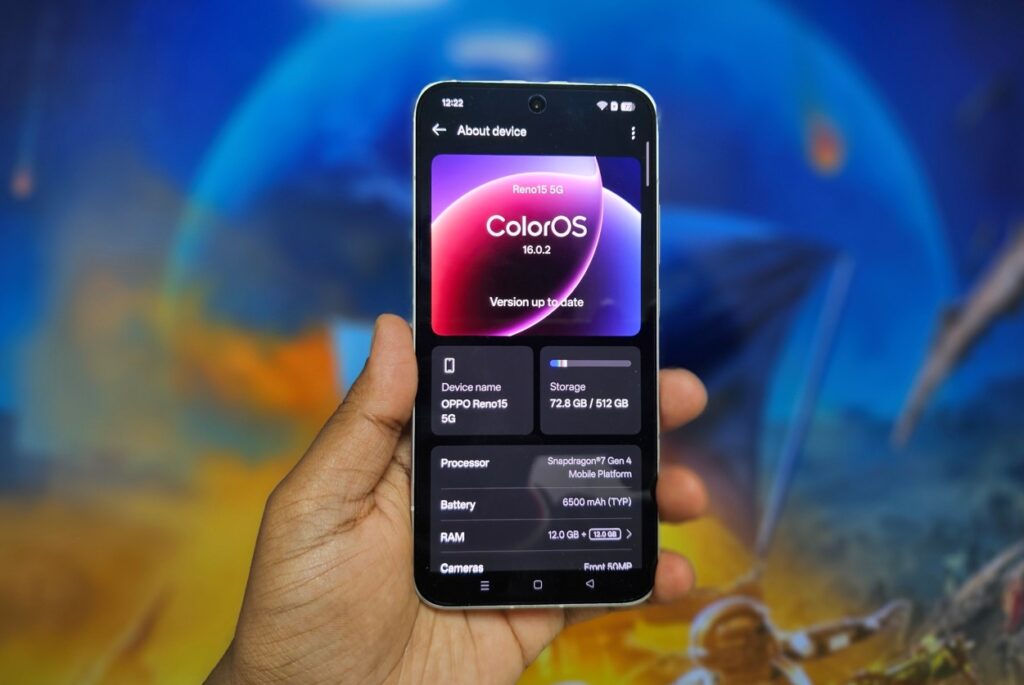
ColorOS 16 based on Android 16 is OPPO’s most refined software yet; but it still can’t escape the bloatware problem that plagues OPPO devices.The new update with upgraded internals, delivers noticeably fluid performance. Every interaction feels smooth, transitions are seamless, and the system maintains consistent responsiveness even under heavy multitasking.
I can run Spotify, Maps, WhatsApp, Chrome with 15 tabs, and camera apps simultaneously without stuttering or app reloads. The OS intelligently balances system resources. In practical terms, this means apps stay in memory longer, and switching between them is instantaneous.
AI Features That Actually Matter:
AI Recording with Transcription: Real-time transcription with speaker identification works surprisingly well. I’ve tested it in meetings: accuracy averages 80-85% with mixed accents, and speaker differentiation is consistent. Auto-generated titles are impressively accurate.
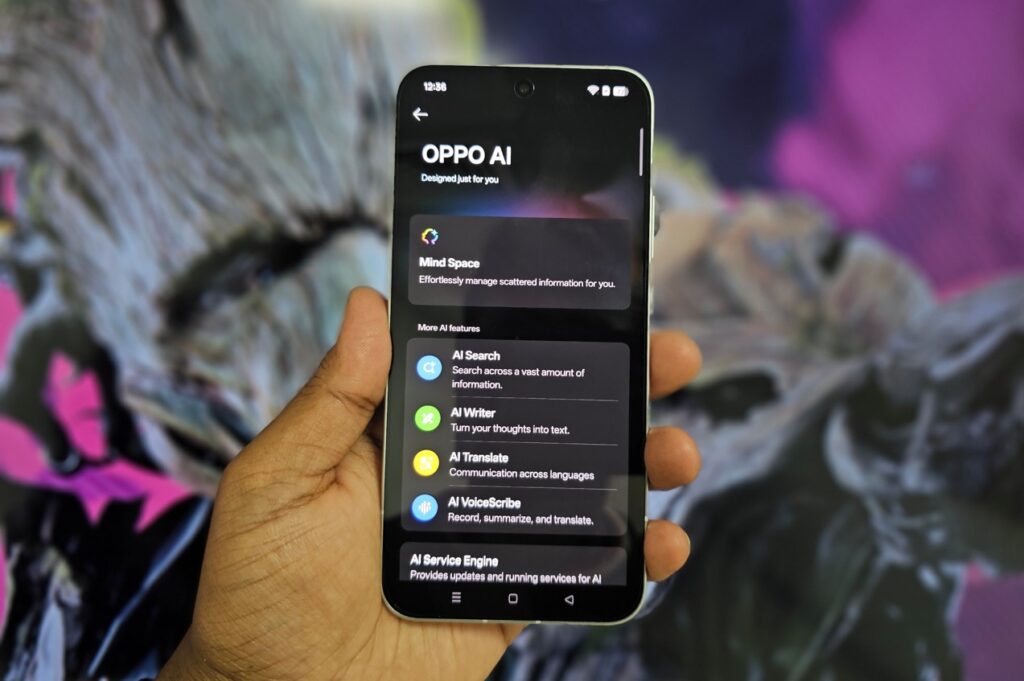
AI Clear Voice: Background noise reduction during calls genuinely works. Tested while walking near construction sites and busy roads; call quality remained clear with minimal background interference.
AI Writer: System-wide text generation for emails, captions, and drafts is convenient but not revolutionary. Quality is comparable to ChatGPT but having instant access without switching apps is genuinely useful.
The Bloatware Problem:
Out of the box, the Reno15 came loaded with unnecessary apps: OPPO’s duplicate app store, pre-loaded games, redundant utilities, and promotional content. Most can be uninstalled, but it requires 15 minutes of cleanup after first setup which is highly recommended.
Worse, some apps persistently send notifications promoting OPPO services and suggesting additional downloads. I had to manually disable notifications for multiple pre-installed apps. This is unacceptable at this price point as it makes the phone feel like it’s marketed at you rather than working for you.
Software Update Commitment:
OPPO promises 4 years of Android updates and 5 years of security updates. Launching with Android 16, that means guaranteed updates through Android 20 and security patches until 2030. For a mid-range device, this is exceptional.
The Triple Rear Camera System: Where Mid-Range Gets Serious
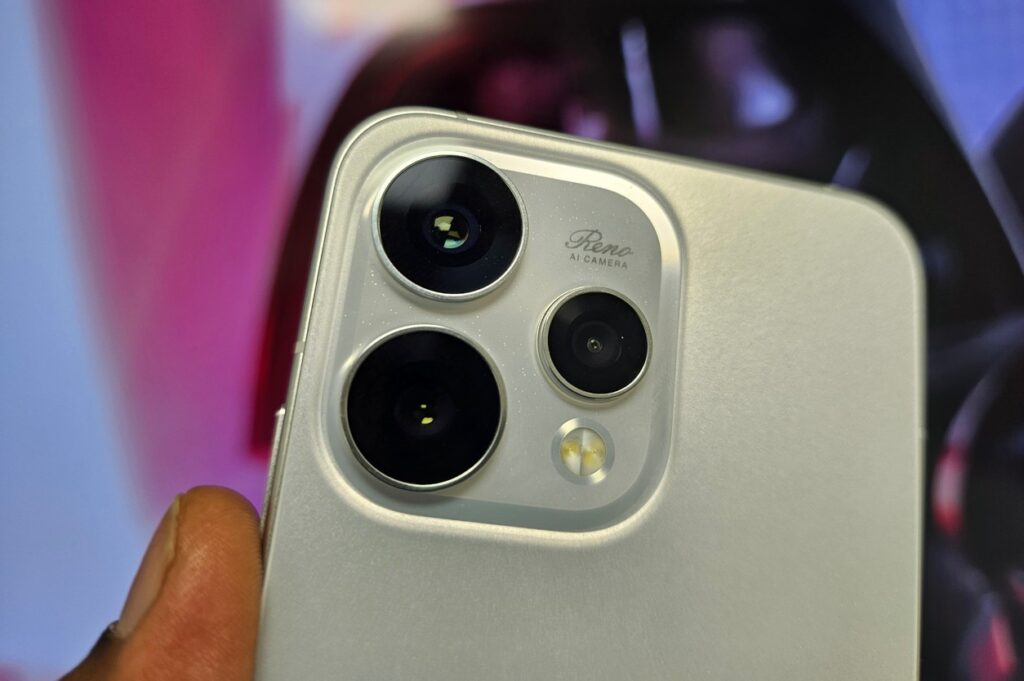
50MP Main Camera (f/1.8, OIS): The main camera is the consistent performer. I’ve shot extensively across Dubai’s extreme lighting conditions: harsh noon sun, deep shadows, golden hour, dim restaurants, and night markets. The camera handles it all with impressive competence.
The f/1.8 aperture and 2-axis OIS combination delivers sharp, well-exposed photos in most conditions. The OIS genuinely works. I can shoot one-handed while walking and still get sharp results about 80% of the time. Dynamic range is legitimately impressive for this price bracket. Backlit scenarios that would turn subjects into silhouettes on most mid-rangers produce balanced, usable photos on the Reno15.
50MP Telephoto (f/2.8, 3.5x optical zoom, OIS): This is the phone’s secret weapon. A 50MP telephoto with 3.5x optical zoom and OIS at this price point? That’s nearly unheard of. The classic 85mm-equivalent focal length is perfect for portraits – natural compression, flattering perspective, beautiful background separation.
I’ve shot dozens of portraits, and the results consistently rival phones costing significantly more. The bokeh looks organic, edge detection is accurate even around messy hair, and skin tones remain natural. The OIS means I can shoot handheld in less-than-ideal lighting and still get sharp results.
The zoom range is practical:
- 3.5x optical: Excellent quality
- 7x digital: Very good for social media
- 10x digital: Acceptable for documentation
- 20x+: Quality degrades rapidly
What genuinely surprised me: the telephoto actually works at night. Most phone telephotos become unusable after sunset. The Reno15’s telephoto with OIS captures usable low-light portraits. Some noise is visible, but shots remain sharp and detailed.
8MP Ultra-Wide: The Weaker Sibling: Here’s where compromises become obvious. The 8MP ultra-wide is adequate at best. Daytime shots are fine, good for landscapes, architecture, and group photos. Distortion is well-controlled, and colors match the main camera reasonably. But at night? Quality drops noticeably. Images come out soft, noisy, and lacking detail. Images are definitely usable, but not as impressive as the other two sensors.
The 50MP Front Camera: Best in Class, Full Stop
Let’s address the standout feature immediately: the 50MP front camera with autofocus is the same sensor used in the Reno15 Pro and Pro Max models. At this price point, having a flagship-grade selfie camera is unprecedented.
Why This Matters:
Most mid-range phones use 16MP or 32MP front cameras with fixed focus and mediocre quality. The Reno15’s 50MP sensor with autofocus captures genuinely detailed selfies that withstand cropping and editing. When you zoom into selfie photos, you can actually see texture, skin detail, and fine elements; they don’t just dissolve into mushy, over-processed blobs.
Autofocus on a Selfie Camera:
This sounds minor until you actually use it. The autofocus ensures sharp selfies whether you’re 30cm away or at arm’s length. It also enables macro-style close-ups. I’ve taken detailed selfies showing individual makeup details, fabric textures, and even eye reflections with perfect focus.
Group Selfies:
The field of view is wide enough to fit 6-7 people comfortably without awkward arm extensions. I tested this at multiple gatherings. the ultra-wide capability means everyone fits in frame without cutting off heads or forcing people to squeeze uncomfortably close.
Video Calls:
The 50MP sensor delivers exceptional video call quality. On Zoom, Google Meet, and WhatsApp video calls, multiple people commented on how sharp and clear my video looked compared to their feeds. For anyone doing frequent video calls or content creation, this front camera alone justifies consideration.
Stereo Speakers: Impressive, and Tunable
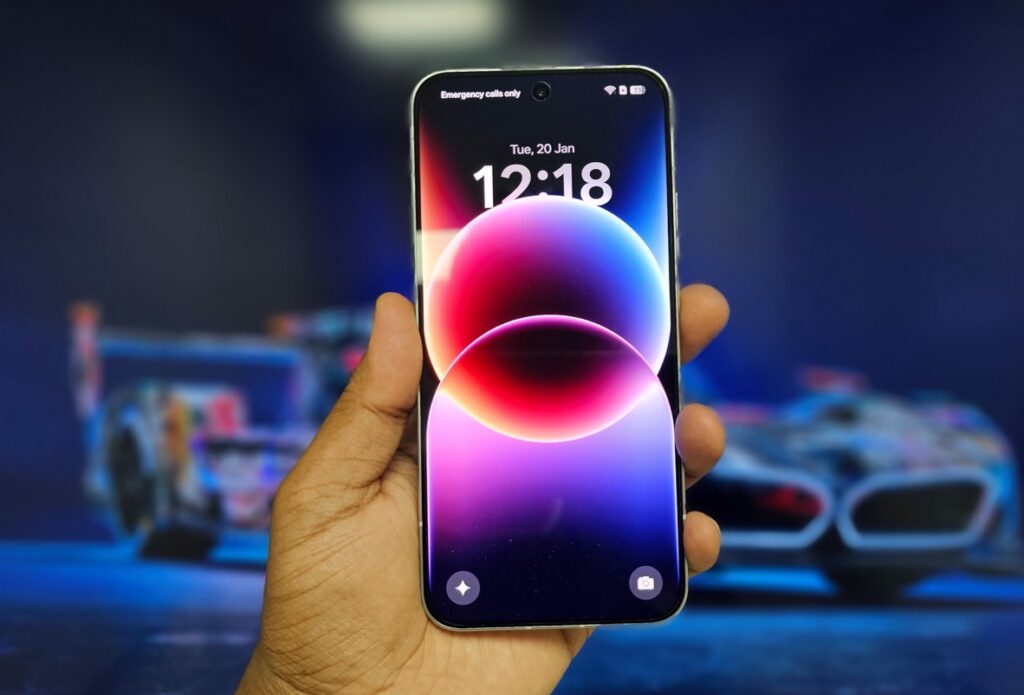
The Reno 15’s dual stereo speaker setup includes a unique “Ultra Volume Mode” that boosts output up to 300% beyond normal maximum volume. In theory, this sounds great for noisy environments. In practice, it’s a mixed bag.
Audio quality is very good. There’s decent bass presence, clear vocals, and controlled high-frequency response. The speakers deliver rich, full sound that’s genuinely enjoyable for media consumption and casual music listening. The stereo separation is good. Watching videos with the phone in landscape orientation provides a satisfying spatial audio experience. Gaming audio feels immersive with clear directional cues.
At 300% Volume in the Ultra Volume Mode, volume definitely increases; it’s genuinely loud enough to hear in very noisy environments. But audio quality deteriorates noticeably. I tested this extensively. For normal use, 70-90% regular volume is ideal. The 300% mode is only useful in specific scenarios; construction sites, extremely loud environments, or emergency situations where you need maximum audibility regardless of quality.
The Fingerprint Scanner: Actually Superfast
The optical in-display fingerprint scanner is genuinely one of the fastest I’ve tested. Recognition is near-instantaneous as there’s virtually no delay between touching the sensor and unlocking. It feels less like authentication and more like the phone simply recognizing you exist.
The registration process is quick and straightforward. The sensor area is well-positioned, easy to reach with your thumb in normal grip. Success rate is exceptionally high in my experience as I’ve tested with wet fingers, slightly oily fingers, and different screen protectors, and it consistently works on the first attempt.
Two-Day Battery Life: Liberation From Charging Anxiety
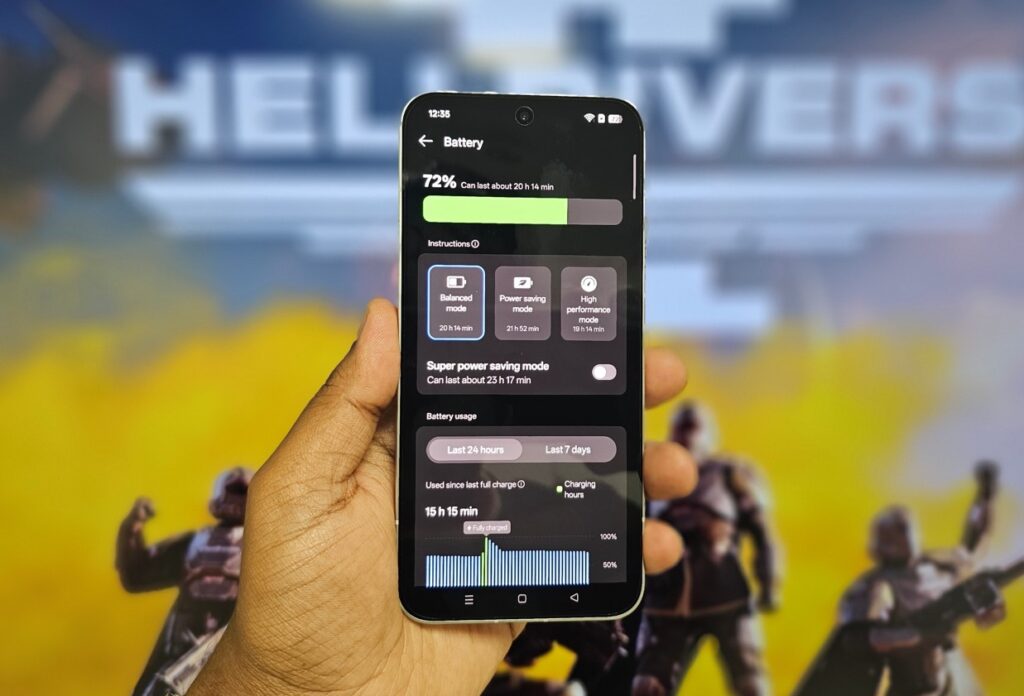
The 6500mAh battery delivers genuine two-day endurance for most users. My usage is heavy with extensive photography, social media, messaging, navigation, music streaming, video calls, and web browsing. Even with this load, I consistently finish full days with 35-40% remaining.
On lighter days (weekends with less photography and screen time), I’ve easily achieved two full days before needing to charge. I’ve forgotten to charge overnight multiple times. Woke up with 43%, proceeded with normal usage including photography, navigation, and media consumption, and still finished the day with 12%. That’s the kind of reliability that eliminates battery anxiety entirely.
When you do need to charge, 80W SUPERVOOC is impressively fast. 0-50% takes about 20 minutes. A full charge from near-empty takes approximately 50 minutes. And critically, OPPO includes the 80W charger in the box; a detail that shouldn’t be noteworthy but has become increasingly rare. The phone also supports battery health optimization. You can set a charging limit to extend long-term battery lifespan. The system can also learn your charging patterns and slow charging overnight to reduce battery stress.
Performance: Good Enough, Not Exceptional
The Snapdragon 7 Gen 4 delivers solid mid-range performance. This isn’t a flagship processor, and OPPO isn’t pretending it is. Apps launch quickly, multitasking is smooth, and daily tasks feel responsive. For typical usage (messaging, browsing, photography, social media, navigation, streaming music), it’s more than adequate. I’ve run Google Maps navigation with Spotify streaming in the background while messaging on WhatsApp and browsing Chrome with 12+ tabs open. Everything continued running smoothly without slowdown or app reloads.
Gaming Performance:

I tested PUBG Mobile and Call of Duty Mobile. At high settings, both run smoothly at 60fps. At maximum settings, frame rates occasionally dip but remain playable. Thermal management is good; the phone gets warm but never uncomfortably hot.
For casual and moderate gamers, performance is perfectly acceptable. You can enjoy popular titles at good visual quality with smooth performance. Competitive gamers demanding absolute maximum frame rates and minimum latency should look to flagship chips, but for everyone else, this processor is sufficient.
Who Should Buy the OPPO Reno15 5G?
Buy it if:
- Camera quality is your priority: This is arguably the best camera phone in the mid-range segment, full stop
- Selfies and video calls matter: The 50MP front camera with autofocus is unmatched at this price
- Portrait photography is important: The 50MP telephoto makes this phone a portrait powerhouse
- You want two-day battery life: 6500mAh delivers genuine endurance
- You value design: The Aurora White finish is genuinely beautiful
Skip it if:
- You need flagship gaming performance: Mid-range chip means mid-range gaming
- Stock Android is essential: ColorOS is feature-rich but heavily customized
The Verdict: Best Mid-Range Camera Phone
The OPPO Reno15 5G is the mid-range camera phone to beat right now. The combination of 50MP main camera, 50MP telephoto, and especially the 50MP front camera creates a photography experience that rivals devices costing significantly more. Add genuine two-day battery life, beautiful design, and fast charging, and you have a compelling package.
The front camera alone makes this phone worth considering for anyone who prioritizes selfies and video calls. Having the same 50MP sensor as the Pro models at mid-range pricing is unprecedented value.But OPPO undermines this with bloatware, persistent promotional notifications, and a weak ultra-wide camera. ColorOS 16 is polished and feature-rich, but the out-of-box experience feels cluttered and commercial rather than premium.
If camera quality (especially selfies and portraits) is your priority, the Reno15 5G delivers exceptional value. Just be prepared to spend 15 minutes cleaning up bloatware and disabling promotional notifications after first setup.
For content creators, selfie enthusiasts, portrait photographers, and anyone who values two-day battery life in a beautifully designed package, this is the mid-range phone to get.
Rating: 8/10
Camera: 9/10 – Exceptional main and telephoto, best-in-class selfie camera, weak ultra-wide
ColorOS 16: 7/10 – Polished and feature-rich, undermined by bloatware
Battery: 9.5/10 – Genuine two-day endurance
Performance: 7.5/10 – Good for daily use, not a dedicated gaming powerhouse
Design: 9/10 – Aurora White color option is genuinely beautiful
Value: 9/10 – Best camera-to-price ratio in mid-range segment
This is the mid-range camera phone I’d actually recommend—just disable the bloatware first.


THE HOME AS A LIFESTYLE ECOSYSTEM: INTEGRATING WELLNESS, WORK, AND LEISURE
STAY 301 METRES ABOVE THE SKYLINE THIS EID: ADDRESS BEACH RESORT DUBAI UNVEILS A COLLECTION OF SKY-HIGH STAYCATIONS

OPPO Reno15 5G Review: The Mid-Range Camera Phone You Should Actually Consider



-
News10 years ago
SENDQUICK (TALARIAX) INTRODUCES SQOOPE – THE BREAKTHROUGH IN MOBILE MESSAGING
-

 Tech News2 years ago
Denodo Bolsters Executive Team by Hiring Christophe Culine as its Chief Revenue Officer
-
 VAR11 months ago
Microsoft Launches New Surface Copilot+ PCs for Business
-

 Tech Interviews2 years ago
Navigating the Cybersecurity Landscape in Hybrid Work Environments
-

 Tech News8 months ago
Nothing Launches flagship Nothing Phone (3) and Headphone (1) in theme with the Iconic Museum of the Future in Dubai
-

 Automotive1 year ago
AGMC Launches the RIDDARA RD6 High Performance Fully Electric 4×4 Pickup
-

 VAR2 years ago
Samsung Galaxy Z Fold6 vs Google Pixel 9 Pro Fold: Clash Of The Folding Phenoms
-

 Tech News2 years ago
Brighton College Abu Dhabi and Brighton College Al Ain Donate 954 IT Devices in Support of ‘Donate Your Own Device’ Campaign