Connect with us

Hospitality

Saudi Food Show returns with record-breaking second edition, doubling in scale

Published

on

food show

Saudi Food Summit to provide invaluable global perspectives to market entrants

100,000+ products to be showcased by 1000+ exhibitors, 45% new to show

80+ star chefs to boost Saudi Arabia’s attractiveness as region’s culinary nexus

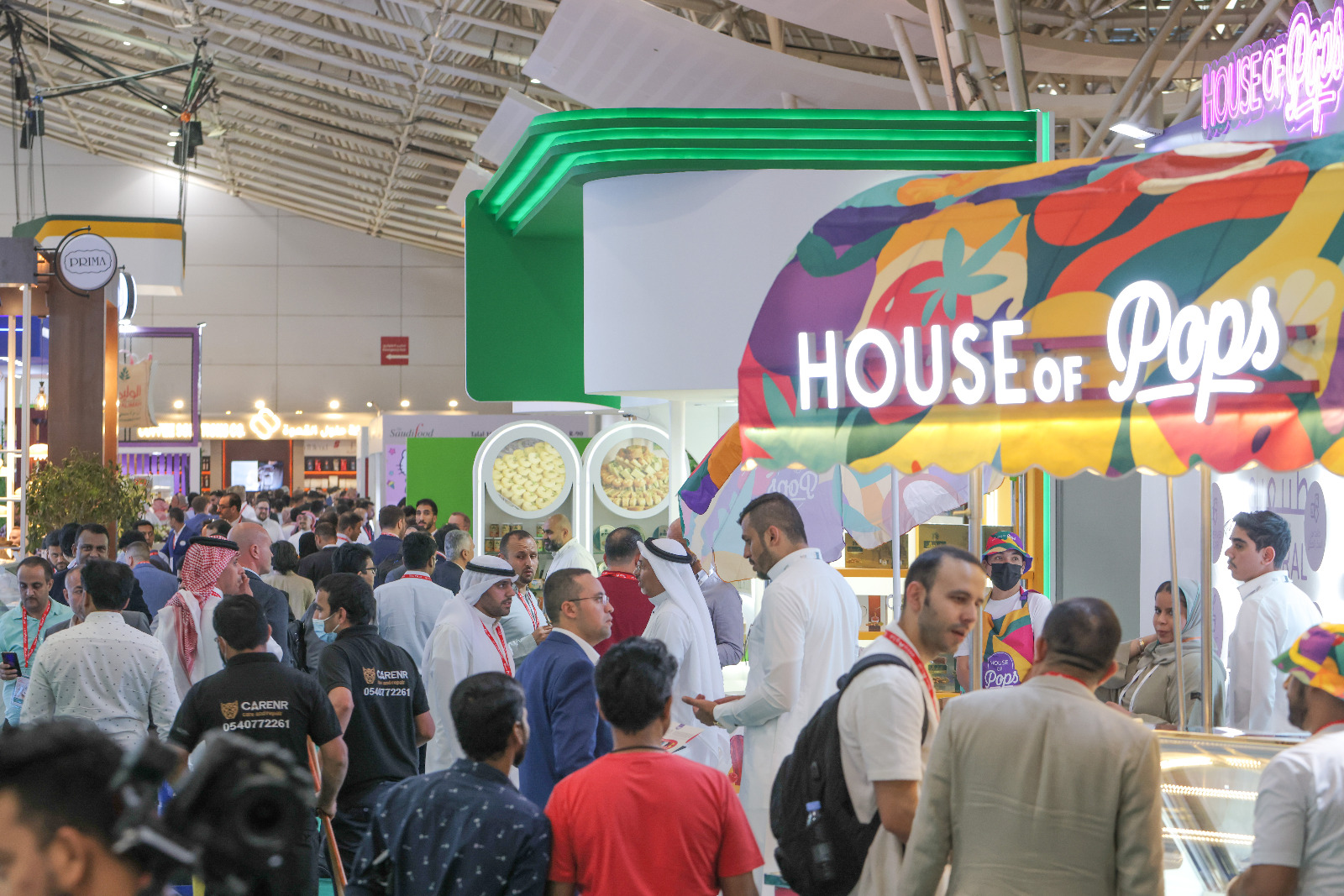
The second Saudi Food Show, the largest global F&B sourcing event in the Kingdom, gets underway at Riyadh Front, with the Saudi F&B industry on the cusp of huge growth. This year’s show, which runs until 23 May, will take place once again under the patronage of Saudi Arabia’s Minister of Industry and Mineral Resources, His Excellency Bandar bin Ibrahim AlKhorayef, with the Saudi Authority for Industrial Cities and Technology Zones (MODON) as Strategic Partner.

Following last year’s hugely successful debut, organisers KAOUN International and dmg events have taken the show to a new level for 2024 with over 1,000 exhibitors showcasing more than 100,000 product innovations, 97 countries represented, and over 90 speakers, many new to the Kingdom, with proven successes Top Table Saudi and Youth X Saudi returning in expanded formats.

Trixie LohMirmand, Executive Vice President, Dubai World Trade Centre commented, “The highly successful inaugural edition last year has given Saudi Food Show the momentum to return double in size and impact for this second edition. This week Saudi Arabia will welcome the largest ever international F&B community vying to create trade opportunities with the local market to further spur innovation and collaboration.”

Opening the Saudi Food Summit, His Excellency Bandar bin Ibrahim AlKhorayef, Minister of Industry and Mineral Resources shall deliver a visionary keynote to address and tour the exhibition to meet the participants. The rest of the first day, which will be curated by Saudi Food Show Strategic Partner MODON, will be an opportunity to understand the role of technology in improving the efficiency of food production in the Kingdom, how Saudi Arabia is investing in human capital development in the F&B sector in order to remain competitive, and the role of fintech in supporting the F&B industry from a financial perspective.

Ali Alomeir, VP of Business Development at MODON stressed that “MODON attaches great importance to the localization of the food and beverage industry, to contribute to achieving food security for the Kingdom, in partnership with the local and foreign private sector. This is in keeping with its main role in the National Strategy for Industry and Saudi Vision 2030, which aims to diversify the bases of the national economy, as the F&B sector is one of the pillars of developing local content and enhancing the contribution of the non-oil sector to the gross domestic product”.

He added that the food and beverage industry accounts for approximately 20% of the total number of factories in industrial cities, noting that “MODON continues to develop its investment environment, and provide it with all services, industrial, logistical and digital capabilities and applications of the Fourth Industrial Revolution 4.0, in accordance with the best standards of competitiveness, until its 36 industrial cities, spread across the Kingdom, are a preferred destination for investment growth. These industrial cities currently include 6,443 factories, more than 7,900 industrial, investment and logistics contracts, and developed areas exceeding 209 million square metres, with an investment value exceeding SAR 415 billion until the end of 2023”.

Across the second and third days, over 90 leaders from the public and private sector, including ministries, food investors, retailers, innovators and food service providers will give insights into how best to capitalise on the opportunities that the Saudi F&B market presents, and ultimately thrive as an F&B business in the Kingdom, through a series of keynote addresses, panel sessions and curated workshops.

On the second day of the Summit, one of the key brands taking a deep dive into Saudi Arabia’s shifting F&B retail landscape will be Panda, the largest grocery retailer in the Kingdom. “As part of the Panda Retail team, we’re passionate about bringing the best of Saudi Arabia’s flavours to your table through supporting local businesses, and working with key global players. Our commitment isn’t just about groceries; it’s about community empowerment”, said Bandar AlSaidi, Executive Vice President – Food at Panda Retail.

He continued “Events like the Saudi Food show are where we come together to celebrate our shared love for food and culture. This without a doubt marks a step in the right direction, for the industry”.

The final day will see the first edition of a new workshop series, Saudifoodpreneur. Bespoke workshops and business support clinics, delivered by industry experts and successful entrepreneurs, will help F&B start-ups and entrepreneurs to navigate the Kingdom’s F&B scene, providing the knowledge and skills to enter – and thrive in – Saudi Arabia’s vibrant market. Saudifoodpreneur will be curated by Homegrown CPG, Pitch Lounge, and Marketing Strategizer.

Top Table Saudi

Top Table Saudi will bring the largest-ever showcase of international and regional celebrity chefs, top restaurants and hotels under one roof in the Kingdom, including Simon Rogan, 3-Michelin starred chef of L’Enclume in the UK and a pioneer of the UK’s farm-to-table movement; Fatih Tutak, Chef and Owner of TURK, Turkey’s first 2-Michelin starred restaurant in Istanbul; internationally-acclaimed Lebanese chef Maroun Chedid; Ian Pengelley, Chef Director of MFC in Saudi Arabia; Mona Mosly, one of the region’s most recognisable female celebrity chefs, renowned for her creative and innovative twist on classic dishes; multi-award winning chef and restauranteur Sami Tamimi, co-owner of six London restaurants and author of several best-selling cookbooks; Layla Fathallah, UNEP Advocate on food waste in West Asia; Luca Rossie, Head Chef at Myazu; Barry Andrews, Executive Chef at Robata; Marc Coetzee, Executive Chef at Chi Spacca; Steve Gibbs, Executive Chef at Scotts; and Roy De Castro, Executive Sushi Chef at Kyazo. From the hotel side, teams from the Fairmont, Four Seasons, Hilton, and Ritz-Carlton in Riyadh will also be taking part in YouthX Saudi. This year the teams will work to raise awareness of the issue of food waste, in partnership with the UN Environment Programme and its ‘Recipe for Change’ initiative.

Continue Reading
Click to comment

Leave a Reply

Your email address will not be published. Required fields are marked *

Hospitality

INSIDE MODERN HOSPITALITY LEADERSHIP AT EDGE RIYADH AL RABIE, ROTANA

Published

on

Exclusive interview with Kozhaya Tannous, Cluster General Manager, Edge by Rotana

In a market like Riyadh where expectations are evolving rapidly, what does ‘modern hospitality’ actually look like in practice, not conceptually, but in how guests experience your properties day-to-day?

    Modern hospitality in Riyadh is about delivering effortless, intuitive experiences that feel personal at every touchpoint. It is no longer only about facilities or design; it is about how naturally a guest feels understood throughout their journey.

    For us, it means combining technology-enabled efficiency with genuine human warmth. Guests expect speed, simplicity, and consistency but they also value authenticity and cultural understanding.

    On a day-to-day level, this translates into smooth arrivals, responsive teams, and a service culture that anticipates needs rather than reacts to them. Modern hospitality here is about being present, attentive, and consistently reliable.

    Managing a cluster means managing complexity at scale, what has been the hardest leadership adjustment moving from single property to cluster oversight?

    The biggest shift has been moving from hands-on operational leadership to empowering leaders across multiple properties.

    In a single hotel, you are close to every detail. In a cluster, success depends on building strong teams, clear alignment, and trust in execution.

    The challenge is not stepping away; it is stepping back without losing standards. You learn to lead through structure, clarity, and empowerment, ensuring every property reflects the same brand promise while adapting to its own market reality.

    Ultimately, you move from managing operations to enabling performance at scale.

    Riyadh operates at a unique intersection of rapid growth and cultural depth, what specific shifts have you made in your leadership style to stay effective in this environment?

    Riyadh is a dynamic and fast-moving market, but it is also deeply rooted in culture and expectations. That combination requires a leadership style that is both agile and grounded. I have become more intentional in listening whether to guests, teams, or stakeholders. Decisions are made faster, but they are also made with greater awareness of context. I also place strong emphasis on visibility and presence on the ground. In this market, leadership is felt most when it is close to the operation and engaged with people directly. It is about balancing speed with respect, and growth with cultural understanding.

    In a market dominated by luxury narratives, how does Edge by Rotana carve out a distinct value proposition without being perceived as just another midscale offering?

    Edge by Rotana represents a smart, modern, and efficient approach to hospitality, designed to align with the evolving needs of today’s travellers. Rather than competing in the traditional luxury space, the brand offers a distinct value proposition that reflects how people live, work, and travel today. It focuses on delivering practical comfort with consistency, ensuring guests experience a seamless and reliable stay every time. Service is intentionally efficient and streamlined, removing unnecessary complexity while maintaining high standards of quality and care. At the same time, Edge embraces contemporary, lifestyle-driven experiences that resonate with a new generation of travellers seeking flexibility, convenience, and authenticity. This approach creates a hospitality offering that is both relevant and accessible, without compromising on the details that matter most. By combining thoughtful design, intuitive service, and a clear understanding of modern expectations, Edge by Rotana delivers a well-balanced experience that prioritises comfort, functionality, and ease, making it an ideal choice for business and leisure travellers alike.

    With Vision 2030 accelerating inbound tourism, how is demand in Riyadh evolving beyond corporate travel?

    Riyadh is rapidly evolving into a multi-dimensional destination, moving beyond its traditional positioning as a primarily corporate hub. While business travel continues to play a significant role, there is a clear and growing shift in demand across several segments, including leisure and cultural travel, weekend regional tourism, and family-focused domestic stays. The rise of “bleisure” travel is also becoming increasingly evident, with guests blending business commitments with personal time and seeking more flexible, extended stays. This shift is contributing to a more diverse and dynamic hospitality landscape, where expectations go beyond just accommodation. Today’s travellers are staying longer and looking for more immersive, experience-driven offerings that allow them to connect with the destination, whether through cultural exploration, lifestyle amenities, or curated social experiences. As a result, hotels are adapting to meet these evolving needs, focusing on creating well-rounded stays that cater to both business and leisure, while delivering greater value and relevance to a broader audience.

    With shifting geopolitical dynamics across the region, have you observed any tangible changes in travel corridors or source markets into Riyadh, and how does that influence your commercial strategy?

    We are seeing a broader and more diverse mix of source markets into Riyadh.

    Regional GCC travel remains strong, while international corporate and project-related travel from Europe and Asia continues to grow.

    This has led us to adopt a more segmented commercial approach, tailoring our engagement strategies to different guest profiles and travel purposes. At the same time, partnerships and strategic alignment with stakeholders have become even more important in capturing new demand flows.

    With global economic fluctuations and geopolitical shifts, how resilient is the Riyadh hospitality market?

    Riyadh remains one of the most resilient hospitality markets globally. This resilience is driven by long-term structural growth under Vision 2030, ongoing mega-project development, and strong inbound investment. While global economic fluctuations influence travel patterns, Riyadh’s demand base is supported by diverse and long-term drivers that continue to expand the market sustainably.

    What’s one guest behaviour trend in Riyadh that has forced you to rethink traditional hospitality assumptions?

    One of the most significant changes is the rise of the highly informed, highly connected guest.

    Today’s guests expect control, transparency, and instant responsiveness. They want to shape their experience in real time rather than follow a fixed service structure.

    This has encouraged us to rethink traditional service flows and move toward a model that is more flexible, responsive, and guest-led while still maintaining the warmth and consistency Rotana is known for. Hospitality today is about adapting to the guest without losing the human touch.

    Continue Reading

    Hospitality

    TURNING POST‑TRAVEL DEMAND INTO LASTING HOSPITALITY VALUE

    Published

    on

    Exclusive interview with Thinus van der Westhuizen – Culinary Director | Ninety Nine SB Investment L.L.C.

    How has UAE hospitality capitalized on pent-up travel demand?

    The UAE hospitality sector didn’t passively benefit from pent-up travel demand; it strategically positioned itself to capture it early and at scale. By reopening quickly and ensuring seamless entry through simplified visas and strong air connectivity, the country became one of the first accessible global destinations when travel resumed. This allowed it to convert suppressed demand into immediate high occupancy and visitor volumes.

    At the same time, the UAE diversified its demand base by balancing leisure tourism with business travel and large-scale events. Conferences, exhibitions, and global events helped sustain momentum beyond the initial leisure surge, supporting year-round performance rather than a short-term spike.

    The sector also focused on enhancing experiences, with continuous investment in new hotels, attractions, and luxury offerings. This encouraged repeat visits and increased length of stay, turning demand into deeper engagement rather than just higher footfall.

    Importantly, the UAE maintained strong pricing power, capturing higher revenue per visitor without compromising its premium positioning. Combined with coordinated government strategies and global marketing, this approach transformed pent-up demand into sustained growth and long-term competitiveness.

    Are travelers’ priorities changing (luxury vs. wellness vs. experiences)?

    Yes, within the context of 99 Sushi Bar, traveler priorities are shifting, but in a way that actually reinforces its positioning rather than challenges it.

    Luxury at 99 Sushi Bar is already aligned with the new definition of the category. The concept is built around exceptional product quality, refined technique, and highly personalized service, rather than overt opulence. Its philosophy of “respect for the product” and use of premium ingredients like bluefin tuna naturally fits the growing demand for authentic, high-value dining experiences.

    At the same time, the rise of experience-led dining works strongly in its favor. The brand blends traditional and contemporary Japanese cuisine, offering both classic and innovative dishes, which keeps the experience dynamic and engaging for repeat guests.

    Wellness, while less explicit, is indirectly addressed through quality sourcing, balance, and precision, key elements of Japanese cuisine that resonate with today’s health-conscious diners.

    In the UAE market, this convergence means 99 Sushi Bar isn’t adapting to trends, it’s already positioned at the intersection of experiential luxury, quality-driven dining, and meaningful guest engagement, which is exactly where demand is heading.

    Are local sourcing and partnerships helping maintain menu quality and pricing stability?

    Yes, local sourcing and partnerships are playing an increasingly important role in maintaining both menu quality and pricing stability, particularly in markets like the UAE.

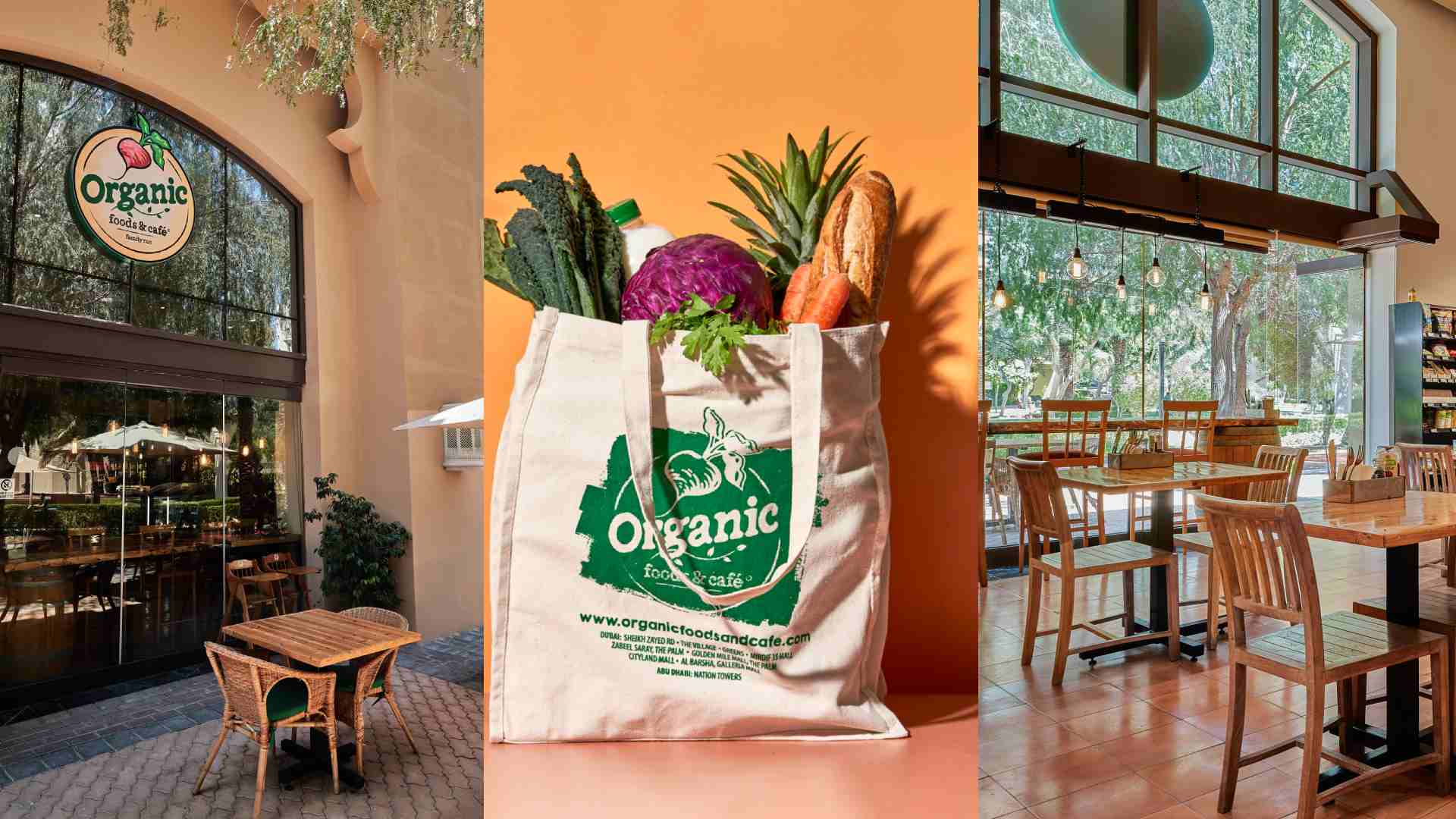
    On the quality side, sourcing locally allows restaurants to access fresher ingredients with shorter lead times, which directly improves taste, consistency, and seasonality. It also enables closer collaboration with suppliers, chefs can influence growing practices, secure specific varieties, and ensure more reliable standards compared to relying solely on imports. We at 99 have shifted towards this philosophy years ago encouraging local produce as Dibba bay oysters or UNS for fresh herbs and greenery.

    From a pricing perspective, local partnerships help reduce exposure to global supply chain volatility, currency fluctuations, and import costs. While local produce isn’t always cheaper, it offers greater predictability, which is critical for menu engineering and margin control. Long-term agreements with regional suppliers can also lock in pricing or at least smooth out extreme swings.

    There’s also a brand and demand advantage. Diners are increasingly responsive to locally sourced ingredients, associating them with sustainability and authenticity, which supports perceived value even if prices are maintained or slightly increased.

    Overall, local sourcing doesn’t eliminate cost pressure, but it creates more control, consistency, and resilience, allowing operators to protect both quality and pricing more effectively.

    Are chefs innovating with Emirati produce to keep menus dynamic?

    Yes, chefs in the UAE are increasingly innovating with Emirati produce, and it’s becoming a key way to keep menus dynamic while reinforcing identity. Our Local produce runs seemlessly throughout the menu, introducing great freshness and bragging rights as ambassadors for the produced sourced locally.

    There’s a noticeable shift from relying heavily on imported ingredients to exploring what can be grown locally, from desert herbs and local seafood to dates, camel dairy, and regionally farmed vegetables. What’s interesting is that this isn’t just about tradition, chefs are reinterpreting Emirati ingredients through modern techniques and global influences, creating dishes that feel both rooted and contemporary.

    This approach gives menus a natural sense of evolution. Because local produce is often seasonal and still developing in scale and variety, chefs are encouraged to rotate dishes more frequently, experiment with new suppliers, and adapt based on availability. That constant adjustment keeps offerings fresh without needing to reinvent concepts entirely.

    There’s also a storytelling element that resonates with diners. Using Emirati produce allows chefs to connect guests more deeply to place, which aligns with the broader demand for meaningful, experience-driven dining.

    Ultimately, local innovation isn’t just a creative choice, it’s becoming a strategic tool for differentiation, sustainability, and long-term menu relevance.

    What strategies are you using to maintain occupancy and revenue growth?

    To maintain occupancy and drive revenue growth, the focus has been on balancing demand diversification with disciplined commercial strategy rather than relying on volume alone.

    A key approach is targeting multiple demand segments simultaneously, leisure, corporate, and events, so performance isn’t dependent on one stream. By actively leveraging partnerships, programming, and seasonal campaigns, demand is smoothed across periods that would traditionally see softer occupancy.

    At the same time, there’s a strong emphasis on revenue management. Instead of discounting to fill rooms, pricing is dynamically adjusted based on demand patterns, booking windows, and market trends, allowing us to protect rate integrity while still maximizing occupancy.

    Another important lever is enhancing the guest experience to drive repeat visitation and longer stays. This includes curated offers, personalized service, and evolving on-property experiences that encourage higher spend per guest rather than just higher footfall.

    Finally, collaboration plays a role, working closely with airlines, tourism boards, and local partners helps expand reach and tap into new source markets. Overall, the strategy is about maintaining a premium positioning while being agile enough to capture demand as it shifts.

    Continue Reading

    Hospitality

    HOW UAE HOSPITALITY IS ADAPTING TO A MORE CAUTIOUS TRAVELER

    Published

    on

    Exclusive interview with Naim Maadad, Chief Executive & Founder, Gates Hospitality

    How has UAE hospitality capitalized on pent-up travel demand?

    The momentum from pent-up travel demand has not disappeared, but it has certainly softened in the short term. International travel decisions are being delayed or reconsidered, and we are seeing a natural dip in forward bookings as a result. However, what the UAE has done well, and continues to do, is adapt quickly. Rather than relying solely on inbound tourism, operators have shifted focus toward domestic demand and resident audiences. This has always been a strength of the UAE market, particularly in community-driven locations.

    At Gates Hospitality, we have leaned into that reality by reinforcing familiarity and consistency. Guests today are not necessarily seeking novelty; they are seeking comfort, places they know, brands they trust, and experiences that feel grounding. In that sense, the role of hospitality becomes less about attraction and more about reassurance.

    The alignment between public and private sectors also continues to play a key role. Clear communication, measured responses, and a unified approach help maintain confidence, which is critical in moments like this.

    Are travelers’ priorities changing (luxury vs. wellness vs. experiences)?

    In the current environment, priorities are shifting more noticeably toward emotional value. Guests are gravitating toward experiences that feel safe, familiar, and meaningful rather than purely aspirational.

    Wellness, in particular, is taking on a broader definition. It is no longer limited to health-focused offerings, but extends to atmosphere, space, and a sense of ease. People are choosing venues where they can relax, disconnect from the noise, and feel looked after.

    At the same time, we are seeing a clear recalibration within the dining landscape itself. Traditionally high-end or fine dining concepts, which have been more exposed to fluctuations in international travel and discretionary spending, are beginning to adapt their offerings to remain relevant to a more cautious market. This is coming through in the introduction of more accessible entry points, whether through curated set menus, shorter formats, or more flexible dining experiences that allow guests to engage with the brand at different price levels.

    True luxury today is about adaptability, understanding your audience, and meeting them where they are. The ability to offer both aspiration and accessibility within the same brand is becoming increasingly important.

    Experiences remain important, but they are being approached differently. There is less appetite for excess and more appreciation for authenticity and simplicity done well. Even in luxury, the focus has moved toward understated quality, personalization, and comfort.

    Are local sourcing and partnerships helping maintain menu quality and pricing stability?

    Local sourcing has become increasingly important in navigating both operational and economic pressures. That said, it would not be entirely accurate to say that pricing has remained stable. Like every market globally, we are seeing continued increases from suppliers across multiple categories, driven by broader economic and logistical challenges.

    This puts operators in a position where maintaining menu integrity becomes a careful balancing act. Absorbing cost increases entirely is not always sustainable, but passing them on directly to the guest can impact demand, particularly in the current climate where spending is more considered.

    This is where local partnerships play a critical role. By working closely with regional farms, fisheries, and producers, we are able to reduce some of the volatility associated with long supply chains while maintaining a higher level of consistency in quality. It also allows for more flexibility in how menus are structured, adapting to what is available rather than relying on fixed sourcing.

    At the same time, there is a growing appreciation among guests for locally sourced ingredients, which helps support this approach from a consumer standpoint. It creates a stronger connection between the product and the place, while also reinforcing value beyond just price.

    Ultimately, local sourcing is not a solution to rising costs, but it is a key part of managing them more effectively. It allows operators to stay agile, protect quality, and navigate pricing pressures in a way that feels considered rather than reactive.

    Are chefs innovating with Emirati produce to keep menus dynamic?

    Yes, and this is one of the more positive shifts we are seeing. Constraints often drive creativity, and chefs are increasingly turning to regional ingredients as a source of inspiration rather than limitation. Emirati produce is being reinterpreted through a more contemporary lens, allowing chefs to create dishes that feel both relevant and rooted in place. This adds depth to the dining experience while also reinforcing a sense of identity.

    At Gates Hospitality, we encourage our teams to approach innovation with purpose. It is not about complexity, but about relevance, creating dishes that resonate with where we are and what guests are looking for right now.

    Seasonality and locality naturally push creativity forward, and in many ways, this period is accelerating that evolution.

    What strategies are you using to maintain occupancy and revenue growth?

    In the current environment, the approach to occupancy and revenue needs to be measured and strategic. Aggressive discounting may drive short-term volume, but it risks long-term brand value. Instead, the focus needs to be on relevance and connection. For us, community has always been at the heart of everything we do, and now more than ever. Creating spaces where people feel comfortable coming together, even in quieter, more understated ways, helps maintain consistent footfall.

    What we are seeing is that guests are not necessarily looking for grand gestures, they are looking for familiarity, a sense of belonging, and places that feel steady during uncertain times. As operators, it becomes our responsibility to create that environment. This is where community-driven initiatives come into play. Rather than leading with offers, we are focusing on moments that bring people together in a more meaningful way. Whether it is opening up our spaces for remote working, for community markets, hosting simple community gatherings, or creating low-pressure occasions for people to reconnect, the intention is to give people a reason to step out that goes beyond a transaction.

    These initiatives are not designed to drive immediate revenue, but they play a critical role in maintaining relevance and building long-term loyalty. When guests feel connected to a space, they return, not because of a promotion, but because of how that place makes them feel.

    There is also an important emotional layer to this. In times like these, hospitality goes beyond service; it becomes part of the social fabric. Providing a space where people can come together, even briefly, creates a sense of normalcy and comfort that is just as valuable as the product itself.

    Flexibility is equally important. This includes adapting operating hours, managing costs carefully, and ensuring teams are structured in a way that allows the business to remain efficient without compromising service.

    What we are yet to see however is some sense of collective responsibility within the industry. Landlords, operators, suppliers, and partners all play a role in maintaining stability. The more aligned these stakeholders are, the more resilient the ecosystem becomes.

    Continue Reading

    Trending

    Copyright © 2023 | The Integrator