
 Have a question? +971 56 404 0503




Hospitality
Saudi Food Show returns with record-breaking second edition, doubling in scale

Saudi Food Summit to provide invaluable global perspectives to market entrants
100,000+ products to be showcased by 1000+ exhibitors, 45% new to show
80+ star chefs to boost Saudi Arabia’s attractiveness as region’s culinary nexus
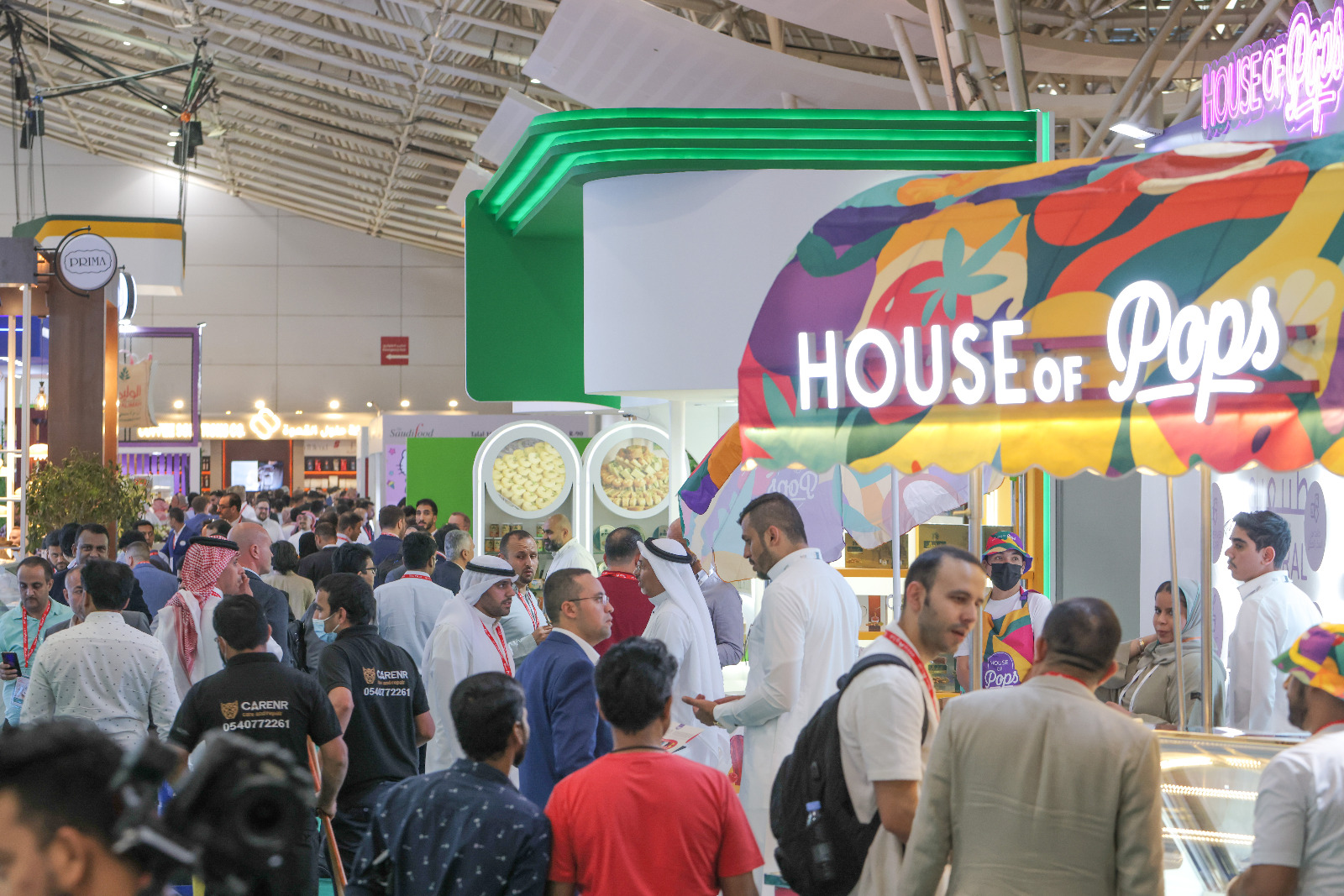
The second Saudi Food Show, the largest global F&B sourcing event in the Kingdom, gets underway at Riyadh Front, with the Saudi F&B industry on the cusp of huge growth. This year’s show, which runs until 23 May, will take place once again under the patronage of Saudi Arabia’s Minister of Industry and Mineral Resources, His Excellency Bandar bin Ibrahim AlKhorayef, with the Saudi Authority for Industrial Cities and Technology Zones (MODON) as Strategic Partner.
Following last year’s hugely successful debut, organisers KAOUN International and dmg events have taken the show to a new level for 2024 with over 1,000 exhibitors showcasing more than 100,000 product innovations, 97 countries represented, and over 90 speakers, many new to the Kingdom, with proven successes Top Table Saudi and Youth X Saudi returning in expanded formats.
Trixie LohMirmand, Executive Vice President, Dubai World Trade Centre commented, “The highly successful inaugural edition last year has given Saudi Food Show the momentum to return double in size and impact for this second edition. This week Saudi Arabia will welcome the largest ever international F&B community vying to create trade opportunities with the local market to further spur innovation and collaboration.”
Opening the Saudi Food Summit, His Excellency Bandar bin Ibrahim AlKhorayef, Minister of Industry and Mineral Resources shall deliver a visionary keynote to address and tour the exhibition to meet the participants. The rest of the first day, which will be curated by Saudi Food Show Strategic Partner MODON, will be an opportunity to understand the role of technology in improving the efficiency of food production in the Kingdom, how Saudi Arabia is investing in human capital development in the F&B sector in order to remain competitive, and the role of fintech in supporting the F&B industry from a financial perspective.
Ali Alomeir, VP of Business Development at MODON stressed that “MODON attaches great importance to the localization of the food and beverage industry, to contribute to achieving food security for the Kingdom, in partnership with the local and foreign private sector. This is in keeping with its main role in the National Strategy for Industry and Saudi Vision 2030, which aims to diversify the bases of the national economy, as the F&B sector is one of the pillars of developing local content and enhancing the contribution of the non-oil sector to the gross domestic product”.
He added that the food and beverage industry accounts for approximately 20% of the total number of factories in industrial cities, noting that “MODON continues to develop its investment environment, and provide it with all services, industrial, logistical and digital capabilities and applications of the Fourth Industrial Revolution 4.0, in accordance with the best standards of competitiveness, until its 36 industrial cities, spread across the Kingdom, are a preferred destination for investment growth. These industrial cities currently include 6,443 factories, more than 7,900 industrial, investment and logistics contracts, and developed areas exceeding 209 million square metres, with an investment value exceeding SAR 415 billion until the end of 2023”.
Across the second and third days, over 90 leaders from the public and private sector, including ministries, food investors, retailers, innovators and food service providers will give insights into how best to capitalise on the opportunities that the Saudi F&B market presents, and ultimately thrive as an F&B business in the Kingdom, through a series of keynote addresses, panel sessions and curated workshops.
On the second day of the Summit, one of the key brands taking a deep dive into Saudi Arabia’s shifting F&B retail landscape will be Panda, the largest grocery retailer in the Kingdom. “As part of the Panda Retail team, we’re passionate about bringing the best of Saudi Arabia’s flavours to your table through supporting local businesses, and working with key global players. Our commitment isn’t just about groceries; it’s about community empowerment”, said Bandar AlSaidi, Executive Vice President – Food at Panda Retail.
He continued “Events like the Saudi Food show are where we come together to celebrate our shared love for food and culture. This without a doubt marks a step in the right direction, for the industry”.
The final day will see the first edition of a new workshop series, Saudifoodpreneur. Bespoke workshops and business support clinics, delivered by industry experts and successful entrepreneurs, will help F&B start-ups and entrepreneurs to navigate the Kingdom’s F&B scene, providing the knowledge and skills to enter – and thrive in – Saudi Arabia’s vibrant market. Saudifoodpreneur will be curated by Homegrown CPG, Pitch Lounge, and Marketing Strategizer.
Top Table Saudi
Top Table Saudi will bring the largest-ever showcase of international and regional celebrity chefs, top restaurants and hotels under one roof in the Kingdom, including Simon Rogan, 3-Michelin starred chef of L’Enclume in the UK and a pioneer of the UK’s farm-to-table movement; Fatih Tutak, Chef and Owner of TURK, Turkey’s first 2-Michelin starred restaurant in Istanbul; internationally-acclaimed Lebanese chef Maroun Chedid; Ian Pengelley, Chef Director of MFC in Saudi Arabia; Mona Mosly, one of the region’s most recognisable female celebrity chefs, renowned for her creative and innovative twist on classic dishes; multi-award winning chef and restauranteur Sami Tamimi, co-owner of six London restaurants and author of several best-selling cookbooks; Layla Fathallah, UNEP Advocate on food waste in West Asia; Luca Rossie, Head Chef at Myazu; Barry Andrews, Executive Chef at Robata; Marc Coetzee, Executive Chef at Chi Spacca; Steve Gibbs, Executive Chef at Scotts; and Roy De Castro, Executive Sushi Chef at Kyazo. From the hotel side, teams from the Fairmont, Four Seasons, Hilton, and Ritz-Carlton in Riyadh will also be taking part in YouthX Saudi. This year the teams will work to raise awareness of the issue of food waste, in partnership with the UN Environment Programme and its ‘Recipe for Change’ initiative.
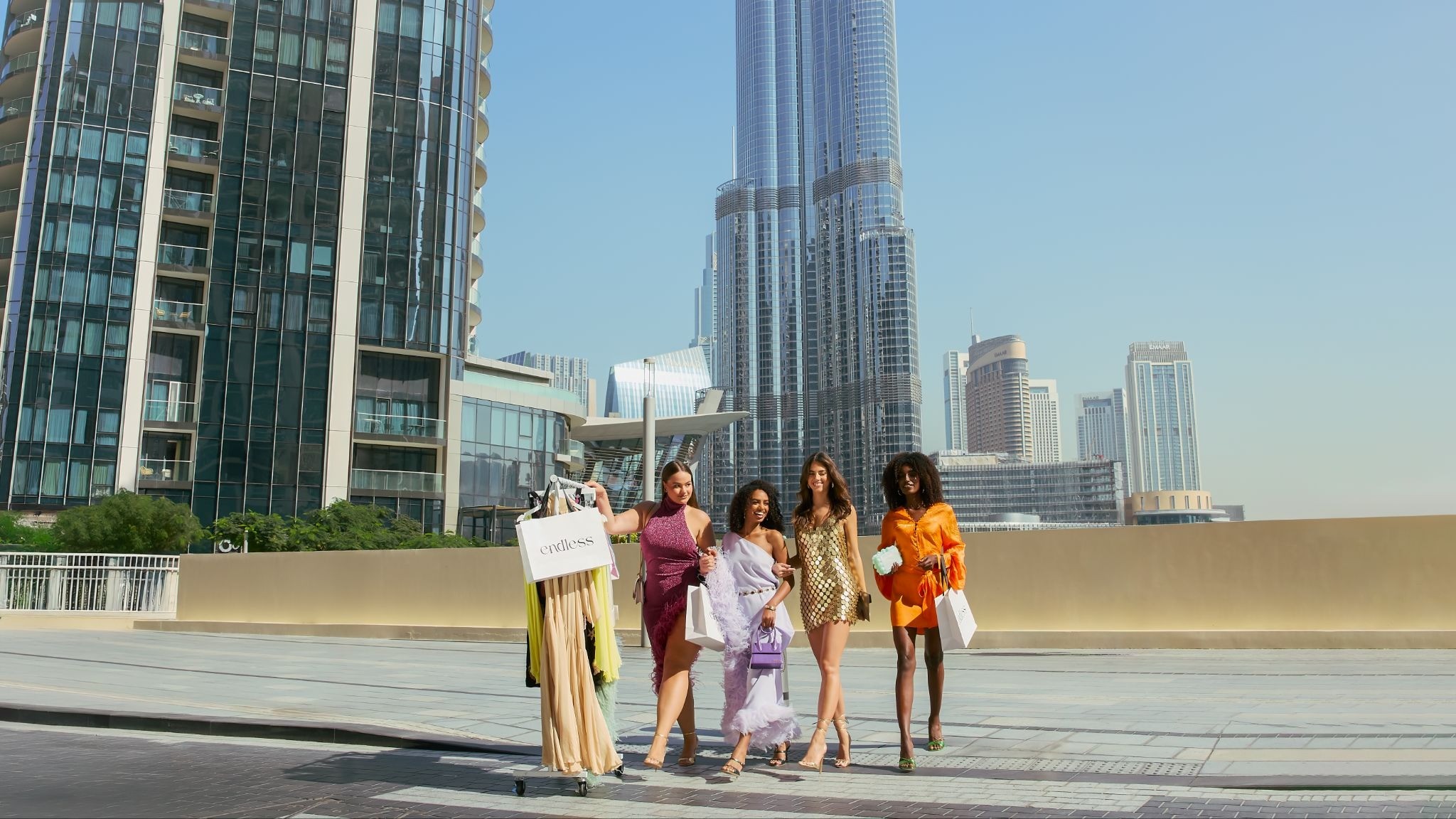
A new platform is entering the UAE’s growing creator economy with a clear focus on structure, reliability, and end-to-end execution. Founded by Rosie Gunn and Chris Primett, Endless Creators positions itself as a full-service talent, creator, and production platform designed to simplify how brands and creative professionals collaborate.
Bridging Gaps in a Fragmented Industry
The platform is built on firsthand industry experience. Having worked across campaigns as on-set talent, the founders identified persistent challenges within the region’s creative ecosystem, including inconsistent standards, fragmented workflows, and delays in payment and coordination.
Endless Creators is designed to address these inefficiencies by creating a more structured and transparent environment for both brands and talent. The focus is on bringing consistency to an industry that often operates across multiple disconnected layers.
A Curated Talent Ecosystem
Unlike open marketplaces, Endless Creators operates as a curated network. Talent is vetted and selected to ensure reliability and quality across projects. The platform brings together a wide range of creative professionals, including content creators, models, actors, videographers, stylists, and production specialists.
This approach enables brands to access a more controlled and dependable talent pool, while also offering creators a more organised and supportive working environment.
Beyond Talent: Full-Service Production
The platform extends beyond talent sourcing into full-scale production support. Services include creative direction, concept development, location management, and production execution. By integrating these functions, Endless Creators aims to reduce the complexity typically associated with managing creative projects across multiple vendors.
Operational tools are also built into the platform to improve efficiency, including structured call sheets, influencer licensing support, and systems designed to streamline communication between stakeholders.
Raising Standards Across the Ecosystem
A key focus for the platform is improving the overall experience for talent. This includes more transparent processes, reliable payment structures, and better on-set organisation. By addressing these foundational issues, Endless Creators is positioning itself as part of a broader shift towards professionalising the region’s creator economy.
Positioning the UAE as a Creative Hub
With roots in both the UAE and the UK, the founders are bringing a global perspective to a rapidly evolving local market. The platform is not only aimed at improving collaboration within the region but also at supporting the UAE’s positioning as a hub for high-quality production and creative output.
Editorial Perspective
The launch of Endless Creators reflects a wider transition in the creator economy, where scale alone is no longer enough. As brands demand higher quality, faster execution, and more accountability, platforms that combine talent access with operational structure are becoming increasingly relevant.
In this context, Endless Creators is not just another talent marketplace. It represents a move towards integrated, production-led ecosystems that align creative output with business outcomes—an approach that is likely to shape the next phase of growth in the region’s content and media landscape.
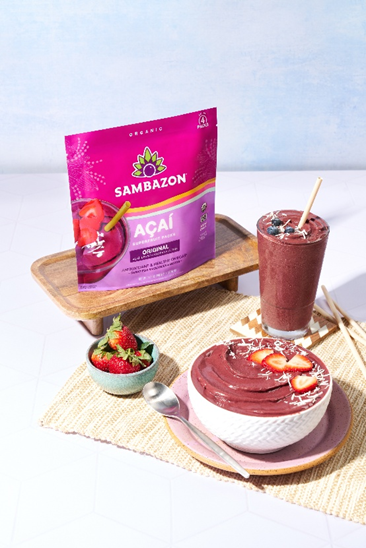

Ryan Black, Co-founder & CEO of SAMBAZON – the organic, fair trade and sustainable açaí brand – shares that the future of sustainability belongs to brands that can show measurable metrics, independent audits and full supply chain transparency.
Consumers are willing to pay more for sustainable products, even when inflation continues to shape purchasing decisions. For hospitality businesses, this is an important signal. It underlines that sustainability still carries commercial value, particularly in premium cafés, hotels, restaurants and foodservice settings where quality, provenance and brand trust all influence buying behaviour.
At the same time, consumers are becoming quicker to question the claims behind the products they buy. They may still value sustainability, but they are far less willing to accept broad environmental language without evidence. For hospitality operators, that creates a clear challenge. Sustainability can still support premium pricing, but only when it is credible, specific and properly substantiated.
At SAMBAZON, we continue to see strong demand for certified organic and ethically sourced products, despite inflationary pressure. That is especially true across natural retail, specialty grocery, foodservice and premium café channels.
Middle East consumers now actively seek transparency, clean labels and brands with verified impact. Our retail partners report that shoppers are willing to pay more for products that deliver on both quality and purpose, especially when certifications are clearly displayed and backed by third-party verification.
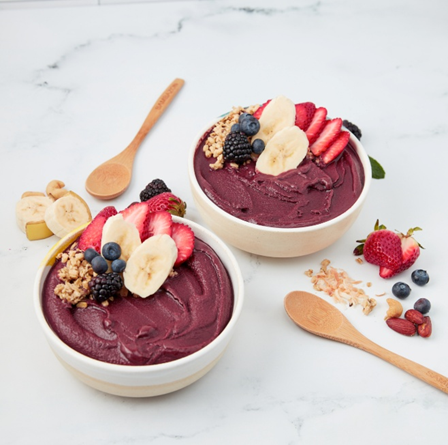
Sustainability = Quality
In hospitality, this premium positioning is often even more visible. Consumers increasingly associate certified organic and fair trade ingredients with superior quality, and that can strengthen menu pricing power. In other words, sustainability does not sit outside the guest experience. It’s part of how quality is perceived.
But hospitality businesses cannot rely on good intentions or attractive messaging.
Today’s consumer expects evidence, not claims.
The proof points that matter most are those that can be verified and explained clearly. That includes recognized certification standards such as Fair for Life and USDA Certified Organic, as well as traceability from harvest to finished product, third-party audits, transparent impact reporting and measurable environmental protection. Consumers also want to understand the wider effect of their purchase; they want to know how their buying decision supports farmers, protects ecosystems and reinvests in communities.
That shift matters, because many of the old shortcuts in sustainability communication no longer work. Terms such as sustainable, ethical, green and eco-friendly can quickly become meaningless if they are too broad or impossible to prove. In our view, those words should only be used when they can be defined clearly and supported by evidence. Internally, every sustainability claim we make has to meet three tests: it must be backed by third-party verification, terms used must be clearly defined, and we must be able to provide supporting data if asked. Whenever possible, we replace adjectives with numbers.
That discipline is important because misconceptions still persist. Some consumers assume that sustainability simply means a higher price without added value. Others confuse natural with certified ethical sourcing. Many still believe sustainability claims are mostly marketing.
In reality, verified sustainability requires audited standards, compliance costs and structural investment across the supply chain. The price reflects those commitments, but it also reflects quality, transparency and long-term environmental stewardship.
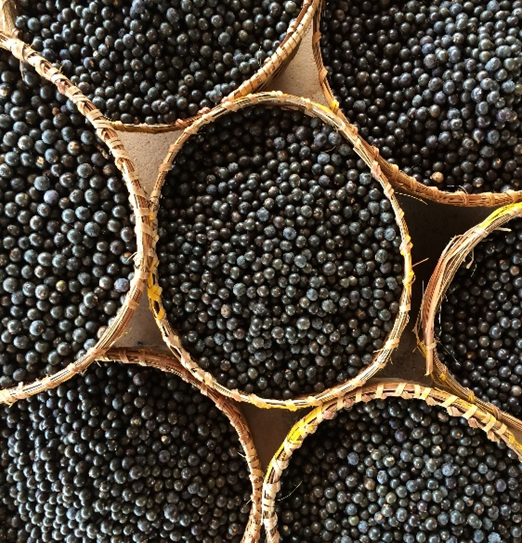
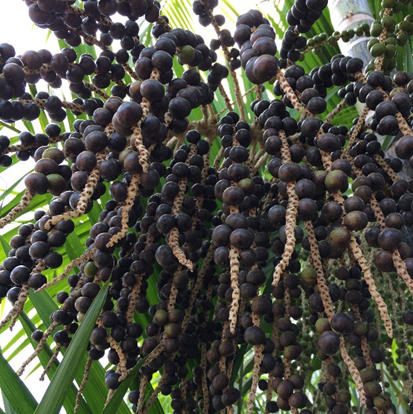
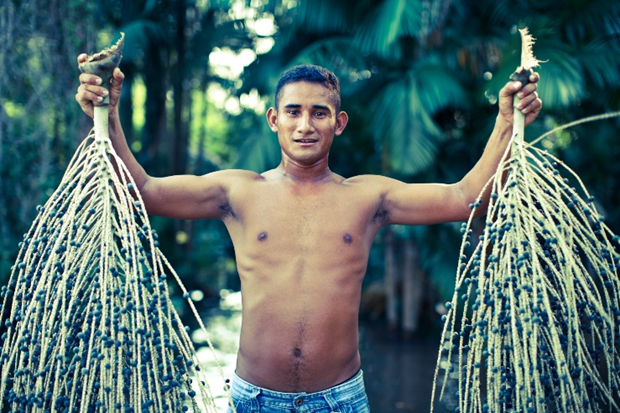
For SAMBAZON, ethical sourcing is not a campaign line. It is built into the structure of the business. One hundred per cent of our açaí is certified organic, and our entire supply chain is Fair for Life certified. We work directly with 827 individual açaí harvesters across 256 communities in the Amazon region.
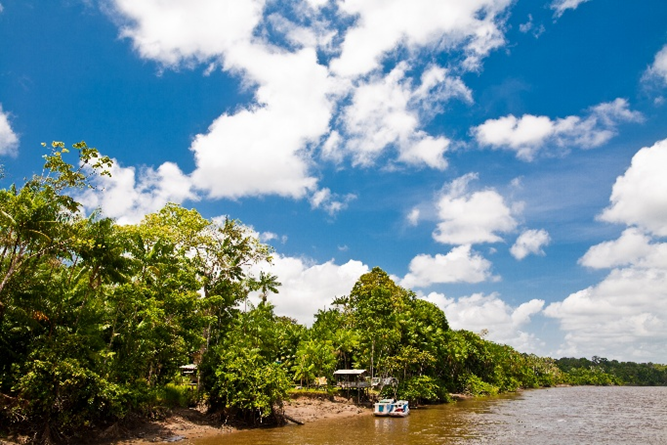
Since our founding, we have invested more than $1 million in harvester communities through verified fair trade premiums, helping to fund schools, health centers and community improvements. In 2024 alone, our Fair Trade-certified harvest area encompassed 100,204 acres of Amazon rainforest, an area more than four times the size of Paris. According to an independent 60 Decibels survey, 100 per cent of harvesters believe SAMBAZON contributes to the development of their community.
Those figures matter in hospitality because they move the conversation away from abstract values and into operational fact. They also help buyers explain why a product costs what it does.
Inflation has increased costs across logistics, packaging and global freight, but we have not reduced our certification standards or sourcing commitments to offset those pressures. We justify price through certified organic quality, verified fair trade sourcing, functional benefits and transparent, documented impact. Retailers and hospitality buyers understand that cutting corners on sourcing may reduce short-term cost, but it can also compromise brand equity and long-term consumer trust.
This is where the industry still gets it wrong. Too many sustainability claims rely on broad, unverified language with little measurable backing. Greenwashing often happens when brands use undefined terms without certification, highlight one positive initiative while ignoring wider supply chain impacts, or avoid third-party verification altogether. That may once have been enough to support a story, but it’s no longer enough to sustain trust.
For hospitality businesses, the lesson is straightforward. Consumers value sustainable products and will often pay more for them, even in a pressured economy. But the premium depends less on promise than on proof.
The future of sustainability communication will belong to brands that can show measurable metrics, independent audits and full supply chain transparency. In hospitality, where trust and perceived quality matter so much, documented proof is no longer a nice addition. It is the standard consumers increasingly expect.
Hospitality
HYDRATION WITH PURPOSE: OURWATR AND KEETA UAE COLLABORATE TO TURN EVERYDAY WATER INTO COMMUNITY IMPACT

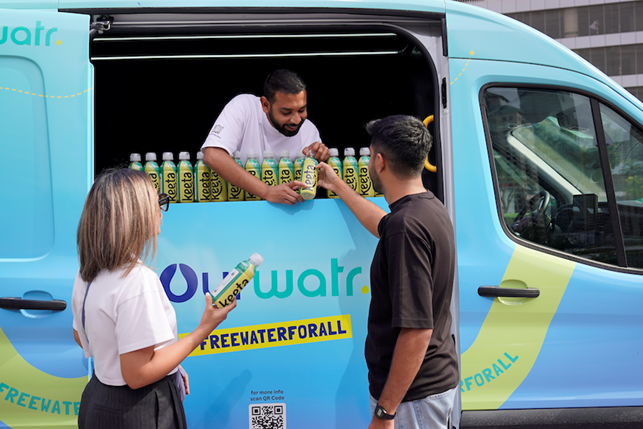
Ourwatr is set to revolutionize community hydration with its free mineral water programme. Today, Ourwatr proudly announces a purpose-led collaboration with Keeta, the international on-demand food delivery platform. This strategic partnership is designed to expand community access to locally produced premium mineral water while simultaneously reinforcing a shared, profound commitment to social impact across the UAE.
Designed to serve the communities it reaches, Ourwatr is a homegrown UAE startup built on the belief that every bottle of water should deliver value beyond refreshment. Through its purpose-led model, a portion of each bottle distributed is channelled toward community programmes in partnership with Beit Al Khair Society. Sourced from the natural underground springs of Dibba and bottled locally under the Emirates Quality Mark (EQM), Ourwatr reflects the strength and credibility of the UAE’s SME ecosystem, transforming everyday hydration into sustained community support.
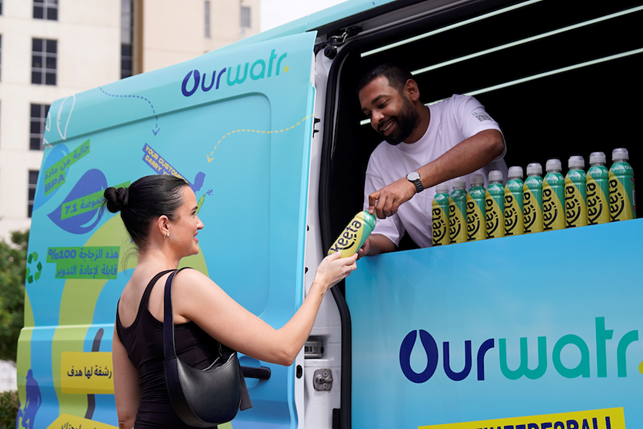
Through this collaboration, Keeta reinforces its commitment to supporting UAE-based SMEs initiatives that advance sustainability and community development. Keeta’s involvement provides crucial resources that enable Ourwatr to significantly expand its reach and accessibility. By aligning with a locally rooted platform like Ourwatr, Keeta contributes to scaling this impactful initiative responsibly, ensuring it maintains its community-first focus while reaching a broader audience. This collaboration reflects how platforms operating in the UAE can align their growth with broader social and environmental priorities, while actively supporting local businesses. Keeta’s support is instrumental in allowing Ourwatr to distribute its free mineral water more widely and enhance its community programs.
Commenting on the initiative, Lucas Xie, General Manager, Keeta UAE, said: “At Keeta, we see our mission as more than a platform; we are part of the communities we operate in. Partnering with Ourwatr allows us to support a homegrown initiative that embeds contribution into its everyday operations. By providing essential support, we are helping to expand Ourwatr’s access and reach, thereby playing a responsible role in strengthening the UAE’s SME ecosystem and fostering community-focused initiatives practically and sustainably.”
Abhinav Murali, Co-Founder of Ourwatr, said: “Ourwatr was founded on a simple conviction: giving back is not an initiative for us; it is built into every bottle we distribute. Our collaboration with Keeta enables us to scale this impact responsibly, reaching more people while ensuring that community contribution remains at the heart of our model. Growth means very little to us unless it strengthens the communities we operate in and leaves a positive mark beyond the product itself.”
With distribution planned across key neighborhoods in Dubai and the potential for broader expansion, the initiative is designed to scale thoughtfully while remaining firmly anchored in its founding principle: serving the UAE community through hydration with purpose. This initiative has been approved by the Islamic Affairs and Charitable Activities Department (IACAD) under permit number PRHCE- 004959682


Endless Creators Launches in the UAE to Streamline Talent and Production Workflows

Intel Core Series 3 Extends AI-Ready Performance to Value and Edge Computing Segments
WHY CREDIBLE SUSTAINABILITY STILL WINS IN AN INFLATIONARY MARKET



-
News10 years ago
SENDQUICK (TALARIAX) INTRODUCES SQOOPE – THE BREAKTHROUGH IN MOBILE MESSAGING
-

 Tech News2 years ago
Denodo Bolsters Executive Team by Hiring Christophe Culine as its Chief Revenue Officer
-
 VAR1 year ago
Microsoft Launches New Surface Copilot+ PCs for Business
-

 Trending6 months ago
OPPO A6 Pro 5G Review: Reliable Daily Driver
-

 Tech Interviews2 years ago
Navigating the Cybersecurity Landscape in Hybrid Work Environments
-

 Tech News9 months ago
Nothing Launches flagship Nothing Phone (3) and Headphone (1) in theme with the Iconic Museum of the Future in Dubai
-

 Automotive2 years ago
AGMC Launches the RIDDARA RD6 High Performance Fully Electric 4×4 Pickup
-

 VAR2 years ago
Samsung Galaxy Z Fold6 vs Google Pixel 9 Pro Fold: Clash Of The Folding Phenoms