
 Have a question? +971 56 404 0503




Hospitality
WHY CREDIBLE SUSTAINABILITY STILL WINS IN AN INFLATIONARY MARKET

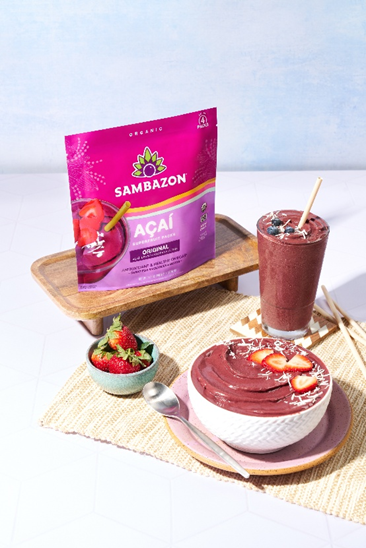


Ryan Black, Co-founder & CEO of SAMBAZON – the organic, fair trade and sustainable açaí brand – shares that the future of sustainability belongs to brands that can show measurable metrics, independent audits and full supply chain transparency.
Consumers are willing to pay more for sustainable products, even when inflation continues to shape purchasing decisions. For hospitality businesses, this is an important signal. It underlines that sustainability still carries commercial value, particularly in premium cafés, hotels, restaurants and foodservice settings where quality, provenance and brand trust all influence buying behaviour.
At the same time, consumers are becoming quicker to question the claims behind the products they buy. They may still value sustainability, but they are far less willing to accept broad environmental language without evidence. For hospitality operators, that creates a clear challenge. Sustainability can still support premium pricing, but only when it is credible, specific and properly substantiated.
At SAMBAZON, we continue to see strong demand for certified organic and ethically sourced products, despite inflationary pressure. That is especially true across natural retail, specialty grocery, foodservice and premium café channels.
Middle East consumers now actively seek transparency, clean labels and brands with verified impact. Our retail partners report that shoppers are willing to pay more for products that deliver on both quality and purpose, especially when certifications are clearly displayed and backed by third-party verification.
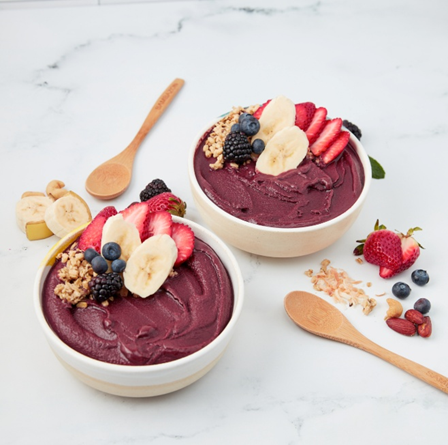

Sustainability = Quality
In hospitality, this premium positioning is often even more visible. Consumers increasingly associate certified organic and fair trade ingredients with superior quality, and that can strengthen menu pricing power. In other words, sustainability does not sit outside the guest experience. It’s part of how quality is perceived.
But hospitality businesses cannot rely on good intentions or attractive messaging.
Today’s consumer expects evidence, not claims.
The proof points that matter most are those that can be verified and explained clearly. That includes recognized certification standards such as Fair for Life and USDA Certified Organic, as well as traceability from harvest to finished product, third-party audits, transparent impact reporting and measurable environmental protection. Consumers also want to understand the wider effect of their purchase; they want to know how their buying decision supports farmers, protects ecosystems and reinvests in communities.
That shift matters, because many of the old shortcuts in sustainability communication no longer work. Terms such as sustainable, ethical, green and eco-friendly can quickly become meaningless if they are too broad or impossible to prove. In our view, those words should only be used when they can be defined clearly and supported by evidence. Internally, every sustainability claim we make has to meet three tests: it must be backed by third-party verification, terms used must be clearly defined, and we must be able to provide supporting data if asked. Whenever possible, we replace adjectives with numbers.
That discipline is important because misconceptions still persist. Some consumers assume that sustainability simply means a higher price without added value. Others confuse natural with certified ethical sourcing. Many still believe sustainability claims are mostly marketing.
In reality, verified sustainability requires audited standards, compliance costs and structural investment across the supply chain. The price reflects those commitments, but it also reflects quality, transparency and long-term environmental stewardship.
For SAMBAZON, ethical sourcing is not a campaign line. It is built into the structure of the business. One hundred per cent of our açaí is certified organic, and our entire supply chain is Fair for Life certified. We work directly with 827 individual açaí harvesters across 256 communities in the Amazon region.
Since our founding, we have invested more than $1 million in harvester communities through verified fair trade premiums, helping to fund schools, health centers and community improvements. In 2024 alone, our Fair Trade-certified harvest area encompassed 100,204 acres of Amazon rainforest, an area more than four times the size of Paris. According to an independent 60 Decibels survey, 100 per cent of harvesters believe SAMBAZON contributes to the development of their community.


Those figures matter in hospitality because they move the conversation away from abstract values and into operational fact. They also help buyers explain why a product costs what it does.
Inflation has increased costs across logistics, packaging and global freight, but we have not reduced our certification standards or sourcing commitments to offset those pressures. We justify price through certified organic quality, verified fair trade sourcing, functional benefits and transparent, documented impact. Retailers and hospitality buyers understand that cutting corners on sourcing may reduce short-term cost, but it can also compromise brand equity and long-term consumer trust.
This is where the industry still gets it wrong. Too many sustainability claims rely on broad, unverified language with little measurable backing. Greenwashing often happens when brands use undefined terms without certification, highlight one positive initiative while ignoring wider supply chain impacts, or avoid third-party verification altogether. That may once have been enough to support a story, but it’s no longer enough to sustain trust.
For hospitality businesses, the lesson is straightforward. Consumers value sustainable products and will often pay more for them, even in a pressured economy. But the premium depends less on promise than on proof.
The future of sustainability communication will belong to brands that can show measurable metrics, independent audits and full supply chain transparency. In hospitality, where trust and perceived quality matter so much, documented proof is no longer a nice addition. It is the standard consumers increasingly expect.
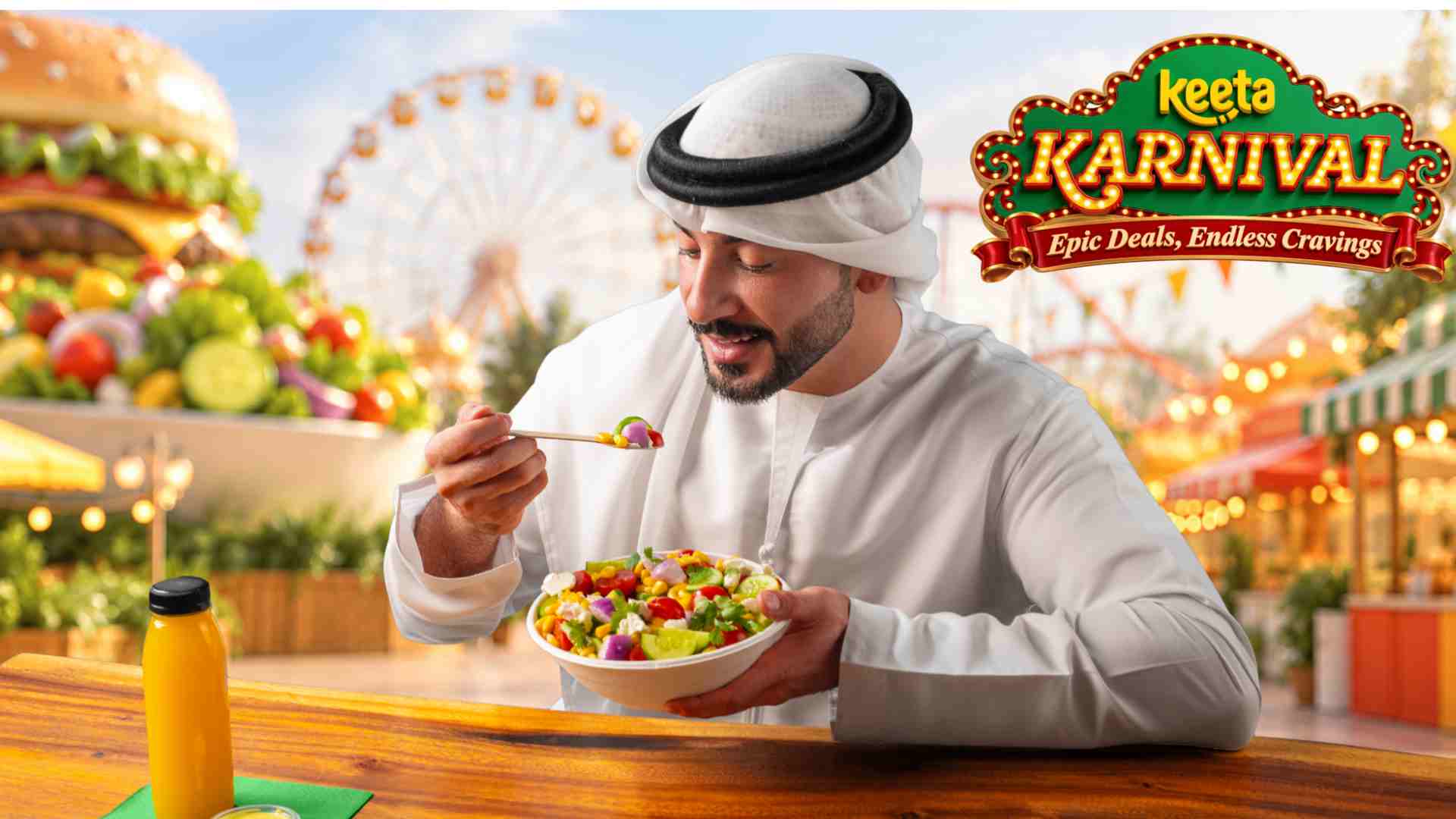
Keeta, the international on-demand food delivery platform, is kicking off Keeta Karnival, marking the first edition of its signature food celebration in the UAE. Running from 15 October to 31 October 2026, the campaign will connect customers with thousands of restaurants across all seven emirates through special offers, limited-time deals, competitions and on-ground experiences.
True to its promise of “Epic Deals, Endless Cravings”, Keeta Karnival invites customers to explore more of the UAE’s food scene, from neighbourhood favourites to restaurants they have yet to try. During the peak promotional period from 15 to 31 October, customers can enjoy discounts of up to 50% at participating restaurants, while restaurant partners gain more ways to reach new customers.

“Food brings people together in the UAE, and the variety of restaurants here is remarkable,” said Lucas Xie, General Manager of Keeta UAE. “Keeta Karnival is our way of celebrating that variety, giving customers more reasons to try something new while helping participating restaurants reach new audiences. As we enter our second year in the UAE, the campaign reflects our long-term commitment to the customers and restaurant partners we serve across the country.”
More ways to discover and enjoy
The campaign’s offers are brought together in the Keeta Karnival hub within the Keeta app. Keeta Around You will spotlight curated restaurant picks across UAE cities, with up to 50% off at participating restaurants. Flash Deals will offer selected deals at AED 19 with free delivery, Monday to Friday between 2:30 pm and 5:30 pm.
From 18 to 31 October, Keeta Week – The Karnival Edition will offer 50% off the full menu, including promotional items, plus free delivery at participating restaurants. The celebration also takes to the skies with Keeta Drone, extending the Karnival promotion to its service areas in Dubai Silicon Oasis. Customers at Dubai Land, Rochester Institute of Technology, Dubai and Dubai Silicon Oasis Headquarters can enjoy the campaign’s offers through drone delivery, bringing together food discovery, value and delivery innovation.
Every eligible order above AED 100 placed between 15 October and 14 November will also be automatically entered into a draw to have the chance to win a Jetour T2, with the winner to be announced on 16 November. Customers paying with eligible Emirates Islamic Visa cards can also save up to AED 20 on their orders until 1 November.
Bringing Keeta Karnival into the community
Alongside the in-app campaign, Keeta Karnival is coming to life across the UAE. At Global Village in Dubai, the Keeta booth at Happiness Plaza 2 will host games, voucher giveaways and restaurant sampling over two weekends, 16–18 and 23–25 October. Over the opening weekend, visitors to Al Forsan Mall in Abu Dhabi can also join interactive games and win vouchers.
By combining restaurant discovery with experiences beyond the app, Keeta Karnival gives participating restaurants more ways to connect with customers, building on Keeta’s presence across all seven emirates and its long-term commitment to the UAE’s food scene.
Keeta Karnival runs from 15 October to 31 October 2026. Customers can explore participating restaurants, offers and activities in the Keeta Karnival hub in the Keeta app, available on the App Store and Play Store.
Hospitality
AL RAHA BEACH RESORT & SPA ABU DHABI INTRODUCES FOUR NEW EXPERIENCES TO ENJOY THIS SEASON

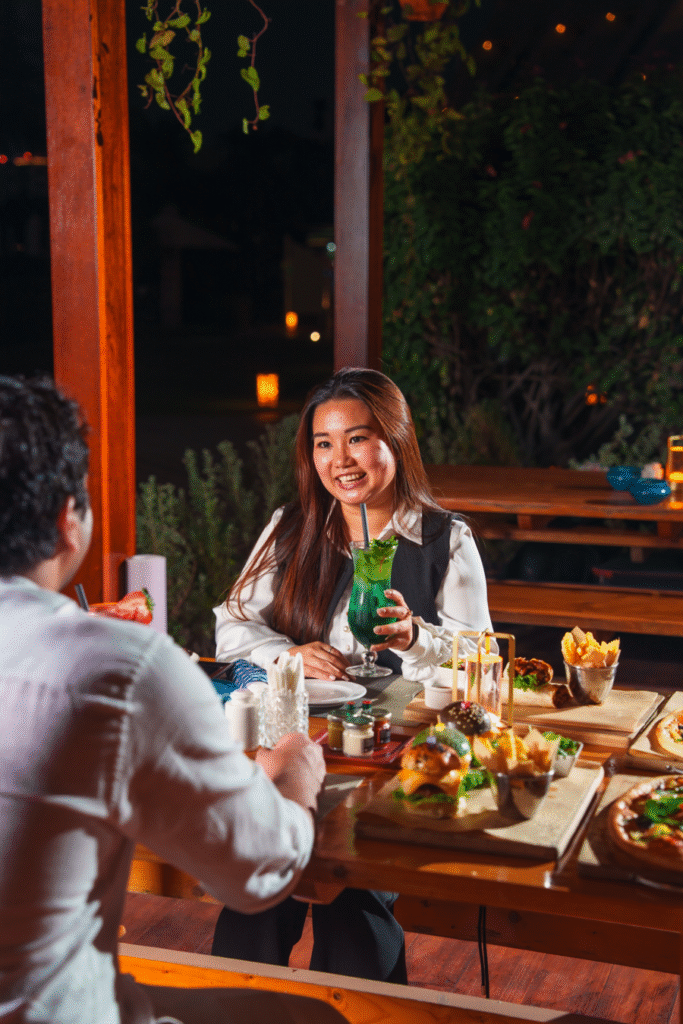
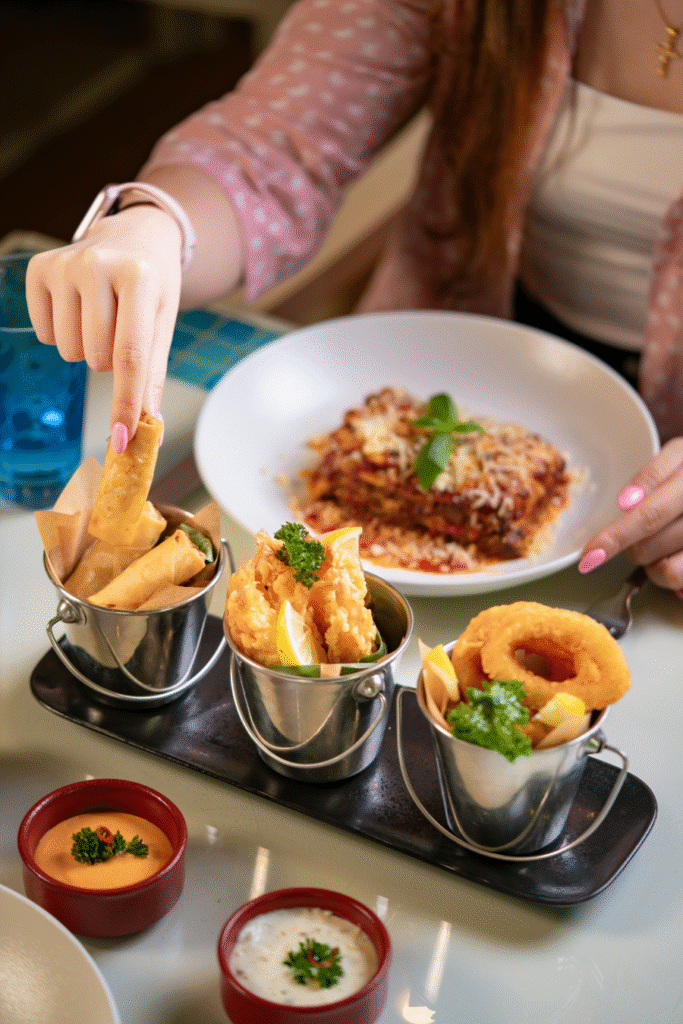
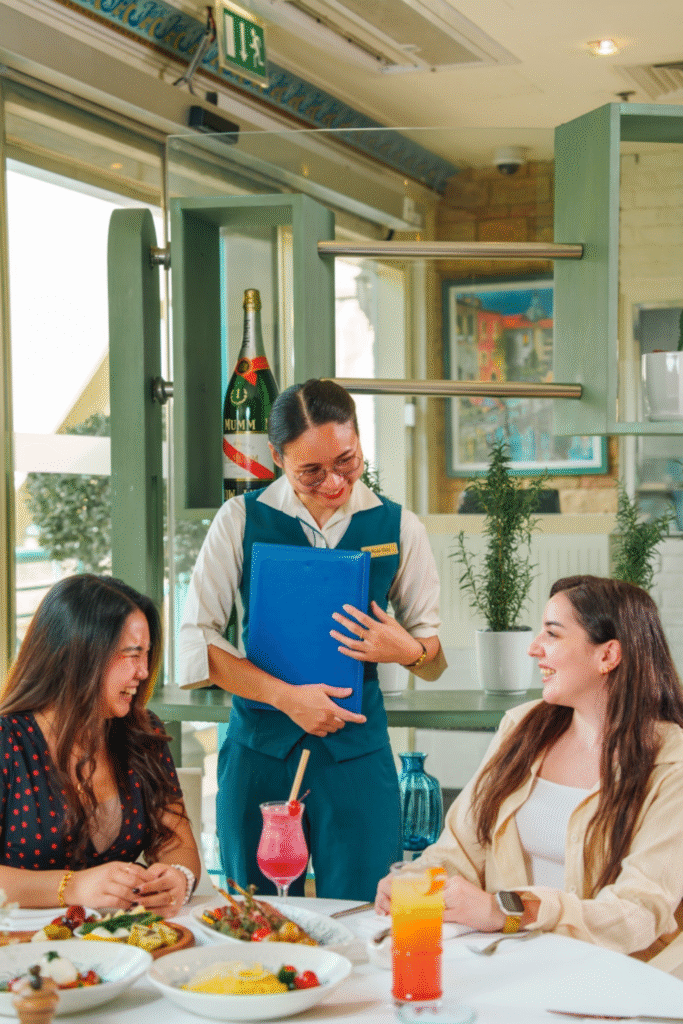
As the cooler months arrive, Al Raha Beach Resort & Spa, Abu Dhabi is giving residents and visitors four new reasons to step out and enjoy the season. With a line-up of experiences across Black Pearl, La Piscine and Azur Restaurant, guests can look forward to everything from lively ladies’ nights and golden-hour gatherings to relaxed al fresco evenings and sophisticated jazz nights, with packages starting from just AED 85 per person.
Black Pearl Ladies’ Night – Every Tuesday, Starting 20 October
Tuesday evenings are getting a little more exciting at Black Pearl with the introduction of its new Ladies’ Night. Perfect for catching up with friends or enjoying a midweek evening out, the experience brings together good company, a lively atmosphere and a little midweek indulgence. For AED 85 per person, ladies can enjoy free-flowing house beverages accompanied by a bar bites platter, making it an ideal excuse to gather the girls and enjoy the evening. The offer is available every Tuesday from 7 PM to 10 PM.
La Piscine Sundowners – Every Friday, Starting 16 October
Friday evenings are all about golden-hour moments at La Piscine. As the sun begins to set, guests can unwind by the pool, enjoy the relaxed atmosphere and ease into the weekend with refreshing drinks and delicious bites. Priced at AED 99 per person, the Sundowners package includes two selected drinks and a bar bites platter, offering a laid-back way to enjoy Abu Dhabi’s cooler evenings. The offer is available every Friday from 5 PM to 7 PM.
Jazz Nights at Black Pearl – Every Thursday, Starting 22 October
For those who enjoy a more sophisticated evening, Black Pearl introduces Jazz Nights, bringing together smooth jazz, whiskey and cigars in an intimate setting. Whether it’s an after-work gathering or a relaxed night out, the experience offers a refined way to unwind as the week draws to a close. Priced at AED 99 per person, the package includes two selected drinks and one selected cigar. Jazz Nights take place every Thursday from 7 PM to 10 PM.
Azur Al Fresco Aperitivo – Every Saturday, Starting 17 October
With the return of outdoor dining season, Azur Restaurant invites guests to embrace the Italian tradition of aperitivo with its new Al Fresco Aperitivo experience. Designed for leisurely early evenings, the offering is perfect for catching up with friends, enjoying the pleasant weather and unwinding over drinks and light bites. For AED 99 per person, guests can enjoy two selected drinks accompanied by an antipasti platter. The experience is available every Saturday from 5 PM to 7 PM.
With these four new offerings, Al Raha Beach Resort & Spa Abu Dhabi brings together a variety of experiences to suit every occasion. Whether it’s a midweek ladies’ night, a relaxed Friday sundowner, an evening of jazz or a Saturday aperitivo, the resort offers plenty of ways to make the most of the season.
Hospitality
From the MICHELIN Stage to Delhi Street Food: Chef Pradeep Khullar and Saubhagi Veer Launch One Dish Venture – Bhaturewala in Dubai
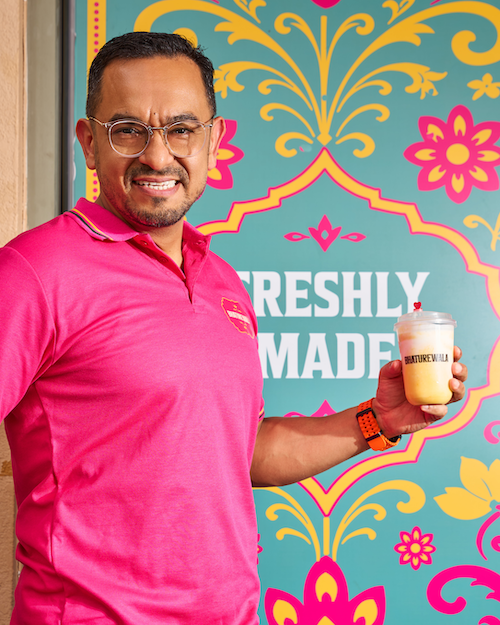
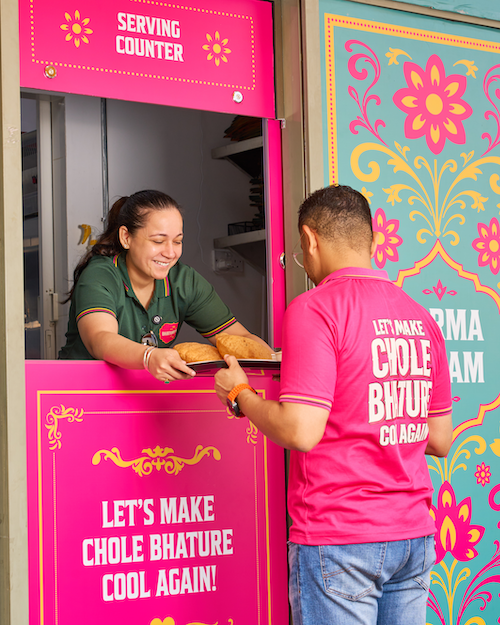
After years of building restaurant experiences and working in Dubai’s fine-dining hospitality industry, Chef Pradeep Khullar and Saubhagi Veer have partnered up to turn their attention to their own passion venture, Bhaturewala — a focused One-Dish food concept dedicated to the flavours of Delhi.
Following Chef Pradeep Khullar and Saubhagi Veer work at Nazaara, which was selected for the MICHELIN Guide Dubai 2026, the duo are embracing something deliberately simpler: bringing Delhi-style chole bhature and mutton bhature to Dubai through a takeaway and car-dining concept built around a love for the food, rather than an expansive restaurant format. Opening on Friday, October 16, at Shop 7, Lamcy A Building in Oud Metha, Bhaturewala will serve a tightly focused menu featuring Bhature in two signature flavours – Chole & Mutton accompanied by lassi. There will be no sprawling menu, conventional dining room or full-service restaurant setup. Instead, the focus will remain firmly on the food, with customers able to collect their orders or enjoy them in their cars.
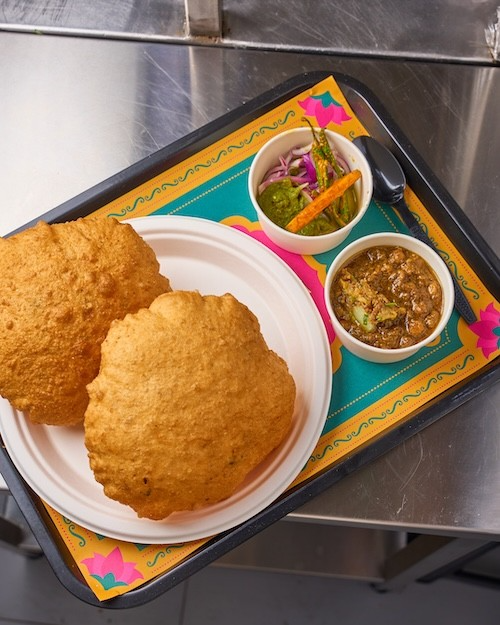
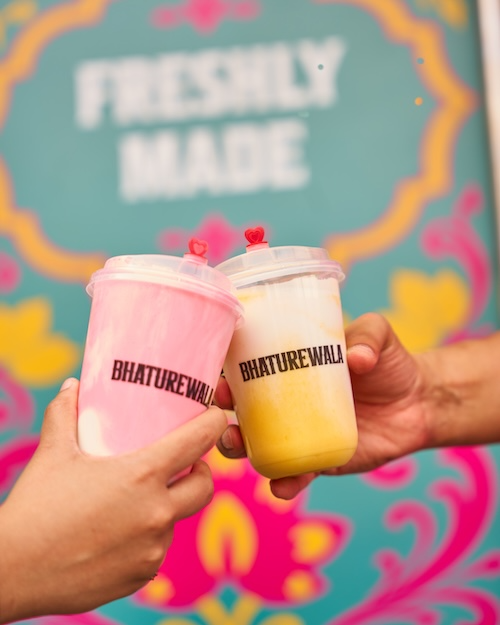
The concept will operate on Friday evenings and on Saturday and Sunday mornings and evenings, with a limit of just 200 plates per day.
For Khullar, the venture is a personal tribute to the city where his culinary journey and love for food took shape.
“Delhi is not just where I grew up; it is a part of who I am as a chef. Some of my strongest food memories are rooted in the streets, neighbourhoods and flavours of that city. Having spent years cooking in fine dining, I wanted to bring something much more personal to Dubai — a little piece of the Delhi I know and love, right here in the neighbourhood I call home. Bhaturewala is my way of sharing those memories through food that is honest, familiar and full of character. It’s not about reinventing Delhi street food; it’s about doing justice to it,” said Chef Pradeep Khullar, Co-founder of Bhaturewala.
For Veer, whose experience spans restaurant leadership and brand building, the opportunity lay in creating something distinctive in a city where chole bhature is already widely available.
“Dubai already has plenty of places serving chole bhature, and we never set out to be just another one. We wanted to build a concept around a simple belief: you don’t need a hundred things on a menu if you can do two things exceptionally well. Specialisation is at the heart of Bhaturewala — getting the food right, staying true to what we set out to serve, and making every plate count. The limited menu and 200-plate-a-day approach are deliberate. We want people to come to us because they know exactly what they’re coming for, and they know we care about getting it right. For us, this is about choosing focus over scale, and quality over quantity from day one,” added Saubhagi Veer, Co-founder of Bhaturewala.
The idea for Bhaturewala took shape after years of conversations, planning and the familiar refrain of kabhi toh karenge — someday, we will do it. The founders have now decided to take that step, building a business of their own on their own terms, alongside their established careers in hospitality.
The approach is intentionally uncomplicated: a focused menu, a limited number of plates, and a casual, neighbourhood-friendly way for customers to enjoy Delhi-inspired food without the ceremony of a traditional restaurant experience.
At its heart, Bhaturewala is guided by one simple thought: Dilli Se Direct, bringing a taste of Delhi to Dubai, straight from the city’s food traditions to the neighbourhood they call home.


IKEA Turned Last-Minute Hosting into a 90-Second Guest-Ready Tidy-Up Challenge
Building Digital Sovereignty Through Operational Control
A Coffee and Macaroon Affair Acacia Lounge



-

 Trending12 months ago
OPPO A6 Pro 5G Review: Reliable Daily Driver
-

 Tech News2 years ago
Denodo Bolsters Executive Team by Hiring Christophe Culine as its Chief Revenue Officer
-
 VAR2 years ago
Microsoft Launches New Surface Copilot+ PCs for Business
-

 Automotive2 years ago
AGMC Launches the RIDDARA RD6 High Performance Fully Electric 4×4 Pickup
-
Tech Interviews3 years ago
Navigating the Cybersecurity Landscape in Hybrid Work Environments
-

 Hospitality2 years ago
Gulfood 2025 30th Edition Kicks Off Today, Setting New Benchmarks in F&B Growth and Innovation
-

 Tech News1 year ago
Nothing Launches flagship Nothing Phone (3) and Headphone (1) in theme with the Iconic Museum of the Future in Dubai
-

 VAR2 years ago
Samsung Galaxy Z Fold6 vs Google Pixel 9 Pro Fold: Clash Of The Folding Phenoms