
 Have a question? +971 56 404 0503




Automotive
Al-Futtaim Automotive Builds On 23-Year Legacy of Trust & Leadership in UAE’s Pre-Owned Car Market to Sell Over 25,000 Used Vehicles in 2023

Al-Futtaim Automotive has crossed another successful milestone in the pre-owned car segment, selling over 25,000 used vehicles in 2023. Leveraging over 23 years of trust, expertise and reliability, Al-Futtaim Automotive has set an unparalleled standard of excellence across its used-car operations that covers Certified Pre-Owned Vehicles from its brand portfolio as well as its multi-brand used-car business, Automall.
In the latest business figures shared by the used-car division, SUVs dominated the market at 48% sales, followed by sedans at 29%; while the Toyota Yaris, Toyota Corolla, and Toyota Prado took the top three spots as the best-selling models in their used car portfolio. Amongst the brands, Toyota and Honda ranked first in terms of residual value, with Prado, Yaris, and RAV4 models being the most in demand.
The UAE’s largest retailer of used cars in terms of volumes and business presence, Al-Futtaim Automotive is also at the forefront of technological integration, a factor that has played a role in its business success. For many years, the company has integrated a fully digital evaluation tool offering swift market valuation of used cars alongside providing customers with the best value, fair pricing, and transparency with no hidden costs. The used-car division is also among the first to introduce a state of the art unique ‘photobooth’ showcase on their web-channels, offering customers a chance to virtually explore cars with a 360-degree view, see the exterior and interior up-close, and experience the car in detail as if inside a showroom.
Carlos Montenegro, Managing Director – Fleet & Pre-Owned Division, Al-Futtaim Automotive, shared, “Year-on-year the pre-owned business has seen tremendous growth, and this is down to several factors, most important of which is the trust and reliability in the Al-Futtaim Automotive brand. Trust is a crucial factor for any pre-owned car customer, for this, a minimum 1-year Al-Futtaim Warranty in Automall and up to 5 years Warranty for the Certified Pre-Owned Vehicles from our brands will always be provided. Reliability of every unit is also a critical, and we go to great lengths to reassure customers, right from meticulous 360˚ inspection process of every used-car to prepping them with only certified spare parts at the largest Used-Car Prep Center in the UAE. This is the prime reason why every pre-owned car coming with the Al-Futtaim Automotive badge is inevitably considered as a superior quality vehicle, translating to business success every year.
Carlos Montenegro further added, “Moreover, it’s important to remember that Al-Futtaim Automotive signifies more than a vehicle, we have one of the widest aftersales service networks, alongside excellent financing options, all managed in-house. We are truly an all-in-one destination for everything that the used-car customer needs. This is something that we wanted to clearly bring on-ground with the Auto Fest, where we are showcasing pre-ownedused cars representing the extensive brand portfolio of Al-Futtaim Automotive alongside aftersales packages and plenty more value-adds.”
The company’s commitment to excellence is further exemplified by the state-of-the-art Used Cars Prep Centre inaugurated in January 2023. The centre, among the largest in the region, is staffed with highly qualified technicians averaging over 10 years of experience with the capacity to prepare over 25,000 units annually.
Al-Futtaim Automotive’s Certified Pre-Owned Division vehicles come with a minimum 1-year Al-Futtaim Warranty and roadside assistance, providing customers with peace of mind.
In continuation of their successful journey, Al-Futtaim Automotive’s Certified Pre-Owned divisions are set to host the second edition of their signature event, Auto Fest, taking place March 1 to 3 at Dubai Festival Plaza in Dubai Festival City. Visitors can get exclusive, limited-time offers on leading car brands within the Al-Futtaim Automotive portfolio such as Toyota, Lexus, Ram, Honda, Volvo, Dodge, Jeep, and Polestar. The first edition of this sales extravaganza took place recently from February 23 to 25, 2024.
Automotive
Mazal Launches First-of-its-kind Escrow-Protected Marketplace for Premium Number Plates Trading

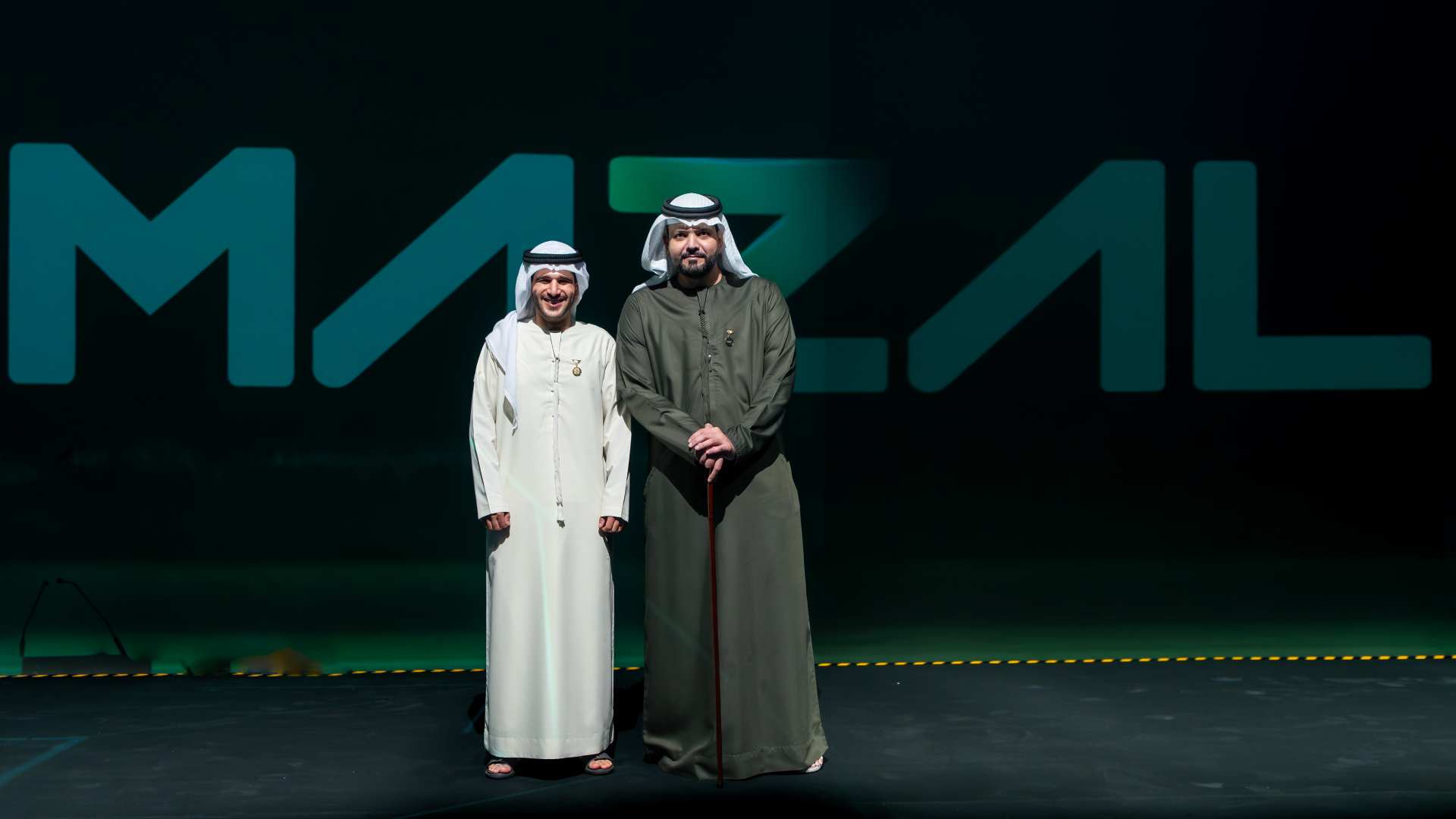
Mazal has officially launched its new digital platform, introducing what it describes as the UAE’s first escrow-protected ecosystem dedicated to the buying, selling and trading of premium Dubai number plates.
The platform was unveiled at an exclusive launch event held at a cutting-edge digital and vibrant event venue, bringing together industry stakeholders, collectors, investors and enthusiasts to mark a new chapter in Dubai’s premium number plate market.
The event also featured a live auction – the first of its kind taking place in the UAE for secondary number plates. Mazal premium number plates and premium Mazal IDs were also auctioned, lifting the energy of the evening to an all-time high.
Built around the principles of trust, transparency and security, Mazal aims to bring greater structure and efficiency to a market that has traditionally relied on informal transactions, independent brokers and manual ownership transfers. The platform provides users with a centralised environment where number plates are secured under Mazal’s custody before being made available for trading
Commenting on the occasion, Abdulla Al Meer, Co-Founder & Chairman, Mazal, said: “Building a credible market requires more than technology; it requires trust, governance and a clear framework around ownership and transactions. With my experience in Dubai’s number plate industry and its regulatory landscape, I have seen first-hand the importance of creating processes that protect both the asset and the people involved in a transaction. Mazal brings these principles together through verified ownership, secure payments and a transparent transaction journey, setting a stronger standard for the market.”
Adding to this, Ahmad Al Nasser, Co-Founder & CEO, Mazal, said: “Dubai’s premium number plate market has developed into a sophisticated trading environment, with plates increasingly recognised for their scarcity, value and long-term potential. Having spent years close to the commercial side of this industry, I have seen the need for a platform that can bring greater efficiency, transparency and accessibility to the way these assets are traded. Mazal is designed to provide that structure while preserving what makes this market unique.”
Mazal enables users to browse and list premium number plates, participate in live auctions and complete transactions through a protected escrow process. Under its transaction framework, buyers’ funds are securely held from the moment a deal is agreed and are released only once the official ownership transfer has been confirmed.
To further support secure and convenient transactions, Mazal has partnered with Transguard to facilitate reliable cash collection services for clients who choose to make payments through this method. The partnership adds an additional layer of convenience for customers while supporting the platform’s broader focus on secure and transparent transactions.
The platform also introduces data-driven valuations, with premium plates assessed against factors including transaction history, market demand, rarity and number patterns. This is designed to give buyers and sellers greater visibility into the value of an asset and reduce the uncertainty traditionally associated with premium number plate transactions.
Alongside its technology and transaction infrastructure, Mazal is investing in building a team that reflects the UAE’s talent and leadership ambitions. Through its partnership with TASC, the company is sourcing and recruiting top Emirati talent to support its growth and contribute to the development of a locally rooted business with regional ambitions.
Mazal’s launch comes at a time when premium number plates are increasingly being viewed as collectible and investment assets. According to the company’s market assessment, Dubai’s premium number plate market records approximately 55,000 transactions annually, with the market growing by around 20%. Premium plates can command significant values, with the highest recorded sale cited at AED 55 million and the premium plate market having recorded a value of AED 1.7 billion over three years.
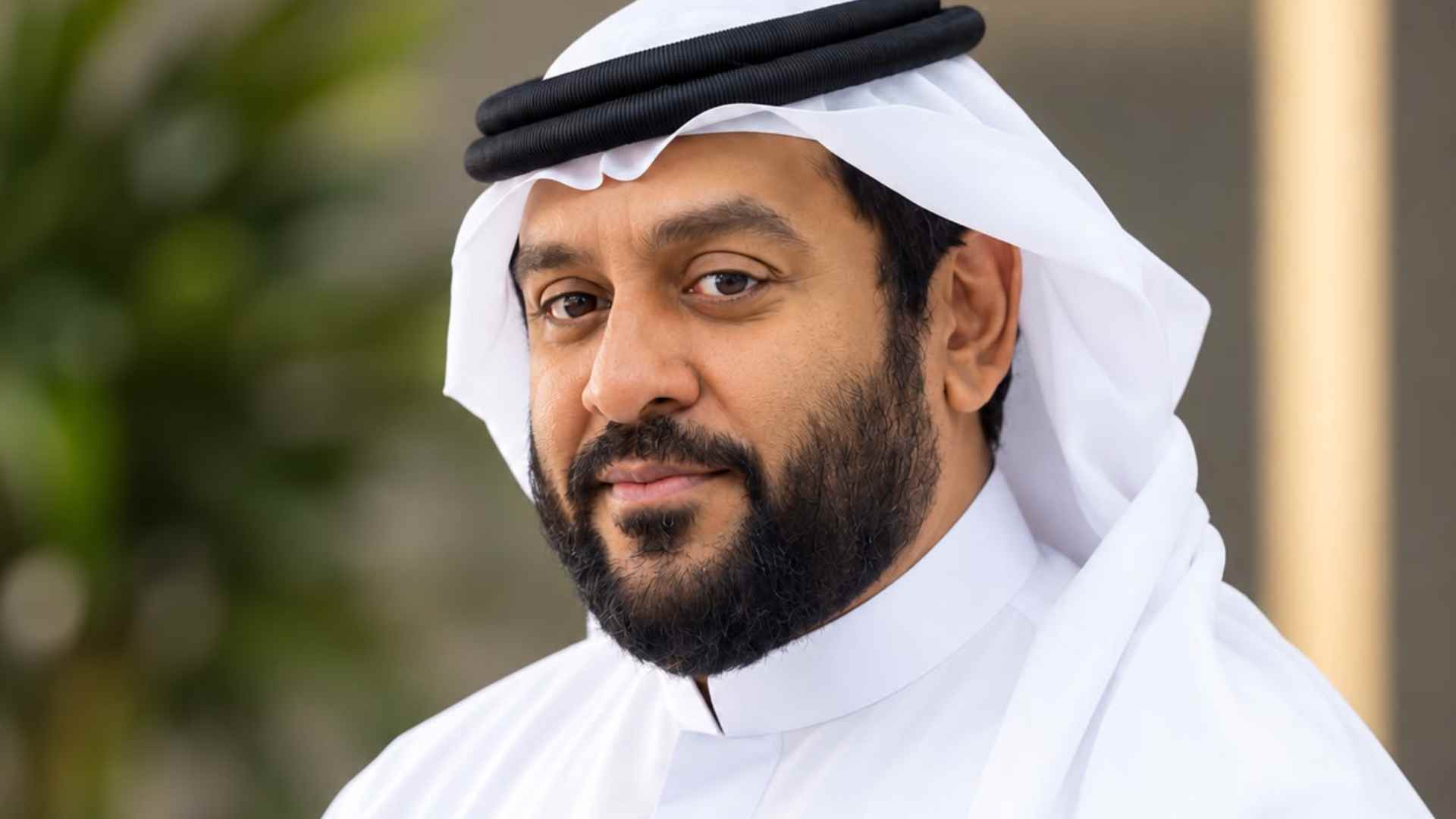
Exclusive Interview With Nasser Saeed Ahmed Nasser Lootah Founder & Chairman, N S Lootah Group
How are new consumer preferences in the UAE and the GCC’s established premium motorcycle market influencing N S Lootah Motors’ brand positioning strategies?
“Customers in the UAE and across the GCC are extremely well informed. They travel, they know international brands, and they compare technology, performance, design and service before making a decision.
For us, premium cannot simply mean expensive. There has to be something genuinely distinctive behind the product — whether that is the engineering, technology, design or the overall ownership experience.
That is one of the reasons SOUO interested us. The S2000 brings something genuinely different to the market, including the world’s first production Flat-8 motorcycle engine. But specifications alone are not enough. Our responsibility is to introduce the brand properly, build confidence around it and provide the level of service and support that customers in this market expect.”
Are there plans for N S Lootah Motors to diversify into commercial mobility solutions, or will the company remain focused on premium, lifestyle and luxury segments?
“At this stage, our focus is on building N S Lootah Motors around distinctive automotive and mobility opportunities where we believe we can bring something meaningful to the UAE market. We are open-minded about the future. If we see an opportunity in commercial mobility or another segment that has strong potential and fits our capabilities, we will certainly consider it.
But expansion must have a purpose. We don’t want to enter a category simply because it is growing. There must be a strong product, a clear market opportunity and a business where we believe N S Lootah Motors can genuinely add value. If we see an opportunity in commercial or another area of mobility that makes sense, and where we believe we can genuinely add value, we will consider it. But we don’t want to enter categories simply for the sake of expansion.”
What specific factors will decide if a new brand or mobility business becomes part of N S Lootah Motors for its automobile offerings?
“The first thing is always the product. It has to offer quality, strong engineering and a clear reason for the customer to choose it. Then we look very carefully at the company behind the product. We want partners who are serious about the UAE, who understand that building a brand takes time, and who are prepared to invest in the market together with us. After-sales support is equally important. We look at spare parts, technical training, warranty, product development, marketing support and the future product pipeline.
Ultimately, we ask ourselves whether this is something we can build into a sustainable long-term business. We are not interested in simply adding brands to our portfolio. We want partnerships that we believe can grow with us.”
What evaluation standards and market strategies should the team follow when selecting and discussing exclusive UAE distribution rights for upcoming OEM partners?
“Exclusivity by itself is not enough. What matters is what we can build with that exclusivity. Before taking on an OEM, we need to understand the product, the customer, the size of the opportunity and where the brand can realistically sit in the UAE market. We also need to understand what the manufacturer expects from us and what level of support they are prepared to provide.
I want the team to look beyond initial sales numbers. Product quality, pricing, spare-parts availability, warranty, technical training, marketing support and the future product pipeline are all important.
Most importantly, there has to be trust. A distributor and an OEM should operate as partners. If we are investing our name, our people and our resources into developing a brand in the UAE, we need a partner who shares the same long-term commitment.”
Currently, N S Lootah Motors has a special flagship showroom in Dubai that handles sales, test drives and brand interaction. What is the brand’s plan for expanding its retail presence in other MEA regions?
“Dubai is our starting point, and our priority is to establish the business properly here first. The showroom gives customers the opportunity to see the motorcycles, experience the brand and take a test ride. Just as importantly, it gives us direct contact with customers and allows us to understand what the market really wants.
From there, expansion should follow genuine demand. Our ambition is regional, but we want that growth to be disciplined. We would rather establish one market properly and then move into the next with the right partner, infrastructure and customer support in place.”
Are there any differences between the expectations of the brand you represent and the realities of selling motorcycles in the UAE market?
“Of course. Every international brand enters a market with certain expectations, but every market has its own character. The UAE customer expects a very high standard — not only from the product, but from the entire experience. Customers expect quick responses, knowledgeable salespeople, reliable after-sales service and easy access to spare parts.
Motorcycles are also very community-driven here. Riding groups, events, weekend rides and relationships between riders are an important part of the market. Our role as the local distributor is to understand both sides. We help the manufacturer understand the UAE customer, while making sure the brand is communicated and represented properly in the local market. That bridge is where a strong distributor really adds value.”
How do you balance portfolio expansion with the need to develop sufficient expertise, infrastructure and after-sales capabilities for each business you take on?
“Growth is important, but uncontrolled growth can damage a business. Every automotive brand we take on requires investment in people, technical knowledge, spare parts, diagnostics, training and after-sales support. You cannot simply sign a new brand and expect the business to develop by itself. That is why we are focused on building capability alongside the portfolio. As we grow, our infrastructure and our people have to grow with us.
For me, the customer experience is the real measure. When somebody buys a premium motorcycle from N S Lootah Motors, they are trusting us not only with the sale but with the entire ownership journey. I would rather grow at a pace where we can maintain that standard than expand quickly and compromise the experience.”
What are the most difficult decisions you must make as a new automotive venture — where to invest, what to prioritise, how fast to grow the operation, or how to respond to market signals?
“I think one of the most difficult decisions is knowing when to move quickly and when to be patient. In automotive, you can invest very quickly — in facilities, inventory, people, marketing and expansion. But every investment has to follow a clear strategy. At the same time, the market moves quickly, so you cannot be too cautious. You have to listen to the customer, listen to your team, understand the numbers and stay close to what is happening in the market.
We are still building N S Lootah Motors, and our objective is not to become the biggest automotive company overnight. We want to build a strong, respected business with the right foundations — one that customers and international partners can trust and that will remain relevant for many years.
We are not trying to become the biggest automotive company overnight. We are trying to build a business that will still be relevant many years from now.”
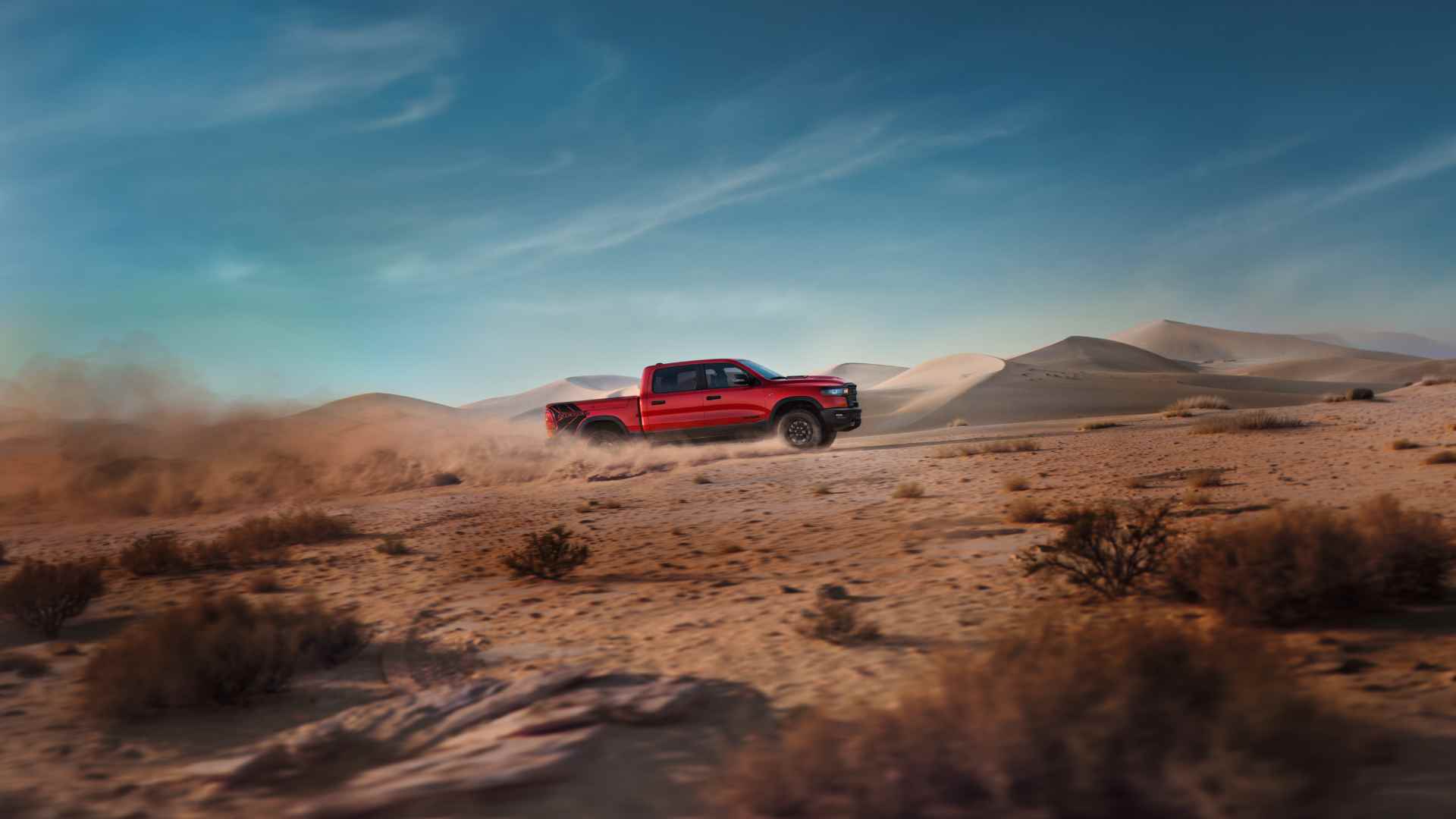
Al-Futtaim, the official distributor of RAM Trucks in the UAE, has announced the return of the legendary V8 5.7-litre HEMI® to the RAM 1500 line-up, reaffirming the brand’s commitment to delivering the capability, performance and unmistakable character that have defined RAM for generations.
The iconic V8 is now available across the RAM Rebel, Limited and Limited Night Edition, paired with eTorque technology for enhanced efficiency and everyday drivability.
More than the return of an engine, the announcement celebrates the people who have helped shape the RAM story. Under the campaign message, “We Heard You,” the brand recognises and celebrates the passion, loyalty and feedback of the RAM community in the UAE, whose voices have always played a role in the evolution of RAM trucks.
“RAM has always been built alongside the people who drive these legendary trucks every day,” said Carlos Montenegro, Managing Director – Al-Futtaim Trading Enterprises. “Our UAE owners are part of the RAM family. They inspire us, challenge us, and help shape the future of the brand. The return of the legendary HEMI V8 is a celebration of this trusted relationship and of everything that makes RAM, RAM.”
Renowned for its unmistakable rumble, effortless performance and impressive capability, the legendary HEMI V8 remains one of the most celebrated powertrains in the automotive world. Returning with eTorque mild-hybrid technology, it combines the character drivers know and love with confident performance whether towing, exploring off-road or tackling everyday journeys.
Customers can choose the HEMI V8 across three distinct RAM 1500 trims, each tailored to a different lifestyle.
The RAM 1500 Rebel is built for adventure, pairing the V8 with performance-tuned suspension, an electronic locking rear differential, skid plates, all-terrain tyres and a sport performance hood to deliver confidence on and off the beaten track. Inside, drivers benefit from a 14.4-inch Uconnect® touchscreen, 19-speaker Harman Kardon® premium audio system and dual-pane panoramic sunroof.
Designed for a perfect blend of luxury, performance and capability, the RAM 1500 Limited combines on-road refinement with interior comfort, with premium leather seating for five and real wood accents, as well as the 14.4-inch Uconnect® touchscreen, Harman Kardon® audio system and dual-pane panoramic sunroof. The 1500 Limited Night Edition adds model-exclusive details such as the 22-inch black aluminium wheels and black exterior trim accents.

noon Beauty Fest Debuts at Dubai Festival City Mall

Venuetech in association with Sennheiser to host hands-on workshop on conferencing solutions at their Al Quoz Training Center

The UAE’s Net Wealth Reaches $3.6 Trillion in 2025 and is Expected to Approach $6 Trillion by 2030, BCG Report Finds



-

 Trending12 months ago
OPPO A6 Pro 5G Review: Reliable Daily Driver
-

 Tech News2 years ago
Denodo Bolsters Executive Team by Hiring Christophe Culine as its Chief Revenue Officer
-
 VAR1 year ago
Microsoft Launches New Surface Copilot+ PCs for Business
-

 Automotive2 years ago
AGMC Launches the RIDDARA RD6 High Performance Fully Electric 4×4 Pickup
-
Tech Interviews3 years ago
Navigating the Cybersecurity Landscape in Hybrid Work Environments
-

 Hospitality2 years ago
Gulfood 2025 30th Edition Kicks Off Today, Setting New Benchmarks in F&B Growth and Innovation
-

 Tech News1 year ago
Nothing Launches flagship Nothing Phone (3) and Headphone (1) in theme with the Iconic Museum of the Future in Dubai
-

 VAR2 years ago
Samsung Galaxy Z Fold6 vs Google Pixel 9 Pro Fold: Clash Of The Folding Phenoms