
 Have a question? +971 56 404 0503




Hospitality
Happy employees translate to happy customers


Exclusive interview with Yunib Siddiqui, Group CEO and proprietor of Jones the Grocer
Congratulations on the Heathrow opening, how does this milestone impact your business, and what can travelers expect at this new location?
Thank you! The opening of Jones the Grocer at Heathrow is a significant milestone because it is our first store in Europe. It certainly demonstrates that our wonderful brand, in its various formats, can successfully scale alongside entrenched players in the West. At over 550sqm, this is our largest full-service restaurant at an airport and features an open kitchen with a live grill, a traditional pizza oven and a stylish bar serving fine wines and cocktails. Many dishes, familiar and loved by our customers in the Middle East, are served at London Heathrow. For those on the go there is also a ‘grab and go’ with freshly made pastries, sandwiches, toasties, salads, wraps, and a selection of beverages and exceptional coffee. This dual offering ensures a gourmet experience for every traveler, whether they have time to sit and dine or need something quick and delicious before they fly away.
Can you share some key insights into your global franchising strategy and the challenges and opportunities you’ve encountered along the way?
The first and most important thing is to work with a partner who is a) passionate about food and b) consistently wants to deliver the most memorable experience. These two points underpin our strategy. Concurrently we look at financial capacity, access to locations and a strong team which can operate our franchise system. In my experience everything must work in tandem to deliver mutual success. Our biggest challenge is always the supply chain. We need to make sure every ingredient we specify is available and if not, then test recipes with substitute ingredients to ensure consistency. In terms of opportunities – well, there are so many given we’ve only just begun to venture outside the Middle East!
What innovative concepts and strategies have you implemented at Jones the Grocer that have helped propel the brand to new heights in the culinary world?
We’ve introduced several concepts that set us apart. The first one is this idea that a gourmet grocery can be successfully and meaningfully combined with casual dining. Then we took this one step further by designing our stores where food is theater. Whether it’s a walk-in cheese room, someone slicing meats, a barista pouring a flat white, a chef cooking on an open flame, it’s all open and visible to the customer. Many of our stores are designed to host cooking classes and some even hold live music events. We often use our fabulous retail products as ingredients on our menu, and this is a key objective now and going forward.
We’ve also embraced technology to enhance the customer experience, with initiatives like our online store and loyalty programs. Sustainability is another key focus; we’ve implemented eco-friendly practices across our operations, from sourcing locally produced ingredients to reducing plastic use. These strategies align with our values of quality, community, and sustainability.
From your perspective, what are the latest trends in the gourmet food and beverage sector?
We’re seeing a growing demand for transparency in sourcing and sustainability in the gourmet food and beverage sector. Customers are more conscious about where their food comes from and how it’s produced. There is also a trend towards experiential dining, where the focus is on creating memorable experiences rather than just serving food, which as I mentioned earlier has always been part of the Jones concept. Additionally, the integration of technology, such as AI and data analytics, is playing a significant role in personalizing customer experiences and optimizing operations. Finally, health and wellness continue to be a major trend, with an increased demand for organic, plant-based, and allergen-free options.
August is the month of happiness, so how does Jones the Grocer create an environment that promotes happiness and satisfaction for its customers and staff?
At Jones the Grocer, we believe happiness comes from a sense of community and belonging. For our customers, we create a welcoming and vibrant atmosphere in our stores, where they can enjoy high-quality food and connect with others. We regularly host events and workshops that bring people together and foster a sense of joy and camaraderie. For our staff, we prioritize a positive and supportive work environment. We invest in their professional growth and well-being, providing opportunities for training, development, and team building. Happy employees translate to happy customers, and that’s a key part of our philosophy.
As someone deeply passionate about gourmet food, how do your personal culinary interests and experiences influence the offerings at Jones the Grocer?
My passion for gourmet food is deeply intertwined with the vision for Jones the Grocer. I often travel to explore food, and am constantly exploring new culinary trends and ingredients, which helps to keep our menu innovative and exciting. I also enjoy cooking, which gives me a deeper understanding of technique and flavour. I like simple food, nothing too fussy. I like the dish and its ingredients to sing on the plate. This passion is also reflected in our commitment to sourcing the finest ingredients and supporting artisanal producers.











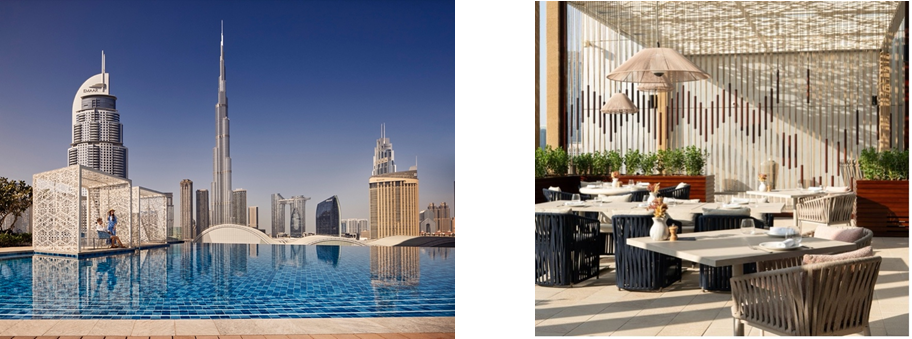
Enjoy a relaxing day under the Dubai sun with the Pool Pass at Palace Downtown, available on food and beverages. Perfect for a leisurely daytime escape, the offer allows guests to indulge in refreshing drinks and light bites while unwinding in a serene poolside setting in the heart of Downtown Dubai.
Surrounded by palm trees and the hotel’s elegant Arabian-inspired architecture, the pool at Palace Downtown offers a tranquil oasis with breathtaking views of the iconic Burj Khalifa. With its peaceful atmosphere, comfortable loungers, and attentive service, the pool creates the perfect setting for a sun-soaked retreat blending relaxation with refined hospitality.
Date & time: Monday & Sunday | 7am – 7pm
Price: AED 250 (fully redeemable on F&B credit) | Location: Ground Floor, Palace Downtown
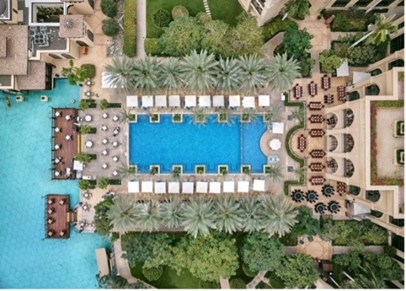
Sun-Soaked Poolside Escape at Address Downtown
Enjoy a refreshing day in the heart of the city with the Pool Pass at Address Downtown, available daily at AED 350 per person, fully redeemable on food and beverages. Perfect for a leisurely daytime retreat, the offer allows guests to indulge in poolside dining while relaxing in a sophisticated setting overlooking Downtown Dubai.
Surrounded by elegant design and breathtaking views of the iconic Burj Khalifa skyline, the pool at Address Downtown offers a serene urban oasis. With its tranquil atmosphere, comfortable loungers, and attentive service, it provides the perfect setting to unwind, soak up the sunshine, and experience a relaxed yet refined poolside escape.
Date & time: Monday & Sunday | 7am – 7pm
Price: AED 350 (fully redeemable on F&B credit) | Location: LobbyLevel, Address Downtown
Contemporary Mediterranean Flavours at Solara, Address Dubai Mall
Set against the vibrant backdrop of Downtown Dubai, Solara at Address Dubai Mall invites guests to discover a contemporary Mediterranean dining experience infused with Middle Eastern flair. The stylish restaurant offers a relaxed yet sophisticated atmosphere with stunning views of the Burj Khalifa and Dubai Fountain, creating the perfect setting for an elegant evening.
Guests can enjoy a specially curated two-course set menu for AED 199 per person or a three-course set menu, available for dinner from 6:30 PM to 11:30 PM. Designed to highlight Solara’s vibrant flavours and refined culinary style, the experience promises a memorable night of exceptional cuisine in one of Downtown Dubai’s most scenic dining destinations.
Experience: The Luncheon
2 course set menu at AED 199 | 3 course set menu at AED 249 | Timing: From 6:30 PM – 11:30 PM | Location: Solara, Address Dubai Mall
Discover a Renewed Haven of Calm at The Spa at Address Dubai Mall
The Spa at Address Dubai Mall unveils a refined wellness experience designed to restore balance and elevate relaxation. Nestled within the iconic hotel, the serene setting enhanced by soft lighting, soothing textures, and graceful interiors offers a peaceful retreat from the energy of the city, inviting guests to unwind and reconnect in a tranquil atmosphere.
Guests can indulge in expertly delivered treatments tailored for deep rejuvenation, including the Signature Wellness Rebalance Massage, a 60-minute experience available at AED 450. Thoughtfully designed to restore harmony, the treatment provides the perfect opportunity to pause, recharge, and embrace a moment of calm within one of Downtown Dubai’s most elegant wellness destinations
Experience: 60-Minute selected Spa Treatment
Price: AED 450 | Timing: From 12:00 PM – 9:00 PM | Location: The Spa, Address Dubai Mall
Cool Off in Style with Pool Access & Dining Credit at Address Dubai Mall
Immerse yourself in pure indulgence at Address Dubai Mall’s breathtaking infinity pool, where shimmering waters meet the glamour of Downtown Dubai. Bask in the golden sun as you take in the spellbinding views of the iconic Burj Khalifa, creating picture-perfect moments of serenity and sophistication. Enhance your experience with an exclusive pool access pass that comes with a delightful dining credit to tantalize your taste buds.
Relax in the comfort of elegant poolside lounges, sip on refreshing beverages, and savor gourmet delights while basking in the most coveted views in the city. Float effortlessly in the infinity waters or unwind in breezy, sun-kissed lounges, where every moment is a scene of pure bliss waiting to be savored. No reservations required; simply stroll in and surrender to luxury. Pool access passes are available at the Pool Counter on Level 12.
Date & time: Daily | 10am – 7pm | Price: All 7 Days of the week- AED 200, fully redeemable on F&B credit | Location: Level 12, Address Dubai Mall
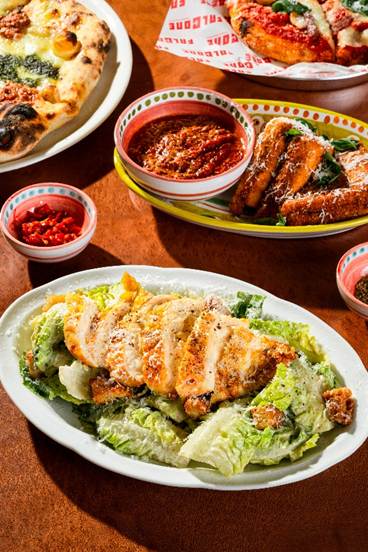
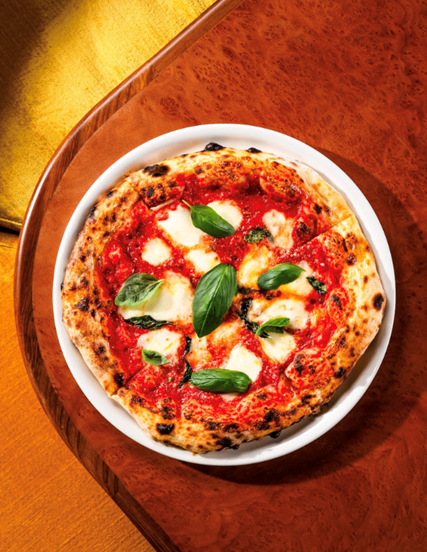
FALCONE invites Dubai families to join with their little ones for a special kids’ brunch afternoon 1pm – 4pm at FALCONE: “Bambini Brunch”. An afternoon dedicated for kids to have fun away in the heart of Italian cuisine featuring children’s all-time favourite: pizza.
Now that Dubai kids are studying from home due to the current challenging situation, they are more than ever spending time on screens. Bambini Brunch is the perfect weekend activity for kids to get them off screens and engage in fun, hands-on interactive activities that stimulate their creativity while they’re making unforgettable memories.
Activities include a pizza masterclass for kids (that adults would love too), showcasing the original Neapolitan pizza recipe and techniques, as taught by FALCONE’s world-ranked pizza chef, Chef Roberta, the talent behind FALCONE’s pizza that was named Dubai’s Best Pizza, Highly Commended for Best Pizzeria at the Time Out Dubai Restaurant Awards 2026. Kids will get to learn directly from the chefs and make their own pizzas.
In addition to the pizza masterclass, children can enjoy DIY kids’ stations, all set within a lively and engaging atmosphere, with their favourite tunes playing throughout the afternoon.
While their kids are enjoying the kids’ activities, parents can relax and enjoy FALCONE’s comforting Italian favourites.
Bambini Brunch is happening this Sunday 29 March, 1pm – 4pm. All ages are welcome.
Details:
- Where: FALCONE, Galleria Mall, Ground Floor, Al Barsha, Dubai
- When: Sunday 29 March, 1pm – 4pm
- Offer: Bambini brunch for kids featuring:
- Pizza masterclass for kids
- Magician show
- DIY kids’ stations
- Balloon bending
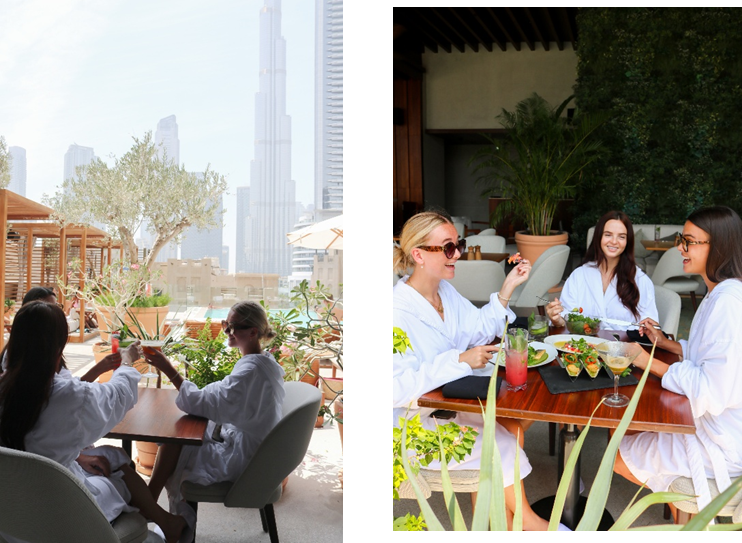
In a moment where the world calls for greater stillness and intention, Wellbeings Holistic Healing at Edition Dubai introduces Wellness Escape, an elevated experience designed to restore balance through refined simplicity and thoughtful care.
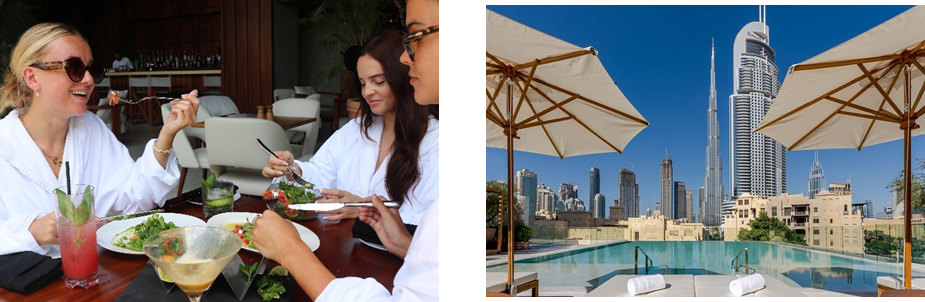
Set against the iconic backdrop of Burj Khalifa, this exclusive offering by Wellbeings Holistic Healing invites guests into a serene sanctuary where time slows and wellbeing takes precedence. The experience includes pool access with sweeping skyline views, a 90-minute signature massage or rejuvenating facial, an oxygen therapy session designed to refresh and restore, AED 150 redeemable on food and beverage, and full access to the spa’s sauna and steam facilities, each element curated to deliver a seamless sense of indulgence and calm.
Rooted in a philosophy that blends holistic therapies with contemporary luxury, Wellbeings Holistic Healing continues to define elevated wellness experiences, creating spaces that nurture both body and mind in an atmosphere of quiet sophistication.
Christian Kiefer, CEO and Founder of Spa Wellness Project Management, commented: “In times of uncertainty, true luxury lies in the ability to pause, recalibrate, and reconnect. Wellness today is about creating meaningful moments of restoration that resonate long after the experience itself.”
The Wellness Escape presents a refined expression of modern wellbeing for those seeking both escape and renewal in the heart of Dubai.


2027 Chevrolet Corvette Grand Sport, Grand Sport X debut with new 6.7L V8
MAXION REPORTS 399% USER GROWTH AMID RISING DEMAND FOR REAL-WORLD CONNECTION PLATFORMS
SOBHA REALTY’S CREST GRANDE RECEIVES BUILDING COMPLETION CERTIFICATE; HANDOVER TO COMMENCE WITHIN RERA TIMELINE

-
News10 years ago
SENDQUICK (TALARIAX) INTRODUCES SQOOPE – THE BREAKTHROUGH IN MOBILE MESSAGING
-

 Tech News2 years ago
Denodo Bolsters Executive Team by Hiring Christophe Culine as its Chief Revenue Officer
-
 VAR12 months ago
Microsoft Launches New Surface Copilot+ PCs for Business
-

 Tech Interviews2 years ago
Navigating the Cybersecurity Landscape in Hybrid Work Environments
-

 Trending5 months ago
OPPO A6 Pro 5G Review: Reliable Daily Driver
-

 Tech News9 months ago
Nothing Launches flagship Nothing Phone (3) and Headphone (1) in theme with the Iconic Museum of the Future in Dubai
-

 Automotive1 year ago
AGMC Launches the RIDDARA RD6 High Performance Fully Electric 4×4 Pickup
-

 VAR2 years ago
Samsung Galaxy Z Fold6 vs Google Pixel 9 Pro Fold: Clash Of The Folding Phenoms