
 Have a question? +971 56 404 0503




Hospitality
Grand Millennium Hotel Dubai Presents Ramadan Grand Iftar at The Atrium


Grand Millennium Hotel Dubai invites you to celebrate the spirit of Ramadan with an unforgettable dining experience at The Atrium Restaurant. Featuring the Ramadan Grand Iftar, this luxurious culinary offering brings together over 120 varieties of International and Oriental dishes across eight diverse cuisines.
Enjoy a rotational buffet menu that includes live carving stations, interactive cooking stations, and unlimited refreshing Ramadan beverages. From sunset until 9:30 PM, diners can immerse themselves in an elegant ambiance with delightful Ramadan music in the background. Reserve your table before March 10, 2025.
The Atrium is the perfect setting for families, offering a dedicated kids’ play area to keep the little ones entertained while you enjoy your meal.
The Ramadan Grand Iftar takes place at The Atrium Restaurant, located on the 1st Floor of Grand Millennium Hotel Dubai. Reservations are required.
This Ramadan, experience the joy of togetherness and savor a spectacular dining experience at Grand Millennium Hotel Dubai.










Hospitality
TWG Tea Unveils the TWG Tea Gallery, Its Largest Flagship and First-Ever TWG Tea Museum at Singapore Changi Airport
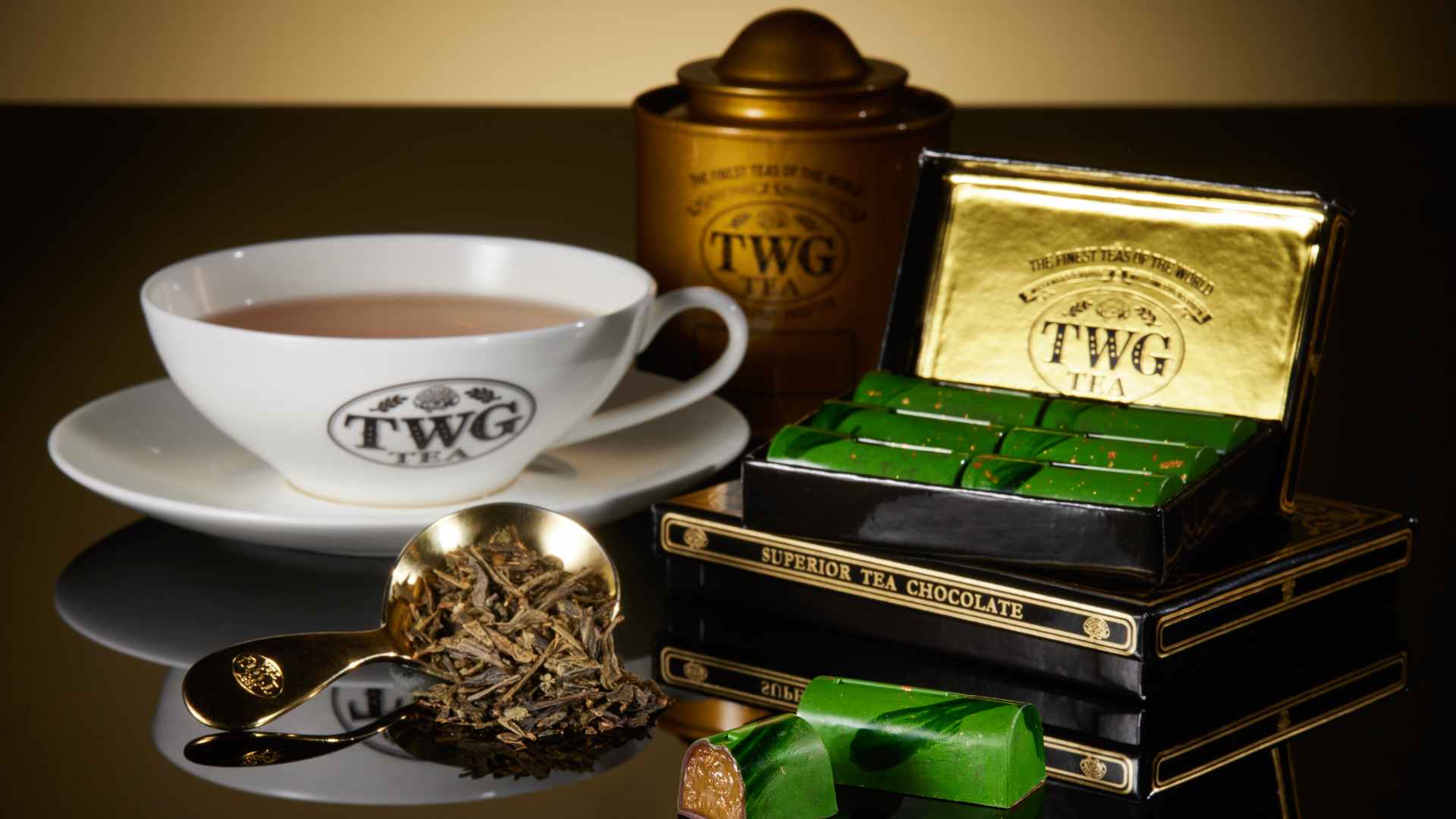
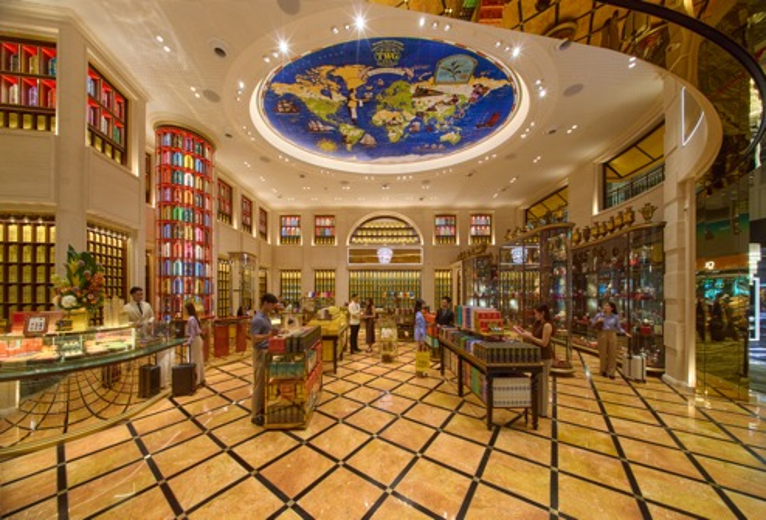
TWG Tea, the finest luxury tea brand in the world, unveils its largest global flagship, TWG Tea Gallery, at Singapore Changi Airport Terminal 3, marking a significant milestone in the brand’s international growth. Welcoming travellers around the clock, the TWG Tea Gallery is strategically located within one of the world’s leading aviation hubs, underscoring TWG Tea’s continued investment in travel retail as a key pillar of its global expansion strategy. Spanning 2,700 square feet beneath a soaring 23-foot-high ceiling, the new flagship represents the brand’s most ambitious retail expression to date, setting a new benchmark for luxury tea in the global travel retail landscape.
Envisioned as an immersive expression of TWG Tea’s craftsmanship and savoir-faire, this destination invites discerning travellers into a luminous world where rare harvests, exquisite blends and timeless rituals converge. Its landmark TWG Tea Museum showcases more than 170 antique tea wares and over 50 antique Russian samovars from the 17th to 20th centuries, personally curated by the brand over the past 15 years from around the world. TWG Tea Gallery also introduces a selection of exclusive creations, including the Grand Voyage Tea from the Grand Mode Tea Collection, the Singapore Surprise Gift Set, and specially created tea-infused macarons, ice cream and sorbet.
Bringing together the Tea Boutique, curated tea accessories, bespoke gifting and a Takeaway experience, this flagship also introduces Singapore’s only Tea-Infused Ice Cream & Sorbet concept, designed for travellers on the go. An impressive tea wall displaying more than 1,200 tea tins anchors the space, transforming the space into a compelling new expression of TWG Tea for today’s global traveller.
“The TWG Tea Gallery represents the most definitive expression of TWG Tea to date. More than a Tea Boutique, the flagship brings the past, present and future of tea into one immersive experience, celebrating the stories, traditions and artistry that have shaped tea over the centuries, brought to life through its landmark TWG Tea Museum. Singapore has remained central to TWG Tea since its founding, and we are honoured to present our largest global flagship at Changi Airport, an icon of aviation excellence and an extraordinary platform to bring the world of TWG Tea to travellers from around the world.”
—Taha Bouqdib, President & CEO of V3 Gourmet and Co-Founder of TWG Tea
“Changi Airport is proud to be home to TWG Tea’s largest flagship store in the world and its first-ever TWG Tea Museum. As one of Singapore’s most recognised brands, TWG Tea offers travellers a uniquely Singapore experience. Together with TWG Tea, we are delighted to introduce a collection of exclusives created specially for Changi Airport, including Singapore’s only tea-infused ice cream and sorbet concept. This new flagship transforms a retail visit into an immersive journey through the heritage, artistry and culture of tea, reflecting the innovation and hospitality that define both TWG Tea and Changi.”
— Hung Jean, Managing Director of Airside Concessions at Changi Airport Group
A Voyage Through Design
This location within Changi Airport was chosen to house TWG Tea Museum to form a defining part of the flagship experience, showcasing more than 170 antique tea wares and decorative objects spanning cultures and eras. The collection offers a compelling window into the artistry and cultures that have shaped tea over the centuries, adding a rich traditional dimension to the contemporary travel retail experience.
Among its highlights are Yixing clay teapots, traditionally marked by their makers and prized for their craftsmanship and provenance, alongside Chinese and Western tea wares tracing evolving traditions of form and decoration from the 18th century to the present day. Blue-and-white ceramics shaped by Chinese-Islamic artistic exchange sit alongside porcelain once prized in Europe as “white gold,” revealing the movement of ideas and aesthetics across cultures through the rituals of tea.
The collection also includes more than 50 antique samovars from Russia, with notable 19th- and early-20th-century examples from the celebrated workshops of Tula and beyond. Works by makers such as the Batashev and Shemarin brothers bear distinctive hallmarks attesting to their provenance and craftsmanship, offering a further perspective on the decorative traditions surrounding tea.
This dialogue between cultures continues in the flagship’s design, crowned by a hand-painted ceiling depicting a luminous world tea map. As its defining architectural feature, the composition traces the global journey of tea through intricate motifs and rich colour, extending the museum’s narrative of cultural exchange into the contemporary setting of Changi Airport Terminal 3.
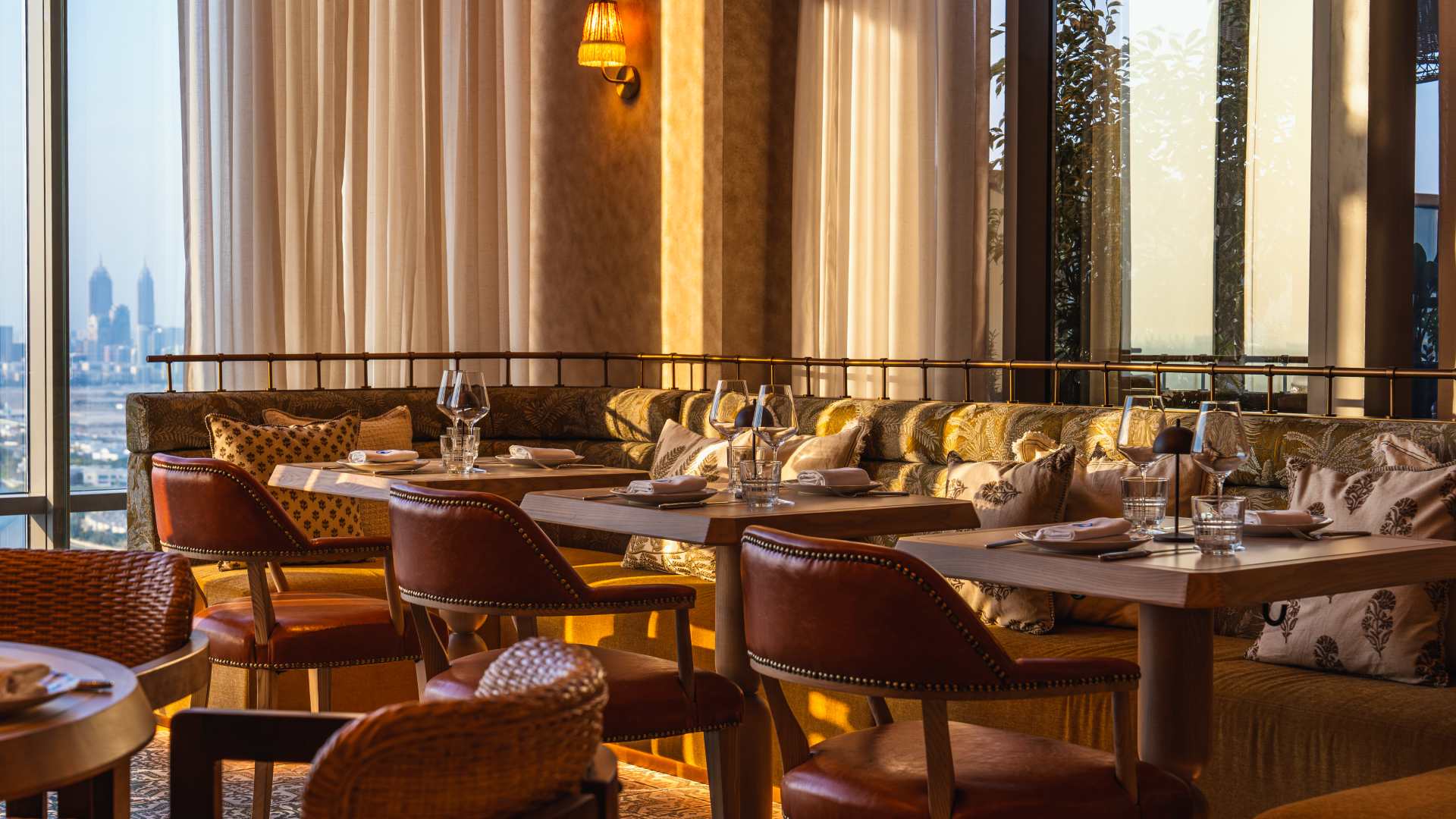
Orilla is turning Wednesday nights into an occasion with the launch of Mi Amor, a new weekly ladies’ night bringing together free-flowing drinks, live entertainment and an elevated late-night atmosphere at the restaurant’s rooftop setting in Jumeirah Village Triangle.
Launching on Wednesday, 7 October from 7:00pm onwards, Mi Amor invites ladies to dress up, gather their favorite people and settle into an evening designed around good energy, flowing drinks and memorable moments.
Set on the 27th floor of Hotel Local, Orilla provides the backdrop for the new weekly ritual, combining panoramic surroundings with the restaurant’s lively Latin-inspired atmosphere. For the launch evening, guests can expect free-flowing drinks for ladies, sensational entertainment throughout the night and a room dressed for the occasion.
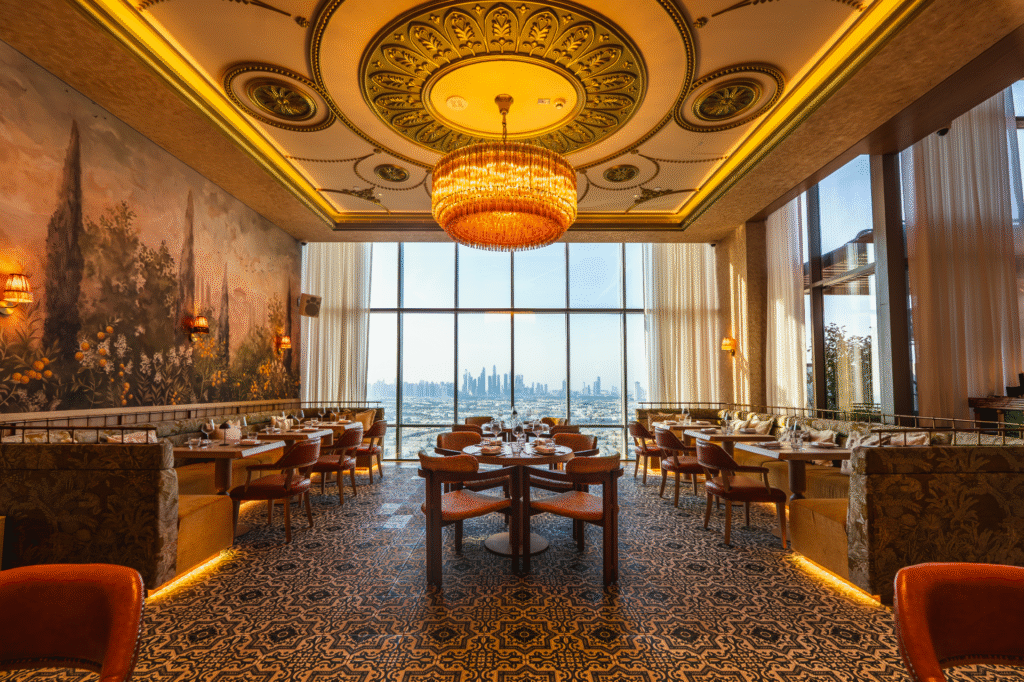
More than simply a midweek drinks offer, Mi Amor is designed as an opportunity to make Wednesday feel like the start of the weekend. From the first cocktail to the final song, the evening brings together music, entertainment and an upbeat social atmosphere for groups of friends looking to make the most of their night.
The launch will set the tone for what guests can expect from Mi Amor as it becomes a regular fixture at Orilla — a night built around celebration, connection and a little indulgence.
Mi Amor Ladies’ Night launches on Wednesday, 7 October, from 7:00pm onwards, with free-flowing drinks available for ladies and entertainment throughout the evening.
Event Details
- What: Mi Amor Ladies’ Night | When: Every Wednesday, launching 7 October 2026 | Time: From 7:00pm onwards | Where: Orilla, 27th Floor, Hotel Local, Jumeirah Village Triangle, Dubai | Ladies’ Offer: Free-flowing drinks | Entertainment: Throughout the evening | Reservations: +971 4 575 2986 / +971 55 104 7521 | Email: reservation@orillarestaurant.com
- Limited tables are available. Guests are encouraged to reserve in advance and join Orilla for the first taste of Mi Amor.
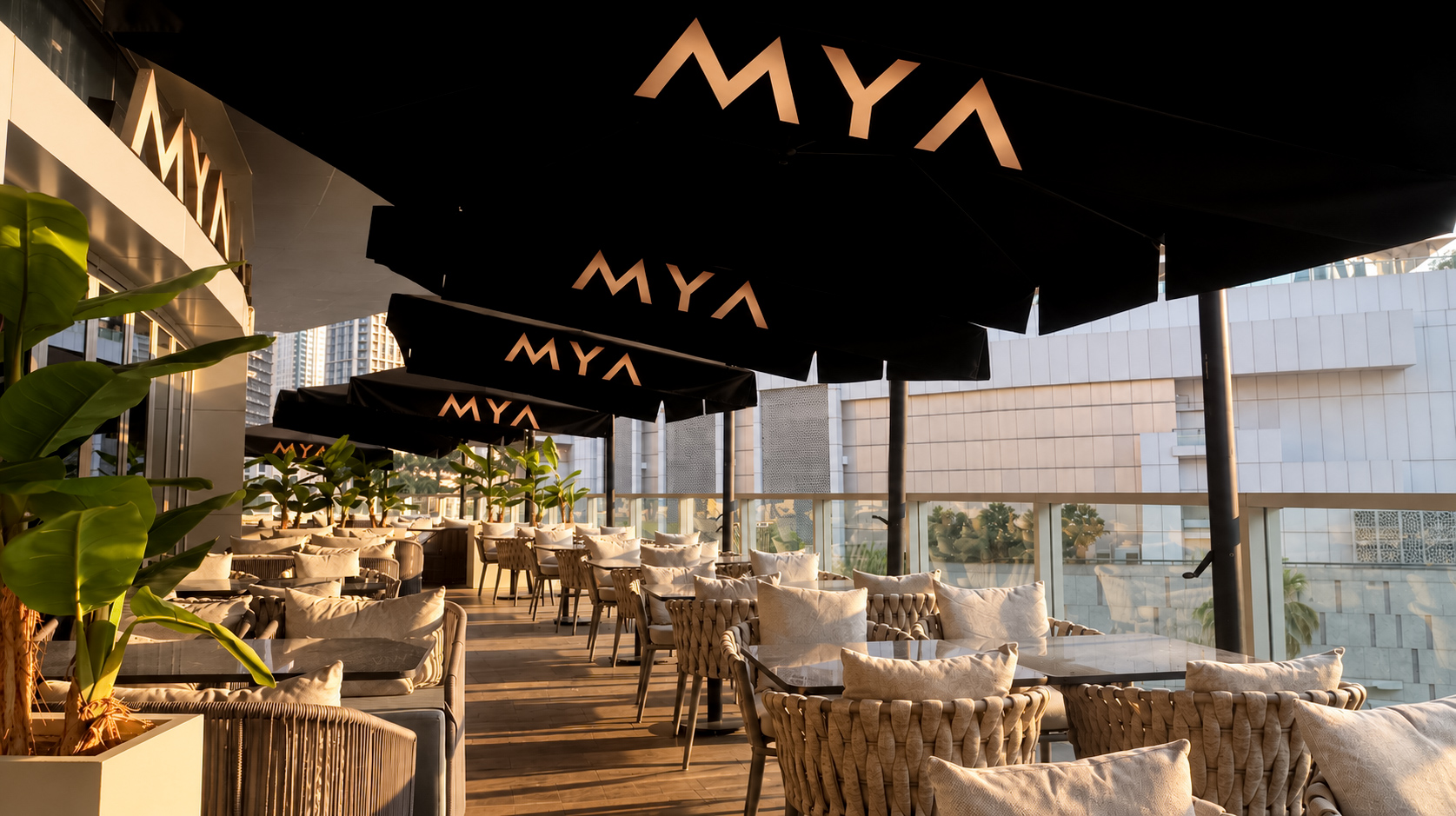
AMAYA is now MYA. As the brand expands its regional and international presence, a unified name gives every location one voice and every guest one clear promise. MYA supports consistency across its growing portfolio of destinations while preserving the energy, hospitality and attention to detail established in Dubai.
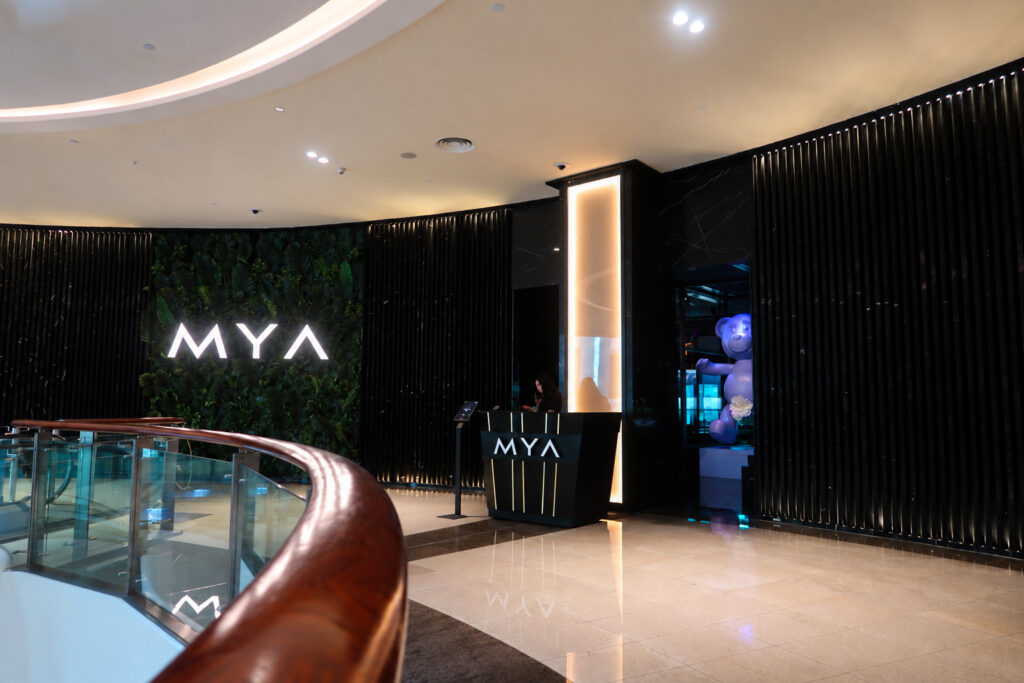
The Dubai-born dining and lifestyle brand has refined its name as part of its continued growth: one concise name that can be recognized, remembered and expressed with equal confidence in every market. MYA is shorter by design, creating greater clarity across destinations, partnerships, communications and digital platforms.
The refinement is precise. MYA carries forward the same founder and leadership, the same team, the same concept, the same culinary direction, the same standards and the same distinctive guest experience. Everything that earned the trust of AMAYA’s guests remains at the heart of MYA.
“Strong brands grow through clarity, consistency and trust. MYA gives the name we have built a sharper global expression. Our people, standards and guest experience remain exactly the same. One name. One vision. One uncompromising standard, built in Dubai and continuing forward as MYA.”
– Murat Tutuncu and Moe Ezzat | Founders & CEO, MYA
MYA’s purpose is clear – to give the established Dubai-born hospitality brand a shorter and more consistent name as it grows across destinations. The shorter name increases recognition, the unified name strengthens consistency, and the same standards give the brand the foundation to grow confidently across cultures and geographies.

Kenz ‘de’ Rasasi Debuts at Beautyworld Middle East 2026 with a New Expression of Rasasi Heritage

Burjeel Holdings Launches Preventive Cardiac Campaign Across Its UAE Hospital Network for World Heart Day

Vertiv™ Coolant Distribution Unit qualified as NVIDIA DSX Ready for AI Factory Infrastructure



-

 Trending12 months ago
OPPO A6 Pro 5G Review: Reliable Daily Driver
-

 Tech News2 years ago
Denodo Bolsters Executive Team by Hiring Christophe Culine as its Chief Revenue Officer
-
 VAR1 year ago
Microsoft Launches New Surface Copilot+ PCs for Business
-

 Automotive2 years ago
AGMC Launches the RIDDARA RD6 High Performance Fully Electric 4×4 Pickup
-
Tech Interviews3 years ago
Navigating the Cybersecurity Landscape in Hybrid Work Environments
-

 Tech News1 year ago
Nothing Launches flagship Nothing Phone (3) and Headphone (1) in theme with the Iconic Museum of the Future in Dubai
-

 VAR2 years ago
Samsung Galaxy Z Fold6 vs Google Pixel 9 Pro Fold: Clash Of The Folding Phenoms
-

 Hospitality2 years ago
Gulfood 2025 30th Edition Kicks Off Today, Setting New Benchmarks in F&B Growth and Innovation