
 Have a question? +971 56 404 0503




Cover Story
ALIGNING TECHNOLOGY WITH THE FUTURE OF CONSUMER EXPERIENCE

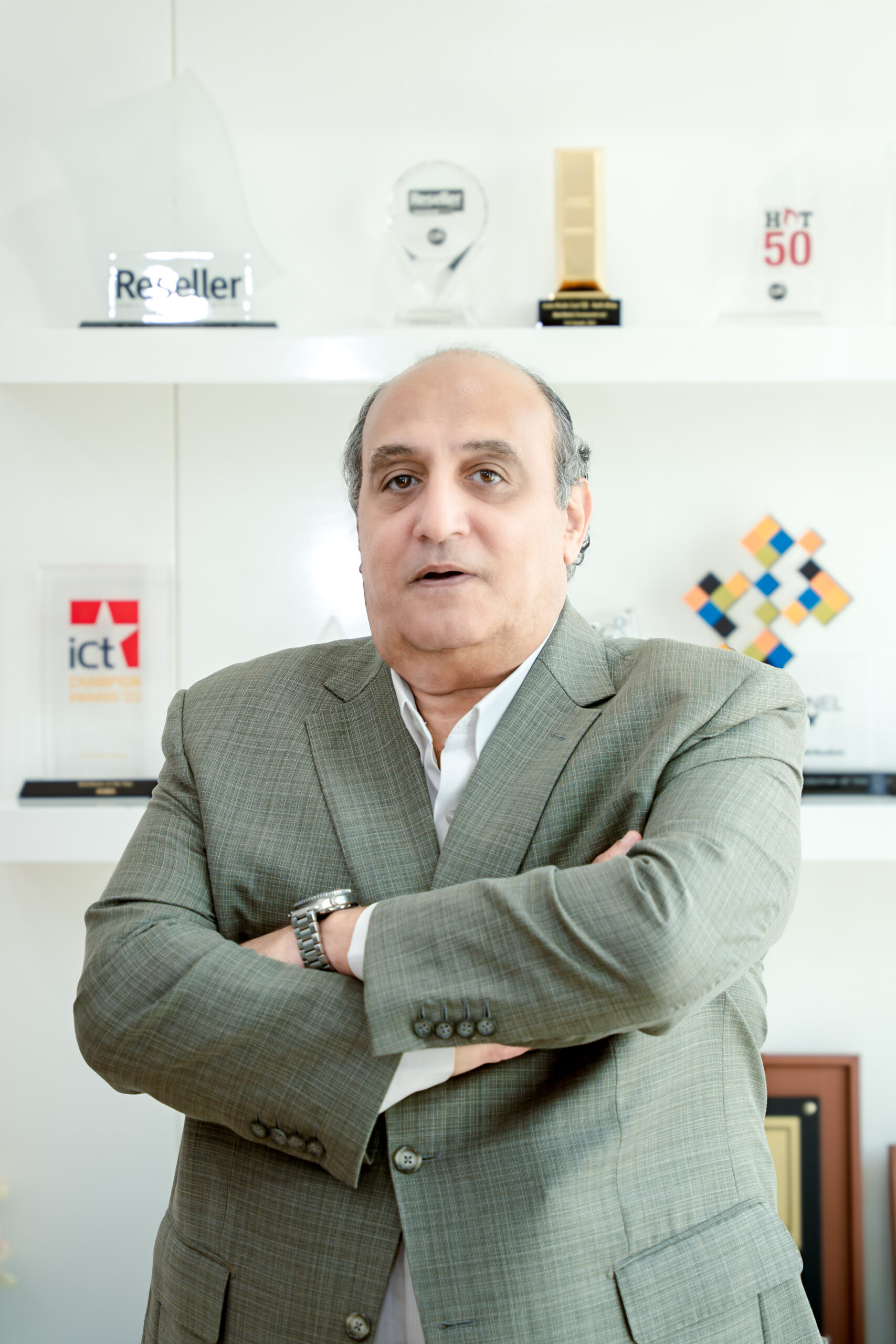
An Exclusive Interview with Hesham Tantawi, Vice President at ASBIS Middle East
Can you tell us about the Robocafé concept and how partnerships are shaping its rollout?
Robocafé is a fully integrated ecosystem we have developed to align with today’s fast-paced lifestyle, delivering premium-quality coffee and soft beverages through advanced robotic service. Most of the units are manufactured in Poland and then brought to the region, where they are designed to provide customers with a seamless and innovative experience on the go.
We are actively building partnerships across the UAE and Saudi Arabia to introduce Robocafés in malls, educational institutes, convention & exhibition centers and other public spaces. Our vision is to make Robocafé a familiar presence in every major destination across the region. This is not just a theoretical concept, in Limassol, a relatively small city, seven Robocafés are already in operation.
Partnerships are at the very core of our strategy. We are not merely seeking customers but rather long-term collaborations built on trust, transparency, and mutual value. Every partnership involves sitting together, defining roles and responsibilities, and ensuring that both sides achieve shared success.
Could you elaborate on both the upcoming partnerships for Robocafé in the region and how similar concepts have already performed in other markets?
We are in the process of finalizing several strategic agreements in both the UAE and Saudi Arabia, with Robocafés soon to be introduced in high-traffic locations. Our ambition is to make Robocafé a visible and integral part of daily life, seamlessly blending into people’s routines.
This confidence stems from our proven track record in other markets. For example, in Limassol, a relatively small city, seven Robocafés are already operational and thriving. Locally, we launched a successful collaboration with IKEA at Festival Mall last year, which we are continuing in the upcoming winter season. Beyond IKEA, we are actively engaging with other leading partners to further expand our footprint.
How do you approach partnerships in mature markets versus emerging markets like the GCC?
Our philosophy remains consistent: we believe in strong, mutually beneficial partnerships. Whether in a mature market or an emerging one, our focus is on creating long-term relationships rather than transactional exchanges. This means working closely with partners, defining clear responsibilities, and ensuring that each party gains substantial value. It is a philosophy that transforms business relationships into genuine growth engines.
You also mentioned upcoming travels to Nigeria. What’s the focus there?
ASBIS is proud to participate in GITEX Nigeria 2025, marking a significant milestone as this event makes its debut in the region. The insights gained from GITEX Nigeria 2025 highlight a clear shift in focus and strategic priorities for the African tech landscape. We are actively exploring emerging markets across Africa, starting with Nigeria, Ivory Coast, and Ghana. While we already have strong partnerships in place, our goal is to strengthen these relationships and forge new ones. These countries represent rapidly growing economies with vibrant consumer bases, offering immense untapped potential to introduce our innovative solutions and expand our presence.
ASBIS is proud to be at the forefront of this transformation, reaffirming its commitment to customers and partners across North Africa, West Africa, and Central Africa (WECA), while amplifying its footprint and influence in this rapidly evolving landscape.
Let’s turn to gaming. It has become one of the fastest-growing industries worldwide, especially in this region. How is ASBIS approaching this sector?
Gaming is one of the most dynamic and promising verticals for us. We are focusing on developing customized gaming assembly PCs and expanding our vendor portfolio with specialized manufacturers to cover the full spectrum of gaming needs. As a distributor of components such as CPUs, hard drives, cases, and accessories, ASBIS is uniquely positioned to provide nearly 90% of what a gaming store requires under one roof.
We are also witnessing exponential growth in advanced simulators, where setups can cost between $100,000 and $150,000, complete with rigs, chairs, simulation and wheels. The surge in GPU demand has enabled hyper-realistic graphics and immersive experiences that were unimaginable a few years ago.
Importantly, gaming is not limited to the luxury segment. Entry-level PCs can start at around $500, while professional gamers may invest thousands of dollars in their setups. This diversity allows the market to cater to enthusiasts across all budgets.
Of course, supply chain challenges remain, as high demand and long lead times can cause product shortages. To mitigate this, ASBIS invests heavily in inventory, ensuring timely availability and consistency across markets. This commitment has positioned us as one of the most reliable suppliers in the region’s gaming ecosystem.
How does retail fit into your strategy, and how do you support your partners in this space?
Retail plays a critical role, particularly in gaming, where customers often want hands-on product experiences before making a purchase. We have seen retailers evolve significantly, they no longer focus solely on space but are increasingly invested in actual sales performance.
Our responsibility goes beyond supplying products. We aim to help retailers move stock efficiently, because when sales rotate quickly, everyone benefits. To support this, ASBIS has developed a dedicated training department, the only distributor in the region to do so. We provide training not only to our own teams but also to merchandisers, promoters, and even our partners’ sales staff.
A single well-trained sales manager can outperform ten untrained individuals, and this principle has become a cornerstone of our retail approach. This investment in human capital is what sets us apart as a value-driven distributor.
Beyond gaming and retail, ASBIS also represents premium lifestyle brands. Could you share more about this side of the business?
We work with globally prestigious brands such as Bang & Olufsen, widely regarded as the Dior or Louis Vuitton of the audio industry. Their offerings are synonymous with exclusivity, luxury, and design excellence.
Interestingly, we see overlap between high-end lifestyle consumers and gamers. Someone who invests thousands of dollars in elite audio equipment may also be inclined to purchase a high-performance racing simulator. This creates a unique niche where lifestyle luxury and gaming innovation converge, a space ASBIS is actively cultivating.
Finally, how do you see the channel market evolving in the GCC?
The channel market has matured considerably in recent years. Following a period of consolidation, the region has now entered what I like to call the “Years of Alignment.” Companies are increasingly aligning their strategies to grow together, creating a much more stable ecosystem.
Stability always breeds growth. With this structural clarity, we anticipate the GCC market will continue to expand steadily. For ASBIS, this means being at the forefront of an ecosystem that is not only growing but also becoming more resilient and future-ready.
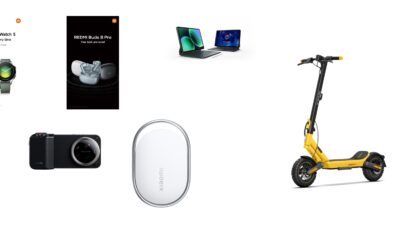








This season is for family, celebrations, and meaningful moments together. Whether you visit loved ones, take a short local trip or enjoy a staycation, Xiaomi’s latest essentials help make the experience smoother and more relaxed.
Designed for comfort, convenience and peace of mind, Xiaomi’s AIoT collection supports the important parts of your day. From getting around easily to staying charged and keeping track of your belongings, these practical tools help you focus on the moments that matter most.
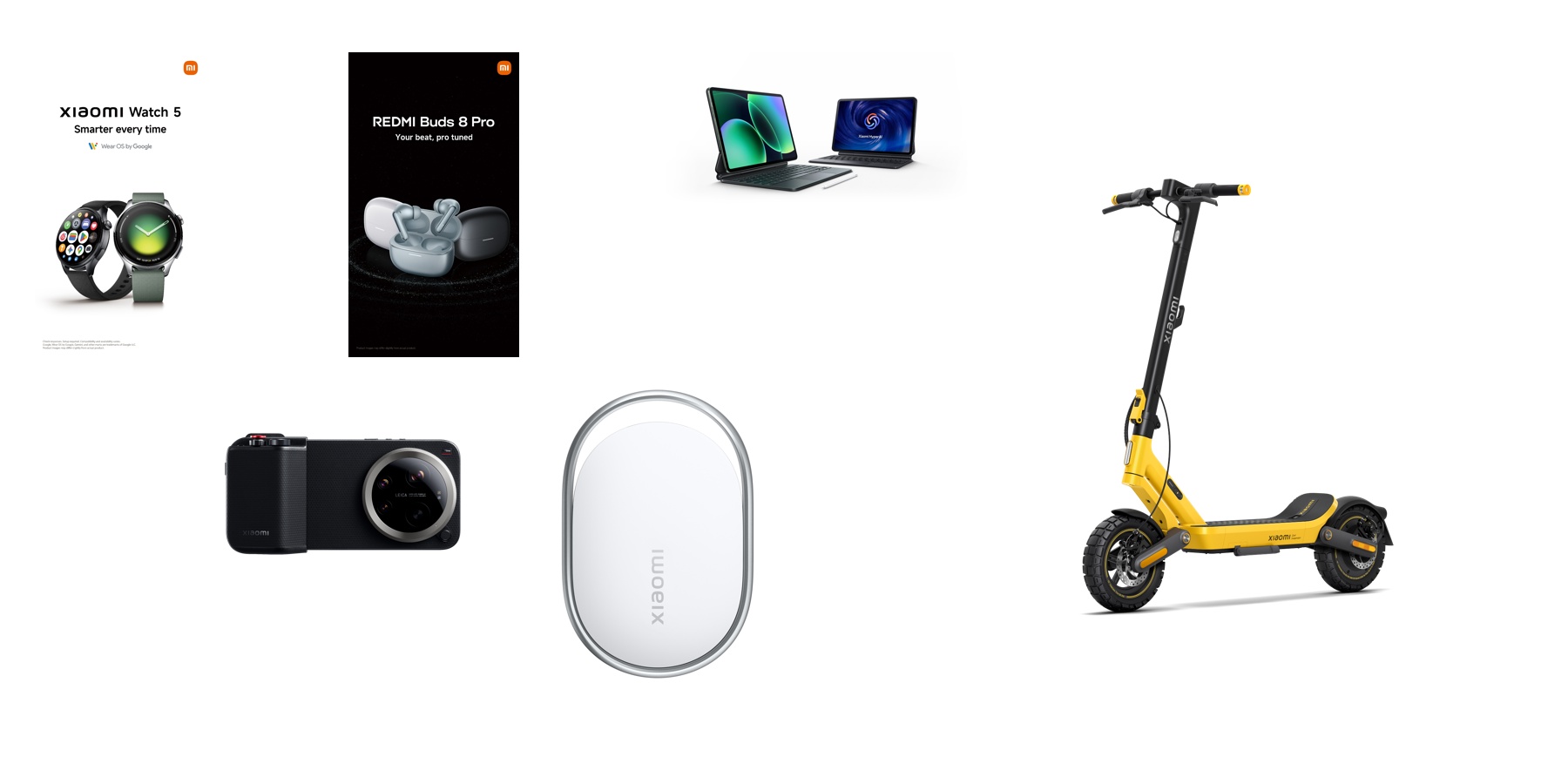
The Xiaomi Pad 8 Series
Whether you’re navigating travel itineraries or keeping the kids entertained during a road trip, the Xiaomi Pad 8 Series offers a cinematic experience on the go.
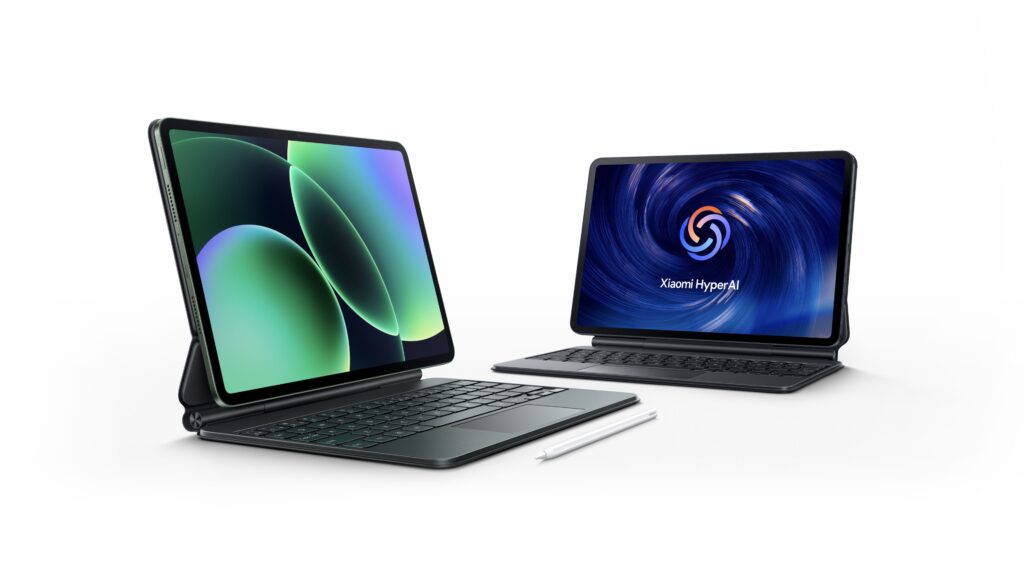
Its ultra-smooth 144Hz display is perfect for catching up on holiday specials or video calling relatives who couldn’t make it, while the slim design makes it an effortless addition to your weekend bag.
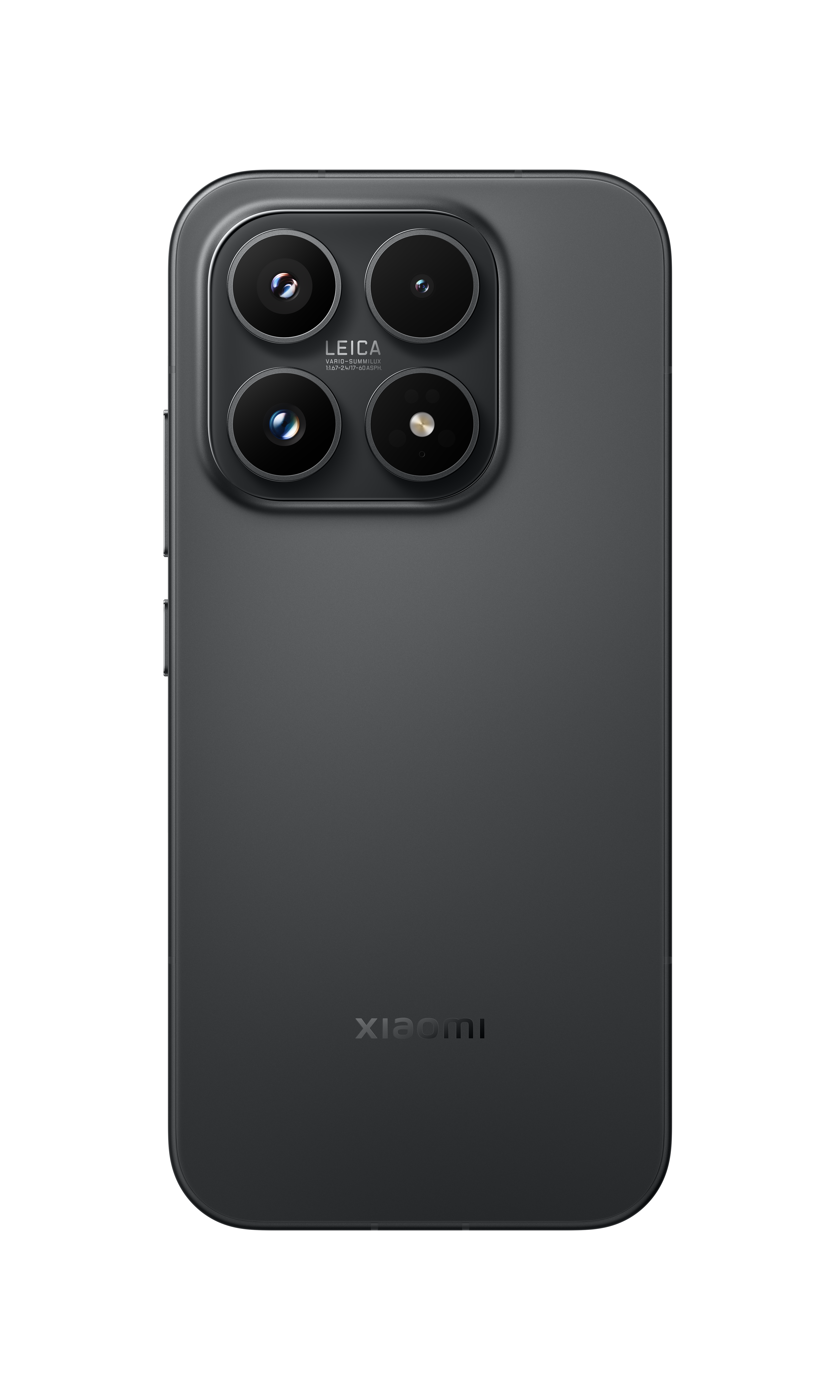
Xiaomi 17 Series

The Xiaomi 17 Series is designed to preserve the spirit of Eid with unmatched clarity. With its advanced Leica optics and the new 1-inch LOFIC sensor on the Ultra, you can capture evening family gatherings and festive lights in stunning detail.
Its long-lasting battery and rapid charging ensure you’re always ready to snap the next portrait or record a heartfelt greeting.
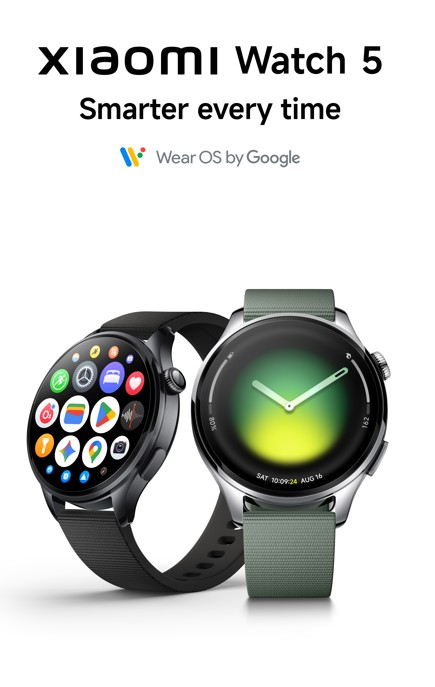
The Xiaomi Watch 5 helps you stay on top of your holiday plans with less fuss. With Google Gemini and Wear OS 6, you can check directions to a family gathering or send greetings using simple voice commands.
Its stainless-steel frame works well with festive looks, while the 6-day battery life helps you stay connected throughout the break.

The Xiaomi UltraThin Magnetic Power Bank keeps your phone ready without adding bulk to your bag or pocket. Light and slim, it attaches easily to your device and provides a dependable charge, so you can focus on photos, messages, and directions instead of searching for a charger.

Xiaomi Electric Scooter 6 Ultra
For short city rides, quick visits, and local outings, the Xiaomi Electric Scooter 6 Ultra is designed to feel stable, smooth, and comfortable.
Its dual-swing-arm suspension and 12-inch tires help create a steady ride, making it a practical option for getting around during the holiday with ease.

Redmi Buds 8 Pro
Whether you are on the move or in a busy home, the Redmi Buds 8 Pro offers a more peaceful listening experience. Smart Active Noise Cancellation reduces surrounding noise, and the triple-mic system keeps calls clear, making it easier to stay in touch with family and friends.
Up to 40 hours of extended battery life ensures uninterrupted listening throughout the day, while fast charging support keeps your music going with minimal downtime. With dual-device connectivity, users can seamlessly switch between devices such as smartphones, tablets, or laptops, making everyday listening more convenient and connected.
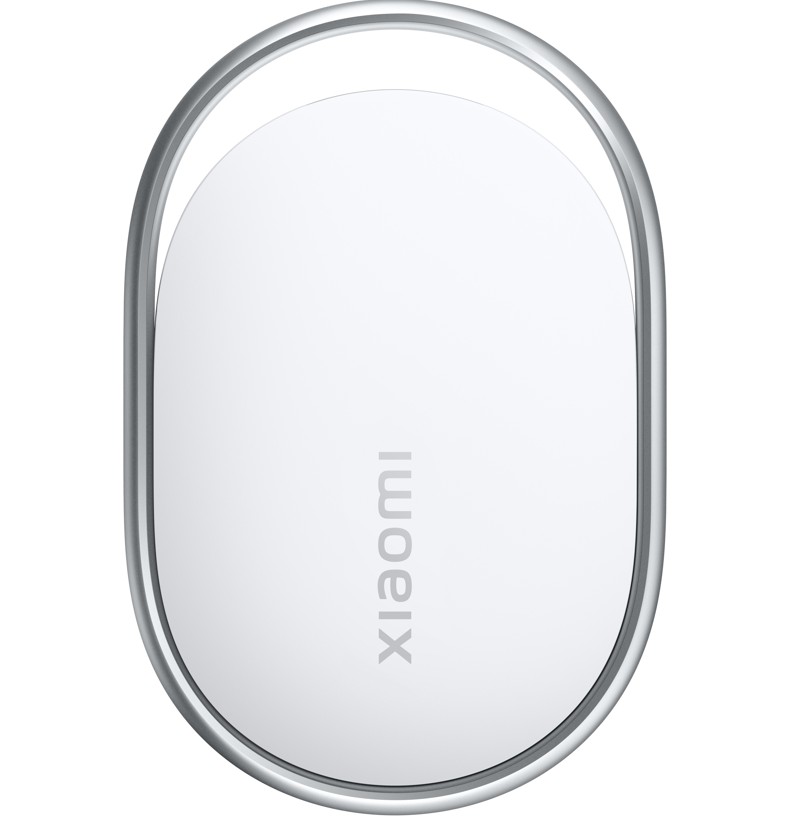
Xiaomi Tag
During busy holiday plans, Xiaomi Tag adds an extra layer of security to items you do not want to lose.
Attach it to luggage, strollers or gift bags for peace of mind while you travel or move between visits.
With a battery life of over a year and a durable build, it is a simple way to keep track of what matters and enjoy the holiday with less worry.

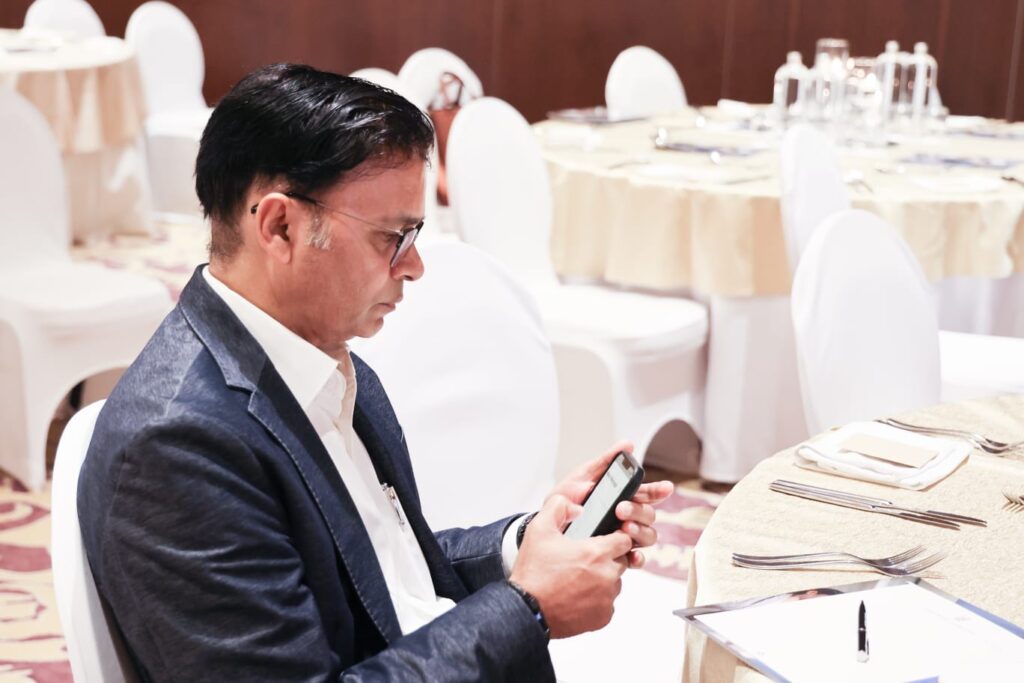
When did you last see geopolitical risk appear as a named line item in your technology governance framework?” This question — posed by Subrato Basu to technology leaders across industries and geographies, and echoed in the conversations Srijith KN has tracked across the CXO community — increasingly divides its audience into two groups. The gap between them is widening, and it reveals a deeper shift: geopolitics is no longer external to technology strategy. It is now one of its defining forces.
The first group — still the majority — treats geopolitical risk as someone else’s problem. It belongs, they assume, to risk officers, government affairs teams, or the audit committee. Technology is their domain; geopolitics is noise in the background. The second group has understood something that the first has not: the boundary between geopolitical risk and technology risk no longer meaningfully exists.
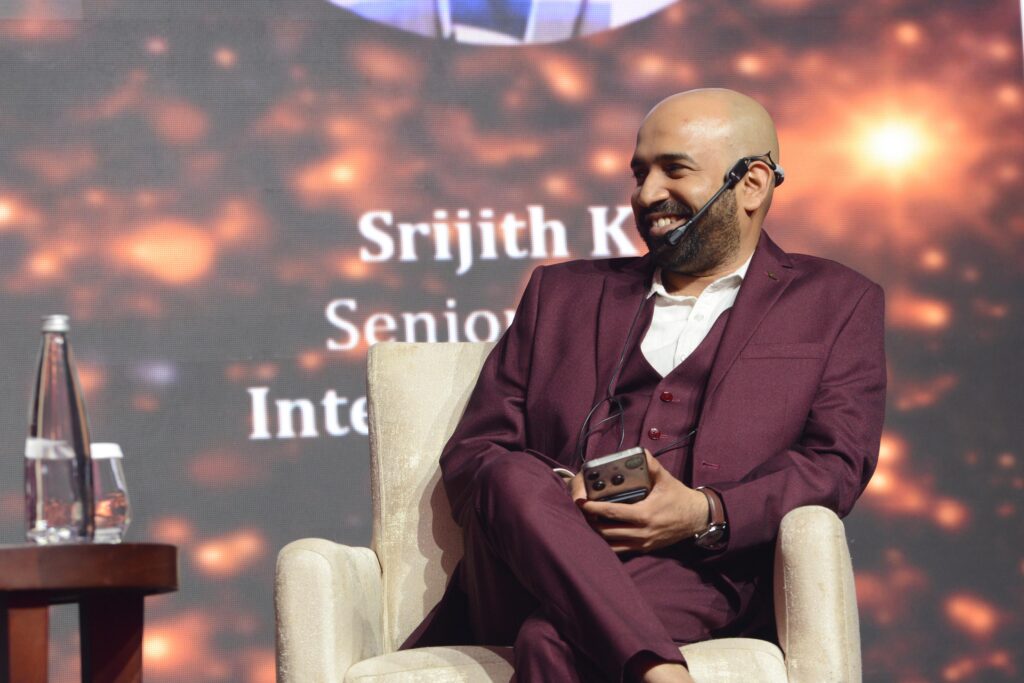
This article is written for both. For the first group, it is a wake-up call — offered in the hope that it arrives before an incident makes the argument more forcibly. For the second, it is an attempt to sharpen a framework and ground it in the operational realities that boards and CXOs are navigating right now. The central argument is this: geopolitical volatility has become a direct, structural input into enterprise technology strategy. Organizations that govern for it with the rigor applied to financial or regulatory risk will be measurably more resilient, more competitive, and more trusted than those that do not.
“Geopolitical volatility is no longer background noise for technology leaders. It is a direct input variable into technology strategy, and the boards that do not govern for it are operating with a critical blind spot.“
The Assumption That Built Our Governance Frameworks Is Broken
For most of the past two decades, a workable assumption underpinned how organisations sourced, deployed, and governed technology: that the global technology ecosystem was broadly open, commercially-driven, and largely apolitical. Hardware vendors competed on specification. Cloud providers competed on price and performance. Procurement teams evaluated suppliers on technical merit. Geopolitical considerations were, at most, a due diligence footnote.
That assumption has been systematically dismantled. The deliberate weaponisation of technology — through trade restrictions, regulatory controls extended beyond national borders, state-sponsored cyber operations, and the calculated use of supply chain access as an instrument of strategic leverage — has fundamentally altered the risk calculus for any enterprise that depends on globally sourced technology infrastructure. What was once a commercially neutral procurement decision is now, in many cases, a geopolitical exposure.
This is not a temporary disruption that will normalise once a particular set of tensions eases. It reflects a durable structural shift in how major powers compete, and in how that competition is increasingly waged through, and against, the technology layer of the global economy. For enterprises operating in markets defined by proximity to active geopolitical fault lines — whether those fault lines are geographic, commercial, or digital — the consequences are not theoretical. They are already reaching enterprise cloud contracts, hardware procurement pipelines, and security operations. From our respective vantage points — practitioner and editorial — the pattern is unambiguous.
“What was once a commercially neutral procurement decision is now, in many cases, a geopolitical exposure. Governance frameworks designed for a different era are systematically unfit for this one.“
Five Fault Lines Running Through the Enterprise Technology Stack
When we map the pathways through which geopolitical volatility translates into technology operational risk, five pressure points emerge with consistency across sectors and geographies. We offer them not as a comprehensive risk register — every organisation’s exposure profile will differ by market, sector, and architecture — but as a diagnostic lens for board and CXO discussion.
a) The Cloud Compliance Trap
The hyperscalers that power the majority of enterprise digital infrastructure operate under regulatory frameworks whose reach extends well beyond their home jurisdictions. Technology access controls and compliance obligations do not stop at national borders. Enterprises with commercial relationships, supply chain connections, or infrastructure footprints that intersect with restricted or conflict-adjacent jurisdictions can find themselves subject to service reviews, contract amendments, or capability restrictions — sometimes with limited notice, and often as a downstream consequence of their vendor’s own compliance posture rather than anything the enterprise has done directly.
The trap is that this exposure is rarely visible until it activates. It can emerge through indirect supply chain adjacency, shared infrastructure configurations, or compliance flags several steps removed from the enterprise’s own operations. CIOs who have mapped their cloud footprint against potential regulatory jurisdiction risk — proactively, not reactively — hold a material governance advantage. Understanding which workloads reside on infrastructure subject to extended regulatory reach is not optional hygiene. It is foundational governance.
b) The Cyber Threat Multiplier
A consistent and well-documented pattern has been established across multiple cycles of geopolitical escalation, recorded in threat intelligence reports published by recognised international cybersecurity research organisations and government security agencies: periods of elevated inter-state tension correlate with increased state-linked cyber activity targeting financial institutions, critical infrastructure, and government-adjacent enterprises in proximate markets. This is not the authors’ independent assertion. It is an observable, documented, and reproducible pattern in the publicly available record.
The structural implication for technology leaders is clear: the cyber threat environment in markets proximate to active geopolitical fault lines is durably more elevated than in geopolitically stable ones, and that elevation intensifies when political temperature rises. The attack surface has expanded materially through the convergence of information and operational technology, the proliferation of AI-integrated workflows, and the broad adoption of connected devices. CISOs who construct their security posture reactively, in response to incidents rather than in anticipation of structural threat conditions, have fundamentally misread the governance mandate their environment demands.
c) The Supply Chain Blind Spot
Most enterprises maintain reasonable visibility into their software supply chains. Very few have equivalent clarity on the geopolitical exposure embedded in their hardware supply chains. Semiconductors, networking equipment, and industrial technology components originate from supply chains subject to trade restrictions and regulatory controls that can translate, under escalatory conditions, into sudden procurement constraints, extended lead times, or mandatory certification requirements creating material operational bottlenecks.
The organizations most exposed are those in active digital transformation or major infrastructure refresh cycles that have never stress-tested their procurement pipeline against a scenario in which specific hardware categories become unexpectedly constrained. The board-level question is not whether this will happen. It is whether, if it did, the organization would have ninety days of operational runway or ninety hours.
d)The Vendor Dependency Risk
Multi-year enterprise software commitments — ERP platforms, data infrastructure, security tooling, AI platforms — are made on the assumption of uninterrupted service from vendors operating in predictable regulatory environments. The regulatory obligations carried by enterprise software vendors headquartered across major technology jurisdictions can, under specific and not implausible circumstances, translate into licence amendments, capability restrictions, or service reviews with limited contractual notice. This risk is amplified, and actively expanding, for software incorporating AI capabilities as those capabilities attract increasing regulatory attention across multiple jurisdictions simultaneously.
Boards approving these investments are, in our view, frequently not receiving the full picture of vendor jurisdiction exposure. Requiring legal and technology leadership to jointly assess this exposure before committing to multi-year agreements is not procedural excess. In the current environment, it is a core fiduciary responsibility.
e) The Talent Dimension
The talent dimension of geopolitical risk is consistently the least visible and the most underestimated. Technology-intensive organisations in dynamic markets draw on internationally mobile specialist talent pools. Sustained geopolitical instability affects those pools in ways that are difficult to predict and slow to reverse: senior professionals reconsider relocation decisions, acquisition pipelines for specialist roles — particularly cybersecurity engineering, AI architecture, and regulatory compliance — tighten, and workforce continuity in critical functions comes under pressure at precisely the moment when those functions matter most.
Resilience against this risk requires proactive investment in local talent pipelines, structured knowledge transfer protocols for critical technology functions, and a workforce continuity discipline that treats geopolitical scenarios as first-class planning variables — not as footnotes in the HR risk register.
“The technologies most exposed to geopolitical disruption are simultaneously the most powerful instruments available to build resilience against it.“
Playing the Long Game in Cloud Infrastructure, Data Centers, Privacy, Cybersecurity, and Growth in the UAE
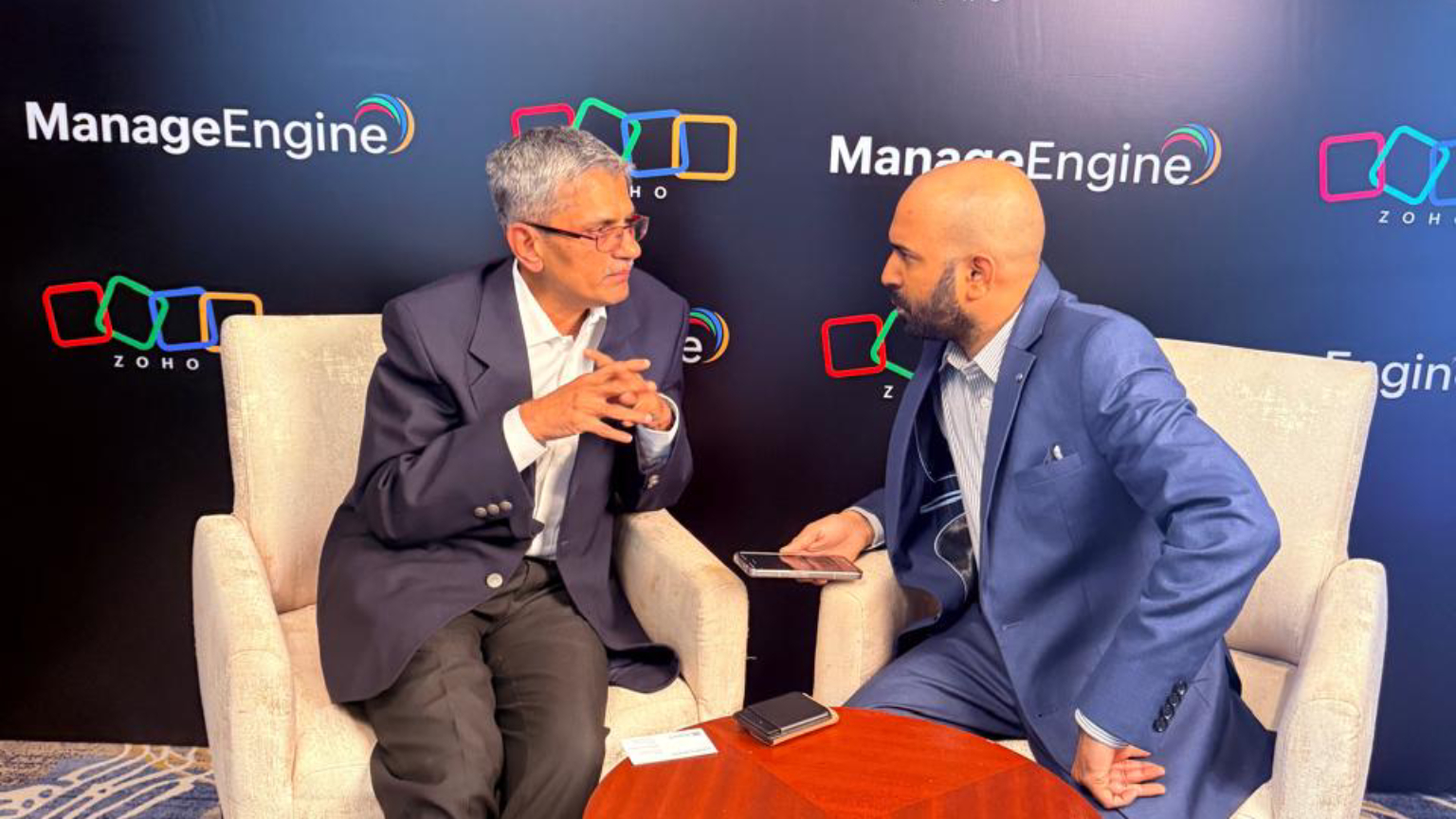
The Integrator had an interview with Shailesh Davey, Co-founder & CEO, Zoho, during the official launch of their newly opened data centers in the UAE.
Zoho is on an executing path; as they say, it is a disciplined, long-term regional strategy by deploying and right-sizing data centers in Saudi and the UAE, aligning with global trends in data sovereignty and privacy.
The UAE is a priority growth market fueled by regulatory and business-led digitization, supported by local teams and partners. Customers will see faster performance from local hosting, while flagship products Zoho CRM Plus and Zoho Books lead growth, with rapid regulatory feature alignments.
Zoho currently operates more than 18 data centers globally, with the UAE being the latest addition. From a regional perspective, does the Middle East require more data centers, or are the facilities in the UAE and Saudi Arabia sufficient to support Zoho’s growth plans?
We currently operate two data centers in Saudi Arabia, which primarily serve the Saudi market. In the UAE, we have now established two data centers—one in Dubai and another in Abu Dhabi. These facilities have been carefully right-sized based on our expected growth in the region.
We have been present in this market since 2009, so we have a clear understanding of customer adoption patterns, data usage behavior, and growth trajectories. Based on this data, we have ensured sufficient capacity for the next two to four and a half years. Every six months, our teams review capacity utilization and growth rates. If we see demand growing faster than anticipated, we simply expand further.
This approach isn’t new for us—we’ve been doing this consistently since 2006–2007.
Zoho is widely known for its capital discipline and strong stance on privacy. With increasing global rhetoric around cybersecurity, data sovereignty, and regulations—especially in markets like the UAE—do you believe governments are emphasizing certifications due to a trust deficit with large tech companies, or is this part of a broader global shift?
There are a few important factors at play here. First, some of the world’s largest technology companies have built their businesses by monetizing user data. This is openly acknowledged as part of their business model. While it may be legal, it understandably creates discomfort—especially for governments concerned about the data of their citizens, and for individuals who often accept terms and conditions without fully realizing what they are agreeing to.
Second, we are now living in a rapidly evolving geopolitical environment. The shift toward a multipolar world has accelerated significantly over the last couple of years. In this context, it is only practical for governments to introduce regulations that ensure clarity around where data resides, how it is handled, and whether companies are compliant with local laws.
From Zoho’s perspective, this has always aligned with our philosophy. Wherever we set up data centers, we comply fully with local regulations and data sovereignty requirements. Certifications and compliance are simply proof points of that commitment.
Zoho has seen strong growth in the UAE. Which flagship products are driving this momentum, and how does the establishment of local data centers translate into tangible benefits for businesses in terms of innovation and performance?
Let me start with the impact of the data centers. The most immediate and visible benefit is speed. Earlier, customer data was being served from the US, which meant latency due to the physical distance. With local data centers in the UAE, response times are significantly faster. This directly improves user experience, in addition to meeting security and compliance requirements.
In terms of products, our fastest-growing solution in the UAE is Zoho CRM Plus. For any business, sales is a critical function, and CRM Plus is a comprehensive, customer-facing suite that supports sales, marketing, customer support, service, and even project management.
The second major growth driver is Zoho Books, which is widely used by finance and accounting teams. With increasing regulatory requirements around accounting, compliance, and e-invoicing in the UAE, Zoho Books helps businesses stay compliant while maintaining accurate and transparent financial records.
Given the pace at which regulations are evolving, especially in areas like e-invoicing, our local presence allows us to respond very quickly. We see significant long-term potential for both CRM Plus and Zoho Books in this market.
One of Zoho’s recent consumer-focused initiatives Aaratai application has gained strong traction in India and has generated a lot of discussion. Do you see similar B2C-led innovations helping Zoho reach a wider audience in the UAE as well? Could we see such solutions being developed or localized for this market?
This has been an interesting experiment for us. What we’ve essentially done is take the technology we built for the B2B world, adapt it, and make it accessible to B2C users. That’s how this particular app was born, and it received strong tailwinds in the Indian market.
Interestingly, due to the large Indian diaspora in the UAE, adoption naturally extended here as well. Our immediate focus is to ensure that the product is reliable, feature-rich, and delivers long-term value to users.
Once we are confident that the model works at scale, we will look at expanding into other markets where there is strong synergy. Markets with a significant Indian diaspora are a natural starting point, and Europe is high on that list.


Eid Weekend Getaway: We Got You Covered with Xiaomi’s Latest!
MIDDLE EAST CONFLICT DRIVING A SURGE IN SCAMS, DEEPFAKES, AND GOVERNMENT IMPERSONATION
WHY SECURITY MUST EVOLVE FOR THE HYBRID HUMAN-AI WORKFORCE


-
News10 years ago
SENDQUICK (TALARIAX) INTRODUCES SQOOPE – THE BREAKTHROUGH IN MOBILE MESSAGING
-

 Tech News2 years ago
Denodo Bolsters Executive Team by Hiring Christophe Culine as its Chief Revenue Officer
-
 VAR11 months ago
Microsoft Launches New Surface Copilot+ PCs for Business
-

 Tech Interviews2 years ago
Navigating the Cybersecurity Landscape in Hybrid Work Environments
-

 Tech News8 months ago
Nothing Launches flagship Nothing Phone (3) and Headphone (1) in theme with the Iconic Museum of the Future in Dubai
-

 Automotive1 year ago
AGMC Launches the RIDDARA RD6 High Performance Fully Electric 4×4 Pickup
-

 VAR2 years ago
Samsung Galaxy Z Fold6 vs Google Pixel 9 Pro Fold: Clash Of The Folding Phenoms
-

 Tech News2 years ago
Brighton College Abu Dhabi and Brighton College Al Ain Donate 954 IT Devices in Support of ‘Donate Your Own Device’ Campaign