
 Have a question? +971 56 404 0503




Hospitality
Rasha Al Mubarak on Empowering UAE Creators: Redefining Music Rights in Hospitality and Beyond

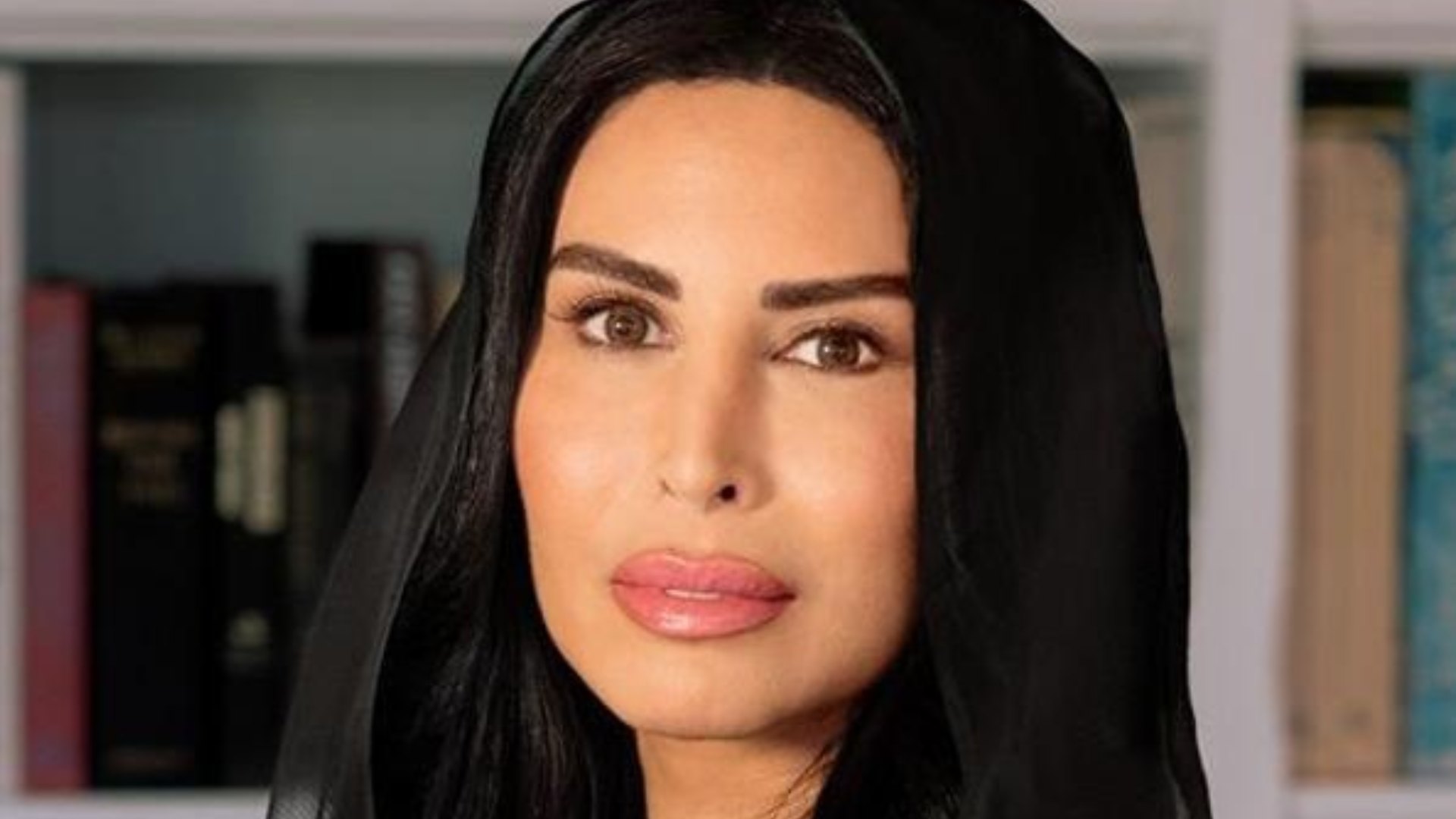
By: Rasha Al Mubarak, the visionary Founder & Chairwoman of Music Nation
- Can you tell us a bit about your background and what drew you to the world of music rights?
I was fortunate to grow up in a family that deeply valued culture, justice, and humanitarian work. At the same time, I have always been passionate about music, art and storytelling as powerful ways to share our heritage. The intersection of these influences: law, humanitarianism, and creativity, naturally drew me to music rights, where I saw an opportunity to protect creators, empower communities, and ensure that culture remains accessible and celebrated.
- How would you describe Music Nation’s mission and the role it plays in supporting artists and the creative economy as a whole?
Music Nation was founded with a clear and compelling mission: to support music creators and rightsholders within the UAE by protecting and licensing their copyrighted works to businesses that use music, but also offering guidance on their career development throughout the music industry. We empower creators to understand the business landscape, cultivate meaningful industry relationships, and effectively monetize their work.
- Congratulations on Music Nation’s Collective Management Organization (CMO) permit award by the Ministry of Economy and Tourism. What does this milestone mean for music creators as well as the hospitality sector, and why is such recognition so important for all parties?
For me, this historic milestone is about recognition. It means that music creators in the UAE, and from around the world, now have an official, trusted body that protects their rights and ensures they are fairly compensated whenever their music is played. That sense of security allows them to focus on their craft, knowing their work is valued and protected.
At the same time, hotels, restaurants, and other venues also benefit from this system. Instead of navigating a gray area, they now have a clear legal framework to play music, while respecting the creators behind it. This creates a healthier, more transparent ecosystem where everyone wins: artists are rewarded, businesses have peace of mind, and audiences get to enjoy music in spaces that honor creativity.
- Your collaboration with global entities BMI and SoundExchange is notable. How do these partnerships enhance Music Nation’s capacity to meet international standards in rights management?
I’m grateful for the opportunity to work alongside our partners BMI and SoundExchange; organizations with long-standing, global reputations. BMI helped us build the foundation for public performance licensing in the UAE years ago. Their expertise ensures that songwriters and publishers are properly supported and compensated through proven technology and systems.Our partnership with SoundExchange has taken things further in the neighboring rights space. Their advanced technology, data tools, and administration capabilities are the best in the business, and these systems allow us to collect and distribute royalties for performers and producers/labels with speed, accuracy and transparency.
What this means for our artists is that they’re getting world-class rights protection and royalty distribution. For me, it’s a source of pride to bring these advanced systems home to the UAE, so that artists here benefit from fairness, clarity, and credibility that matches what creators around the world expect and deserve.
- It can be problematic when it comes to businesses playing music because of the complexity and legal risks involved. How does Music Nation simplify this process for restaurants, hotels, and other F&B operators?
In the past, music licensing was cumbersome and essentially ambiguous. Today it is just the opposite. Our leadership recognizes the positive impact of the UAE’s creative and cultural industries and has introduced robust copyrights legislation to protect and nurture our creatives and provide them with the opportunity to build sustainable careers through royalty distribution. The ambiguity of the past has been resolved through regulation, and using music today without a license is considered copyright infringement, carrying significant risks. With Music Nation, we facilitate all of that licensing officially, seamlessly and throughout the UAE.
Music Nation was built for this purpose. In the world of music copyright law, we have authors rights that protect the authors and publishers of a song and we have neighboring rights (also known as related rights) that protect the performers and producers/labels of recorded music. In most other markets, a business would have to pay a license fee to one society for author/publisher rights and another fee to another society for neighboring rights. Music Nation is the one-stop solution for licensing all of these rights under a single umbrella. This simplifies things enormously, and we believe we are the first Collective Management Organization in the world to natively achieve this. Rather than juggling multiple contracts with multiple parties or risking unlicensed use, hospitality licensees like restaurants and hotels can now secure clear, legal access to music with one efficient license from Music Nation.
- Music is often seen as culture, but it’s also a powerful economic driver. How do you see licensed music contributing to the growth of the UAE’s creative economy?
I’ve always believed that music is both a cultural heartbeat and an economic engine. When music is properly licensed, it ensures that creators are fairly compensated, which in turn encourages more artists to invest their time, talent, and resources into making more music. This cycle doesn’t just benefit artists; it supports businesses, creates jobs, and attracts investment into the wider creative industries.
In the UAE, this has an even greater significance. The country has placed the creative economy at the center of its National Strategy for Cultural and Creative Industries 2031, aiming to make it one of the nation’s key growth sectors. Licensed music plays a direct role in that vision: it gives artists a reliable income stream, provides venues and businesses with legal clarity, and builds trust in the ecosystem.
- As a successful Emirati entrepreneur, what lessons have you learned on your journey that you would like to pass on to the next generation of women leaders?
One of the most important lessons I’ve learned is to take the time to truly search for your passion. It’s not always obvious at first, but once you find what excites you, what gives you energy, that’s where your strength lies. And when you do discover it, I encourage you to think about how to turn that passion into something both innovative and meaningful, while staying authentic. Something that not only allows you to express your creativity but also benefits the community around you.
For me, combining my love for law, humanitarian work, and the arts led to building organizations that protect creators and give back to society. That balance is what keeps me motivated.
Hospitality
TWG Tea Unveils the TWG Tea Gallery, Its Largest Flagship and First-Ever TWG Tea Museum at Singapore Changi Airport

TWG Tea, the finest luxury tea brand in the world, unveils its largest global flagship, TWG Tea Gallery, at Singapore Changi Airport Terminal 3, marking a significant milestone in the brand’s international growth. Welcoming travellers around the clock, the TWG Tea Gallery is strategically located within one of the world’s leading aviation hubs, underscoring TWG Tea’s continued investment in travel retail as a key pillar of its global expansion strategy. Spanning 2,700 square feet beneath a soaring 23-foot-high ceiling, the new flagship represents the brand’s most ambitious retail expression to date, setting a new benchmark for luxury tea in the global travel retail landscape.
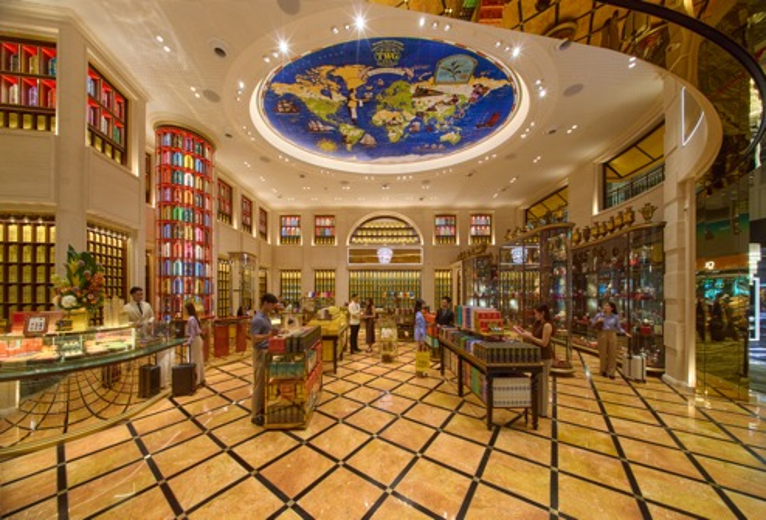
Envisioned as an immersive expression of TWG Tea’s craftsmanship and savoir-faire, this destination invites discerning travellers into a luminous world where rare harvests, exquisite blends and timeless rituals converge. Its landmark TWG Tea Museum showcases more than 170 antique tea wares and over 50 antique Russian samovars from the 17th to 20th centuries, personally curated by the brand over the past 15 years from around the world. TWG Tea Gallery also introduces a selection of exclusive creations, including the Grand Voyage Tea from the Grand Mode Tea Collection, the Singapore Surprise Gift Set, and specially created tea-infused macarons, ice cream and sorbet.
Bringing together the Tea Boutique, curated tea accessories, bespoke gifting and a Takeaway experience, this flagship also introduces Singapore’s only Tea-Infused Ice Cream & Sorbet concept, designed for travellers on the go. An impressive tea wall displaying more than 1,200 tea tins anchors the space, transforming the space into a compelling new expression of TWG Tea for today’s global traveller.
“The TWG Tea Gallery represents the most definitive expression of TWG Tea to date. More than a Tea Boutique, the flagship brings the past, present and future of tea into one immersive experience, celebrating the stories, traditions and artistry that have shaped tea over the centuries, brought to life through its landmark TWG Tea Museum. Singapore has remained central to TWG Tea since its founding, and we are honoured to present our largest global flagship at Changi Airport, an icon of aviation excellence and an extraordinary platform to bring the world of TWG Tea to travellers from around the world.”
—Taha Bouqdib, President & CEO of V3 Gourmet and Co-Founder of TWG Tea
“Changi Airport is proud to be home to TWG Tea’s largest flagship store in the world and its first-ever TWG Tea Museum. As one of Singapore’s most recognised brands, TWG Tea offers travellers a uniquely Singapore experience. Together with TWG Tea, we are delighted to introduce a collection of exclusives created specially for Changi Airport, including Singapore’s only tea-infused ice cream and sorbet concept. This new flagship transforms a retail visit into an immersive journey through the heritage, artistry and culture of tea, reflecting the innovation and hospitality that define both TWG Tea and Changi.”
— Hung Jean, Managing Director of Airside Concessions at Changi Airport Group
A Voyage Through Design
This location within Changi Airport was chosen to house TWG Tea Museum to form a defining part of the flagship experience, showcasing more than 170 antique tea wares and decorative objects spanning cultures and eras. The collection offers a compelling window into the artistry and cultures that have shaped tea over the centuries, adding a rich traditional dimension to the contemporary travel retail experience.
Among its highlights are Yixing clay teapots, traditionally marked by their makers and prized for their craftsmanship and provenance, alongside Chinese and Western tea wares tracing evolving traditions of form and decoration from the 18th century to the present day. Blue-and-white ceramics shaped by Chinese-Islamic artistic exchange sit alongside porcelain once prized in Europe as “white gold,” revealing the movement of ideas and aesthetics across cultures through the rituals of tea.
The collection also includes more than 50 antique samovars from Russia, with notable 19th- and early-20th-century examples from the celebrated workshops of Tula and beyond. Works by makers such as the Batashev and Shemarin brothers bear distinctive hallmarks attesting to their provenance and craftsmanship, offering a further perspective on the decorative traditions surrounding tea.
This dialogue between cultures continues in the flagship’s design, crowned by a hand-painted ceiling depicting a luminous world tea map. As its defining architectural feature, the composition traces the global journey of tea through intricate motifs and rich colour, extending the museum’s narrative of cultural exchange into the contemporary setting of Changi Airport Terminal 3.
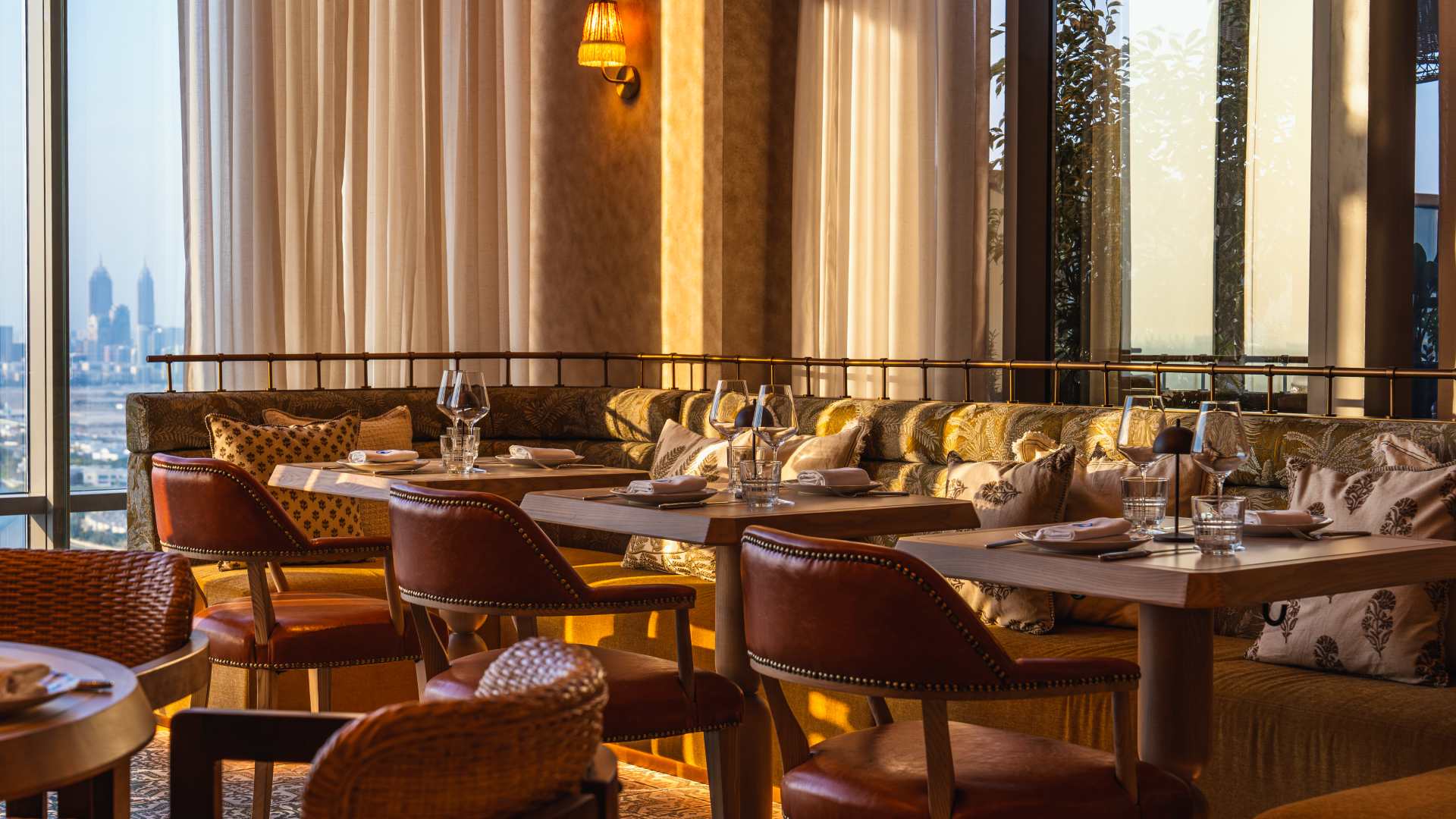
Orilla is turning Wednesday nights into an occasion with the launch of Mi Amor, a new weekly ladies’ night bringing together free-flowing drinks, live entertainment and an elevated late-night atmosphere at the restaurant’s rooftop setting in Jumeirah Village Triangle.
Launching on Wednesday, 7 October from 7:00pm onwards, Mi Amor invites ladies to dress up, gather their favorite people and settle into an evening designed around good energy, flowing drinks and memorable moments.
Set on the 27th floor of Hotel Local, Orilla provides the backdrop for the new weekly ritual, combining panoramic surroundings with the restaurant’s lively Latin-inspired atmosphere. For the launch evening, guests can expect free-flowing drinks for ladies, sensational entertainment throughout the night and a room dressed for the occasion.
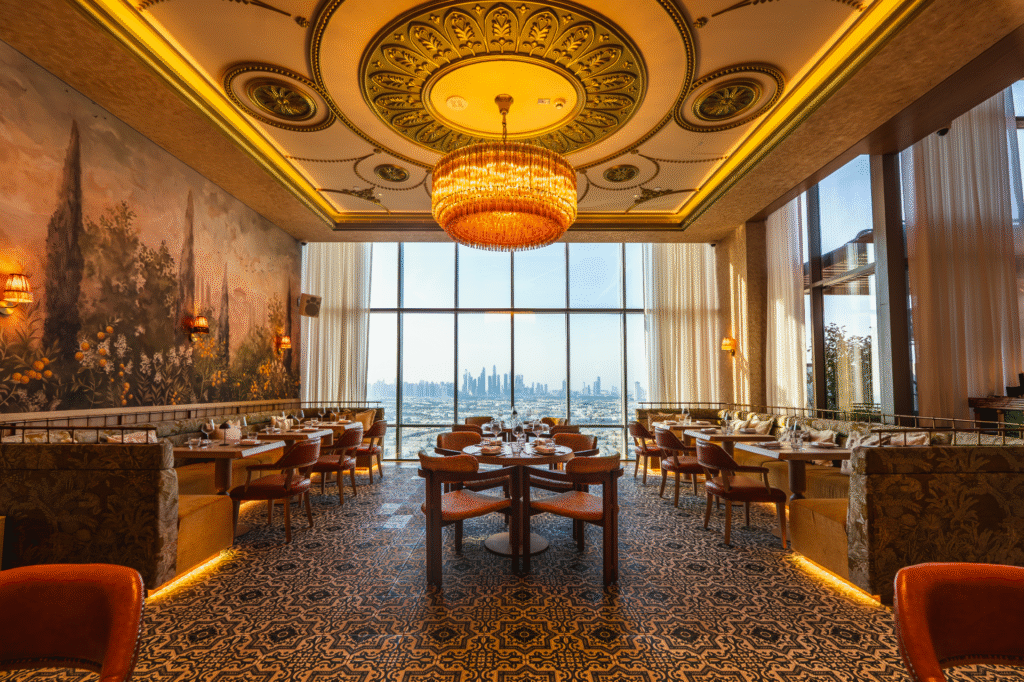
More than simply a midweek drinks offer, Mi Amor is designed as an opportunity to make Wednesday feel like the start of the weekend. From the first cocktail to the final song, the evening brings together music, entertainment and an upbeat social atmosphere for groups of friends looking to make the most of their night.
The launch will set the tone for what guests can expect from Mi Amor as it becomes a regular fixture at Orilla — a night built around celebration, connection and a little indulgence.
Mi Amor Ladies’ Night launches on Wednesday, 7 October, from 7:00pm onwards, with free-flowing drinks available for ladies and entertainment throughout the evening.
Event Details
- What: Mi Amor Ladies’ Night | When: Every Wednesday, launching 7 October 2026 | Time: From 7:00pm onwards | Where: Orilla, 27th Floor, Hotel Local, Jumeirah Village Triangle, Dubai | Ladies’ Offer: Free-flowing drinks | Entertainment: Throughout the evening | Reservations: +971 4 575 2986 / +971 55 104 7521 | Email: reservation@orillarestaurant.com
- Limited tables are available. Guests are encouraged to reserve in advance and join Orilla for the first taste of Mi Amor.
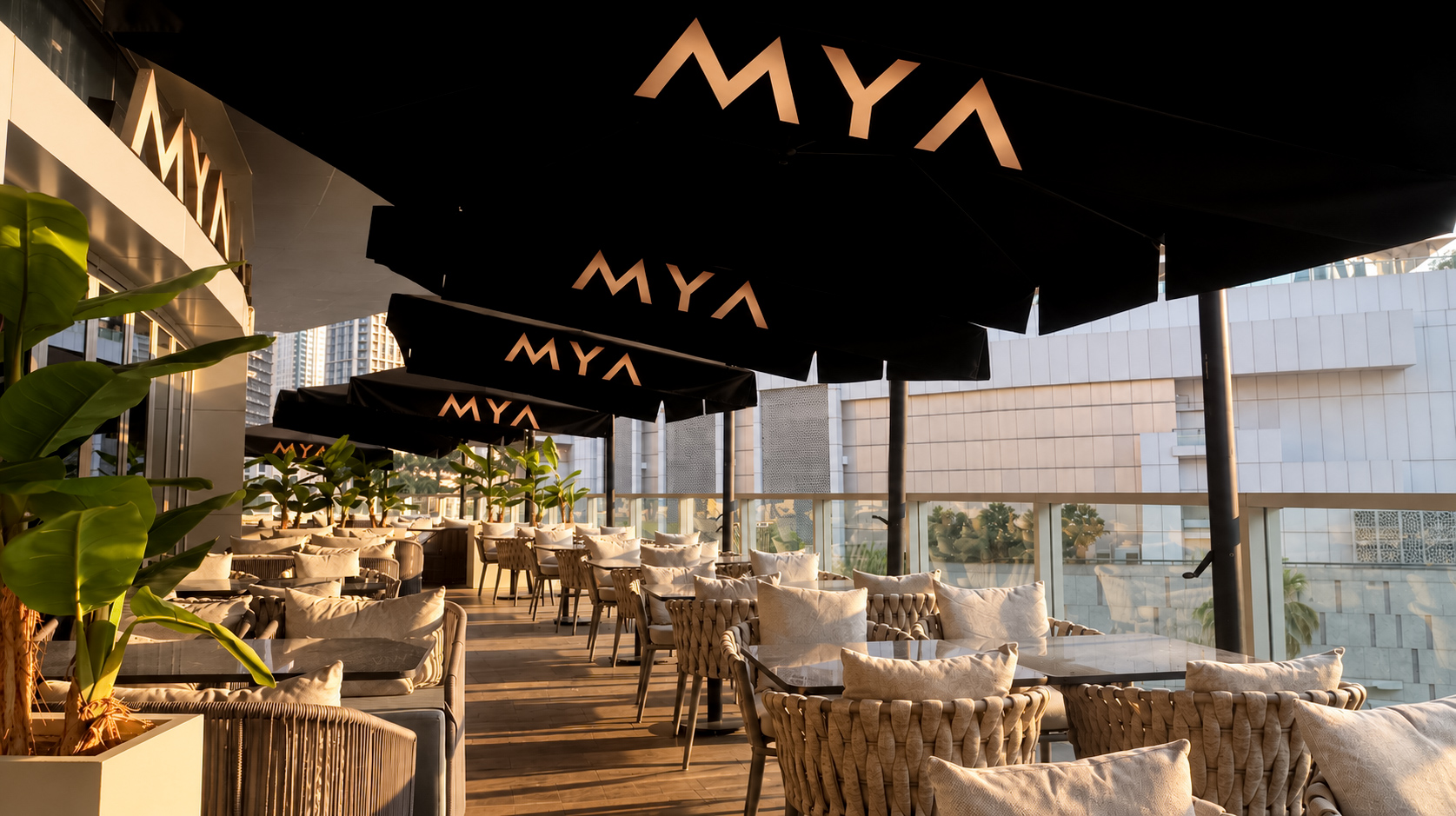
AMAYA is now MYA. As the brand expands its regional and international presence, a unified name gives every location one voice and every guest one clear promise. MYA supports consistency across its growing portfolio of destinations while preserving the energy, hospitality and attention to detail established in Dubai.
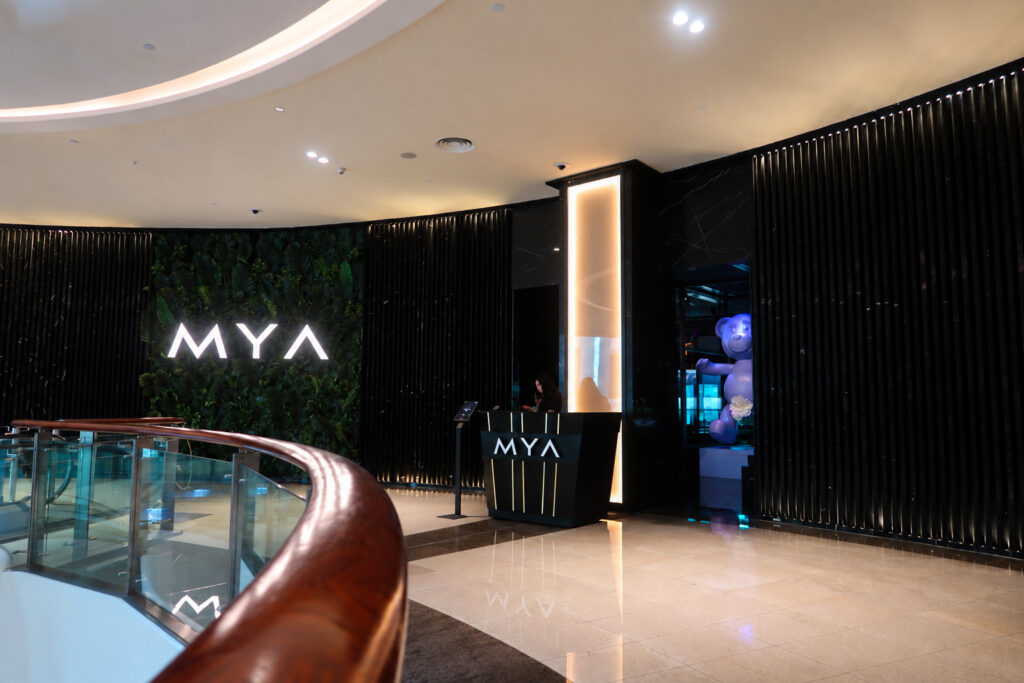
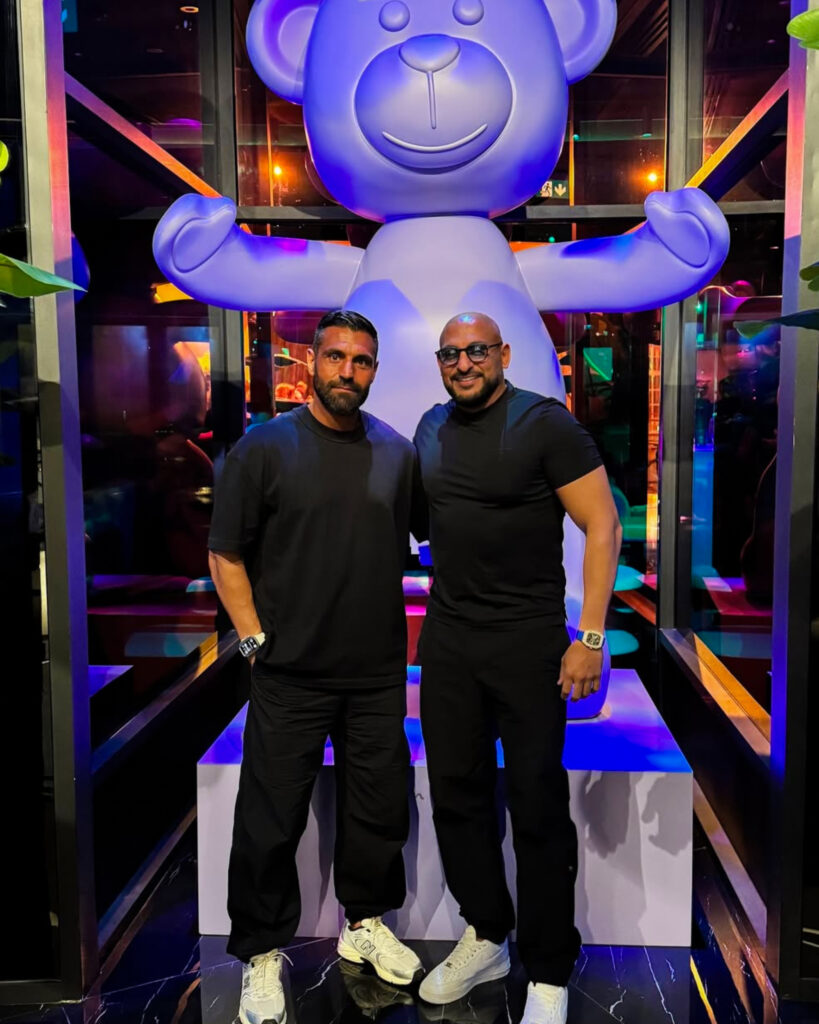
The Dubai-born dining and lifestyle brand has refined its name as part of its continued growth: one concise name that can be recognized, remembered and expressed with equal confidence in every market. MYA is shorter by design, creating greater clarity across destinations, partnerships, communications and digital platforms.
The refinement is precise. MYA carries forward the same founder and leadership, the same team, the same concept, the same culinary direction, the same standards and the same distinctive guest experience. Everything that earned the trust of AMAYA’s guests remains at the heart of MYA.
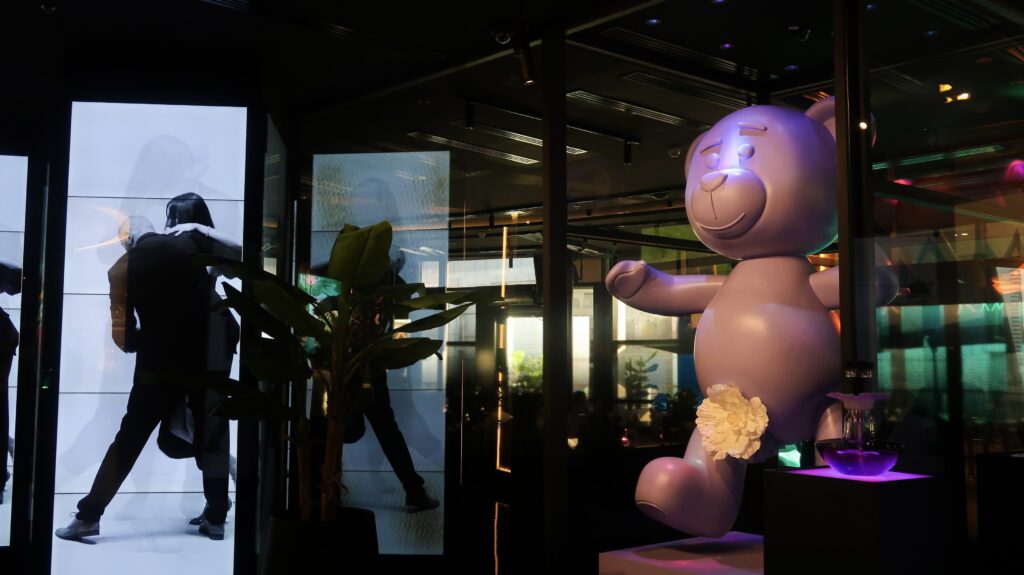
“Strong brands grow through clarity, consistency and trust. MYA gives the name we have built a sharper global expression. Our people, standards and guest experience remain exactly the same. One name. One vision. One uncompromising standard, built in Dubai and continuing forward as MYA.”
– Murat Tutuncu and Moe Ezzat | Founders & CEO, MYA
MYA’s purpose is clear – to give the established Dubai-born hospitality brand a shorter and more consistent name as it grows across destinations. The shorter name increases recognition, the unified name strengthens consistency, and the same standards give the brand the foundation to grow confidently across cultures and geographies.

Kenz ‘de’ Rasasi Debuts at Beautyworld Middle East 2026 with a New Expression of Rasasi Heritage

Burjeel Holdings Launches Preventive Cardiac Campaign Across Its UAE Hospital Network for World Heart Day

Vertiv™ Coolant Distribution Unit qualified as NVIDIA DSX Ready for AI Factory Infrastructure



-

 Trending12 months ago
OPPO A6 Pro 5G Review: Reliable Daily Driver
-

 Tech News2 years ago
Denodo Bolsters Executive Team by Hiring Christophe Culine as its Chief Revenue Officer
-
 VAR1 year ago
Microsoft Launches New Surface Copilot+ PCs for Business
-

 Automotive2 years ago
AGMC Launches the RIDDARA RD6 High Performance Fully Electric 4×4 Pickup
-
Tech Interviews3 years ago
Navigating the Cybersecurity Landscape in Hybrid Work Environments
-

 Tech News1 year ago
Nothing Launches flagship Nothing Phone (3) and Headphone (1) in theme with the Iconic Museum of the Future in Dubai
-

 VAR2 years ago
Samsung Galaxy Z Fold6 vs Google Pixel 9 Pro Fold: Clash Of The Folding Phenoms
-

 Hospitality2 years ago
Gulfood 2025 30th Edition Kicks Off Today, Setting New Benchmarks in F&B Growth and Innovation