
 Have a question? +971 56 404 0503




Home Integrator
ELEVATE AND ENNISMORE HOST RAK’S BIGGEST EVENT OF THE SEASON TO UNVEIL THE AED 1.8 BILLION MONDRIAN AL MARJAN ISLAND BEACH RESIDENCES

ELEVATE, the visionary lifestyle real estate brand from One Group, together with Ennismore, the world’s fastest-growing lifestyle hospitality company, officially unveiled the Mondrian Al Marjan Island Beach Residences with an unforgettable one-night immersive launch event at Atlantis The Royal, Dubai. Valued at AED 1.8 billion, the project marks a defining milestone for Ras Al Khaimah, introducing the region’s first-ever Mondrian-branded beachfront residences and reinforcing ELEVATE’s USD 1 billion UAE development pipeline.
Arch. Abdulla Al Abdouli, Group CEO of Marjan, commented, “We are glad to see the excitement around Mondrian Al Marjan Beach Residences, which is a fitting inclusion to our island’s ever-growing portfolio of branded residences. This development truly echoes our vision of creating premium, lifestyle-led destinations and is sure to offer global residents and investors a new benchmark for branded beachfront living.”
Zeeshaan Shah, Founder & Chairman of ELEVATE, stated, “Tonight’s celebration marks a remarkable milestone for ELEVATE. Mondrian Al Marjan Island Beach Residences is more than a development—it is a new expression of what beachfront luxury can be. We have created a space where art, culture, wellness, and community converge in ways never seen before in the UAE. We are proud to present our flagship project and continue elevating the standards of residential living in the region.”
Set on Al Marjan Island, one of the UAE’s fastest-growing luxury and entertainment destinations, the project has witnessed extraordinary demand. With 343 residences rapidly selling out, investor interest continues to surge due to the community’s proximity to Wynn Al Marjan Island, pristine beachfront access, and world-class hospitality offerings by Ennismore. Designed by San Francisco-based architectural firm Gensler, with interiors by London’s Bergman Design House, the development blends bold design with sensory storytelling.
The crown jewel of the project, the 10,000-square-foot Sky Mansion, features 28-foot ceiling heights, a private rooftop garden, and an infinity pool overlooking the Arabian Gulf. Listed at USD 10 million, it stands as one of the most exclusive homes in Ras Al Khaimah.
Ras Al Khaimah’s most anticipated real estate launch of the season drew remarkable excitement, with guests filling the entrance of Atlantis The Royal in lively anticipation. A packed turnout gathered to witness the spectacular reveal, reflecting the overwhelming interest in Elevate’s newest landmark.
The star-studded launch, emceed by fashion icon Jessica Kahawaty, also drew notable regional personalities including Youmna Khoury and Zeynab, adding to the event’s fashion-forward energy. More than a project debut, the celebration framed Mondrian Al Marjan Island Beach Residences as the emirate’s new destination where design, lifestyle, and coastal glamour come together.
The immersive journey began as attendees passed through a kinetic tunnel of fabric, projection, and light, creating a surreal transition into Mondrian’s world of expressive luxury. The dramatic reveal of the architectural model unfolded beneath a choreographed lift of illuminated drapery, drawing applause as the full vision of the development was unveiled.
Throughout the event, custom-built design-led spaces immersed guests in Mondrian’s art-driven identity, from editorial portrait studios to a stage backdrop brought to life with kinetic projection mapping. Experiential activations spanned mixology, performance, and live artistry, including a neon-lit sculptural bar and a captivating live artwork creation by celebrated UAE artist Diaa Allam, who painted a piece inspired by Ras Al Khaimah’s cultural spirit. Setting the tempo for the night, DJ Tala Samman infused the space with her signature sounds, lifting the mood, energising the crowd, and giving the celebration its unmistakable pulse.
Louis Abboud, Regional Head of Lifestyle Collective IMEAT at Ennismore, added,
“Mondrian has always been about pushing boundaries and creating spaces that inspire. Launching this project on Al Marjan Island is a natural evolution of our brand’s creative ethos. This is not just a residence, it’s a living gallery, a social hub, and a sanctuary of style.”
RESIDENCE TYPES
- The Residences: 1–3 bedroom apartments starting from AED 2.55 million
- The Front Row Collection: 3–5 bedroom beachfront townhouses with direct beach access starting from AED 8.54 million
- The Sky Collection: 3–5 bedroom duplex and triplex sky villas with private pools and panoramic Gulf views starting from AED 8.53 million
Residents will enjoy over 60,000 sq. ft. of curated amenities, including the Mondrian Sky Club, Fi’lia Beach, championship fitness facilities, infinity pools, concierge services, and Accor Platinum Status benefits across 5,600 hotels worldwide.A flexible 60:40 payment plan is available, with project completion scheduled for Q4 2028.

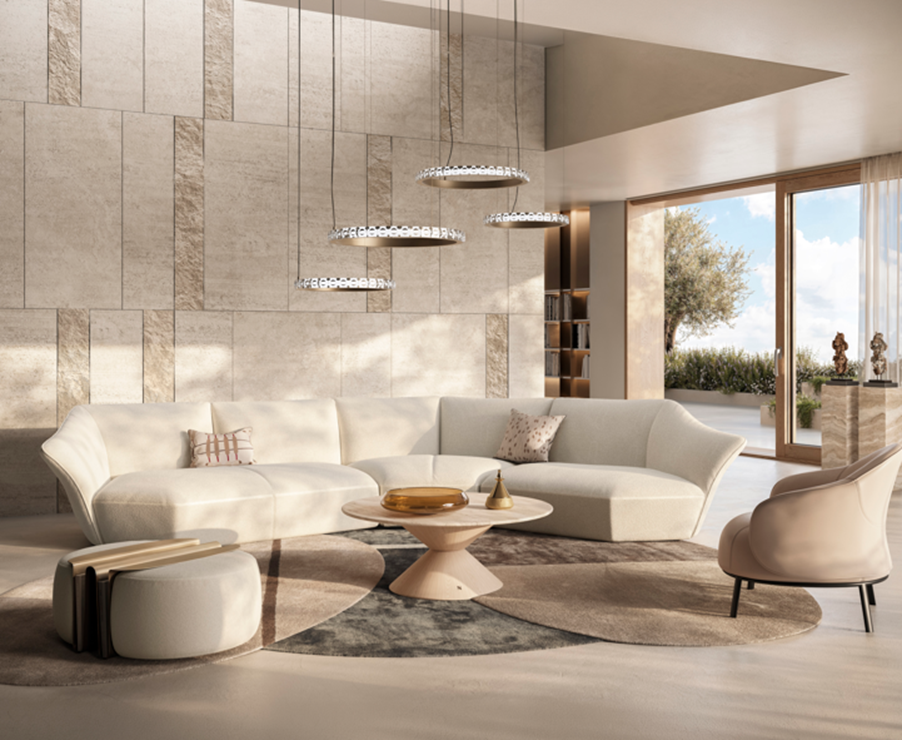
Natuzzi Italia, the global ambassador of Italian lifestyle, invites the world to see the home in a new light. In a masterclass of craftsmanship and atmospheric design, the brand unveils its latest lighting ensemble—a collection where functional illumination evolves into pure, radiant sculpture.
These pieces represent more than just a new product line; they are a dialogue between the heritage of Italian artisanal mastery and the avant-garde of modern luxury.
The Collection: Sculptures of Luminosity
Aura Suspension:
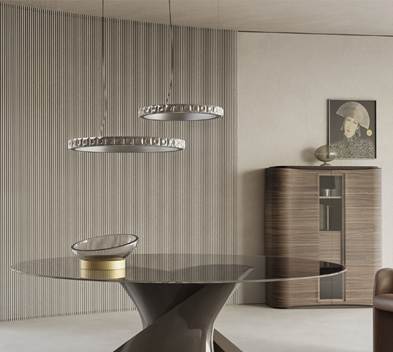
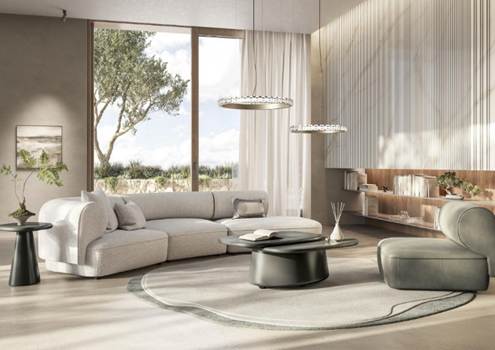
Architectural Harmony Aura embraces space with ethereal grace, spreading a soft, diffused glow that envelopes a room in a harmonious atmosphere. Its refined, essential shapes interact seamlessly with architecture, creating a perfect equilibrium between raw matter and weightless light. Available in various compositions, Aura enriches grand spaces with a timeless allure, transforming surroundings into pure emotion.
Elsa Table Lamp:
A Timeless Embrace Elegance and purity find their form in Elsa. This masterpiece features a charm carved from artisan glass, playing against the natural, sophisticated veins of Calacatta marble. Topped with a decorative accessory in brushed light gold, Elsa is not merely a lamp, but a precious jewel for the contemporary interior.
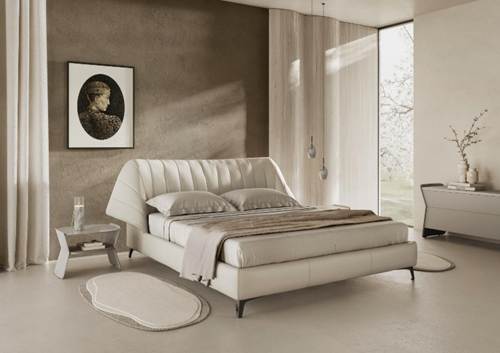
Tea Floor Lamp:
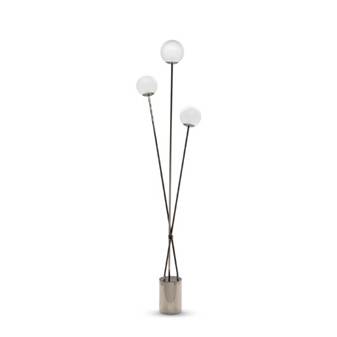
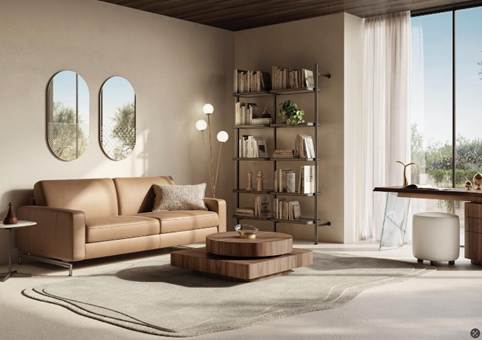
Floral Grandeur: Standing with the poise of a curated bouquet, the Tea lamp features three slender stems rising in a rhythmic interplay of heights. Each stem culminates in a satinated blown-glass sphere, casting a soft, encompassing glow that mimics the gentle transition of dusk.
Rosé:
The Icon of Grace Inspired by the delicate silhouette of an inverted chalice, Rosé pays homage to the warm, shimmering hues of a desert sunset. With its refined finish and iconic silhouette, it transforms light into a radiant expression of Mediterranean beauty.
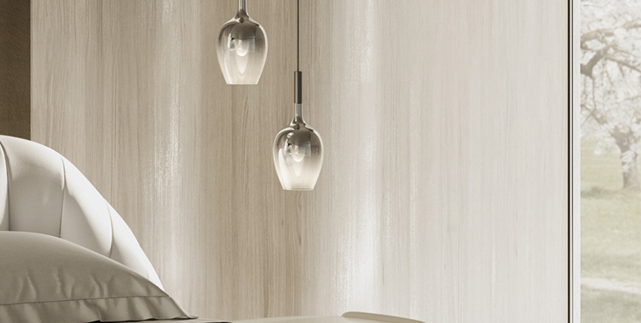
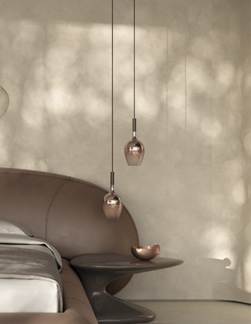
Solene:
The Luminous Secret of Solene is where tradition meets innovation. Featuring a hand-carved crystal heart nestled within blown glass, it filters light to create a sanctuary of intimacy. It is a quiet masterpiece, a secret whispered in the language of light.
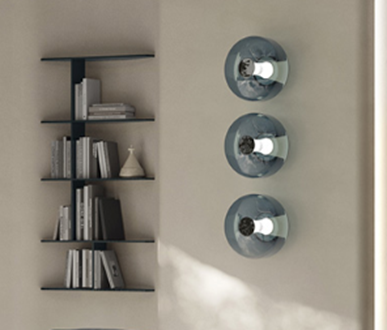
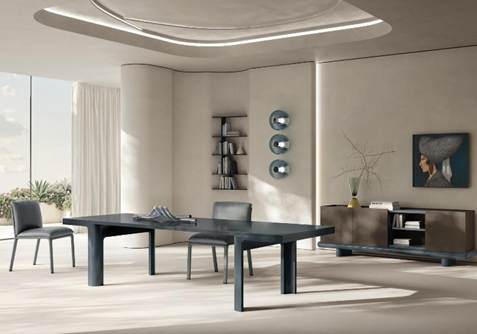
Nola:
Ethereal Weightlessness Suspended with the quiet dignity of a bell, Nola brings a brilliant yet delicate presence to any room. Its minimalist form serves as a statement of lightness, proving that true refinement often speaks in a whisper.
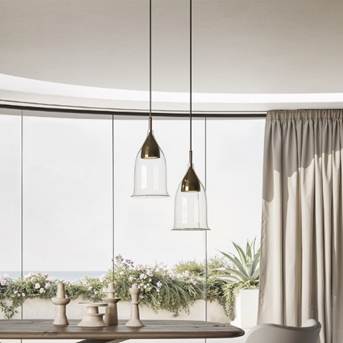
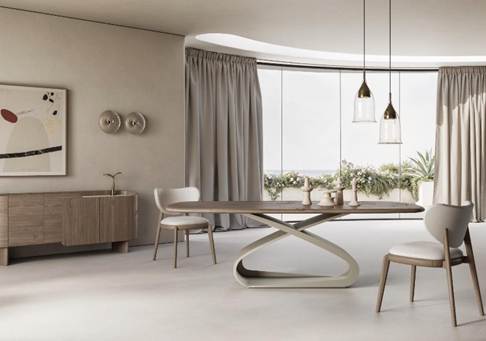
Bossanova:
The Rhythm of Reflection Dynamic and fluid, Bossanova appears to dance within the air. Its vibrant transparency and undulating lines create a play of reflections that evoke joy and movement, capturing the timeless spirit of Italian celebration.
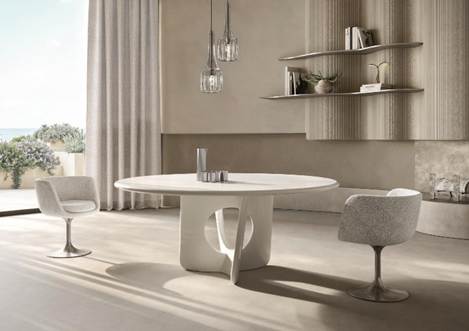
Experience the Glow
Discover the collection at Natuzzi Italia showrooms across the UAE, where the poetry of light meets the art of living.
Natuzzi store are located near you in Dubai and Abu Dhabi, visit the website.
• Natuzzi, Sheikh Zayed Road between 2nd and 3rd interchange, Dubai
• Natuzzi, near Al Maktoum Bridge, Umm Hurair Road, Dubai
• Natuzzi, The Galleria, Abu Dhabi
Grounded in nature and materiality, brown is returning to interiors as a calming, contemporary neutral.
Brown is re-emerging as one of the defining tones of contemporary interiors. Once associated with the nostalgic interiors of the 1970s, the colour is now being reinterpreted through a more refined lens, introducing depth and material richness to modern living spaces. After several years dominated by pale neutrals and cool greys, designers are increasingly introducing a spectrum of warm brown tones – from deeper shades such as espresso and cocoa to softer hues including caramel, tan and walnut – bringing greater character and contrast to current interior palettes.
Used thoughtfully, brown acts as a versatile neutral within contemporary spaces, adding structure while softening lighter schemes. Layering deeper chocolate tones with caramel or tan shades introduces subtle depth, while softer tones such as off-white or cream keep the composition light and balanced. Accents in bronze or brushed metals, alongside rich woods and textured fabrics, further enhance the layered quality of the palette.
Reflecting this shift, Minotti explores these richer tones across its latest collections. At the Minotti Dubai flagship store in Jumeirah, sculptural seating and refined finishes illustrate how brown tones can shape contemporary interiors.
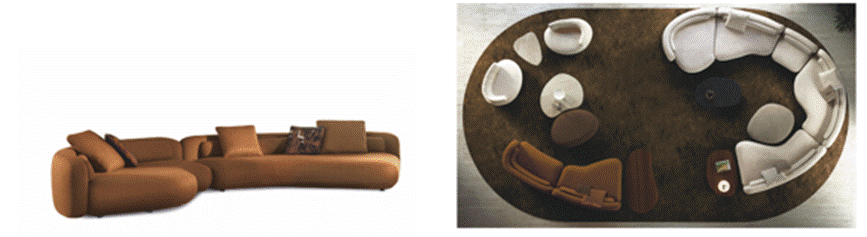
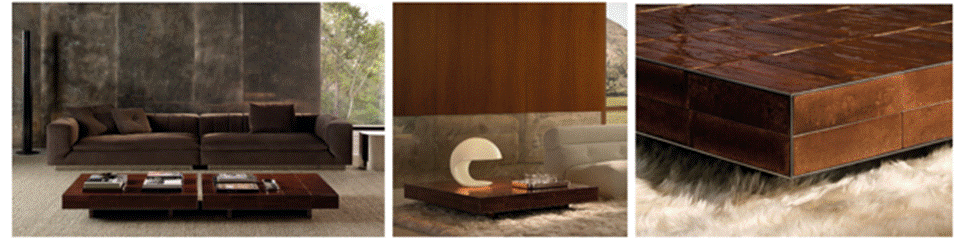
Sculptural Foundations: Bézier seating system and coffee table
Statement seating is one of the most effective ways to introduce brown into a space. TheBézier seating system by Marcio Kogan / Studio MK27 embodies this approach through its fluid, organic silhouette and generous proportions. Inspired by the parametric curves developed by French engineer Pierre Bézier, the sofa’s rounded volumes create a sculptural presence that feels both architectural and inviting.
Upholstered in warm tones, the design anchors the living area while maintaining visual softness. Its modular configuration expands into island-like compositions that encourage relaxed gathering and conversation. Paired with the Bézier coffee table, featuring a Canaletto walnut top in light brown veneer, the composition highlights how brown can extend through both upholstery and natural materials.
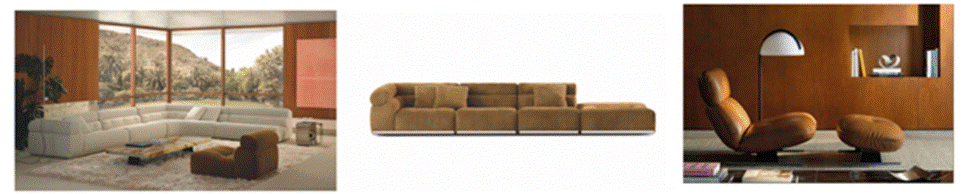
Layered Upholstery: Coupé and Libra
Brown tones are equally effective when introduced through layered seating arrangements. The Coupé seating system by Giampiero Tagliaferri reinterprets the aesthetic language of 1960s and 1970s interiors through a contemporary lens. Its overlapping rounded volumes and tone-on-tone stitching emphasise softness and craftsmanship while maintaining the understated elegance characteristic of Minotti.
Also designed by Giampiero Tagliaferri, the Libra armchair introduces a sculptural accent. Inspired by seventies aesthetics, the design is composed of overlapping padded volumes upholstered in leather or fabric, creating a balanced interplay between seat, backrest and headrest.
Architectural Balance: Riley seating system, Andrée and Stage coffee tables
Where softer silhouettes introduce warmth, more architectural pieces bring structure and contrast. The Riley seating system by Hannes Peer reflects this balance through its geometric form and precise detailing, with vertical quilting adding rhythm to the upholstery.
Alongside the seating, the Andrée coffee table, also designed by Hannes Peer, introduces a decorative counterpoint. Inspired by the facades of 1970s Milanese architecture, the design pairs glazed ceramic surfaces with chrome-plated brass trims, adding texture and reflective depth.
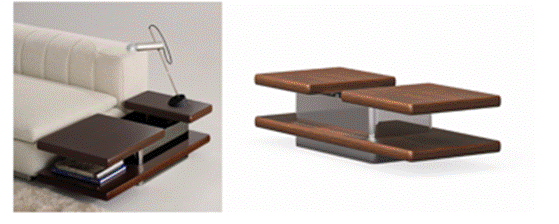
The Stage side table further extends the palette through wood and metal finishes, with tops available in Canaletto walnut-stained light brown or glossy Moka lacquer.
A Contemporary Neutral
Far from being a passing trend, brown’s return reflects a broader shift toward interiors that prioritise depth, materiality and balance. When layered thoughtfully through furniture, finishes and textures, the colour introduces a quiet sophistication that feels both timeless and relevant today.
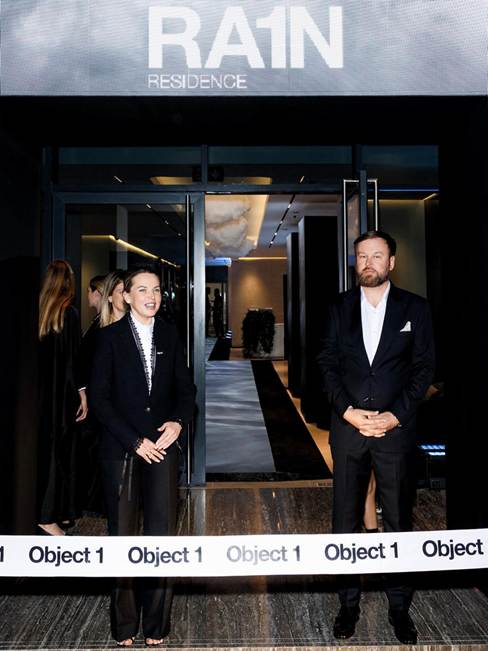
Object 1 has officially announced the 100% completion of RA1N Residence, the developer’s residential project in Dubai. The delivery signifies the company’s evolution from project launches to the successful handover of homes, solidifying its reputation as a reliable player in the city’s fast-moving real estate sector.
Located in District 12 of Jumeirah Village Circle (JVC), the 25-storey tower features 144 units, ranging from one- and two-bedroom apartments to exclusive top-floor apartments with jacuzzi for extra comfort. The project meets a surging market demand for ready-to-move properties. JVC remains a top-tier choice for residents and investors alike, currently capturing 61% of sales searches and 80% of rental searches for apartments in the mid-market segment.
RA1N Residence provides a comprehensive suite of amenities designed for modern urban life:
A spacious lobby with lounge area and co-working spaces, a dedicated clubhouse, indoor and outdoor fitness areas, 2 swimming pools – for kids and adults-only, on-site retail outlets, children’s play zones – both indoors and outdoors.
Designed for immediate comfort and functionality, the apartments feature bright, ergonomic layouts and high-quality materials with contemporary finishes sourced directly from European factories, complemented by built-in appliances and premium plumbing fixtures from leading manufacturers.
There is direct access to Al Khail Road and Sheikh Mohammed Bin Zayed Road, linking the community to Dubai Marina, JLT, and Dubai Internet City. The Roads and Transport Authority’s Hessa Street Phase II project, will double road capacity and reduce travel times while serving nearly 650,000 residents across surrounding communities, further strengthening accessibility for the district.
The announcement comes as Dubai’s property market demonstrates unprecedented momentum. In January 2026 alone, total transactions reached circa Dh108.0 billion – nearly doubling the figures from the previous year.
Tatiana Tonu, CEO of Object 1, commented: “Delivering RA1N Residence is a defining moment for Object 1, as we move from vision to tangible reality. While the world watches regional shifts with caution, our faith in Dubai’s investment climate remains absolute. This city is more than just a market; it is a global safe haven that consistently turns challenges into growth opportunities. By completing our project, we are sending a clear message to our investors: we are here for the long term, contributing to the Dubai 2040 Urban Master Plan and building high-quality communities that thrive regardless of external pressures.”

A RELAXING POOLSIDE RETREAT AT PALACE DOWNTOWN
A SUNDAY BRUNCH FOR KIDS: BAMBINI BRUNCH AT FALCONE
WELLBEINGS HOLISTIC HEALING AT EDITION DUBAI PRESENTS A “WELLNESS ESCAPE”



-
News10 years ago
SENDQUICK (TALARIAX) INTRODUCES SQOOPE – THE BREAKTHROUGH IN MOBILE MESSAGING
-

 Tech News2 years ago
Denodo Bolsters Executive Team by Hiring Christophe Culine as its Chief Revenue Officer
-
 VAR11 months ago
Microsoft Launches New Surface Copilot+ PCs for Business
-

 Tech Interviews2 years ago
Navigating the Cybersecurity Landscape in Hybrid Work Environments
-

 Tech News8 months ago
Nothing Launches flagship Nothing Phone (3) and Headphone (1) in theme with the Iconic Museum of the Future in Dubai
-

 Automotive1 year ago
AGMC Launches the RIDDARA RD6 High Performance Fully Electric 4×4 Pickup
-

 Trending5 months ago
OPPO A6 Pro 5G Review: Reliable Daily Driver
-

 VAR2 years ago
Samsung Galaxy Z Fold6 vs Google Pixel 9 Pro Fold: Clash Of The Folding Phenoms