
 Have a question? +971 56 404 0503




Uncategorized
CLOSING THE DISASTER RECOVERY GAP: ENABLING RESILIENT OPERATIONS ACROSS THE MEA REGION

Orange Business is seeing a growing number of enterprises across MEA reassess their resilience and disaster recovery strategies as geopolitical uncertainties and infrastructure dependencies put business continuity under pressure during prolonged disruptions.
Traditional resilience strategies focus on recovery after an incident. But during a systemic crisis, businesses also need an architecture that keeps critical operations running while conditions remain unstable. CIOs are seeking a more dynamic and agile approach to adapt to changing conditions, mapping technology dependencies and planning for operational continuity in periods of instability.
This iterative resilience includes strengthening backup and recovery architectures, adopting multi-site and cloud-based redundancy, automating failover processes and continuously stress-testing recovery readiness to maintain services under adverse conditions.
“Recent escalations have made enterprises realize they need to be more proactive and flexible when it comes to resilience, but this is not easy with the complexity and distributed nature of modern interconnected infrastructures,” explains Sahem Azzam, President of IMEA and Inner Asia at Orange Business. “As a trusted partner with a local and international footprint, we are uniquely placed to help CIOs right-size their resilience strategy and do what is necessary in terms of disaster recovery based on current risks to ensure they can continue operations during periods of turbulence”.
CIOs steering through an increasingly volatile digital landscape must treat business continuity management as a continuously evolving capability rather than a one-time plan.
Building resilient, future-ready operations
By leveraging the scalability and geographic diversity of cloud infrastructure, enterprises can ensure that data remains accessible – even in the event of catastrophic failure.
Orange Business helps organizations address this through hybrid cloud resilience with secure replication in its sovereign offer, Cloud Avenue, and provides co-location support in secure data center environments. Data can be segmented and mirrored based on business requirements.
A regularly tested resilience plan should be reinforced with real-time monitoring automation and embedded cybersecurity controls to enable rapid detection, response and recovery – ensuring uninterrupted operations in the most volatile situations. Orange Business works closely with Orange Cyberdefense, which is skilled at strengthening resilience through continuous security oversight and threat expertise.
Platformization: a unified and trusted digital foundation
In addition, platformization remodels disaster recovery from static backup plans into a dynamic, automated resilience solution. Where security, compliance and recovery are built into the same operational fabric.
Building on its platformization announcement in the region last year, Orange Business is also highlighting its modular approach to cloud, connectivity and cybersecurity to support continuous operations as part of a business continuity management strategy.
Evolution Platform’s modular and composable architecture allows customers to select and link together network and security functions as required, for example. It includes backup integration and dynamic SD-WAN failover to re-route critical traffic.
Across the MEA region, the conversation has shifted. The real challenge is no longer whether to accelerate digital transformation, but how to build trusted cloud and platform foundations that give organizations the confidence to innovate while maintaining secure, continuous operations in an unstable environment.

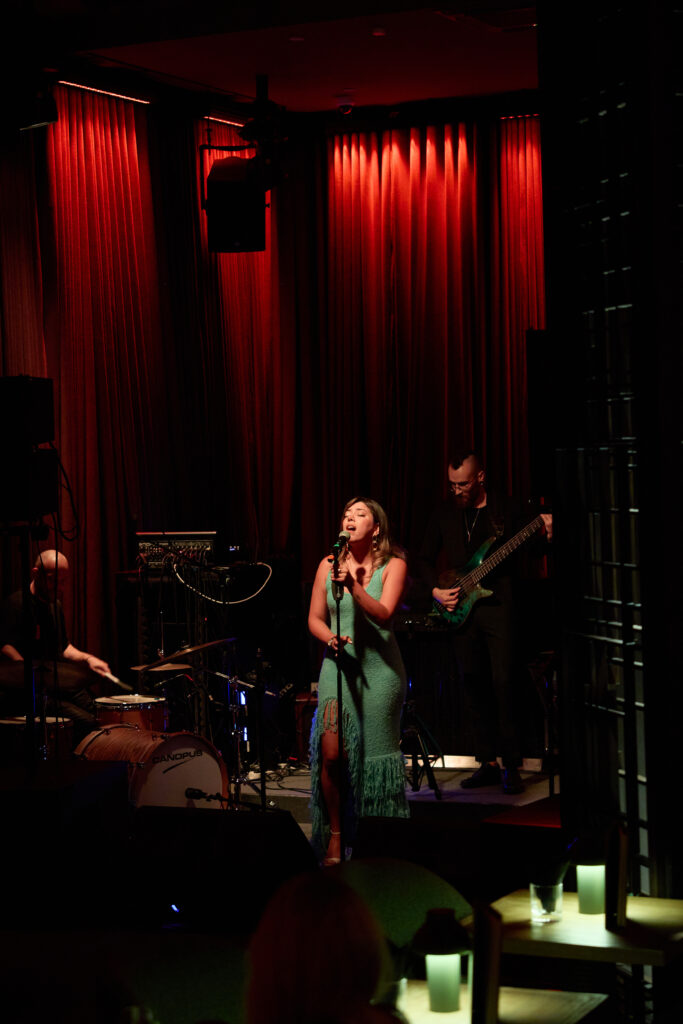
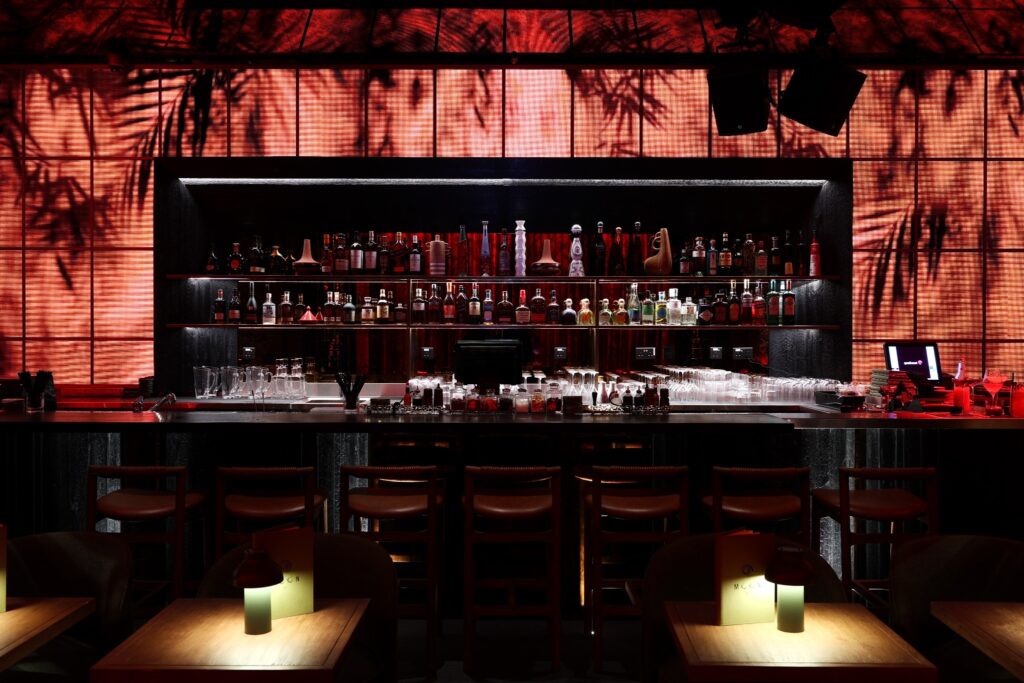
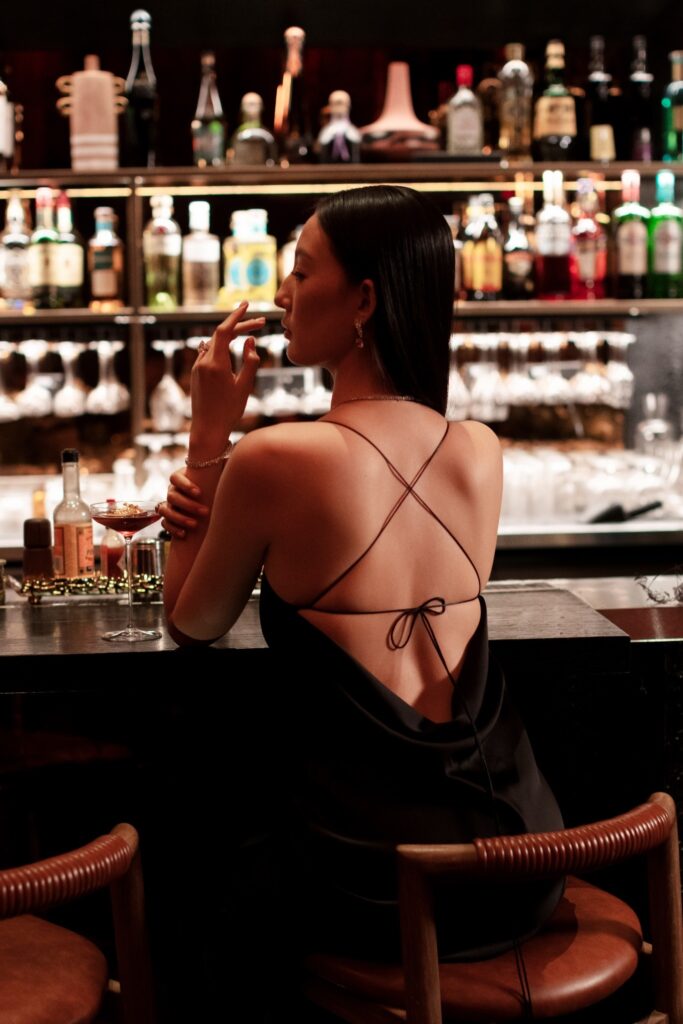
This Halloween, MOON Bar at SANA Restaurant invites Dubai’s night owls to step into the shadows for ECLIPSE AT MOON, an immersive evening of karaoke, themed cocktails, dance entertainment and a DJ afterparty on Saturday, 31 October.
Set within the intimate speakeasy at Jumeirah Mina Al Salam, Madinat Jumeirah, the event promises a playful take on Halloween nightlife, bringing together music, friendly competition and a dramatic eclipse-inspired setting.
The evening begins at 9:00 PM with open karaoke, inviting guests to take the microphone and perform their favourite tracks, from Halloween classics such as Michael Jackson’s Thriller to crowd-pleasers including Disturbia and Toxic. Those who prefer to share the spotlight can join the Scary Duet round, while competitions for Best Costume, Best Karaoke Performance and Best Duet add a competitive edge to the night. A secret guest appearance during karaoke will offer an additional surprise.
Special dance performances will build the energy throughout the evening before the focus shifts to the dance floor at 11:00 PM, when the DJ afterparty begins. The celebration continues until 2:00 AM, accompanied by atmospheric lighting and eclipse-inspired visuals.
The venue will be transformed with silver eclipse details, dark florals and moody lighting, creating a sophisticated Halloween setting. Costumes are encouraged but not compulsory. Guests looking for a subtler approach to the theme can opt for black, silver, charcoal grey, midnight blue or deep burgundy.
Food and drinks remain part of the experience, with SANA’s à la carte menu available at MOON throughout the evening, alongside specially created Halloween cocktails.
Whether guests are ready to take the stage, compete for the best costume or simply settle in for dinner, cocktails and late-night music, ECLIPSE AT MOON offers a Halloween night out with a distinctive speakeasy atmosphere.
This October, Acacia Lounge at Al Habtoor Grand Resort, Autograph Collection invites guests to enjoy a simple yet indulgent pairing of expertly brewed coffee and a delicate pink macaron.
Bathed in natural light and offering a relaxed setting, Acacia Lounge provides the perfect spot to pause and unwind over a freshly prepared coffee, accompanied by a petite pink macaron.
Available daily throughout October, the experience is priced at AED 38 per person. Date & time: Daily – throughout the month of October | 7:30am – 10:30pm | Price: AED 38 per person | Place: Acacia Lounge, Al Habtoor Grand Resort, Autograph Collection
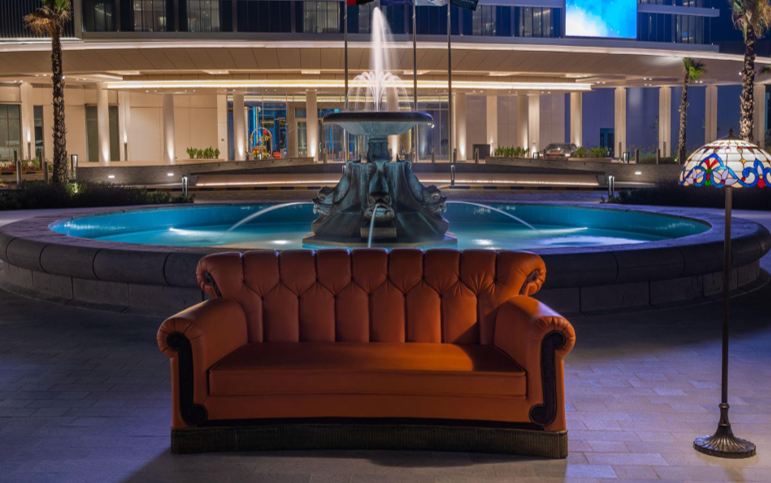
Sunset cocktails on the rooftop, steakhouse nights, Saturday brunches that carry on into DJ sets, and a one-night-only Halloween edition of Vista Latina on 30 October: October at The WB™ Abu Dhabi is filling up the week. Teachers can also unwind with 50% off spa treatments every Sunday.
Friday, 30 October: Vista Latina: Halloween Edition at The Overlook
The Ibero-Latin menu moves from ceviche, empanadas and arepas to chicken tamal, Caribbean seafood soup and birria tacos, finishing with a selection of Latin-inspired desserts. A live singer and pianist duo, joined by a percussionist, will play throughout the evening.
Date: Friday, 30 October 2026
Time: From 7:00 PM
Price: AED 199 per person with soft beverages; AED 299 per person with house beverages and cocktails for three hours
Venue: The Overlook
Every week at The WB™ Abu Dhabi
Tuesdays: Ladies’ Night at The Overlook
The Overlook celebrates its Leading Ladies every Tuesday from sunset, with expertly crafted cocktails. AED 50 for three drinks and 25% off the à la carte menu. 6:00 PM–9:00 PM.
Thursdays: Gents Club at The Director’s Club
Premium steaks, cold draughts and easy conversation in the restaurant’s relaxed cinematic steakhouse setting. Created primarily for gents, the evening includes one signature main, two portions of seasoned fries, a condiment trolley and three draught beers for AED 199 per person. 5:30 PM–11:00 PM.
Thursdays: Wine & Charcuterie Soirée at The Overlook
Free-flow charcuterie and wine with rooftop views for AED 169 per person. 7:00 PM–9:00 PM.
Saturdays: Brunch at The Director’s Club and After Brunch at The Overlook
Saturday Brunch at The Director’s Club brings live entertainment, premium cuts, desserts and a selection of beverages from 1:00 PM–4:00 PM. Packages are AED 320 per person with soft beverages, AED 399 with house beverages, AED 460 with premium beverages and AED 599 with bubbly. From 4:00 PM–6:00 PM, starting 3 October, After Brunch at The Overlook continues the day with rooftop views, live DJ beats and two hours of free-flow house beverages including beer, wine, bubbles, spirits and cocktails. After Brunch is AED 119 per person for Director’s Club brunch guests and AED 169 for walk-in guests.
Sundays: Sunday Roast at The Director’s Club
Roast meat, golden vegetables and gravy from 1:00 PM–4:00 PM. AED 225 per person with soft beverages, AED 340 with premium beverages and AED 440 with bubbles.
Sundays: Relaxation Is the New Curriculum at The A-List Spa & Health Club
Teachers receive 50% off 60- or 90-minute spa treatments every Sunday from 10:00 AM–4:00 PM, from 27 September to 27 December 2026. A valid teacher ID is required and advance booking is recommended. Terms and conditions apply.
For reservations or enquiries:
For dining reservations, please email dine.thewbabudhabi@hilton.com or call 02 815 0000 . For spa reservations, please call 02 815 0000 or email spa.thewbabudhabi@hilton.com.


The Connected Home Is Evolving into an Intelligent Ecosystem

New Partnership Connects Residential Wellbeing With Preventive Healthcare

Dubai Ride-Hailing App Zed Strengthens Leadership with Appointment of Shobhit Singhal to Shape Its Future



-

 Trending12 months ago
OPPO A6 Pro 5G Review: Reliable Daily Driver
-

 Tech News2 years ago
Denodo Bolsters Executive Team by Hiring Christophe Culine as its Chief Revenue Officer
-
 VAR2 years ago
Microsoft Launches New Surface Copilot+ PCs for Business
-

 Automotive2 years ago
AGMC Launches the RIDDARA RD6 High Performance Fully Electric 4×4 Pickup
-
Tech Interviews3 years ago
Navigating the Cybersecurity Landscape in Hybrid Work Environments
-

 Hospitality2 years ago
Gulfood 2025 30th Edition Kicks Off Today, Setting New Benchmarks in F&B Growth and Innovation
-

 VAR10 months ago
Huawei Nova 14 Pro Review: Where Camera Excellence Meets Ecosystem Evolution
-

 Tech News1 year ago
Nothing Launches flagship Nothing Phone (3) and Headphone (1) in theme with the Iconic Museum of the Future in Dubai