
 Have a question? +971 56 404 0503




Hospitality
The State of Hotel Sales, Marketing, and Revenue Optimization Talent


How do you meet the needs of multigenerational workforces? How is the rise of the gig economy and fractional staffing models changing talent sourcing? How do you retain tomorrow’s leaders? How do you unlock the full potential of AI in your organization?
These questions, and many more pieces of the hospitality industry’s talent puzzle, will be discussed at this year’s HSMAI Middle East & Africa Commercial Strategy Conference, taking place on 26-27 November at Conrad Dubai.
Jason Smith, Vice President Marketing Communications at HSMAI, will be decoding new talent dynamics with a deep dive into the HSMAI Foundation’s State of Talent Report 2024, authored by industry expert Dorothy Dowling, and reveal the biggest challenges facing the industry. The report will jumpstart one of the key content tracks at this year’s conference – human capital.
Structured around nine key trends, the annual report investigates issues such as the impact of the 65+ workforce, managing 4-generation talent pools, transforming employee engagement, leveraging AI for productivity, emotional wellness, cross functional teamwork, culture-defining leadership, and gig and fractional talent models.
“Significant developments and emerging shifts are impacting talent within hospitality. In this report, we shine a light on the implications for the industry’s recruitment and retention strategies. We dive into the trends influencing human capital, particularly in sales, marketing, and revenue optimization, and present actionable strategies for creating inclusive, dynamic and forward-thinking workplace environments”, said Jason Smith, Vice President Marketing Communications, HSMAI.
In the lead up to the conference we asked regional industry leaders about their human capital strategies and the opportunities and challenges they see when it comes to talent attraction and retention.
“In a business where people serve people, it is fundamental to lead with culture and understand what team members need to thrive,” said Marie-Louise Ek, Vice President Human Resources – Middle East & Africa, Hilton. “At Hilton, we are committed to building an inclusive workplace driven by purpose, that offers team members opportunities to grow and feel empowered. This requires curiosity, creativity, and the ability to connect every team member to our purpose. We know that every job makes the stay and happy and engaged team members drive our customer experience as well as benefit our owners and the communities where we operate.” Marie-Louise Ek will be hosting one of the Lightening Rounds at the conference titled: ‘Unlocking Successful Commercial Collaboration: The People-First Approach.’
“At Jumeirah we value our people as our greatest asset, fostering an inclusive and empowering workplace where every colleague feels valued and inspired. Committed to career growth, creativity and exceptional standards, we support team success, motivating our people to deliver outstanding service, contribute to communities, and grow as future leaders,” said Jaime Simpson, General Manager Jumeirah Mina Al Salam, who will be hosting a Lightening Round on ‘The Evolving Workplace’ at this year’s conference.
The comprehensive report concludes that the future of the hospitality industry will likely be a combination of advanced technology and the human touch, delivering exceptional experiences for customers and fostering a supportive work environment for employees.
“Now more than ever, sales professionals are looking for work/life balance, and culture is one of the most important deciding factors in choosing their next employer,” states Tammy Gillis, Sales Industry Expert in the report. “Many salespeople are tired of working on property and getting pulled into operations and want full-time remote or hybrid remote positions. They also value training, coaching, and support which the hotel industry does not consistently provide.”









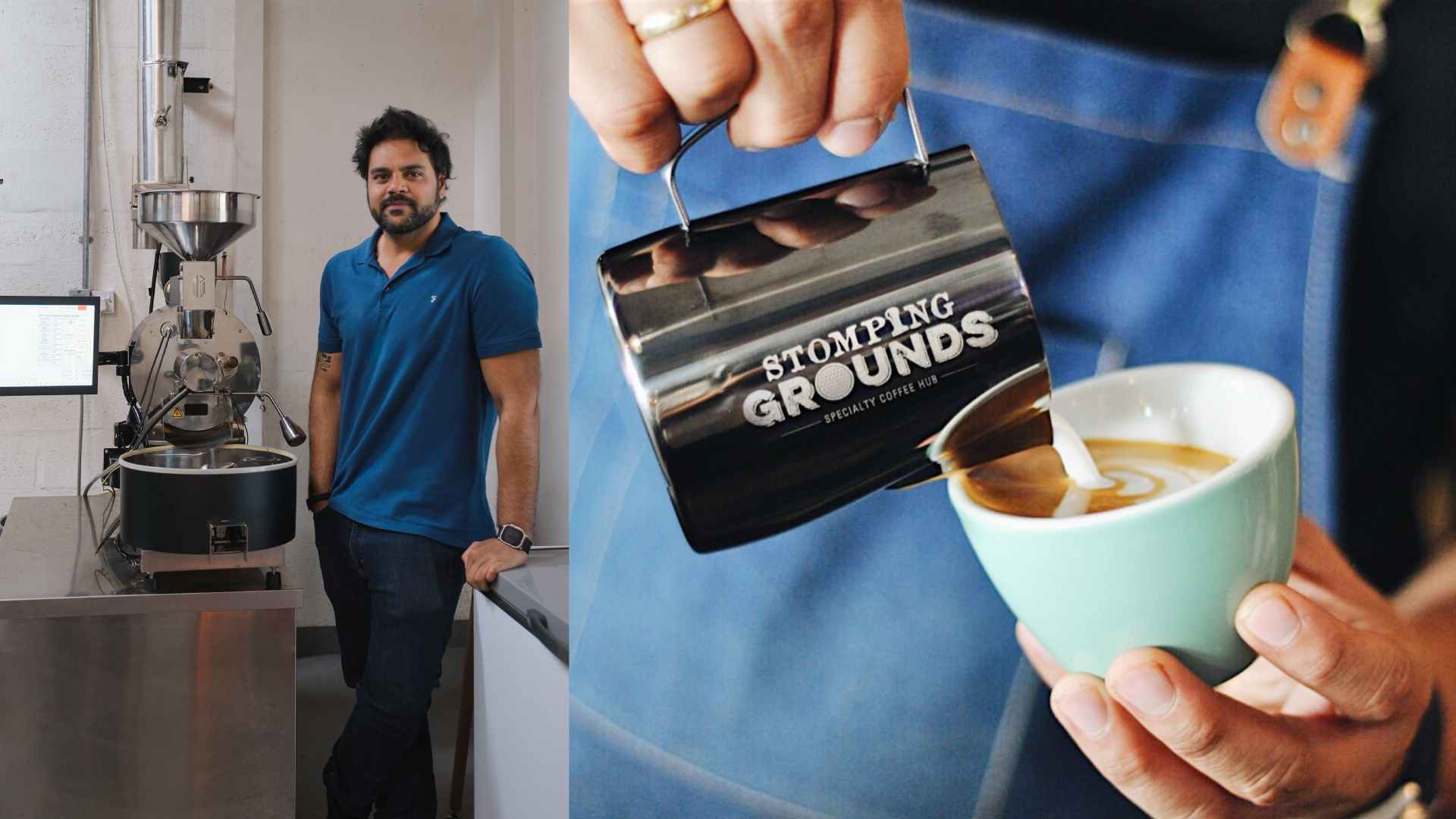
By Ryan Godinho, Founder of Stomping Grounds and Specialty Batch Coffee Roastery
The most revealing modern-day coffee review is often four words: “It was better yesterday.”
An origin story or an expensive machine cannot answer that complaint. Someone has to understand what changed and put it right. But there is progress in that complaint; the customer remembers a standard and expects us to maintain it.
Over seventeen years in the UAE, I helped establish national-level coffee championships, delivered professional coffee education and built Specialty Batch from a training platform into a roasting and cafe support business. The value of those early competitions extended beyond the stage. They encouraged baristas to question their work and take better standards back into service.
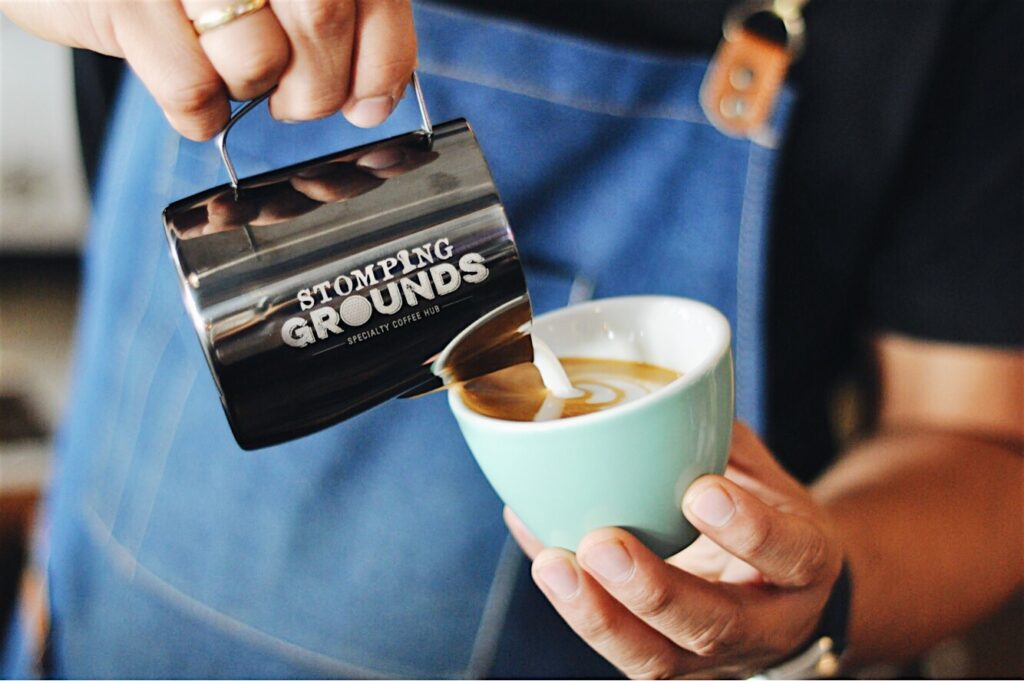
In 2015 Stomping Grounds brought that education into a neighbourhood café in Jumeirah, alongside Specialty Batch’s micro roastery, coffee lab and training centre. In the early days, many customers arrived from the major chains expecting large, very sweet coffee drinks. Over time, we witnessed many of them become interested in balanced flat whites, long blacks and filter brews. They were starting to choose coffee for its own unique flavour.
What stayed with me was how much depended on making people comfortable enough to try. A guest who feels judged for their usual order is unlikely to ask what else they might enjoy. Our job was to encourage curiosity, not turn a coffee order into a test of taste.
The biggest shift I have seen over the past decade is from that curiosity to confidence. Customers have a clearer sense of what they like. They want flavour that reflects the description, a credible reason for the price and staff who can guide without lecturing.
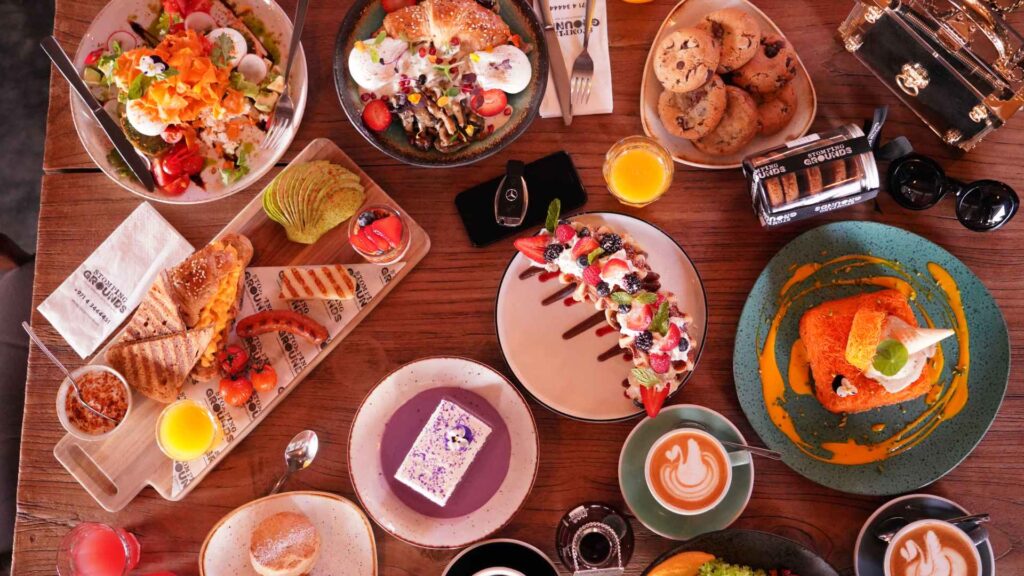
‘Specialty’ on the sign is no longer much of an answer. Higher expectations are evidence of progress. We cannot spend years teaching people to recognise quality and then resent being held to it. That scrutiny should extend to provenance. If we name a coffee producer, describe a processing method or make a claim about sourcing, the information needs to be accurate and supported. A farm name alone does not establish fair payment or a high price tag. Staff should know what they can substantiate and be comfortable acknowledging what they cannot. A compelling story should withstand a few questions.
The same customer may want to discuss a new coffee one morning and simply collect their usual order the next. Recognising that is part of hospitality. So is serving a familiar flat white with as much care as a rare filter coffee. Knowing when to stop explaining can matter as much as knowing what to say.
Today, Specialty Batch’s technical division holds active servicing arrangements with more than 600 cafés, restaurants and bars across the UAE. Alongside our roasting and education work, those relationships give us a close view of how quality holds up in daily service. It’s why we treat coffee, equipment and staff capability as a shared responsibility. The guest should not have to understand which supplier caused a problem to have it resolved.
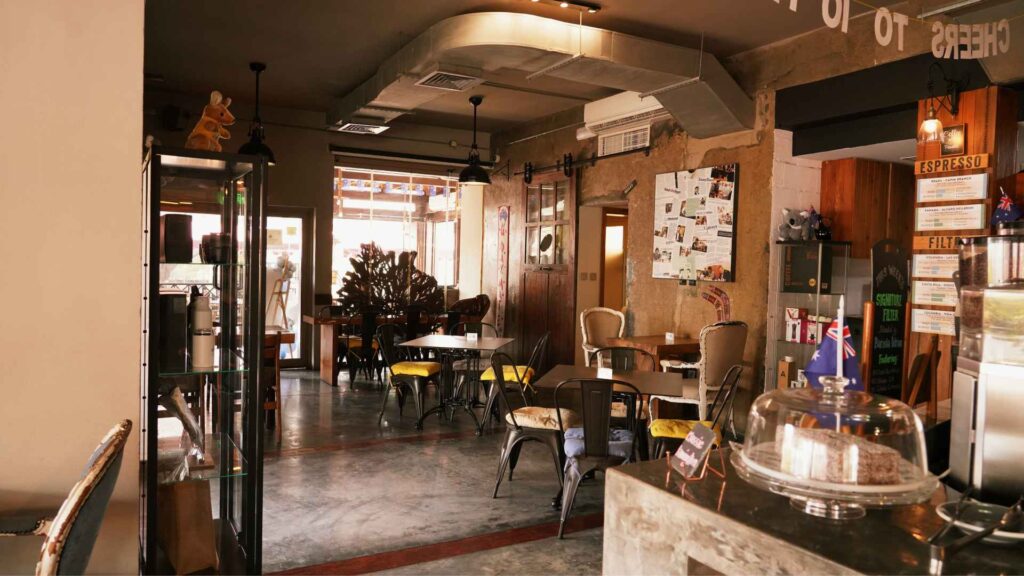
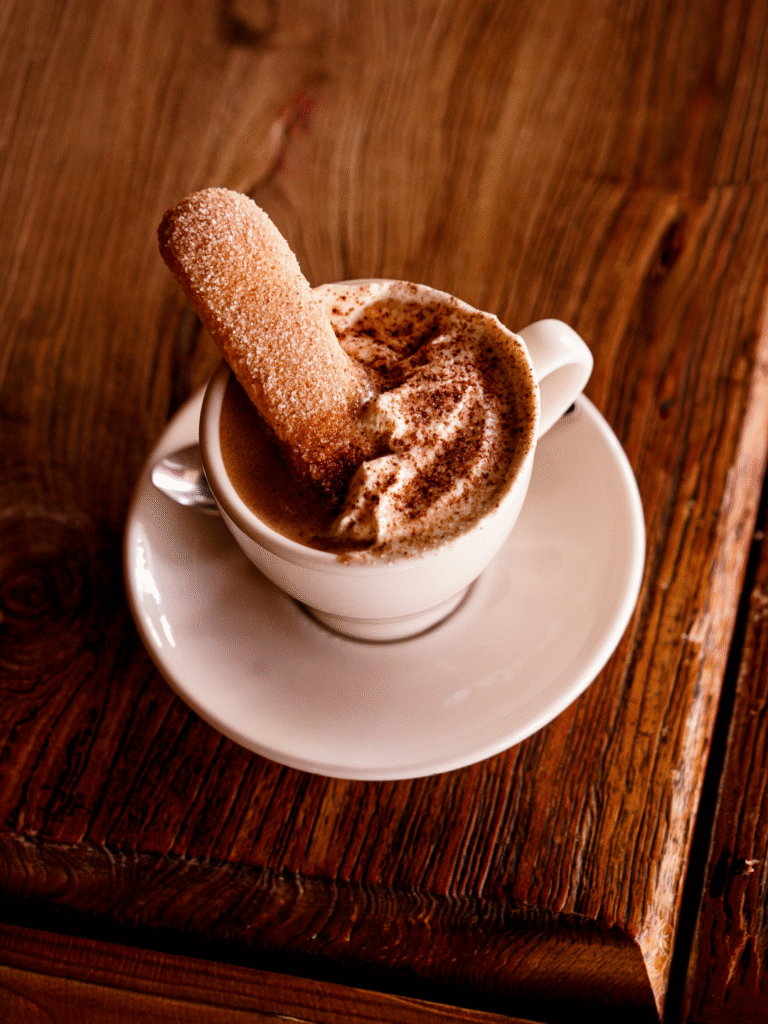
For operators, the response cannot stop at better purchasing. Make time for staff to taste what they serve. Give them enough understanding to adjust a recipe and enough authority to remake a drink. Budget for training and maintenance beyond opening week. Sure, the price per kilogram deserves calculated scrutiny, but so do wasted coffee, remade drinks, the cost of supplier inconsistency and the eventual cost of disappointing a regular.
People we trained over the past seventeen years now work as roasters, trainers and operators, while many former Stomping Grounds customers have opened coffee businesses of their own. Some of the people shaping the UAE’s coffee culture over the last decade first crossed our path in a classroom or across the café counter. Seeing that knowledge multiply through businesses, careers and communities is perhaps the most meaningful evidence that my role in the UAE’s specialty coffee story was never simply to participate in a growing industry, but to help build the skills, standards and foundations that allowed it to grow. We spent years asking customers to recognise better coffee. The responsibility now is to make sure they can rely on it.
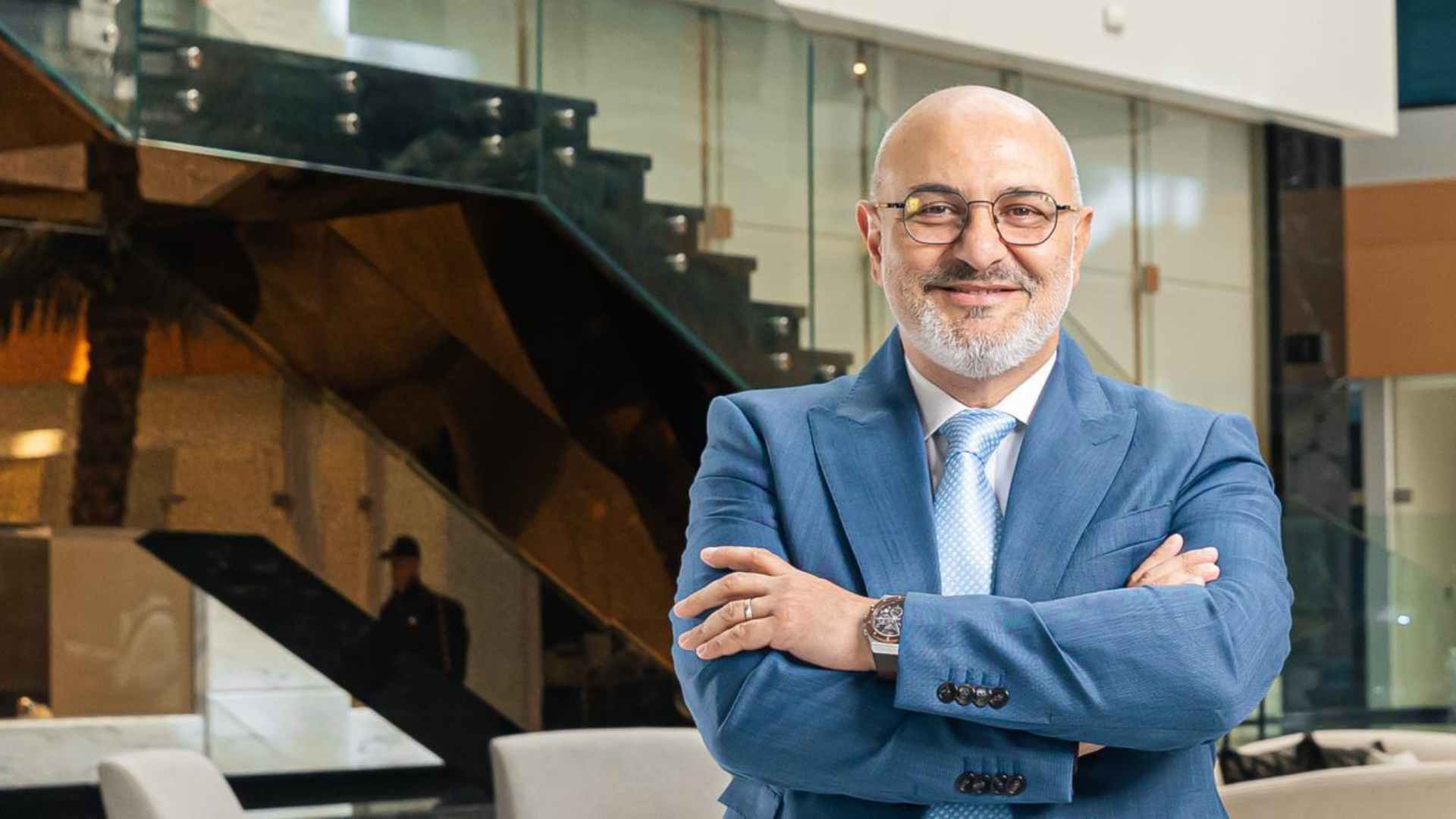
Exclusive interview with Andre Adel Saade, General Manager of Radisson Blu Hotel & Convention Centre, Riyadh
You have led hotels across Saudi Arabia, the UAE, Lebanon and Algeria. What has working across different markets taught you about hospitality leadership?
Working across different markets has taught me that there is no single formula for hospitality leadership. Every market has its own culture, expectations and way of doing business. A good leader needs to understand that context, respect it and adapt accordingly.
However, I believe the fundamentals of hospitality remain the same wherever you are. People want to feel valued, whether they are guests or colleagues. They want to be treated with respect, honesty and genuine care.
I have always believed that hospitality is much more than the physical product we offer. Every hotel has rooms, restaurants and facilities, and these must meet the right standards. What ultimately distinguishes one hotel from another, however, is its people, the relationships they build with guests and how they make them feel.
For me, this starts with getting the basics right: clean, well-maintained rooms and bathrooms, good food, an excellent breakfast with plenty of choice, from healthy options to food that reminds people of home, and, above all, a sincere approach to service. We may not always get everything right, and I do not believe any hotel can promise that. What matters is how we respond when something goes wrong. We should acknowledge our mistakes, apologise sincerely and find a solution. Guests should never feel that we are more concerned with defending ourselves than taking care of them.
I also believe in building relationships with guests that feel almost like family, while always maintaining the right professional boundaries and standards. It is about remembering people, understanding their preferences and making them feel that their presence genuinely matters.
From an operational perspective, I look at the business through what I call the five Ps: People, Product, Price, Processes and Presentation. People will always come first because hospitality is ultimately delivered by people. Product defines the experience we offer, Price ensures we position it correctly, Processes provide consistency and discipline, and Presentation elevates the perceived value of that experience. I have also always believed in leaving something behind wherever I work, whether it is a better process, a service detail, a commercial idea or a stronger team. One of the most rewarding things is returning to a hotel years later and seeing that something you introduced is still being practised.
Ultimately, my experience across different markets has taught me that standards can be global, but hospitality must always feel local, personal and genuine. The challenge, and the opportunity, is to adapt to different cultures while maintaining high standards and creating an experience that makes every guest feel valued and at home.
You have been recognised as Best General Manager in KSA twice. What do those recognitions mean to you, particularly from a leadership perspective?
It is certainly an honour to receive such recognition, particularly in a market as competitive and dynamic as Saudi Arabia. I am grateful for it, but I have never looked at a General Manager award as an individual achievement. A hotel is far too complex for one person to take credit for its success.
Every guest experience is the result of many people doing their jobs properly, often behind the scenes and without recognition. From Housekeeping and Engineering to Front Office, Food & Beverage, Sales, Finance and Human Resources, every department contributes to what the guest ultimately experiences.
For me, leadership is not about standing above people or expecting others to do things that you would not do yourself. It is about leading by example, being present, listening, taking responsibility and treating people fairly. Respect is earned through actions and consistency, not simply through position or title. Humility is equally important. You never stop learning, and you should never consider yourself above the people you work with. Some of the best ideas and most valuable lessons come from colleagues at every level of the organisation. A good leader must be willing to listen and recognise that he does not have all the answers.
My responsibility is to set the direction, establish clear expectations, support people, develop their capabilities and give them the confidence to take ownership. Accountability is essential, too, but it should always be applied fairly and with the intention of improving performance. The awards are meaningful because they recognise the collective effort behind the results.
Yet one of the things I value most is seeing people I have worked with grow in confidence, take on greater responsibilities and progress in their careers. For me, one of the greatest measures of leadership is not simply what we achieve, but how much stronger our people and our organization become along the way.
Having returned to Saudi Arabia in a leadership role, what changes in the Kingdom’s hospitality landscape have stood out to you most?
Having worked in Riyadh from 2002 to 2005, before moving to Al Khobar to open a five-star property, I left Saudi Arabia at the end of 2008 and returned in 2019. Coming back after more than a decade gave me a valuable perspective on the Kingdom’s evolving hospitality landscape.
The pace of development has been remarkable, but what stands out to me most is the growing focus not only on building new hotels and destinations, but also on developing talent, enhancing operational performance, creating distinctive guest experiences and giving visitors compelling reasons to return.
Riyadh, in particular, has developed into a much more diverse business and lifestyle destination. The growth of international business, major conferences, sporting events, entertainment and dining has broadened the reasons people visit the city, creating new opportunities for hotels to serve a wider range of guests.
For us as hoteliers, this growth brings both opportunity and responsibility. With more hotels entering the market, the physical product alone will not be enough to set one hotel apart. The real difference lies in how well we operate, how consistently we deliver and how effectively we understand and respond to our guests.
Saudi Arabia has a strong tradition of welcoming guests, and I believe our industry has a real opportunity to reflect that spirit. For me, genuine hospitality is about making people feel valued and at ease, almost as though they are being welcomed into a home, while maintaining the professionalism and standards expected of an international hotel. As the market continues to grow, I believe the hotels that distinguish themselves will be those that combine a strong product and capable teams with consistent standards and a genuine understanding of what guests value. That is what turns a good hotel experience into one that people remember and want to return to.
What opportunities do you see for convention and business hotels as Riyadh continues to attract international events and corporate activity?
I believe the opportunity is significant because Riyadh’s growth is creating demand at several levels simultaneously. We are seeing corporate travel, government and private-sector activity, exhibitions and conferences, major international events and an important market for social occasions. At the same time, the city’s expanding entertainment offering and growing interest in Saudi culture and heritage are attracting more leisure travellers.
The profile of the business traveller is also changing. A trip that may once have been purely corporate can now extend into a leisure stay, with guests choosing to experience the city’s restaurants, entertainment, cultural attractions and heritage destinations. This creates an important opportunity for hotels to serve both business and leisure needs.
For convention hotels, the opportunity goes well beyond providing meeting rooms. Organizers need an integrated solution that brings together accommodation, meeting and exhibition facilities, technology, catering, transportation and experienced teams capable of managing the entire event. At Radisson Blu Riyadh Minhal, our hotel and convention centre allow us to offer these services under one roof. With event spaces capable of hosting up to 2,334 guests, we can cater to a wide range of meetings, conferences and social occasions.
However, facilities alone do not guarantee success. The quality of the experience depends on how well our teams work together. An event organiser needs to feel confident that we understand the requirements, communicate clearly, anticipate challenges and deliver what we promise. When something does not go according to plan, we need to respond quickly, take responsibility and find a solution.
In this business, responsiveness is critical. Organisers need partners who can make decisions, accommodate last-minute changes and find practical solutions without compromising service or execution. Our role goes beyond providing an event space; it is about being proactive, adaptable and solution-oriented, so that even when plans change at short notice, the event runs smoothly and the organiser can focus on its success.
Radisson Blu Riyadh Minhal recently marked Saudi National Day through its collaboration with Nutq Association. How does community engagement fit into the hotel’s approach to hospitality today?
In my opinion, hospitality should extend beyond the guests who walk through our doors. A hotel is part of its community, and we have a responsibility to contribute positively to the people and society around us.
Our collaboration with Nutq Association around Saudi National Day was particularly meaningful because it allowed us to celebrate an important national occasion through engagement and inclusion, rather than treating it simply as another event on the calendar. What made the occasion especially memorable for me was seeing the orphaned children who joined us through Nutq Association and the smiles on their faces. Their happiness genuinely touched me. It was a simple but powerful reminder that sometimes, the most meaningful thing we can offer is not something material, but a moment of joy, a sense of belonging and the feeling of being cared for. That, to me, is at the heart of hospitality.
I strongly believe that genuine hospitality begins with how we treat people. We welcome guests from different nationalities, backgrounds and generations every day, and we have an opportunity to make people feel respected, valued and included. The same principle should apply beyond the hotel itself.
Community engagement does not always need to be a large initiative. What matters is that it is sincere, meaningful and reflects a genuine willingness to contribute. When we use our facilities, our teams and our position within the community to support worthwhile causes, hospitality becomes more than a business; it becomes a way to make a positive difference in people’s lives.
For us, community engagement is a natural extension of hospitality. Seeing the smiles on those children’s faces was a reminder that sometimes, the simplest moments can leave the most lasting impression.
With the convention centre able to host up to 2,334 guests across its event spaces, how are you seeing demand for business events, conferences and social occasions evolve in Riyadh?
We are seeing both the volume and sophistication of demand increase. Riyadh is attracting more corporate meetings, conferences, government and international events, while the social-events market, particularly weddings and large celebrations, continues to be an important source of business.
Being both a hotel and a convention centre gives us a distinct advantage. We can offer organisers an integrated experience combining accommodation, meeting and exhibition spaces, food and beverage, technology and the wider services of a full-service hotel.
However, the larger and more complex the event, the more important teamwork and attention to detail become. Sales, Banqueting, Culinary, Rooms, Engineering, IT, Security and Front Office must operate as one team. Hundreds of delegates may arrive within a short period, several sessions may run simultaneously, and catering, accommodation and technical requirements must all be coordinated while the hotel continues to serve its other guests.
This requires strong processes, clear communication and people who understand both their responsibilities and the importance of supporting one another. As a General Manager, my role is to ensure that our teams have the direction, resources and support they need to deliver.
I also believe that, regardless of the size of the event, we must never lose sight of the individual guest. Behind every conference delegate, wedding guest or corporate traveller is a person with expectations. They may remember the quality of the facilities, but they will also remember whether they were welcomed warmly, whether their needs were understood and how we treated them when they needed assistance.
That is why operational excellence and genuine hospitality must go hand in hand. Our processes should be strong enough to make the operation run smoothly, but our service should never feel mechanical or impersonal. As Riyadh continues to establish itself as an international destination for business and events, hotels with genuine convention capability will have an important role to play. Our opportunity is to deliver the facilities, expertise and consistency that organisers expect, while ensuring that every event is supported by a team that understands the importance of getting the details right and making the experience personal.
This Halloween, Nalu is adding a spooky twist to its award-winning Saturday brunch with Boo & Brunch, a family- and pet-friendly afternoon filled with delicious food, lively entertainment and just the right amount of mischief!
Taking place on Saturday 31 October from 1:00 PM to 4:00 PM, the waterfront venue will be transformed with Halloween décor and playful touches for the occasion. Families can bring their little monsters along for face painting, a treat station and dedicated children’s activities, while furry companions are welcome to join the fun on Nalu’s outdoor deck.
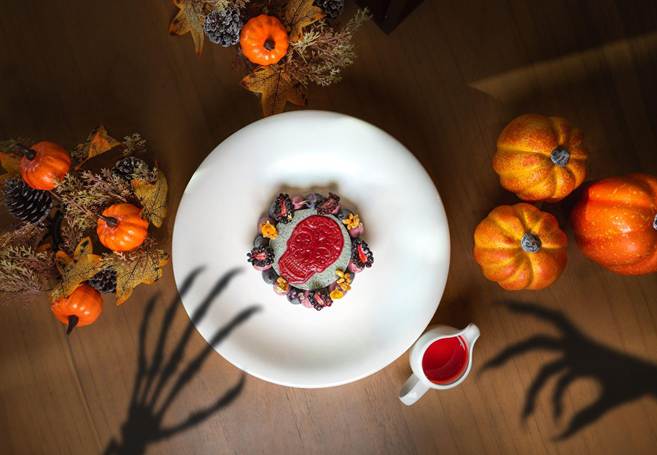
Guests can settle in for Nalu’s signature Surf Brunch, featuring coastal-inspired favourites including Tuna Tostadas, crispy Coconut Prawns and the Nalu Island Platter, followed by the special Halloween dessert, La Calavera – a blood orange and raspberry gel with black sesame parfait, blackberries and red sauce.
DJ Nicholas Hillman and Lobbo will keep the energy flowing throughout the afternoon with an upbeat soundtrack, while costumes, treats and spooky surprises bring the spirit of the season to Nalu’s laid-back waterfront setting. Guests of all ages are encouraged to dress up and embrace the Halloween spirit, adding even more colour and character to the afternoon.
Brunch packages are priced at AED 235 per person, including unlimited soft drinks for three hours and a food set menu, or AED 299 per person, including an unlimited selection of drinks for three hours and a food set menu.
Guests are invited to gather their favourite people, dress for the occasion and bring their furry sidekicks along for an afternoon of good food, great company and a little light-hearted Halloween chaos by the water.


The UAE’s Net Wealth Reaches $3.6 Trillion in 2025 and is Expected to Approach $6 Trillion by 2030, BCG Report Finds

The Specialty Coffee Shift – The Growing Sophistication of Coffee Consumers in the UAE

A LEADERSHIP PHILOSOPHY FOR MODERN HOSPITALITY



-

 Trending12 months ago
OPPO A6 Pro 5G Review: Reliable Daily Driver
-

 Tech News2 years ago
Denodo Bolsters Executive Team by Hiring Christophe Culine as its Chief Revenue Officer
-
 VAR1 year ago
Microsoft Launches New Surface Copilot+ PCs for Business
-

 Automotive2 years ago
AGMC Launches the RIDDARA RD6 High Performance Fully Electric 4×4 Pickup
-
Tech Interviews3 years ago
Navigating the Cybersecurity Landscape in Hybrid Work Environments
-

 Hospitality2 years ago
Gulfood 2025 30th Edition Kicks Off Today, Setting New Benchmarks in F&B Growth and Innovation
-

 Tech News1 year ago
Nothing Launches flagship Nothing Phone (3) and Headphone (1) in theme with the Iconic Museum of the Future in Dubai
-

 VAR2 years ago
Samsung Galaxy Z Fold6 vs Google Pixel 9 Pro Fold: Clash Of The Folding Phenoms