
 Have a question? +971 56 404 0503




Automotive
INSIDE THE VISION OF THE FOUNDER OF WORLD OF BIKERS

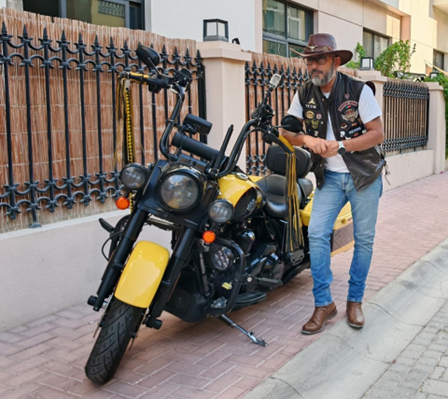
Exclusive interview with Victor King, Founder of World of Bikers
Long-distance riding is gaining tremendous traction in the Middle East. What factors are driving riders here to attempt endurance certifications like CLDR, and how is it changing the riding culture?
Long-distance riding certifications are a pure test of discipline, resilience, and planning. They’re a badge of honour earned through willpower and help form an unbreakable bond with fellow riders.
The manual documentation process, which was tedious for both riders and principals, has now been digitalized with The World of Bikers app. This has led to instant gratification for riders, who can now receive LDR certification in 90% less time after completing the ride than before, sparking powerful motivation to earn this globally recognized accomplishment.
What gaps in the UAE’s biking ecosystem are you trying to solve with this platform, and how do riders benefit from it on a day-to-day basis?
The World of Bikers (WoB) aims to create a unified, digital ecosystem with the core objective of building a global community where riders can SAIL together—Support, Advise, Inspire, and Learn from each other.
On a day-to-day basis, the platform extends these benefits further. Riders gain immediate access to the LDR Certification module, which digitalizes endurance documentation. Additionally, an integrated chat module connects riders instantly for planning rides or seeking advice, which directly supports our “Support” and “Advise” pillars.
Looking ahead, these benefits will be amplified by upcoming features like Who’s Riding, Marketplace, Rentals, Service, and Cafe. These additions will bring the community even closer together and give riders access to key services under one roof—services that are usually scattered. This evolution transforms riding from a mere activity into a connected, supported, and continuously enriching lifestyle. Ultimately, this directly fulfills our mission to unite riders and strengthen the bonds within our community.
The UAE attracts riders from over 150 nationalities. How does such diversity influence the riding community’s culture, safety practices, and the way group rides are organized?
Diversity is the greatest strength of the motorcycle riding culture and a direct reflection of the UAE’s national vision of tolerance and inclusion. For example, it is common to see riders from countries such as India, Germany, and South Africa sharing different safety practices and ride leadership traditions within the same group. The World of Bikers community creates a unique global melting pot culture on two wheels, where riding stories and traditions from every continent blend and merge.
The UAE’s motorcycling scene has evolved rapidly over the last decade. From your vantage point, what are the biggest cultural and behavioural shifts you’re seeing among riders in the region today?
A decade ago, Motorcycle riding was a hobby of a few, given the extremely hot climate and high-speed expressways of the region, which kept even enthusiasts away from motorcycles. And then came the era of delivery motorcycle riders, seen all over the road in summer and winter alike.
This rise in visible riding activity has, in turn, inspired many old- and new-generation riders to get on two wheels. Culturally, this increased presence of motorcyclists on the road has fostered a sense of community, encouraging social interaction, mentorship, and the exchange of riding traditions among diverse groups. Beyond these internal community effects, there has also been a broader societal impact: the normalization of motorcycling has contributed to greater acceptance of riders and their lifestyle across the general population. Public perceptions have gradually shifted, with motorcycles increasingly viewed as viable modes of transport and recreation rather than niche or risky pursuits. This shift has encouraged additional investment in rider-friendly infrastructure and collaboration between authorities and biking communities to promote road safety and awareness. With the region’s infrastructure, regulatory, and safety systems among the best in the world, riders can now enjoy their passion securely and confidently, further solidifying motorcycling as a respected and integral aspect of the region’s contemporary lifestyle.
Early-morning weekend rides have become a signature part of UAE biking culture. What draws hundreds of riders out at 3 or 4 AM every season, and what does that say about community behaviour here?
The pre-dawn ride is a brilliant cultural adaptation to the region’s unique environment and demographics. First, it’s a necessary adaptation to the extreme heat, offering the only safe, comfortable window for group rides year-round.
More importantly, this practice reveals the community’s maturity and conscientiousness. Given that the UAE has a largely expatriate population juggling work and family life, the early morning start is a disciplined and practical choice. It lets riders pursue their passion, return at the start of the day, and preserve precious weekend time for family.
Many enthusiasts say the UAE is where riders truly discover “group discipline.” From your experience, what makes structured group riding so central to the community’s identity?
Structured group discipline is the pillar of our identity. It’s a visible sign of respect for the law, an uncompromising safety-first practice that protects every rider, and the very foundation of our brotherhood on two wheels. By riding as one unit, we build trust, ensure harmony, and turn a group of individuals into a single, safe, and resilient community.
The UAE has seen an influx of first-time or returning riders post-pandemic. What advice do seasoned riders in the community typically share with newcomers joining the scene?
First, safety is not negotiable. Gear up, get trained, and know your limits. Second, respect the law—it protects us all. Above all, trust the brotherhood. Listen, learn, and lean on the group’s experience. Come ready to make friends and share the road. This is how we protect each other and ensure everyone can enjoy riding for years to come—and together, we uphold the spirit and unity that define our community.
Automotive
Dubai Ride-Hailing App Zed Strengthens Leadership with Appointment of Shobhit Singhal to Shape Its Future
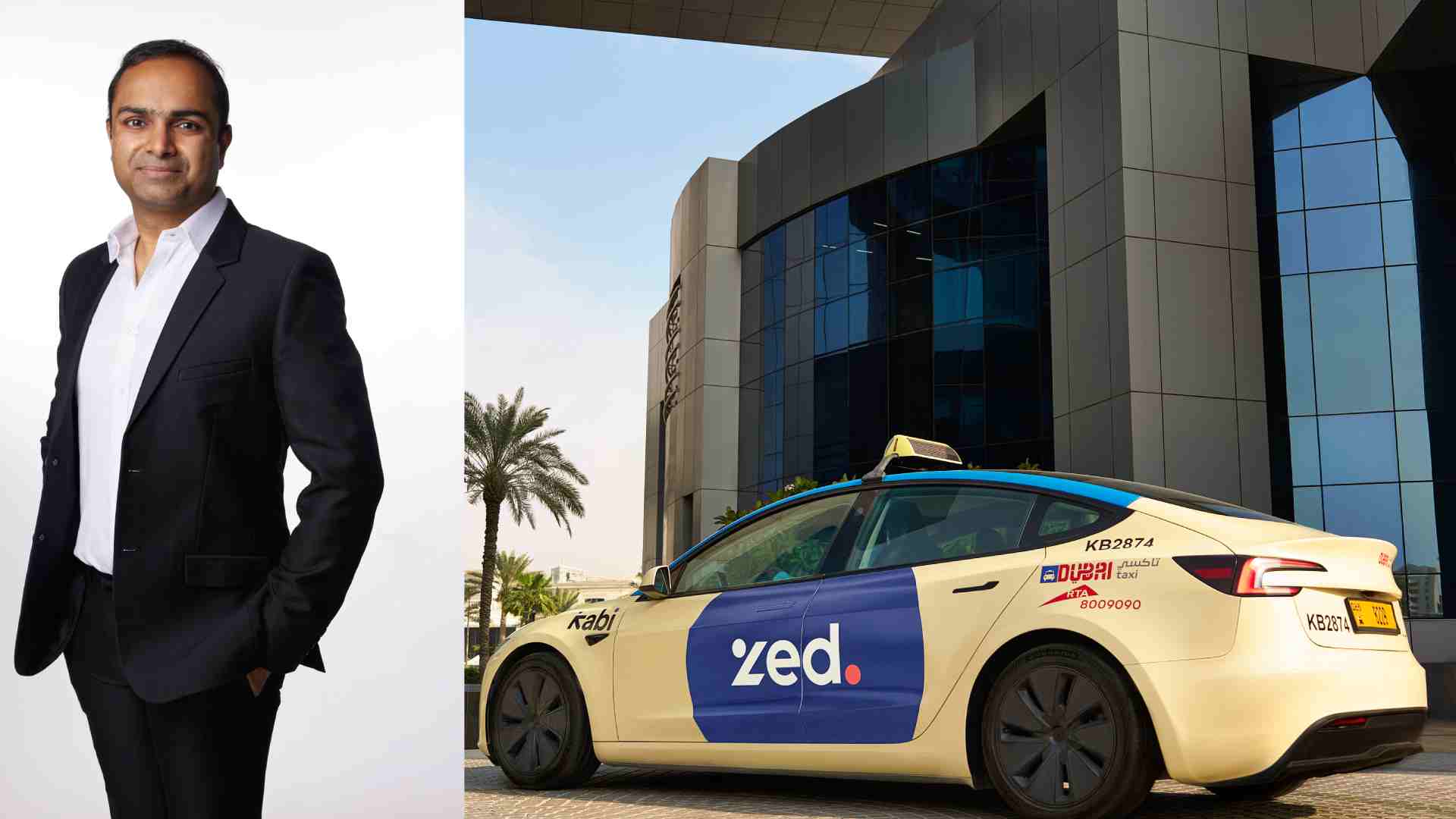
Zed, the Dubai-born ride-hailing app and part of Al Ghurair Mobility, has appointed Shobhit Singhal, former Chief Operating Officer of Southeast Asian super app Gojek, to lead its business and strategic direction. Built in Dubai and designed around the unique mobility needs of those who live and work in the city, Zed is entering a new period of development, with a renewed focus on strengthening its position in the Dubai mobility sector, advancing homegrown technology and building a scalable platform for the region.
Singhal brings extensive experience in leading technology-driven businesses across international markets. As Chief Operating Officer of Gojek, he oversaw the company’s mobility, food delivery and consumer logistics operations, having previously led cross-functional teams across Southeast Asia. His earlier career includes leadership roles at Apple in Singapore, and as a consultant with Bain & Company, specialising in technology services and telecommunications.
In his new role, Singhal will focus on enhancing the customer experience and driving innovation across Dubai’s mobility ecosystem. His priorities will centre on deploying scalable technology to build a smarter, more forward-looking ride-hailing experience for customers.
Shobhit Singhal, Head of Business at Zed, said: “Dubai is one of the world’s most dynamic markets for innovation, and there is a real opportunity to build an app designed around the unique needs of the people who live here. Our ambition is to make Zed the go-to app for rides across Dubai, whether it’s an everyday taxi journey or a premium experience. My priority is to turn that ambition into reality by delivering a reliable, seamless service that customers choose time and again. By getting the fundamentals right in Dubai, we can build a homegrown success story with the potential to grow across the wider region.”
Badr Al Ghurair, CEO of Al Ghurair Mobility commented: “Shobhit’s appointment represents an important step in Zed’s growth journey. At Al Ghurair Mobility, we see Zed as a key part of our vision for the future of mobility in Dubai. His experience in scaling complex mobility businesses, combined
with his understanding of technology and operations, brings valuable expertise to the company. We have a clear vision for Zed as a homegrown platform that can deliver meaningful value to customers and partners alike. With Shobhit’s leadership, our focus is on turning that vision into consistent execution and building a strong foundation for sustainable growth.”
With its roots in Dubai, Zed is focused on developing homegrown mobility technology tailored to the needs of Dubai residents. By strengthening its operations and building on its understanding of the local market, the company aims to establish a scalable platform.
Singhal holds an MBA from Northwestern University’s Kellogg School of Management and a Bachelor of Technology in Engineering from the Indian Institute of Technology Delhi.
Automotive
Automechanika Shanghai 2026: A platform connecting Middle East ambition with global automotive innovation
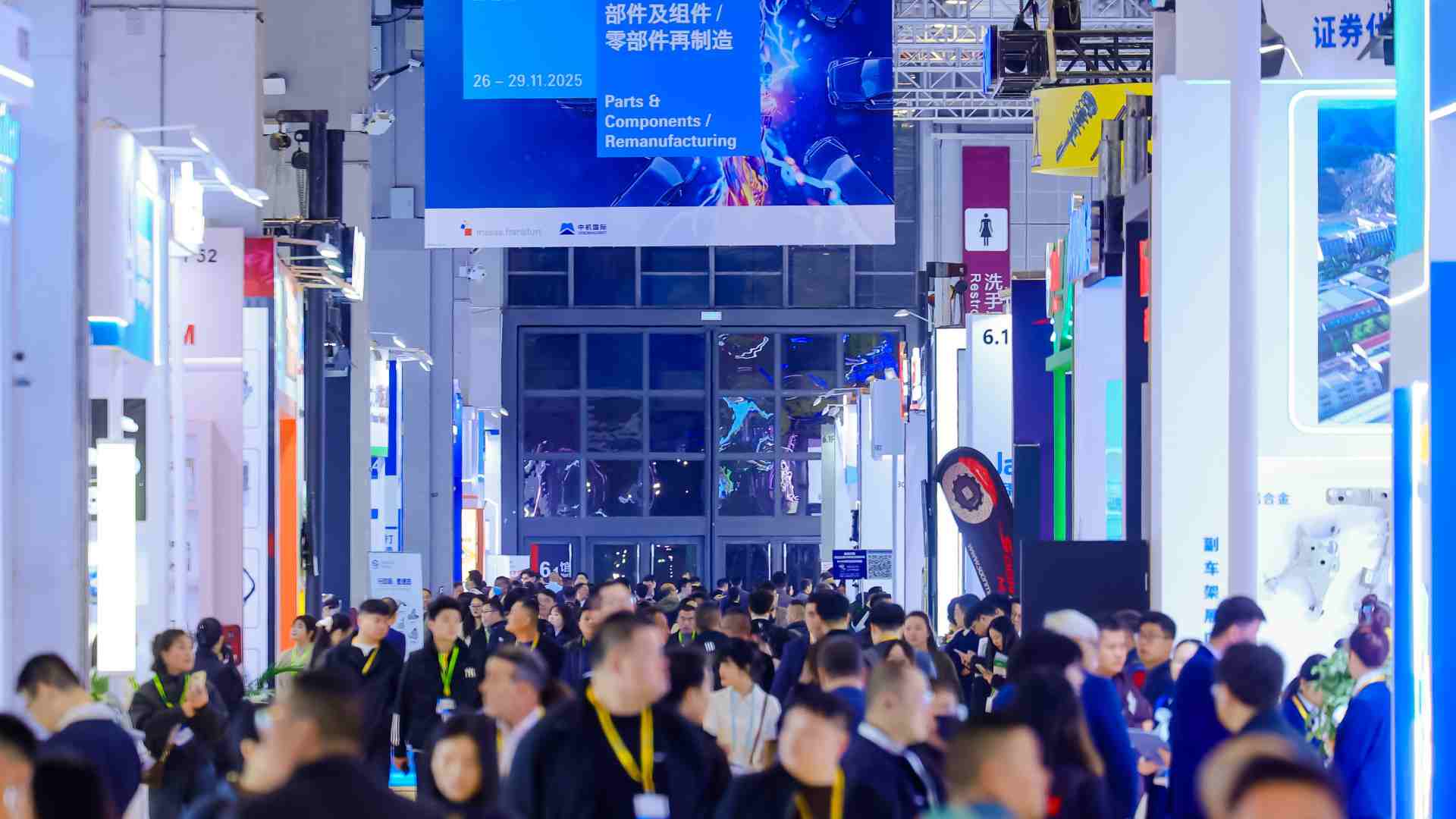
Automechanika Shanghai 2026 will bring together the global automotive supply chain from 2 to 5 December at the National Exhibition and Convention Center in Shanghai, offering businesses access to parts, components, equipment and aftermarket services. As the Middle East region advances automotive manufacturing and electric mobility, the exhibition offers an ideal platform to support sourcing and industry collaboration.
The 21st edition of the fair will occupy 390,000 sqm across 16 halls and the mezzanine floor, hosting around 7,600 global exhibitors. The fair welcomed 253,691 visitors from 190 countries and regions in its previous edition (2025). More than an exhibition, Automechanika Shanghai presents itself as a unified platform, integrating the show floor with a robust programme of conferences, workshops and 100 fringe events.
Technologies and innovations take centre stage
Covering the entire supply chain from manufacturing to the aftermarket, upgrades in parts & components, electrics & electronics, accessories, diagnostics, body and paint, tyres, and wheels showcase advanced components, smart tyres, lightweight wheels, maintenance for new energy vehicles, infotainment electronics, and high-performance enhancements for both passenger and commercial vehicles.
The Parts & Components and Electrics & Electronics sector, the largest at the fair with over 4,200 exhibitors, showcases advancements in materials, lightweight design, intelligent technologies, and electrification for ICE, EV, and hybrid vehicles, covering chassis, powertrain, new drive technologies, thermal management, standard parts, and more.
Driven by the rapid transformation of electrification, nearly half of Automechanika Shanghai’s exhibitors focus on new energy products and services. The New Energy & Connectivity sector grows 20%, featuring 700 exhibitors in electric powertrains, autonomous driving, AI, charging and battery swapping, intelligent chassis, and thermal management, alongside hybrid, fuel cell, and hydrogen solutions enhancing performance and safety. The newly established Global Quality Alliance Hub, centered on the IATF 16949 standard, unites standards bodies, trainers, certifiers, and regulators to strengthen quality management.
Fringe events guide insights into global trends
More than 480 global experts will participate in the 2026 conference and events programme.
The programme comprises five complementary pillars. Flagship events will address industry trends, policy and innovation, while the Tech series will focus on emerging technologies and R&D collaboration. The Talent series will connect companies with skilled professionals through educational initiatives.
Connect will facilitate collaboration between carmakers and suppliers throughout the year. The Automotive Supply-Demand Matching Series and Global Collective Forum will bring manufacturers, suppliers and technology companies together to discuss supply-chain development, investment and international partnerships.
Automotive+ will explore the convergence of artificial intelligence, vehicle-road-cloud systems, new energy solutions, hardware-software integration and robotics. The Innovation4Mobility platform will provide a dedicated showcase for these technologies and their applications across the automotive industry.
Middle East market developments create sourcing opportunities
The GCC’s new light vehicle market continues to grow, expanding the regional vehicle base and driving demand for parts distribution, maintenance equipment and aftermarket services. Electric vehicle adoption is also rising across the region, bringing further servicing requirements for diagnostics, charging systems and new energy powertrains. In addition, manufacturing and trade partnerships continue to develop across the Middle East. These developments underline growing opportunities for Middle Eastern businesses to source parts, equipment and technologies through international platforms such as Automechanika Shanghai.
Automotive manufacturing has rapidly developed across Asia as well, with many countries becoming key manufacturing hubs. These manufacturing centers not only fulfill domestic demand but also produce complete built-up (CBU) vehicles and parts for export across the region and beyond. China is a dominant player, leading vehicle production and exports with a significant volume that translates to tens of billions of dollars in trade value. For example, Chinese automakers shipped approximately $117 billion worth of vehicles globally, with a notable emphasis on new energy vehicles. Other major Asian automotive exporters including Thailand, India, Japan, and South Korea collectively contribute substantial export values, underscoring the integrated and competitive nature of the region’s automotive industry.
These developments highlight opportunities for cooperation between Middle Eastern businesses and international suppliers across automotive manufacturing, parts distribution and aftermarket services.
An ecosystem that needs the aftermarket to keep running
Automechanika Shanghai, Asia’s largest automotive fair of its kind, with product categories spanning across manufacturing and aftermarket, also attracts strong participation from across Asian countries and across the world. In a market dominated by an aging, largely combustion-powered fleet, this aftermarket focus remains highly relevant even as EV adoption grows. While traditional parts are still in high demand, continuous innovation is essential to keep pace with a vehicle base that is both aging and evolving. This reinforces Automechanika Shanghai’s position as the Asia’s largest in serving this sector, at a time when maintaining reliable and affordable vehicle operation is a key priority throughout the region.
Automotive
Mazal Launches First-of-its-kind Escrow-Protected Marketplace for Premium Number Plates Trading
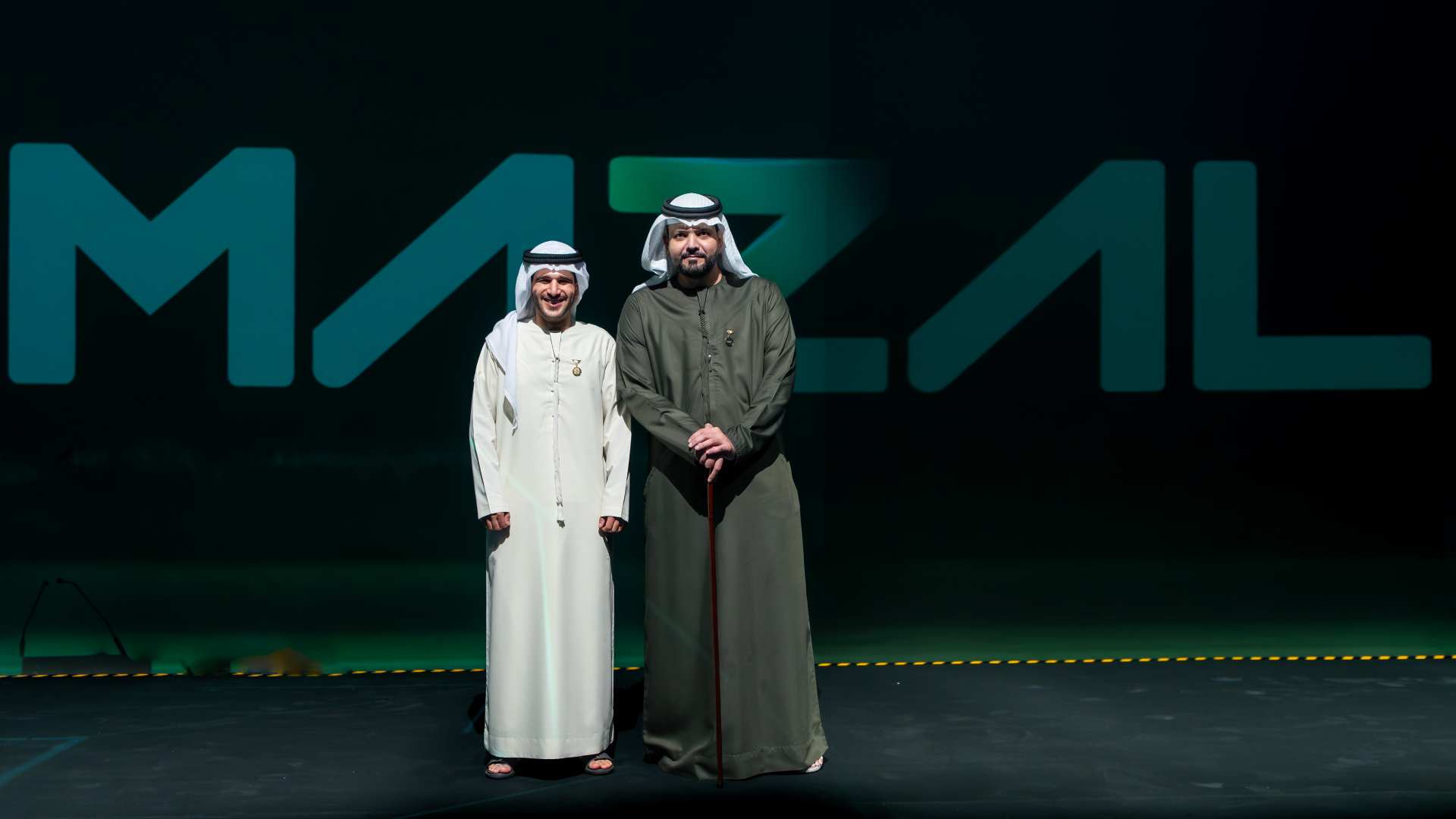
Mazal has officially launched its new digital platform, introducing what it describes as the UAE’s first escrow-protected ecosystem dedicated to the buying, selling and trading of premium Dubai number plates.
The platform was unveiled at an exclusive launch event held at a cutting-edge digital and vibrant event venue, bringing together industry stakeholders, collectors, investors and enthusiasts to mark a new chapter in Dubai’s premium number plate market.
The event also featured a live auction – the first of its kind taking place in the UAE for secondary number plates. Mazal premium number plates and premium Mazal IDs were also auctioned, lifting the energy of the evening to an all-time high.
Built around the principles of trust, transparency and security, Mazal aims to bring greater structure and efficiency to a market that has traditionally relied on informal transactions, independent brokers and manual ownership transfers. The platform provides users with a centralised environment where number plates are secured under Mazal’s custody before being made available for trading
Commenting on the occasion, Abdulla Al Meer, Co-Founder & Chairman, Mazal, said: “Building a credible market requires more than technology; it requires trust, governance and a clear framework around ownership and transactions. With my experience in Dubai’s number plate industry and its regulatory landscape, I have seen first-hand the importance of creating processes that protect both the asset and the people involved in a transaction. Mazal brings these principles together through verified ownership, secure payments and a transparent transaction journey, setting a stronger standard for the market.”
Adding to this, Ahmad Al Nasser, Co-Founder & CEO, Mazal, said: “Dubai’s premium number plate market has developed into a sophisticated trading environment, with plates increasingly recognised for their scarcity, value and long-term potential. Having spent years close to the commercial side of this industry, I have seen the need for a platform that can bring greater efficiency, transparency and accessibility to the way these assets are traded. Mazal is designed to provide that structure while preserving what makes this market unique.”
Mazal enables users to browse and list premium number plates, participate in live auctions and complete transactions through a protected escrow process. Under its transaction framework, buyers’ funds are securely held from the moment a deal is agreed and are released only once the official ownership transfer has been confirmed.
To further support secure and convenient transactions, Mazal has partnered with Transguard to facilitate reliable cash collection services for clients who choose to make payments through this method. The partnership adds an additional layer of convenience for customers while supporting the platform’s broader focus on secure and transparent transactions.
The platform also introduces data-driven valuations, with premium plates assessed against factors including transaction history, market demand, rarity and number patterns. This is designed to give buyers and sellers greater visibility into the value of an asset and reduce the uncertainty traditionally associated with premium number plate transactions.
Alongside its technology and transaction infrastructure, Mazal is investing in building a team that reflects the UAE’s talent and leadership ambitions. Through its partnership with TASC, the company is sourcing and recruiting top Emirati talent to support its growth and contribute to the development of a locally rooted business with regional ambitions.
Mazal’s launch comes at a time when premium number plates are increasingly being viewed as collectible and investment assets. According to the company’s market assessment, Dubai’s premium number plate market records approximately 55,000 transactions annually, with the market growing by around 20%. Premium plates can command significant values, with the highest recorded sale cited at AED 55 million and the premium plate market having recorded a value of AED 1.7 billion over three years.


The Connected Home Is Evolving into an Intelligent Ecosystem

New Partnership Connects Residential Wellbeing With Preventive Healthcare

Dubai Ride-Hailing App Zed Strengthens Leadership with Appointment of Shobhit Singhal to Shape Its Future



-

 Trending12 months ago
OPPO A6 Pro 5G Review: Reliable Daily Driver
-

 Tech News2 years ago
Denodo Bolsters Executive Team by Hiring Christophe Culine as its Chief Revenue Officer
-
 VAR2 years ago
Microsoft Launches New Surface Copilot+ PCs for Business
-

 Automotive2 years ago
AGMC Launches the RIDDARA RD6 High Performance Fully Electric 4×4 Pickup
-
Tech Interviews3 years ago
Navigating the Cybersecurity Landscape in Hybrid Work Environments
-

 Hospitality2 years ago
Gulfood 2025 30th Edition Kicks Off Today, Setting New Benchmarks in F&B Growth and Innovation
-
 VAR10 months ago
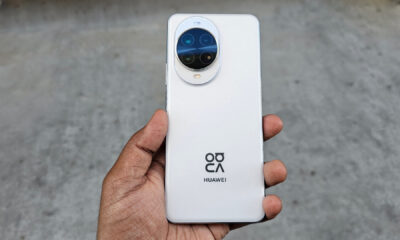
Huawei Nova 14 Pro Review: Where Camera Excellence Meets Ecosystem Evolution
-

 Tech News1 year ago
Nothing Launches flagship Nothing Phone (3) and Headphone (1) in theme with the Iconic Museum of the Future in Dubai