
 Have a question? +971 56 404 0503




Hospitality
People who love to eat are always the best people


Exclusive Interview with: Ola El Jaroudi and Tarek Sultani, Founders, Cucina Del Sul
Cucina Del Sul has evolved from a backyard dining experience to a celebrated culinary movement. What inspired you to start this journey?
During COVID, the inner foodie in all of us emerged. I took online Korean cooking classes, while Tarek became obsessed with YouTube tutorials on smoking and grilling large cuts of meat. He created such a mess in our kitchen, and the entire house smelled like BBQ, so I kicked him out to grill in the garden. That’s when we decided to build Cucina Del Sul (Kitchen of Sultani), our outdoor kitchen where we could cook and host friends and family.
What began as a gathering spot for friends and family soon evolved into a vibrant culinary hub, attracting foodies, chefs, and passionate cooks eager to showcase their talents. We began hosting invite-only dining experiences to celebrate Dubai’s homegrown culinary scene, featuring everything from burgers to paellas, braais to BBQs. Each session highlighted a different cuisine.
This marked the birth of the Cucina community—bringing people together over good food. From our villa’s backyard, strangers entered and left as friends. Cucina has since become an incubator and accelerator for culinary talent, helping over a dozen homegrown startups fast-track their journey to market.
Your events combine exceptional food, community, and the magic of the outdoors. How do you strike the perfect balance between these elements?
The balance comes naturally because it reflects the types of events we love to attend, whether at home or abroad.
Creating a complete experience—the food, the setting, the flow, and the vibe—is essential. My decade of experience running an events company ensures every detail is thoughtfully considered to elevate our culinary experiences. But the setting is critical, the UAE is home to incredible landscapes that lend themselves to unique dining experiences, so finding those spots and converting them to backdrops for our events is special and unexpected.
We’re selective about our locations, often turning down venues that lack the personality or charm needed to align with our vision for food events.
Events like Camp Cucina and Meats & Mountains have become iconic. How do you consistently keep these events fresh and engaging?
It boils down to three key points:
Discovery: Foodies are always seeking new culinary experiences. We constantly rotate chefs and discover hidden culinary talents in the community. Even repeat stations are encouraged to offer something new.
Chef-led Experiences: Our events prioritize interaction between chefs and guests, fostering connections and storytelling through culinary art. We only collaborate with chef/owner-operated vendors to maintain authenticity.
Personal Touches: Whether it’s long table decorations, homegrown musical entertainment, or nostalgic treats from our childhood (like churros and sahlab), we infuse every event with a sense of warmth and individuality.
Ultimately, the key to keeping things fresh is staying authentic and trusting the chefs to showcase their creativity with minimal interference.
With milestones like the World’s Best Burger win, how do you see these achievements influencing the culinary reputation of the UAE and the broader MENA region?
The UAE is a vibrant melting pot of cultures, best exemplified by its diverse cuisines and the innovative fusion emerging from its dynamic food scene. The World Food Championships provide us with a platform to showcase the region’s top culinary talent on the global stage. This year, five culinary teams from the region competed in categories ranging from burgers to noodles, vegetarian dishes, sandwiches, and desserts.
Our first major success came in 2022 when Sultan Chatila’s Bull Burger secured third place in the World Burger Championships. The WFC ‘Battle of the Burgers’ event laid the groundwork for local recognition, while our World Food Championship platform brought global acclaim. The Cucina pop-ups and markets generated significant buzz, ultimately leading to the establishment of Eleven Green—now one of the most popular burger joints in the city.
Many other F&B brands have similarly leveraged the Cucina platform and network to transition from niche, home-based dining experiences to thriving commercial ventures.
This year, Hassan Naja’s One More Burger raised the bar even higher, clinching first place in the World Burger Championships—outperforming over 700 competitors from around the world. His journey is just beginning, and we’re organizing exclusive pop-ups to offer food enthusiasts a taste of his exceptional burger while building excitement for his next steps. These winners are already redefining the region’s culinary identity on a global scale.
At Cucina, this is what we stand for: helping culinary talent turn their dreams into global realities. The Middle East has long demonstrated its ability to compete internationally, and our participation in global events like the World Food Championships underscores this on a culinary level. The region’s food scene is truly world-class, and achievements like these only reinforce its prominence.
These milestones embody the spirit of the region, reflecting the passion, creativity, and talent that make this community so extraordinary. We are deeply honored to contribute to shaping and supporting this remarkable journey.
Your platform celebrates both food and the connections it creates. How important is fostering a sense of community to Cucina Del Sul’s identity and success?
Community is at the core of everything we do—without it, Cucina Del Sul simply wouldn’t exist. There’s something truly special about bringing people together over a shared love and passion for food.
From the very beginning, authenticity has been the foundation of our platform. We’ve always focused on sharing our love for food, offering honest recommendations, and introducing people to our favorite hidden gems. We don’t believe in gatekeeping; we only recommend places and experiences we genuinely love and stand behind.
This philosophy is integral to our events and pop-ups. We wouldn’t organize anything unless we could confidently say, “We’d 100% attend this if someone else were hosting it.” That same passion and trust resonate deeply with our community and make everything we do feel authentic.
We also cherish taking these connections offline, where they become even more meaningful. Over the years, we’ve welcomed countless familiar faces returning to our events while embracing many new ones.
These connections—both old and new—are what propel us forward. Our community is truly the heart of Cucina Del Sul.
As we continue to grow, engaging with and nurturing this incredible community will always remain our top priority.
As you continue to grow and redefine the food scene in the UAE, what’s next for Cucina Del Sul?
Community lies at the heart of everything we do—without it, Cucina Del Sul wouldn’t exist. There’s something truly special about bringing people together through a shared love and passion for food.
From the very beginning, authenticity has been the cornerstone of our platform. We’ve always prioritized sharing our love for food, offering genuine recommendations, and introducing people to our favorite hidden gems. We don’t believe in gatekeeping; every place or experience we recommend is one we genuinely love and wholeheartedly support.
This philosophy extends seamlessly to our events and pop-ups. We wouldn’t host anything unless we could confidently say, “We’d absolutely attend this if someone else were hosting it.” That passion and trust are what deeply resonate with our community and make everything we do feel authentic and meaningful.
We also treasure taking these connections offline, where they become even more impactful. Over the years, we’ve had the pleasure of welcoming familiar faces back to our events while also embracing countless new ones.
These connections—both enduring and fresh—are what drive us forward. Our community is and will always be the soul of Cucina Del Sul.
As we continue to grow, fostering and nurturing this incredible community will remain our top priority.
In your opinion, what’s the single most impactful step the hospitality industry can take toward sustainability?
Tarek: Reducing food waste is key. Repurpose old bread, create smaller portion options, redistribute leftovers, and educate both customers and the industry about composting.
Ola: Farming and growing your own produce can also make a huge difference. Using compost from eggshells and leftover food to nourish your garden is a step toward creating a circular system of sustainability.









Hospitality
Al Bustan Centre & Residence concludes successful participation at Arabian Travel Market 2026
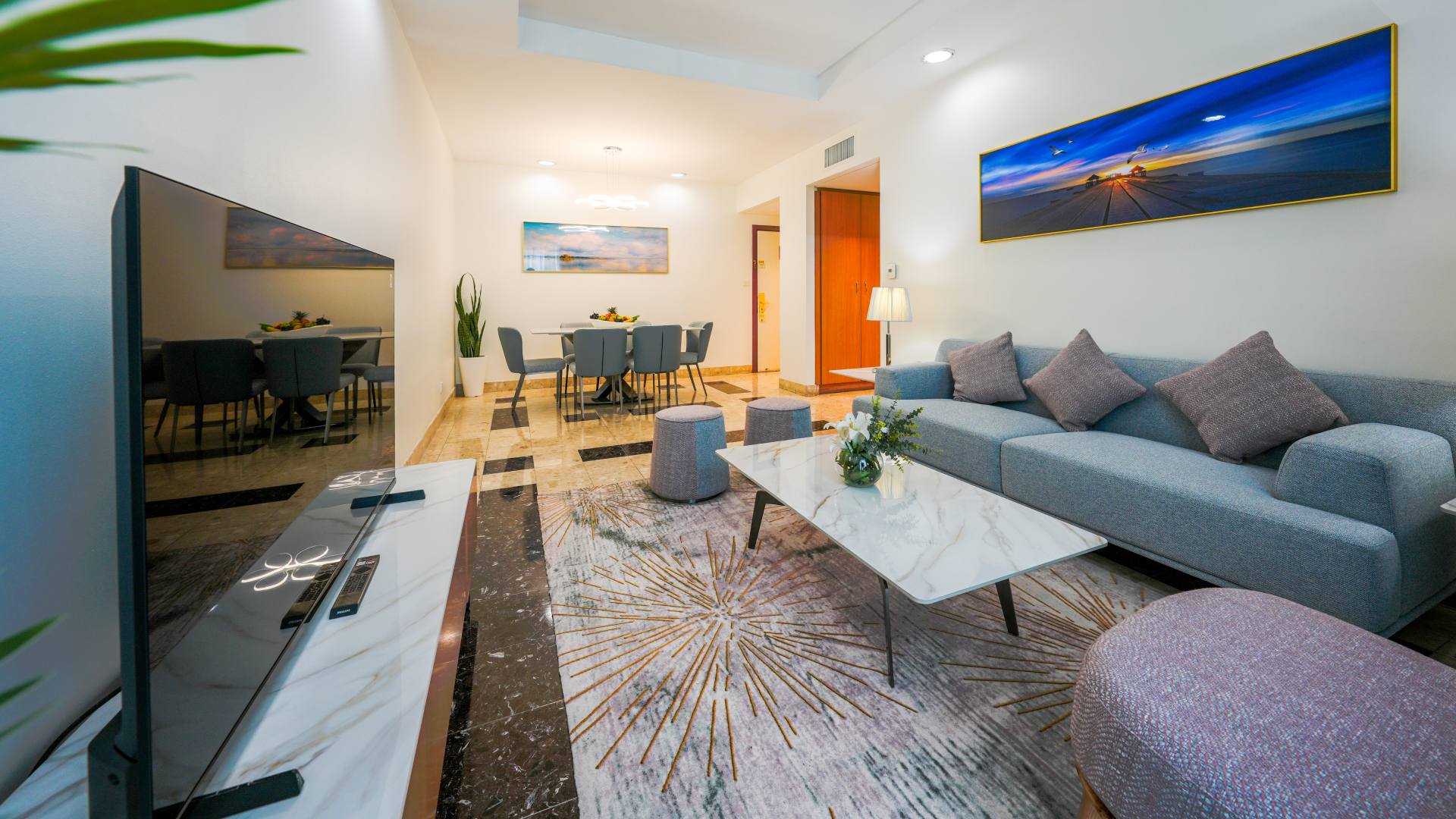
Al Bustan Centre & Residence concluded a successful participation at Arabian Travel Market (ATM) 2026, where it connected with travel industry partners and explored new business opportunities across the GCC, Europe, CIS, Asia and other international markets.
During the exhibition, the established Dubai hotel apartment property held productive discussions with tour operators, destination management companies, travel agencies, corporate travel partners and international buyers. The meetings focused on building long-term partnerships that can generate sustainable, year-round business.
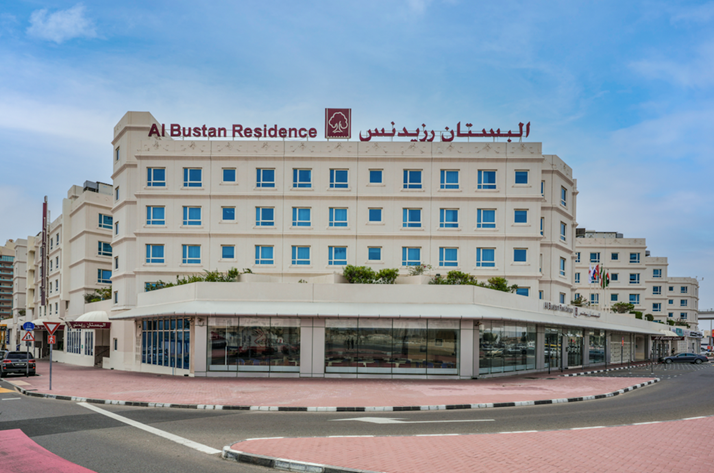
The property also highlighted the growing demand for accommodation that combines hotel services with the comfort, space and flexibility of a home. This trend is creating new opportunities across corporate accommodation, relocation, extended stays, family travel and group business.
Moussa El Hayek, Chief Operating Officer of Al Bustan Centre & Residence, said the positive response received during ATM reflected the travel industry’s continued confidence in Dubai as a global destination for tourism, business and long-term living.
“Our participation at Arabian Travel Market was highly productive and gave us an important opportunity to reconnect with existing partners while meeting new buyers and travel professionals from several international markets,” El Hayek said.
“Dubai continues to demonstrate that tourism growth is not only about increasing visitor numbers; it is about building a complete destination where people can visit, work, live and return. For hotel apartments such as Al Bustan Centre & Residence, that creates a strong opportunity to serve the evolving needs of today’s traveller.”
Dubai’s combination of tourism, business, lifestyle and residential opportunities has created a broad hospitality ecosystem. Travellers may initially visit for a holiday, meeting or event before returning for work, investment, relocation or a longer stay.
Al Bustan Centre & Residence differentiates itself by providing spacious accommodation, flexible short- and long-stay options, convenient connectivity and facilities that support guests’ everyday needs. The property continues to modernise and adapt its services in response to changing expectations.
Technology and sustainability were also central to the property’s discussions at ATM. Al Bustan believes digital solutions should simplify the guest experience and improve operational efficiency while preserving the personal service at the heart of hospitality.
The property recently received the Dubai Sustainable Tourism Stamp 2025 – Hotel Apartment Standard, awarded by the Dubai Department of Economy and Tourism. The recognition reflects its ongoing commitment to responsible hospitality, supported by its long-standing collaboration with Emirates Environmental Group and participation in environmental initiatives.
“Sustainability must become part of everyday hotel operations rather than simply being treated as a marketing initiative,” El Hayek added.
Following ATM 2026, Al Bustan Centre & Residence will continue discussions with potential partners while strengthening its presence across traditional and emerging source markets.
“We look forward to building on the conversations held at ATM and developing practical, long-term collaborations that create value for our partners and support Dubai’s continued tourism growth,” El Hayek concluded.
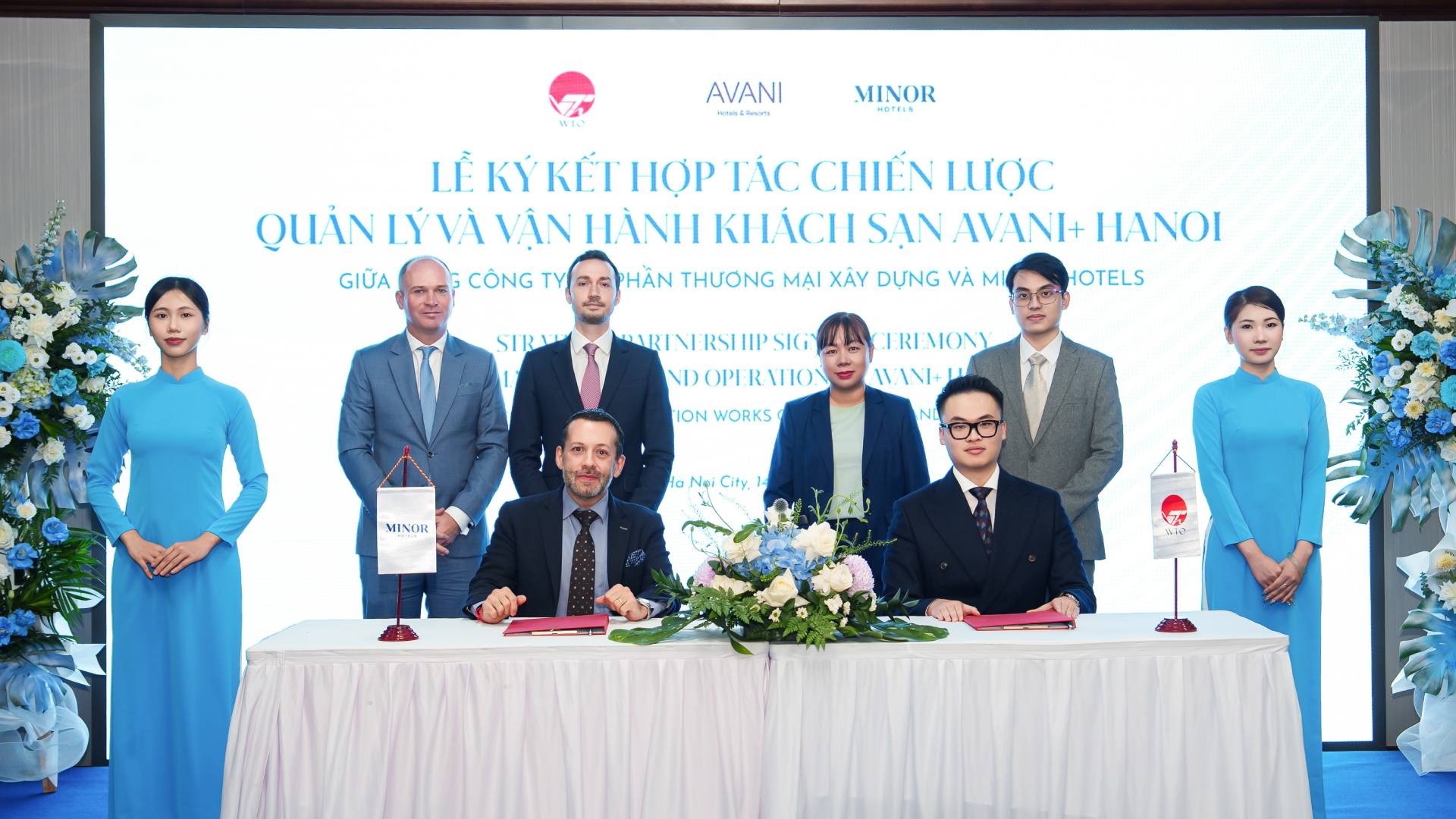
Minor Hotels, a leading global hotel owner and operator, has signed a management agreement with Trading Construction Works Organization to operate Avani+ Hanoi, a 310-key hotel in Hanoi’s Bach Mai Ward.
Scheduled to open in 2028, the hotel forms part of a mixed-use precinct anchored by Hinode City, a new lifestyle mall, alongside 1,099 residential and serviced apartments. Located at the intersection of Minh Khai and Kim Nguu Street, the development benefits from a vibrant neighbourhood and convenient transportation links with the city’s Old Quarter a 10-minute drive away.
Avani+ Hanoi marks a continuation of Minor Hotels’ growth in Vietnam, where the group operates four properties under its Anantara and Avani brands – Anantara Hoi An Resort, Anantara Mui Ne Resort, Anantara Quy Nhon Villas and Avani Quy Nhon Resort – along with luxury train carriages, The Vietage by Anantarav. The signing extends the group’s footprint into one of Vietnam’s key metropolitan areas and establishes its first property in the nation’s capital of Hanoi.
The premium lifestyle hotel will bring the Avani brand’s distinctive design and energy to the city, with facilities including an indoor swimming pool and deck, a fitness centre, all-day dining and specialty restaurants along with meeting and function spaces. Avani+ Hanoi’s central location caters to corporate travellers, long-stay and leisure guests.
Avani+ Hanoi and the broader Hinode City mixed-use development are among the latest projects of the Trading Construction Works Organization, a diversified corporation with a presence across real estate, industrial manufacturing and energy sectors.
“This is our first branded hotel in a major Vietnamese city, and the central Bach Mai Ward is the right place to start. Avani+ Hanoi’s prime location gives us a genuine hub in the capital, with strong appeal to both business and leisure travellers seeking a wellconnected urban base.”
Omar Romero, Chief Development and Luxury Officer, Minor Hotels
“This agreement marks the beginning of a long-term partnership with Minor Hotels and reflects our shared vision of bringing international hospitality standards to Hinode City. We are confident that Avani+ Hanoi Hotel will set a new benchmark for premium hospitality in Hanoi while creating lasting value for guests, investors and the wider community.”
Vo Toan Cong, Chairman of Gerbera-II Hospitality One Member Company Limited, a subsidiary of Trading Construction Works Organization.
Hospitality
Celebrate Saudi National Day in AlUla through cultural heritage activations and luxury hospitality
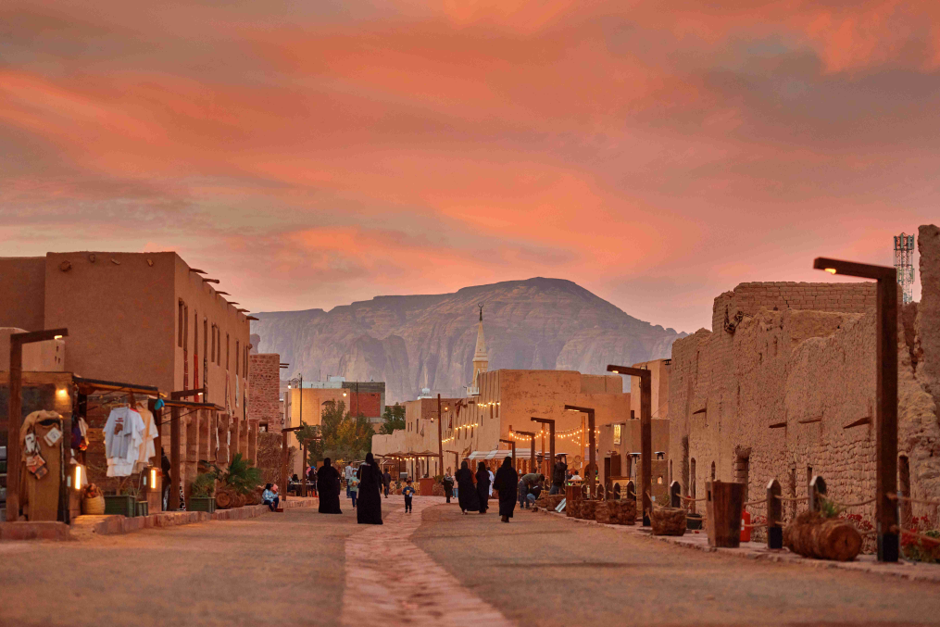
Discover vibrant community events across AlManshiyah Plaza, AlUla Old Town and AlJadidah Arts District, exclusive resort stays, restorative spa experiences, and the annual date harvest season
AlUla is welcoming visitors to celebrate Saudi National Day amidst its breathtaking sandstone canyons, ancient heritage sites and lively cultural districts of the city. With activities taking place on 23rd and 24th September, this year’s celebration brings together traditional folklore, film screenings, interactive workshops, live music and world-class hospitality within one experiential destination.
Cultural Celebrations and Community Activations
Festivities across AlUla’s key districts will feature National Day decorations, illuminated gateways, standing flags along connecting pathways, and background national melodies, with operating hours varying by location and activity.
The main celebration launches on Wednesday, 23rd September across AlUla’s principal hubs. At AlManshiyah Plaza, visitors can enjoy background National Day music, dedicated children’s activities starting at 8:30pm, two live performances of the Saudi Ardah folklore sword dance at 9:00pm and 11:30pm, and vibrant Farmers Market activities.
In AlJadidah Arts District, live musical performances by the AlUla Music Hub take place at the Shurofat of AlJadidah (balconies), featuring two shows between 9:00pm and 11:00pm, while Madrasat Addeera and the AlJadidah Traditional Arts Studios host an adult embroidery workshop from 6:00pm to 8:00pm to craft a keepsake brooch inspired by Saudi motifs, alongside guided tours of the Madrasat Addeera Visitor Centre. Travelers arriving at AlUla Airport on 23rd September will also be greeted with special National Day arrival giveaways, including flowers, chocolates, and commemorative pins.
Celebrations continue Thursday, 24th September, with storytelling taking centre stage through the Qissa bi Qissa activation at Huna Space in AlUla Old Town. Inspired by UNESCO’s Story Circles methodology, this complimentary storytelling programme led by local Rawi guides offers bilingual English and Arabic sessions from 5:00pm to 7:30pm, allowing participants to connect through shared heritage and community narratives.
Across both 23rd and 24th September, film enthusiasts can gather at Cinema AlJadidah, powered by VOX in collaboration with the Saudi Cinema Association’s Shashtna initiative, presenting three nightly screenings between 8:00pm and 2:00am showcasing acclaimed Saudi short films.
Families with young children can take part in a dedicated interactive programme at the AlUla Public Library featuring face painting and creative activities across five sessions from 6:00pm to 11:00pm. Throughout both days, local Productive Families kiosks and the Green Dew booth lined across Old Town and AlJadidah will showcase regional handicrafts, local snacks, and artisanal goods.
Honouring the harvest
September also marks the annual AlUla Dates Season, running from 18th to 27th September at the Farmers Market in AlManshiyah Plaza, celebrating the destination’s deep agricultural roots and centuries-old date palm cultivation. On 24th September, AlManshiyah Plaza integrates both National Day celebrations and Dates Season activities featuring Saudi Ardah performances, children’s entertainment, and farmers market activities, giving visitors an authentic taste of AlUla’s rich oasis culture and community spirit.
Exclusive hotel stays
For Saudi National Day week, The Chedi Hegra is offering its Emerald Treasures of the Kingdom package directly inside Saudi Arabia’s first UNESCO World Heritage Site. Guests receive a traditional welcome with Arabic coffee and dates, along with a limited-edition gift. The offer includes a Hegra Heritage Bike Tour, an evening Stargazing experience, a National Day afternoon tea or dessert experience, complimentary room upgrades subject to availability, and early check-in and late check-out. Guests also enjoy savings across resort amenities, including 20% off spa treatments and 40% off dining. In addition, the resort’s Prima Classe restaurant features a dedicated Saudi National Day Sharing Experience with a multi-course menu celebrating modern Saudi flavours accompanied by specialty mocktails and Saudi coffee.
In celebration of Saudi National Day, Our Habitas AlUla offers a tranquil retreat with its Saudi National Day Stay Offer for stays between 22nd and 25th September. Guests booking prior to 25th September receive a complimentary villa upgrade, daily breakfast savings on food and beverage outlets, flexible 24-hour check-in and check-out, and a welcome drink upon arrival, while children under 12 stay and dine for free. Outside guests looking to unwind by the water can also purchase the AlUla Pool Day Pass for full access to the resort’s infinity pool.
Banyan Tree AlUla invites guests to settle into luxurious tented villas nestled beneath ancient rock formations. Valid for stays from 22nd to 26th September, the resort’s Saudi National Day package includes daily breakfast, discounts on dining, complimentary stays and meals for kids, flexible 24-hour check-in and check-out, a complimentary upgrade to a pool villa subject to availability and shared access to facilities across both Banyan Tree AlUla and Our Habitas AlUla. For a romantic retreat, couples can choose a Romantic Escape package, complete with daily breakfast, a 90-minute couples’ spa experience, a private dinner at Saffron, and an in-villa romantic bath ritual.
Surrounded by towering rock formations, Shaden Resort features a dedicated National Day promotion for stays between 23rd and 25th September across all room categories, inclusive of daily breakfast and a complimentary dinner. Guests visiting throughout September can also enjoy weekday Sky Cinema outdoor movie screenings under the stars, and weekend poolside sports match broadcasts with mocktails and light bites.
Cloud7 Residence AlUla introduces its Proudly Saudi National Day Offer for guests seeking a vibrant, community-focused bungalow stay. Available to book now for stays from 22nd to 26th September (minimum two-night stay), the package features a 25% discount on bungalow room rates. As an added cultural perk, the offer includes guided tours of the ancient heritage sites of Dadan and Jabal Ikmah, alongside an immersive AlUla Old Town experience.
For Saudi National Day, Dar Tantora the House Hotel is offering its Proudly Saudi package in AlUla Old Town for stays in the Dar Al Luban room category between 22nd and 26th September (bookable until 18th September with a minimum two-night stay). The stay includes a 25% discount on room rates, a traditional five-sense welcome upon check-in, a guided heritage tour of AlUla Old Town, and flexible early check-in and late check-out.
Wellness and spa indulgences
On 23rd September, Our Habitas Spa will offer complimentary sound bath healing sessions for in-house guests, alongside a special offer where booking any massage of 60 minutes or longer unlocks an additional 30 minutes of complimentary spa pampering.
Running through 30th September, Banyan Tree Spa AlUla invites guests to experience holistic treatments combining Eastern and Western wellness philosophies. Guests booking a 60- or 90-minute massage receive 30 complimentary additional minutes or can choose a special 30% discount across 60- and 90-minute massage sessions.
Saudi National Day in AlUla offers a special union of vibrant community tradition, luxury sanctuary and timeless natural beauty, and an extraordinary setting for the national holiday.


Al Bustan Centre & Residence concludes successful participation at Arabian Travel Market 2026

From 350+ Applications to One Champion: School of Cyber Defense Final Stage at GISEC GLOBAL 2026

Half a billion people live with arthritis: MEAF puts early action at the heart of World Arthritis Day 2026



-
News11 years ago
SENDQUICK (TALARIAX) INTRODUCES SQOOPE – THE BREAKTHROUGH IN MOBILE MESSAGING
-

 Trending11 months ago
OPPO A6 Pro 5G Review: Reliable Daily Driver
-

 Tech News2 years ago
Denodo Bolsters Executive Team by Hiring Christophe Culine as its Chief Revenue Officer
-
 VAR1 year ago
Microsoft Launches New Surface Copilot+ PCs for Business
-

 Automotive2 years ago
AGMC Launches the RIDDARA RD6 High Performance Fully Electric 4×4 Pickup
-
Tech Interviews3 years ago
Navigating the Cybersecurity Landscape in Hybrid Work Environments
-
 Tech News2 years ago
Toshiba Announces MG10-D Series of Enterprise HDDs with Capacities up to 10TB
-

 Tech News1 year ago
Nothing Launches flagship Nothing Phone (3) and Headphone (1) in theme with the Iconic Museum of the Future in Dubai