
 Have a question? +971 56 404 0503




Hospitality
Emirates Airline Festival of Literature Hosted 150+ Youth as Part OfThe Second Annual International Youth Programme


Over a hundred Arabic speaking students from universities in Austria, Bahrain, France, Jordan, Korea, Kuwait, Malaysia, Maldives, Norway, Oman, Pakistan, Qatar, KSA, Scotland, Turkey, UK, and USA took part in a once-in-a-lifetime trip to the Emirates LitFest 2025. These students, whose flights, accommodation and festival attendance were sponsored by the generous support of programme partners, attended a day of exclusive programming with VIP speakers and a curated itinerary of the Festival sessions. Throughout the programme, the Youth Ambassadors and their UAE counterparts immersed themselves in literary conversations and networking opportunities and engaged in various cultural exchange activities through a robust social and cultural programme around UAE, all this while celebrating Arabic language.

The International Youth Programme is supported by Emirates Airline, Fly Dubai, Investment Corporation of Dubai, Dubai Business Associates, Abu Dhabi Arabic Language Center and Philosophy House.
Welcome Day for the Youth was on Thursday 30 January with keynotes and presentations from representatives from Ministry of AI, Abu Dhabi Arabic Language Center, International Prize for Arabic Fiction, Investment Corporation of Dubai, Ministry of Youth Affairs and Dubai Business Associates. The focus of the Welcome Day was to give participants insights into the challenges and opportunities facing Arabic language in a highly digital study and work environment, as well as delve into topics such as Business and Entrepreneurship, Artificial Intelligence and Work Placement opportunities in the UAE. The delegates attended Festival sessions, in Arabic, on a variety of topics on Friday 31 January and Saturday 1 February including a workshop by Wikimedians of the UAE User Group, a conversation with the brother and publisher of the imprisoned writer, Basem Khandakji, whose book A Mask, the Colour of the Sky won the IPAF in 2024, and a literary discussion with 2 of the giants in Arabic literature, Prof. Waciny Laredj and Dr. Mohammed Al Mansi Qindeel. Sunday 2 February was earmarked for a scenic road trip to Fujairah including a stop at the Philosophy House and Fujairah Fort, followed by a farewell event back at the festival site.
Dania Droubi, COO of Emirates Literature Foundation said: “The International Youth Programme offers a unique opportunity for aspiring young minds to immerse themselves in a vibrant literary and culture exchange. We believe that fostering international understanding through the power of literature is crucial, and we are delighted that our sponsors share the same values as us and have generously contributed to make this enriching journey possible for these talented and deserving students. The impact of the programme will extend past the festival, as students will be producing reflections of their visit and hopefully take those learnings, the expanded discovery of Arabic literary talent and the friendships formed, to continue their deep dive into the wonderful world of Arabic Literature and the possibilities it possesses.”
Boutros Boutros, Executive Vice President, Corporate Communications, Marketing & Brand, Emirates said: “Emirates is delighted to support these bright young minds as they experience the transformative power of literary connection to the best writers and thinkers of our day. The Emirates Airline Festival of Literature, as it always has, will offer these students a rich environment to listen, talk, learn, forge meaningful relationships, and share common ground with others.”
Ghaith Al Ghaith, Chief Executive Officer at flydubai, said:“we are delighted to partner with Emirates Literature Festival to support the International Youth Programme this year, reflecting flydubai’s commitment to enhancing connectivity between different cultures and communities. The aviation industry is not only about facilitating trade and tourism, it also offers a bridge for cultural and intellectual exchanges between generations, strengthening the UAE’s position as a cultural capital.
Over the years, our network has grown to more than 125 destinations in 55 countries and we continue to dedicate ourselves to removing barriers and fostering strong relationships, honouring Dubai’s vision and the values inspired by the UAE’s leadership. We are proud to be part of this initiative that celebrates literature and supports the youth and we are always keen to encourage the development of young and talented minds.”
Douraid Zaghouani, Executive Vice President and Chief Operating Officer at ICD (Investment Corporation of Dubai), comments: “ICD is proud to partner with Emirates LitFest and its transformative International Youth Programme. Emirates LitFest has served as an exceptional platform over our seven years of partnership for celebrating and fostering cross-cultural understanding. The Youth Programme further exemplifies this mission by empowering talented young minds from around the world to engage in literary dialogue, immerse themselves in the rich heritage of Arabic literature, and learn about opportunities for their success in the UAE. We are continuously committed to supporting initiatives that nurture Dubai’s global standing as a hub for culture, knowledge, and innovation and look forward to the exchange of ideas and the outcomes they inspire from these exceptional young minds.”
Rami Tawfiq, Programme Director, Dubai Business Associates, said: “We are once again delighted to partner with the Emirates Airline Festival of Literature, in line with our shared commitment to facilitate the professional and personal growth of young talent. Access to literature plays a pivotal role in providing students with the necessary life skills to thrive, and we can’t wait to see the transformative impact that the programme has.”
The Emirates Airline Festival of Literature is the flagship event of the Emirates Literature Foundation, held under the patronage of His Highness Sheikh Mohammed Bin Rashid Al Maktoum, Vice-President and Prime Minister of the United Arab Emirates and Ruler of Dubai. The Festival is held with the support of Title Sponsor, Emirates Airline, and Founding Partner, Dubai Culture & Arts Authority.
His Excellency Dr. Ali bin Tamim, Chairman of the Abu Dhabi Arabic Language Centre, commended the Emirates Literature Foundation for its pivotal role in supporting and promoting literature in the UAE and the region through its diverse cultural programs and initiatives.
He stated, “Through our partnership with the Foundation in the ‘International Youth Program,’ we seek to enhance these distinguished efforts to enrich Arabic intellectual, cultural, and artistic content among young people worldwide, particularly university students with a keen interest in the Arabic language.”
Dr. bin Tamim further emphasized that this collaboration is driven by a shared vision of the profound impact of language, literature, and the arts in inspiring new generations. “Our goal is to encourage young people to explore innovative avenues for self-expression, fostering a deeper connection with their communities and cultural heritage through a structured and insightful engagement with the Arabic language,” he explained.
He added that the partnership will offer participating youth unique opportunities for learning, skill development, and engagement with leading intellectual and cultural figures in the creative industries and Arabic language sectors. Additionally, participants will benefit from the Abu Dhabi Arabic Language Centre’s specialized initiatives, including training and educational programs, exhibitions, conferences, and cutting-edge digital tools designed to support the creative industries in the Arabic language.
The Director of the Philosophy House, Mr. Ahmed Al-Samahi, stated: “We, at the House of Philosophy, are steadfast in our efforts to inspire young people to engage in creative cultural activities that foster their talents and enable them to craft a bright future. Yet, we strive even harder to transform these aspirations into reality. This visit is a testament to our unwavering commitment to meaningful collaboration with the Emirates Foundation for Literature, as we share a common goal of achieving excellence for our youth aligning seamlessly with the cherished principles of our beloved nation, the United Arab Emirates, and the aspirations of our visionary leaders for sustainable development across all domains.
Welcoming this remarkable cohort of young individuals from diverse corners of the world underscores our dedication to promoting intercultural exchange. We believe in the profound cultural benefits it entails, foremost among them being the cultivation of a culture of dialogue, the embrace of diversity, the exchange of ideas and perspectives, and the enhancement of skills in logical reasoning and critical thinking.”












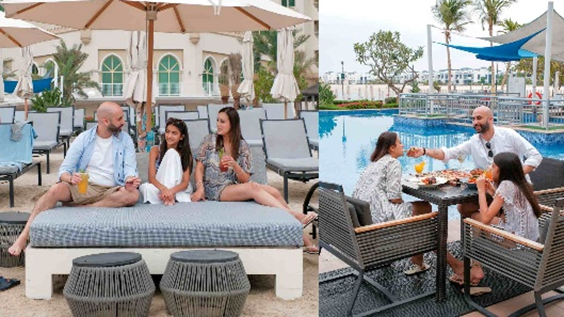
Riva Beach Club invites families to celebrate Easter Sunday with a relaxed, seaside experience designed especially for little ones. Taking place on 5 April 2026, Easter by the Beach brings together sunshine, playful activities, and easygoing dining, creating the perfect setting for a memorable day out with the family.
Set along the shores of Palm Jumeirah, the experience offers children a full day of beach and pool access, fully redeemable on food and beverages, along with a breakfast service running from 9:00 AM to 2:00 PM and a dedicated kids’ menu available throughout the day. Designed to keep young guests engaged and entertained, the afternoon unfolds with a series of fun-filled activities from 1:00 PM to 4:00 PM.
From decorating hot cross buns to hands-on arts and crafts, the day is packed with interactive moments, alongside a bouncy castle, a cosy movie marathon, and a classic Easter egg hunt taking place at 4:00 PM. With something happening at every turn, Riva creates a lively yet laid-back environment where families can spend quality time together by the beach.
Known for its welcoming atmosphere and relaxed beachfront setting, Riva Beach Club continues to be a go-to destination for family-friendly experiences in Dubai. This Easter, it offers a thoughtful mix of entertainment, dining, and seaside charm, making it an easy choice for a day out with the little ones.
- Event Details:
- Easter by the BeachDate: Sunday, 5 April 2026
- Inclusions:
- Beach & Pool Access (fully redeemable on F&B)
- Breakfast from 9:00 AM to 2:00 PM
- All-day kids menu
- Activities (1:00 PM – 4:00 PM):
- Hot Cross Bun Decorating | Arts & Crafts | Bouncy Castle | Movie Marathon
- Easter Egg Hunt at 4:00 PM
- Additional Information:
- Kids aged 6 years & below – Complimentary access
- Pet-friendly venue
- Free parking available
- Location: Shoreline East 7 & 8
Because service quality can never rise above the culture behind it
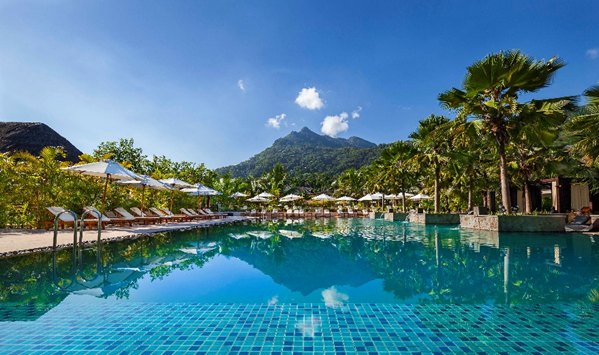
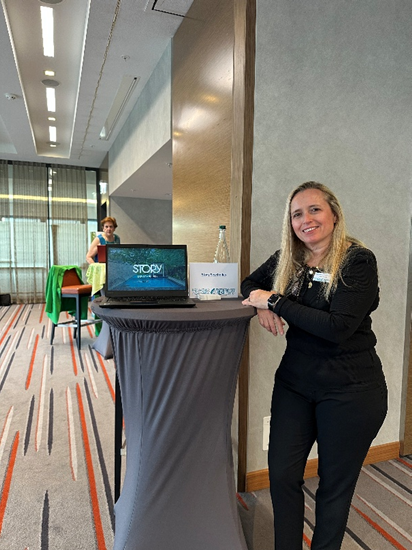
By Nives Deininger, Cluster Director of Sales, STORY Seychelles and Fisherman’s Cove Resort
Hospitality has always been a people business. We talk a great deal about guest expectations, service standards and commercial performance – and rightly so.
But behind all of that sits something more fundamental: how people are led. In my experience, empathetic leadership is not a soft extra or a nice-to-have. It’s a practical, commercially relevant way of building stronger teams, more resilient cultures and better guest experiences.
In hospitality, business value is created every day through human interactions. We see motivated employees who feel supported approaching guests differently from those who feel overlooked or undervalued. And when leaders take time to understand their teams, listen to concerns and respond with honesty, it creates an environment where people are more engaged in their work and more confident in how they deliver it.
That clearly has a direct impact on service quality, team stability and, ultimately, revenue.

Proactive, thoughtful and personal
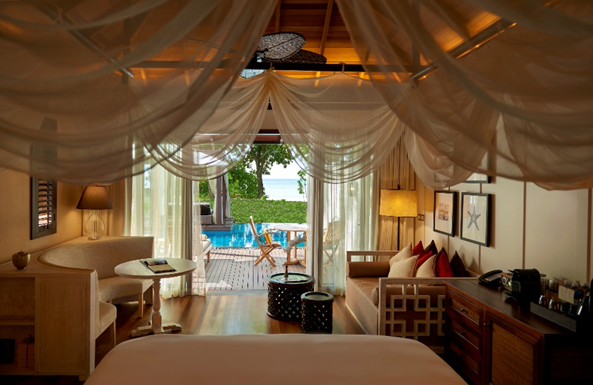
This is especially important in a luxury environment, where the guest experience depends on authenticity as much as efficiency. Five-star hospitality is not only about polished processes. It’s as much about the proactive, thoughtful and personal touches that guests remember. And those moments are much easier to create when employees feel respected and trusted. Empathy, in that sense, is not separate from performance, it supports it.
It also shapes the way departments work together. In hotels and resorts, no team operates in isolation. Sales, revenue and operations need to be aligned if the business is to grow without compromising the guest experience. Empathetic leadership encourages stronger communication and collaboration across those functions.
It helps people understand one another’s pressures, priorities and constraints, which leads to better decisions and more joined-up strategies. Over time, that strengthens not only internal trust but also guest loyalty, client relationships and repeat business.
Connecting with your teams
In high-pressure hospitality environments, empathy is even more important. The pace can be intense, and performance expectation remains high across seasons, segments and business cycles.
As a Director of Sales, I believe leadership in this setting means more than setting targets or leading by example. It means connecting with the team as individuals, understanding that each person brings different circumstances, strengths and pressures to work, and finding ways to bring out the best in them, while making sure they feel valued.
My team in Seychelles includes Seychellois women who are strong-willed, highly capable and well used to working under pressure. That strength is an asset, but it still needs the right environment around it. People perform best when they know they are appreciated, when expectations are clear, and when challenges can be discussed openly rather than hidden. Honesty and transparency matter here. They build trust, and trust allows teams to keep performing even when conditions are demanding.
This is a good reason why the conversation around women in hospitality leadership is so important. The industry is making progress, but there is still more to do if we want to see more women move from operational and administrative roles into executive leadership positions.
One of the biggest needs is for clearer leadership pathways and stronger mentorship earlier in women’s careers. Many talented women are already in the industry, but too often they are not given the visibility, support or structured development needed to progress with confidence.
Outcomes, strength and flexibility
There is also a broader cultural issue to address. Senior roles in hospitality have traditionally been designed around long, inflexible hours and a strong emphasis on physical presence.
That model can make progression harder for women, particularly at different stages of life. The industry needs to become more thoughtful about how leadership is measured and supported. A greater focus on outcomes, collaboration and the strength of leadership teams, rather than simply time spent on site, would help retain and promote more talented women across the sector.
This is not only about fairness, it’s as much about what kind of leadership the industry needs for the future. Hospitality is evolving, with guests increasingly expecting personalised service, emotional intelligence and experiences that feel genuine, rather than scripted.
At the same time, employees are placing greater value on wellbeing, inclusion and workplace culture. We know empathetic leadership is well suited to both these shifts, because it keeps people at the centre of the business.
Looking ahead, I believe empathy will play an even greater role in shaping hospitality, from employee wellbeing to guest experience and the way hotels build workplace culture. When leaders understand the needs, motivations and pressures of their teams, they are better placed to sustain the service levels that premium hospitality requires.
Employees who feel heard and supported are far more likely to create the authentic and personalised moments that today’s guests increasingly value.
Focus on wellbeing
Internally, we will continue to see hospitality workplaces place more emphasis on wellbeing, flexibility and inclusive culture. Hotels and resorts that do this well will be in a stronger position to attract and retain talented people. That matters, because service quality can never rise above the culture behind it. In a competitive market, a supportive workplace is not separate from brand reputation. It helps protect it.
Empathy is sometimes spoken about as though it sits outside hard business reality. I would argue the opposite.
In hospitality, where people shape every outcome, empathetic leadership is an integral part of the operating model. It creates better environments for employees to bring their best, helps teams navigate pressure with honesty and transparency, and supports the kind of service that builds long-term value.
Hospitality
HOP INTO EASTER AT MCGETTIGAN’S WITH FAMILY ROASTS, EGG HUNTS AND CLASSIC SUNDAY FAVOURITES


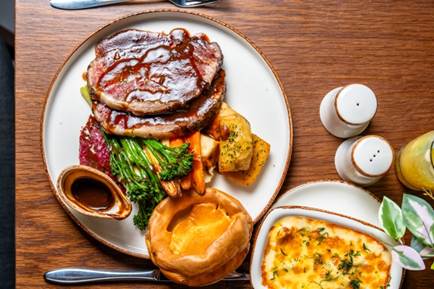
This Easter, McGettigan’s is bringing together hearty roasts, family-friendly activities, and laid-back celebrations across its venues in Dubai. From lively family days with quizzes and egg hunts to traditional Sunday roasts for a relaxed gathering, there is something for everyone this Easter Sunday.
Easter Family Roast & Quiz at McGettigan’s Ibn Battuta Gate
Expect a lively Easter Sunday packed with family-friendly entertainment, including a quiz and activities for all ages, alongside McGettigan’s signature roast. Younger guests can also enjoy an Easter egg hunt, adding to the festive atmosphere and making it a perfect day out for families.
- Who – Families and groups
- What – Easter Sunday Roast with family quiz, entertainment, and egg hunt
- Where – McGettigan’s Ibn Battuta Gate
Easter Sunday Roast with Egg Hunt at Souk Madinat Jumeirah and Expo City
For a more relaxed Easter celebration, McGettigan’s at Souk Madinat Jumeirah and Expo City will host a laid-back family roast with a light touch of festive fun, including an Easter egg hunt for younger guests. Ideal for those looking to enjoy quality time with family in a more casual setting.
- Who – Families and casual diners
- What – Easter Sunday Roast with egg hunt
- Where – McGettigan’s Souk Madinat Jumeirah and McGettigan’s Expo City
Traditional Easter Roast at McGettigan’s JLT and DWTC
For those who prefer to keep it classic, McGettigan’s JLT and DWTC will be serving up their traditional Easter Sunday roast, complete with all the hearty favourites and signature dishes the brand is known for. A perfect option for a relaxed gathering with friends or family.
- Who – Friends, couples, and groups
- What – Traditional Easter Sunday Roast
- Where – McGettigan’s JLT and McGettigan’s DWTC


MOZN’s AI-Powered FOCAL Platform Earns Recognition in Forrester Financial Crime Landscape
THE INFORMATION PARADOX IN MODERN MARKETS: WHY MORE DATA DEMANDS BETTER JUDGEMENT
RIVA BEACH CLUB WELCOMES FAMILIES FOR A FUN-FILLED EASTER BY THE BEACH

-
News10 years ago
SENDQUICK (TALARIAX) INTRODUCES SQOOPE – THE BREAKTHROUGH IN MOBILE MESSAGING
-

 Tech News2 years ago
Denodo Bolsters Executive Team by Hiring Christophe Culine as its Chief Revenue Officer
-
 VAR12 months ago
Microsoft Launches New Surface Copilot+ PCs for Business
-

 Trending5 months ago
OPPO A6 Pro 5G Review: Reliable Daily Driver
-

 Tech Interviews2 years ago
Navigating the Cybersecurity Landscape in Hybrid Work Environments
-

 Tech News9 months ago
Nothing Launches flagship Nothing Phone (3) and Headphone (1) in theme with the Iconic Museum of the Future in Dubai
-

 Automotive2 years ago
AGMC Launches the RIDDARA RD6 High Performance Fully Electric 4×4 Pickup
-

 VAR2 years ago
Samsung Galaxy Z Fold6 vs Google Pixel 9 Pro Fold: Clash Of The Folding Phenoms